
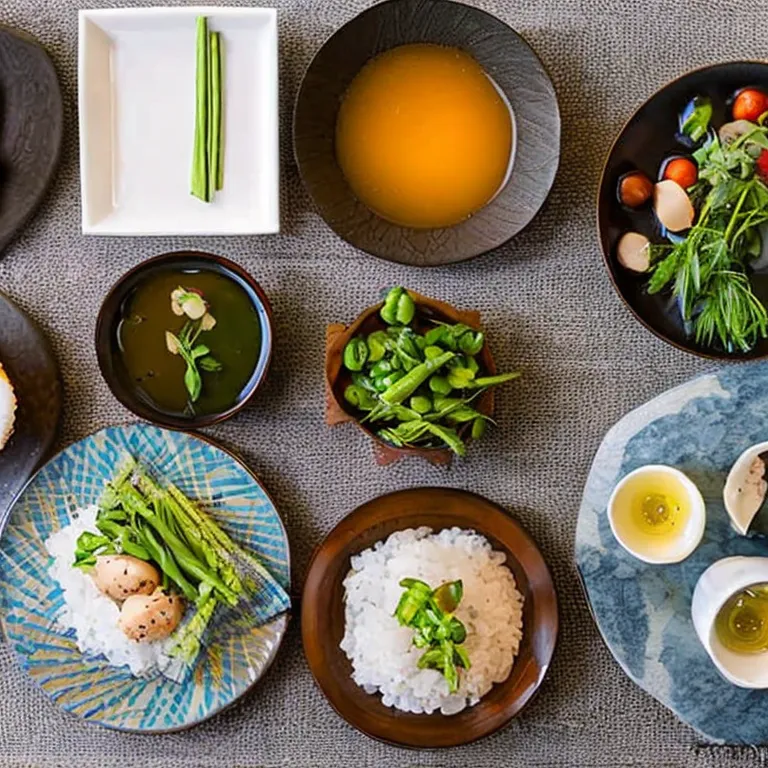
Yosenabe is a traditional Japanese hot pot that the whole family will love - perfect for cold evenings, family meals or any time you want to gather around the table; made with an assortment of seafood, meat, tofu and vegetables simmered in a light broth, this wholesome version is toddler-friendly with low salt, everything cut safe and soft, great for introducing your child to communal dining and can be adapted to use whatever proteins you have, made completely vegetarian, or kept simple with just a few favourite ingredients for fussier eaters; follow this simple recipe for a warming Japanese tradition that brings family together while keeping everything nutritious, safe and utterly comforting.
General Information
- Servings: 4 (including toddler portions)
- Keywords: yosenabe, hot pot, toddler-friendly, no salt, family, dashi, one-pot
- Calories: ~180 kcal per serving
- Protein: ~27 g per serving
- Carbs: ~12 g per serving
- Fats: ~4 g per serving
- Preparation time: 30 minutes
- Cooking time: 20 minutes
Hi, I’m James. By day I try to keep companies safe from bad actors, and by dinner time I try to keep a very lively toddler fed without losing my mind. This yosenabe is a gentle, no-salt, no-added-sugar version suitable for toddlers. It’s warm, full of mild flavour from kombu and dried shiitake, and everything is cut and cooked to avoid choking hazards. I’ll walk you through every step like I’m teaching my mate who’s never held a knife. If you can boil water and use a chopping board safely, you’ve got this.
Ingredients
- 1.2 L cold water (for dashi base)
- 10 g dried kombu (about one small strip, optional but adds gentle umami)
- 8 g dried shiitake mushrooms (about 4 medium dried caps)
- 300 g skinless chicken breast (about 2 small breasts)
- 200 g firm tofu (one standard block)
- 150 g white fish fillet, e.g. cod or hoki, skin removed (or omit for pescatarian)
- 1 medium carrot (about 100 g)
- 150 g daikon radish or kohlrabi (about one small piece)
- 150 g Chinese cabbage (hakusai) or regular cabbage
- 100 g shiitake or brown button mushrooms (fresh)
- 1 small bunch of spinach or baby spinach leaves (about 80 g)
- 1 spring onion (scallion) - only the green part, finely sliced (optional)
- 1 clove garlic, crushed gently (optional, for parents who want mild extra aroma)
- 1 tsp sesame oil (5 ml) - optional, for finishing if your toddler accepts this
- 1 tsp toasted sesame seeds (optional, for adults at the table only)
- Lemon wedge for adults only (optional)
Notes on ingredient choice:
- No added salt or sugary sauces. Kombu and dried shiitake give natural umami without added sodium. If you do not have kombu or shiitake, use plain water and a cup of unsalted homemade vegetable or chicken stock.
- All pieces will be cut and cooked so they are soft and sized small to reduce choking risk. Do not serve large, hard chunks to toddlers.
Ingredients preparation - very detailed
I’ll assume you have a small, sharp knife, a peeler, a chopping board, a medium pot, and a ladle.
- Kombu and shiitake dashi (makes the gentle broth)
- Place 1.2 L cold water in a medium pot.
- Rub any dirt off kombu with a clean damp cloth. Do not wash under running water if you can avoid it. Put the kombu and dried shiitake into the cold water.
- Let them soak for 20 to 30 minutes while you prep the other ingredients. This pulls out flavour without adding salt.
- After soaking, slowly heat the pot over medium heat. Just before it reaches a simmer and you see small bubbles, remove the kombu. If you leave kombu boiling for long it can go bitter. Let the shiitake continue to simmer in the water for 5 more minutes to release more flavour, then remove them and keep the soaking liquid. Thinly slice those rehydrated shiitake later for the pot or finely chop and add to toddler portions.
- Chicken breast
- Place the chicken breast on a clean chopping board. Pat dry with kitchen paper.
- Trim off any obvious fat with the tip of the knife.
- For toddler-friendly pieces: hold the breast steady with your non-dominant hand in a claw grip, slice the breast across the grain into strips about 5 mm thick, then turn strips and cut into little bite-sized pieces about 1 cm wide. If you are nervous about cutting raw chicken, ask someone to show you the motion once. Wash the board and knife after cutting raw chicken.
- Tofu
- Use firm tofu. Remove from the packet and drain the water into the sink.
- Place tofu on a clean plate and cut into small cubes roughly 1 to 1.5 cm on a side. These are soft, so gentle cuts with a knife work fine. No need to press hard. If your toddler prefers softer texture, you can cut into thin strips about 5 mm thick.
- Fish fillet
- Pat the fillet dry, remove any tiny bones with tweezers if you find any.
- Slice into small cubes about 1 to 1.5 cm, similar to the tofu. Cooked fish will flake, so these small pieces are easy for toddlers to gum and swallow.
- Carrot
- Peel the carrot with a vegetable peeler.
- For safety and easy chewing, use the peeler to make thin long ribbons. Alternatively, cut into thin half-moon slices about 3 mm thick and then into short pieces about 1 cm long. Thin pieces cook quickly and are safer for toddlers.
- Daikon or kohlrabi
- Peel with a vegetable peeler.
- Cut into thin half-moon slices about 2 to 3 mm thick, then into small pieces about 1 cm square. These should become very soft after simmering.
- Chinese cabbage or regular cabbage
- Remove any bruised outer leaves.
- Stack leaves and cut into strips about 1 cm wide. For toddlers, you can further cut strips into 2 cm lengths so they are easy to pick up and soft when cooked.
- Fresh mushrooms
- Wipe clean with a damp cloth. Remove stalks from shiitake and slice caps thinly 2 to 3 mm thick. For button mushrooms, slice thinly.
- If using the rehydrated shiitake, slice thinly as well.
- Spinach
- Rinse leaves well under cold running water to remove grit. Drain in a colander. Trim long stems if needed. For toddlers, chop leaves into 1 to 2 cm pieces.
- Spring onion, garlic, sesame oil
- For spring onion only use the green tops. Slice very thinly into small rings less than 2 mm thick. These are optional and can be left out for toddlers who dislike the stronger flavour.
- If using garlic, crush gently and add to the adult portion at the end or omit if you prefer plain flavours for the toddler.
Safety check before cooking:
- Make sure all pieces for the toddler are 1.5 cm or smaller and soft when cooked.
- Keep raw meat and fish separate from ready-to-eat items. Wash hands and surfaces after handling raw chicken or fish.
Directions
- Get your pot ready
- Put the kombu-shiitake soaking liquid back on gentle heat. If you did not use kombu/shiitake, use 1.2 L unsalted homemade stock or plain water.
- Bring the liquid to a very gentle simmer, not a rolling boil.
- Add the hard vegetables first
- Add the daikon/kohlrabi pieces and carrot ribbons to the pot first. These take longer to soften. Simmer for 6 to 8 minutes until you can easily pierce a piece with the tip of a spoon or small knife. Toddlers need soft food, so be generous with cooking time here.
Joke: I treat the pot like a little data centre - slow and steady wins the uptime.
- Add chicken and root-soft items
- Gently add the small chicken pieces into the simmering pot. Stir once gently so pieces don’t stick together. Simmer for 5 minutes. Chicken is cooked when it is white all the way through and reaches a safe internal texture. For small pieces this should be enough.
- If you used rehydrated shiitake, add the sliced rehydrated shiitake now.
Tip: To check chicken, take one piece with a slotted spoon and press it. If juices run clear and centre is firm, it’s done.
- Add tofu, fish, and quick-cook vegetables
- Gently slide tofu cubes into the pot. Spoon a little hot broth over them so they warm through.
- Add the fish cubes and sliced fresh mushrooms. Fish cooks quickly; simmer for 3 to 4 minutes until fish flakes easily with a fork.
- Add the cabbage strips and chopped spinach in the last 1 to 2 minutes so they wilt but stay tender.
- Final taste and texture check
- For toddlers, you want everything very soft. Use the back of a spoon to press a carrot piece or cabbage. If it gives easily, it’s ready.
- Keep the broth plain and unsalted for toddlers. If adults want extra flavour, they can add a tiny drizzle of soy sauce or a squeeze of lemon at their bowl, not in the shared pot.
Joke: As a security nerd I like permissions. In this household, adults have permission to season their own bowl.
- Serving
- Remove the pot from heat. Use a ladle to transfer toddler portions into a small bowl. Break larger pieces into smaller ones with the ladle or a spoon so nothing is bigger than about 1.5 cm.
- Let the toddler bowl cool to warm - check the temperature by blowing on a spoonful or testing on the back of your wrist. Never serve scalding hot food.
- Storage and leftovers
- Cool any leftover broth or solids quickly and store in the fridge within 2 hours in a sealed container. Use within 48 hours.
- To reheat for toddlers, warm thoroughly until steaming hot and then let it cool to a safe eating temperature before serving.
Recommended Sides
- Soft cooked short-grain rice: spoon onto toddler plate. Keep rice slightly sticky so it is easier to pick up.
- Mashed sweet potato: smooth, no lumps, easy for little hands and gentle on the stomach.
- Soft steamed edamame mashed through (only if your toddler can handle the texture) or thinly sliced avocado for healthy fats. Avocado pieces should be soft and in small cubes.
Serving tip: For toddlers, place small amounts on a divided plate so they can explore textures without getting overwhelmed.
Jokes
- Why did the noodle file a bug report? Because it thought the soup had too many loops.
- My toddler tried to be the security guard at dinner. He patrolled his bowl and demanded extra carrots for screening.
- I told my kid this was a “one-pot” recipe. He asked if the pot needed its own login credentials.
- If dinner fails, we always have salad. If salad fails, we have toast. If toast fails, there is always cuddles.
If you want, I can give a version without kombu and shiitake or make this into a simple rice-porridge style meal for younger babies. Want that?
Shop Ingredients
Find these ingredients on Amazon:
As an Amazon Associate I earn from qualifying purchases.
Suggested Recipes

You Might Also Like
 Never miss a recipe from us, subscribe to our newsletter