
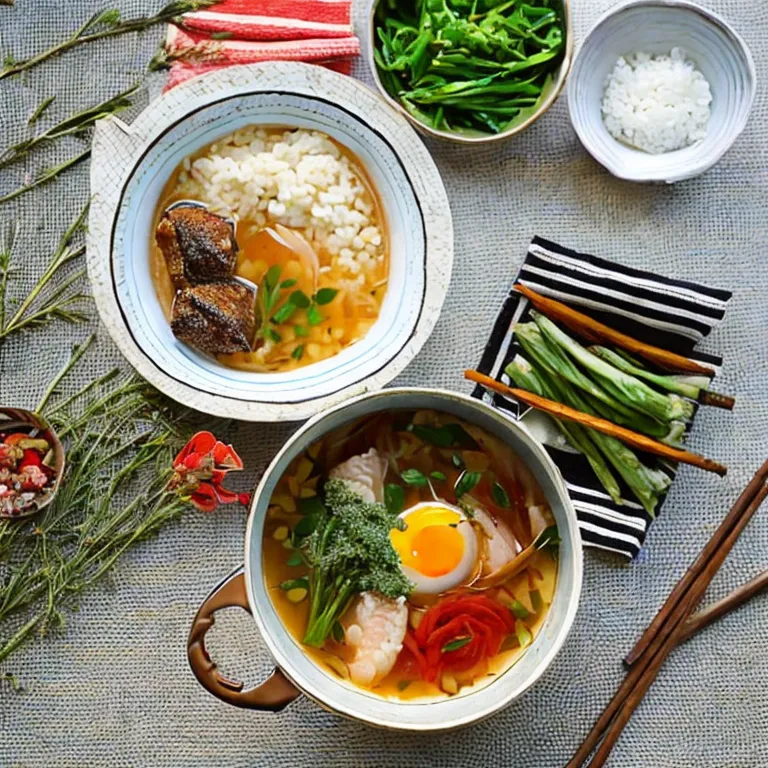
Yose Nabe is a warming Japanese hot pot that the whole family will love - perfect for cold evenings, family gatherings or any time you want a communal meal everyone can enjoy; made with a variety of proteins, vegetables and tofu simmered in a gentle dashi broth, this wholesome version is toddler-friendly with low salt, everything cut soft and small, great for introducing your child to Japanese hot pot traditions and can be adapted to use whatever ingredients you have, made vegetarian with just tofu and vegetables, or kept very simple with just a few favourite ingredients for fussier eaters; follow this simple recipe for a heartwarming Japanese classic that brings family together around the table while keeping everything nutritious, safe and utterly comforting.
General Information
- Servings: 4
- Keywords: Yose Nabe, hot pot, toddler friendly, no added salt, no added sugar, family cooking
- Calories: ~320 kcal per serving
- Protein: ~38 g per serving
- Carbs: ~19 g per serving
- Fats: ~7 g per serving
- Preparation time: 25 minutes
- Cooking time: 20 minutes
Hi, I’m Olivia. I design websites by day, make quilts by night, and feed two hungry little boys in between. My husband works FIFO so dinner is usually a team effort with my 7-year-old doing safe chopping and my 3-year-old washing and sorting. This Yose Nabe is mild, has no added salt or sugar, and is cut and cooked small so it is safe for toddlers.
Ingredients
- 1 500 ml pot water (use filtered or tap, your choice)
- 10 g dried kombu (kelp), wiped clean with a damp cloth
- 20 g dried shiitake mushrooms, dried
- 300 g skinless chicken breast
- 200 g white fish fillet (e.g. cod, hoki), boneless
- 300 g firm tofu (not silken), drained
- 1 small carrot (about 80 g)
- 200 g napa cabbage (or regular cabbage), about 6 leaves
- 150 g daikon / white radish (optional)
- 60 g fresh shiitake or button mushrooms (if using fresh, stems removed)
- 1 small leek or 1 spring onion (green part only for toddlers), about 50 g
- 200 g cooked short-grain rice (served on the side or added at the end)
- 1 teaspoon freshly grated ginger (about 5 g), optional for a gentle lift
- 1 small lemon or yuzu, optional, for serving (cut into wedges)
Notes on ingredients for toddler safety
- No soy sauce, miso, processed fish cakes or stock cubes, all of which are high in salt.
- No added sugar or sweetened sauces.
- Tofu must be firm so it keeps shape when cut into small cubes.
- Fish and chicken should be boneless and skinless. Check carefully and remove any small bones.
Ingredients preparation (very detailed, for beginners)
I am explaining every small step like I would to a friend helping me in the kitchen. My 7-year-old can do some of these with a child-safe knife; the 3-year-old can help with rinsing and moving bowls.
- Clean the work area and wash your hands.
- Kombu and shiitake broth
- Wipe the kombu with a damp cloth to remove any grit. Do not wash under running water because it removes flavor.
- Put 1 500 ml of cold water in a medium pot, add the kombu and the dried shiitake. Let them sit for 20 to 30 minutes to rehydrate. This step gives a gentle umami without salt.
- After soaking, turn the heat on low and slowly bring to just before simmer. You should see tiny bubbles but not a rolling boil. Remove the kombu just before it boils to stop bitterness. Simmer the shiitake for another 8 to 10 minutes on low so the liquid picks up flavour. Remove the shiitake and slice thinly. Keep the strained liquid as your broth.
- Kid task: ask the 3-year-old to place the dried mushrooms into a bowl of water while supervised.
- Chicken
- Pat the chicken dry with a paper towel. Trim off any visible fat.
- Place the chicken breast flat on a chopping board, hold the end with your fingers in a claw shape so fingertips are tucked under, and slice thinly across the grain into strips about 1 cm wide and 3 to 4 cm long. If you have a 7-year-old who can use a knife safely, they can help with the thin slicing under supervision.
- For toddlers, small pieces are safest. If you prefer, chop strips again into small bite-sized pieces about 1 cm cubes.
- Fish
- Lay the fish on a board. Run your fingers over the surface to check for small bones. Use tweezers or clean pliers to pull out any bones you find.
- Cut the fish into small chunks about 2 cm by 1 cm. Remove skin if present.
- Tofu
- Open the package, drain the water, and press gently between paper towels to remove excess liquid. Don’t press too hard.
- Cut tofu into cubes about 1 cm to 1.5 cm so they are easy for little mouths.
- Kid task: 7-year-old can help gently pat tofu dry with paper towel.
- Vegetables
- Carrot: peel with a vegetable peeler. Slice into thin rounds 3 mm thick. If rounds feel too round for toddlers, cut each round into thin half-moons about 1 cm across.
- Daikon: peel and cut into thin half-moon slices about 3 mm thick, or small matchsticks no longer than 3 cm.
- Cabbage: remove any tough outer leaves. Stack leaves, roll loosely and slice into strips about 1 cm wide. For very young kids, tear larger leaves into small, 2 to 3 cm pieces.
- Fresh mushrooms: wipe with a damp cloth and slice thinly, 2 to 3 mm.
- Leek/spring onion: use the green part only. Slice into thin rounds 2 to 3 mm. For toddlers, slice very thin or keep in longer strips to remove before serving.
- Kid tasks: 3-year-old can wash leaves in a sink or bowl and place them in a colander. 7-year-old can help peel and press the carrot slices down for stability while slicing under supervision.
- Ginger
- Peel a small piece of ginger with a spoon and grate finely. Use only about 1 teaspoon for a gentle lift. Too much ginger can be strong for toddlers.
Safety tips about sizes
- Keep pieces for toddlers small, about 1 cm cubes or thin slices no longer than 3 cm.
- Avoid hard round pieces larger than 1.5 cm across, which can be choking hazards.
- Supervise kids at all times.
Directions
I write my recipes so my two boys can join in. If your partner is away FIFO like mine, this one feels like a warm team job around the kitchen table.
- Make the broth
- Put your strained kombu-shiitake liquid back on a medium heat. Taste it to see how it smells. It should be gentle and savory but not salty. If you want more body, add the sliced soaked shiitake back into the pot.
- If you prefer a purely vegetable option, add a trimmed carrot end and a piece of celery while simmering, then remove before serving. Keep any additions mild for toddlers.
- Cook the firm items first
- Bring the broth to a gentle simmer. Add the carrot and daikon first since they take a little longer to soften. Simmer for 4 to 5 minutes.
- Add the chicken pieces. Simmer gently for 3 to 4 minutes, until the chicken is cooked through. A small piece cut in half should be white through, not pink.
- Kid task: the 7-year-old can help slide the chicken strips into the pot with tongs. The 3-year-old can count the pieces going in.
- Joke pause: if your toddler wants to taste the steam, remind them steam is for the pot, not for little noses.
- Add tofu, fish and mushrooms
- Gently add tofu cubes in so they do not break apart. Let them warm in the broth for 1 to 2 minutes.
- Add fish pieces and fresh mushrooms. Fish cooks quickly so set a timer for 3 to 4 minutes. The fish should turn opaque and flake easily with a fork.
- If you are worried about overcooking fish, remove it with a slotted spoon and keep warm separately; you can always add it back for a minute before serving.
- Add cabbage and leek
- Add the cabbage and sliced green parts of the leek and simmer 1 to 2 minutes until just wilted. Baby-friendly veggies should still be soft but not falling apart.
- Finish and taste
- Turn off the heat. Add grated ginger into the pot and stir gently. If you like a tiny bright finish, squeeze a few drops of lemon or yuzu into one small dish and offer it at the table so adults can add a little to their bowl. For toddlers, do not add lemon directly to their food unless they have had citrus before.
- Serve safely
- Use a shallow bowl for toddlers and scoop only small pieces for them. Give toddlers 1 cm or smaller cubes and short strips no longer than 3 cm. Use a spoon for rice.
- If you want to share the pot family-style, keep small toddler-only bowls with pre-scooped smaller pieces ready so they do not pick big chunks from the communal pot.
- Leftovers
- Leftover broth can be cooled quickly and stored in the fridge for 24 to 48 hours. Reheat gently and add fresh rice or soft noodles cut into small pieces for another toddler-friendly meal.
Recommended Sides
- Soft cooked short-grain rice, served warm in small toddler-sized portions. Keep grains separate so kids can control how much they eat.
- Steamed sweet potato mashed and cooled to a safe temperature, served as small spoonfuls.
- Simple sliced avocado, small soft pieces no bigger than 1.5 cm for easy handling.
- Soft steamed edamame removed from the pod and smashed for toddlers who are just learning textures. Note: whole edamame beans are a choking hazard, so mash or mash slightly.
- Light cucumber ribbons lightly blanched for texture, cut into narrow strips.
Jokes
- Why did the chicken join the band? Because it had the drumsticks, but I gave them to the boys instead.
- What do you call soup that tells jokes? A broth of laughs.
- My 7-year-old tried to stir the pot and said, “Dinner is under construction.” I said, “Good, the quilt is out of the design studio.”
If you want, I can add a printable shopping list or a version for a slow cooker. I also have a little chart of which kitchen jobs are safe for a 3-year-old and a 7-year-old if your kitchen helpers are keen.
Shop Ingredients
Find these ingredients on Amazon:
As an Amazon Associate I earn from qualifying purchases.
Suggested Recipes

 Never miss a recipe from us, subscribe to our newsletter