
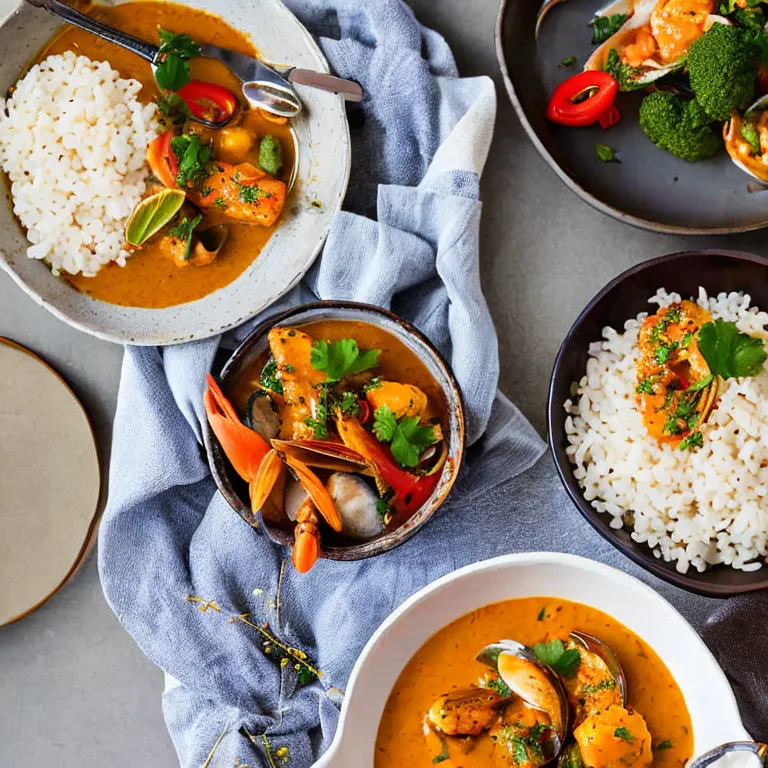
Seafood Curry is a mild, protein-packed dish that the whole family will love - perfect for busy weeknights when you want something nutritious, flavourful and ready in under an hour; made with tender white fish in a gentle coconut-based sauce with aromatic spices, this wholesome version is toddler-friendly with no added salt or sugar, soft flaky fish that’s easy to eat, great for introducing your child to seafood and can be adapted to use prawns or mussels for variety, made with whatever white fish is freshest, or kept mild with just coconut milk and ginger for fussier eaters; follow this simple recipe for a one-pot curry that brings the warming flavours of Asian cooking to your family table while keeping everything soft, safe and deliciously satisfying.
General Information
- Servings: 4
- Keywords: seafood curry, toddler, no salt, no sugar, family, mild, low-sodium, simple
- Calories: ~270 kcal per serving
- Protein: ~28 g per serving
- Carbs: ~16 g per serving
- Fats: ~12 g per serving
- Preparation time: 20 minutes
- Cooking time: 25 minutes
Hi, I’m James. By day I’m a cybersecurity bloke helping keep companies safe from bad actors. By night I’m a dad trying to keep dinner interesting for a lively little person who has very firm opinions about peas. This is a mild, toddler-friendly seafood curry I make when I want something tasty, low in salt and sugar, and easy to eat. I avoid whole chunks that can be a choking hazard and cut everything to small, soft pieces.
Ingredients
- 400 g white fish fillets (cod, hoki or snapper), skin removed if present
- 150 g raw prawns, peeled, deveined
- 200 g potato (preferably white or sweet potato), peeled
- 100 g carrot, peeled
- 100 g frozen peas (no added salt)
- 100 g onion (about 1 small onion)
- 10 g garlic (about 2 cloves)
- 15 g fresh ginger (thumb-sized piece)
- 200 ml light coconut milk (unsweetened)
- 500 ml unsalted vegetable stock or water
- 10 ml olive oil (about 2 teaspoons)
- 7 g mild curry powder (about 1 tablespoon) - check label for no added salt
- 2 g ground turmeric (about 1/2 teaspoon)
- 1 g ground cumin (about 1/4 teaspoon)
- 1 small lemon (optional, for a squeeze at the end)
- A small handful of fresh coriander leaves (optional) for mild flavour and colour
Notes on safety and preparation:
- No added salt or sugar in the recipe. Do not add table salt or sauces high in sodium.
- All pieces will be cut to about 1 cm or smaller after cooking so they are not choking hazards.
- If anyone has shellfish allergies, skip the prawns and increase the fish to 550 g total or add extra soft beans like butter beans mashed slightly.
Directions
I’ll walk you through everything like I’m showing a mate who’s never cooked this before. Little one-approved safety tips included.
- Prep your workspace
- Clear a space on the bench and get a cutting board and a sharp knife. If you don’t have a sharp knife, a clean chef’s knife that slices without squashing is fine.
- Put a small bowl beside you for scraps (peels, onion root ends, prawn shells if you took them off).
- Fill a medium pot (about 2.5 to 3 litres) on the stove for the curry.
- Prepare the vegetables (very detailed)
- Potato (200 g): Peel with a vegetable peeler. Put the potato on the board, cut off the ends, then slice into rounds about 5 mm thick. Stack a couple of rounds and cut into 5 mm strips, then turn and chop into tiny cubes around 1 cm. Small cubes will cook soft and be easy for a toddler.
- Carrot (100 g): Peel with the peeler. Cut off the ends. Slice into thin rounds, then chop to about 5-7 mm pieces. If carrot pieces feel too hard later, you can mash them lightly with the back of a spoon.
- Onion (100 g): Cut the onion in half through the root. Put the flat side down and make a vertical cut about 5 mm from the root so it holds together. Slice downwards to make small pieces, then chop across to make fine diced pieces roughly 3-5 mm. If crying while cutting, stick the onion in the fridge for 10 minutes first.
- Garlic (10 g, ~2 cloves): Smash with the side of the knife until the skin comes off, peel, then finely mince into very small pieces.
- Ginger (15 g): Peel with a teaspoon by scraping the skin off. Grate or finely mince so you get very small bits.
- Peas (100 g): Keep frozen peas in the freezer until you need them. No prep needed.
- Prepare the seafood safely and into toddler-friendly pieces
- Fish fillets (400 g): Check for bones by running your finger gently along the flesh. Use tweezers or small pliers to pull out any bones you find. Pat the fillets dry with paper towel. Cut the fillet into strips about 2-3 cm wide and then into small pieces about 1 cm. Smaller than 1.5 cm is safer for toddlers.
- Prawns (150 g): If not already peeled and deveined, remove the shell and the dark vein along the back. Rinse briefly and pat dry. Cut each prawn crosswise into 1 cm pieces. If prawns are very small, you can chop once to make even smaller pieces.
- Measure liquids and spices
- Measure 200 ml light coconut milk into a jug.
- Measure 500 ml unsalted stock or water.
- Put curry powder (7 g), turmeric (2 g) and ground cumin (1 g) into a small bowl. Keep handy.
- Cook the base
- Put the pot on medium heat and add 10 ml olive oil. Swirl to coat.
- Add diced onion and sauté for about 4 minutes, stirring often, until soft and translucent. If it browns a bit, that’s fine, but avoid dark brown.
- Add minced garlic and grated ginger and cook for 30 seconds to 1 minute, stirring so they do not burn. Tiny smell test: it should smell warm and cozy, not sharp.
- Add the curry powder, turmeric and cumin. Stir into the onion mixture for 30 seconds. This wakes up the spices; they should smell fragrant. (Joke moment: if your kitchen smells like a spicy file transfer, you’re on the right track.)
- Add vegetables and simmer
- Add the cubed potato and chopped carrot to the pot. Stir to coat them in the spices.
- Pour in 500 ml unsalted stock or water. Bring to a gentle simmer, then cover with a lid and cook for 12-15 minutes on medium-low until the potato and carrot are very soft when poked with a fork. They should be soft enough that a fork slides through without resistance. This is important so little mouths can eat safely.
- Add seafood and coconut milk
- Once the veggies are soft, lower the heat to medium-low. Add the small pieces of fish and the chopped prawns to the simmering liquid. Stir gently so the fish pieces do not break up too much.
- Pour in 200 ml light coconut milk and add the frozen peas. Stir gently.
- Cook for 4-6 minutes until the fish is opaque and flakes easily with a fork and the prawns are pink and cooked through. Internal seafood temperature guidance: fish should be cooked until opaque and firm, prawns until opaque. For the toddler, test one piece, let it cool a little, then cut to ensure there are no raw bits. I usually check the biggest fish piece by flaking with a fork.
- Final texture and cooling for toddlers
- If the curry liquid is too thin for your little one, lift out about 2 tablespoons of the soft potato and mash it in a small bowl with a fork, then stir the mash back into the pot to thicken slightly.
- Taste for seasoning: we are not adding salt. If you want a brighter flavour, squeeze a little lemon (about 5 ml) into the pot and stir. Don’t add any sauces with salt.
- Turn off the heat. Let the curry sit for 5 minutes to cool slightly and for flavours to settle.
- Before serving, check again for bones or big pieces. Flake the fish into smaller bits with a fork so pieces are about 5-10 mm. Stir so seafood is distributed.
- Check temperature before feeding a toddler. Spoon a small amount onto the inside of your wrist; it should be warm, not hot.
- Serve
- Serve small spoonfuls of the curry with one of the recommended sides (below). Keep a separate small bowl for your toddler with only a few pieces to begin, watching them while they eat.
Quick safety recap: no whole chunks bigger than 1 cm for seafood; cook vegetables until very soft; double-check fish for bones.
Recommended Sides
- Soft steamed rice: cook extra water so grains are very soft. Spread on a plate and mix a spoonful of curry in so it cools quickly and is easy to pick up.
- Mashed potato: mash boiled potato until very smooth and mix with a little curry for flavour.
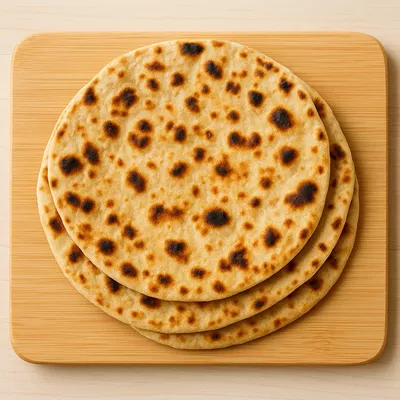
- Soft torn flatbread strips: warm a roti, cut into thin strips, and tear into small pieces. Make sure it is soft and cool enough.
- Plain natural yoghurt (full fat): a small dollop on the side to cool and balance spices.
- Soft avocado slices: mashed avocado is great for little fingers and adds healthy fats.
Jokes
- Why did the fish join my cyber team? Because it was great at avoiding phishing!
- Toddler-approved scoring system: if they drop peas on the floor and then eat them, it’s a win.
- I tell my kid this curry is “firewall-friendly.” They think it’s spicy; it isn’t. Lies of parenthood, right?
If you want, I can give a version without prawns, make it gluten free, or scale to feed more for leftovers. Also happy to suggest quick veggie swaps if your supermarket is low on something.
Shop Ingredients
Find these ingredients on Amazon:
As an Amazon Associate I earn from qualifying purchases.
Suggested Recipes

 Never miss a recipe from us, subscribe to our newsletter