
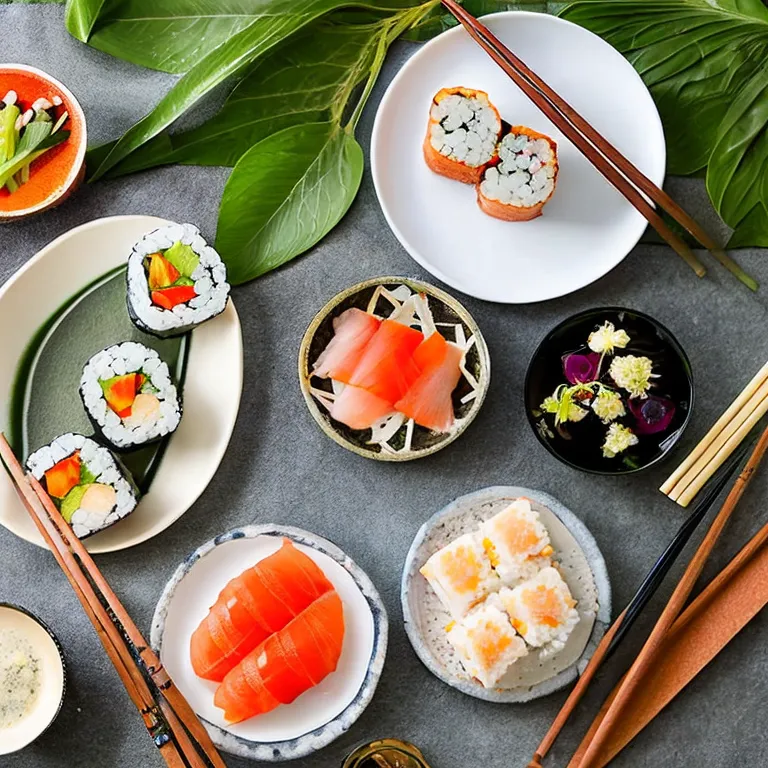
Hako Sushi is a beautiful Japanese pressed sushi that the whole family will love - perfect for special occasions, parties or when you want to introduce your child to sushi in an approachable way; made with seasoned rice layered with fish or vegetables and pressed into neat squares, this wholesome version is toddler-friendly with no added salt, soft and easy to pick up, great for baby-led weaning and can be adapted to use cooked fish instead of raw, made vegetarian with cucumber and avocado, or kept simple with just rice and egg for fussier eaters; follow this simple recipe for an elegant Japanese dish that brings restaurant-quality presentation to your family table while keeping everything nutritious, safe and utterly delicious.
General Information
- Servings: 6 (small toddler-friendly pieces each, or a family of 4 with leftovers)
- Keywords: hako sushi, boxed sushi, toddler, no-salt, no-sugar, family, easy, lunchbox
- Calories: ~285 kcal per serving (approximate)
- Protein: ~14 g per serving (approximate)
- Carbs: ~40 g per serving (approximate)
- Fats: ~6 g per serving (approximate)
- Preparation time: 30 minutes (plus short chilling)
- Cooking time: 25 minutes
Hi, I’m Olivia - a web designer who quilts when the boys have quiet time and cooks constantly when they don’t. My husband works FIFO so the kids are my little sous-chefs: Ben, 7, is the chief rice spooner; little Harry, 3, loves to press buttons and taste-test (supervised, of course). This is a simple hako sushi (boxed sushi) recipe adapted for toddlers: no added salt, no added sugar, and everything is cut and cooked to be safe for little mouths.
Ingredients
- 300 g short-grain (sushi) rice, rinsed
- 360 ml water (for cooking rice)
- 1 tablespoon rice vinegar (plain, no sugar) - optional, for a mild tang
- 1 medium avocado (around 150 g flesh), mashed
- 200 g cooked chicken breast (poached and shredded) or 200 g soft tofu for vegetarian option
- 1 small carrot (about 70 g), peeled and steamed until soft, then grated or finely chopped
- 1 small cucumber (about 120 g), peeled, seeds removed, cut into thin sticks
- 1 small ripe pear or apple (optional), peeled and cut into very small matchsticks - for a hint of natural sweetness (avoid if your child has allergies)
- 1 sheet nori (seaweed) optional - cut into thin strips (see choking guidance below)
- 1 tablespoon sesame seeds, toasted and ground lightly (optional, omit if sesame allergy)
- Plastic wrap or baking paper
- Small loaf tin or square hako sushi mold (approx 20 x 10 x 6 cm) or similar container
Notes on toddler safety and ingredient choices
- No soy sauce, smoked or cured fish, or processed condiments that are high in salt.
- I avoid whole round pieces and anything hard that could be a choking risk for a 3-year-old. Cut everything into small, soft, flat or squashed shapes as described in directions.
- If you have any food allergy concerns, swap ingredients accordingly.
Directions
Preparation overview: wash and cook rice, prepare fillings (soft and small), assemble in a loaf tin, press and chill, then cut into toddler-friendly pieces.
- Wash the rice (I talk to my rice like it’s a grumpy cat - it calms me)
- Put 300 g rice into a large bowl. Fill with cold water, swirl the rice gently with your hand, then pour off the cloudy water. Repeat 3 to 4 times until the water is much clearer.
- Optional: let the rice sit in fresh water for 15-20 minutes after rinsing to get a better texture.
- Cook the rice (if you have a rice cooker, use it)
- If using a pot on the stove: drain the soaking water, add 360 ml cold water, cover with a tight-fitting lid, bring to the boil on medium-high heat. As soon as it boils, reduce to the lowest heat and simmer 12-15 minutes. Turn off the heat and leave covered for 10 minutes to steam.
- Tip: do not lift the lid while it is steaming - the steam is doing the hard work so you can have a cuppa.
- Cool and season the rice lightly
- Transfer rice to a wide bowl or tray to cool a little so it is warm but not steaming hot. If using rice vinegar, sprinkle 1 tablespoon over the rice and fold gently with a rice paddle or large spoon. We are not using sugar or salt here. Allow rice to cool until it is warm and easy to handle for pressing.
- Poach the chicken (if using chicken) - this is super gentle and keeps it soft for little teeth
- Put 300 g raw chicken breast in a saucepan and add water to cover by about 2 cm (about 500-600 ml). Bring to a gentle simmer, not a rolling boil, and cook for 12-15 minutes until the chicken is cooked through (no pink in the middle). Remove, let cool, then shred with two forks or chop very finely.
- If using tofu: choose a soft silken tofu, drain gently and cut into small cubes then mash lightly.
- Prepare the vegetables and fruits for safe toddler bites
- Carrot: peel, cut into thin rounds, steam for 6-8 minutes until soft, then grate or finely chop. Soft grated carrot is easy to eat and not a choking shape.
- Cucumber: peel, cut in half lengthways, scoop out seeds with a small spoon, and cut into thin strips about 3-5 mm wide and no more than 6-8 mm tall. Removing the seeds helps reduce slippery rounds that can be a hazard.
- Avocado: cut in half, remove pip, scoop flesh into a bowl and mash to a smooth, spreadable texture. If very ripe, mash well so there are no large chunks.
- Fruit (optional): if using pear or apple, peel, core, and cut into very thin matchsticks. Cook briefly in a little water for 1-2 minutes if you want them softer.
- Optional: prepare nori or sesame
- Nori: if you want a little sea flavour, cut 1 sheet into fine strips (less than 5 mm wide) and then into short pieces. Nori can be slippery and crisp; I usually use it sparingly for toddlers and press it between rice layers so it softens.
- Sesame seeds: toast in a dry pan for 1-2 minutes on low and then grind lightly in a mortar or chop roughly so they are not whole seeds that could be a small hard piece for a toddler.
- Line your mold and layer
- Line the loaf tin or hako mold with plastic wrap, leaving enough overhang to fold back over the top.
- Put about one-third of the cooled rice into the mold. Press it down gently but firmly with a spatula or the back of a spoon to make an even layer. (Ben likes to press like he’s flattening a mini mountain.)
- Add a layer of fillings: spread a thin layer of mashed avocado, then scatter shredded chicken (or tofu), then some grated carrot and small cucumber sticks. Keep fillings spread evenly and not piled too high. For toddlers, smaller and flatter layers are easier to bite safely.
- Add the remaining rice on top and press down gently to compact. Fold the plastic wrap over and press with a flat board or the palm of your hand for 1-2 minutes so the sushi holds together. If you have a plate that fits inside the mold, place it on top and press gently.
- Chill briefly to set
- Put the filled mold in the fridge for at least 15 minutes. This helps it firm up so it cuts neatly without falling apart. It also makes it easier to handle for the 3-year-old sushi cutter-in-training.
- Turn out and cut into toddler-safe pieces
- Unwrap the plastic and turn the block out onto a clean board. Remove the plastic.
- Use a sharp knife dipped in warm water and wiped dry between cuts for cleaner edges. Cut the block into small rectangles or cubes roughly 2 cm to 2.5 cm wide for the 3-year-old bits. For Ben (7), you can make slightly larger pieces if you like.
- Important safety note: for toddlers, avoid round whole pieces like grapes or cherry tomatoes. Cubes and flat squares are safer because they are easier to chew and less likely to get stuck.
- Serve and supervise
- Place pieces on a small plate, maybe with a soft steamed carrot stick on the side. Always supervise toddlers while they eat.
Quick swaps and tips
- Vegetarian: swap chicken for mashed sweet potato or firm tofu.
- If your child dislikes nori, leave it out. The rice and fillings are tasty enough.
- To make it fun, let the 7-year-old press the rice and the 3-year-old place a safe topping like a little piece of avocado while you supervise.
Recommended Sides
- Soft steamed edamame pods shelled and mashed a little for toddlers (only if your child has no soy allergy)
- Steamed carrot coins, cool and soft
- Mild cucumber ribbons (peeled and seeds removed)
- Small cubes of roasted pumpkin, softened until tender
- A tiny fruit salad of very soft pear or banana pieces (cut into thin strips or small mashed portions for the 3-year-old)
Jokes
- Ben always says our rice needs a web update - so I give it a little refresh by rinsing. Same idea, right?
- Harry’s favourite part of cooking is pressing things. He calls himself the “flat boss.” I promised him a quilt square made of sushi rice next.
- Why did the avocado cross the kitchen? To get mashed on the other side. (I told you my jokes are as smooth as my avocado.)
- Husband texted from the plane: “What did I miss?” I replied: “Just a small rice empire and two tiny sous-chefs plotting to use sesame as confetti.”
If you want a printable version or a version with exact slice sizes for a lunchbox, tell me the container size you have and I’ll measure it up.
Shop Ingredients
Find these ingredients on Amazon:
- avocado
- carrot and steamed
- cooked chicken breast
- cucumber , seeds
- rice vinegar -
- short-grain rice, rinsed
As an Amazon Associate I earn from qualifying purchases.
Suggested Recipes

You Might Also Like
 Never miss a recipe from us, subscribe to our newsletter