
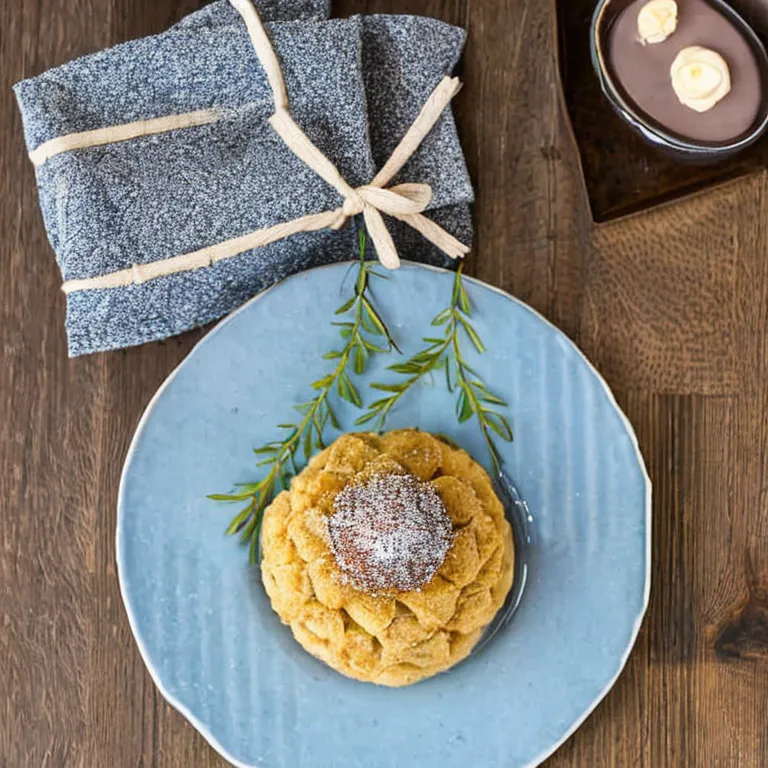
Kartoffelnockerl is a traditional German potato dumpling that the whole family will love - perfect as a side dish, comfort food or when you want something hearty and satisfying; made with fluffy potato dumplings that are soft and pillowy, this wholesome version is toddler-friendly with no added salt, easy to eat, great for baby-led weaning and can be adapted to serve with gravy or sauce, made smaller for easier handling, or kept simple with just butter for fussier eaters; follow this simple recipe for an authentic German comfort food that introduces your child to European cuisine while keeping everything nutritious, safe and utterly delicious.
General Information
- Servings: 4
- Keywords: Kartoffelnockerl, potato dumplings, toddler friendly, no salt, no sugar, family meal
- Calories: ~325 kcal per serving (approximate)
- Protein: ~7.5 g per serving (approximate)
- Carbs: ~60 g per serving (approximate)
- Fats: ~6 g per serving (approximate)
- Preparation time: 25 minutes
- Cooking time: 15 minutes
G’day, I’m Steve - account manager by day, chief dinner wrangler and dad of two by night. I like simple, inventive meals that kids will eat without negotiation, and this toddler-friendly Kartoffelnockerl recipe is soft, mild, and made without added salt or sugar. I’ll walk you through every tiny step as if you’re right next to me in the kitchen.
Ingredients
- 700 g starchy potatoes (like King Edward, Russet, or other floury variety)
- 1 medium egg (about 50 g)
- 150 g plain wheat flour (all-purpose)
- 20 g unsalted butter or 1 tablespoon olive oil (for tossing after cooking)
- 1 tablespoon fresh parsley, very finely chopped (optional, about 5 g)
- A little plain milk, unsweetened, 1-2 tablespoons (optional, only if dough feels too dry)
Note: This recipe avoids added salt and sugar. For toddlers, we keep the pieces small and soft. If anyone in the family has an egg allergy, please substitute with a mashed banana or a commercial egg replacer appropriate for toddlers, but that will change texture.
Directions
- Before you start
- Put a big pot of water on to boil. You will need it for cooking the potatoes and later the little dumplings.
- Weigh your ingredients with kitchen scales. Using scales makes the dough much easier to get right.
- Prepare the potatoes (I say this because uneven potatoes mean uneven cooking)
- Wash the potatoes under running water to remove dirt.
- Peel using a vegetable peeler. Hold the potato in one hand and the peeler in the other. Peel away from your body. If your kids are watching, warn them the peeler is not a toy.
- Cut the potatoes into even chunks about 3-4 cm across. Even pieces cook at the same rate and that saves you standing at the stove like a bored lifeguard.
- Put the potato chunks in a pot, cover with cold water by about 2 cm, place a lid on top, and bring to a gentle boil.
- Boil for 12-18 minutes until a knife slides in easily with no resistance. Test by pushing a small sharp knife into a chunk. If it goes in with no fight, they are ready.
- Drain and dry the potatoes
- Drain the potatoes in a colander. Tip them back into the hot pot and sit the pot on a turned-off hot burner for a minute to let steam evaporate. This dries them a touch and helps make fluffy dumplings, not gluey ones.
- Mash the potatoes very thoroughly. Use a potato masher or a ricer if you have one. You want no lumps. If you have little lumps, press them through the masher until smooth. The smoother the potato, the better the dumplings.
- Let the mashed potato cool for a few minutes so it is warm but not hot. If you mix hot potato with egg you might cook the egg early, which makes mixing harder.
- Make the dough
- On a clean bench or in a large bowl, place the cooled mashed potato.
- Crack the egg into a small bowl and beat it lightly with a fork, then add it to the potato.
- Add about half the flour (75 g) to start. Using a fork or your clean hands, gently mix in a folding motion. The mixture will look shaggy at first.
- Add the remaining flour a bit at a time until you can form a soft dough that is slightly sticky but holds together. You might not need every last gram of flour. If it feels too dry and crumbly, add 1 tablespoon of milk. If it is too sticky to handle, dust a little more flour.
- Keep kneading gently for 30 seconds to a minute. You are not making bread. You want a soft, slightly tacky dough that forms a ball.
- Shape toddler-friendly dumplings (size and safety)
- For toddlers, smaller and softer is safer. Aim for dumplings about 1 to 1.5 cm across - think blueberry to small grape size. Smaller means easier to chew and less chance of choking.
- Method A: Spoon-and-cut (no shaping skill needed)
- Fill a tablespoon with dough, scrape it off into the boiling water with a small knife or another spoon so it drops as a small blob. Cut the blob into the water with the knife so it is 1-1.5 cm across.
- Method B: Piping (if you have a piping bag or freezer bag)
- Put the dough into a piping bag fitted with a large round tip or snip a corner off a sturdy freezer bag. Squeeze short lengths directly over a chopping board and cut each length into 1 cm pieces with a knife, then drop into boiling water.
- Method C: Roll-and-cut
- Dust the bench with a little flour, roll small logs about 1 cm thick, then slice into 1 cm coins and drop them into the water.
- Keep the pieces small and consistent. If you have older kids helping, they can make silly faces on the board while you make the dumplings.
- Cook the dumplings
- Bring a fresh pot of water to a gentle boil. Do not add salt.
- Carefully drop the dumplings in a few at a time so they do not clump together. Stir gently once or twice with a slotted spoon so they do not stick to the bottom.
- Dumplings will sink then float when they are cooked. Once they float, leave them for another 1 to 2 minutes for these small toddler sizes. That is usually enough to cook them through.
- Remove with a slotted spoon and place on a plate or tray. If you are worried about sticking, toss gently with the unsalted butter or a teaspoon of olive oil.
- Finish and serve safely
- Sprinkle very finely chopped parsley for a mild herb taste if you like.
- Check temperature before serving. Dumplings can hold heat in the centre. Break one open and test with a clean finger or spoon to ensure they are lukewarm for little mouths.
- Cut or squash a dumpling to show the texture to your toddler first. Supervise feeding until you are confident they can handle the size and texture.
Tips for success
- If the dough feels too runny after mixing, add a bit more flour 1 tablespoon at a time. If too stiff, add a splash of milk.
- Smaller dumplings are easier for toddlers to chew and safer. If in doubt, make them smaller.
- Keep a bowl of cooled cooked dumplings for the little ones to snack on later. They reheat in a pan with a little butter or olive oil.
Recommended Sides
- Steamed carrot coins, soft and cut thin so they mash easily in a toddler’s mouth.
- Mashed peas, very soft and spreadable. Peas are a good mild flavour and add colour.
- Unsweetened full-fat plain yoghurt for dipping. Serve a spoonful on the side and only introduce dipping after you are sure the toddler’s ready for that texture.
- Soft steamed zucchini sticks, cool them down and slice thinly.
- Smashed avocado on the side for healthy fat, offer a little, not a whole wedge.
Jokes
- Why did the potato go to school? To get a little “smarter” mash. (My two loved that one, and then asked for more mashed potatoes.)
- What do potatoes wear to bed? Py-jam-mies. Keep them warm, crunch-free and comfy.
- If a dumpling tells a secret, does it leak? Only if you poke it. Which you should not, unless it’s to taste-test.
There you go. A simple, soft, no-salt, no-sugar Kartoffelnockerl that little ones can eat, made with basic tools and a bit of patience. If you want a variation for older kids or adults, tell me and I’ll show you how to add mild flavours while still keeping toddler portions plain and safe.
Shop Ingredients
Find these ingredients on Amazon:
As an Amazon Associate I earn from qualifying purchases.
Suggested Recipes
 Never miss a recipe from us, subscribe to our newsletter