
Little bowls, big warmth: spoonable, nutritious meals toddlers can self-feed this July
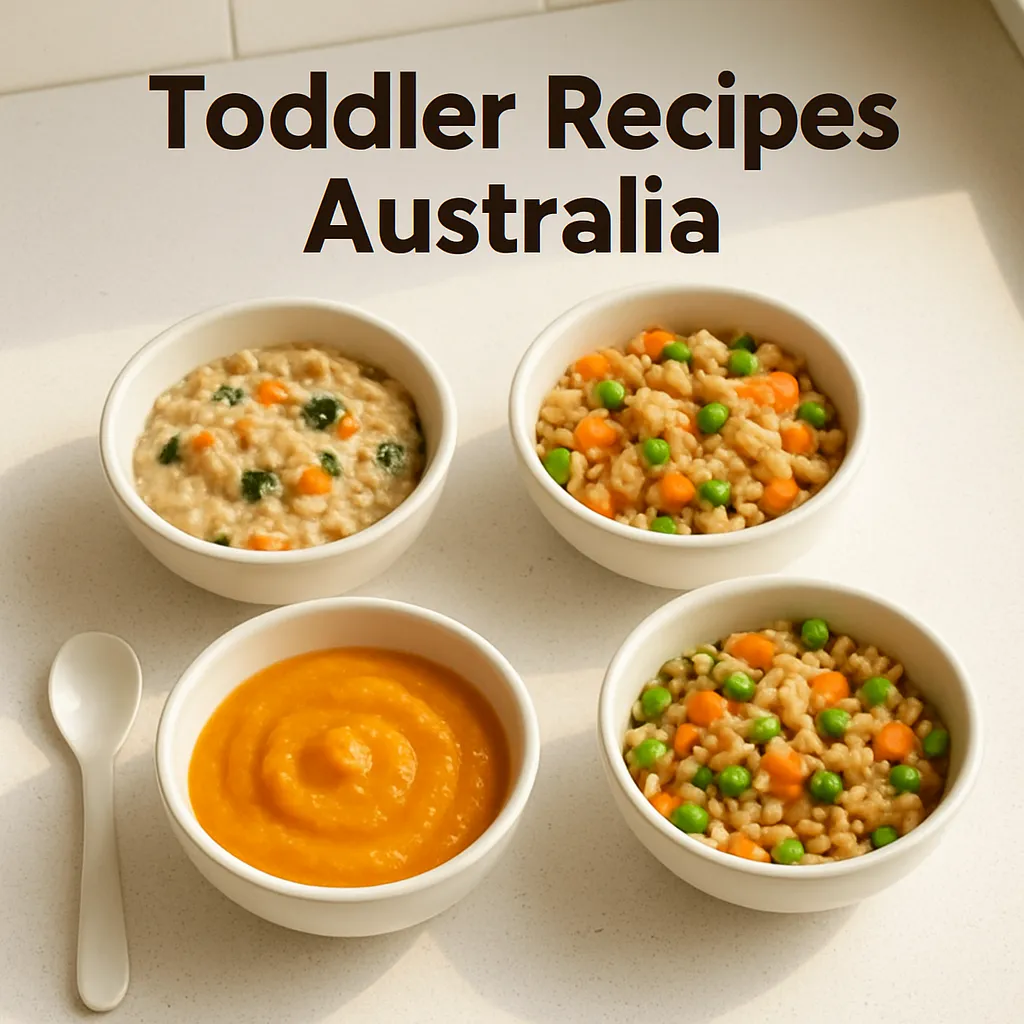
If dinners are a tag team, these are the bowls that usually win Dad over. They are hearty, savoury and easy to make, while staying soft and spoon-friendly for little hands.
Quick dad-approved spoonable bowls and how to make them toddler-safe
-
Beef ragu with soft polenta: Slow-cook minced beef with grated carrot, tomato paste and a splash of reduced-salt beef stock until very soft. Stir through creamy polenta so it spoon-mashes easily. Toddler tweak: mash any remaining lumps and leave out added salt. Adult tweak: add a dash of Worcestershire or extra parmesan to your own bowl.
-
Chicken, pumpkin and pearl barley porridge: Cook shredded chicken, cubed pumpkin and pearl barley in low-salt stock until the grains break down. The barley gives lovely body and dads love the roasted pumpkin flavour. Toddler tweak: give an extra mash so everything is spoonable. Freezer tip: portion into single serves to thaw for quick dinners.
-
Mild lamb and lentil stew: Brown lamb mince with onion, cumin and tomato, then simmer with red lentils until thick and soft. Lentils bulk it out with protein and fibre. Toddler tweak: check texture and blitz briefly if needed. Adult tweak: finish with a squeeze of lemon to brighten.
-
Fish and potato mash bowl: Flake a white fish gently steamed into creamy mashed potato with a little milk and butter. Add peas for colour and sweetness. Toddler tweak: remove any stray bones and mash well. Serve lukewarm straight from the pot.
-
Cheesy quinoa, corn and bean bowl: Cook quinoa until very fluffy, fold through canned sweetcorn and mashed cannellini beans, then stir in grated cheddar. Hearty, quick and a great pantry bowl. Toddler tweak: mash beans so there are no firm bits and skip extra salt.
-
Turkey and veg meatball spoon bowl: Make small turkey meatballs with grated zucchini and carrot, bake or pan-fry until soft, then simmer in a mild tomato sauce and serve over soft rice or mashed potato. Toddler tweak: cut meatballs in half for easy scooping.
Dad-friendly flavour tricks that keep it toddler-safe
- Build flavour with slow-cooked veg, tomato paste and a little caramelised onion rather than extra salt.
- For adults, spice up just one bowl at the end with a sprinkle of chilli flakes, extra herbs or lemon zest so the kid’s portion stays mild.
- Use grated cheese, a knob of butter or a splash of reduced-salt soy for grown-up taste boosts.
- Keep textures soft and avoid whole grapes, whole cherry tomatoes or hard chunks. Test temperature before serving.
Batch-cooking and prep tips dads actually use
- Make a big pot on the weekend and freeze in single-serve tubs. Label with date and reheating instructions.
- Cook grains and mash veg in advance so assembly is under ten minutes on weeknights.
- Give dads a spoon and a taste-first rule: they can adjust their own bowl while the toddler’s stays plain. Works every time.
These bowls are simple, filling and hard to argue with. They win nods, empty bowls and sometimes a proud, slightly smug spoon-lick from the grown-ups.
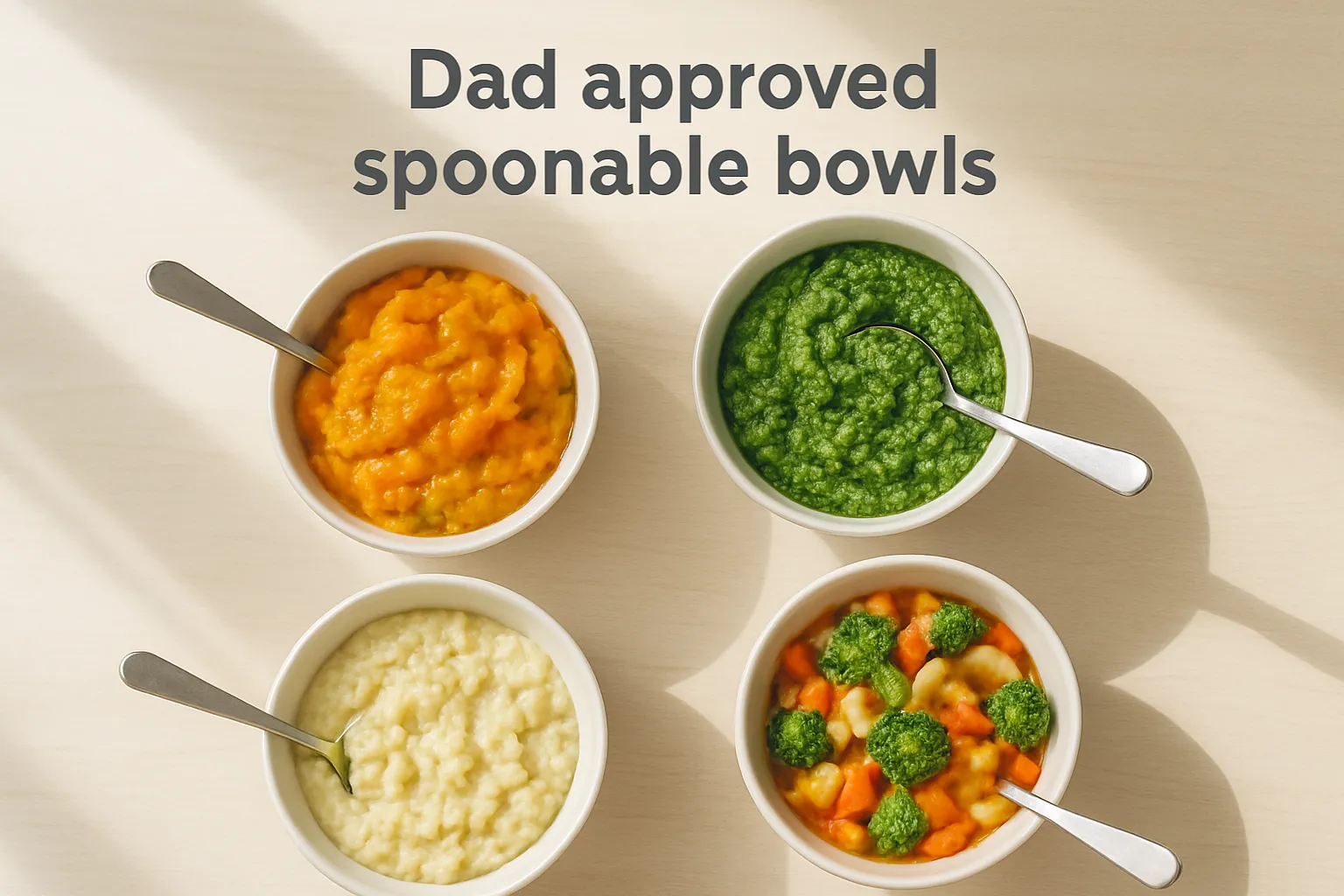
Weeknights call for bowls that come together fast, warm little tummies and sit nicely on a toddler spoon. Here are simple, low-fuss recipes and tricks that actually work when you’re juggling bath time, homework and a cranky toddler.
Cheesy pumpkin and chickpea mash (20-25 minutes)
- Ingredients: 1 cup pumpkin, 1/2 cup canned chickpeas (rinsed), 1 small potato, 1 tbsp grated mild cheddar, 1 tsp olive oil.
- Method: Dice pumpkin and potato, simmer until very soft (about 12-15 mins). Add chickpeas for last 3 minutes so they soften. Mash roughly with a fork so there are spoonable lumps but no whole chickpeas. Stir in cheddar and oil. Cool slightly and serve.
- Toddler tips: Mash more for younger toddlers. Add a spoonful of plain full-fat yogurt for creaminess and extra calories.
One-pot chicken, carrot and barley (30-35 minutes)
- Ingredients: 1 chicken thigh fillet, 1/3 cup pearl barley, 1 carrot, 1/2 small onion (optional), 2 cups low-salt chicken stock or water.
- Method: Finely chop chicken and veg. Sauté onion and carrot briefly, add chicken pieces and barley, cover with stock and simmer gently until barley is soft and chicken flakes apart, 25-30 minutes. Break up any big pieces, stir to a porridge-like consistency.
- Toddler tips: Use soft, short-grain rice instead of barley if you prefer a smoother texture. Shred chicken very small so it’s easy to scoop.
Mild lentil dahl with sweet potato (20-30 minutes)
- Ingredients: 1/2 cup red lentils, 1 small sweet potato, 1/4 tsp mild curry powder, 1 tbsp tomato paste, 2 cups water.
- Method: Peel and dice sweet potato. Combine all ingredients, simmer until lentils and sweet potato are soft and beginning to break down, about 15-20 minutes. Stir occasionally and mash slightly.
- Toddler tips: Red lentils break down easily, so this becomes spoonable without extra mashing. Stir through a little coconut cream or cheese for richness.
Salmon and potato mash bowl (15-20 minutes)
- Ingredients: 1 small fillet of salmon, 1 large potato, 1 tbsp milk or cream, 1 tsp butter, a few peas.
- Method: Steam or boil potato and peas until soft. Poach or bake the salmon until just cooked through, flake and check for bones. Mash potato with milk and butter, fold in salmon flakes and peas. Serve warm slightly cooled.
- Safety note: Always check carefully for bones and cool to lukewarm. Flake salmon finely so it sits well on the spoon.
Mini meatball risotto (25-30 minutes)
- Ingredients: 300 g lean mince, 1/3 cup arborio rice, 1 carrot, 2 cups low-salt veg or chicken stock, 1 tbsp grated parmesan.
- Method: Make tiny meatballs with the mince (no raw seasoning), brown quickly, remove. Sauté finely diced carrot, add rice and stock and simmer, stirring so rice softens. Return meatballs to the pan to finish cooking. Stir through parmesan.
- Toddler tips: Make meatballs bite-sized so they are easy to scoop. Cook until rice is very soft.
Practical tricks for true weeknight wins
- Texture: Aim for soft, cohesive spoonfuls. Too loose and it spills; too chunky and it’s hard to scoop. Mash, break or blend just enough for your child’s stage.
- Bowl and spoon setup: Use shallow bowls and small plastic spoons with a short handle. A damp non-slip mat helps keep things in place.
- Cooling: Spread a small portion on a plate to let steam escape for a minute, then return to the bowl and stir to even out hot spots. Always test the temperature yourself before offering.
- Batch cooking: Double recipes and freeze in toddler-size portions. Defrost in the fridge overnight or reheat gently on the stove or microwave, stirring to even heat.
- Nutrition boosters: Stir in a knob of butter, a spoonful of full-fat yogurt, a sprinkle of nutritional yeast or some finely grated cheese. Small amounts add calories and calcium without changing texture.
- Allergy swaps: Swap chickpeas for extra veg, nuts for sunflower seed butter (if age-appropriate and paste-form), and coconut milk for dairy if needed.
- Leftover rescue: Puree extra veg into pasta sauce, mash into fried rice, or mix into scrambled eggs for the next day.
These bowls are the kind you can make with one hand while you hold a toddler with the other, and they teach independent spooning because they stay put on the spoon. If you want, I can write up printable shopping lists for any of these recipes.
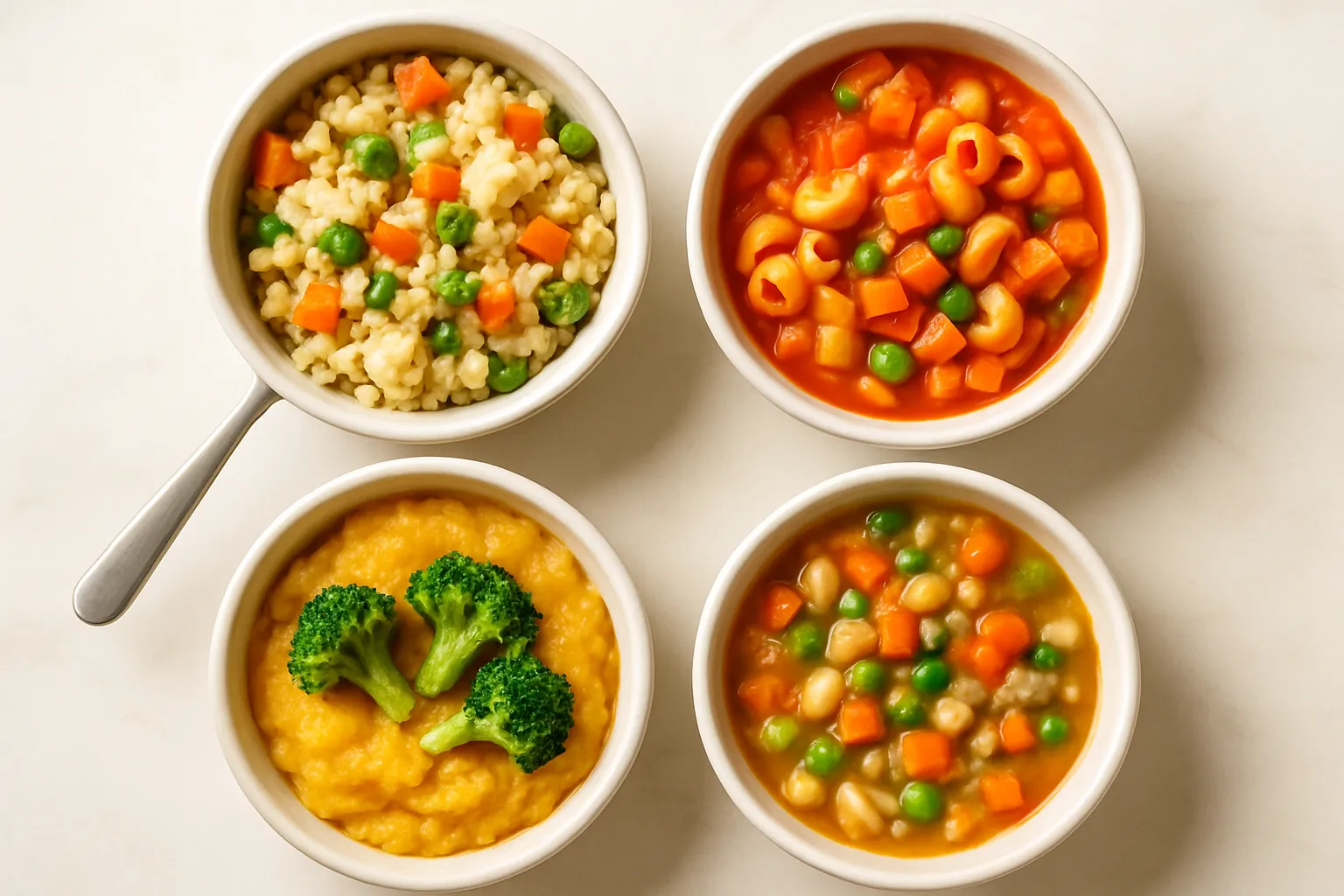
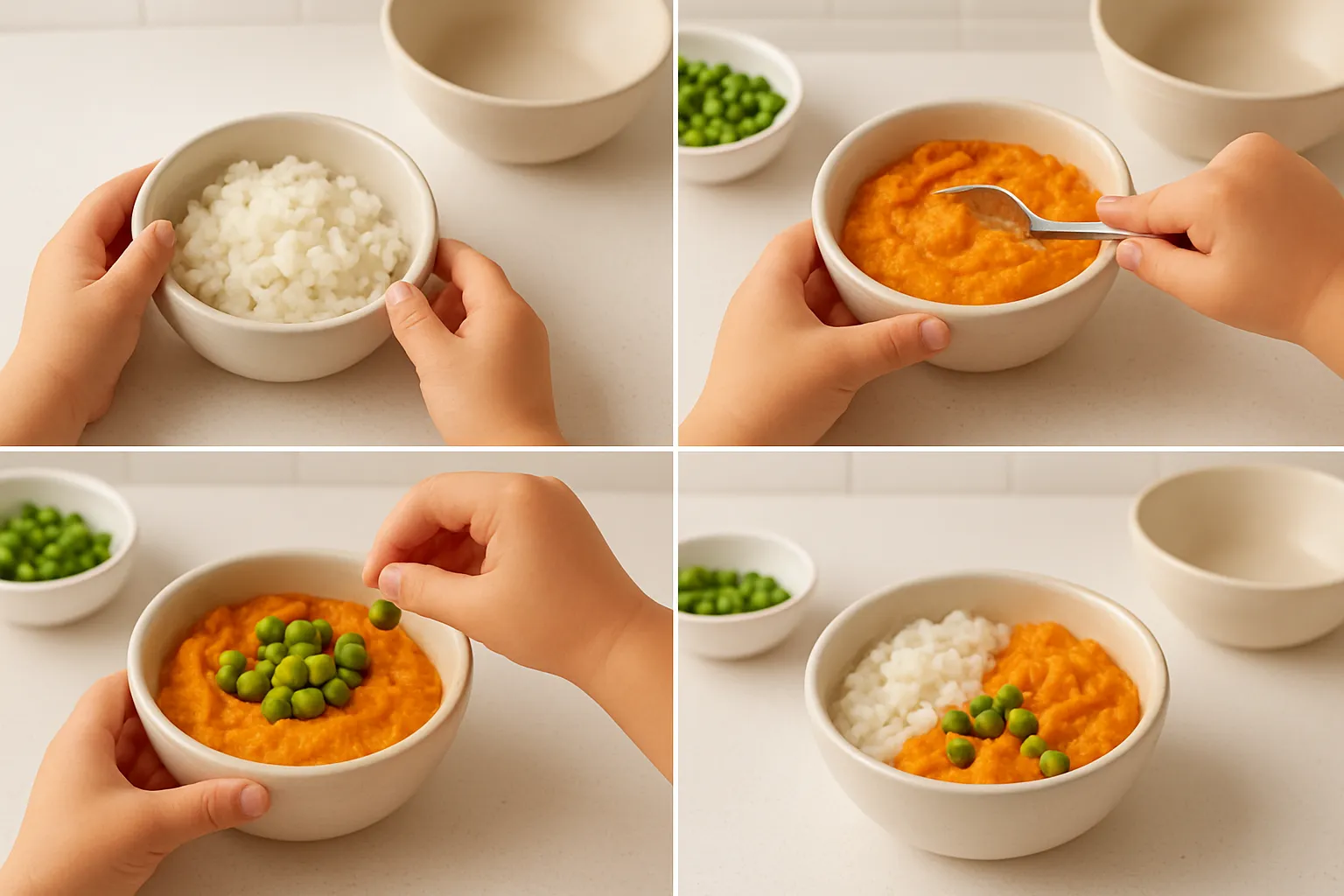
Get the gear and food working together and you’ll see so many more successful spoonfuls. Here’s what I do to make bowls actually manageable for small hands and mouths.
Practical bowl and spoon setup
- Shallow, wide bowls win. A shallow curve means more of the food is near the rim where tiny spoons can reach.
- Suction bases or non-slip mats keep the bowl put. Less wobble equals fewer spills and more confidence.
- Look for toddler spoons with chunky handles and a shallow, oval scoop. Metal spoons can feel heavy and slippery; soft-touch silicone or BPA-free plastic often gives better grip.
- Keep one spoon for scooping and another for feeding if you need to show and then step back. Toddlers love copying.
Texture tricks for easier scooping
- Aim for a thick but scoopable texture. Think mashed potato, porridge that holds its shape, or a risotto-style grain dish rather than runny soup.
- Slightly broken-up lumps are good practice. Make them about the size of a pea so they can chew safely.
- Where liquids are needed, mix them in rather than pouring on top. That keeps the surface scooping-friendly.
- If the dish is naturally slippery, fold through a spoonful of yoghurt, pureed beans, or a little mashed avocado to give body.
Portioning and placement
- Fill the bowl only a third to halfway. Less crowding makes scooping easier and the bowl less likely to tip.
- Place a small, concentrated pile of food near the rim where the spoon naturally hits. Toddlers instinctively scoop from the edge.
- Offer small, frequent refill opportunities rather than a giant bowl to avoid overwhelm.
Teaching and encouraging
- Demonstrate one or two deliberate scoops, then hand over the spoon. Keep your movements calm so they can mimic.
- Praise attempts more than outcomes. A cheery “Nice scoop” goes a long way.
- If they keep flipping the spoon over, try pre-loading a spoon and letting them take the bite, then encourage them to try the next scoop.
Safety first
- Cut soft lumps no bigger than a pea. Avoid whole grapes, large cherry tomatoes, raw carrot sticks, nuts and other choking hazards.
- Check temperature, especially for thick dishes that hold heat. Stir and test before serving.
- Stay present while they’re eating until you’re confident with their chewing and swallowing.
Quick checklist before handing over the spoon
- Shallow bowl on a non-slip base. 2. Thickish, scoopable texture. 3. Small portions near the rim. 4. Toddler-sized spoon in hand. 5. Eyes on them until safe.
These tweaks take a few minutes and make mealtimes calmer and more independent. Little hands feel proud and parents get fewer blobby disasters. Win-win.
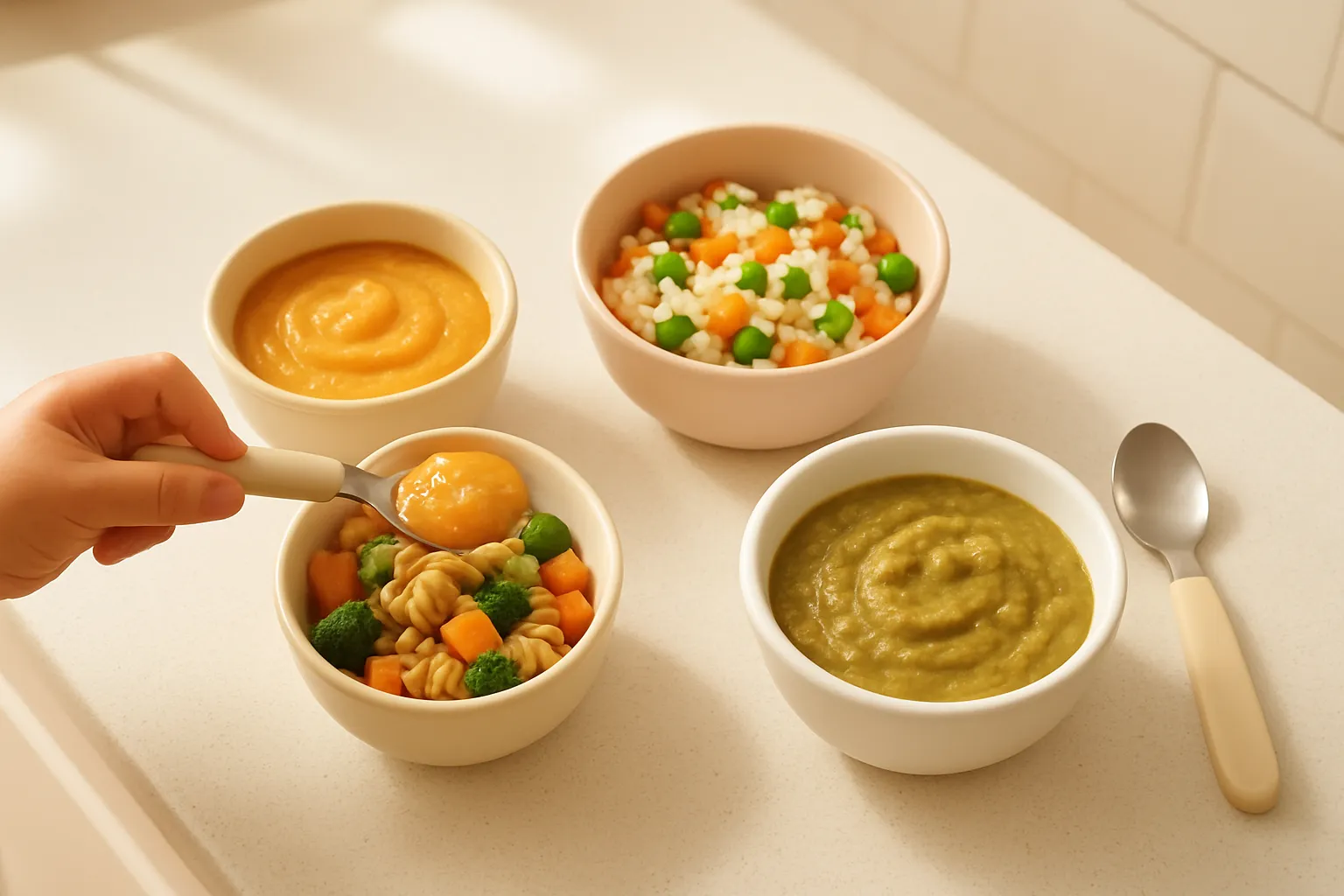
Start small and keep things gentle. Introduce one new flavour at a time, pair it with something already loved, and cut sauces back so textures stay spoonable and familiar.
Practical swaps and seasoning tips
- Cut chilli out and replace heat with smoky or sweet notes. Smoked paprika, mild cumin, sweet paprika and a pinch of cinnamon add character without fire.
- Use coconut milk, yoghurt or a little butter to mellow spices and make sauces creamy for easy scooping.
- Fresh herbs like coriander, parsley or basil added at the end brighten bowls and give new aromas without extra salt.
- Replace chunky whole spices with ground versions or an infused stock so there’s flavour but no hard bits.
- Keep salt low and rely on herbs, lemon, garlic and gentle spice blends for taste.
Toddler-friendly global bowl ideas (quick how-to)
- Mild butter chicken bowl: slow-cook shredded chicken with tomato, a splash of coconut milk, mild garam masala and soft carrot. Serve over mashed rice or soft pulao.
- Lentil dal with mashed potato: cook red lentils until very soft, season lightly with turmeric and cumin, mash slightly and mix into mashed potato for a spoonable, high-protein bowl.
- Gentle Mexican bean bowl: black beans cooked with corn, mild smoked paprika and tomato. Top with mashed avocado and a dollop of plain yoghurt.
- Mediterranean lamb and veg: slow-braised lamb mince with tomato, zucchini and a sprinkle of cinnamon and oregano. Mix through soft couscous or small pasta shapes.
- Coconut sweet potato curry: roasted sweet potato and peas in a mild coconut curry sauce. Blend a little for smoother texture if needed.
- Teriyaki salmon and rice: bake flaked salmon (check for bones), toss with a low-salt teriyaki-style glaze, serve with soft edamame or steamed carrot coins and rice.
Texture and serving hacks
- Smooth or lightly mashed is your friend while new flavours settle in. Gradually offer more lumps as they get used to the taste.
- Serve sauces on the side or mixed into only half the bowl so toddlers can choose how much they want.
- Top bowls with soft, spoonable things like smashed avocado, cottage cheese, or a dollop of yoghurt to cool and add familiarity.
- Cut solids into very small, manageable pieces and keep an eye on choking hazards like whole grapes, raw carrot sticks or big chunks of meat.
Introducing allergens and stronger flavours
- Introduce new proteins and allergens one at a time and wait a few days between tries if there’s a family history of reactions. Check with your health provider if you’re unsure.
- If a spice seems a bit much, mix just a teaspoon into an already-accepted base and repeat exposure over several days. Toddlers often need many tries.
Batch cooking and freezing tips
- Freeze portions of mild curries, lentil mixes and shredded braises in small muffin tins or freezer-safe containers. Thaw and stir into rice or mash for a quick global bowl on a tired night.
- Label with ingredients and any allergens so you can grab a bowl without guessing.
Little changes make big differences. Keep flavours familiar, go slow, and let curious little palates explore at their own pace.
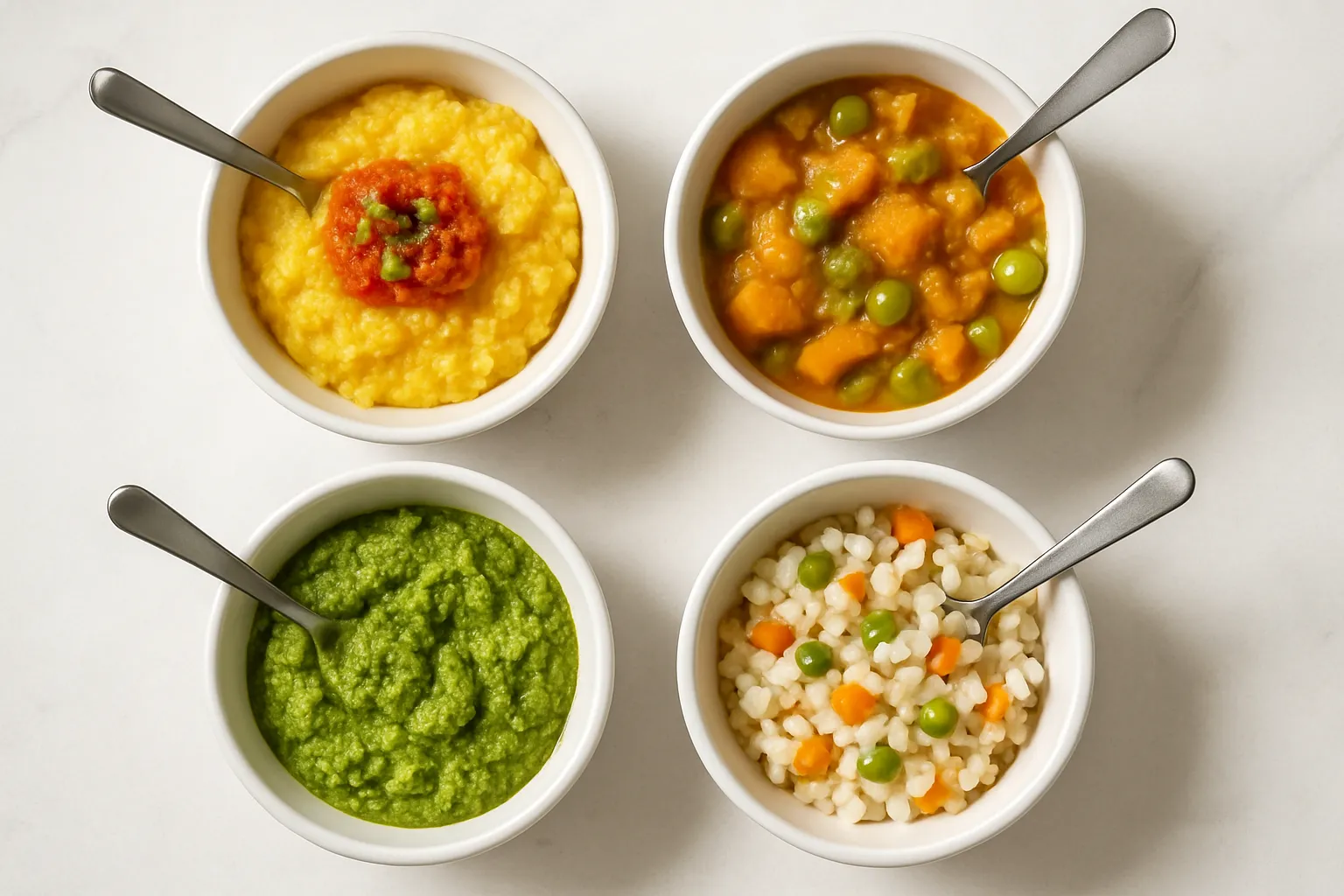
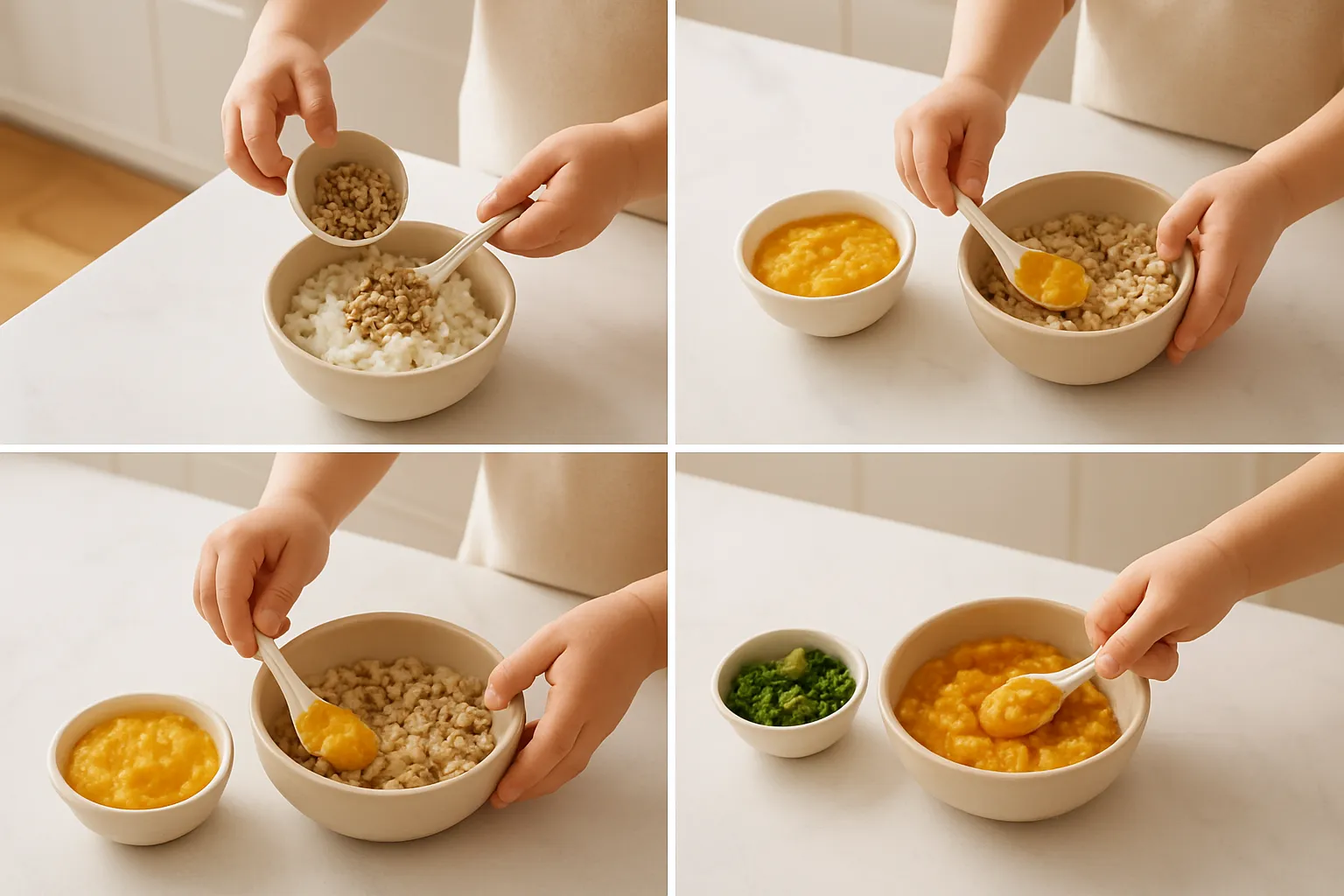
Batch-cook basics Pick one arvo a week to cook once and feed twice. Make a big pot of something simple and split it into toddler portions right away: grains, saucy protein and soft veg. That way dinner is mostly reheating and a quick assembly.
What to batch and how
- Grains: Cook plenty of rice, quinoa or small pasta. Cool quickly on a tray, then portion into small containers. They reheat evenly and act as a neutral base for lots of bowls.
- Proteins: Roast a tray of shredded chicken, bake mini meatballs, or simmer a lentil ragu. Shredded or crumbled proteins are toddler-friendly and freeze well.
- Veg: Roast root veg until fork tender, or steam and mash slightly so pieces are spoonable. Frozen peas and corn are lifesavers for mixing in.
- Sauces and purees: Tomato passata, mild curry sauce, or pumpkin puree freeze brilliantly in small portions for quick flavour boosts.
Portioning and freezing tricks
- Use silicone muffin trays or ice cube trays to freeze single serves: meatballs, mashed veg, or pureed sauces. Pop the frozen cubes into labelled freezer bags to grab as needed.
- Aim for 1/4 to 1/2 cup per serving depending on your toddler’s appetite. Use small containers or reusable pouches for easy defrosting.
- Label with contents and date. First in, first out keeps things fresh and simple.
Reheating safely and quickly
- Defrost overnight in the fridge when you can. For last-minute nights, reheat from frozen in a saucepan with a splash of stock or milk, stirring until evenly hot.
- If using a microwave, heat in short bursts, stir well and test to avoid hot spots. Cool to a safe, spoonable temperature before serving.
- Check texture after reheating. Add a tablespoon of extra liquid if it’s become too thick so the bowl is easily spoonable.
Mix-and-match bowl building
- Keep a fridge shelf for “assembly” bits: grated cheese, smashed avocado, plain yoghurt, a sprinkle of soft chopped herbs. These fresh bits make reheated food feel new.
- Quick combos: grain + shredded meat + peas + mild tomato sauce; mashed sweet potato + lentils + yoghurt; small pasta + veg + cheese. Let kids add their own topping where safe.
Time savers and kitchen gear
- Instant Pot or slow cooker equals very little hands-on time. Set-and-forget pulled chicken or beef shreds into toddler-size pieces.
- Silicone trays, shallow containers and sturdy freezer bags are the prep heroes. Line roasting trays for fast cleanup.
- Keep pantry staples: canned lentils, passata, frozen veg, quick-cook rice, stock cubes, and a tub of grated cheese for fast assembly.
Safety and texture tips
- Cut pieces to spoonable sizes and make sure roasted veg is soft, not crunchy. Avoid whole nuts, grapes or other known choking hazards.
- Reheat until steaming hot then let cool to lukewarm; always test the temperature yourself before serving.
A simple weekly plan
- Sunday: Cook grains, roast veg, make a protein (shredded chicken or lentil ragu). Portion and freeze.
- Weeknights: Pull a portion, reheat, add a fresh topping and serve. If you’ve prepped well, those frantic nights become much more relaxed.
A few small habits make the biggest difference: portion as you go, label everything and keep a tiny shelf of fresh toppers. You’ll get through chilly July nights without stressing the dinner routine.
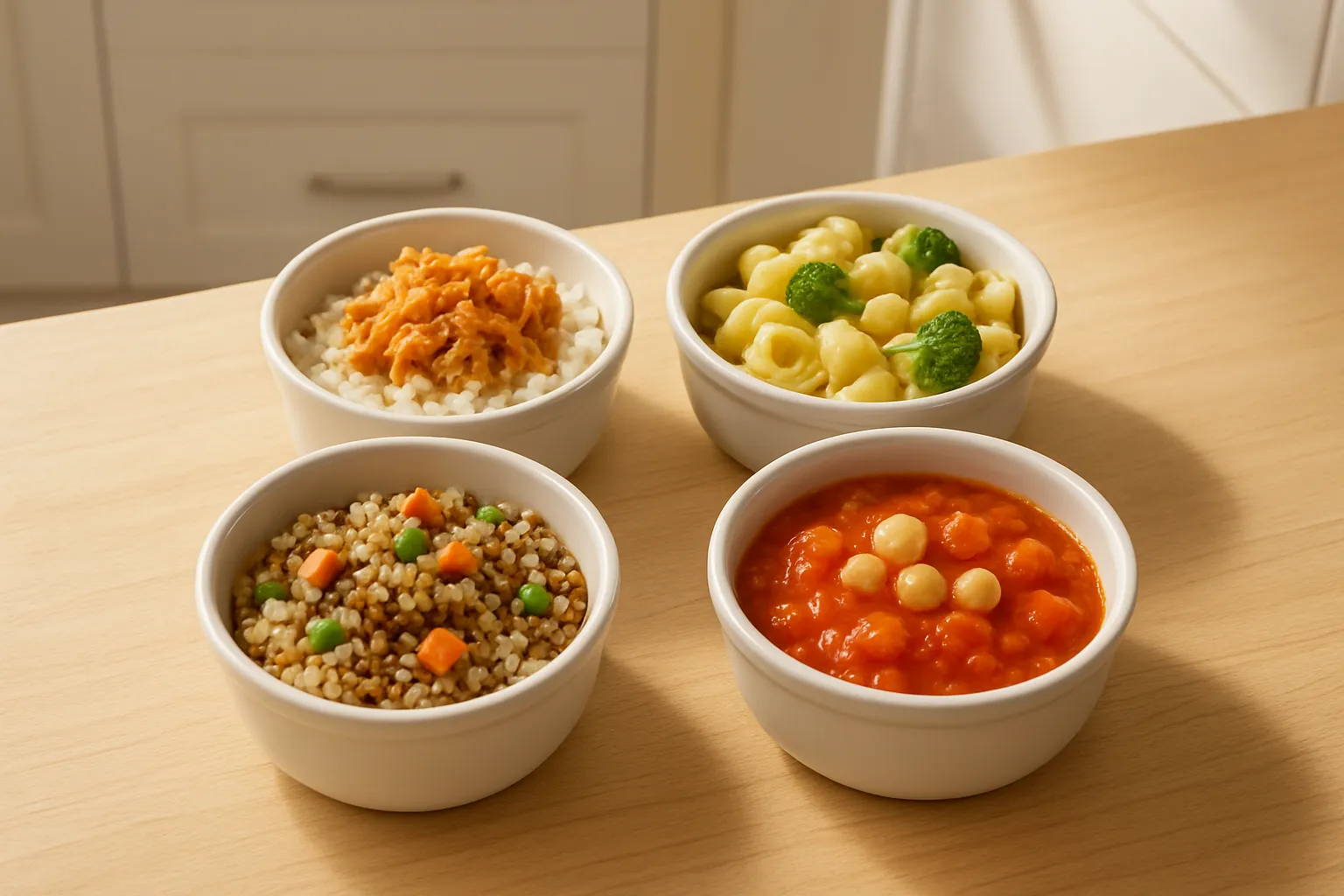
Photo credit: Pexels
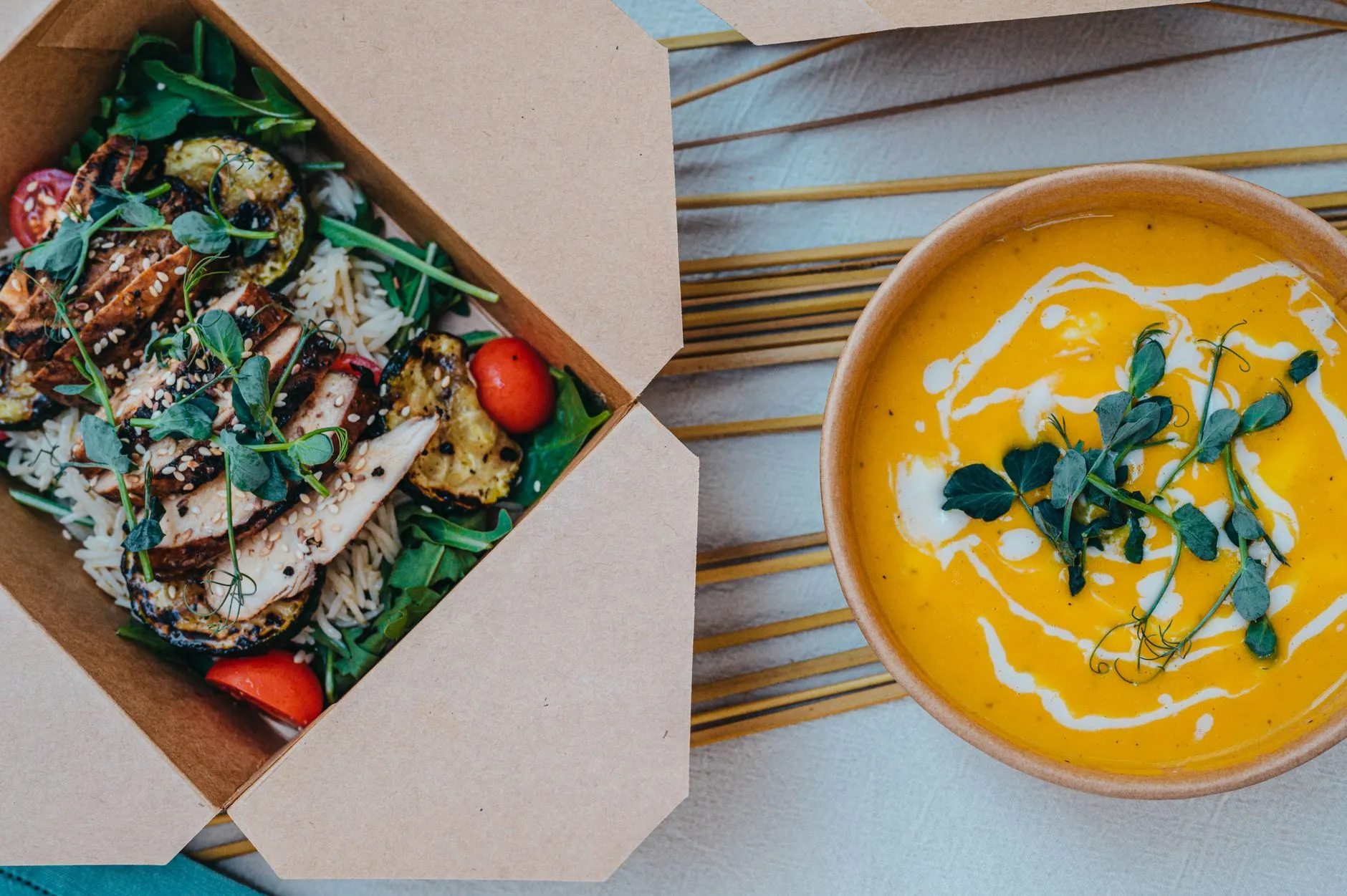
Browse Cuisines
From the Blog
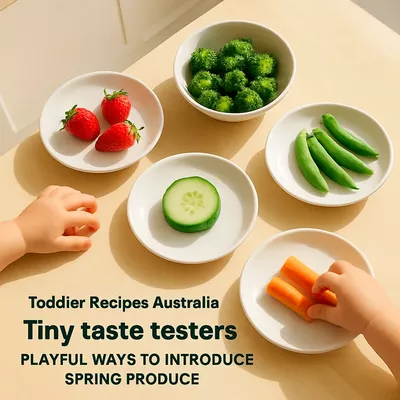
First up, a few no-fuss spring winners that keep sticky fingers and big clean-ups to a minimum. Quick to prep and easy for little hands to manage, these are the sorts of things I reach for when we want something...
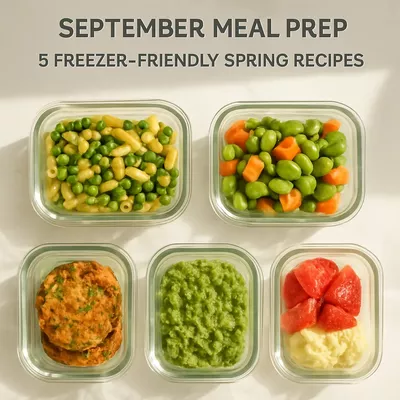
Nice - here’s how Steve keeps dinner simple without sacrificing flavour or sanity. A few good habits and the right packing tricks mean you can pull a proper family meal out of the freezer in minutes.
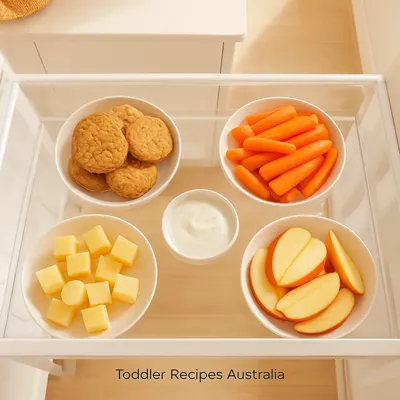
Righto, a couple of quick fridge fixes will make everything a whole lot easier. These are the simple, practical habits and setups that keep snacks safe, obvious and actually reachable for little hands.
 Never miss a recipe from us, subscribe to our newsletter