
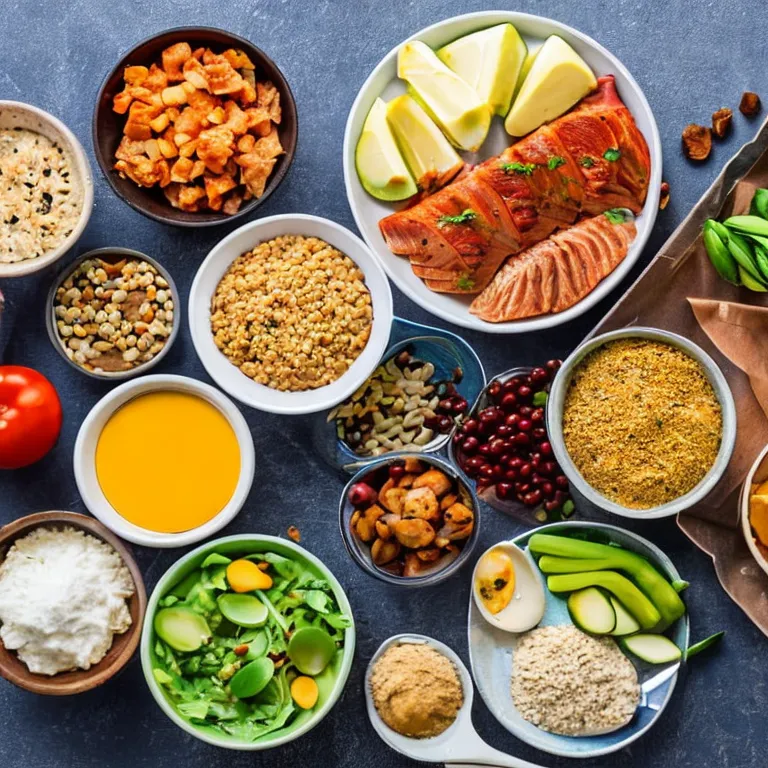
Morning fuel makes a huge difference, so here are Steve’s favourite protein-packed breakfasts that are quick, toddler-friendly and easy to tweak.
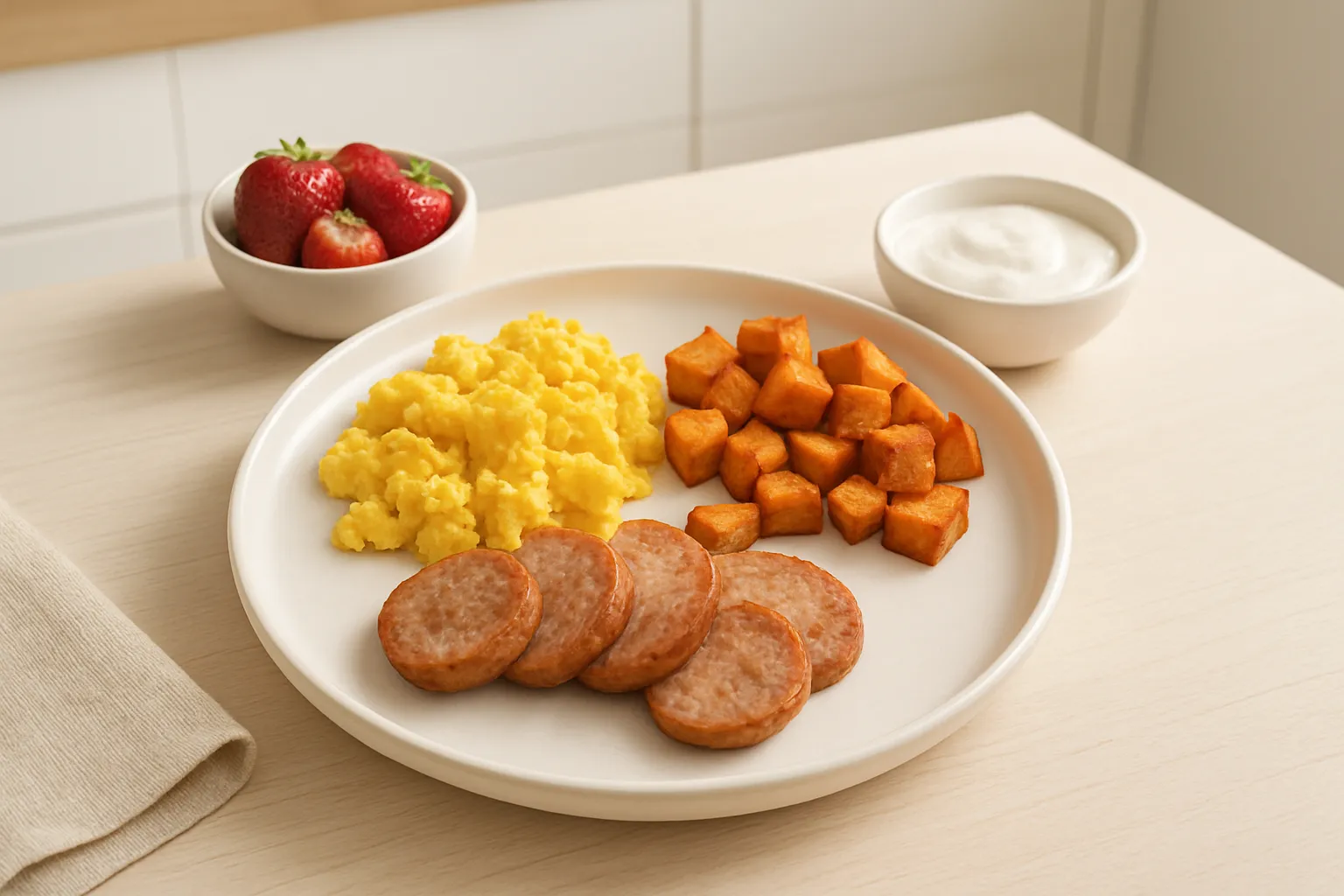
- Scrambled egg with cottage cheese and spinach
- What to do: Whisk one egg with a spoonful of cottage cheese, a splash of milk and a handful of finely chopped spinach. Cook gently in a little butter until soft and creamy.
- Why it works: Soft texture, mild flavour and double protein from egg and cottage cheese. Rough protein per toddler serving: about 8 to 10 g.
-
Tip: For little teeth, chop the spinach really small or wilt it extra soft.
- Greek yogurt bowl with mashed banana and nut butter
- What to do: Stir 3/4 cup plain Greek yoghurt with mashed banana, then swirl through a teaspoon of smooth peanut or almond butter.
- Why it works: Creamy and filling. The nut butter adds healthy fat and extra protein without choking risk when mixed in.
-
Tip: If nut allergies are an issue, swap for sunflower seed butter or extra yoghurt.
- Banana and oats pancakes (one-bowl)
- What to do: Blend 1 banana, 1 egg and 1/3 cup rolled oats until smooth. Cook small pancakes in a frypan until golden. Add a dollop of ricotta or cottage cheese on top for more protein.
- Why it works: Fast, forgiving and toddler-sized. Protein roughly 6 to 9 g per serve when you add ricotta.
-
Tip: Freeze extras and reheat for busy mornings.
- Mini frittatas (muffin tin)
- What to do: Whisk eggs with grated carrot, peas, a little milk and grated cheese. Pour into a greased muffin tin and bake at 180 C for 12 to 15 minutes.
- Why it works: Batch-cooks beautifully, great for lunchboxes and snacks. Protein about 6 to 8 g per mini frittata.
-
Tip: Make a big tray on Sunday and freeze. Reheat in the toaster oven.
- Savoury porridge with milk and shredded chicken
- What to do: Cook oats in milk, stir through a little grated cheese and fold in finely shredded leftover roast chicken or flaked, rinsed tuna (low-salt).
- Why it works: Creamy, warm and very comfy for winter mornings. Protein varies depending on add-in, but usually 8 to 12 g.
-
Tip: Keep tuna occasional and rinse it to reduce salt. For very young toddlers, make the chicken extra soft.
- Smoothie bowl with yoghurt and peanut butter
- What to do: Blend Greek yoghurt, milk, a small banana, handful spinach and 1 tsp smooth peanut butter. Serve thicker as a spoonable bowl topped with soft fruit pieces.
- Why it works: Easy to hide greens and boost protein. Texture is safe when spooned.
-
Tip: Add a spoon of oats or cooked quinoa to the blender for extra bite.
- Baked beans on toast with grated cheese
- What to do: Heat reduced-salt baked beans and spoon over buttered wholemeal toast. Sprinkle with a little grated cheese and let it melt.
- Why it works: Familiar, simple and plant-based protein from the beans. Protein around 6 to 8 g.
-
Tip: Chop the toast into strips for dipping and serve beans cooled a touch for safer eating.
- Tofu scramble or silken tofu smoothie
- What to do (scramble): Crumble firm tofu and cook with a little turmeric, mild tomato and soft veg. What to do (smoothie): Blend silken tofu with banana and berries for a creamy drink.
- Why it works: Great plant-based protein and very gentle on little tummies. Tofu gives about 6 to 8 g depending on portion.
-
Tip: For scramble, press tofu a bit to remove excess water so it soaks up flavours.
- Chickpea flour pancakes
- What to do: Mix chickpea flour with water to pancake batter consistency, add grated veg and cook small crepes.
- Why it works: Chickpea flour is high in protein and makes a nice savoury breakfast. Protein around 5 to 7 g per small pancake.
-
Tip: Serve with a smear of ricotta or plain yoghurt to boost creaminess and protein.
- Salmon and cream cheese on toast
- What to do: Flake cooked or tinned low-salt salmon, mix with a little cream cheese and spread on soft toast.
- Why it works: Omega-3s and a lovely mild flavour that toddlers often enjoy. Protein roughly 6 to 10 g depending on portion.
- Tip: Double-check there are no bones and mash the fish to a safe texture.
Quick tips to keep mornings easy and safe
- Combine protein with carbs and fat so kids stay full longer. For example, eggs on toast or yoghurt with banana and oats.
- Cut and cook to soft textures and avoid whole nuts. Smooth nut butters mixed through are safer for toddlers.
- Batch-cook mini frittatas, pancakes and porridges and freeze portions for busy mornings.
- Keep an eye on salt and sugar by choosing plain yoghurt, reduced-salt tins and minimal added sugar.
- Mix leftovers into breakfast. A spoon of last night’s shredded chicken or salmon can turn porridge or pancakes into a protein hit.
Give a few of these a whirl over the week and notice which ones your little one keeps asking for. They’re all easy to tweak to suit fussy phases and picky palates.
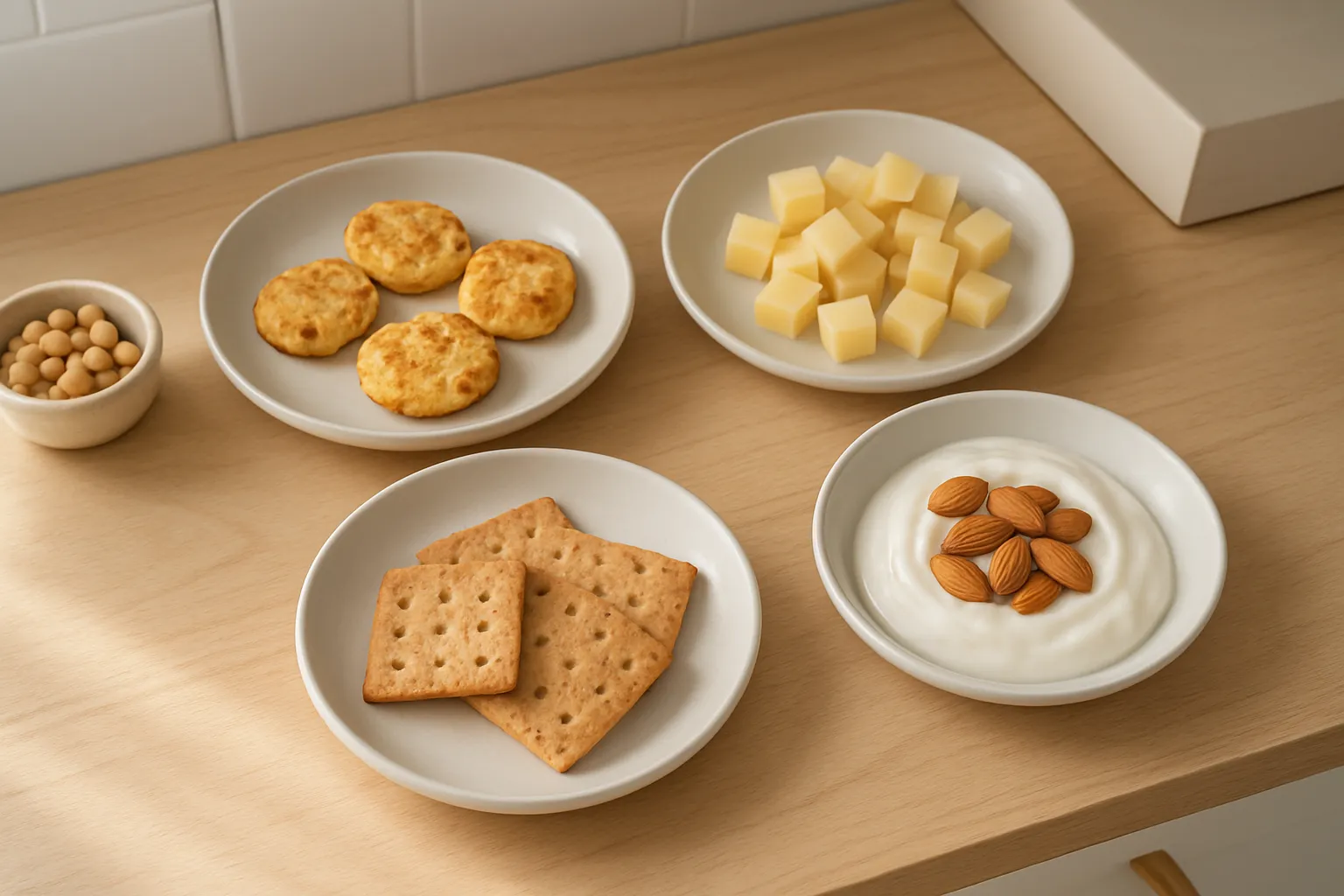
Right, quick wins for when hunger hits between meals and you want a protein boost without a fuss.
Easy grab-and-go ideas
- Cheese cubes or thin slices. Choose mild cheddar or mozzarella. Cut into small, toddler-friendly pieces and pair with thin apple slices.
- Greek yoghurt pots. Stir in mashed banana or stewed fruit for sweetness. Serve chilled in a little bowl or reusable pouch.
- Hard-boiled egg halves or quartered yolks for younger toddlers. Chop finely for little ones.
- Mini egg muffins. Make a batch with eggs, grated veg and cheese, then freeze and reheat.
- Smooth nut or seed butters. Spread thinly on toast, rice cakes or banana slices. Use seed butter if peanuts are an issue. Never give whole nuts to under-fives.
- Roasted chickpeas. Crunchy, protein-packed and great for older toddlers who can manage firmer textures.
- Edamame pods. Cooked, cooled, and shelled. Great finger food and full of protein.
- Cottage cheese with soft fruit. Spoonable and gently textured for little mouths.
- Tuna mayo on cucumber rounds or wholegrain crackers. Use finely flaked tuna and a touch of mayo.
- Silken tofu cubes with a light soy or tahini dip. Soft and easy to chew.
Quick recipes you can batch
1) Mini spinach and cheese egg muffins (makes 12)
- Ingredients: 6 eggs, 1 cup grated cheddar, 1 cup chopped spinach (or frozen, thawed and drained), 2 tbsp milk.
- Method: Whisk eggs and milk, stir through spinach and cheese, pour into a greased mini muffin tin, bake at 180°C for 12-15 minutes until set. Cool, store in fridge for 3 days or freeze.
- Serving: 1 muffin for younger toddlers, 1-2 for older ones.
2) No-bake peanut (or seed) protein balls (makes 12)
- Ingredients: 1 cup rolled oats, 1/2 cup nut or seed butter, 1/3 cup ground flax or chia, 2-3 tbsp honey or mashed banana, 1/4 cup milk or mashed banana to bind.
- Method: Mix, roll into small balls, chill until firm. Keep in fridge up to a week.
- Safety: Use seed butter if nut allergy risks. For under-12-months, avoid honey.
3) Crispy roasted chickpeas
- Ingredients: 1 can chickpeas, drained and patted dry, 1 tsp olive oil, pinch of mild spice or cinnamon for kids.
- Method: Toss and roast at 200°C for 20-30 minutes until crunchy. Cool completely before serving. Store in an airtight jar for a few days.
4) Frozen yoghurt drops
- Ingredients: Greek yoghurt, mashed berries or pureed fruit.
- Method: Spoon onto a tray lined with baking paper, freeze. Pop out a few for a cool treat. Serve on a plate rather than in a pouch to avoid choking on frozen lumps.
Serving, safety and practical tips
- Portion size: Snacks for toddlers are small. Think about 2 tablespoons to 1/4 cup for softer foods, one mini muffin or one protein ball for older toddlers. Adjust for appetite.
- Texture and choking: Cut firm foods into small, manageable pieces. Avoid whole nuts and large chunks of raw apple. Soft foods like yoghurt, mashed banana and scrambled egg are safest for younger toddlers.
- Salt and sugar: Keep added salt and sugar low. Use fruit, cinnamon or mashed banana to sweeten instead.
- Allergies: Rotate new foods one at a time so you can spot reactions. Swap in seed butters if nut allergies are a concern.
- Batch and stash: Make extra of egg muffins, protein balls and roasted chickpeas, then freeze or fridge-stash for quick mornings and outings.
- Make it fun: Use cookie cutters, colourful skewers for older toddlers, or pair a savoury dip with sweet fruit to encourage tasting.
Rotate these snacks through the week so little ones get a variety of protein sources. Small changes like these add up over time and help keep snack time interesting and nourishing.
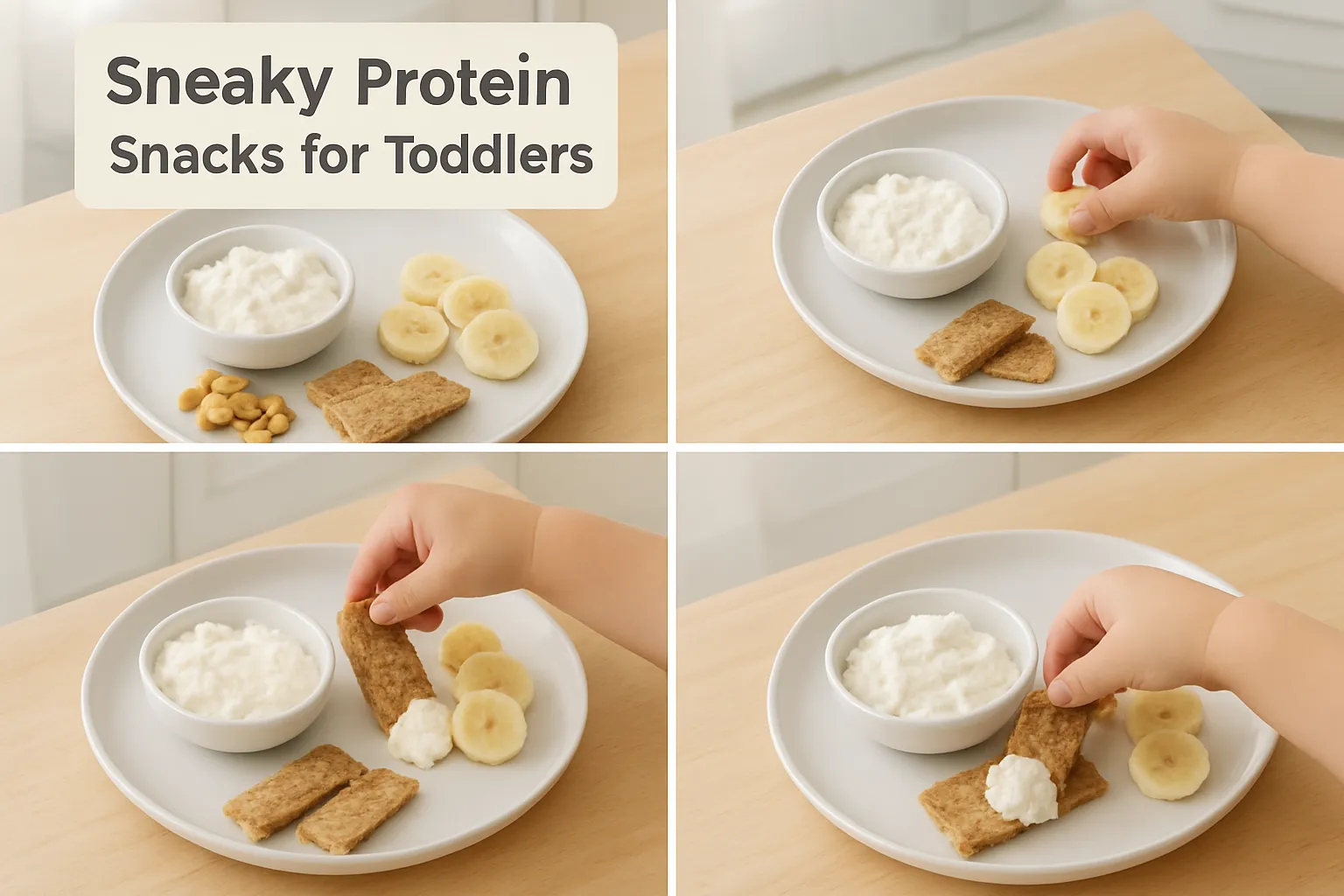
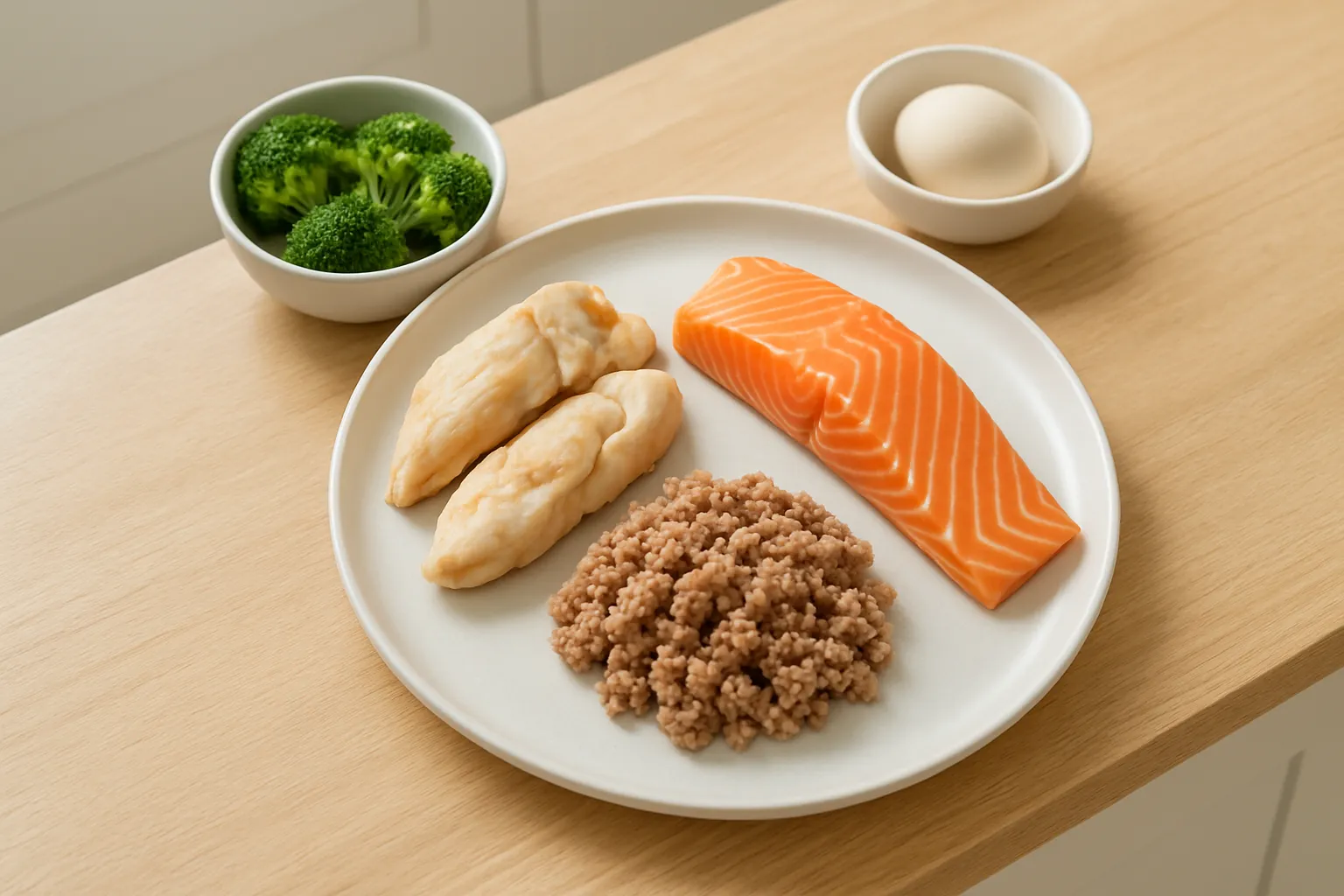
Start with texture and safety. Toddlers do best with soft, flaky fish and finely shredded or minced meat so there’s less chewing and less choking risk. Always check for bones in fish and cartilage in chicken, cut into toddler-friendly pieces, and avoid adding extra salt. Here are practical ideas that work for dinner, lunchboxes or reheated leftovers.
Quick rules of thumb
- Portion size: aim for a few tablespoons of cooked meat or fish for younger toddlers, building up to a small palm-sized portion as they grow. Follow your kid’s appetite.
- Fish choices: stick to low-mercury varieties like salmon, trout, hoki, sardines and canned light tuna (use sparingly). Avoid shark, swordfish, marlin and orange roughy for little ones.
- Texture: flake fish, finely chop or shred cooked meat, or make into patties and meatballs for easy biting.
- Seasoning: keep herbs and gentle spices, skip extra salt and honey. A squeeze of lemon, a bit of parsley or mild curry powder are usually fine.
Easy, reliable recipes (kid-approved)
- Mini turkey meatballs
- Mix ground turkey with grated carrot, a little grated apple, an egg and breadcrumbs. Roll small balls, bake at 180 C until cooked through. Freeze extras. Serve with mash or in tomato pasta.
- Salmon and sweet potato cakes
- Mash cooked salmon with cooked sweet potato, a tablespoon of flour, an egg and mild herbs. Shape small patties and pan-fry lightly in a touch of oil until golden. Flake and check for bones first.
- Homemade fish fingers
- Cut firm white fish or salmon into strips, dip in flour, beaten egg and fine breadcrumbs, bake or shallow-fry until cooked. These reheat well and are way better than shop-bought.
- Shredded chicken cups
- Poach a chicken breast with a bay leaf, shred finely and mix with steamed peas and mashed potato or avocado. Spoon into silicone muffin trays and freeze single portions.
- Tiny beef ragu
- Slow-cook minced beef with finely grated carrot, zucchini and a simple tomato sauce. Serve over small pasta shapes or soft polenta.
- Sardine mash on toast
- Mash canned sardines (in water), mix with a little Greek yoghurt and lemon, spread thinly on toast or rice cakes. Great for omega-3 and iron.
- Pork and apple patties
- Mix lean minced pork with grated apple and a bit of sage, form tiny patties and pan-cook. Sweet apple helps hide the meat for fussy eaters.
Sneaky ways to stretch meat and fish
- Freeze single-serving patties or meatballs so you always have a protein ready. Thaw overnight in the fridge and reheat well.
- Bulk-cook a roast or whole fish, then shred for sandwiches, wraps or mixed into risotto or fried rice.
- Blend small amounts of cooked fish into mashed veg or a creamy pasta sauce so the flavour is subtle.
- Use leftovers in omelettes, frittatas or savoury muffins for breakfasts and snacks.
Safety and storage
- Cool cooked meat or fish quickly and store in the fridge for up to 48 hours, or freeze for 1-3 months depending on the item.
- Reheat until steaming hot and stir to remove cold spots. Only reheat once.
- When introducing fish or shellfish for the first time, offer a small amount and watch for any reactions, especially if there is a family history of allergies.
- Always remove bones or use boneless fillets for toddlers. Flake fish into small pieces and test texture before serving.
Little tweaks that work
- Serve with dips like Greek yoghurt, mashed avocado or mild tomato sauce to encourage eating.
- Cut food into fun shapes or small cubes for little hands to pick up.
- Offer meat and fish alongside familiar favourites like mashed potato, baked sweet potato, soft pasta or steamed veg.
These options make it easy to get good-quality protein into picky little eaters without a lot of fuss. Give a few of the recipes a go and freeze the rest for nights when there is zero time.
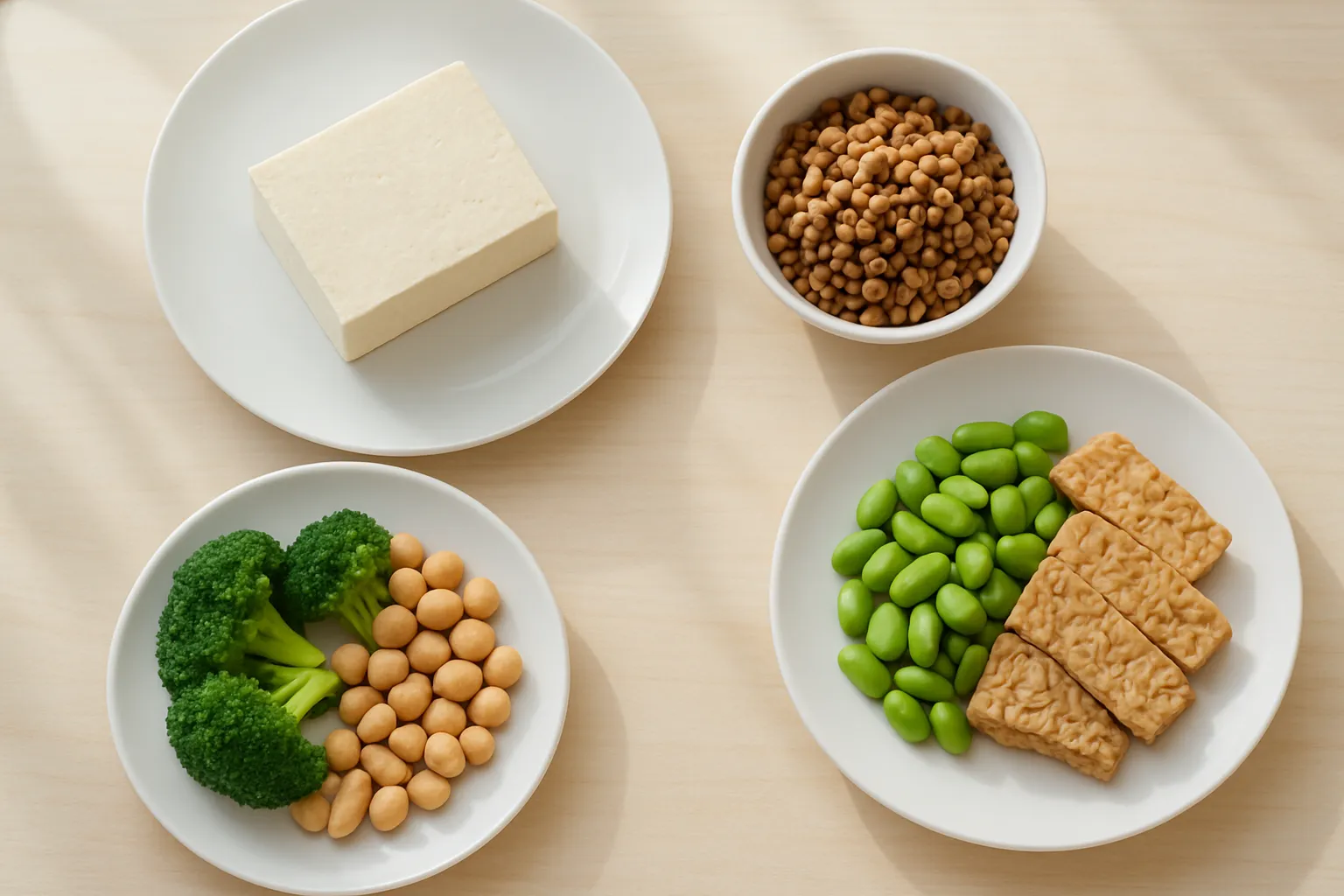
If you’re trying to cut back on meat or just mix things up, small swaps can give your toddler a big protein boost without a lot of fuss. Here are easy, kid-tested ideas plus how to serve them so they actually eat them.
Easy swaps and how to make them toddler-friendly
-
Mince or ragu → Red lentil bolognese Cook red lentils until very soft and add to your usual tomato sauce. Mash slightly for smooth texture. Serve over pasta or mash with sweet potato. Portion: 1-3 tablespoons for little ones, up to 1/4 cup for older toddlers.
-
Chicken nuggets or fish cakes → Tofu or chickpea nuggets Mash soft tofu or chickpeas, mix with a little grated carrot, an egg or flax egg, and breadcrumbs, then bake or shallow fry until golden. Cut into bite-size fingers. Nut-free and great for dipping.
-
Sausages or meatballs → Lentil or bean balls Pulse cooked brown lentils or cannellini beans in a food processor, add grated veg, a binder like oats or breadcrumbs, shape small balls and bake. Freeze extra. Serve with tomato dip.
-
Tuna pasta → Mashed white beans with lemon and a drizzle of olive oil Rinse and mash butter beans or cannellini beans, mix through pasta with a splash of lemon and mild cheese. Smooth, creamy and rich in protein.
-
Stir-fry with chicken → Tofu or tempeh stir-fry Press tofu to remove excess water, cube and pan-fry until a little crisp. Slice tempeh thin and marinate in mild soy and honey for a sweet glaze. Cut into small pieces for toddlers. Add soft veg like capsicum and broccoli florets steamed first.
Plant proteins to keep in your pantry
- Lentils: quick-cooking red lentils are brilliant in purees and sauces. Brown or green lentils hold shape for patties.
- Canned beans: chickpeas, cannellini, black beans. Rinse well to reduce salt and gas. Mash or pulse smooth for younger ones.
- Tofu: soft silken for smoothies and puddings, firm for frying and nuggets.
- Tempeh: nutty flavour, slices or crumbled into sauces. Steam briefly first if worried about firmness.
- Edamame: toddler-sized and fun to eat shelled. Great in fried rice or pureed into dips.
- Quinoa: cooks quickly and mixes easily into salads, fritters or porridge for a protein hit.
- Greek yogurt and cottage cheese: creamy, high-protein snacks or used in dips and dressings.
- Nut and seed butters: spread thinly on toast, stir into porridge, or thin with yoghurt. Never give whole nuts to toddlers. Grind larger seeds if worried about choking.
Quick toddler-friendly combos for full protein
- Rice and black beans: mash together slightly for easy eating.
- Hummus on veggies or toast: hummus plus wholegrain pita equals a filling mini meal.
- Oats with milk and added ground chia or hemp seed: warming and surprisingly filling.
- Quinoa salad with edamame and grated carrot: add a squeeze of orange to help iron absorption.
Safety and digestion tips
- Watch choking risks: mash, finely chop or cook soft for younger toddlers. Avoid whole nuts and whole seeds.
- Introduce one new plant protein at a time to spot reactions. Soy and nuts are common allergens.
- Canned beans can cause tummy wind. Start with small amounts, rinse well, or use fresh cooked beans.
- Boost iron absorption by pairing beans and lentils with vitamin C rich foods like tomato, capsicum or orange.
Batch-cook ideas
- Make a big pot of lentil bolognese or a tray of chickpea nuggets and freeze in toddler portions.
- Puree cooked beans with a little stock and freeze in ice cube trays for quick add-ins to soups, sauces and pasta.
- Keep marinated tofu or tempeh ready in the fridge for quick toss-and-fry dinners.
Little swaps, big difference. These options help keep meals interesting, make reheats easy on busy nights, and sneak in protein without a fight.
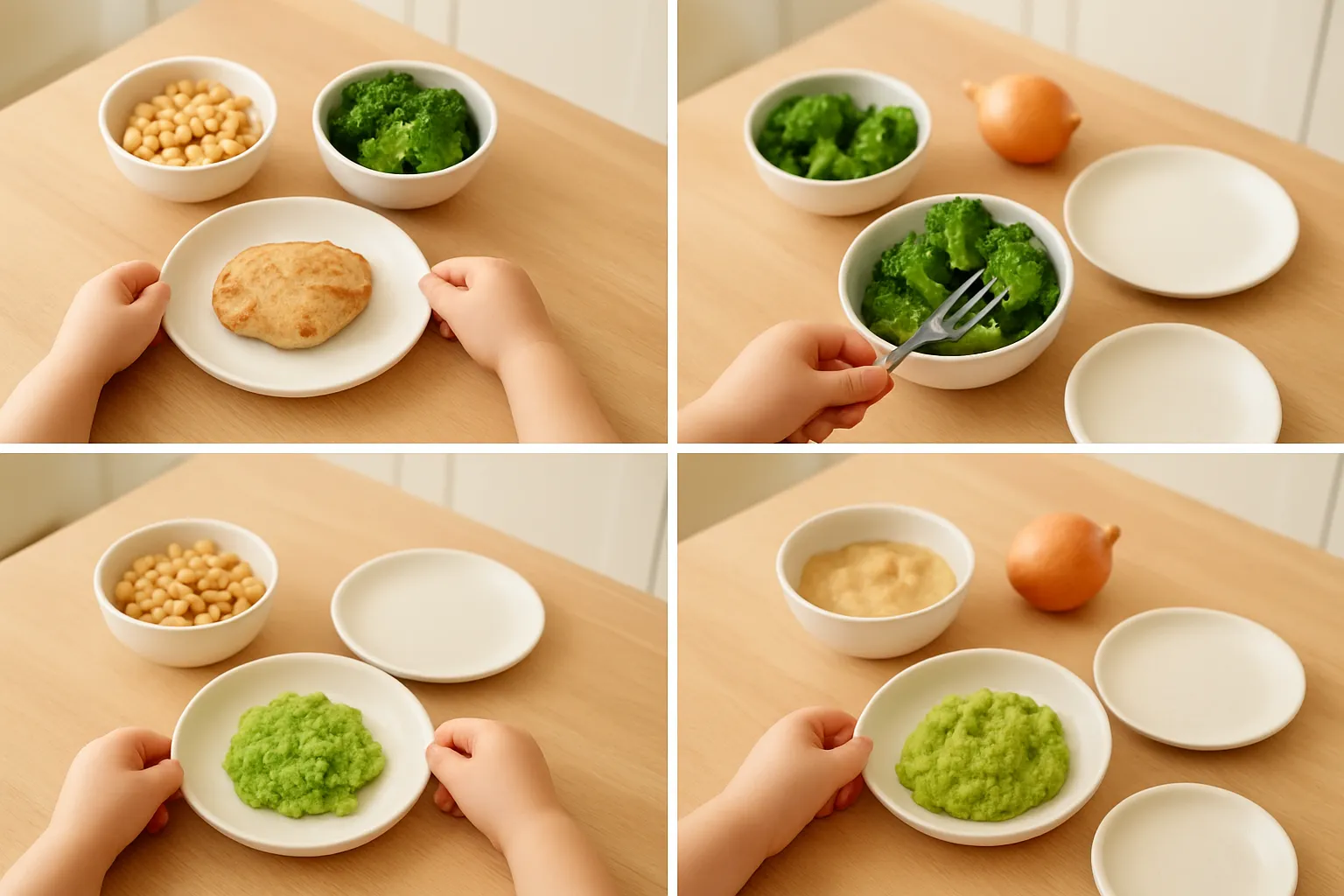
By the time evening rolls around and you’ve hit peak tired, these quick, protein-packed meals will save dinner and keep the toddler fed without fuss.
- One-pot chicken and veg risotto
- Use leftover roasted chicken or a store-bought rotisserie chook, arborio rice, grated carrot, frozen peas and low-salt chicken stock. Stir gently until creamy and fold in finely shredded chicken and a little grated parmesan. Chop or mash to toddler-friendly texture.
-
Tip: make extra chicken at the weekend and freeze in small portions.
- Canned salmon fritters
- Mix canned salmon (bones removed and well flaked), an egg, a handful of breadcrumbs or oats and grated zucchini. Spoon into a non-stick pan and cook until golden. Serve with a dollop of plain yogurt.
-
Swap: use canned tuna if you prefer.
- Black bean and cheese quesadilla
- Mash drained canned black beans with a little cumin, spread on a wholemeal tortilla, sprinkle cheese, fold and toast in a pan. Cut into small wedges. Add mashed avocado for healthy fats.
-
Great for picky eaters and fast to assemble.
- Egg and tofu fried rice
- Use leftover rice, scramble in an egg, toss in diced silken tofu, frozen mixed veg and a splash of soy sauce. Chop into small pieces for younger toddlers.
-
Super quick and a good way to use whatever’s in the fridge.
- Quick mince and sweet potato skillet
- Brown lean beef or lamb mince with finely chopped onion, add diced sweet potato and tomatoes, simmer until soft. Serve with softened couscous or mashed potato.
-
Make extra and freeze into toddler-sized portions.
- Tuna pasta bake
- Mix cooked pasta with canned tuna in springwater, peas, a little cream cheese or béchamel, top with grated cheese and bake briefly until warmed and bubbly. Flake tuna well and check for stray bones.
-
Freezer-friendly in individual portions.
- Red lentil bolognese
- Red lentils cook fast and stand in for mince. Sauté onion, carrot and celery, add red lentils and passata, simmer until soft. Serve over soft pasta with grated parmesan.
- A dairy-free, inexpensive winner.
Dump-and-go slow cooker ideas
- Toss chicken thighs, canned tomatoes, a drained can of beans and mild taco seasoning into the slow cooker in the morning. Shred when ready and serve in wraps, with rice or on toast.
- Or do a chuck steak and veg combo for tender shredded beef. Great for batch-cooking and freezing.
Safety and speed tips
- Cut, mash or finely shred proteins for younger toddlers and always check for bones or large chunks.
- Use canned fish and beans for fast protein, and pre-cooked rotisserie chicken to shave time.
- Batch cook and freeze in toddler-sized portions. Reheat thoroughly and cool to a safe temperature before serving.
- For allergies, swap dairy cheese for dairy-free spread, use gluten-free pasta or tortilla if needed, and bind patties with mashed banana or flax mix instead of egg.
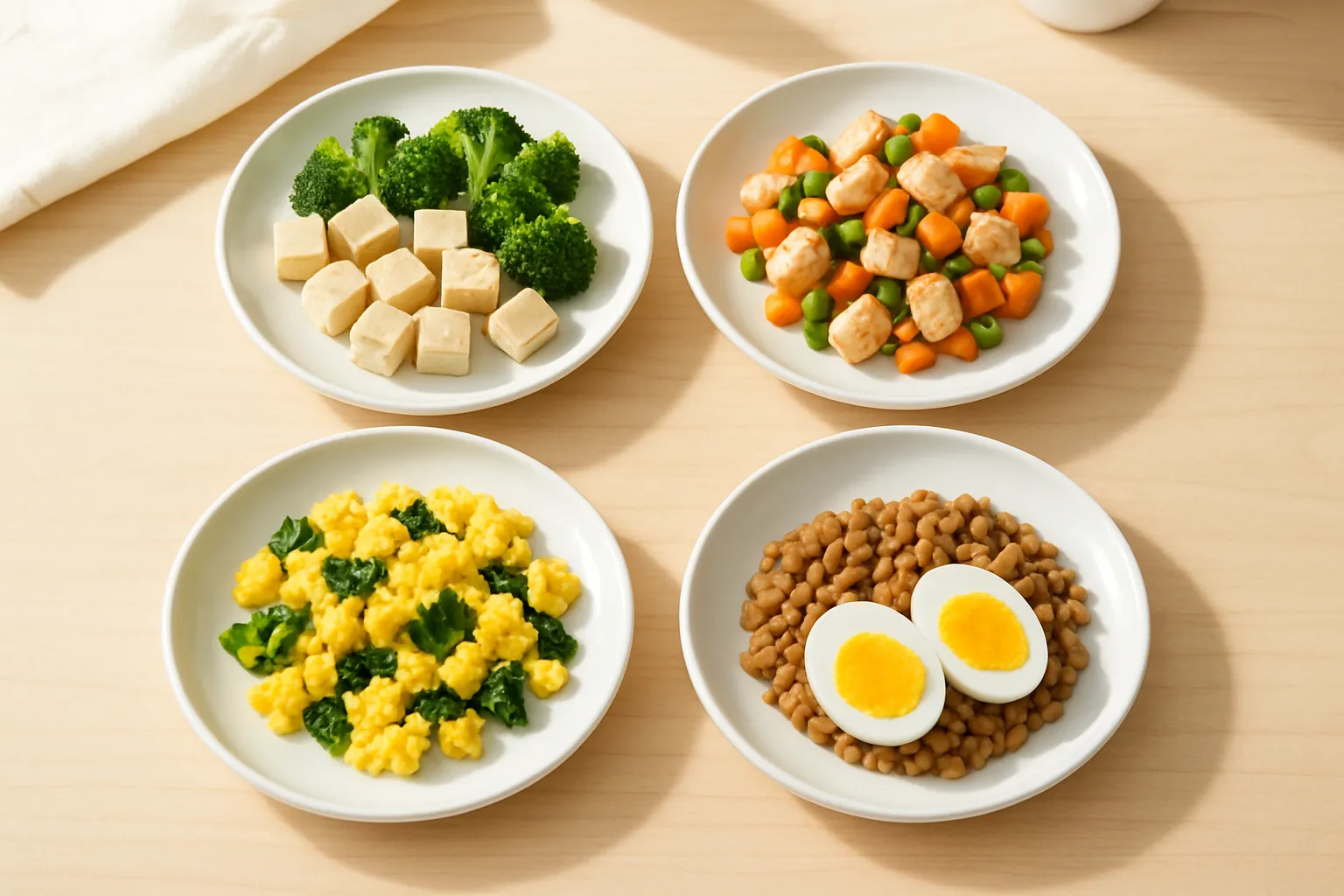
Keep one or two of these on rotation and you’ll have a fast, protein-rich dinner ready on even the laziest weeknights.
Suggested Recipes
You Might Also Like

 Never miss a recipe from us, subscribe to our newsletter