
Cold-weather hydration for toddlers: easy July tricks to keep fluids and fibre up without the fuss
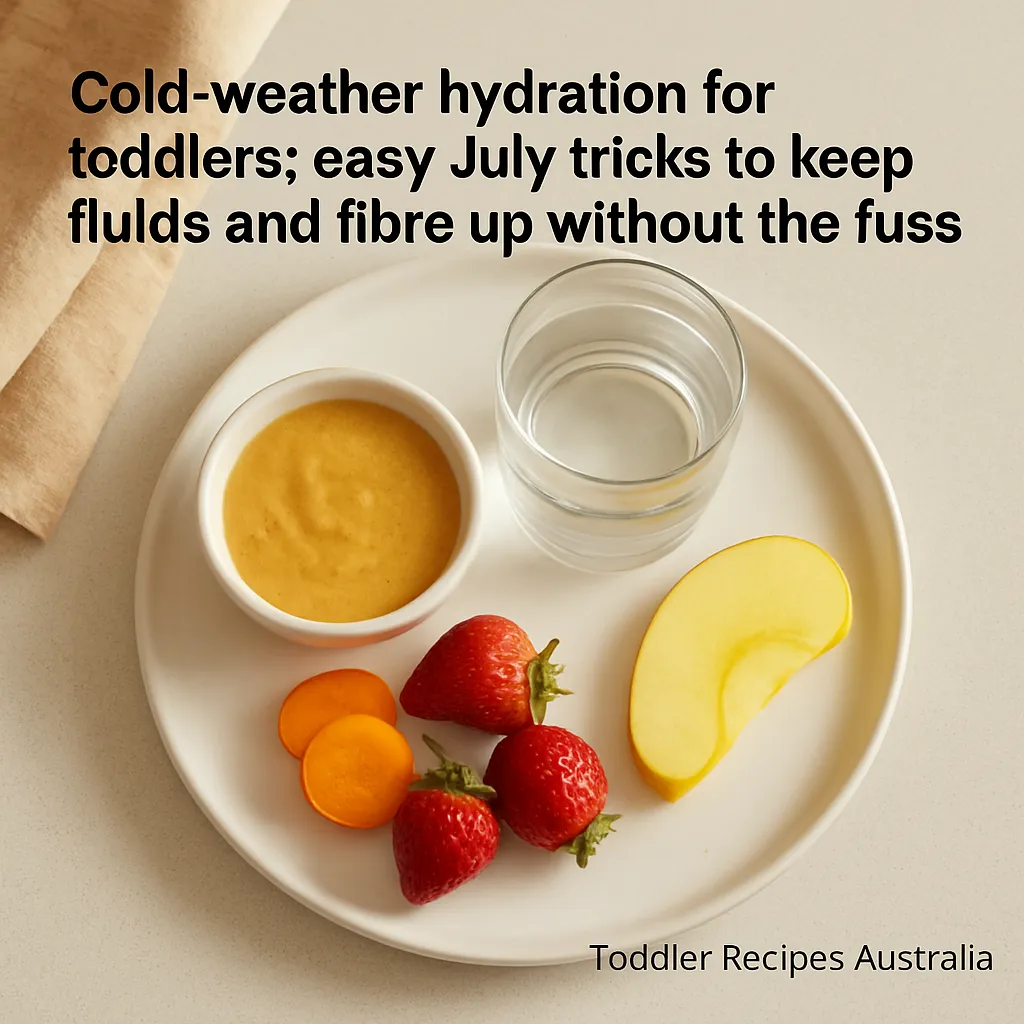
Just a couple of cosy, no-fuss tricks I reach for when the weather makes everyone want to hibernate. Easy swaps and tiny rituals keep sips coming and a bit of fibre tucked in without a meltdown.
-
Warm fruit infusions: Chop apple or pear, simmer in a little water for 10 minutes, mash and strain. The warm cooking liquid is naturally sweet and gentle on tummies. Serve lukewarm in a small cup or thermos. No added sugar, and you’ve got flavour plus a bit of fibre from the fruit.
-
Oats-in-a-cup: Cook porridge with extra water so there’s a runny, starchy liquid. Give that warm spoonful-by-spoonful between bites or pour into a small cup to sip. It’s hydrating and adds soluble fibre without changing routine.
-
Prune or pear puree boost: Stir a spoonful of prune or pear puree into warm water or milk for a fibre-friendly drink. Prune is great for sluggish bowels but use just a little so it doesn’t become too sweet.
-
Rooibos cosy cups: Brew a weak rooibos tea, cool to a safe temperature and serve plain or with a splash of milk. Rooibos is caffeine-free and has a mellow flavour that little ones often accept.
-
Low-salt broths: Homemade or low-sodium vegetable or chicken broth warmed up is a savoury, comforting way to get fluids. Keep it diluted and use it as a snack sip between meals rather than a main drink.
-
Tiny, frequent offers: Little kids lose heat and interest quickly. Offer 30-60 ml every 20-30 minutes rather than a big cup at once. Use small insulated sippy cups or a favourite mug to make each offering feel special.
-
Pre-warm cups and flasks: Fill thermoses with hot water beforehand, then empty and pour in the warm drink. It keeps liquids cosy for longer and saves constant reheating. Always test on your wrist first to make sure it’s not too hot.
-
Make it a ritual: A simple song, two sips after a story, or a special sticker for finishing a warm drink turns hydration into something familiar and fun. Toddlers respond to routine.
-
Little extras for fibre: Add a pinch of ground flaxseed to warm porridge or blend a spoonful into warmed fruit purees. It blends in easily and gives a fibre lift without changing the taste much.
Safety notes: Never give hot drinks straight from the kettle; always cool to a safe temperature. Avoid honey for under 12 months. If trying new ingredients like prunes, rooibos or flax for the first time, introduce them one at a time to watch for reactions.
These are the simple things that keep the cold months calm and hydrated without a fuss.
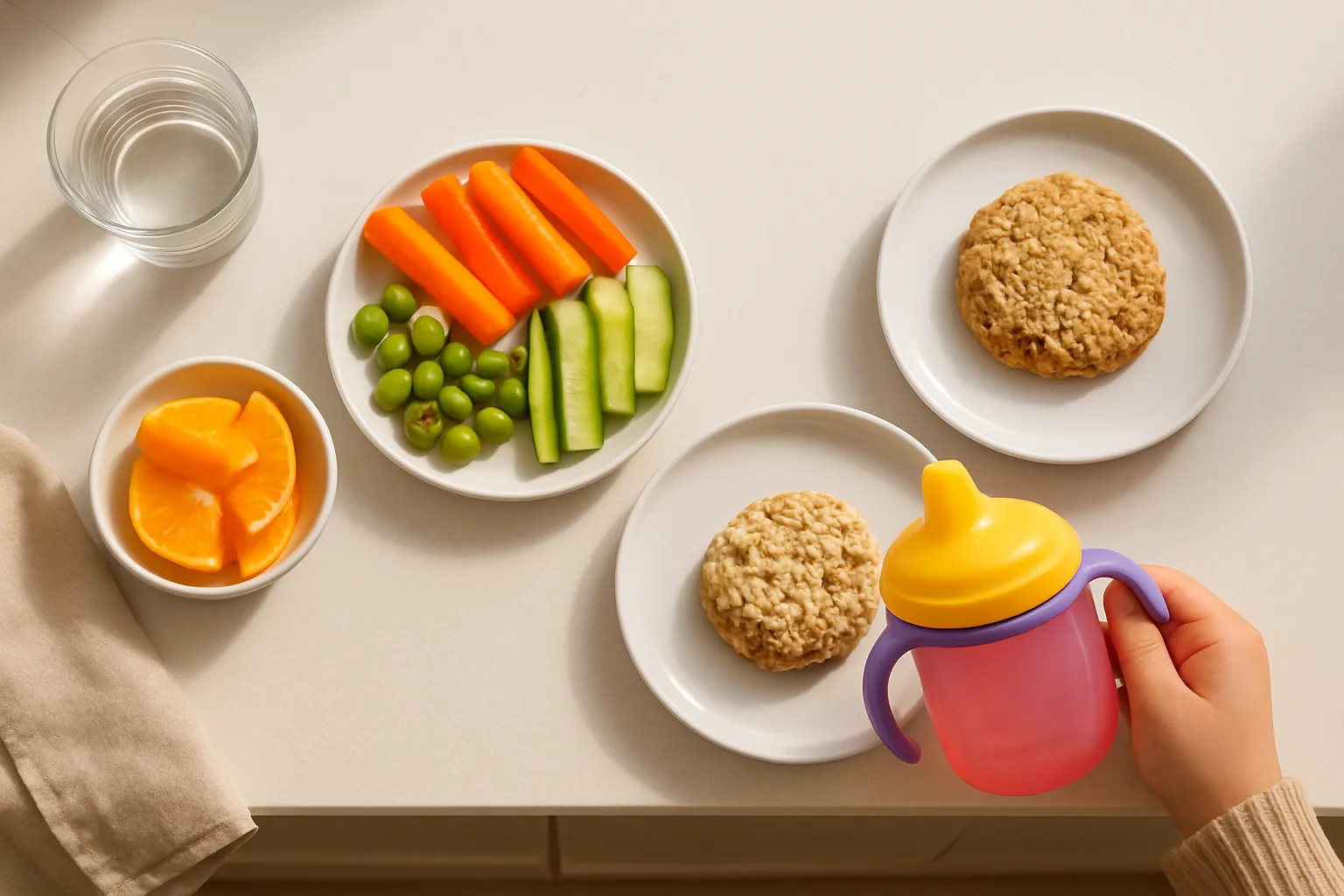
If warm drinks are a hard sell, small changes in flavour, texture and presentation can be magic. Here are quick, low-fuss ideas that actually work on picky toddlers, plus a few tiny recipes you can make in five minutes.
Practical serving tips
- Always serve lukewarm. Test on your wrist first. Toddlers can’t tell temperature well and scalds are common.
- Offer smaller amounts often. Little cups (60-100 ml) are less daunting than a full mug.
- Let them choose the cup or straw. A special cup makes a new drink feel exciting.
- Keep a thermos for outings so you have a warm option on hand.
- Avoid honey under 12 months, and skip caffeinated teas.
Easy warm drinks that hide flavour and add fibre 1) Banana-cinnamon milk
- Warm 120 ml milk, mash 1/4 ripe banana and whisk into the milk with a tiny pinch of cinnamon.
- Smooth, sweet and familiar. The banana adds natural sweetness and a bit of fibre.
2) Apple or pear warm infusion
- Simmer slices of apple or pear in 200 ml water for 5-7 minutes, scoop out fruit, blend briefly if you like it thicker, then cool to lukewarm.
- Option: steep a caffeine-free rooibos teabag with the fruit for an extra cosy taste. No sugar needed.
3) Mild veggie broth cup
- Heat 150 ml low-salt chicken or vegetable broth and stir in 1-2 tablespoons pureed carrot or sweet potato.
- Savoury, comforting and sneaks in veg nutrients. Great before bed or with toast soldiers.
4) Warm prune or pear boost for constipation
- Mash 1-2 prunes or 1/4 cooked pear into 100 ml warm water or milk.
- A tiny amount goes a long way for fibre. Keep it small and infrequent to avoid tummy surprises.
5) “Mini latte” froth trick
- Warm milk and froth the top lightly with a handheld frother, then offer in a small cup.
- The foam makes it feel grown-up and often wins over stubborn drinkers.
Textures and add-ins that help
- Ground flaxseed: stir 1 teaspoon into warm milk or a warm fruit drink for extra fibre. Grind whole flaxseeds first.
- Pureed fruit: easy to mix into warm drinks for sweetness and texture.
- Mild spices: a pinch of cinnamon or vanilla extract can change the whole vibe. Keep spices light.
Quick do’s and don’ts
- Do introduce new flavours alongside a favourite. Choice helps.
- Do keep portions small and offer frequently.
- Don’t add sugar or syrups regularly. It teaches a sweet habit.
- Don’t overdo strong spices or anything choking-sized. Always supervise sips.
If your toddler refuses one style, try another. Some kids love sweet warm fruit sips, others prefer savoury broths. A few small wins each day add up without the drama.
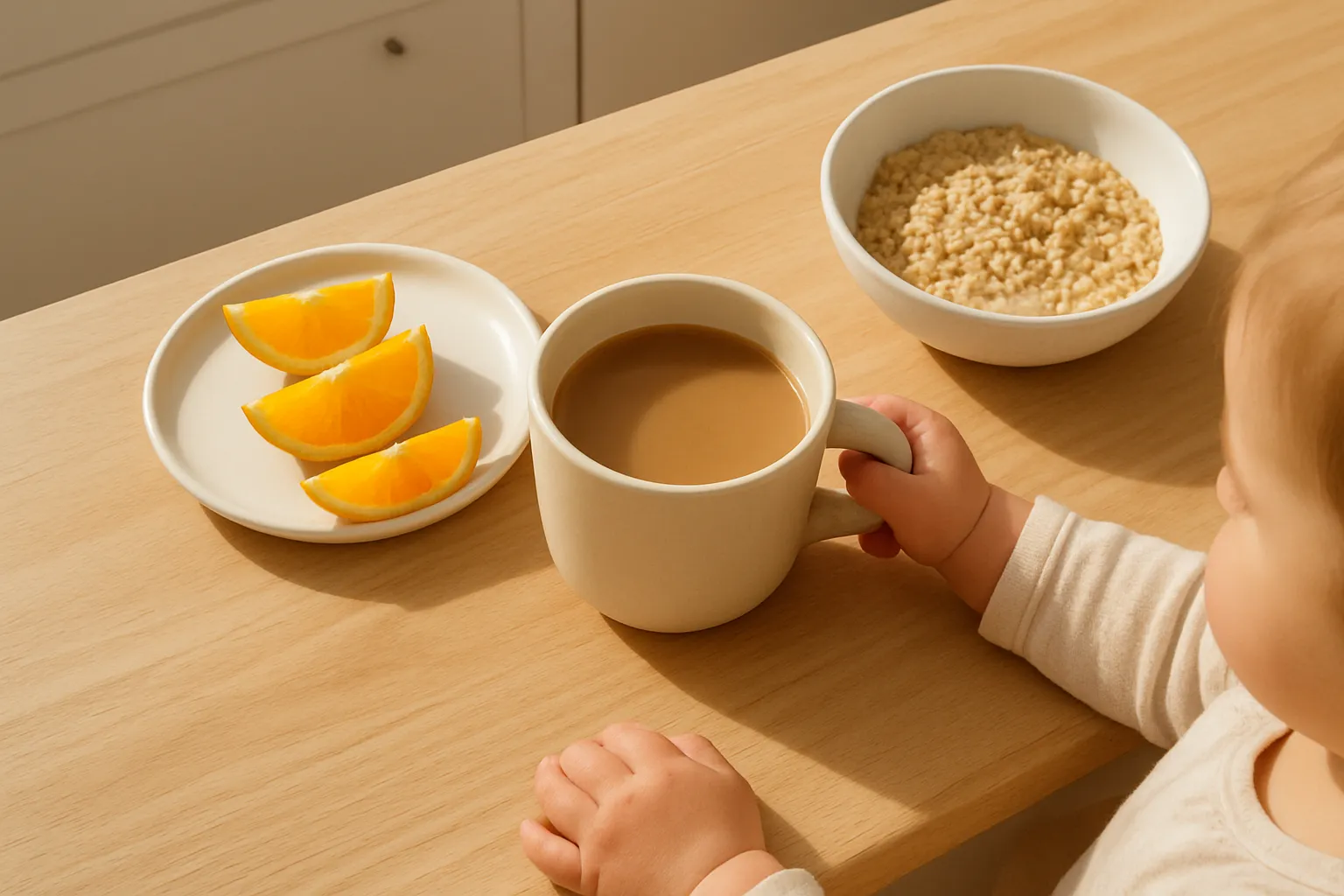
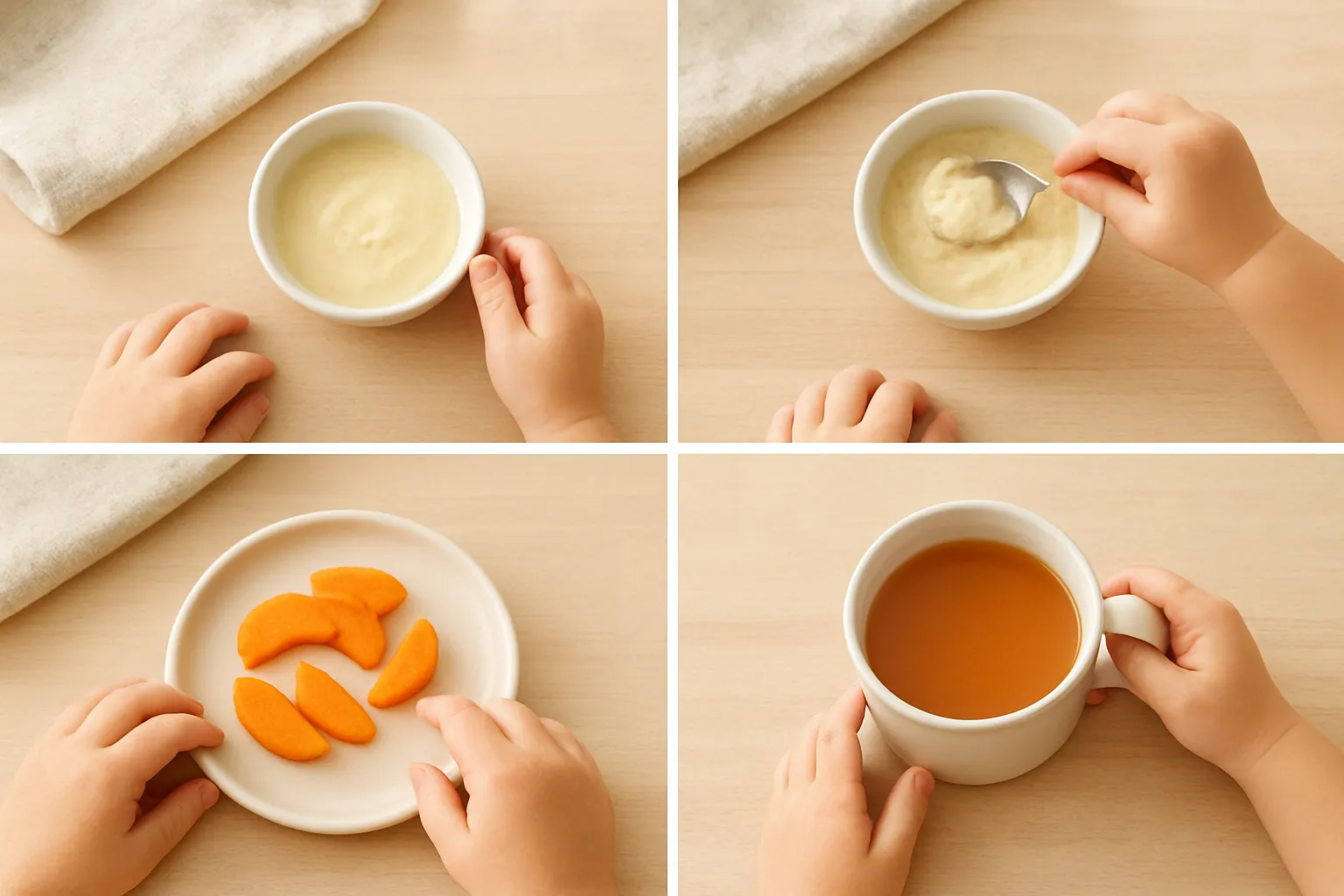
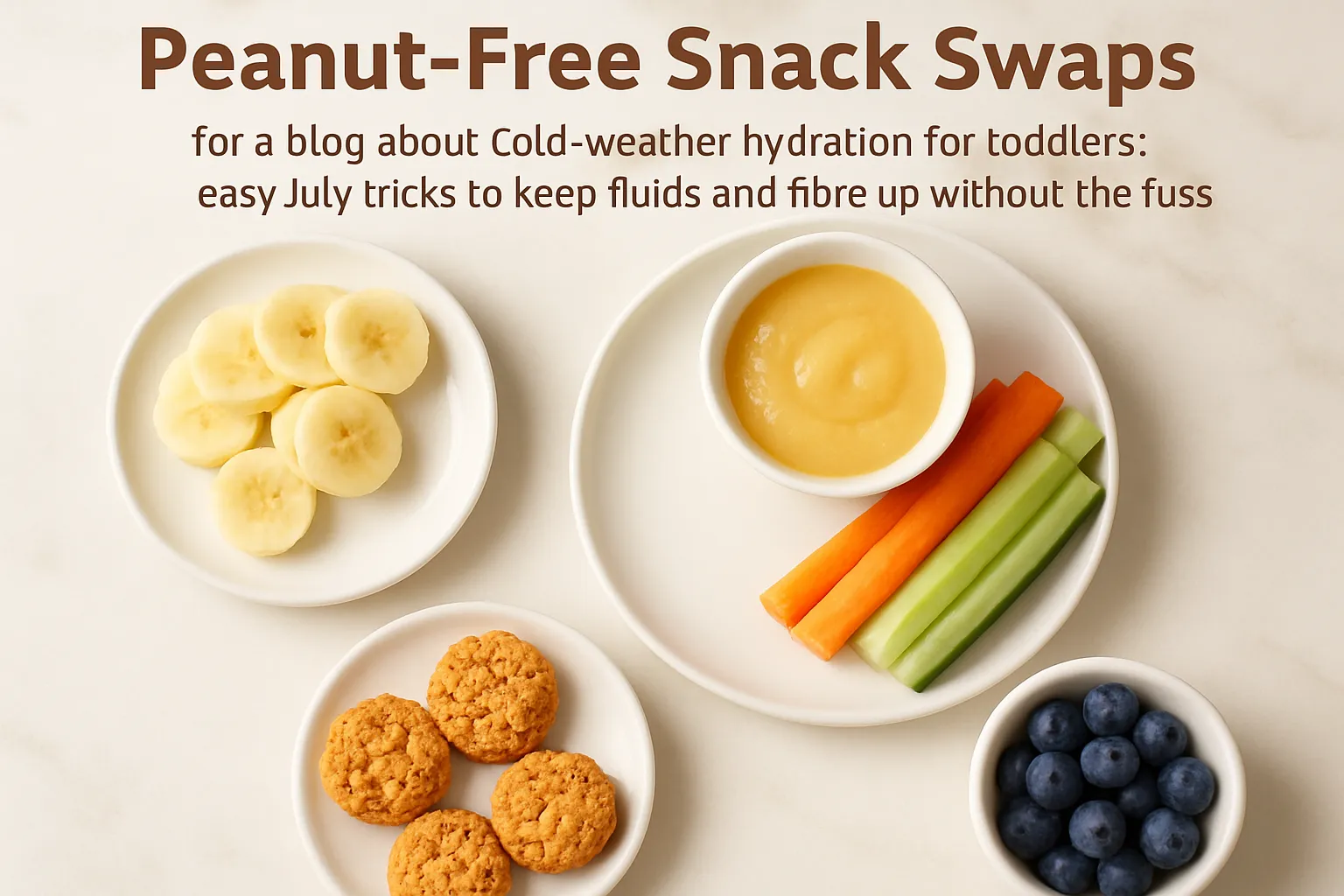
If peanut butter is off the table, try these easy swaps that keep snacks creamy, filling and hydrating without the fuss.
- Sunflower seed butter on toast or rice cakes
- Spread a thin layer on wholemeal toast or a soft rice cake and top with banana slices.
-
Tip: thin it with a little warm milk if your toddler prefers a softer, drinkable texture.
- Hummus with steamed veg or soft pita
- Blitz canned chickpeas, a splash of olive oil, lemon juice and a little tahini or sesame-free substitute. Serve with steamed carrot sticks, cucumber rounds, or torn wholegrain pita.
-
Hummus is great for fibre and you can thin it with a little warm water or stock for dipping.
- Cottage cheese and stewed fruit
- Stir cottage cheese with warm stewed apples or pears for a creamy, warm snack that adds both fluid and fibre.
-
Serve in a small bowl with a spoon for easy grazing.
- Warm banana-oat mash
- Mash a ripe banana with cooked porridge oats and a splash of milk. Heat gently so it feels like a warm pudding.
-
Add a teaspoon of ground flax or chia (pre-soaked) to boost fibre and keep it moist.
- Red lentil dip (mild)
- Cook red lentils until very soft, mash with a little vegetable stock and a dash of mild paprika. Serve warm with soft toast strips or steamed veg.
-
Lentils add both fibre and protein and soak up extra fluids.
- Avocado and mashed white beans
- Mash avocado with canned white beans, a squeeze of lemon and a pinch of salt. Serve on toast or as a dip for soft veg.
-
Creamy and filling, with good fibre and healthy fats.
- Fruit-and-porridge muffins (nut-free)
- Mix mashed banana, grated apple or carrot, rolled oats, wholemeal flour and a little milk, then bake in toddler-sized portions.
-
These keep well, are easy to warm, and you can make a batch for the week.
- Yogurt-and-berry cup with soaked oats
- Layer whole-milk yogurt, softened berries and oats that have been soaked in milk or warm water for 10 minutes.
-
The soaked oats add fibre and texture without being dry, and the yogurt brings fluid and creaminess.
- Baked sweet potato cubes with apple sauce
- Roast bite-sized sweet potato pieces and serve with warm apple sauce or a smear of yoghurt for dipping.
- Easy to eat, fibre-rich and comforting in winter.
Quick serving tips
- Pair any snack with a small warm drink: a cup of warm milk, diluted warm fruit drink or a sipper of warm water helps bump up fluids in cold weather.
- Swap spreads and dips in school settings only after checking their allergy rules; some places ban seed spreads too.
- For toddlers, keep portions small: about 1 to 2 tablespoons of spread or dip, 2 to 4 soft pieces of fruit or veg, or one small muffin.
These swaps keep things fuss-free, winter-friendly and safe when peanuts are out of the picture.
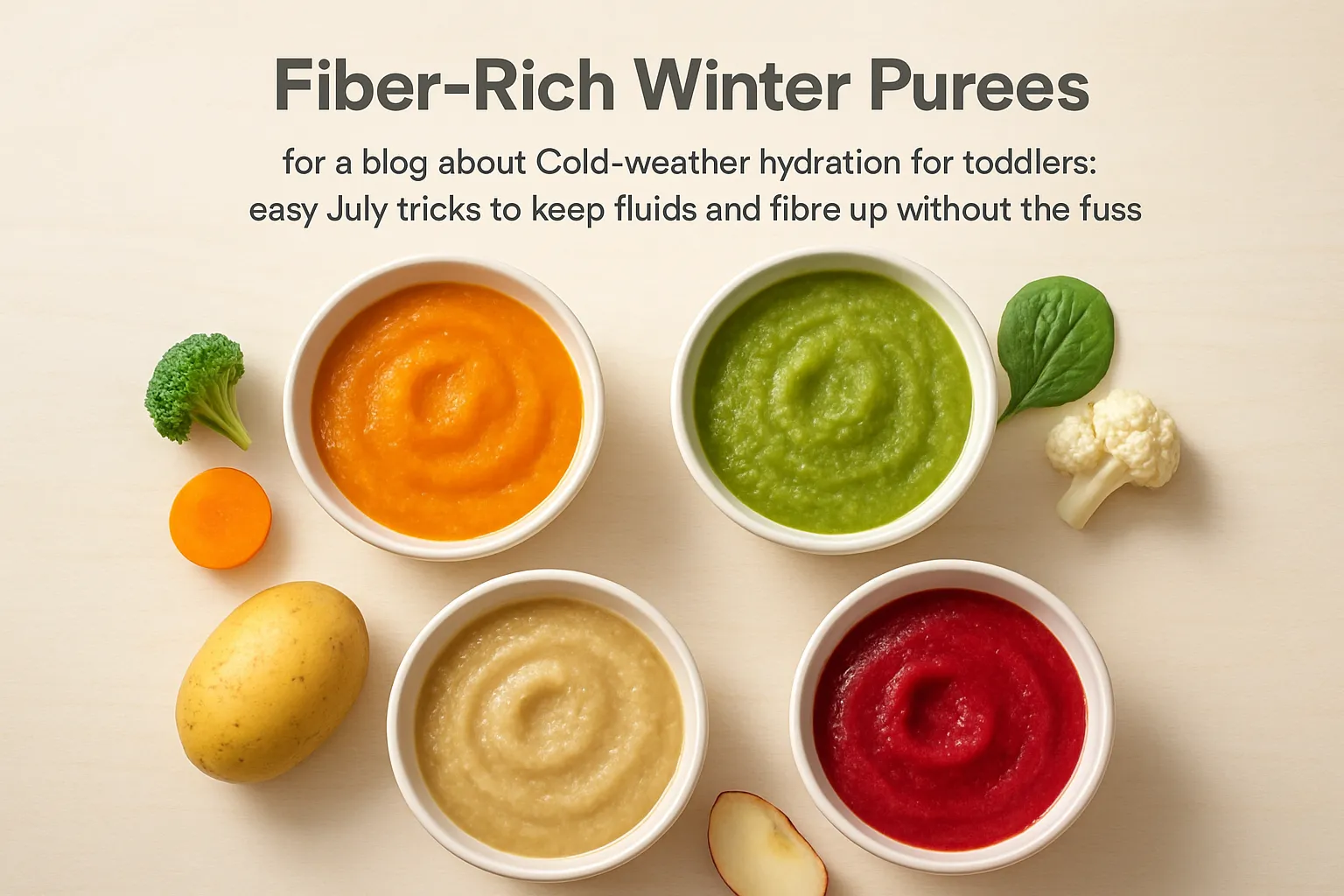
Purees are a brilliant way to sneak extra fibre into winter meals without putting up a fight. Here are simple, toddler-friendly blends and quick tips to keep them smooth, hydrating and gentle on little tummies.
Recipes and quick builds
- Pumpkin + Pear + Oats
- Ingredients: 200 g pumpkin, 1 ripe pear, 2 tbsp quick oats, 50 mL water or breastmilk/whole milk (if >12 months).
- Method: Roast or steam pumpkin until soft. Steam pear until tender. Whizz pumpkin, pear and oats with the liquid until smooth. Thin with more milk or water for a looser texture.
-
Why it works: Pumpkin adds fibre and sweetness, oats thicken and add slow-release fibre so nappies behave better.
- Sweet Potato + Apple + Cinnamon
- Ingredients: 1 medium sweet potato (about 250 g), 1 apple, pinch cinnamon, 60 mL low-sodium veggie stock or water.
- Method: Bake or steam, then blend with stock. A dash of cinnamon makes it smell homely and helps picky eaters try it.
-
Tip: Keep the puree looser for extra hydration.
- Red Lentil + Carrot + Tomato
- Ingredients: 1/3 cup red lentils (rinsed), 2 carrots, 1 small tomato, 400 mL water or low-salt stock.
- Method: Simmer lentils and chopped veg until soft, then blend. Add a swirl of olive oil for extra calories and mouthfeel.
-
Good for: Protein plus fibre. Lentils thicken while still keeping a gentle texture.
- Prune + Banana Swirl (for constipation)
- Ingredients: 3-4 prunes (stewed), 1 small banana, splash of water.
- Method: Soak prunes in warm water for 10 minutes, chop and blend with banana and a little soaking water. Serve slightly runny.
-
Note: A little prune goes a long way. Start small and increase if needed.
- Green Pea + Spinach + Potato
- Ingredients: 1 cup peas, a handful of spinach, 1 small potato, 50-100 mL water.
- Method: Steam and blend. You can add a teaspoon of ground flax (linseed) for extra fibre once baby is comfortable with textures.
-
Tip: Peas are surprisingly sweet and usually go down well.
- Berry + Chia + Oat Compote (great for breakfast)
- Ingredients: 150 g mixed berries, 2 tbsp oats, 1 tsp chia seeds, 50-100 mL water.
- Method: Gently simmer berries with oats until soft, stir in chia and leave to thicken. Blend or leave slightly lumpy depending on preference.
- Hydration hack: Chia soaks liquid, forming a gel that keeps things soft and adds fibre.
Boosters that make a difference
- Add cooked oats or quinoa to a puree for bulk and soluble fibre.
- Stir in 1/2 to 1 tsp ground flaxseed per serving for fibre and healthy fats. Grind flax fresh if you can.
- Soak chia in liquid before adding so it gels and won’t be a texture surprise.
- Swap part of the cooking water for low-sodium vegetable stock, breastmilk or whole milk (if child is over 12 months) to boost flavour and fluid.
- Sweeten naturally with pear, apple or a tiny banana rather than juice or honey. Do not give honey under 12 months.
Portions, storage and reheating
- Typical toddler puree serves are small: aim for 60 to 120 mL per feed depending on appetite.
- Fridge: use within 48 to 72 hours. Freezer: freeze in ice cube trays or silicone moulds for handy 30-60 mL portions, keep up to 2-3 months.
- Reheat thoroughly until steaming and stir well to avoid hot spots. Test temperature before serving.
- Thaw in the fridge overnight or gently in a bowl of warm water. Avoid leaving purees at room temp for long.
Texture and feeding tips
- Keep things runny when you want more fluids, thicker for snacks or finger food transition.
- Mix purees into porridge, spoon into muffin batter or spread thinly on toast to add fibre without a fight.
- If your toddler is picky, pair a new vegetal puree with a familiar favourite like plain yogurt or a little mashed banana.
- Watch for signs of bloating or gas when introducing higher-fibre foods and increase fibre slowly over several days.
Final little tricks
- Freeze a few different cubes of puree in one container to mix and match meals quickly.
- Use mild spices like cinnamon, cumin or a tiny pinch of smoked paprika to add interest without heat.
- Keep a jar of blended cooked veg (pumpkin, potato, carrot) in the freezer as a base; add fruits, grains or legumes as needed.
These purees are about gentle changes that make nappies happier and mealtimes calmer. Small swaps and a few freezer tricks mean fibre becomes part of the routine without drama.
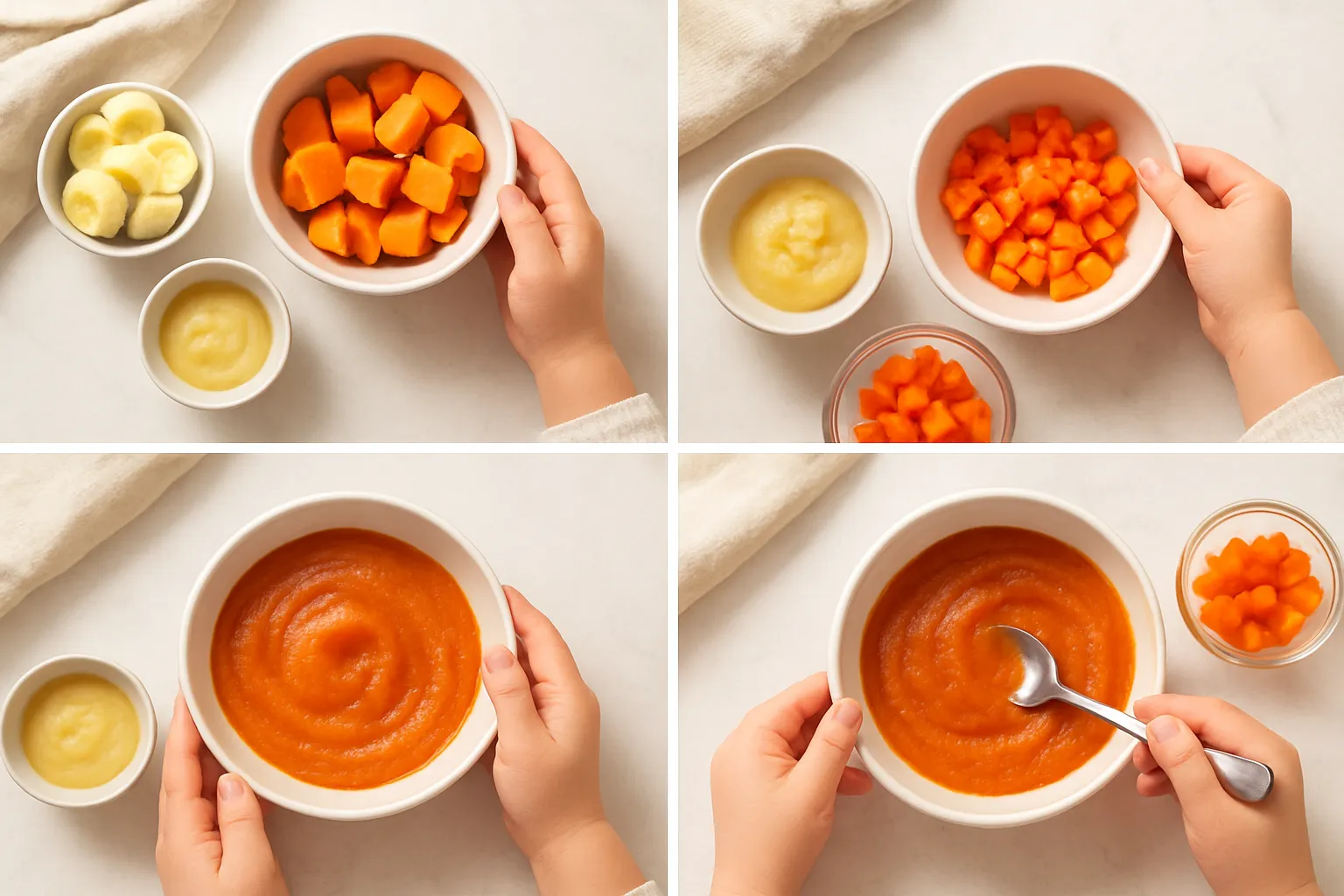
Start with simple portioning and you’ll thank yourself on the foggiest July morning. These ready-made blends keep fluids and fibre handy without any last-minute drama.
Frozen smoothie cubes
- Make batches of toddler-friendly smoothies (banana, pear, spinach, oats, a spoon of yoghurt and a splash of water or milk). Blend until totally smooth.
- Pour into ice cube trays or small silicone moulds, freeze, then pop cubes into a labelled freezer bag.
- To serve, blitz 4-6 cubes with 1/3-1/2 cup milk or water till smooth. For older toddlers, leave a bit chunkier; for littlies, thin more. No nuts, no added sugar.
Oats + seed porridge packs
- Mix rolled oats, finely ground flaxseed, and a little powdered milk or baby cereal in small zip bags (about 1/3-1/2 cup per pack).
- Stash in the pantry. When needed, stir into hot water or warm milk, add mashed fruit or thawed frozen fruit cubes, and serve slightly runny so it counts towards fluid too.
Veggie broth and roast-vegie cubes
- Roast pumpkin, carrot and sweet potato, then blend with low-salt veggie or chicken stock to a smooth texture.
- Freeze in ice cube trays. Toss a couple of cubes into soups, pasta sauces or warm water for a mild sipping broth that’s gentle for little tummies and adds fibre.
Lentil and tomato sauce pots
- Cook red lentils with tomato and grated carrot until soft, then blitz until smooth. This gives protein, fibre and a saucy texture toddlers love.
- Freeze in small portions. Reheat gently and add a splash of water or reserved pasta water to loosen for extra hydration.
Yoghurt-fruit pouches
- Blend plain full-fat yoghurt with cooked pear, stewed apple or thawed frozen berries until smooth.
- Spoon into reusable pouches or small tubs, freeze flat, then thaw in the fridge overnight. Great as a snack or stirred into porridge.
Pancake batter packs
- Make a thick batter with mashed banana, oats, egg (or egg substitute) and a little milk. Cook thin pancakes and stack between baking paper in the freezer, or freeze the batter in portions.
- Reheat gently and drizzle with warmed fruit puree to add fluids.
Quick reheat and serve rules
- Label everything with dates and use frozen blends within 2-3 months for best flavour.
- Thaw in the fridge overnight when possible. If reheating, do it gently and stir well. Always check the temperature before serving.
- Once thawed, keep refrigerated and use within 48 hours; do not refreeze.
- Keep textures smooth for under-1s and chunkier for older toddlers. Avoid honey for under-1s and skip whole nuts.
Grab-and-go portion guide
- Tiny toddlers and babies: 2-4 tablespoons per serving.
- 1-2 year olds: about 1/3 cup.
- 2+ year olds: about 1/2 cup. Adjust to appetite and how much fluid they’ve already had.
Little tricks that make a big difference
- Freeze flat in zip bags for easy stacking and quicker thawing.
- Keep a jar of frozen fruit cubes and a tub of smoothie cubes in the freezer so you can make a hydrating drink in under a minute.
- If texture is too thick when reheating, stretch it with a splash of water, milk or stock so you get both fluid and fibre.
With these kitchen-ready blends you’ll have warm sips, spoonable meals and fruity snacks ready to go when the morning fog won’t shift and appetites are small.
Photo credit: Pexels

Browse Cuisines
From the Blog
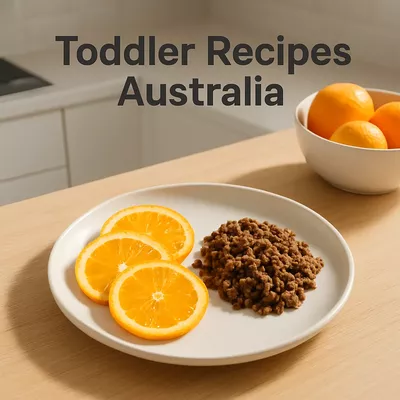
First up, a few no-fuss spring winners that keep sticky fingers and big clean-ups to a minimum. Quick to prep and easy for little hands to manage, these are the sorts of things I reach for when we want something...
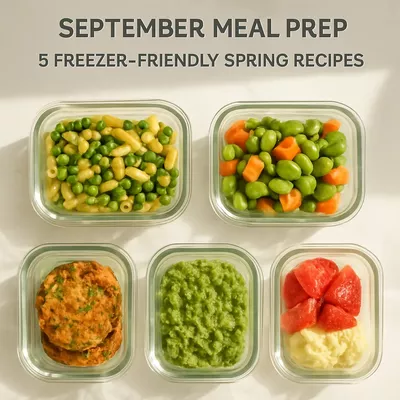
Nice - here’s how Steve keeps dinner simple without sacrificing flavour or sanity. A few good habits and the right packing tricks mean you can pull a proper family meal out of the freezer in minutes.
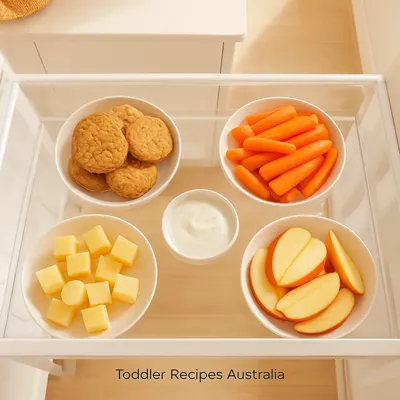
Righto, a couple of quick fridge fixes will make everything a whole lot easier. These are the simple, practical habits and setups that keep snacks safe, obvious and actually reachable for little hands.

 Never miss a recipe from us, subscribe to our newsletter