
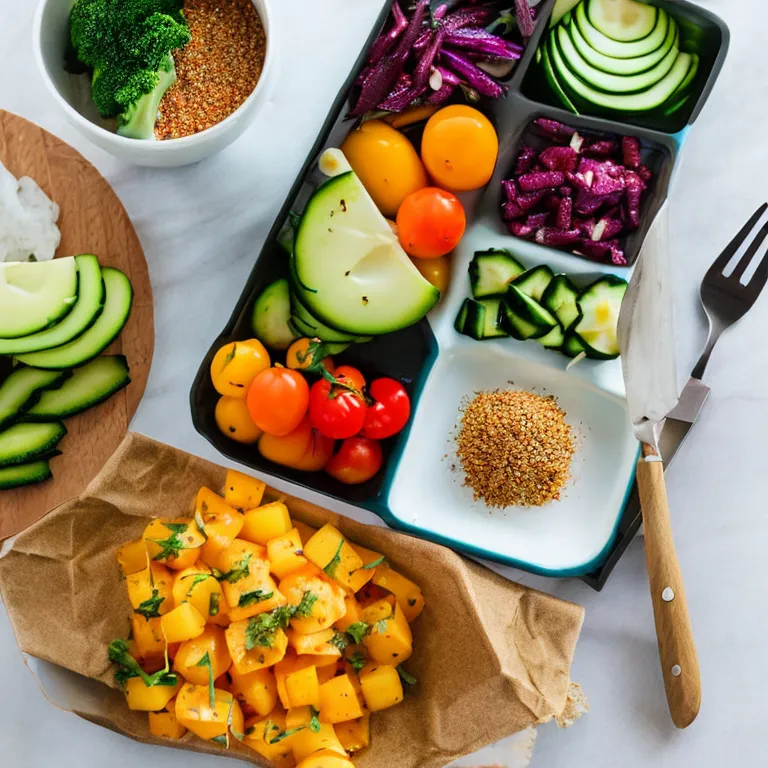
Little tweaks to how veg are cut, plated and named can make a big difference at mealtimes. Below are plain, practical design tricks that are quick to do and actually work with toddlers.
- Cookie-cutter magic
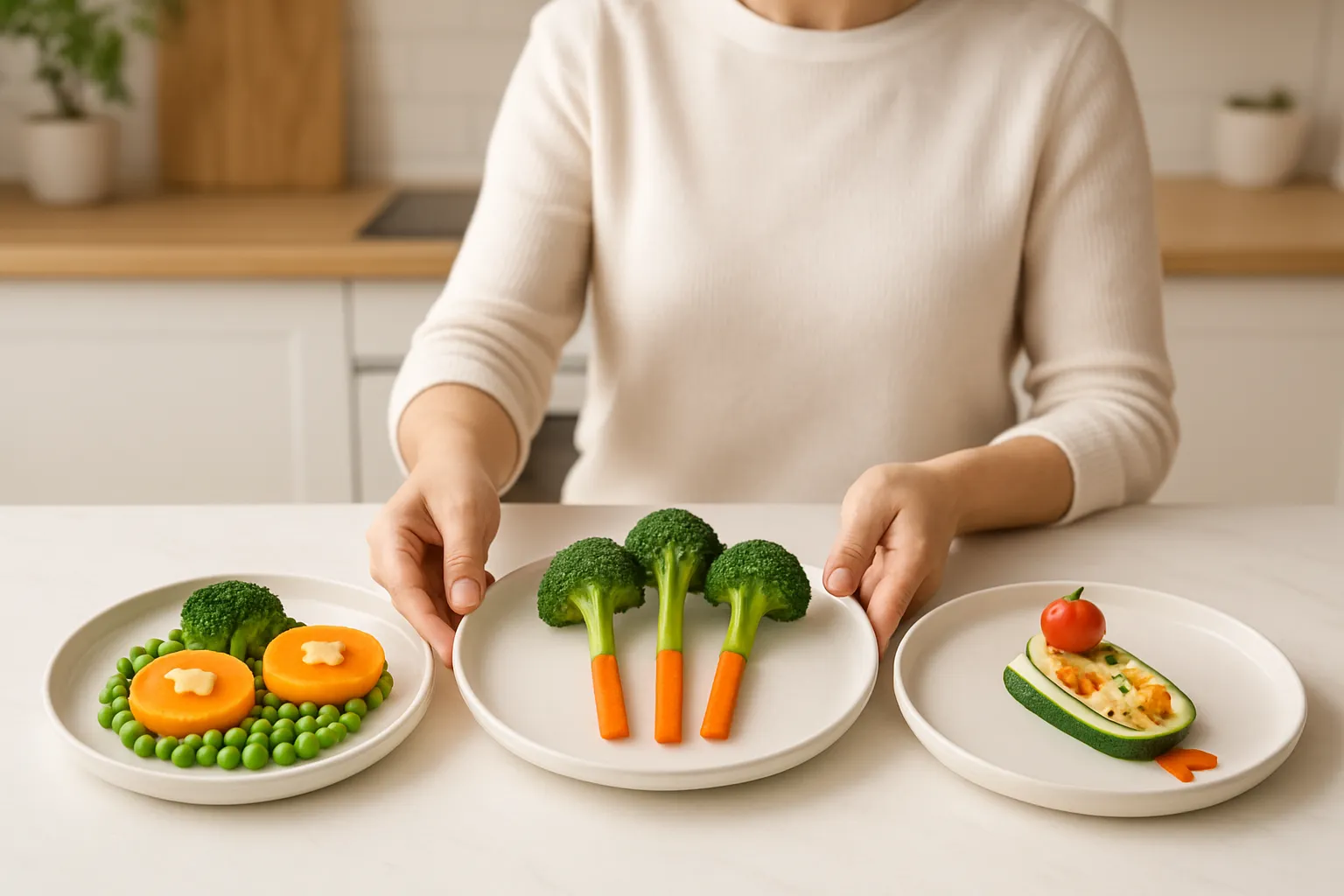
- Use small cookie cutters on cooked veg like sweet potato, zucchini or beetroot slices. Place a few shaped pieces at the front of the plate so they look like a prize. No need for perfect shapes - rough stars, hearts or animals do the trick.
-
Tip: press cutters into warm, not piping hot, veg so they keep their shape.
- The tiny-portion rule
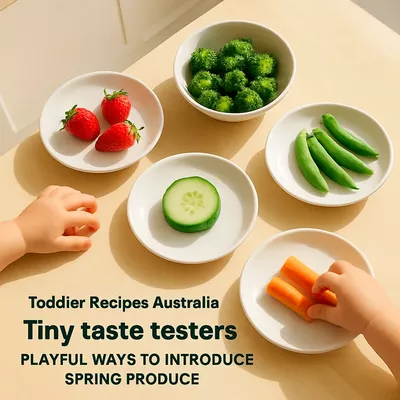
- Serve very small amounts in tiny dishes, muffin tins or ramekins. Little portions feel less intimidating and encourage tasting. Try three pea-pops in a tiny bowl, or one roasted carrot coin with a dab of dip.
-
Swap big dinner plates for kids’ sized ones so the veg don’t disappear under everything else.
- Colour blocking and contrast
- Arrange veg in blocks of colour: green, orange, red. The contrast makes the plate look intentional rather than messy. A strip of steamed broccoli next to roasted pumpkin looks much more tempting than both mixed together.
-
Use a neutral plate (white or wooden board) so the colours pop.
- Skewers and mini forks
- Thread soft cooked veg and cheese onto short bamboo skewers or use tiny forks. Holding something on a stick makes it feel like a treat and is great for fine motor practice.
-
For under-3s, use very short skewers or serve on the plate with picks removed.
- Dip wells and little scenes
- Fill a shallow well with hummus, yoghurt or avocado smash and arrange veg as flowers, trees or boats around it. Dips sell veg - toddlers love dunking and it keeps textures interesting.
-
Make a “garden” with mashed potato as soil, broccoli for trees and cherry tomatoes for flowers.
- Repeat and pattern
- Place the same veg in a repeating pattern across the plate. Repetition creates familiarity; when a toddler sees the same item arranged the same way often, they’re more likely to try it.
-
Patterns can be as simple as three carrot coins, three cucumber slices, three cheese cubes.
- Tiny tools, big impact
- Keep a mini grater, small melon baller and a pair of child-safe kitchen scissors handy. Grated carrot or courgette can be sprinkled over meals or mixed into patties without changing flavour much.
-
A straw or skewer can hollow out soft veg to make little cups to fill with dips or mash.
- Texture swaps
- If steamed veg are rejected, try roasting to caramelise them or lightly pan-frying to add crunch. Crispy edges change the whole experience.
-
Serve raw sticks with a soft dip, or try crunchy vegetable chips made from thinly sliced beetroot or sweet potato.
- Theme plates
- Turn a plate into “train time” or “bear picnic” with veg making up the scenery. Keep themes simple and only one or two extra elements so the veg stays centre stage.
-
Let the toddler choose the theme sometimes; ownership goes a long way.
- In plain sight
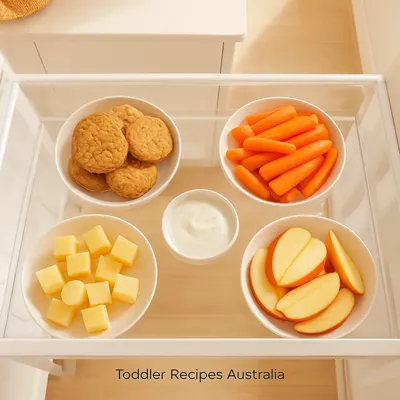
- Keep a small, colourful bowl of pre-prepared veg on the low fridge shelf or table where little hands can grab during snack time. Visibility beats persuasion every time.
These are low-fuss design moves that you can mix and match. Start with one or two and see which your little one responds to - often the change in presentation is all it takes.
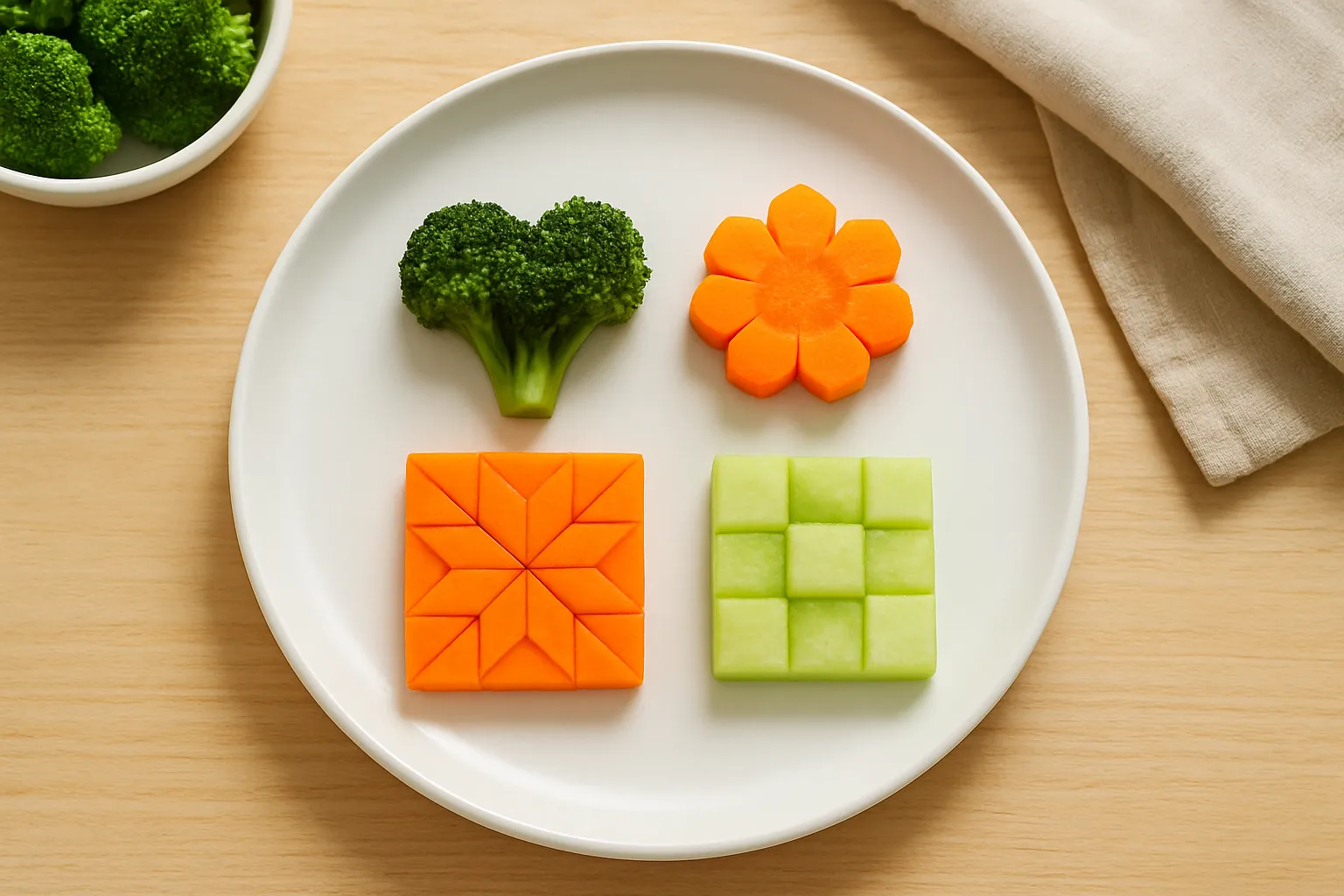
Take that patchwork thinking further by cutting veg into little quilt-like patches kids can help make and arrange. It turns a boring plate into something bright and tactile, and toddlers love pressing cookie cutters and choosing the colours.
Simple supplies
- Small biscuit cutters in squares, stars, hearts and triangles.
- A crinkle cutter or wavy knife for interest.
- A child-safe knife or a soft vegetable peeler for supervised prep.
- A small cookie stamp set if you want patterns on soft veggies.
- Airtight containers and damp paper towel for storing cut pieces.
What to cut and how
- Cucumber and zucchini: slice into 5 mm rounds, then use cutters to make soft patches. No cooking needed.
- Cooked sweet potato and pumpkin: roast until just tender, cool, then press cutters through. They keep their shape nicely.
- Carrot and beetroot: steam or blanch briefly so they soften slightly, then cut or stamp. Raw carrot sticks are great too if you want crunch.
- Capsicum: slice into strips and cut into squares. Bright colours give that patchwork look.
- Broccoli and cauliflower: small florets make lovely textured patches for a rustic quilt square.
Patchwork ideas to try
- Checkerboard: alternate light and dark squares, 3 by 3 or 4 by 4. Great on a small plate or toast toppers.
- Stripy log cabin: lay different coloured strips across each other to make a centred square. Use thin carrot and cucumber ribbons for contrast.
- Star corner block: place a star-shaped beet or sweet potato piece in one corner with cucumber squares filling the rest.
- Rainbow row: line up narrow strips of capsicum or carrot by colour for a long quilt strip toddlers can poke and eat.
Easy step-by-step: mini checkerboard cucumbers and beetroot
- Thinly slice cucumber and cooked beetroot to similar thickness.
- Use a small square cutter to stamp out equal squares.
- Alternate colours on a small plate in a 3 by 3 grid. Press gently so they stay in place.
- Serve with a small smear of hummus or ricotta in the middle for dipping.
Safety and serving tips
- Cut pieces no bigger than a thumbnail for toddlers to reduce choking risk. Halve cherry tomatoes lengthways.
- Skip skewers or toothpicks for little ones. Use silicone cupcake liners or small dividers instead.
- Supervise anytime a child is handling cutters or helping with prep.
- For older toddlers who can chew well, slightly larger squares are fine.
Get kids involved
- Let them pick the colour scheme. Give two or three options and ask them to choose.
- Give simple jobs: pushing cutters, laying squares in a line, counting how many stars.
- Make a game of naming the blocks. “Can you put the orange block next to the green one?”
Make-ahead and packs
- Cut shapes the night before and store in an airtight container with a damp paper towel to keep them fresh.
- Pack quilt pieces in bento-style lunchboxes with dips in small pots. They stay pretty and are easy for little hands.
Quick meal ideas using quilt patches
- Patchwork toast: spread cream cheese on toast and top with a checkerboard of cucumber and roasted pumpkin.
- Roll-up quilt: place veg patches along a tortilla, add a smear of hummus, roll and slice into rounds.
- Picnic platter: arrange multiple patterns on a board and let everyone pick a patch and a dip.
Keep it loose and fun. The aim is colour, touch and little wins, so if a square is wonky or a stripe ends up diagonal, that is exactly the kind of adorable chaos toddlers adore.
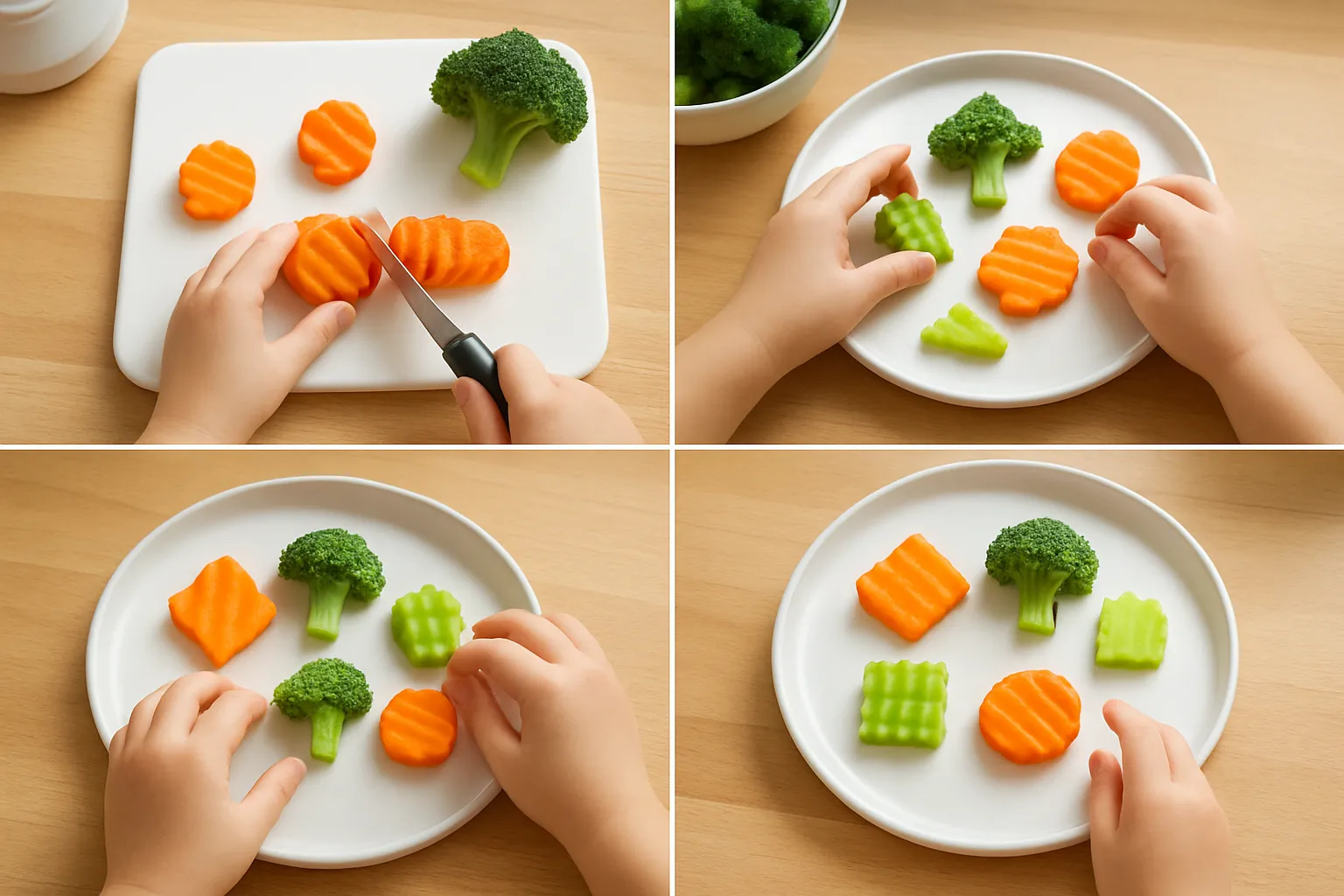
Once the little quilt shapes are packed away, the kitchen becomes our next crafty zone. Cooking with the boys is messy, loud and brilliant for getting hands on with veg - here are the easy, toddler-friendly recipes and tricks that actually work on a weekday arvo.
Rainbow Veg Fritters (makes about 12 mini fritters)
- Ingredients: 1 zucchini (grated), 1 carrot (grated), 1/2 cup frozen corn, 2 eggs, 1/2 cup plain flour, pinch of salt, a handful of grated cheese.
- Toddler jobs: wash the veg, feed spoonfuls of corn into the bowl, stir the batter with a big spoon, scoop dollops onto the tray.
- Method: mix everything in a bowl, heat a little oil in a non-stick frypan, spoon small patties and flatten gently. Cook on low-medium until set, flip once. Let kids press the patties down with the back of the spoon while you hold the pan.
- Tip: make them mini so they’re toddler-sized and easy to pick up. Serve with yoghurt or avocado for dipping.
Mini Pizza Faces
- Use pita breads or English muffins, spread passata or mashed pumpkin, add thinly sliced capsicum, halved cherry tomatoes, grated carrot, olives for eyes.
- Toddler jobs: dot sauce on bases with a spoon, place the toppings, make faces.
- Bake at 180°C for 8-10 minutes until cheese melts. This one sells every time because making faces = instant engagement.
Hidden-Spinach Banana Muffins (bake and stash)
- Blend 1 banana, 1 cup milk, 1 cup plain flour, 1 egg, 1/2 cup sugar or honey, 1 cup spinach leaves until smooth. Spoon into muffin tins and bake 20-25 minutes at 180°C.
- Toddler jobs: tip ingredients into the blender, press the button with supervision, count the muffin cases as you fill them.
- These freeze brilliantly for lunches or quick breakfasts.
Smoothie Pouches
- Combo idea: banana + frozen mango + a handful of spinach + yoghurt or milk. Blend until smooth.
- Toddler jobs: choose the fruit, press the blender start button (with help), pour into reusable pouches or small cups.
- Great for car trips and sneaking in greens without a fuss.
Veggie-Stuffed Mini Omelettes
- Whisk eggs with a splash of milk, add finely chopped spinach, cherry tomatoes, and grated cheese. Cook in a muffin tin for perfectly portioned bites.
- Toddler jobs: crack an egg into a bowl (older toddler), stir, sprinkle cheese.
- This one’s quick, high-protein and ideal for breakfast or dinner.
Simple Safety and Setup Tips
- Set up a low stool so they can reach the bench safely. Have a damp cloth and a bin nearby for quick cleanup.
- Give age-appropriate tasks: under-2s can wash veg, tear herbs, push buttons; 2-4-year-olds can stir, sprinkle, fill muffin cases; older little ones can use a butter knife to mash or a kid-safe knife for soft fruit.
- Keep hot pans off the edge and always do the chopping and flipping. Praise every job, no matter how tiny - stirring counts as cooking in their world.
Make it a game
- Use a basket and a “market” role play: kids pick colours for dinner, name the vegetables, then sort them into bowls by colour. Turn cleanup into a race: who can wipe the bench fastest?
- Let them choose one “secret” ingredient to add. Ownership makes them so much more likely to try what they’ve helped create.
Finish with praise, not pressure
- Expect spills and one-bite conclusions. The aim is curiosity and familiarity more than finishing every mouthful. Keep the sessions short, fun and regular. The more they help, the more veggies become just part of life, not the enemy on a plate.
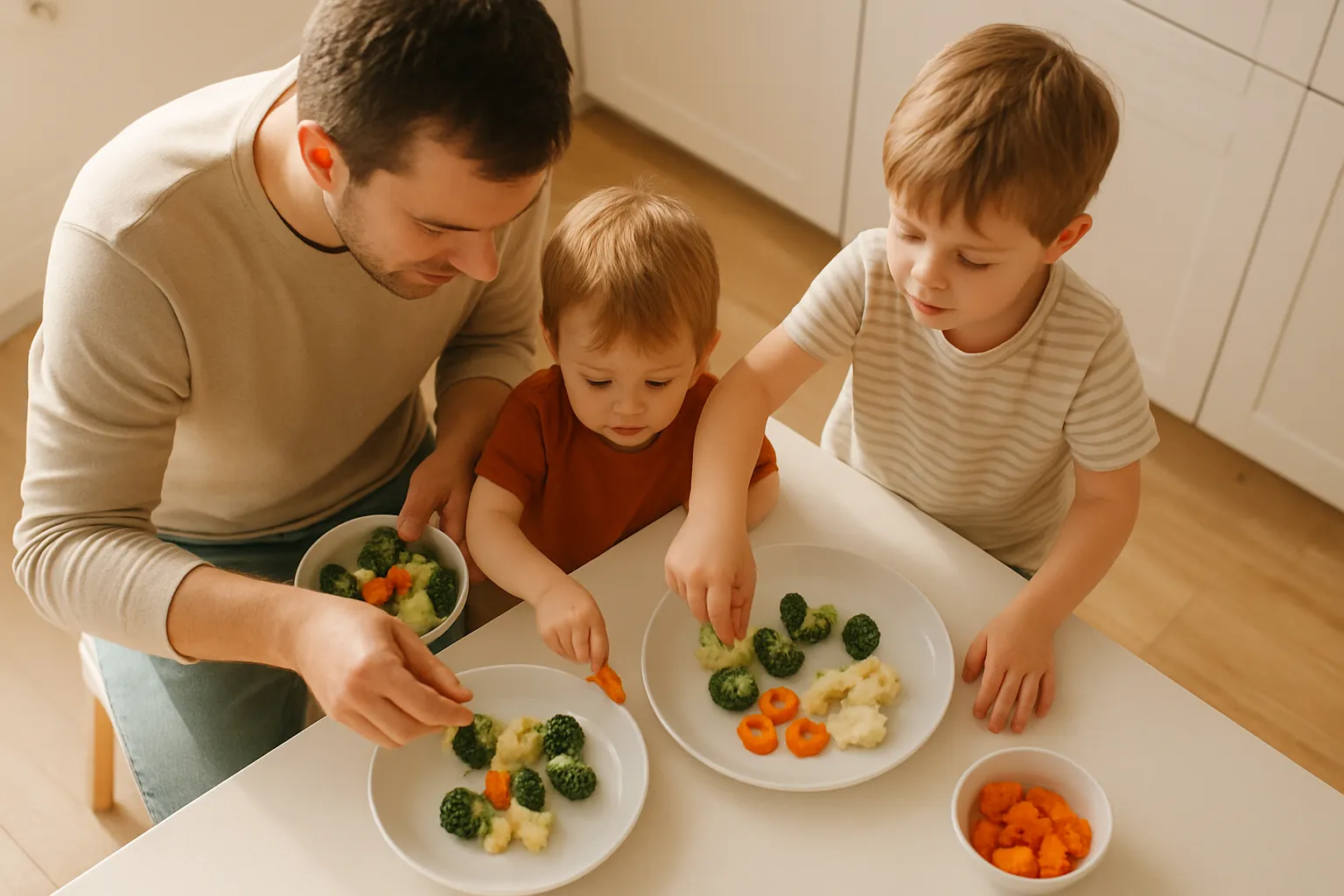
Dad’s FIFO friendly dinners
When rotations are all over the place, simple systems win. A couple of hours on Sunday and a handful of freezer-friendly recipes make dinners stress-free whether Dad is home or away.
Make-ahead meals that freeze brilliantly
- Bolognese or ragu: double the batch, blitz half of the veg with the sauce for toddlers, and freeze in single-serve tubs. Defrost overnight or microwave from frozen on medium, stirring halfway.
- Meatballs: mix grated carrot, zucchini and onion into the mince, roll into toddler-sized balls and bake. Freeze on a tray then bag them. Serve with pasta, mash or tucked into wraps.
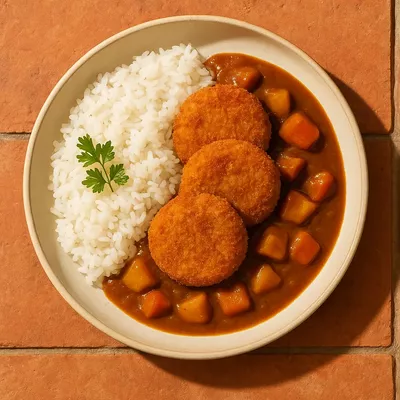
- Mild curry or dhal: use red lentils or chicken with lots of soft veg. Cools and freezes well, and warms quickly in a pot or microwave.
- Shepherd’s pie: make in muffin tins for perfect toddler portions and easy freezing. Reheat in the oven or microwave.
- Veg-loaded sausage rolls or pasties: grate veg into the filling so you get a sneaky serve of veg with a hand-held food kids love.
Quick heat-and-serve ideas for late nights
- Fried rice: use day-old rice, frozen peas and corn, shredded carrot and an egg. Ready in one pan in under 10 minutes.
- One-pan traybakes: chop sweet potato, pumpkin, carrot and sausages, roast with rosemary and a drizzle of olive oil. Mix in some broccoli last 10 minutes so it stays bright.
- Pasta with hidden-veg sauce: puree pumpkin or carrot into a tomato sauce, stir through pasta and add a handful of grated cheese.
- Omelette or frittata: great for using leftover veg and can be eaten hot or cold.
Portioning, packing and reheating tips
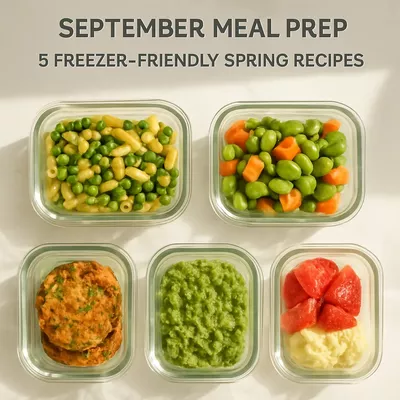
- Freeze in toddler-sized portions. Muffin tins and ice cube trays are brilliant for single serves of bolognese, pureed veg or stock.
- Label everything with date and contents, plus simple reheat instructions: microwave 2 minutes, stir and check; oven 180 C for 15-20 minutes from frozen, etc.
- Keep sauces separate where possible. A small tub of yoghurt, avocado mash or tomato sauce keeps textures appealing and avoids sogginess.
- For when Dad is away, leave a “heat card” on the meal with clear steps so the person at home can reheat confidently.
Veg tricks that survive freezing and reheating
- Grate zucchini and carrot into bakes and meat mixtures. They disappear in texture and still pack nutrients.
- Cook down pumpkin and sweet potato, mash and freeze in portions to stir into sauces or mix with mash for a veg boost.
- Peas and corn freeze perfectly and add colour and sweetness to plain rice, pasta and casseroles.
Thermos and lunch ideas for shifts
- Thick soups like pumpkin and lentil keep heat well in a thermos and are an easy way to serve veg at work.
- Layered jars with cooked pasta, veg and a little sauce can be grabbed on the run and shaken up at lunch.
A few practical rules that save time
- Batch one protein, one sauce and one veg each weekend and mix and match through the week.
- Freeze a few “emergency” toddler portions for nights when nothing is going to plan.
- Keep microwaveable, oven-safe containers on hand so reheating is fuss-free.
Next up: snack boards for tiny hands.
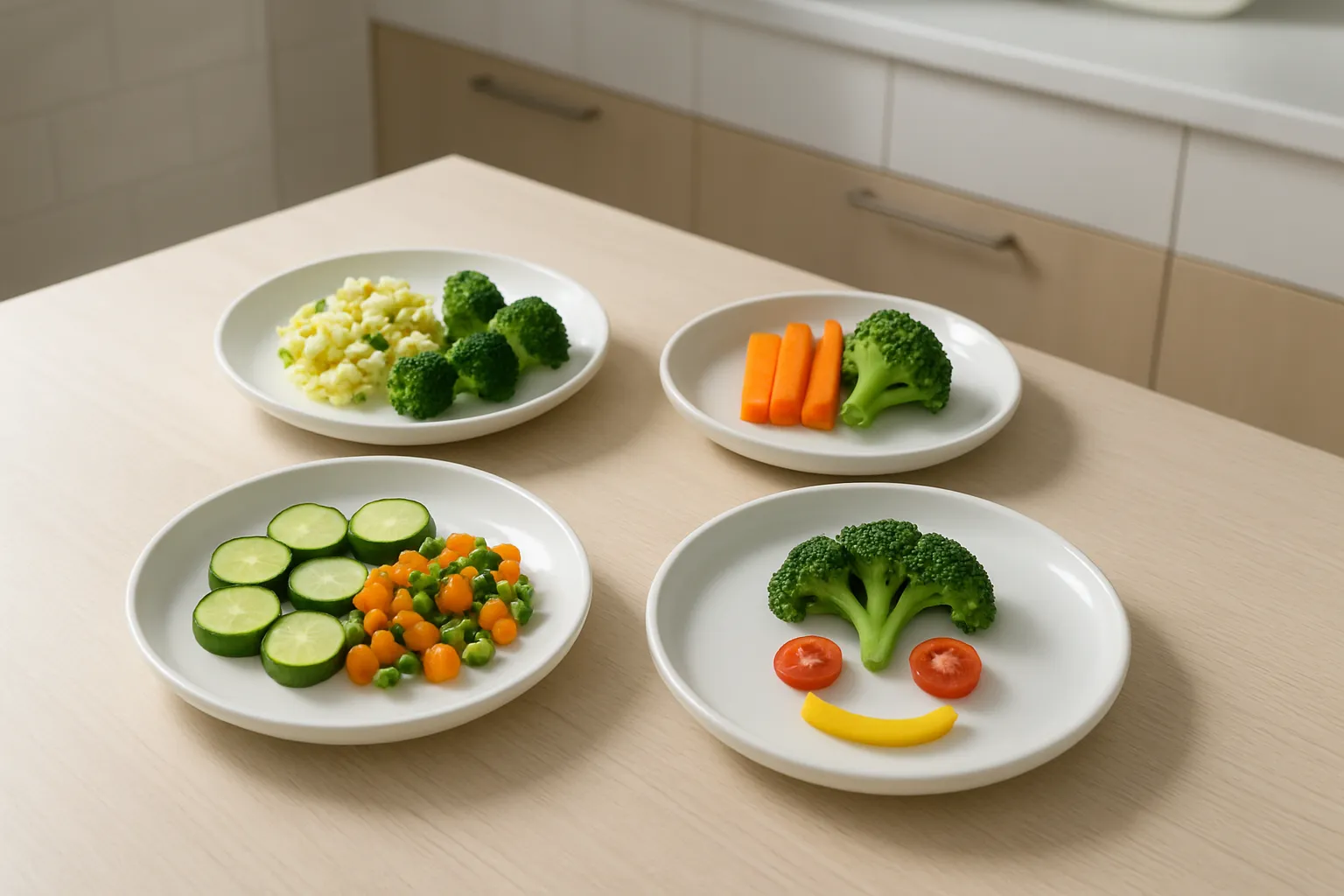
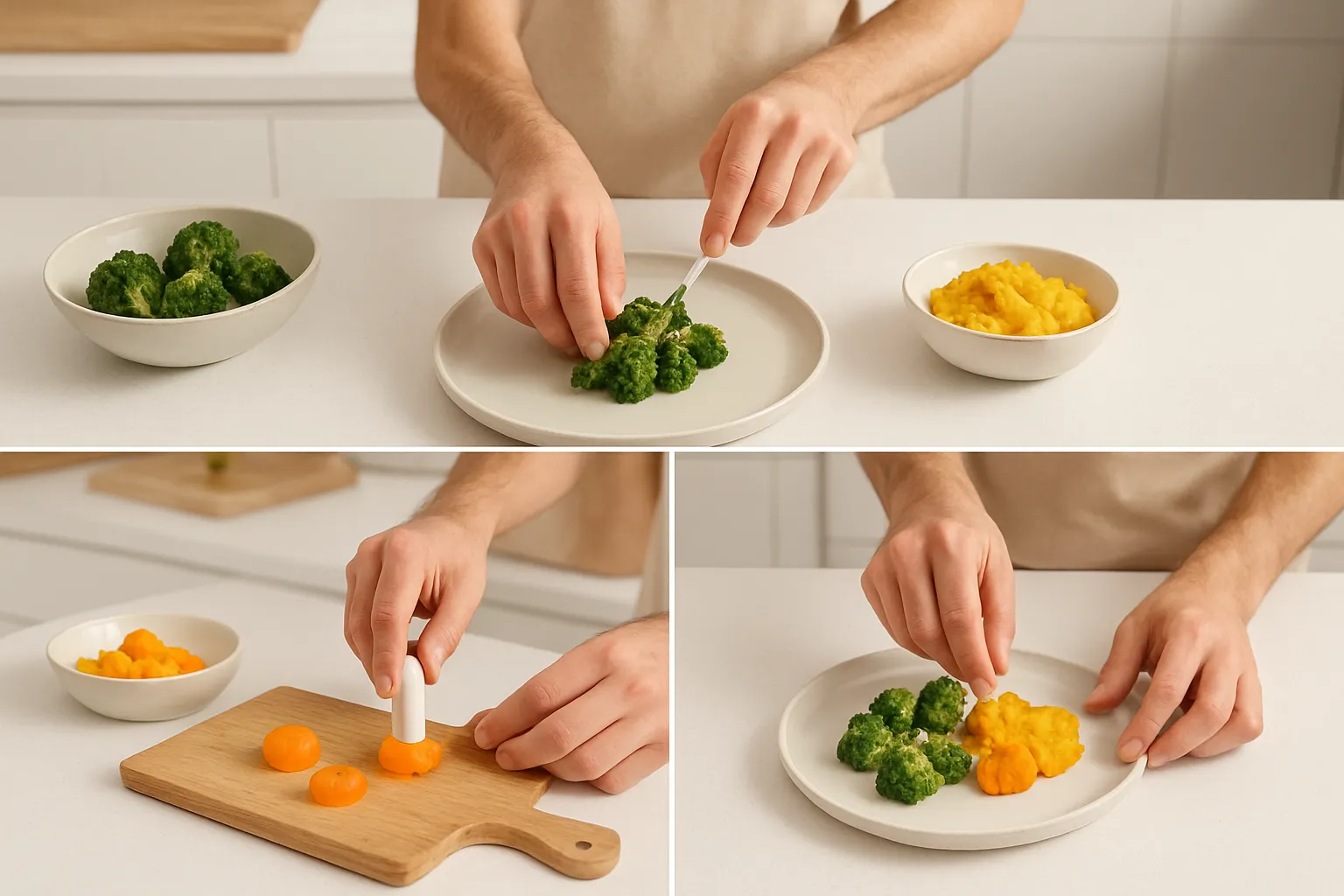
If you liked the quick, no-fuss dinners, snack boards are the next easy win for afternoons and playgroup runs.
Board basics
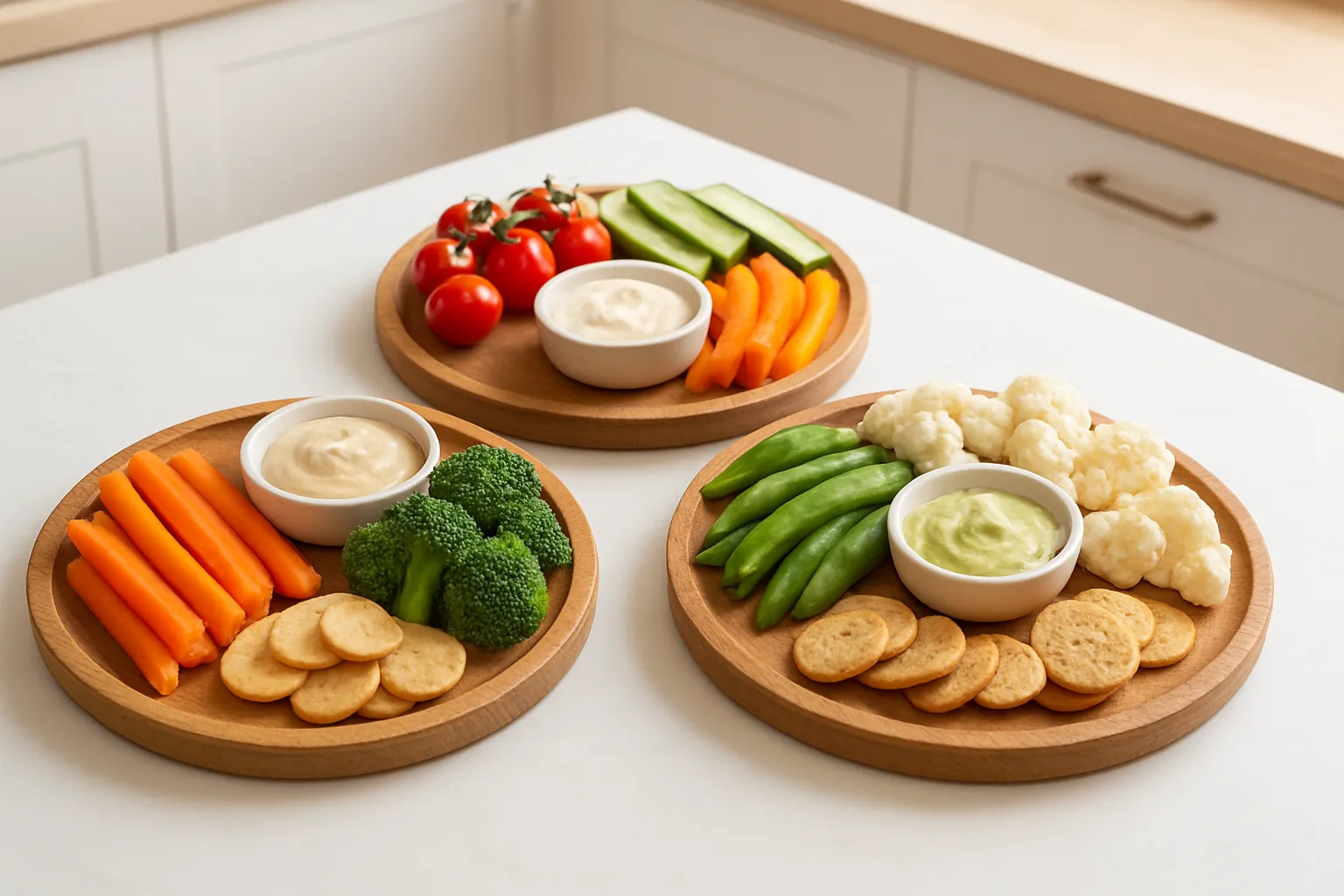
- Use a small wooden board or divided plate that fits little hands. Too many options on a huge board overwhelms kids.
- Keep portions bite sized and varied: one soft item, one crunchy, one creamy dip, one cheese or protein, and a fun surprise.
- Use silicone muffin cups or little ramekins to separate dips and slippery stuff.
Toddler-safe prep
- Cut cherry tomatoes, grapes and olives in half lengthways. Always remove hard seeds.
- Steam tougher veg until just soft; carrots and cauliflower can be tender enough to squish between fingers.
- Avoid long sticks that could be used like a spear. Shorten carrot or cucumber sticks to about 3cm.
- For under-twos, everything should be soft enough to mash with gums or cut into tiny cubes.
Easy veg ideas (ready in minutes)
- Cucumber coins, peeled or not, with a small x cut in the skin for texture.
- Steamed sweet potato cubes - they can be pre-roasted and reheated.
- Tiny broccoli or cauliflower florets, steamed until soft.
- Peas warmed with a little butter so they pop in the mouth.
- Bell pepper strips, thin and sweet varieties are best.
Sneaky favourites to add
- Mini zucchini fritters cut into fingers.
- Tiny broccoli-and-cheese muffins.
- Savoury ricotta dollops mixed with lemon and herbs for spreading.
- Roasted beetroot cubes - colourful and slightly sweet.
Dip ideas that actually get eaten
- Mild hummus thinned with a little water or olive oil so it isn’t too thick.
- Greek yoghurt with a touch of ranch seasoning or lemon zest.
- Avocado mash with a squirt of lime - great for scooping with soft veg.
- Cottage cheese or labneh in a small pot for dipping.
Theme board combos (ready-to-serve)
- Little Garden: steamed pea hummus, cucumber coins, soft carrot batons, cherry tomatoes halved, and cheese stars.
- Rainbow Crunch: roasted sweet potato, red pepper strips, steamed broccoli, corn kernels, and a yoghurt dip.
- Cheesy Day: broccoli florets, cauliflower, mini cheese cubes, ricotta dollops, apple slices.
Make it play-friendly
- Let them choose one dip and two finger foods. Giving one small choice makes them feel in charge.
- Use cookie cutters for cheese and soft veg to make shapes that entice tasting.
- Turn it into a tiny picnic on the lounge rug or at the table with a favourite cup beside them.
Prep hacks for busy days
- Batch roast a tray of veg on the weekend and freeze portions for quick boards.
- Pre-portion dips into ice cube trays and defrost single cubes in the fridge.
- Keep a jar of tiny picks with blunt ends for older toddlers who can manage them safely.
Safety and common-sense rules
- Supervise snack time and sit down together. Boards encourage grazing, so keep an eye on mouthful size.
- Be mindful of known allergies and avoid whole nuts. Swap for seed butters if needed.
- Rotate textures slowly. If a child dislikes a new veg once, try again another day in a different form.
Snack boards are low-fuss and great for practising self-feeding. Keep it colourful, keep it small, and let them explore with their little fingers.
Suggested Recipes
You Might Also Like
 Never miss a recipe from us, subscribe to our newsletter