
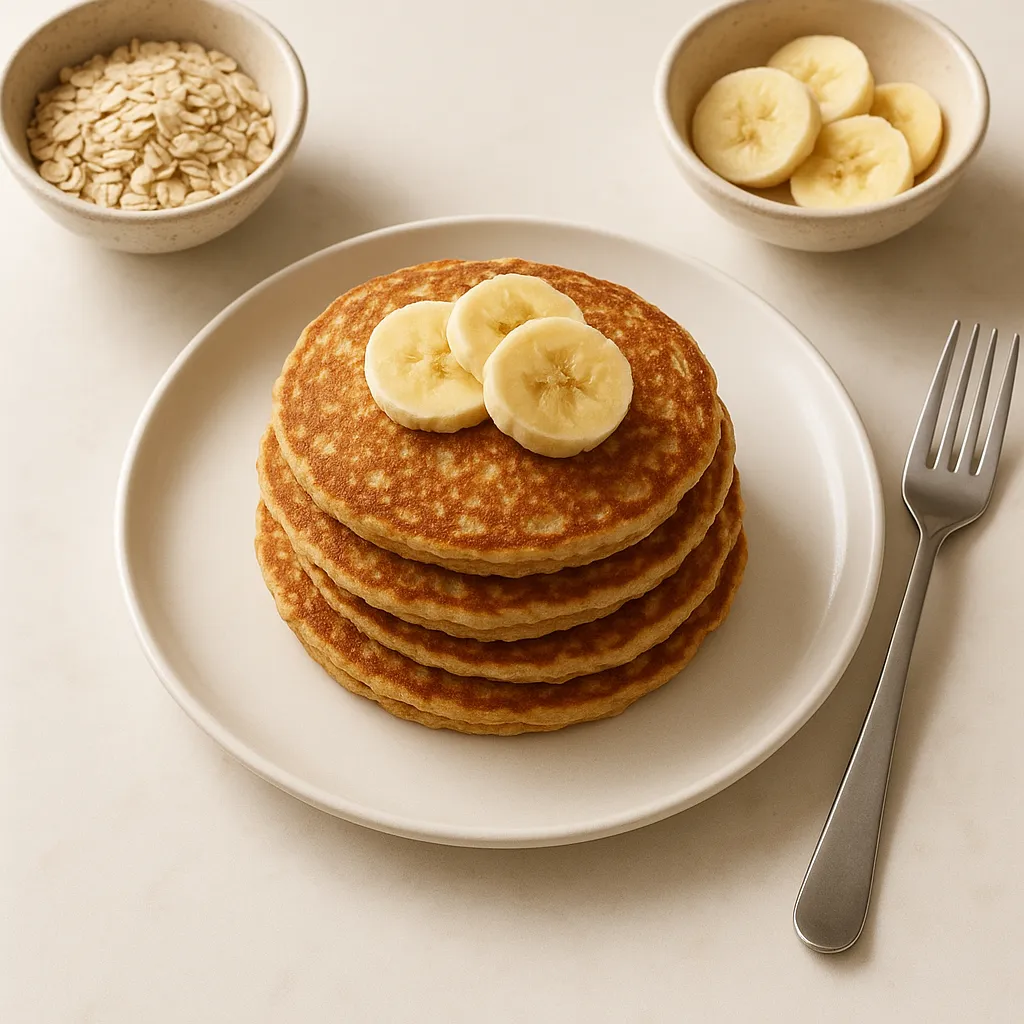
Banana Oat Pancakes for toddlers is an easy, healthy recipe the whole family will love - perfect for busy Aussie mornings when you need a quick, nutritious breakfast or a packed-lunch winner; made from ripe bananas, rolled oats and a couple of pantry staples, these soft, slightly sweet pancakes are toddler-friendly, mashable for little mouths, great for baby-led weaning and can be made gluten-free with certified oats, egg-free with a flax or mashed banana swap, or frozen for meal prep; follow this simple recipe for a fuss-free, kid-approved breakfast or snack that adults can enjoy too.
General Information
- Servings: 4 toddler portions (about 8 small pancakes total; ~2 pancakes per child)
- Keywords: banana, oat, pancake, toddler, no-salt, no-sugar, egg, healthy, quick, gluten-free-optional
- Calories (per serving, approximate): 220 kcal
- Protein (per serving, approximate): 9 g
- Carbs (per serving, approximate): 35 g
- Fats (per serving, approximate): 6 g
- Preparation time: 10 minutes
- Cooking time: 10 minutes
Hi - I’m Olivia, a web designer who loves cooking and quilt-making. I have two busy boys (age 3 and 7). My husband works FIFO, so I get a lot of extra kitchen help from the kids - which usually means extra giggles and a few pancake flips on the floor. These Banana Oat Pancakes are made without added salt or sugar and avoid high-salt/high-sugar ingredients. The recipe is toddler-friendly (soft, small pancakes) and I explain each step like I’m teaching a new helper in the kitchen.
Ingredients
- 120 g rolled oats (use gluten-free oats if needed)
- 2 medium ripe bananas (about 220-260 g peeled total)
- 2 large eggs (room temperature is fine)
- 120 ml milk (cow’s milk or unsweetened plant milk - oat, almond, soy; avoid sweetened versions)
- 1 teaspoon (5 ml) neutral oil for frying (e.g., light olive oil, canola, or sunflower)
- Optional: 1/4 teaspoon ground cinnamon (about 1 g) - for flavour only, optional and low-risk for most kids
Notes:
- No salt, no added sugar in any ingredient. Avoid drizzling syrup or honey for children under 1 year; for older toddlers, prefer mashed fruit or plain unsweetened yogurt as toppings.
- Avoid whole nuts or large hard pieces to prevent choking. Keep toppings soft and cut small.
Directions
I’ll walk you through every step like I’m standing next to you - and if your toddler wants to stir, great! Just keep them away from the hot pan.
- Prep your tools and workspace
- Get a bowl (medium), a fork or whisk, a blender or food processor (optional), a measuring jug for the milk (ml), a kitchen scale (for oats in grams), a non-stick frying pan, a spatula, and a plate.
- Turn on the stove only when you are ready to cook. Keep kids back from the hot pan; they can do the safe parts like mashing and pouring batter.
- Measure the oats
- If you have a kitchen scale: place an empty bowl on the scale, press “tare” or zero, then add 120 g rolled oats.
- If you don’t have a scale: use a 250 ml measuring cup - 120 g oats is roughly half a cup + a little more (but the scale is best).
- Tip from a quilter: measuring carefully makes everything fit together - pancakes included!
- Make the oats toddler-friendly (two options)
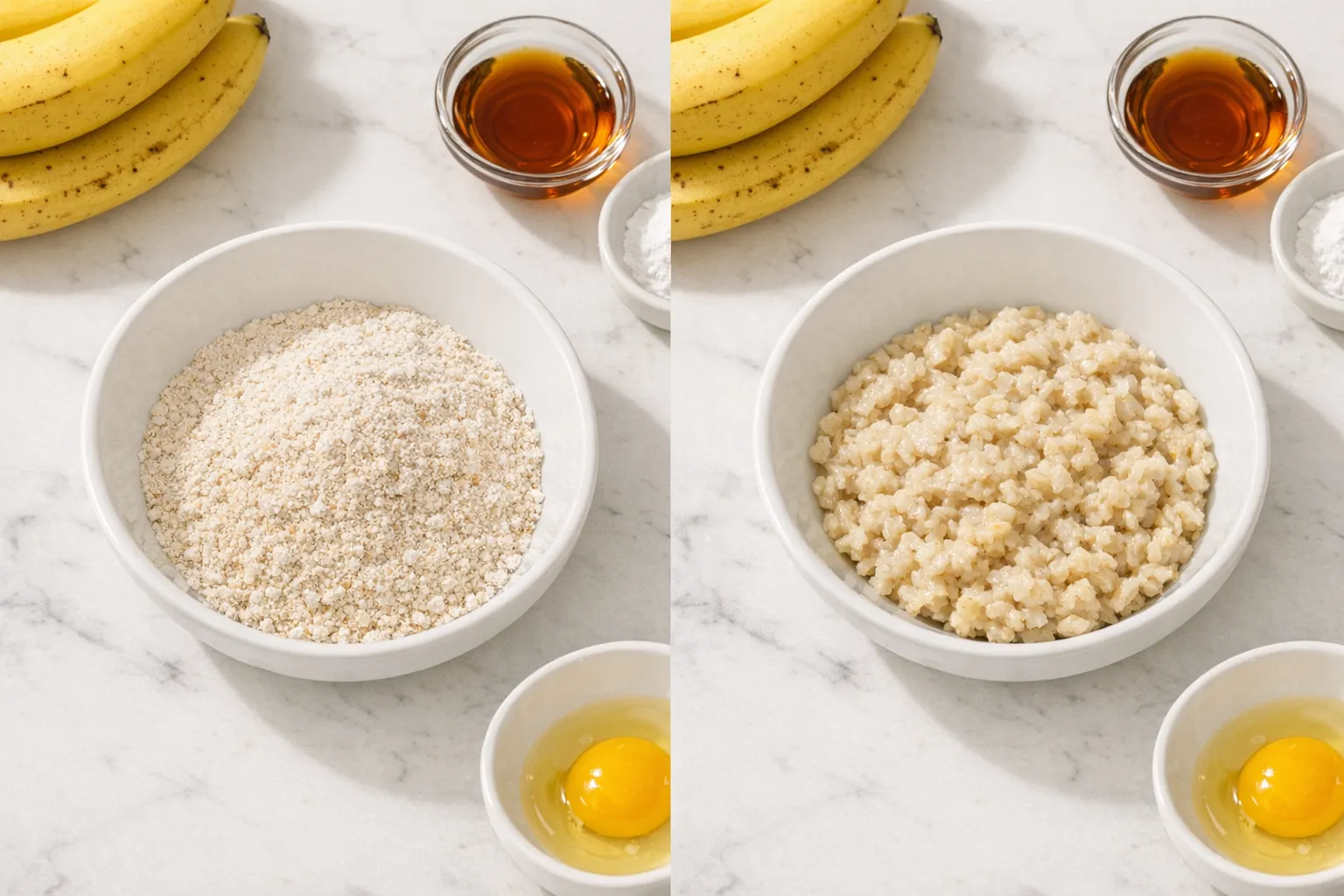
Option A - for slightly textured pancakes:
- Place the 120 g oats in a bowl and pour 120 ml milk over them. Stir and let sit for 5 minutes to soften. Soft oats are easier for toddlers to chew. Option B - for very smooth pancakes (recommended if your toddler is sensitive to texture):
- Put the 120 g oats in a blender or food processor. Pulse for 10-20 seconds until they look like coarse flour. (If you’ve never used a blender: make sure the lid is on, hold the lid down, and pulse in short bursts.)
- Then mix with the milk in a bowl to make a smoother batter.
- Prepare the bananas
- Peel 2 ripe bananas. Ripe means soft and sweet-smelling; the skin will have some brown spots.
- Place bananas in a bowl and mash with a fork until mostly smooth. If you see a few tiny lumps that’s okay - kids usually don’t mind. Aim for a mashed texture, not large chunks.
- Safety/help tip: This is a great job for the 3-year-old - give them the fork (plastic is fine) and let them mash while you steady the bowl.
- Combine wet ingredients
- Crack 2 eggs into a small bowl first (check for shells). Whisk lightly with a fork.
- Add the whisked eggs to the mashed banana and stir to combine.
- Add the softened oats (from step 3) and mix well. The batter should be thick but pourable. If it’s too thick, add 1-2 tablespoons (15-30 ml) milk at a time until you reach a thick pancake-batter consistency.
- Optional: stir in 1/4 teaspoon ground cinnamon for flavour.
- Rest the batter (optional but helpful)
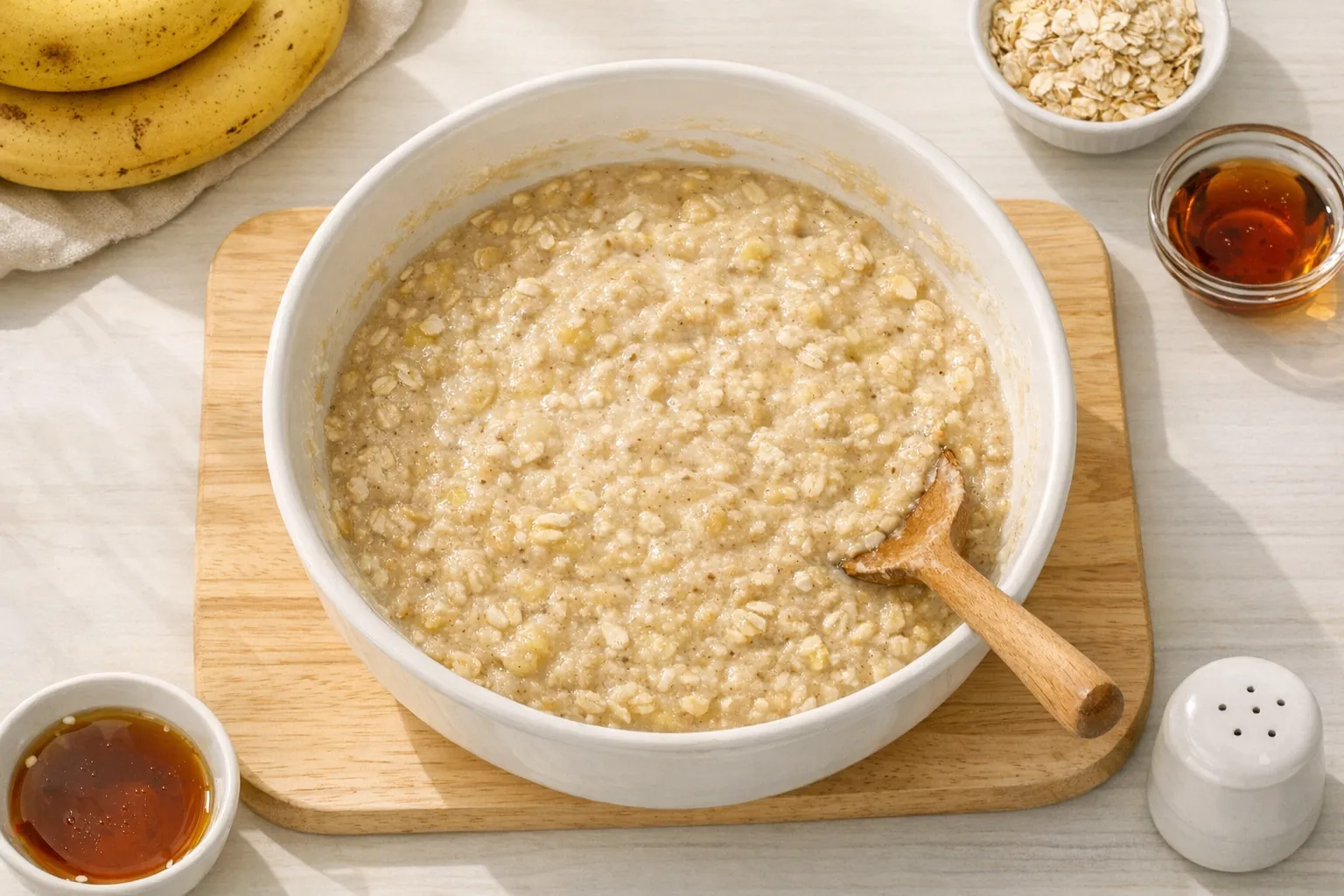
- Let the batter sit for 2-3 minutes while you heat the pan - this helps the oats absorb moisture and keeps pancakes softer for toddlers.
- Heat the pan and add a little oil
- Place a non-stick frying pan on medium-low heat. I use medium-low so the pancakes cook through without browning too fast.
- Add 1 teaspoon (5 ml) of oil to the pan and use a piece of kitchen paper or a small brush to spread it thinly - just a light coating. Too hot a pan can make the outside hard before the middle cooks.
- Test the heat by flicking a tiny drop of water into the pan - it should sizzle gently, not spit.
- Cook the pancakes
- Use a tablespoon (15 ml) to drop batter into the pan. For toddler-friendly size, make small pancakes about 6-8 cm across. Smaller pancakes are easier for little hands and safer to chew.
- Cook on medium-low for 2-3 minutes until small bubbles form on top and the edges look set. Gently slide a spatula under one pancake to check the underside - it should be light golden, not dark.
- Flip carefully with a spatula and cook the other side for 1-2 minutes until cooked through. The centre should not be runny (eggs must be fully cooked).
- Repeat with the rest of the batter. If the pan gets dry, wipe and add a tiny bit more oil.
- Cool and cut to toddler-safe sizes
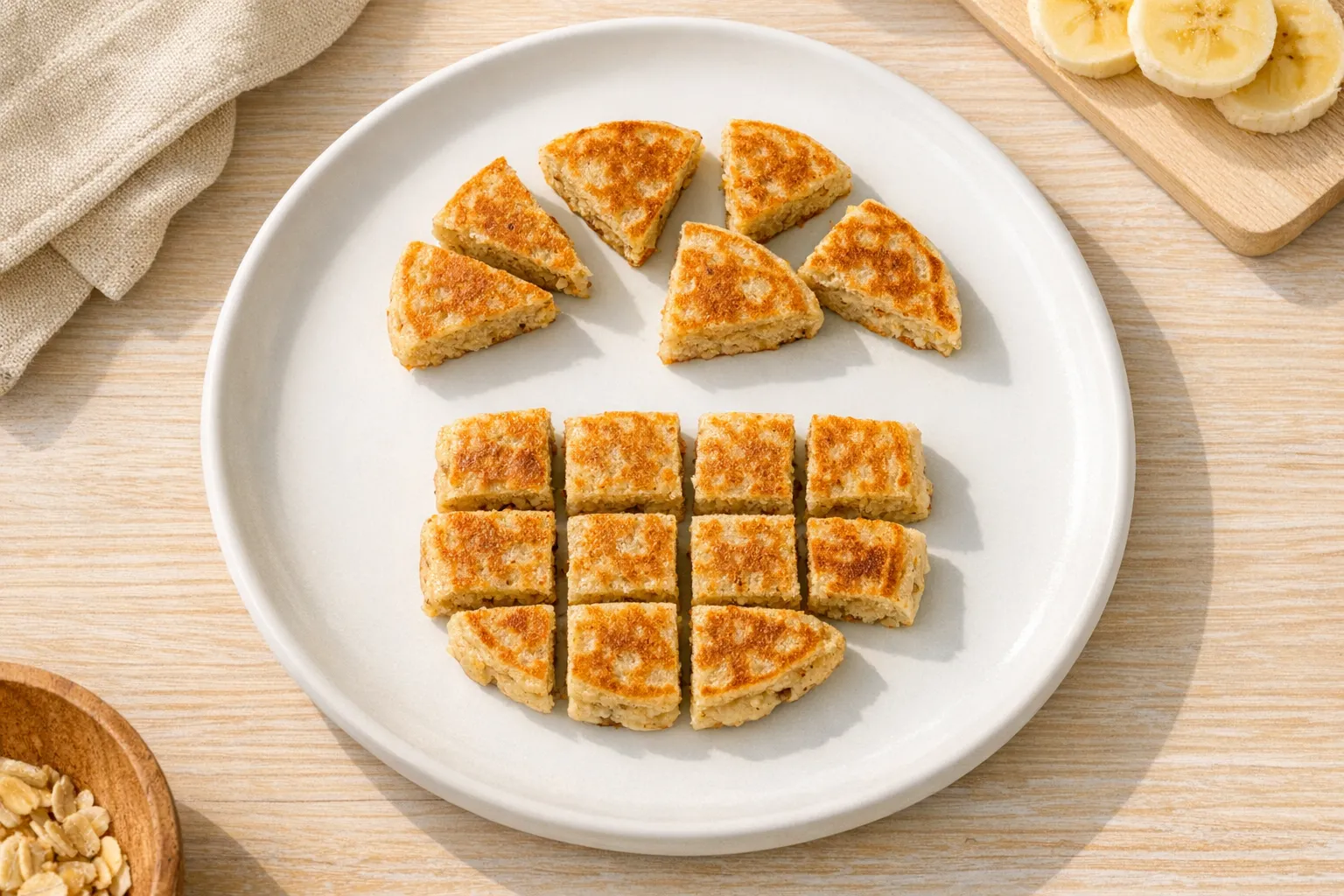
- Transfer cooked pancakes to a plate to cool slightly for 2-3 minutes.
- Cut pancakes into thin strips or small wedges - about 1-2 cm wide pieces that are soft. For the 3-year-old, cut thinner or mash the pancake slightly to ensure it’s soft enough.
- Always test a piece for temperature before giving it to a child to avoid burns.
- Serve and supervise
- Place small portions on a child’s plate. I like to let the 7-year-old arrange them in a fun pattern while the 3-year-old sprinkles small soft berries or mashed fruit on top (no whole hard pieces).
- Supervise eating. Encourage the children to sit down and eat calmly - little ones tend to rush and that’s when choking risk increases.
Safety reminders
- Never leave children unattended while they eat.
- If your child has an egg or oat allergy, do not use this recipe. Replace eggs with mashed banana alone and a tablespoon of ground flaxseed mixed with 30 ml water if you need an egg-free bind (make sure to check allergy guidance).
- Make pancake pieces small and soft to lower choking risk.
- Ensure eggs are cooked through. If you’re unsure, make slightly smaller pancakes and cook a little longer on low heat.
Recommended Sides
- Plain unsweetened full-fat yogurt (natural yogurt) - serve a small spoonful on the side for dipping.
- Mashed or stewed apple or pear (softened by cooking until tender; no sugar added).
- Soft-cooked and mashed banana (extra banana!) or a small spoon of unsweetened applesauce.
- Avocado mash - soft slices or mashed and spread thin.
- Soft berries (very ripe blueberries or raspberries) - for toddlers, mash slightly to reduce whole berry choking risk.
- A small cup of milk or water to drink.
Jokes
- Why did the pancake get invited to every picnic? Because it was a real batter friend! (Olivia says: my boys groan and laugh at this every time.)
- What do you call a pancake that’s a web designer? A stack overflow (shh - that one’s for Dad when he Skypes home from FIFO).
- My 3-year-old asked if the pancakes could help me quilt - I said only if they promise not to sew themselves into the batter.
Shop Ingredients
Find these ingredients on Amazon:
As an Amazon Associate I earn from qualifying purchases.
Suggested Recipes
You Might Also Like
 Never miss a recipe from us, subscribe to our newsletter