
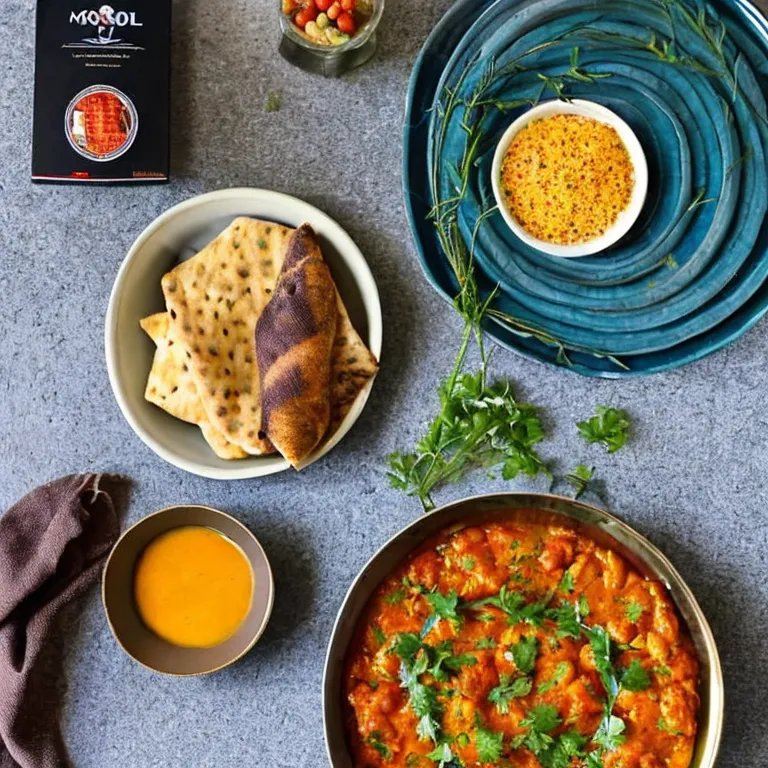
Mosoordal is a comforting Indian red lentil dish that the whole family will love - perfect for busy weeknights when you want something nourishing, budget-friendly and ready in under an hour; made with soft split red lentils cooked with aromatic spices and vegetables, this wholesome version is toddler-friendly with no added salt or sugar, smooth and easy to eat, great for baby-led weaning and can be adapted to puree for younger babies, mix through rice for a complete meal, or keep very mild with just lentils and a touch of turmeric for fussier eaters; follow this simple recipe for a protein-packed dal that introduces your child to warming Indian spices while keeping everything soft, nutritious and utterly satisfying.
General Information
- Servings: 4 (about 60-90 g per toddler serving, more for adults)
- Keywords: mosoordal, red lentils, toddler, no salt, no sugar, family meal, puree, vegetarian, baby-friendly, easy
- Calories: ~255 kcal per serving
- Protein: ~14 g per serving
- Carbs: ~42 g per serving
- Fats: ~3.3 g per serving
- Preparation time: 15 minutes
- Cooking time: 25 minutes
Hi, I’m Steve - an account manager, dad of two, and the kind of bloke who cooks like he’s juggling spreadsheets and snack time at once. This no-salt, no-sugar Mosoordal is my go-to when I want something quick, healthy and soft enough for toddlers. It uses red lentils and gentle veggies, and I’ll talk you through every little step like I’m standing next to you at the bench.
Ingredients
- 200 g split red lentils (masoor dal), dry
- 1 medium potato, about 150 g (peeled)
- 1 medium carrot, about 100 g (peeled)
- 1 small zucchini, about 100 g (washed)
- 1 medium tomato, about 100 g (washed)
- 1 small onion, about 50 g (peeled)
- 1 clove garlic, crushed (optional)
- 10 ml olive oil (1 tablespoon)
- 1/2 teaspoon ground turmeric (about 1.5 g)
- 1/2 teaspoon ground cumin (about 1.5 g)
- 700 ml water (approximate; add more if needed)
- Fresh coriander leaves to taste (optional)
- Lemon wedge to serve (optional, give only to older toddlers if wanted)
Notes on choking safety
- For toddlers under 3, the final texture should be mashed or very soft small pieces no larger than 5 mm. I give options below for pureed or chunky.
- No whole nuts, whole cherry tomatoes, or large hard chunks in this recipe.
Ingredients prep (very detailed)
- Lentils
- Put the 200 g dry lentils in a bowl. Rinse them under cold running water in a fine sieve until the water runs clear. This reduces dust and makes them cook evenly.
- Drain well.
- Potato
- Peel with a vegetable peeler. Cut the potato in half lengthways, then lay the flat side down and cut into 1 cm slices. Stack 2-3 slices and cut into 1 cm sticks, then dice to about 5 mm pieces for toddlers. If you want a smoother finish for very young toddlers, dice a little smaller or mash later.
- Carrot
- Peel, then cut into thin rounds about 3-5 mm thick. If your kid is under 2, chop those rounds into half-moons about 5 mm wide. Smaller pieces cook faster and reduce choking risk.
- Zucchini
- Trim the ends, then slice into 3-5 mm rounds. Chop rounds into quarters so pieces are about 5 mm. Zucchini gets soft quickly, great for little ones.
- Tomato
- Remove the core with a small knife, then chop into small pieces about 5 mm. If you prefer, you can grate the tomato to make it disappear more, which some toddlers love.
- Onion and garlic
- Peel the onion, cut it in half, then finely chop into very small pieces. If you are nervous about onion for toddlers, you can grate it to make it soft and mixable.
- Garlic: peel and crush or grate very fine.
- Fresh coriander (optional)
- Wash and chop finely. Leave off for very young toddlers if you are unsure about new flavours.
Prepare all chopping on a clean board with a small, sharp knife. Take your time. If you have a toddler underfoot, put them somewhere safe with a toy or snack while you chop.
Directions
- Set up
- Put the rinsed lentils in a medium saucepan with 700 ml water. Add the diced potato, carrot, zucchini, chopped tomato, onion and garlic. Stir gently so nothing sticks to the bottom.
- Add turmeric and ground cumin. These give colour and gentle flavour without salt.
- Cooking on the stove
- Turn the heat to high and bring to a gentle boil. Watch it so it does not boil over. Once it boils, reduce heat to low-medium so it simmers.
- Cover the pot with a lid, slightly ajar to prevent spilling. Simmer for 20-25 minutes. Stir every 5 minutes so nothing sticks and to check how soft the veggies are getting.
- If you prefer to use a pressure cooker, cook on medium pressure for 6-8 minutes and then let the pressure release naturally. Either method works.
Dad joke while we wait: If lentils could talk, they would say “we’re just trying to be a-dal-able.” Cheesy, I know.
- Check softness
- After 20 minutes the lentils and veggies should be very soft. Use the back of a spoon to press a piece of potato or carrot. If it falls apart, you are good. If still firm, cook another 5 minutes and check again.
- For toddlers under 2, you want everything soft enough to mash with a fork.
- Mash or blend to safe texture
- For smooth Mosoordal: turn off heat and let it cool for 5 minutes. Use a handheld blender to blitz to a smooth, lump-free consistency. If it is too thick, add a little extra warm water until it reaches the thickness you want.
- For chunky toddler-friendly Mosoordal: use a potato masher to mash gently so most pieces are soft and under 5 mm. Keep a few slightly larger pieces for older kids or adults.
- Taste test for an adult only. Remember, no salt. If you want more brightness, add a squeeze of lemon for adults and older toddlers who have been introduced to citrus.
- Finish with oil and herbs
- Stir in 10 ml olive oil to gently add healthy fats and richness. Mix thoroughly.
- If using, sprinkle finely chopped coriander and stir through. For small toddlers, skip the coriander if it is a new flavour.
- Cool and serve safely
- Spoon onto small plates or bowls. Let it cool on the bench for a few minutes. Test temperature by touching a spoonful to the inside of your wrist. It should be warm, not hot. For toddlers, aim for about 35-38°C.
- Serve small spoonfuls or spread on soft bread. Watch the child while they eat.
Safety reminders
- Always supervise toddlers while eating.
- For children under 3, avoid large lumps. Mash until soft or puree.
- If introducing new spices, give small amounts first and watch for reactions.
Recommended Sides
- Soft, unsalted steamed rice: scoop some Mosoordal over rice for a mild combo.
- Soft, mashed avocado: small spoonfuls on the side add healthy fat and texture contrast.
- Soft wholegrain toast cut into thin strips: spread a little mashed Mosoordal if your child can handle finger food.
- Steamed soft veggie sticks (carrot, pumpkin) cut into thin strips and cooked until very soft.
- Plain unsalted yoghurt (for older toddlers who have tried dairy) to cool and add creaminess.
Jokes
- Why did the lentil go to school? To get a little “smarter” and become dal-icate. (Okay, I told you I was a dad.)
- What do you call a singing lentil? A hummus-ician. (Not strictly correct, but it gets a laugh at our table.)
- If dinner could complain, Mosoordal would say, “Stop staring, just scoop me up!”
If you want a version with a little more veg variety or a texture variation for older kids, tell me ages and I’ll tweak it. Cooking for little people gets easier the more you do it. Trust me, if I can fit this between a work call and chasing LEGO bricks, you can too.
Shop Ingredients
Find these ingredients on Amazon:
As an Amazon Associate I earn from qualifying purchases.
Suggested Recipes


 Never miss a recipe from us, subscribe to our newsletter