
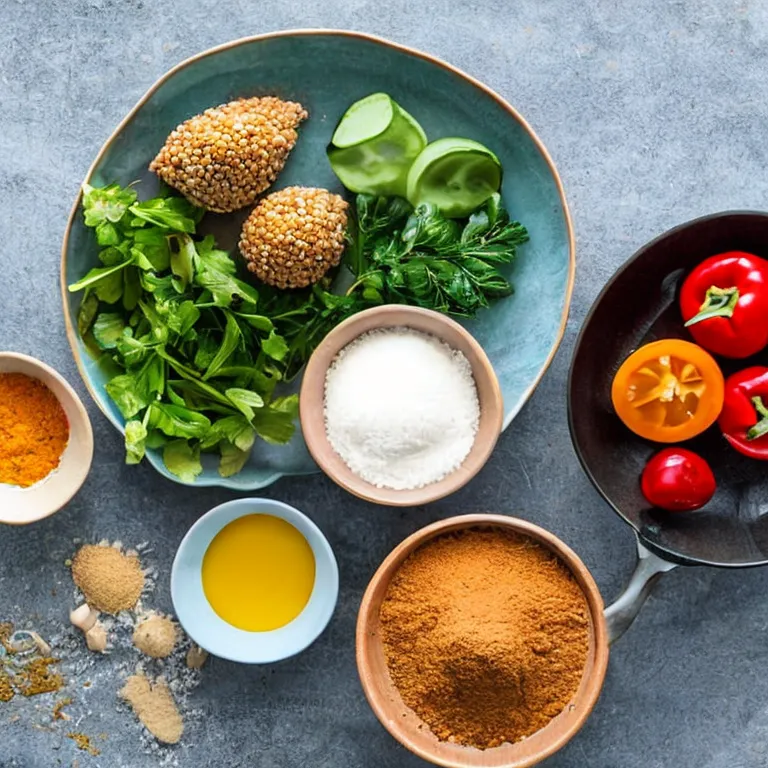
Righto, onto protein picks for my boys. A little protein at every meal keeps energy steady and helps those tiny bodies grow and mow through the day.
-
Eggs - brilliant all-rounders. Soft-scrambled or omelette strips are easy for little hands and tummies, and boiled eggs chopped fine work well in salads or pasta. One small egg is a good start for toddlers; younger ones often take half. Always serve fully cooked eggs.
-
Full-fat Greek yoghurt and cottage cheese - creamy, filling and great with fruit or mashed banana. A couple of tablespoons at a snack, or a small pot at breakfast. Stir in a spoonful of smooth nut butter or some mashed berries for extra flavour.
-
Minced or finely chopped meats - beef, lamb, chicken and turkey are easy to texture for toddlers. Make small meatballs, rissoles or taco mince, and shred cooked chicken through pasta or rice. Aim for fork-tender pieces and cut into tiny bites.
-
Fish - salmon and canned tuna (in springwater, drained) are excellent for omega fats and protein. Flake well and mix with mashed potato, pasta or wraps. Always check for bones and choose low-mercury options for little ones.
-
Legumes - lentils, chickpeas and baked beans are cheap and nutritious. Cook lentils until very soft and fold into soups, dahl or veggie patties. Mash chickpeas into hummus for dipping soft veg or toast fingers.
-
Tofu and tempeh - soft tofu can be mashed into smoothies, stirred into soups or lightly pan-fried until golden. Tempeh works well crumbled into bolognese-style sauces for a protein boost.
-
Nut butters and tahini - smooth peanut or almond butter are great mixed into porridge, on toast spread thinly, or stirred into yoghurt. No whole nuts for toddlers; always serve smooth spreads and avoid honey for under 12 months.
-
Eggs and dairy alternatives for milk-drinkers - if cow’s milk is limited, full-fat fortified alternatives can help, but check labels for calcium and protein content. Small pots of kefir are also a lovely tangy option.
Practical tips that make life easier
- Texture first. Mash, shred or chop to toddler-friendly sizes. If something is too chewy they’ll reject it.
- Mix proteins into favourites. Stir minced meat into tomato sauce, add lentils to shepherd’s pie, or fold flaked fish into mashed potato.
- Snack smart. Mini frittatas, yoghurt pots, mini meatballs or hummus with soft pita are grab-and-go and protein-rich.
- Freeze in portions. Make batches of meatballs, mini muffins with hidden veg and egg bites, then freeze for busy afternoons.
- Watch choking risks. No whole nuts, cut grapes and sausages small, and always supervise while eating.
- If allergies are a concern start new proteins one at a time and talk to your GP if you have a family history of food allergies.
Quick meal ideas
- Scrambled egg on toast fingers with cucumber slices.
- Lentil dahl with soft rice and mashed avocado.
- Tiny salmon patties with sweet potato mash.
- Greek yoghurt, mashed banana and a swirl of nut butter.
- Mini turkey and veg meatballs with tomato pasta.
Keep swapping things around so they get different textures and flavours. Little changes like adding a spoon of lentils to a bolognese or swapping half the mince for grated tofu can quietly up the protein without a fuss.
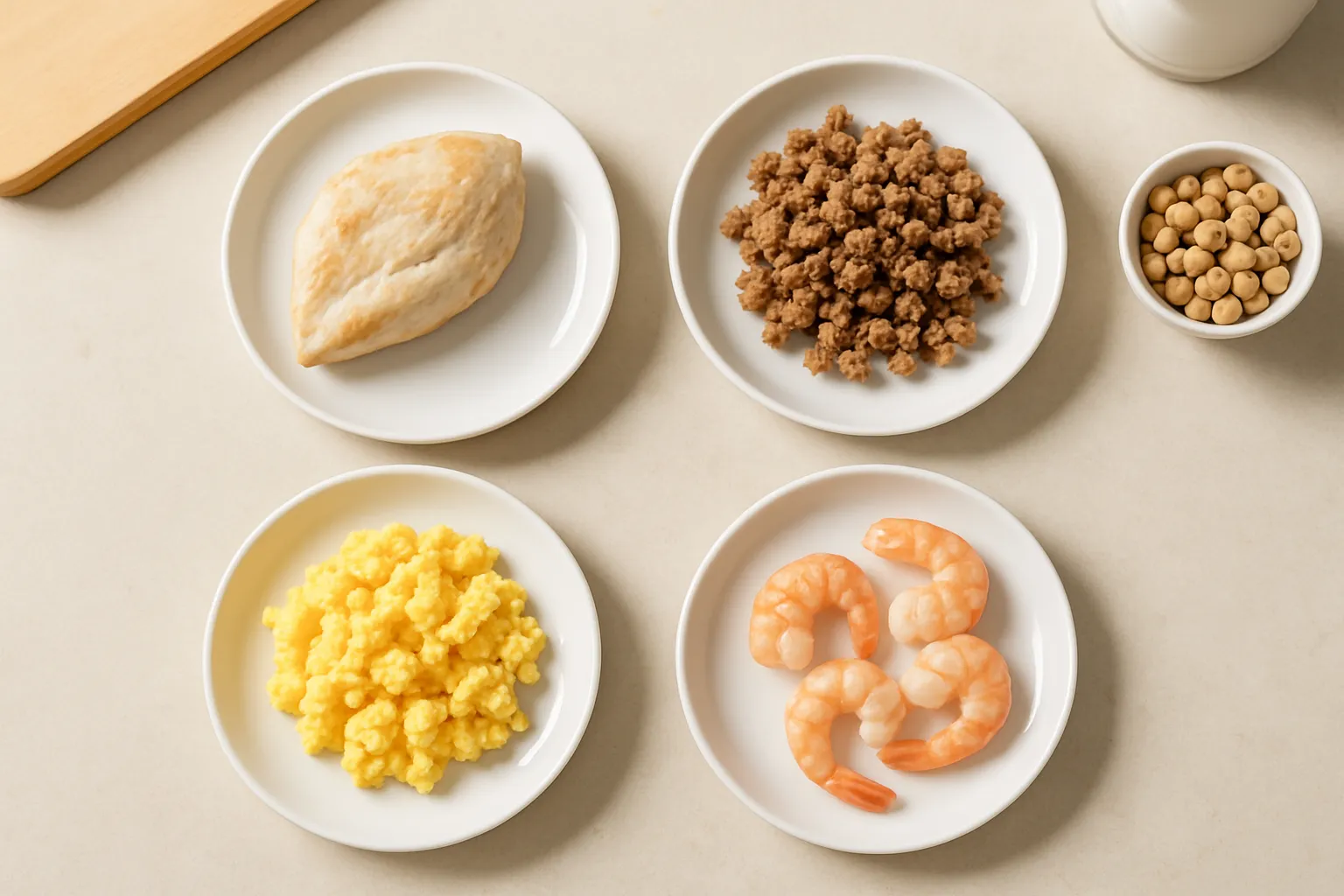
Alongside the proteins, iron is one of those nutrients I keep an eye on because little boys burn through it fast. Here are straight-up, practical ways to get more iron into meals without turning every feed into a science lesson.
Quick numbers to keep in the back of your head
- A rough guide is about 7 mg a day for 1 to 3 year olds, and around 10 mg for 4 to 8 year olds. If you’re worried or your toddler seems pale or extra tired, check with your GP before starting supplements.
Best food choices
- Heme iron (easier to absorb): lean red meat, lamb, chicken and fish, and small amounts of liver. Small, regular servings of mince or diced meat make a huge difference.
- Non-heme iron: lentils, chickpeas, beans, tofu, spinach, pumpkin seeds and iron-fortified cereals and porridges.
- Fortified infant cereals or toddler cereals are an easy way to boost iron without fuss.
Simple meal ideas that actually work
- Mince and red lentil bolognese: swap half the mince for red lentils, serve with veg and a little grated cheese.
- Meatballs with hidden beans: blitz chickpeas into the mince for extra iron and fibre.
- Chicken liver pâté on toast or crackers: a little goes a long way and most kids love the creamy texture.
- Fortified porridge with mashed berries: add a handful of strawberries or kiwi to boost vitamin C.
- Salmon or tuna fishcakes with spinach folded through, served with a tomato salsa.
- Lentil and pumpkin mash: smooth, spoonable and great with a squeeze of orange or tomato.
Snack combos that boost absorption
- Hummus on toast or crackers with a side of orange segments.
- Fortified cereal mixed with mashed banana and berries.
- Pumpkin seeds sprinkled over yoghurt and fruit, or mixed into muffins.
Little tweaks that help iron get absorbed
- Always pair non-meat iron sources with vitamin C at the same meal. Think tomatoes, capsicum, citrus fruit, kiwi or berries.
- Try cooking tomato-based sauces with meat or lentils so the vitamin C is right there.
- Limit cow’s milk at meals. Aim for around half a litre a day total and avoid filling up on milk right before meals.
- Don’t give black or green tea with meals. Even herbal teas can interfere, so stick to water or milk between feeds.
- Cooking in a cast iron pan can bump up the iron content of food a touch, especially with tomato sauces.
For fussy eaters
- Hide lentils and beans in sauces, meatballs and muffins.
- Use dips like hummus or bean-based spreads with veggies and toast.
- Offer iron-rich foods often, not just once. Tastes change, and persistence pays off.
When to get checked
- Signs of low iron include unusual tiredness, paleness, poor appetite or development delays. If you spot these, talk to your GP or child health nurse. Do not give iron supplements unless directed by a clinician.
Keeping iron on the menu doesn’t need to be hard. Small, regular servings and a bit of vitamin C at the same meal will do most of the heavy lifting.
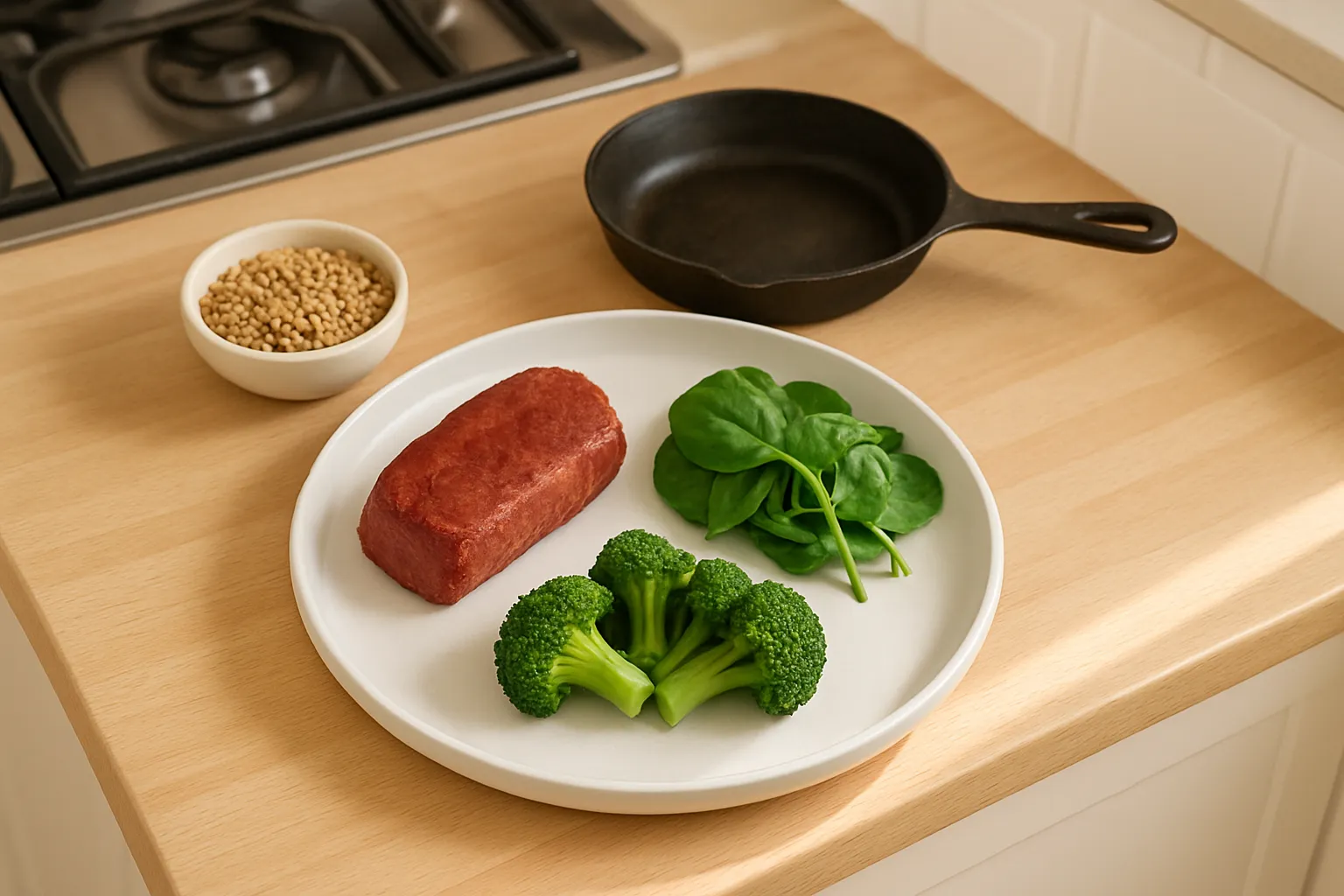
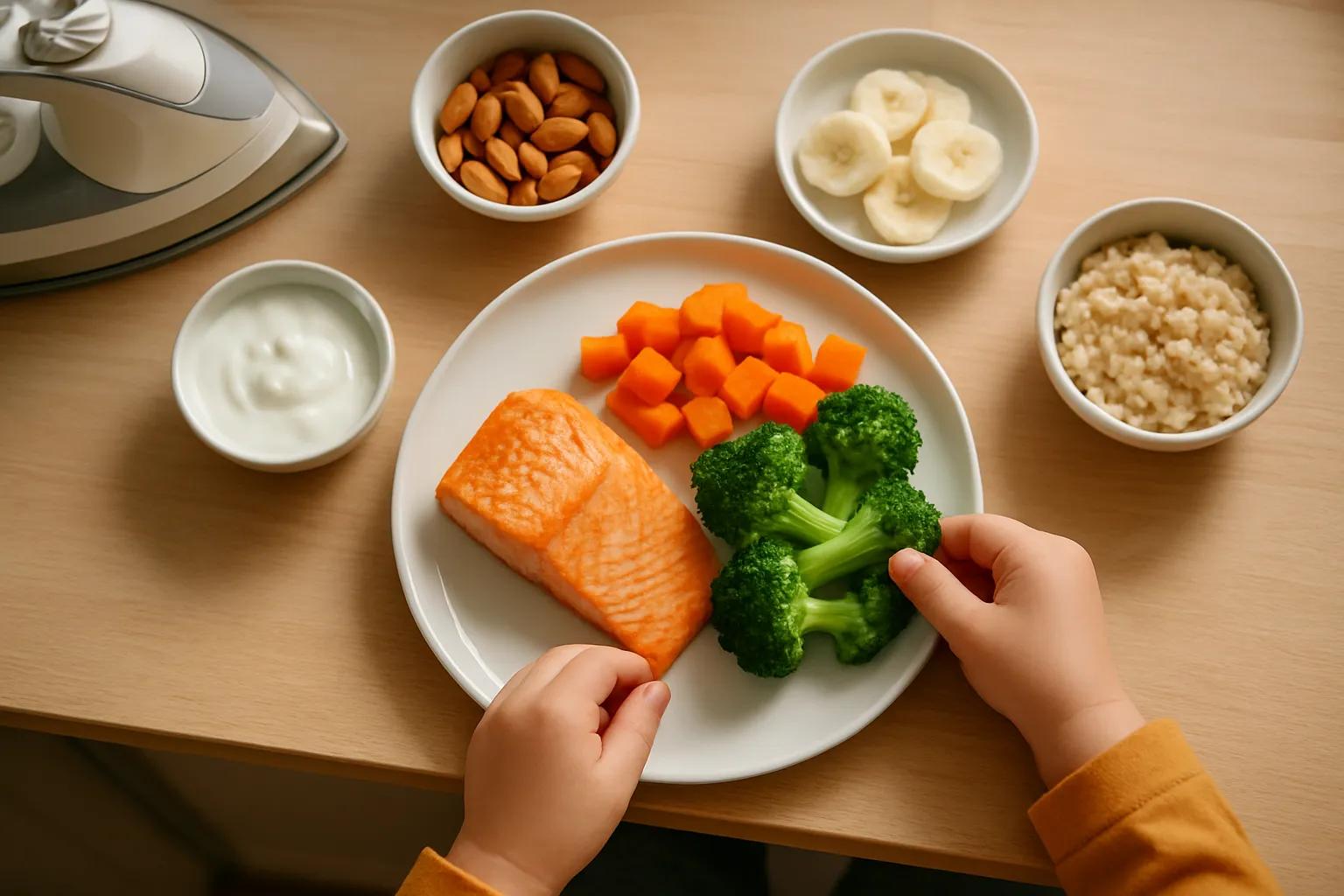
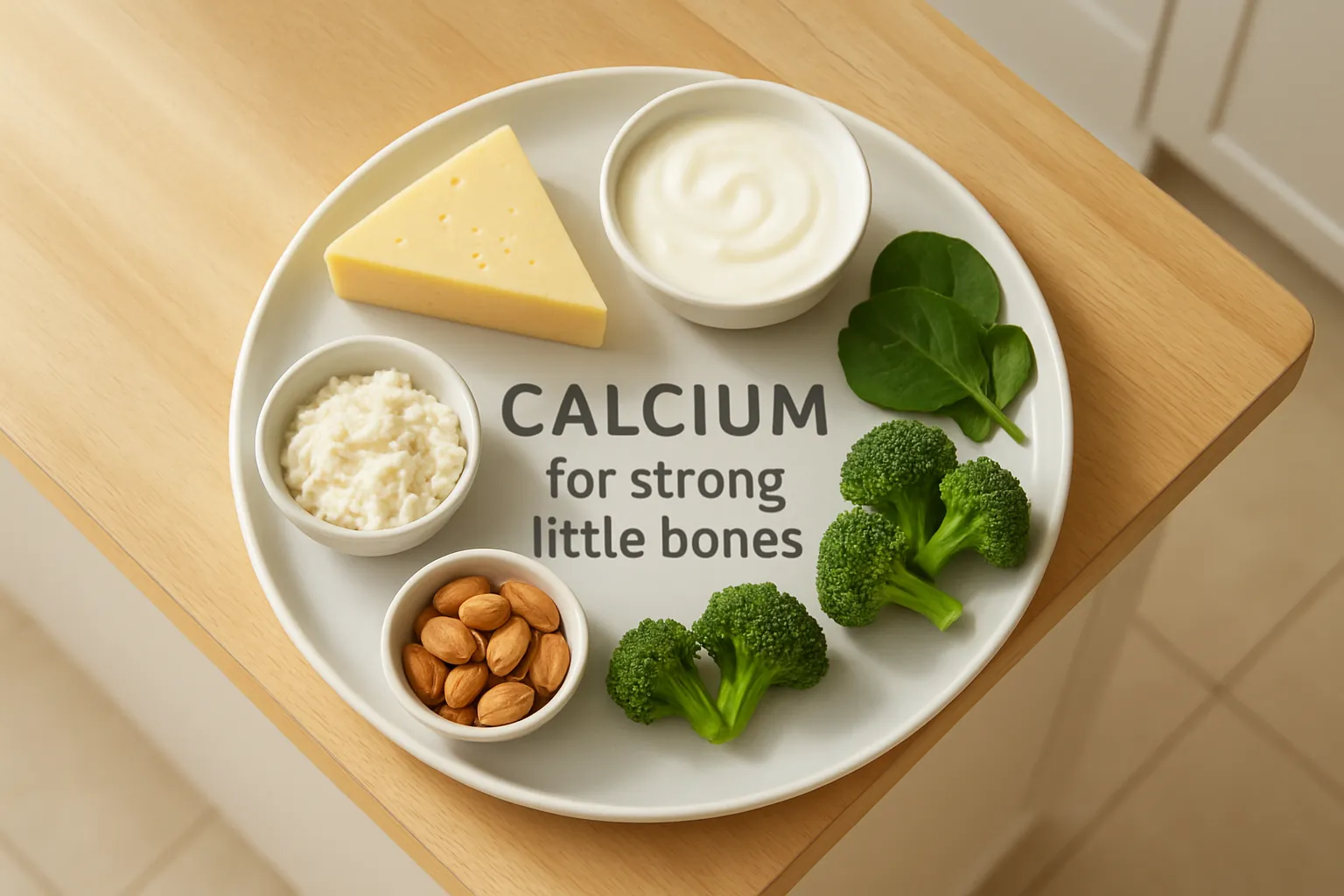
Dairy is the easiest way to top up calcium, so think milk, yoghurt and cheese as everyday staples. Keep full‑fat dairy until they’re two, and don’t let milk be the only snack or main drink all day since it can fill them up and make iron-poor foods less appealing. Aim for about one to two cups of milk spread through the day, and use yoghurt and cheese for extra serves.
Good calcium foods and how to serve them
- Milk: straight, in porridge, in pancakes or smoothies. Try warming milk with a little honey (for over 1 year) and cinnamon for a cosy bedtime drink.
- Yoghurt: serve plain with mashed banana, stewed fruit or a sprinkle of oats. Freeze into mini tubs for a hot day treat.
- Cheese: cube for snacks, grate into veg, melt over toast or pasta, or add to omelettes.
- Canned salmon or sardines with bones: mash up and serve on toast or mix into fritters.
- Tofu: firm silken in smoothies, pan-fry cubes, or crumble into stir-fries. Choose calcium-set tofu when you can.
- Fortified plant milks and fortified cereals: check labels and pick full‑fat or toddler-appropriate options if using plant milks.
- Veg and extras: broccoli, silverbeet, baked beans, tahini and ground almonds (use as paste or finely ground to avoid choking).
Practical ways to sneak it in
- Stir yoghurt into porridge instead of water for creamier texture and extra calcium.
- Make cheesy veg bakes and hidden-veg pasta sauces with added cheese or milk.
- Blend silken tofu, milk and banana into a smooth pudding or smoothie.
- Make mini quiches or egg muffins with cheese and spinach for easy lunchbox options.
- Smash sardines with a little mayo and lemon and spread on toast for a salty, calcium-rich snack.
Timing with iron-rich meals Calcium can interfere with iron absorption, so don’t give a big milk feed right before or after a meal centered on red meat or legumes. Offer milk at snack times or in between an iron-rich lunch and dinner. Cheese on a sandwich is fine, but if you’ve served iron-rich foods, give water or fruit afterwards and leave the main milk drink for a separate time.
Vitamin D and bone health Vitamin D helps calcium do its job. Short daily sun exposure is helpful, and many toddlers get vitamin D from fortified milks and some foods. If you have any doubts, check with your GP about supplements.
Quick sample day (ideas, not rules)
- Breakfast: porridge made with milk, stirred through yoghurt and banana.
- Morning snack: cheese cubes and soft fruit.
- Lunch: little salmon pattie on toast and steamed broccoli.
- Afternoon snack: milk smoothie with silken tofu, berries and oats.
- Dinner: cheesy veg pasta or lentil ragu with grated cheese on top.
Small changes add up. Keep offering a variety, make it fun and familiar, and the calcium will mostly look after itself.
When rosters mean long stretches away, the pantry needs to pull its weight. These are the go-to staples and simple routines that keep toddlers fed, happy and fed well, even on hectic weeks.
Fridge/freezer basics
- Cooked proteins in portions: meatballs, rissoles, shredded chicken, baked fish chunks. Freeze flat in single-serve bags so you can grab one or two.
- Mini frittatas or omelette muffins: great hot or cold, freeze and thaw overnight.
- Soup or stew in small containers: easy to reheat and spoon-feed, plus veg sneaks very well here.
- Portion-sized rice/pasta packs: make a big batch, cool, then freeze in children-sized portions.
- Muffins made with grated veg and oats: double batch and stash in the freezer for breakfasts or snacks.
Cupboard heroes
- Rolled oats and quick porridge sachets: fast, filling and easily flavoured with fruit or yoghurt.
- Canned beans and lentils: great for quick mash, curries or mixed into bakes for extra protein and iron.
- Wholegrain wraps, pita or soft rolls: assemble wraps for lunchboxes or warm with cheese and veg for dinner.
- Pasta, brown rice, quinoa: mix with a favourite sauce and veg for a no-fuss meal.
- Nut butters (for over-1s) and tahini: smear on toast or mix into porridge for extra calories and flavour.
Snack stockpile for little hands
- Soft fruit cut into toddler-friendly pieces: banana, stewed apple, kiwi slices.
- Yoghurt tubs or pouches: go for low-added-sugar options.
- Cheese sticks or cubes: great calcium boost that toddlers love.
- Oaty bliss balls and banana muffins: homemade, freezeable, and much better than packaged snacks.
Simple batch-cook ideas that freeze well
- Bolognese or ragu: freeze in toddler portions and serve with pasta or mashed potato.
- Chunky veg and lentil soup: blend for younger toddlers, leave chunky for older ones.
- Mini meat pies or sausage rolls using wholemeal pastry: bake a tray and freeze.
- Curry with coconut milk and veg: mild spice, serve with rice and a dollop of yoghurt.
Quick tips for FIFO-friendly meal prep
- Portion as you go: when cooking dinner, set aside toddler-sized portions before you season or add chilli for adults.
- Freeze flat in zip-lock bags then stack: saves space and makes grabbing a meal instant.
- Label with contents and date: small ritual that saves time and mystery meals later.
- Thaw overnight in the fridge or defrost in the microwave in the morning if needed.
- Reheat until piping hot, stir to even the heat, then cool to safe eating temperature before serving.
Lunchbox and on-the-go tricks
- Use small containers and silicone muffin tins to keep foods separate and interesting.
- Pack a thermos with warm soup or pasta on cooler days - toddlers love the novelty.
- Keep an ice block in the bag with yoghurt or cheese to keep things fresh until lunch.
Safety and toddler-friendly prep
- Cut grapes, cherry tomatoes and sausages lengthways to reduce choking risk.
- Cook veg until soft for young toddlers and offer finger-sized pieces for confident chewers.
- Avoid honey for under-1s. For older toddlers, offer spreads and sweet items in small amounts.
Routines that actually save sanity
- One evening a week for batch cooking goes a long way. Even 60-90 minutes can fill the freezer.
- Keep a sticky-note meal rotation on the fridge: it cuts decision fatigue on rostered nights.
- Let kids help with simple tasks like stirring or topping muffins. They’ll eat more willingly if they’ve been part of making it.
These staples and small routines mean fewer last-minute scrambles and more meals that are actually nourishing for little bodies, even when life gets rotated around rosters.
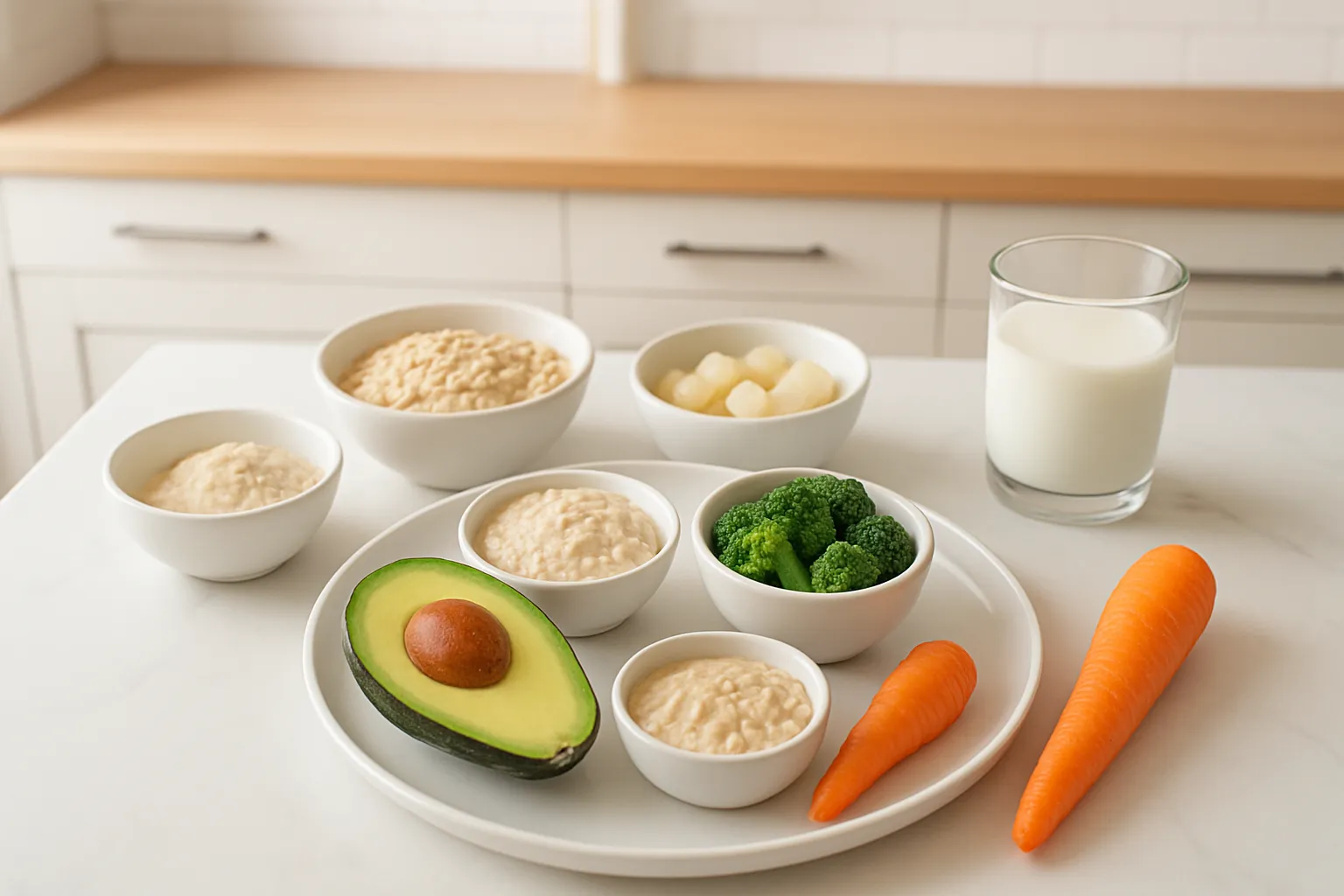
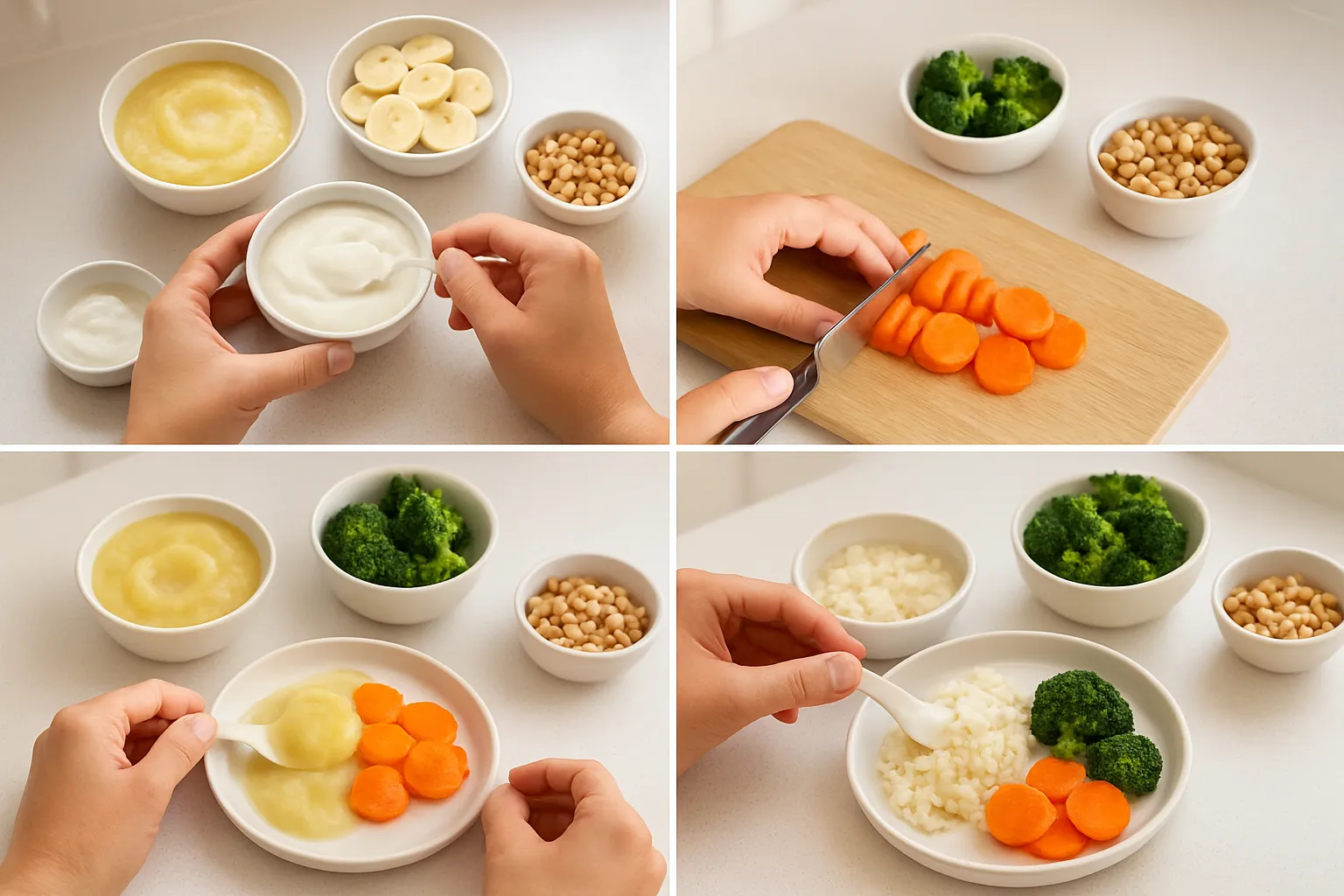
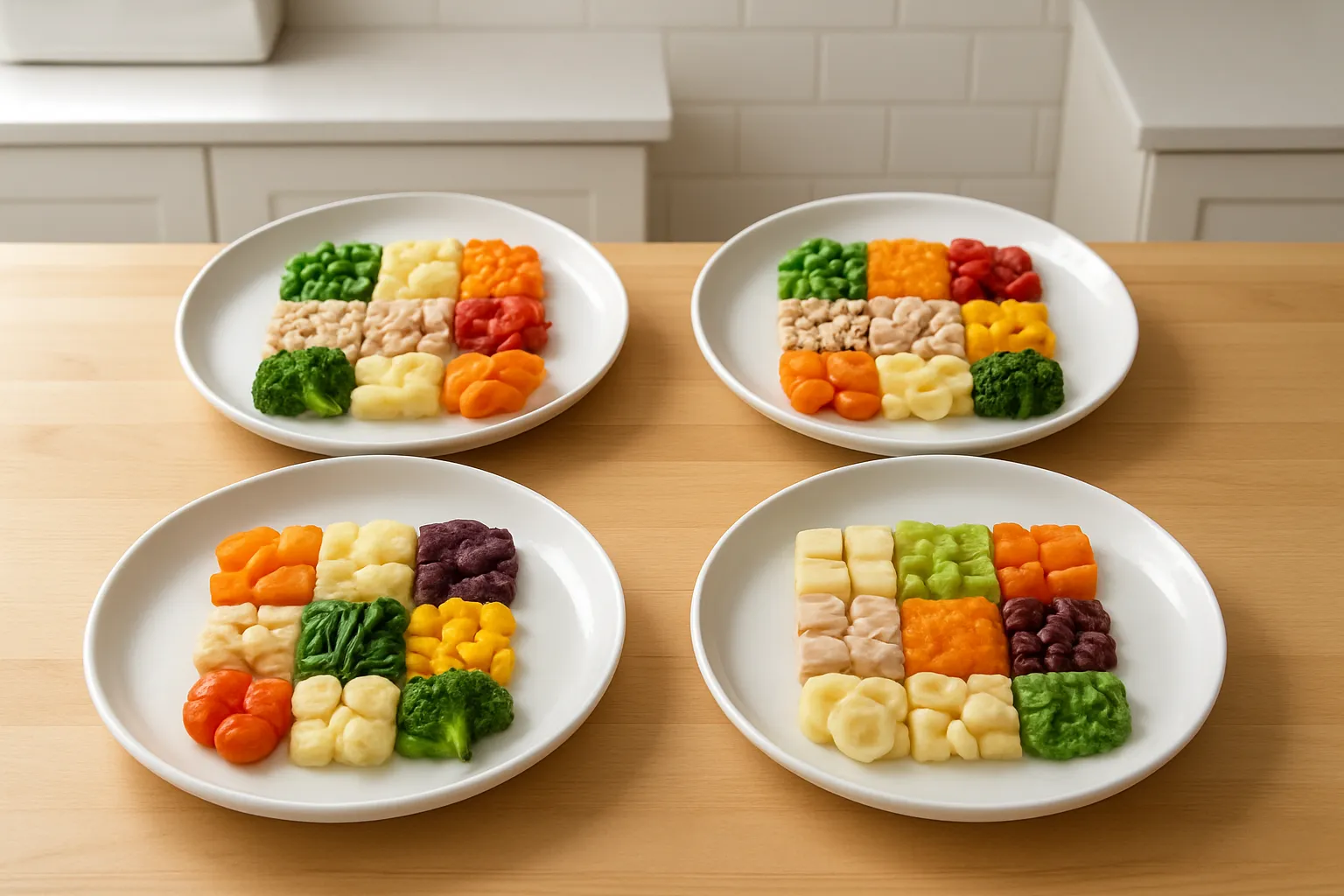
Think of a meal as a little quilt: lots of small, cosy squares that together make something comforting and interesting. That way each plate has variety without drama.
How to build a quilted meal
- Aim for 3 to 5 little components. Easy rule: one soft protein, one cooked veg, one raw fruit or veg for crunch, one carb, and a tiny smear of healthy fat or dip. Not everything every meal, but try to hit most over the day.
- Keep a familiar square at every meal. If they love mashed sweet potato, include a spoonful each time and swap the other squares around.
- Make textures gentle. Toddlers often prefer soft or slightly chewy. Steam veg until tender, shred meat finely, and slice fruit into manageable pieces.
- Size and safety. Cut grapes and cherry tomatoes in half, slice hard fruit into thin wedges, and avoid whole nuts. For meat and sausage, thin strips or small cubes are good.
- Colour wins. A mix of colours makes the plate more interesting. A green pea, orange carrot, red pepper strip and yellow corn looks cheerful and appetising.
Templates you can reuse
- Breakfast quilt: scrambled egg bites, a few banana slices, wholegrain toast fingers, a spoon of Greek yoghurt.
- Lunch quilt: shredded chicken or mashed beans, soft steamed carrots, cucumber sticks, small rice balls or a sandwich square, hummus for dipping.
- Dinner quilt: flaked baked fish or mince, mashed pumpkin, peas, a couple of potato cubes, avocado smidge.
- Snack quilt: cheese cubes, soft pear slices, oat biscuits broken into fingers, a few berries.
Practical tips that save time
- Muffin tin and freezer trick. Make mini egg muffins, mashed veg squares or rissoles in a muffin tin and freeze. Pop out a few squares for quick lunches or to add to the dinner quilt.
- Compartment plates and bento boxes make the quilt idea simple when you’re out and about. They keep components separate and appealing.
- Cook once, compose many ways. Roast a tray of veg and a tray of chicken, then mix and match across meals for variety.
- Theme nights. Give each night a theme, like Little Italy or Rainbow Night, so you can rotate components and keep shopping simple.
- Use leftovers creatively. Leftover roast becomes shredded wraps, stews go into tiny pasta shapes, and mashed veg can be folded into pancakes.
Getting picky eaters on board
- Offer the new square as a tiny bit only. A single taste each day builds acceptance faster than pressure.
- Let them help pick the squares. Give a choice between two colours or two shapes and they feel in control.
- Keep a no-shame plate. If they nibble one square and ignore the rest, that’s okay. Offer the same or similar square next time.
Seasonal and batch planning
- Build a weekly “quilt chart.” Four meals across five days, each box filled with a planned component. Swap one box each week to try something new.
- Buy seasonal veg and freeze extras in portioned squares. Frozen peas and corn thaw quickly and save evenings.
- Make double batches of things that freeze well: meatballs, bean patties, veg purees, tiny fritters.
A few quick combos to try right now
- Tiny salmon flakes, mashed kumara, steamed broccoli florets, corn kernels.
- Black beans mashed with a little cumin, brown rice balls, grated carrot, salsa for dipping.
- Cottage cheese, thin apple slices, toast soldiers, a few steamed peas.
Keep it playful and forgiving. Meals that feel like a patchwork make dinner less of a showdown and more of a low-stress chance to try new things.
Suggested Recipes
You Might Also Like
 Never miss a recipe from us, subscribe to our newsletter