
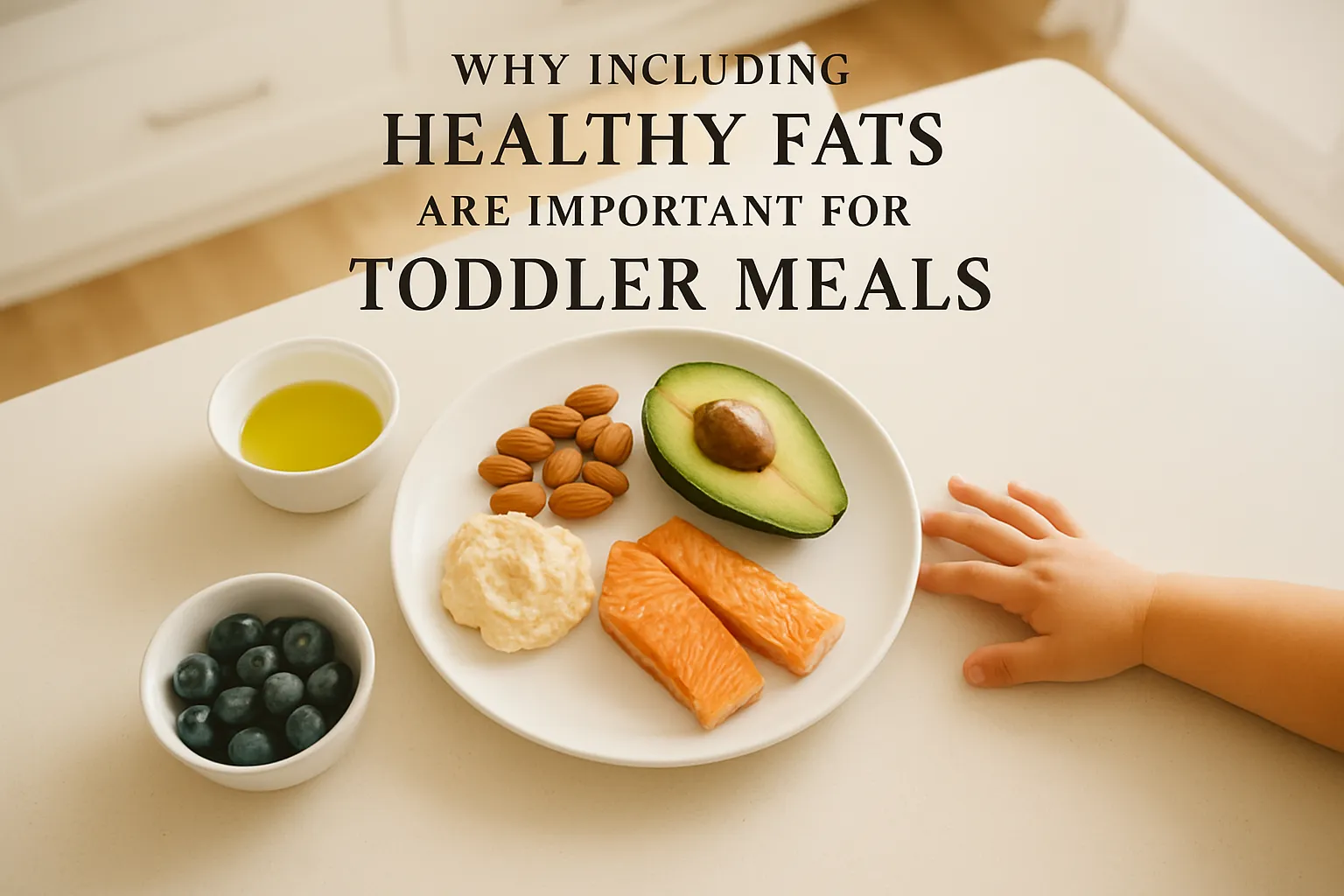
Why including healthy fats are important for toddler meals
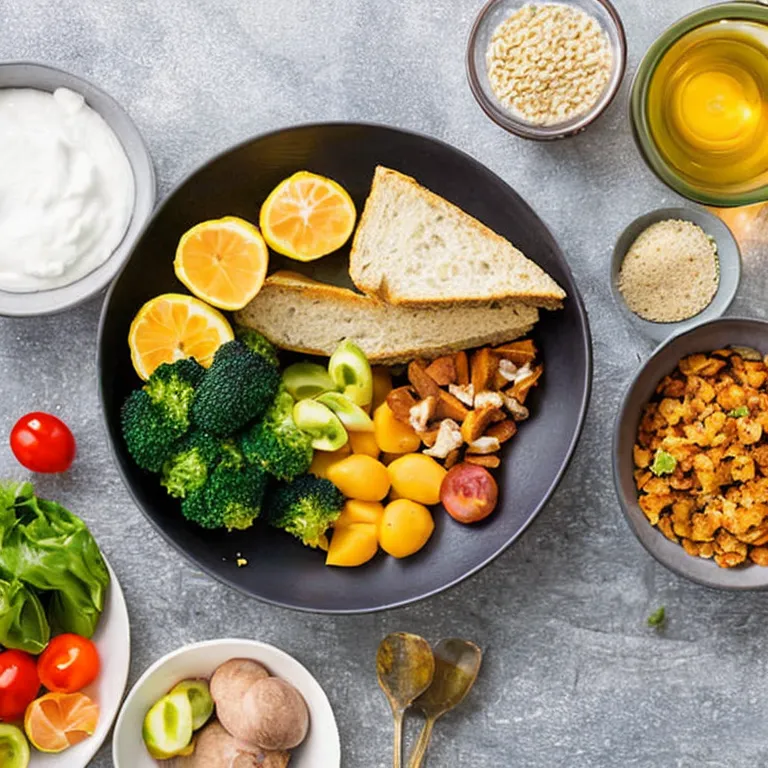
Quick note: here’s how I actually include healthy fats without making meals complicated or messy.
- Go creamy where I can. Avocado is a winner for texture and taste. Mash it onto toast, stir through mashed sweet potato, or scoop into a lunchbox. It adds richness and keeps things soft for little mouths.
- Drizzle, don’t dump. A teaspoon to a tablespoon of olive oil tossed through roasted veg, pasta or lentils lifts flavour and helps vitamins absorb. Save larger amounts for dips and salads.
- Make breakfasts filling. Stir a dollop of full-fat Greek yoghurt into porridge, mix a spoon of tahini through banana pancakes, or smudge smooth peanut or almond butter thinly on toast. Thin nut butter with a splash of milk to make it spreadable and safe.
- Pick the right fish. Canned salmon or tinned sardines are quick, inexpensive and easy to mash into patties, pasta, or on toast. They’re a simple way to add omega fats without effort.
- Use dairy wisely. Full-fat cheese, milk and yoghurt add calories and keep toddlers satisfied between feeds. Grate cheese into veg, fold yoghurt into mashed fruit, or add a slice to finger food platters.
- Be nut-safe. Never give whole nuts to toddlers. Offer smooth nut butters or seed butters instead, and introduce new ones one at a time if allergies are a concern.
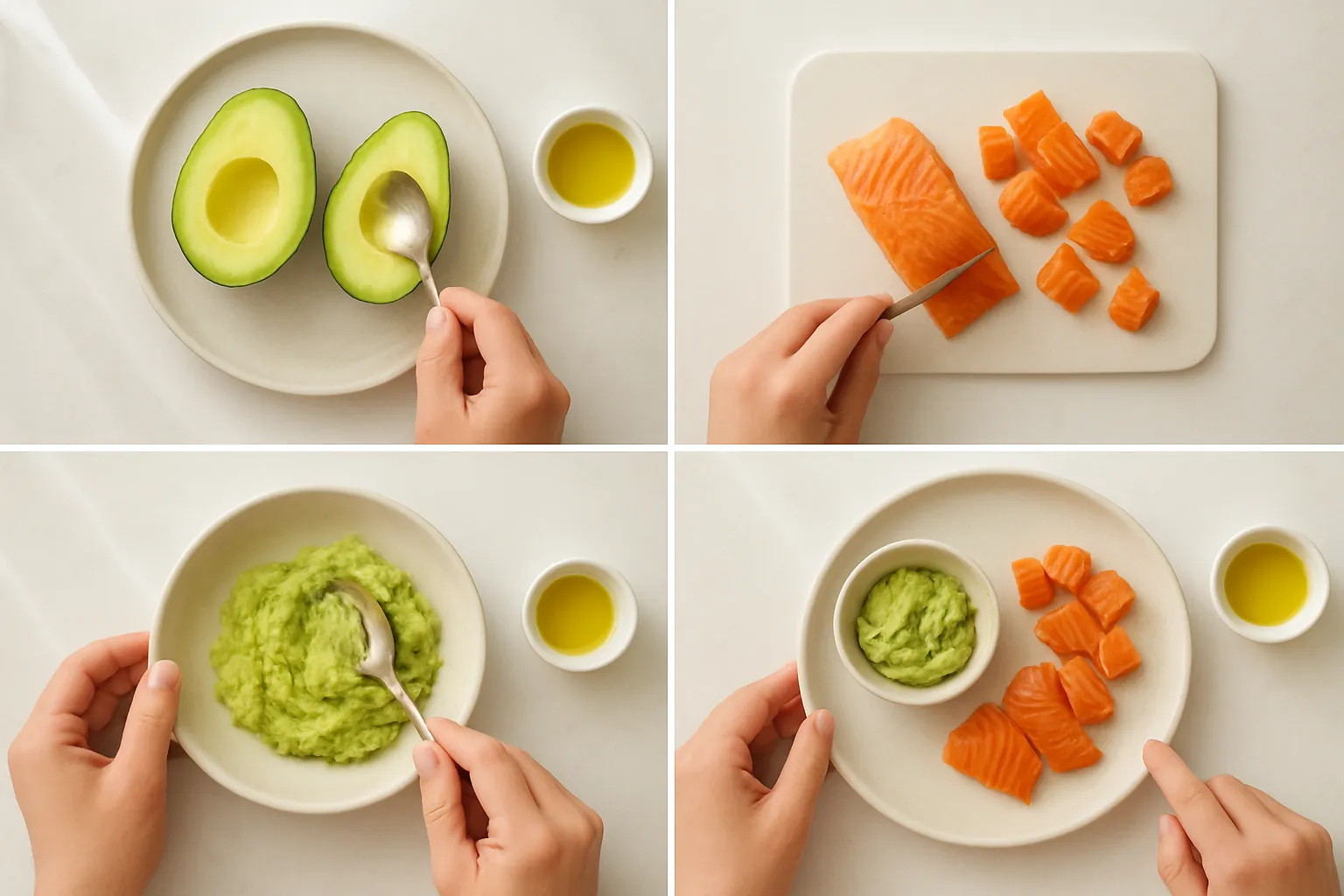
- Sneak fats into favourites. Add olive oil to mashed avocado, butter to veg mash, or a spoon of tahini into hummus. Pancake and muffin batters take a little oil or butter without changing the recipe much.
- Mind the texture and portion. Little ones need small, soft mouthfuls. Keep spreads thin, chop or mash chunky foods, and serve fat in modest amounts so meals aren’t overwhelming.
- Pack smart for FIFO or busy days. Small containers of hummus, boiled eggs, cheese cubes or a smear of nut butter on cracker keep lunchboxes balanced and travel well.
- Rotate sources. I aim for a mix across the week: avocado, olive oil, oily fish, seeds, nut butters and dairy. It keeps meals interesting and covers different fatty acids.
Simple swaps and tiny add-ins are the easiest way to make sure meals are nourishing without turning every feed into a battle.
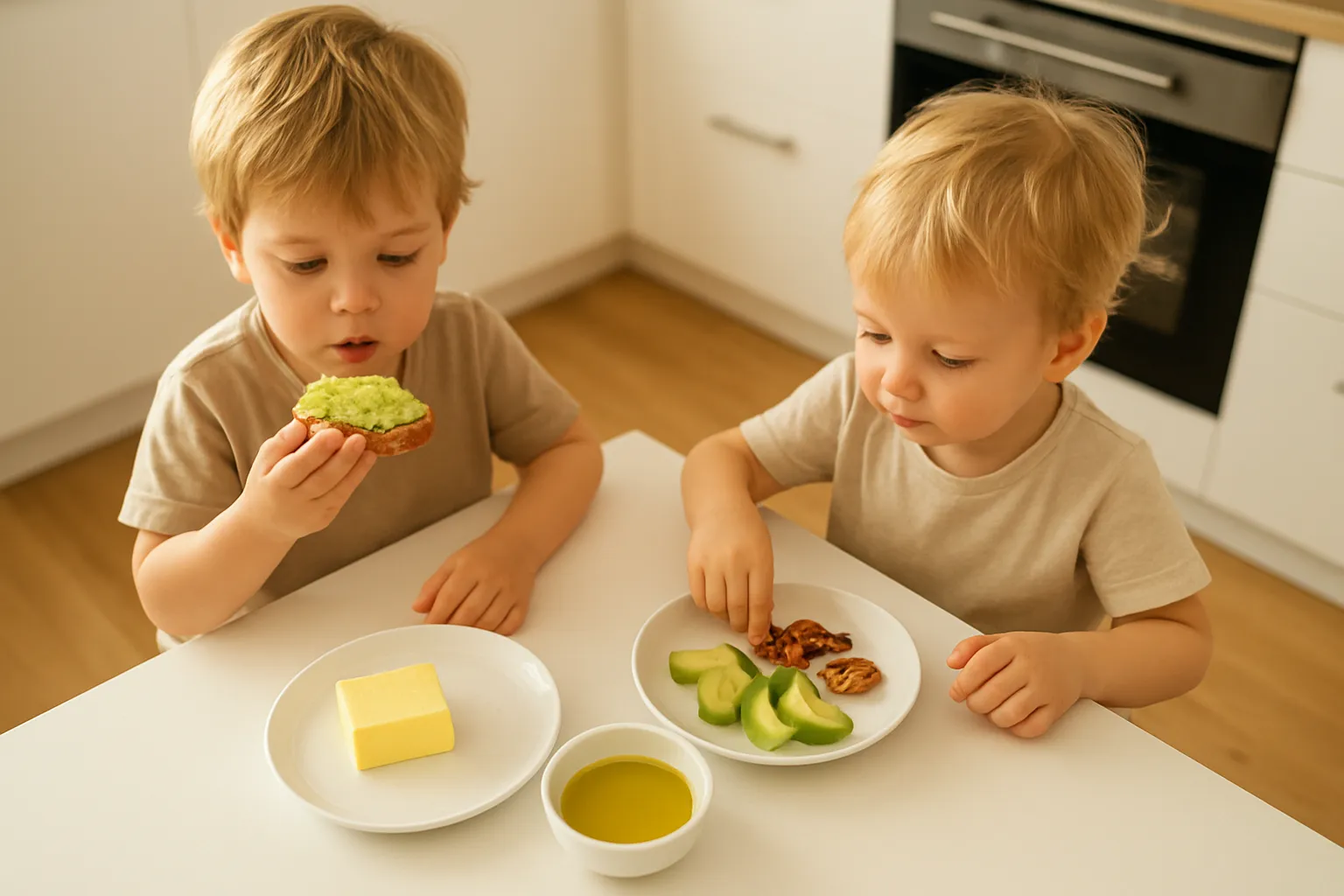
They could not be more different at the dinner table, but both need good fats every day. One of them will happily eat avocado straight from the skin, the other will only tolerate it mashed into his porridge. Here’s what actually works for us, with quick, real-life swaps and serving ideas you can copy.
Everyday favourites that stick
- Avocado: half an avocado mashed with a squeeze of lemon and spread on toast, or folded into smoothies so it disappears into the kids’ morning drink.
- Full-fat yoghurt and cottage cheese: a couple of tablespoons with fruit, or mixed into sauces to make veg more appealing.
- Nut butters: a spoonful smeared thin on toast or stirred into porridge. Always smooth and spread thin to avoid choking, and watch allergy advice for littlies.
- Eggs and cheese: scrambled in butter, or cheese cubes as an easy snack that travels well.
- Olive oil: drizzle on roasted veg, add a teaspoon to pasta or lentil dishes.
- Oily fish: tinned salmon or sardines mashed into patties or mixed through mash for an omega-3 hit.
How we hide or boost fats so nobody protests
- Smooth the texture. If one refuses lumps, blitz avocado into smoothies, mash into mashed potato, or fold nut butter into pancake batter.
- Sneak it into breakfasts. Porridge made with whole milk and a swirl of peanut butter keeps little bodies going until lunch.
- Make dips fun. Hummus or tahini yoghurt gets dipped into veg sticks or sanga fingers and feels like a treat.
- Double up at dinner. Serve a small oily fish cake with veg drizzled in olive oil and a dollop of yoghurt on the side so there’s fat in every mouthful.
Portion cues we use
- A small wedge of cheese or 20 to 30 grams feels like a manageable snack portion.
- A tablespoon of nut butter or a teaspoon to a tablespoon of oil per serving is usually enough to boost calories and flavour without overwhelming the plate.
- Half an avocado split between two kids or a quarter each depending on hunger and age.
Safety and stubborn eaters
- No whole nuts for toddlers. Thin spreads or blended nuts only. Cut soft foods into strips for safer chewing.
- If one refuses, don’t make a fight of it. Try the same fat in a different format the next day. Kids change week to week.
- Keep it messy and keep it simple. A tiny container of dip can turn a rejected veg into a winner.
Little habits that help
- Offer fats at every meal and snack so it becomes normal, not a “treat”.
- Let them help mash or spread. Participation increases curiosity and acceptance.
- Rotate so they get different types: dairy, plant oils, nuts, fish, eggs. That variety covers taste and nutrients without drama.
These are the practical things that actually get into two very different tummies around here. Small swaps, familiar textures, and a couple of tricks to hide or highlight the good stuff make dinner less of a battleground.
Ready for some no-fuss swaps you can do today? Here are quick, practical trades that lift the quality of fats in meals without extra drama.
- Swap spreadable margarine for olive oil or avocado
- Drizzle extra virgin olive oil over roasted veg, pasta or mashed potato instead of spreading margarine. A little goes a long way.
-
Smash avocado on toast or sandwiches instead of butter. Kid-friendly and creamy.
- Replace low-fat dairy snacks with full-fat versions
-
Choose full-fat plain yoghurt or full-cream cottage cheese for dips and snacks. Add fruit or a little honey for sweetness if their age allows.
- Trade crunchy store chips for roasted, oily alternatives
-
Roast chickpeas, edamame or sweet potato wedges brushed with a little olive oil. Crunchy, salty, and much better fats.
- Use nut and seed butters smartly
- Smear smooth peanut butter, almond butter or sunflower seed butter on toast, in porridge or on banana slices. If whole nuts are still a choking risk, keep them finely spread or blended.
-
If nut allergies are a worry, tahini or sunflower seed butter are great swaps.
- Add ground seeds for omega-3
-
Stir a teaspoon of ground flaxseed or chia into porridge, yoghurt or muffin batter. Tiny change, good fat boost.
- Make small baking swaps
- Replace half the butter in quick muffins with mashed banana or avocado, or use olive oil instead of all butter for a moister result.
-
Add a tablespoon of tahini or peanut butter to cookie or flapjack mix for healthy fats and flavour.
- Swap processed lunchbox items for simple homemade options
- Ditch flavoured, sugary bars and try homemade energy balls: 1 cup oats, 1/2 cup nut or seed butter, 1 mashed banana and 1 tbsp chia. Mix, roll and refrigerate.
-
Replace cheese slices in sandwiches with hummus or smashed cannellini beans dressed with a little olive oil.
- Small finishing touches
- Stir a spoonful of olive oil or tahini into soups, mashed veg or pasta sauces.
- Flake canned salmon or sardines into pasta, fried rice or wraps for an easy oily fish hit.
Quick tip: keep portions small and familiar, and make swaps gradually so kids accept the new tastes. These tiny changes add good fats without changing the meal too much.
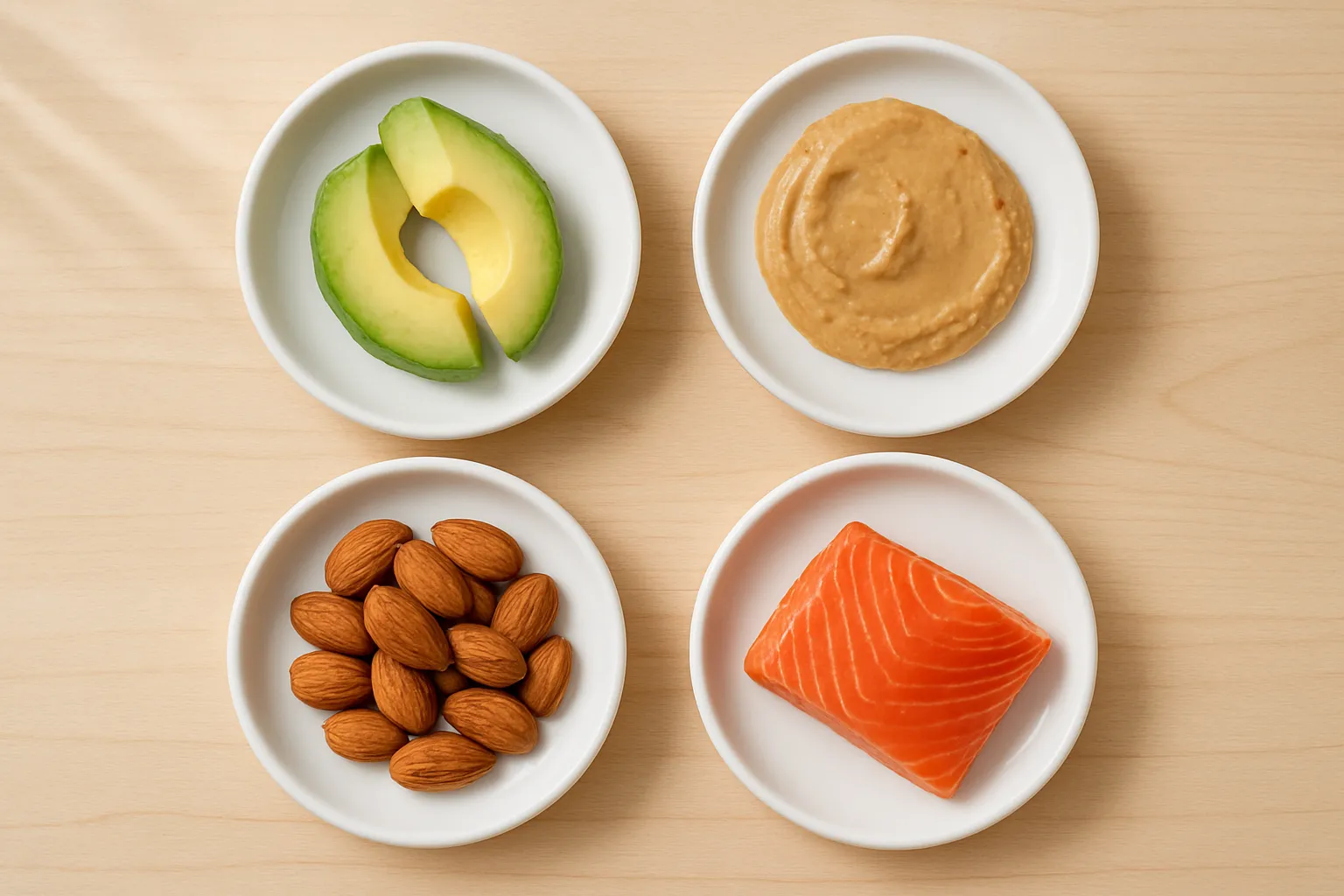
When the roster’s all over the place, anything that can be prepped, frozen and handed to whoever’s on dinner duty is gold. Here are real meals and tips that keep healthy fats front and centre and make life easier for the whole family.
Make-ahead dinners (freeze or fridge)
- Coconut chicken and veg curry: gently fry onions in olive oil, add chicken, veg and a can of coconut milk, simmer until cooked. Cool and portion into tubs. Reheat and serve with a drizzle of extra virgin olive oil or a spoon of natural yoghurt for added fat and creaminess.
- Salmon and sweet potato patties: mash cooked sweet potato with flaked canned or baked salmon, an egg and breadcrumbs. Pan fry in olive oil or bake. Freeze in batches. Serve with mashed avocado or a dollop of mayo.
- Beef and pumpkin ragu: slow-cook beef with tomato, pumpkin and olive oil. Portion with cooked pasta or mashed potato. Finish each serve with a knob of butter or a sprinkle of grated cheese.
- One-pan roast tray: roast salmon fillets, sweet potato cubes and broccoli tossed in olive oil and lemon. Cooked leftovers freeze well and reheat quickly for hectic nights.
Quick freezer-to-oven/plate ideas
- Egg muffins: whisk eggs, grated cheese, spinach and a little cream. Bake in a muffin tin. Freeze and reheat. Great for breakfast or lunchboxes.
- Veggie and chickpea bake with tahini sauce: bake a tray of roasted veg and chickpeas in olive oil, then add a tahini-yoghurt dressing when serving.
- Lentil shepherd’s pie: layer spiced lentils with mashed potato made with butter or olive oil. Freeze individual portions.
Thermos and portable warm meals
- Creamy pumpkin or carrot soup: blend cooked veg with stock and a splash of cream or coconut milk. Fill a thermos for carers to take to daycare or for evenings when dinner needs to be on the go.
- Slow-cooked risotto: make a thick risotto with butter and parmesan, portion into an insulated jar. Reheat and cool to toddler-safe temp before serving.
Lunchbox and snack ideas with good fats
- Avocado on wholegrain toast: smash avocado with lemon and cottage cheese or ricotta for extra fat and protein. Pack in a small container to avoid soggy bread.
- Nut butter energy balls: oats, peanut or almond butter, mashed banana, and a little honey. Keep these in the freezer and grab as needed. Check childcare allergy rules first.
- Full-fat yoghurt pots with a swirl of tahini or nut butter and soft fruit.
- Cheese cubes, hummus with soft veg sticks, boiled eggs and roasted chickpeas.
Simple prep and handover tips for FIFO rostering
- Label everything with date, reheating instructions and portion size. A quick sticky note saves so many calls at midnight.
- Freeze single-serve portions rather than family trays so carers can grab exactly what they need.
- Write a short note for warming times: oven at 160 degrees for 20 minutes, microwave 60 seconds and stir, cool to lukewarm. Keep instructions simple and safe.
- Keep one tub of “finish line” fats: a jar of olive oil, a tub of butter and a small bottle of avocado oil in the fridge. Tell carers to drizzle or stir in before serving to boost calories and satiety.
- If grandparents or a babysitter are helping, show them how to use a thermos and label which meals are suitable for reheating vs eating chilled.
Timing and portioning for odd shifts
- Cook on your day off and freeze meals in the portions your child eats. If a night shift comes up, there’s always something ready.
- Keep breakfast and snack packs visible in the fridge so whoever’s on at 5 a.m. can just grab and go.
- For night shifts, pack a few ready-to-eat high-fat snacks like cheese, avocado halves wrapped tight, or a yoghurt pot to tide little ones through until the next full meal.
Small changes make big differences when the roster is unpredictable. With a few freezer-friendly recipes and a simple handover system, whoever is on duty can put a satisfying, fat-rich meal in front of the kids without stress.
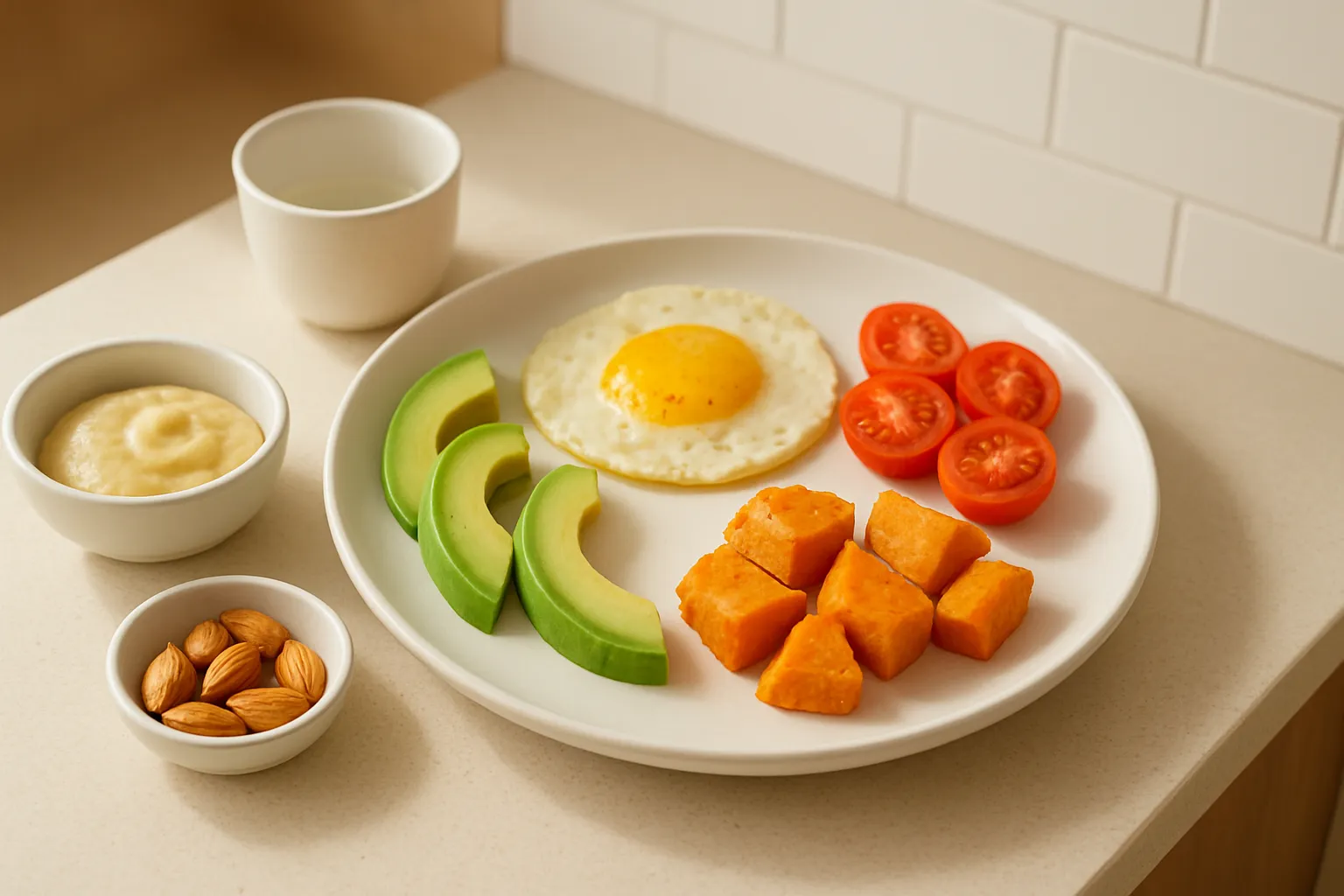
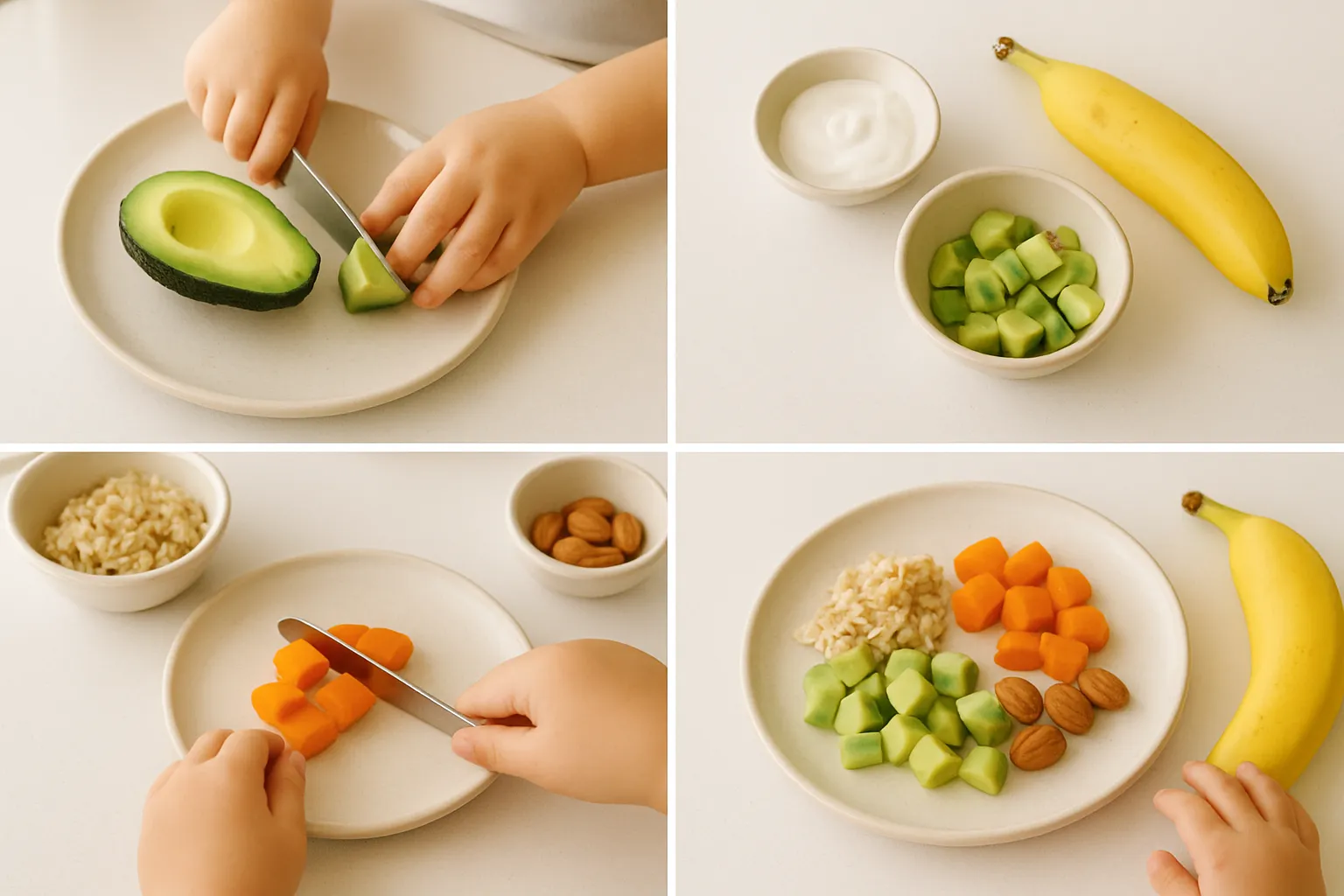
Cold mornings and late dinners call for food that holds heat and gives proper staying power. Here’s how to cook once and keep little people cosy and fuelled, without faffing every night.
Batch-cook the good stuff
- Make big pots of soups, stews and curries that include creamy fats: coconut milk, butter, olive oil or mashed avocado swirled through just before serving. Portion into toddler-sized tubs and freeze flat so you can grab one and heat gently.
- Egg muffins, frittatas and savoury bakes freeze and reheat brilliantly. Add grated cheese, finely chopped spinach and a drizzle of olive oil for extra calories and warmth.
- Pancakes, pikelets or banana-oat slices made with mashed banana and a spoonful of nut or seed butter freeze well. Pop a few in the toaster and serve with yoghurt.
Keep meals warm without drama
- Pre-warm a stainless-steel food jar by filling it with boiling water, let sit for a minute, then empty and add hot food. It will stay warm for hours. Great for soups, porridge and stews.
- If you’re taking food out, wrap the jar or container in a tea towel or quilted lunchwrap to boost insulation on the go.
- For longer shifts or travel, insulated food bags plus a heat-retaining jar work better than ordinary lunchboxes.
Smart, energy-dense combos that are toddler-tested
- Creamy porridge: oats cooked in milk with a spoon of tahini or peanut butter, mashed banana and a drizzle of olive oil when serving.
- Salmon and sweet potato cakes: mashed sweet potato, flaked salmon, an egg and a little flour, fried in butter or olive oil. Freeze and reheat.
- Lentil and pumpkin soup finished with coconut cream or a knob of butter and served with cheese toast fingers.
- Smooth hummus, avocado and soft wholegrain pita strips are an easy high-energy snack.
Snack strategy and safety
- Small, frequent snacks with fat help steady energy between meals. Think yoghurt with ground flaxseed, avocado on toast squares, cheese and steamed veggie sticks.
- No whole nuts for under-fives. Use smooth nut butters or seed spreads like tahini or sunflower seed butter if there are allergy concerns.
- Minimise sugary treats; they give a quick spike, not the steady heat toddlers need.
Kitchen sanity tips
- One-pot dinners and sheet-pan bakes save time and create leftovers for the freezer.
- Double recipes and freeze in single-serve portions. Label with dates so evening chaos doesn’t mean mystery meals.
- Keep a stash of quick add-ins: a jar of olive oil, tins of coconut milk, grated cheese and a tub of nut or seed butter. They turn boring food into solid fuel fast.
Little rituals matter
- Bring out a favourite quilt at mealtimes on cold nights. It makes the food feel cosy and gives kids a calm, warm place to eat, which often means they actually finish their meal.
- A warm plate, warm food jar and a soft blanket go a long way to keep both spirits and energy up.
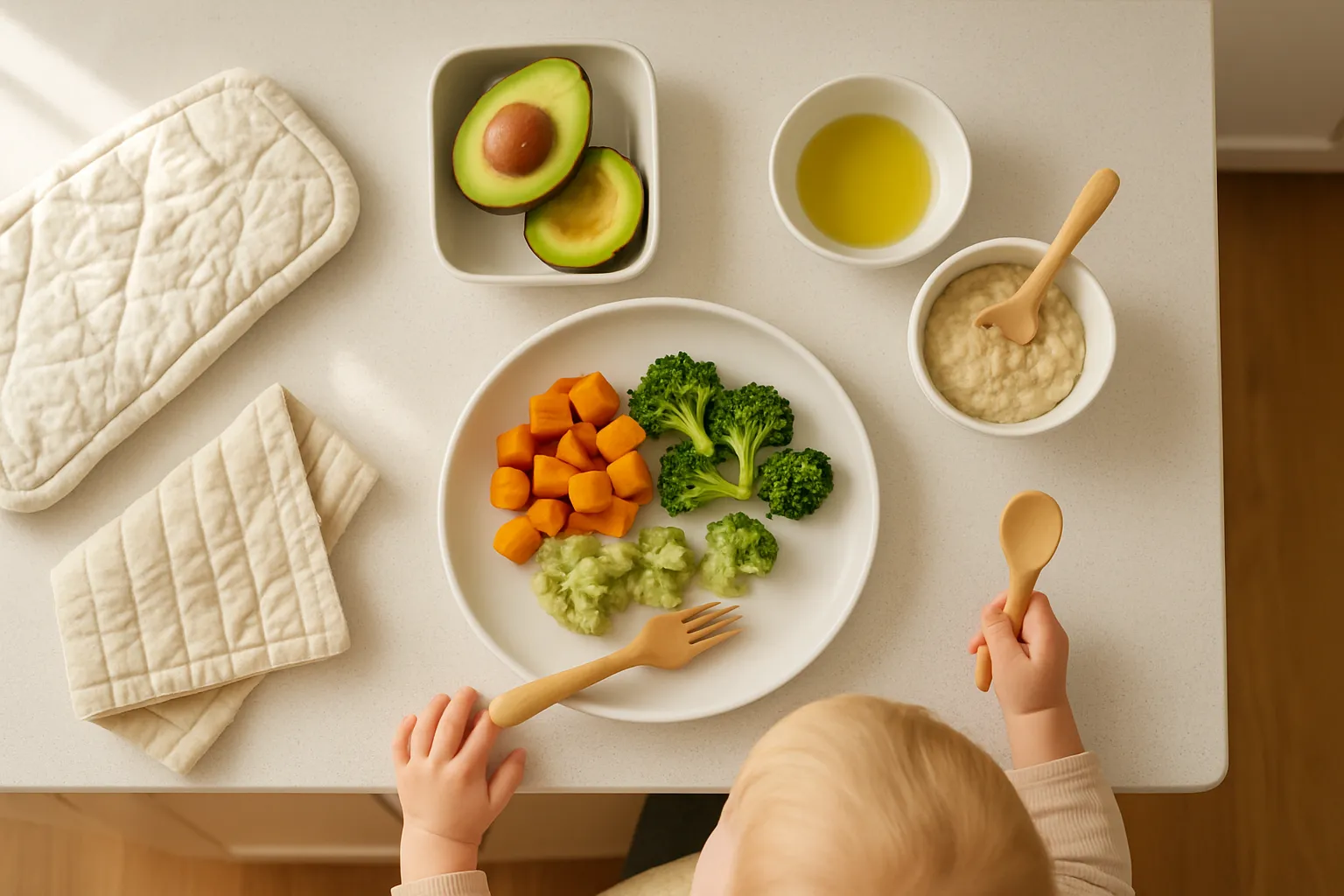
Browse Cuisines
From the Blog
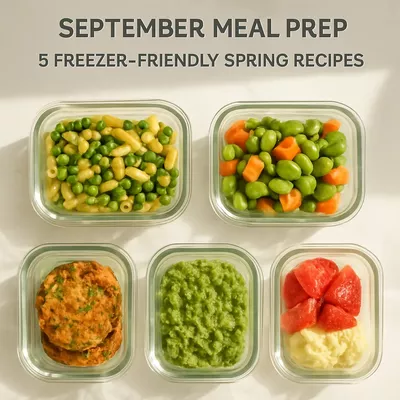
First up, a few no-fuss spring winners that keep sticky fingers and big clean-ups to a minimum. Quick to prep and easy for little hands to manage, these are the sorts of things I reach for when we want something...
Nice - here’s how Steve keeps dinner simple without sacrificing flavour or sanity. A few good habits and the right packing tricks mean you can pull a proper family meal out of the freezer in minutes.
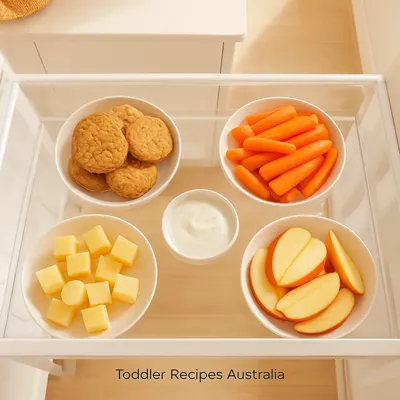
Righto, a couple of quick fridge fixes will make everything a whole lot easier. These are the simple, practical habits and setups that keep snacks safe, obvious and actually reachable for little hands.

 Never miss a recipe from us, subscribe to our newsletter