
Ways to freeze extra toddler food
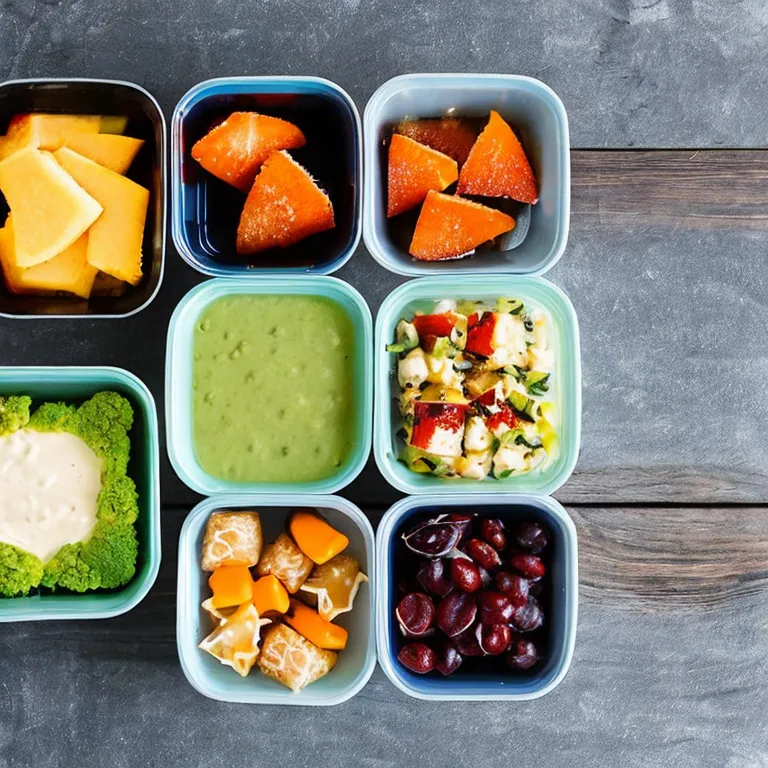
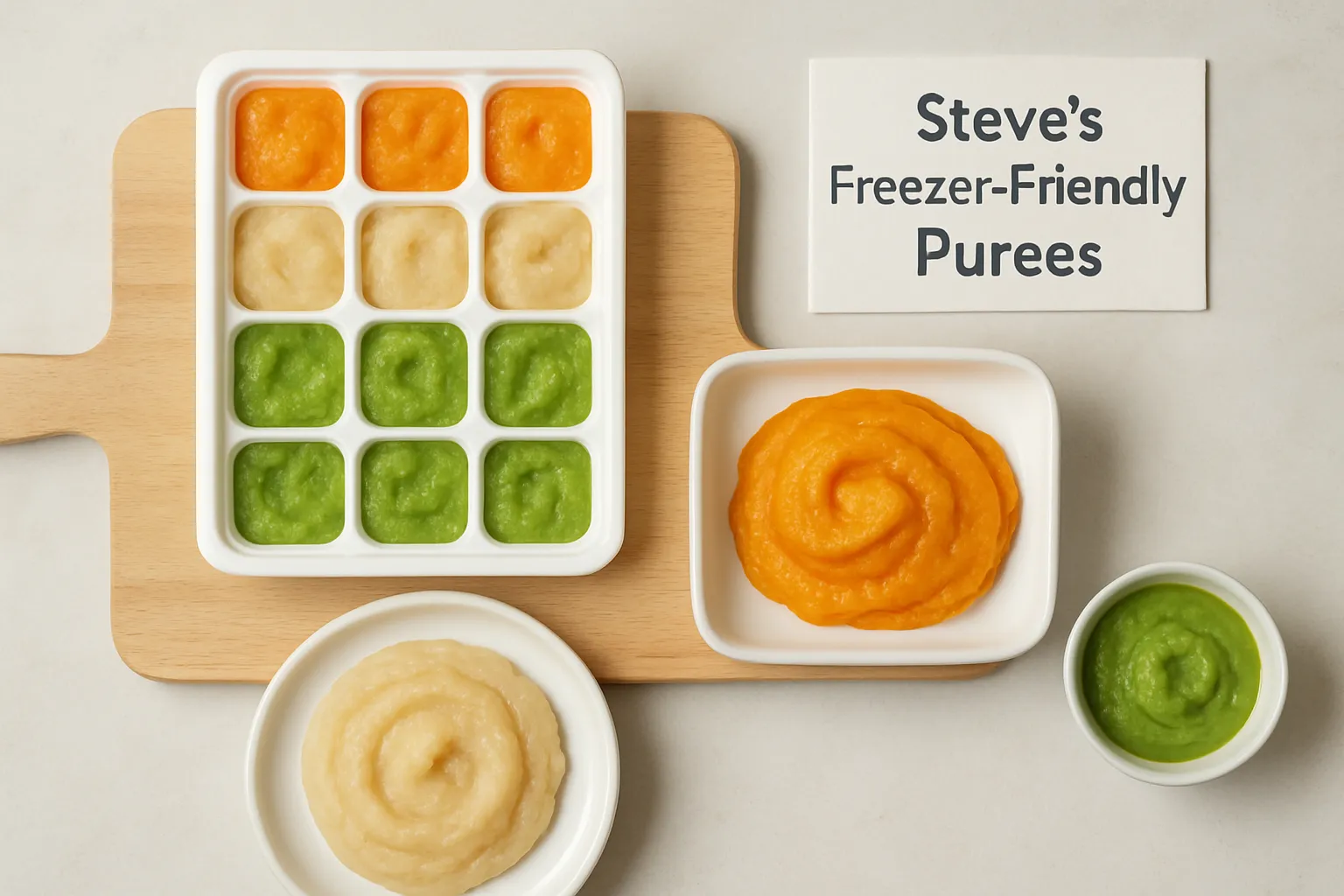
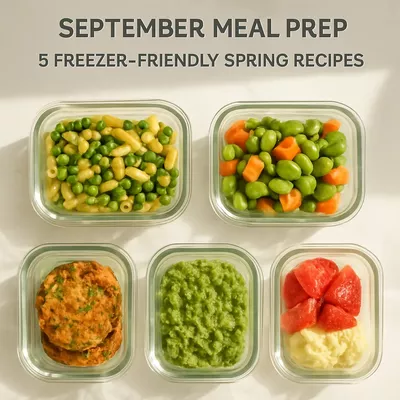
Quick intro: Steve keeps a stash of purees that save hectic evenings, and yes, they actually taste good. Here’s the simple way he makes and freezes them so you can grab a portion and go.
How to make and freeze
- Cook for texture and flavour: Steam or roast veg and fruit until soft. Roasting brings out sweetness, steaming keeps a brighter colour. Cooked apple or pear lasts and freezes better than raw slices.
- Blend to the right consistency: Add a little water, breastmilk, formula or low-sodium stock so the blender moves easily. Aim for slightly thicker than you want to serve, because thawing can loosen it.
- Add a fat: Stir in a teaspoon or so of olive oil, butter or full-fat coconut milk per cup of puree to help with absorption of fat-soluble vitamins and to keep the mouthfeel creamy.
- Cool completely: Let purees cool to room temperature before portioning. Hot food in plastic or bags gives you freezer burn faster.
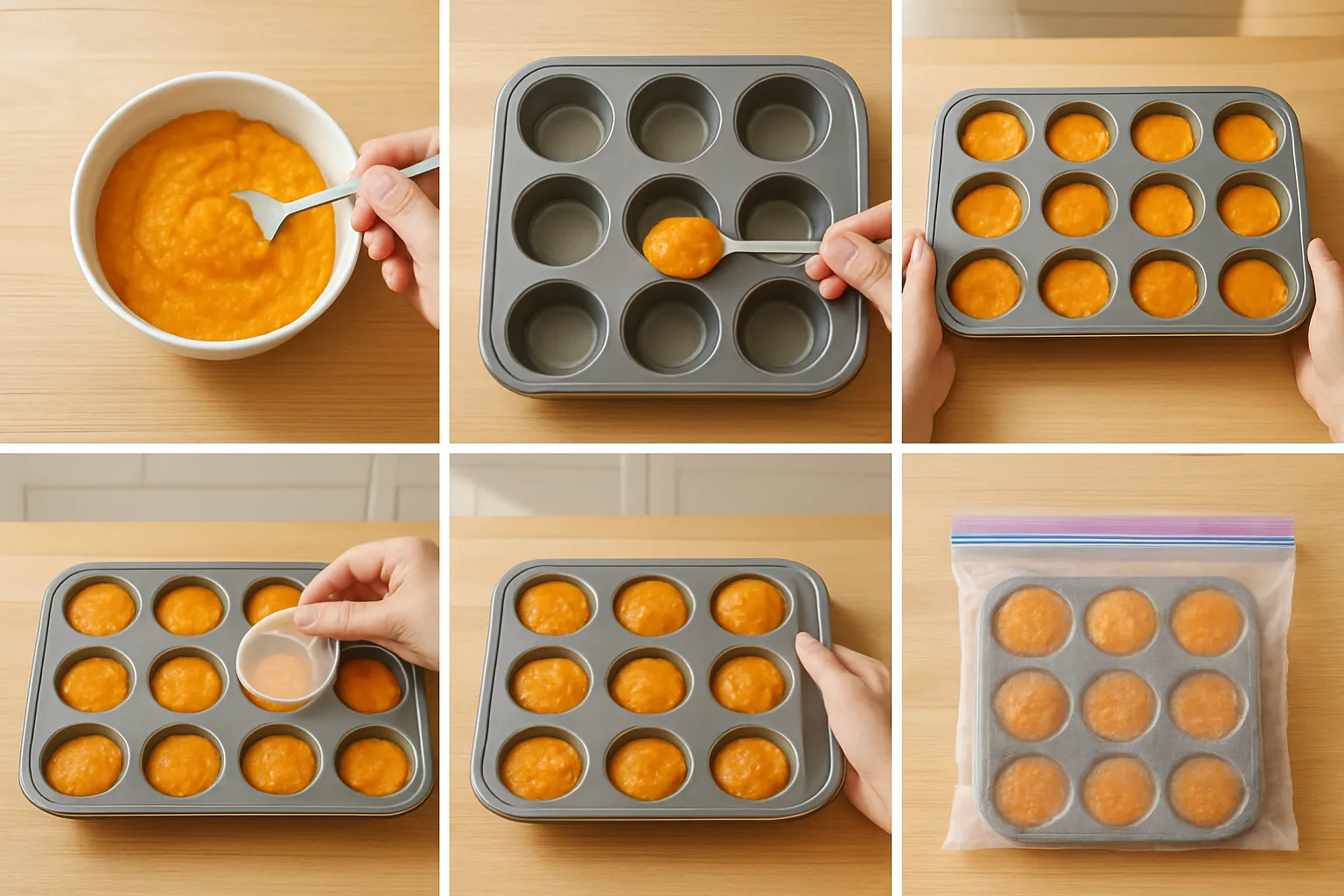
- Portion tricks: Ice cube trays and silicone moulds are brilliant for single serves. A standard ice cube is about 1 tablespoon, muffin tins give you 1/2 to 1 cup portions. For larger portions, pour into freezer-safe containers or lay flat in ziplock bags so they stack.
- Flash-freeze then bag: Put trays or lined baking sheets in the freezer until firm, then pop cubes out and transfer to a labelled freezer bag. This keeps everything from clumping into one big block.
- Label and date: Write contents and freeze date. Most purees are best used within 2 to 3 months for top flavour, though they’re usually safe longer.
Thawing and serving
- Fridge overnight is best: Move what you need to the fridge the night before. For a quick option, place sealed bag or container in a bowl of warm water for 10 to 20 minutes.
- Microwave carefully: Use a low power setting, stir halfway, and always check temperature before serving. Microwaves heat unevenly.
- Reheat on the stove: Gently warm in a small saucepan, stirring to an even temperature. You can thin with a splash of stock, breastmilk or formula if needed.
- Add fresh bits after thawing: If you like yoghurt, delicate herbs, or avocado, stir them in after thawing rather than freezing them. Dairy and some fresh greens lose texture if frozen.
Safety and use-by
- Once thawed, keep refrigerated and use within 24 to 48 hours. Do not refreeze thawed puree.
- If a puree smells off or shows mould, throw it out. When in doubt, bin it.
Steve’s favourite combos to try
- Sweet potato, carrot and a pinch of cinnamon
- Pumpkin, pear and a little nutmeg
- Pea, spinach and mint (blitz until smooth)
- Apple, beetroot and a smidge of ginger
- Chicken, sweet potato and leek, blended with low-sodium stock
Bonus hacks
- Use frozen cubes to stir into porridge, mashed potato or homemade béchamel for an easy nutrient boost.
- Make double batches and freeze half. Cooking once and freezing halves the chaos later on.
- Keep a small tray in the front of the freezer so the cubes are easy to reach during the toddler scramble.
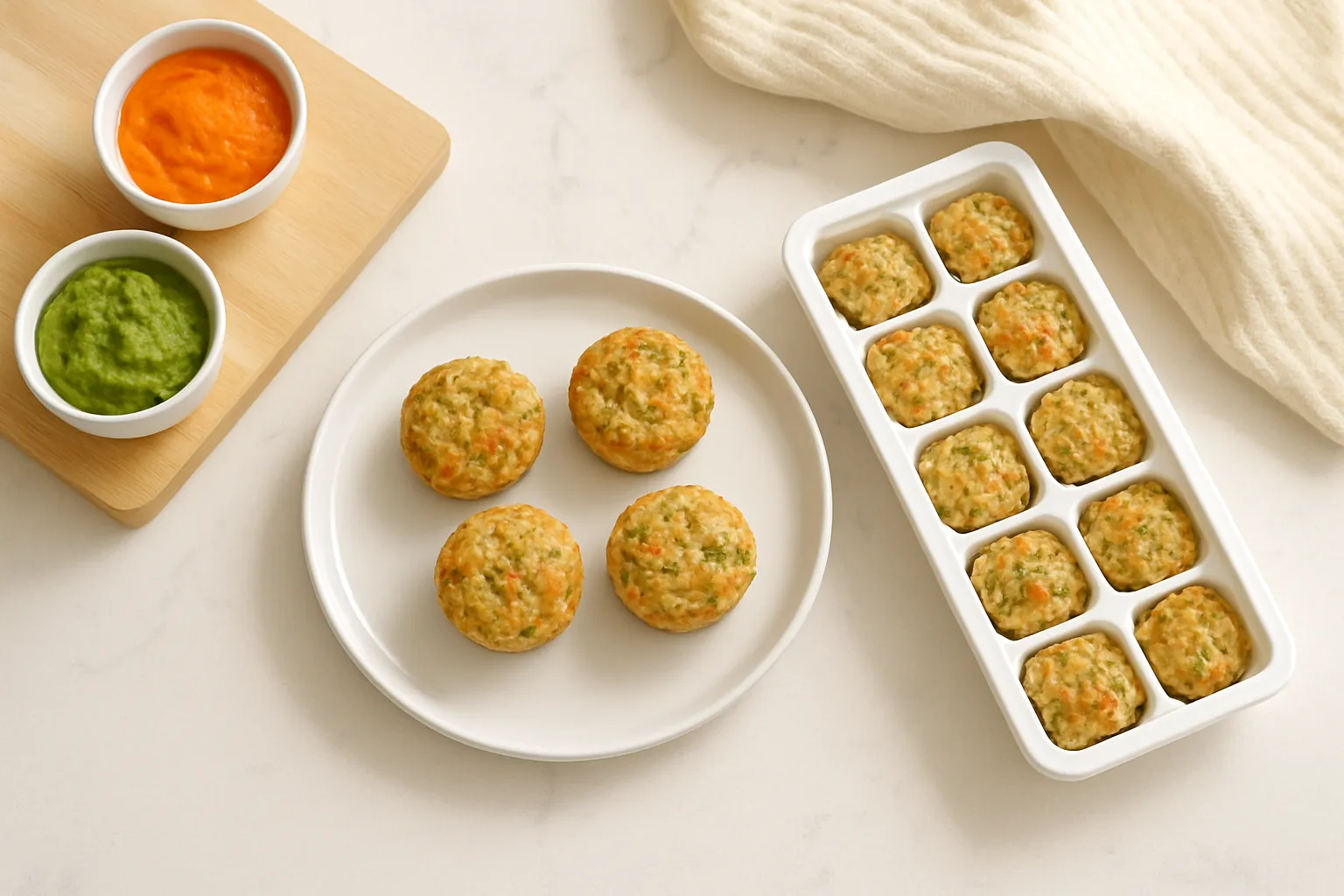
If you’ve got leftover mash, purees or bolognese in the fridge, muffin tins are the easiest way to turn them into grab-and-go toddler meals.
What to use as a base
- Mashed potato or sweet potato: great for shepherd’s pie style muffins, binds well and child-friendly.
- Cooked grains: rice, quinoa or cooked porridge oats bulk things out and add texture.
- Leftover mince, shredded chicken or beans: add protein straight into the mix.
- Veg purees or grated veg: carrot, zucchini, pumpkin or spinach mix right in.
- Cheese, yoghurt or a beaten egg: these help bind and add flavour.
Binding and moisture tricks
- If veg is watery, squeeze shredded zucchini or thawed spinach in a tea towel before adding.
- Oats, breadcrumbs or a spoon of flour soak up excess moisture and firm the mix.
- No egg? Use a flax “egg” (1 tablespoon ground flaxseed + 3 tablespoons water, sit 5 minutes) or mashed banana for sweet muffins.
- For dairy-free, swap yoghurt with coconut yoghurt or extra mashed veg.
Sizes, pans and baking
- Mini muffin pan = perfect bite-sized portions for little hands. Plan 2-4 minis per snack or 4-6 per meal depending on age.
- Regular muffins work well for older toddlers or bigger meals. Cut in half for sharing.
- Temperature and times as a guide: 180 degrees Celsius. Mini muffins 12-15 minutes. Standard muffins 18-25 minutes. Check the centre is cooked and lightly golden.
- Use silicone moulds or paper liners to make removal and cleaning easy.
Batching and freezing method
- Let muffins cool completely before touching the freezer. Hot food steams and ruins texture.
- Flash-freeze trays: place muffins on a tray in a single layer for 1-2 hours until firm, then transfer to labelled freezer bags or airtight containers. This stops them clumping together.
- Layer with baking paper if stacking. Heavy-duty freezer bags, vacuum sealers or rigid containers work best.
- Label with contents and date. Aim to use within 2-3 months for best flavour.
Reheating and serving
- Microwave from frozen: cover with a damp paper towel. Mini muffins 20-40 seconds, larger 1-2 minutes. Times vary by microwave so test one first.
- Oven or air fryer from frozen gives better texture: 160 degrees Celsius for 10-15 minutes (air fryer 5-8 minutes).
- If thawed in the fridge overnight, a quick zap or 5-8 minutes in the oven warms through.
- Always check the middle is hot for meat-based muffins.
Easy flavour combos
- Carrot, pea and cheddar with a little mashed potato.
- Shredded chicken, sweetcorn and rice bound with yoghurt.
- Lentil and spinach with mild cumin and a sprinkle of cheese.
- Bolognese mixed with cooked pasta and a little grated veg for hidden goodness.
- Sweet option: banana, apple puree and oats with a pinch of cinnamon.
Using leftovers cleverly
- Mash leftover roast veg with a bit of gravy or stock, spoon into tins and top with mashed potato for mini shepherds pie muffins.
- Stir pureed veggies into porridge oats with an egg and bake for savoury oat muffins.
- Leftover curry? Mix with cooked rice, bind with an egg and bake into gentle curry rice muffins. Keep spices mild.
Practical tips from long-term use
- Make a double batch on a quiet weekend and freeze half. It saves so many frantic evenings.
- Portion into weekday-ready boxes so daycare or grandparents can grab a named pack.
- Rotate flavours so kids don’t get bored. Pop a little label with the filling so you know what’s in each bag.
- If muffins come out soggy, next batch add more oats/breadcrumbs or reduce watery veg, and make sure they cool fully before freezing.
There you go. A few tweaks and whatever’s in the fridge becomes toddler-friendly, freezer-ready meals that reheat fast and save heaps of time.
Slow-Cooker Bulk Batch Ideas
Slow-cookers are gold for making big, toddler-friendly batches that freeze beautifully. Here’s how to get the most out of them without ending up with mystery freezer brick.
Smart batch plans
- Make bases rather than full meals. Shredded chicken, slow-cooked beef ragu, lentil dahl and mashed sweet potato are all great building blocks you can mix and match later.
- Keep flavours mild and low-salt. Add gentle herbs like parsley or a little cumin for warmth. Save strong spices for when you serve, not the batch cook.
- Add extra veg. Grated carrot, finely chopped spinach, pumpkin or zucchini all soften in the slow cooker and freeze well. They bulk up the meal and sneak more veg in.
Portioning while it’s still hot
- Cool first. Don’t shove hot food straight into the freezer. Rapidly cool big pots by transferring to shallow containers or dividing into smaller bowls, then pop in the fridge until cold. Aim to get it into the fridge within two hours.
- Decide your serving size. For toddlers, 1/4 to 1/2 cup is usually a good single serve depending on age. Pack into portions that suit your routine so you only defrost what you need.
- Portioning tools: silicone muffin trays or standard muffin pans are brilliant for even portions. Ice cube trays are perfect for puree or sauce cubes for stirring into meals later.
Best containers and methods
- Silicone molds, muffin tins, and ice cube trays for portioning, then transfer cubes or muffins into a labelled freezer bag once solid. This keeps flexibility and reduces waste.
- Flat-freeze in freezer bags for soups, stews and ragu. Lay the bag flat to freeze so it stacks nicely and thaws quickly. Squeeze out as much air as possible.
- Use freezer-safe containers for larger family meals. Label with contents and date. Try to use within three months for best flavour.
Thawing and reheating
- Thaw overnight in the fridge for best texture and food safety. If you need it fast, leave the sealed bag in cold water and change the water every 30 minutes until thawed.
- Reheat until piping hot throughout, then cool to a safe toddler temperature before serving. Stir to avoid hotspots, especially if using the microwave. Add a splash of water, milk or stock when reheating if the sauce has thickened.
- Never refreeze once it has been fully thawed.
Recipe starters to try in the slow cooker
- Shredded chicken and veg: chicken breasts or thighs with carrot, pumpkin, a small onion, a bay leaf and low-salt stock. Shred and freeze in 1/2 cup portions.
- Beef and pumpkin ragu: lean beef, canned tomatoes, grated carrot and pumpkin, a little tomato paste and stock. Cook long and slow until fall-apart tender.
- Lentil and carrot dahl: red lentils, grated carrot, mild curry powder, coconut milk added at the end. Mash slightly for little mouths.
- Turkey and sweet potato: turkey mince or breast, cubed sweet potato, apple, a pinch of cinnamon. Great for mixing with mashed potato or rice.
Little tips that save time
- Double up recipes you already cook for dinner so you only have to wash the slow cooker once.
- Freeze in meal kits. Keep a bag of shredded meat plus a separate bag of sauce or veg so you can mix and match when reheating.
- Date every pack and write serving size on the label. It saves time and stops guesswork on weekday nights.
There you go. A few hours in the slow cooker and a bit of smart portioning will keep you set for weeks of easy toddler meals.
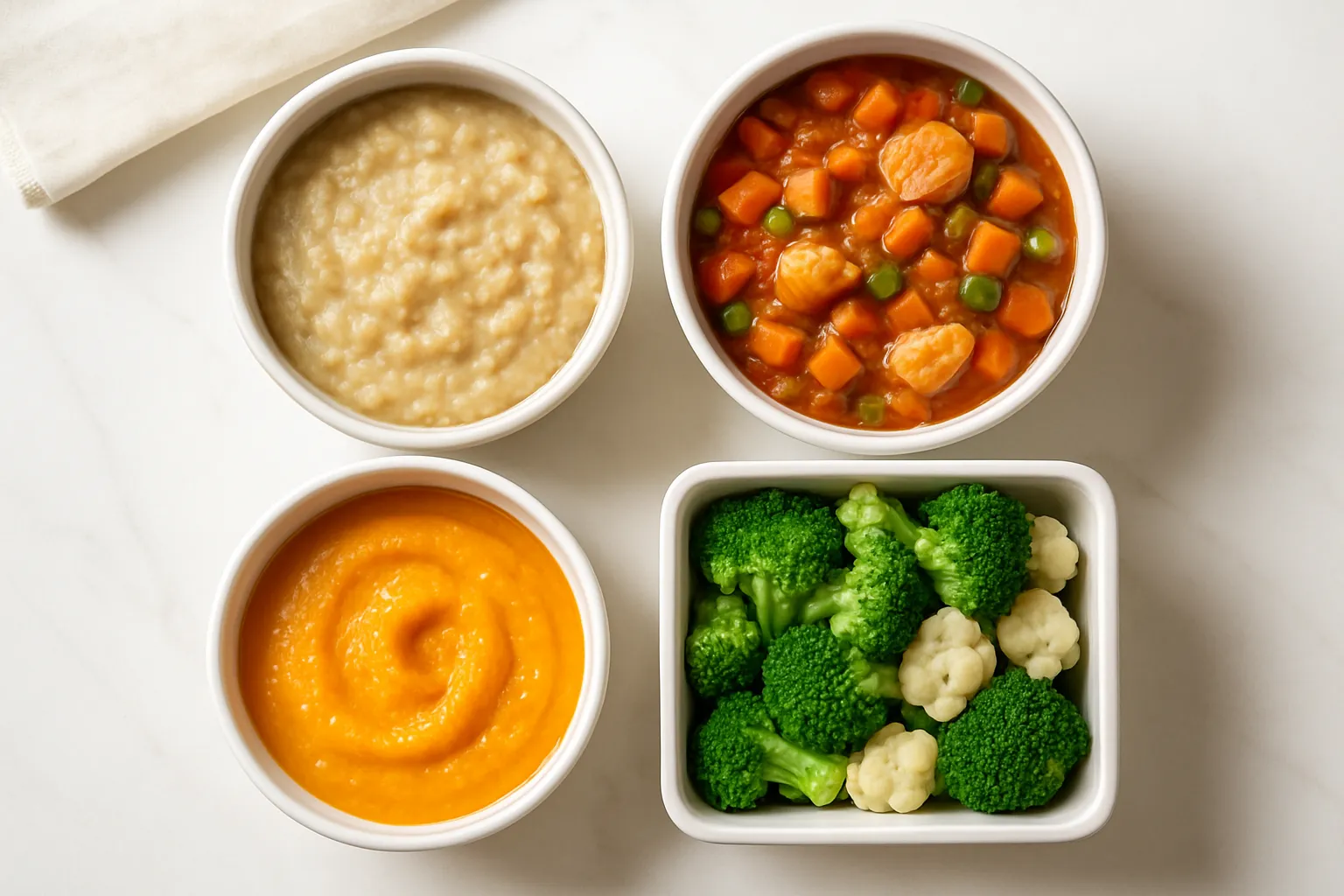
Sneaky veggie ice cubes are one of those lifesaving tricks when you’ve roasted a tray of veg or have a bag of spinach wilting in the fridge. Here’s how to make, store and use them so they actually get eaten.
What to use
- Best veg: pumpkin, sweet potato, carrot, peas, corn, broccoli, cauliflower, spinach, zucchini, beetroot.
- Avoid watery raw salad veg. Tomatoes are fine when cooked. Beans and lentils can work but mash them first.
How to prep
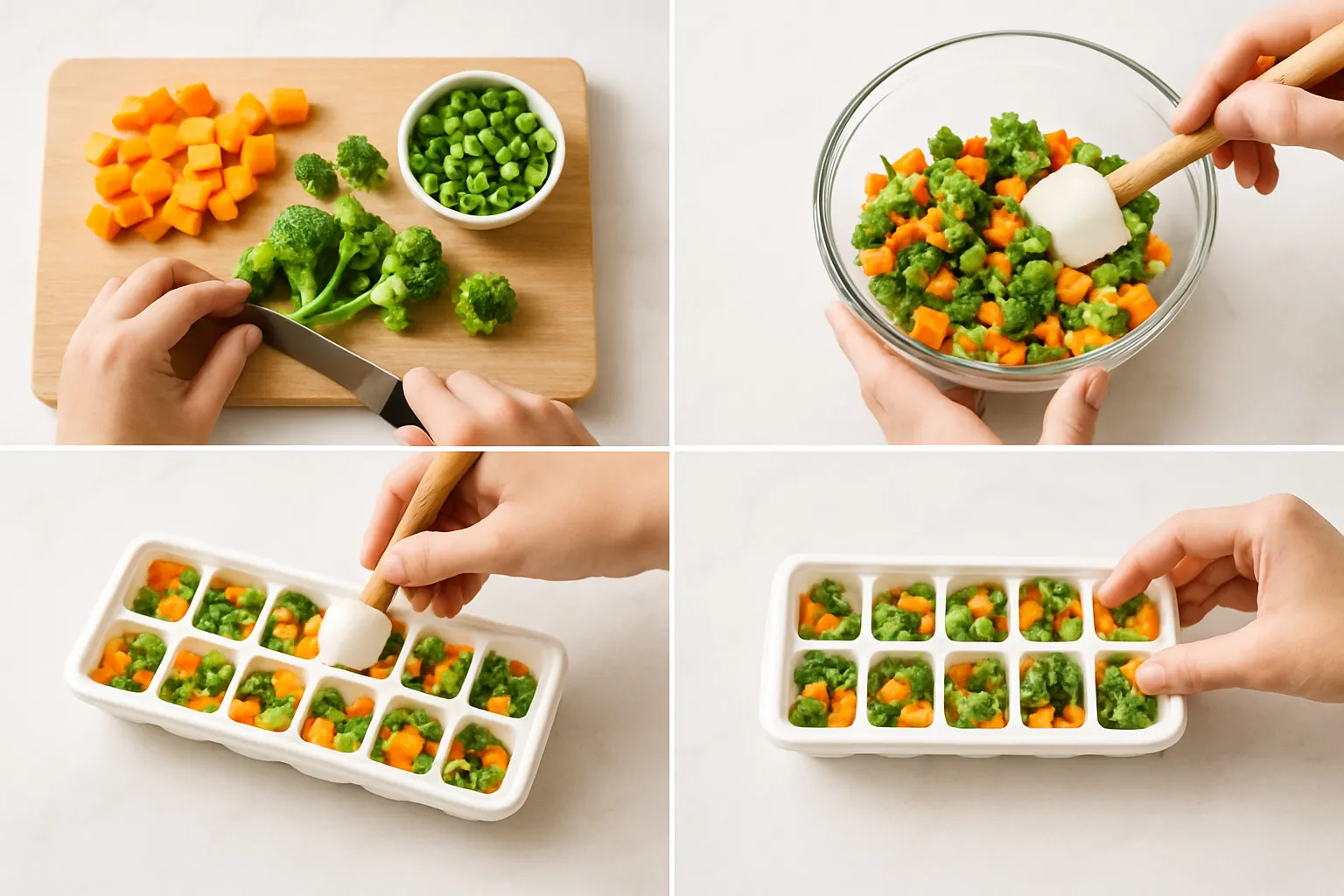
- Cook first. Steam, roast or boil until properly soft. For greens, blanch then plunge into cold water to keep colour.
- Puree or mash. Add a little water, unsalted veg stock, breastmilk, formula or full-fat milk/yogurt if you want creamier cubes. A teaspoon of olive oil or butter helps calories and mouthfeel.
- No salt, no honey, no added sugar.
Freezing method
- Spoon into ice cube trays or silicone moulds. Standard tray cubes are about 15 ml, which usually works nicely for toddlers.
- Freeze solid, then pop cubes out and store flat in labeled freezer bags or airtight containers. Flatten the bag to save space.
- Alternative: spread puree thinly on a lined baking tray, freeze, then break into chunks and bag. This helps with single-portion use.
Label and date
- Write the veggie and date on the bag. Use within three months for best flavour and texture.
Thawing and reheating
- Thaw overnight in the fridge or microwave on defrost briefly, then reheat until steaming and cool to a safe temperature.
- You can also drop frozen cubes straight into a simmering pot of pasta sauce, soup or mash and stir through until melted.
- Never refreeze once thawed.
Portion ideas
- 1 cube (≈15 ml): flavour booster for scrambled egg, porridge or yoghurt.
- 2-3 cubes: add to a single toddler serving of pasta sauce, rice, mashed potato or puree.
- 4-6 cubes: bulk up a family-sized soup or bolognese.
Quick use ideas
- Stir carrot-sweet potato cubes into cottage pie mash.
- Blend spinach-pea cubes into smoothies or ricotta pancakes.
- Add broccoli-cheese cubes to macaroni while it’s finishing on the stove.
- Mix beetroot cubes into apple purée or yoghurt for a fun colour twist.
- Melt a couple of corn-cornflake cubes into baby porridge for texture and sweetness.
Combo suggestions
- Carrot + pumpkin + a pinch of dried thyme.
- Pea + mint + a little lemon zest (for older toddlers).
- Spinach + apple + mild cheese.
- Sweet potato + apple + cinnamon for breakfast options.
Extra tips
- Silicone trays make popping cubes easy. If using plastic, let puree cool first.
- Freeze single-veg cubes and also mixed-flavour batches so you’ve got options.
- If you want to add protein, mix in a little cooked mashed chicken, lentils or cottage cheese before freezing.
These cubes are a small effort that pay off on rushed mornings and tired nights. They blend into whatever you’re serving so veg becomes a background hero rather than a battleground.
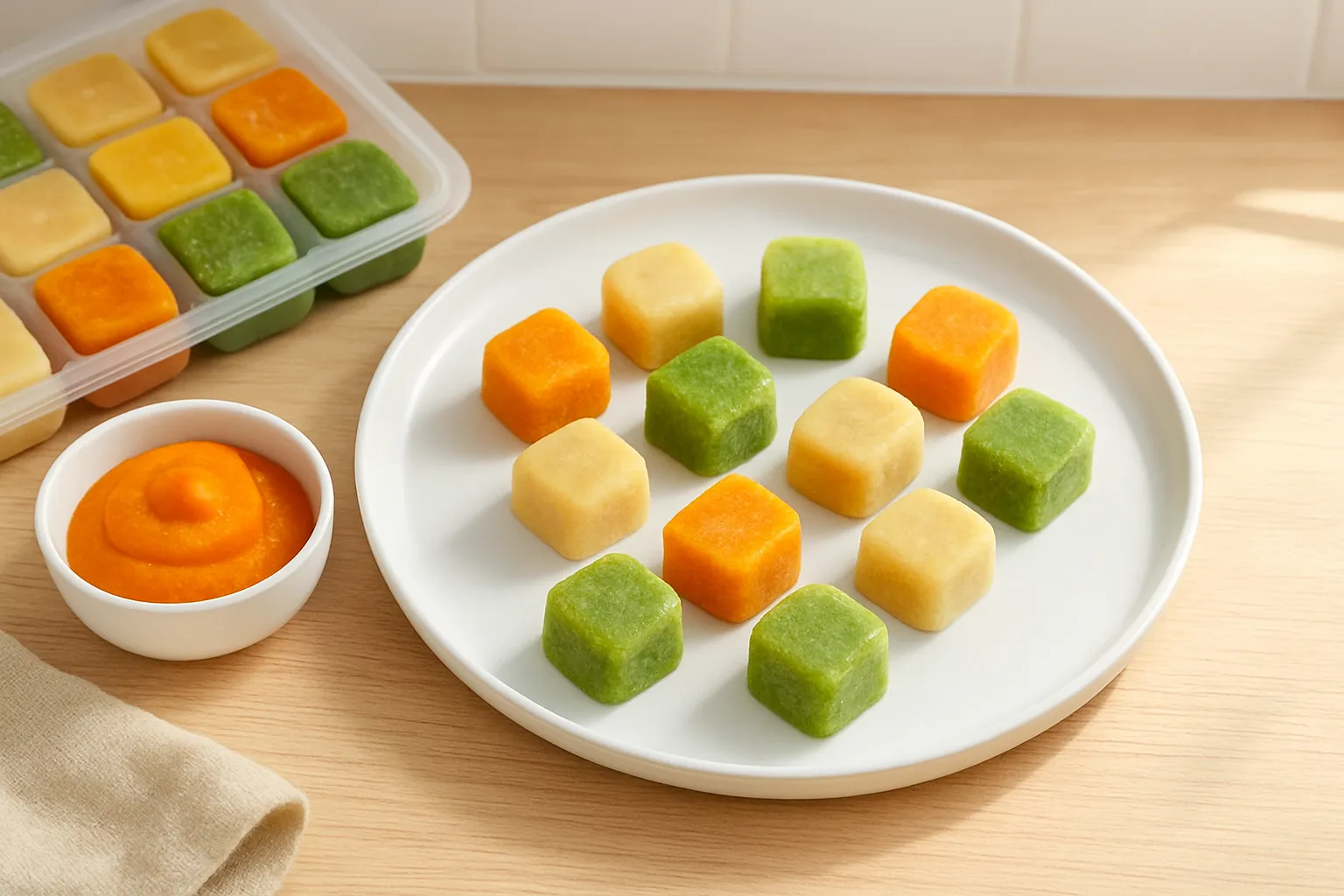
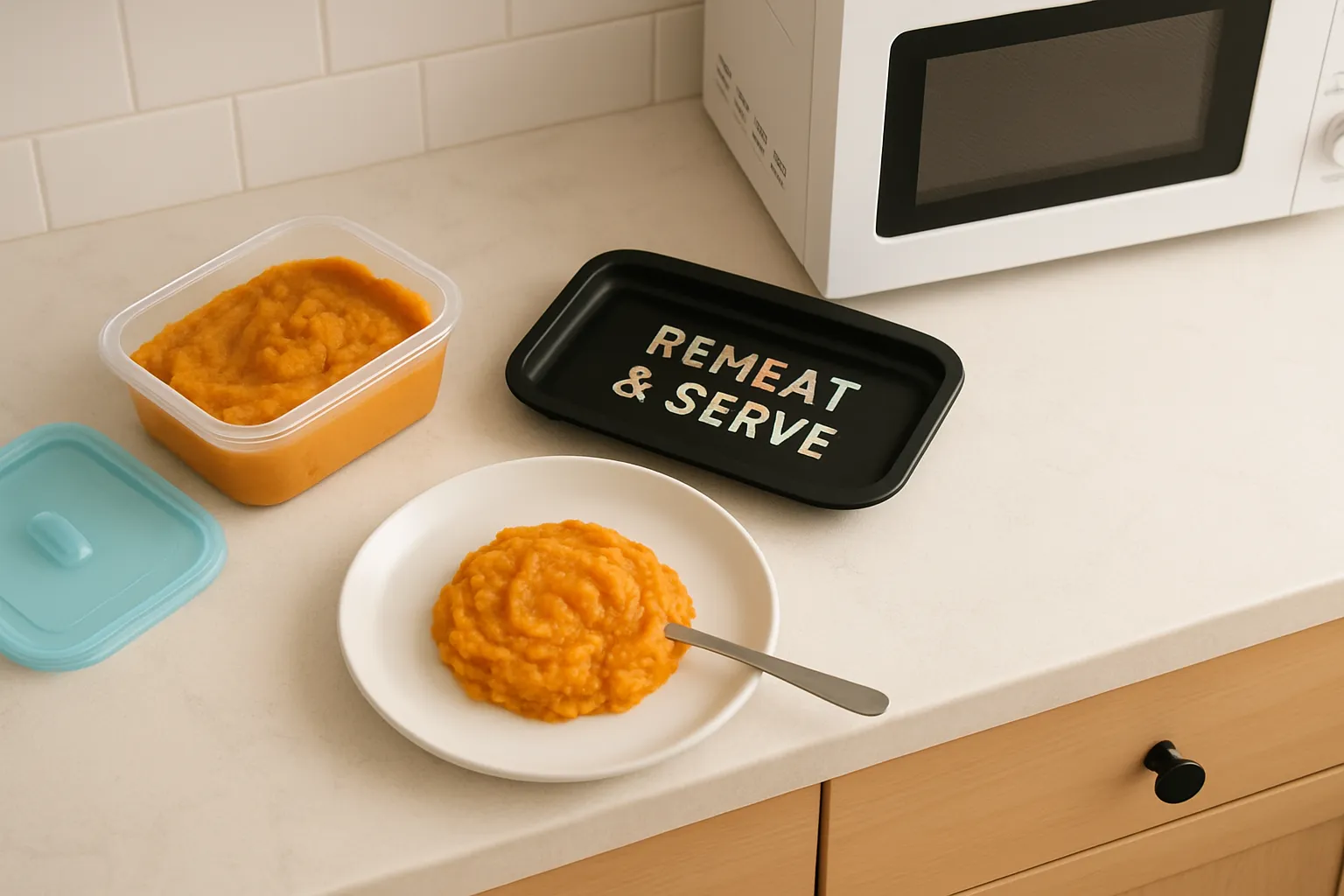
By dinner time you want something quick, warm and not stress-inducing. Here’s a simple nightly routine I use so reheating becomes almost invisible.
-
Pull from fridge or thaw if needed: If you moved frozen portions to the fridge earlier in the day they’ll be ready to reheat; otherwise pop single-serving frozen cubes or muffins on the bench for 10 to 20 minutes while you do other bits. For purees or sauces, fridge-thaw overnight whenever you can.
-
Microwave for speed: Put a single toddler portion in a microwave-safe bowl, cover loosely, heat in short bursts. Start with 20 to 30 seconds, stir well, then 10 to 15 second bursts until spot-on. Always stir to even out hot spots and test on the inside of your wrist or with a spoon before serving.
-
Stovetop for gentle heating: For soups, pasta sauces or chunky meals, warm on low in a small saucepan with a splash of water, milk or stock. Stir often so it heats through without sticking. This keeps texture better than blasting in the microwave.
-
Bain-marie for delicate stuff: If you’re reheating purees, runny porridge or mashed veg, sit the jar or bowl in a pan of simmering water and stir until warm. Slow and steady keeps nutrients and texture.
-
Muffins and baked goods: To crisp up a freezer muffin, microwave for 20 to 30 seconds if you’re rushed, or warm in the oven or toaster oven at about 160 to 170C for 8 to 10 minutes to get the outside slightly crisp again.
-
Rescue tricks for timing problems: Short on time? Drop frozen veggie cubes into simmering pasta sauce or stirred into scrambled eggs. Defrost a puree cube in a bowl of hot water for 5 to 10 minutes while you finish the rest of the meal.
-
Serving smart: Thin purees with a little breastmilk, formula, water or stock so they’re the right texture. Add a tiny knob of butter, a sprinkle of grated cheese or a mashed avocado scoop to warm dishes for extra calories and flavour that toddlers love.
-
Safety checklist: Only reheat what you will serve. Do not reheat leftovers more than once. Any reheated food that isn’t eaten should be discarded. Cool and store any unused cooked food in the fridge within two hours.
-
Label and rotate: Keep a simple system on the freezer door so you know which nights are already planned. A little sticky note with dates saves panic on busy evenings.
Keep it relaxed. A few small rituals - pulling one portion out in the morning, reheating in short bursts, and testing the temp - turns nightly meals into something quick and stress-free.
Browse Cuisines
From the Blog
First up, a few no-fuss spring winners that keep sticky fingers and big clean-ups to a minimum. Quick to prep and easy for little hands to manage, these are the sorts of things I reach for when we want something...
Nice - here’s how Steve keeps dinner simple without sacrificing flavour or sanity. A few good habits and the right packing tricks mean you can pull a proper family meal out of the freezer in minutes.
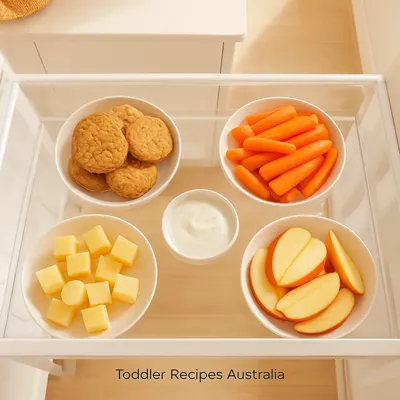
Righto, a couple of quick fridge fixes will make everything a whole lot easier. These are the simple, practical habits and setups that keep snacks safe, obvious and actually reachable for little hands.


 Never miss a recipe from us, subscribe to our newsletter