
How to encourage toddlers to keep food on the table and reduce meal-time tantrums
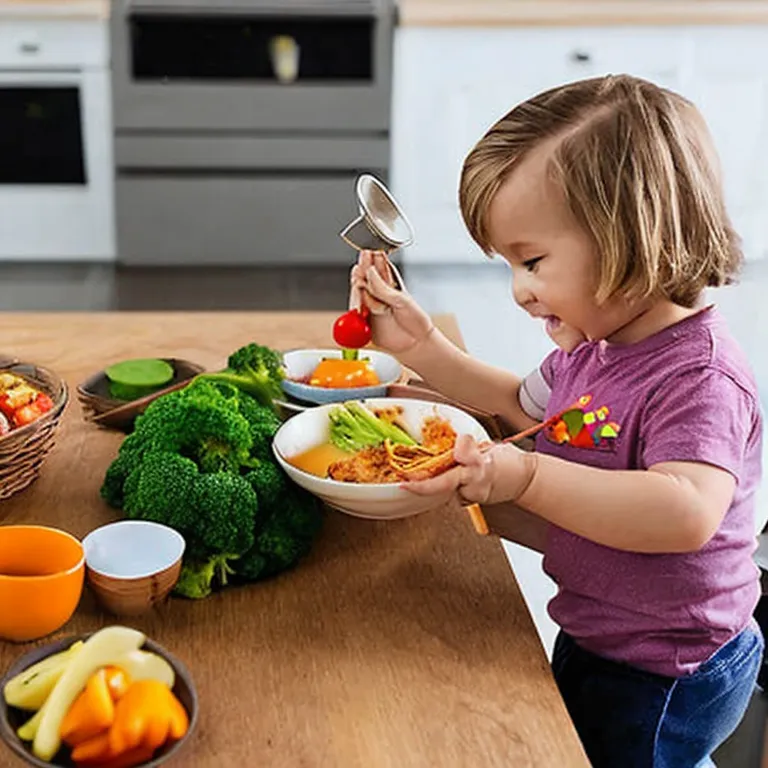
Olivia keeps things simple: a few short, repeatable kitchen routines that let kids know what comes next and take the guessing out of dinner. Below are the practical bits she swears by.
-
Set-up the night before. Lay out plates, toddler cutlery, bibs and a water cup in the same spot on the bench. It saves scrambling, and seeing the same set-up cues little ones that mealtime is coming.
-
Same seat, same placemat. Kids sit in the same chair and see the same placemat every meal. It sounds small, but predictability calms them and cuts down on wriggling around.
-
A 3-step handwash ritual. Olivia gets hands washed, dries them, then gives a tiny cheer or a sticker before sitting down. Keep it short and silly so it becomes part of the fun, not a battle.
-
Offer two choices, not open-ended options. “Would you like carrot sticks or peas?” gives control without overwhelming. Let them point or pick, and thank them for choosing.
-
Start with tiny portions. Put a couple of spoonfuls on their plate and offer seconds. Small servings mean less waste and it’s easier for them to accept finishing their plate when it’s manageable.
-
Two-minute start routine. A quick welcome line, a sip of water, then digging in. The same words each night help switch everyone into mealtime mode. Example: “We wash hands, sit down, one big breath, then eat.”
-
Involve them with a small job. While the adult finishes plating, kids can place napkins, hand over a spoon or press a cup into position. It builds ownership and keeps hands busy for the first tricky minutes.
-
Quiet, predictable end ritual. A simple “plates to the sink” song or one shared task - like wiping crumbs - lets kids know mealtime has an ending and sets the expectation for clearing up.
-
When things blow up, stick to the routine. If a tantrum starts, calmly remove the child from the table for a brief timeout or cuddle, then bring them back when calm. Keeping the same sequence night after night teaches boundaries without drama.
-
Keep snacks timed. Aim for small, predictable gaps between snacks and dinner so hunger lines up with the meal. Olivia tends to leave a good hour or two between afternoon snack and dinner to avoid meltdowns.
Small, repeatable routines are the secret sauce. They cut down surprises, give kids agency, and let the whole family breathe a bit at the table.
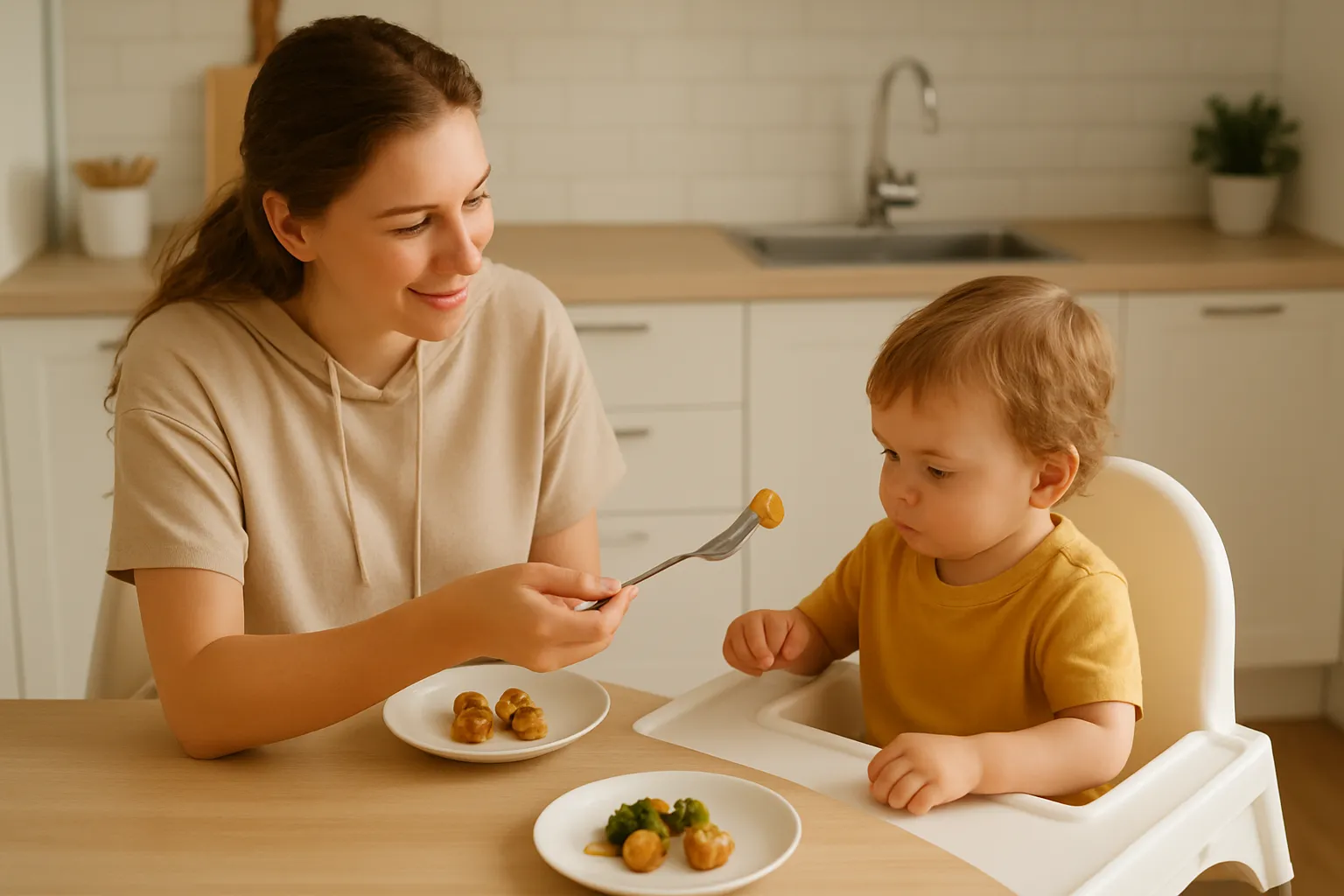
Get them into the kitchen as part of the process, not a spectator. Even tiny jobs give kids ownership and curiosity, and that makes them far more likely to try what’s on their plate.
Practical jobs by age
- 12-18 months: hand you washed veggies, push a button on the food processor (under strict supervision), stir with a sturdy spoon in a bowl, place napkins on the table. Keep tasks under a minute.
- 18-24 months: rinse fruit in a colander, tear lettuce, drop pre-cut veggies into a bowl, sprinkle cheese or seeds, help fold a tortilla.
- 2-3 years: pour dry ingredients into a measuring cup, mash banana or potato with a fork, press cookie cutters into dough, help assemble wraps or mini pizzas.
- 3-4 years: measure and pour wet ingredients, peel a soft-boiled egg, use a child-safe knife to chop soft fruit, crack an egg with your hand nearby.
Tools and set-up
- Invest in a cheap step stool that sits flush to the bench so they can reach safely. A non-slip mat helps.
- Use child-friendly tools: silicone spatulas, kid-safe knives, small jugs for pouring and unbreakable bowls.
- Keep hot or sharp items on the far side of the bench and turn pot handles away. One adult manages the hot stuff while the child does the safe parts.
Make it a role, not a chore
- Give them a title for the evening: chief stirrer, garnish boss, taste tester. Rotate roles so it stays fun.
- Offer two simple choices so they feel in control: “Do you want carrot sticks or cucumber on your plate?” Simple choices avoid power struggles.
Games and rituals to keep it fun
- Play “colour detective” and ask them to find something red for the salad.
- Do a quick one-minute timer challenge for a tidy-up race.
- Have a three-sip, three-bite “chef check” where they sample something and talk about how it smells, looks or feels.
Praise and expectations
- Praise effort, not just results: “You did a great job stirring” works better than “Good eating”.
- Keep expectations small. If they ruin a dish, say thanks for helping and make a safe adult version. The point is involvement, not perfection.
Clean-up is part of the job
- Give them a damp cloth for the table, a small bin for scraps, or a job wiping the bench. Teaching clean-up reinforces responsibility and shortens transitions to the table.
- Use a washable mat or tray under the work area for big mess jobs. Big messes can happen; plan for them so you don’t lose patience.
Managing time and moods
- Start the child’s job well before mealtime so the final steps aren’t rushed. Toddlers want to keep going and hate being cut off mid-task.
- If they refuse to help one night, don’t force it. Offer a simpler role next time and try again. Consistency beats pressure.
Keep safety front and centre, celebrate small wins, and treat meal prep like play. When kids feel useful, mealtime becomes less about negotiation and more about sharing what you made together.
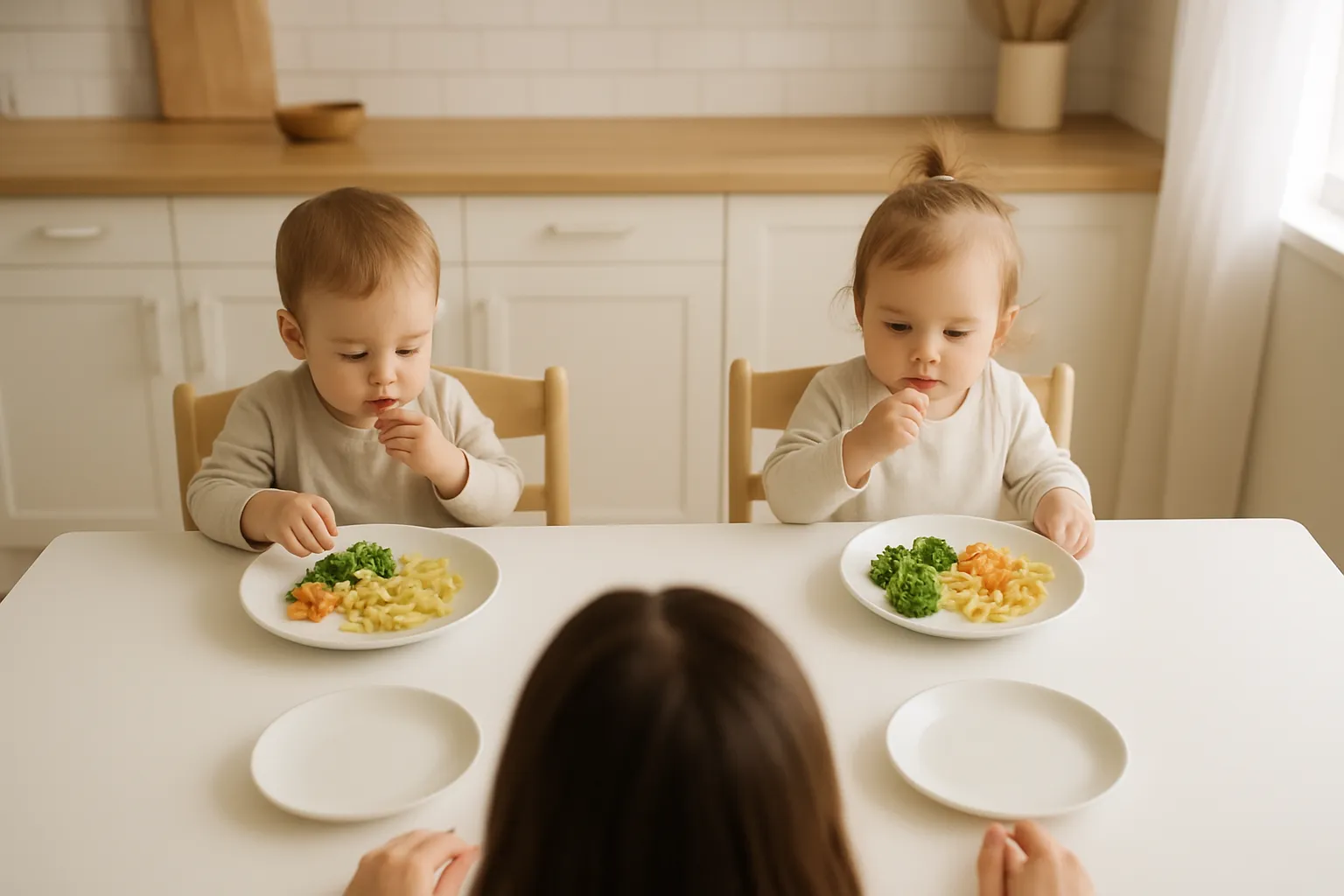
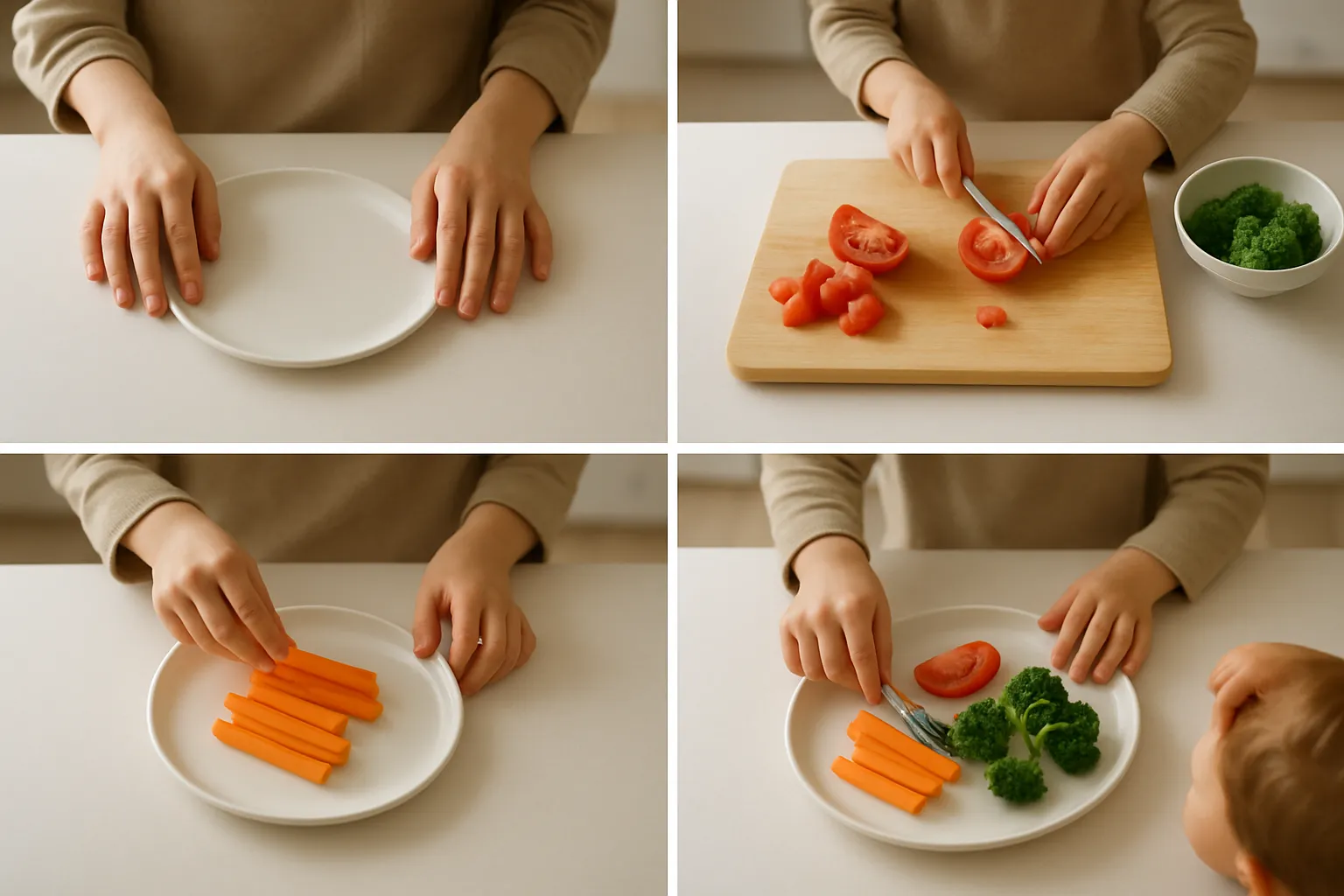
Start small with jobs that actually fit their attention span and motor skills. Here are practical, age-friendly tasks you can put them on with minimal fuss and maximum pride.
Simple jobs for 12-18 months
- Hand you washed fruit or a bowl of grated cheese. Little hands love passing things.
- Drop pre-cut veg into a salad bowl or the compost bin.
- Stir yoghurts, dips or pancake batter in a heavy bowl so it doesn’t move.
- Tear lettuce or soft herbs into a bowl.
- Wipe crumbs with a damp cloth or give the table a quick sweep with a small brush.
Great tasks for 18-24 months
- Press buttons on a small food processor or toaster under supervision.
- Pour from a tiny jug (play pouring jugs are brilliant) into a bowl for dry ingredients like oats.
- Sprinkle cheese or seeds over food.
- Brush melted butter or sauce on bread with a silicone brush.
- Help load washed fruit into a colander.
Jobs for 2-3 years
- Spread toppings on mini pizzas or sandwiches.
- Arrange fruit or veg on a plate for a “snack face” or bento-style lunch.
- Snap green beans, peel mandarins, or help cut soft foods with a toddler-safe knife.
- Measure dry ingredients into a bowl with your help.
- Assemble simple wraps or kebabs with larger, soft pieces on blunt skewers under supervision.
Tools and setup that make it work
- A stable step stool or low table so they can reach without you leaning over.
- Child-sized utensils and blunt knives, plus small bowls so they feel in control.
- A mat under the work area for easy cleanup.
- Prepped ingredients in little bowls so they can choose and transfer without waiting.
- A dedicated “helping” apron or T-shirt so they know it’s hands-on time.
How to keep it calm and successful
- Demonstrate once, then hand over. Toddlers copy much more than they listen to instructions.
- Offer two clear choices, for example “Do you want cucumber or carrot?” That gives control and limits overwhelm.
- Keep jobs to a couple of minutes. Short, satisfying tasks beat long ones every time.
- Praise effort and the process, not the result. “Look how you sprinkled that cheese” goes further than focusing on a messy edge.
- Expect mess and plan for it. Wet wipes, a towel, and a quick hand wash station will save your sanity.
- Rotate jobs so it feels new and fun, not repetitive.
Include tidy-up tasks too
- Putting scraps in the compost, stacking measuring cups, wiping the table, or handing utensils to you. Small cleanup jobs reinforce responsibility and give a sense of completion.
If something becomes frustrating, swap to a simpler job and try again later. Little helpers build confidence with every tiny task, and that confidence will make mealtimes a whole lot easier.
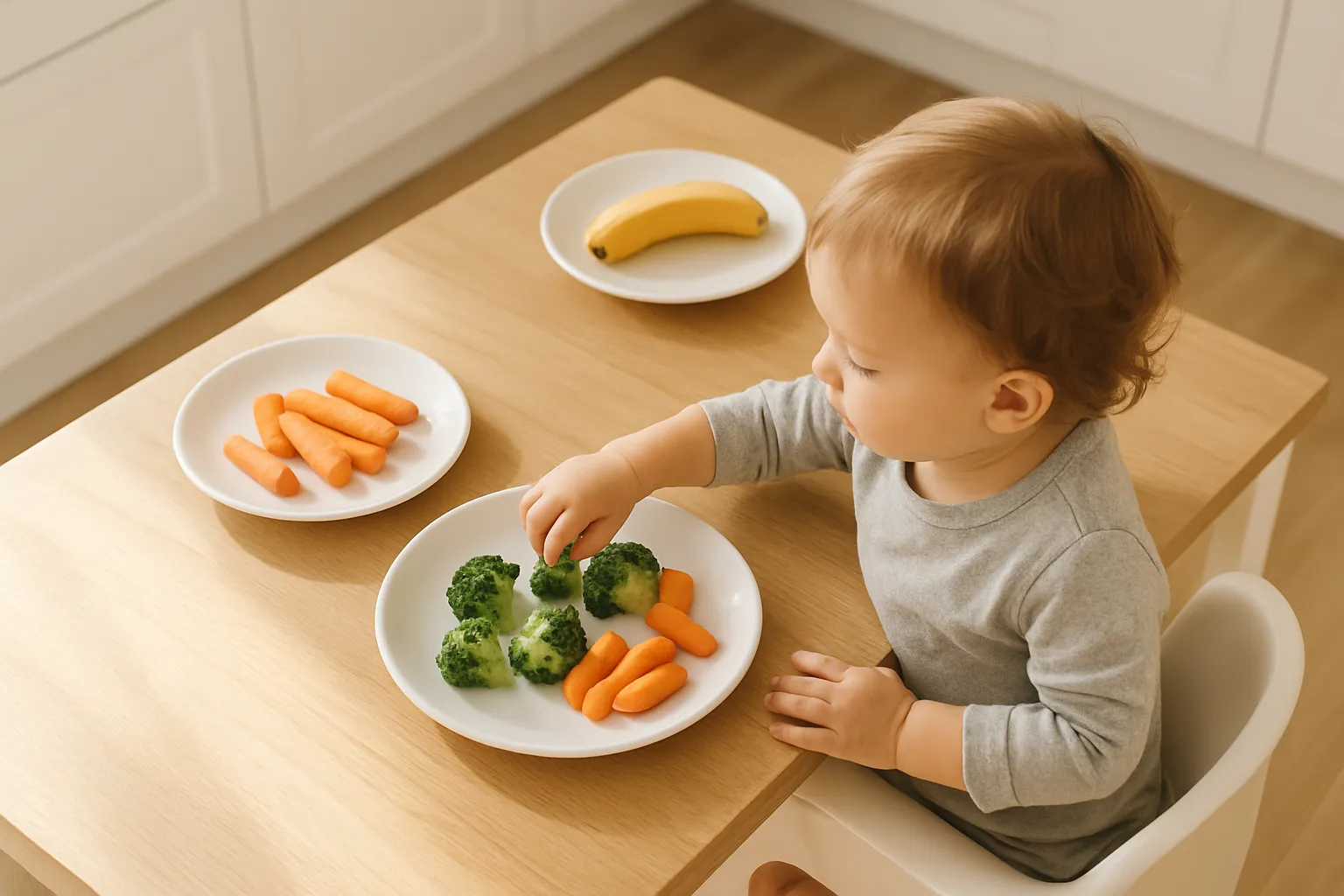
If your little one has a handful of reliable favourites, use them as the gateway to meals that are still comforting but a bit more balanced or interesting. The trick is to keep something very familiar and change only one thing at a time.
Practical ideas you can try tomorrow night
-
Mac and cheese remix: Stir pureed pumpkin, grated carrot or mashed sweet potato into the cheese sauce. Same creamy texture, extra veg. Or swap half the pasta for small shaped gnocchi for a fun twist.
-
Pizza but different: Use a piece of pita, english muffin or flatbread so it feels familiar. Keep the cheese and tomato base they like, then let them choose one new topping to try. Try finely chopped spinach tucked under the cheese so it looks like part of the topping.
-
Nugget upgrades: Thread chicken nuggets and steamed veg onto mini skewers or kebabs. Serve with a tiny pot of their usual sauce for dipping. The novelty sells the veg.
-
Taco night simplified: Offer soft tortillas with plain mince or shredded chicken, cheese and salsa. Add a small bowl of diced avocado or corn and encourage them to build their own. Keep sauces on the side so flavours stay familiar.
-
Pasta bakes with hidden veg: Make a simple bolognese and blitz a carrot, zucchini or mushrooms into the sauce before combining with pasta and cheese. Freeze single portions for busy nights.
-
Mini frittatas or muffin tin dinners: Whisk egg with grated veg and a little cheese, bake in muffin tins. Perfect for little hands and great for lunchboxes.
-
Sandwich swaps: Keep the same spread or filling but change the bread shape using cookie cutters, or toast it for a different mouthfeel. Sometimes texture is the barrier more than flavour.
-
Meatball tricks: Mix grated veg into meatballs and serve with their favourite dip or pasta. Try rolling meatballs in cheese crumbs before baking for extra familiarity.
Easy habits to keep growth steady
-
One new thing rule: Let them keep their favourite plus one new element. Too many changes at once is a fast turn-off.
-
Keep the sauce constant: If they love a particular sauce, use it across meals. Same sauce, new vehicle often works wonders.
-
Involve them: After some of the prep jobs from earlier, have them choose one topping or garnish. Ownership helps, even if the change is small.
-
Batch and freeze: Make big trays of blended veg sauce, meatballs or mini frittatas and freeze in meal-sized portions. You can remix leftovers into entirely new dishes.
If they refuse, don’t battle. Put the new item on their plate without drama and try again later. Small steps, same flavours and a bit of creativity will get more food staying on the table.
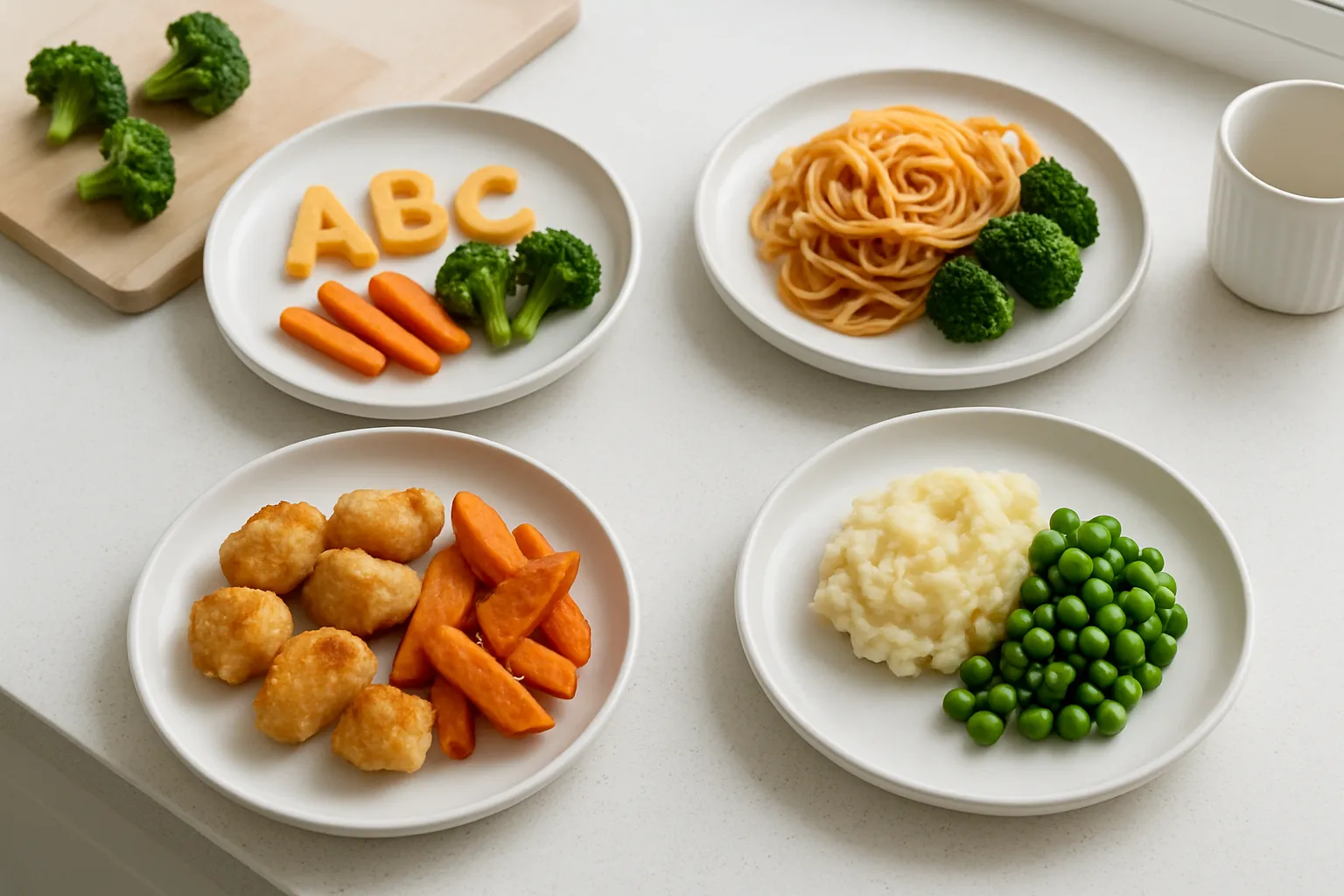
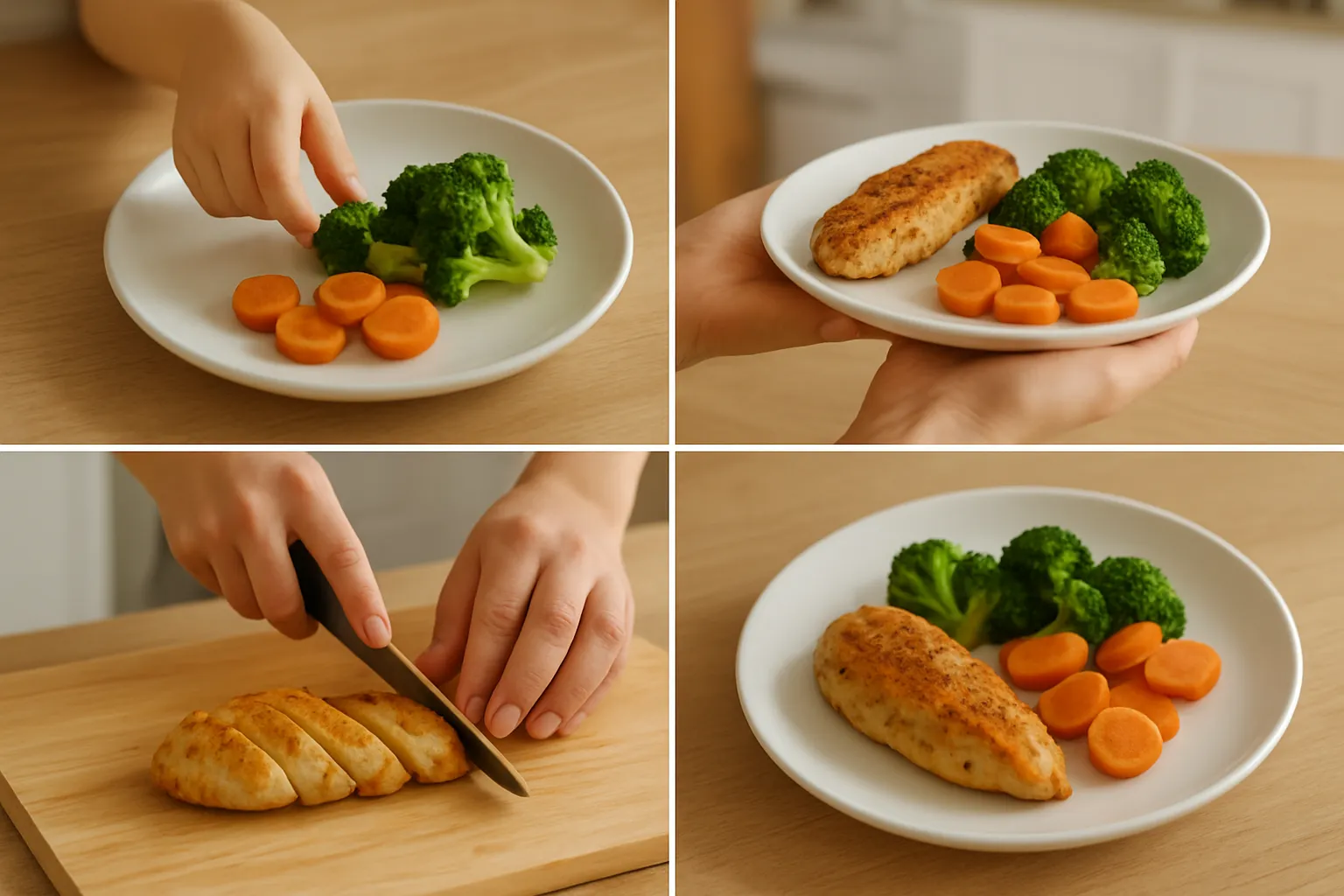
Timing can make or break a meal, and rituals give kids the gentle structure they crave. Here are simple, practical ways to get both working for you.
Timing
- Aim for a predictable rhythm. Toddlers do best with meals and snacks about every 2.5 to 3 hours. Try a rough pattern like breakfast, morning snack, lunch, afternoon snack, dinner. Predictability reduces meltdown fuel.
- Watch for hunger and tiredness cues. If a toddler is grizzly, hungry or overtired, start the wind-down to the meal sooner. Shorter windows between snack and dinner help when naps shift.
- Avoid serving a big dinner right before bed. If dinner is late, keep it small and soothing so bedtime stays calm.
- Offer small portions and top-ups. A tiny plate is less overwhelming and you can always add more. That way hunger doesn’t explode into tantrums.
- Use a tiny snack if dinner is a long time coming. A nibble of fruit or yoghurt can stop hunger tantrums without ruining appetite.
Rituals that actually work
- Keep a simple before-meal routine: wash hands, set a placemat, sing a short song or count to three together. Repetition makes the transition smoother.
- Make the table predictable. Same place, same cup, same spoon can feel like security for a small person.
- Give a 10-minute and 2-minute warning before sitting down. Sing a tidy-up song for toys so they know meal time is next.
- Use a visual routine chart or a small sand timer for fiddly toddlers. Seeing time pass helps them understand what’s coming.
- Involve them in a tiny ceremony: one spoon on the plate, a napkin fold, or passing the bowl. Rituals build ownership and reduce resistance.
Managing tantrums with calm and consistency
- Set clear, simple rules ahead of time: no throwing food, one bite rule if that’s your thing, and no snacks if they refuse dinner. Say the rule calmly and stick to it.
- Stay calm and low-energy during meltdowns. Move in close, kneel down, keep your voice steady and short. High emotion fuels the tantrum.
- Offer choices, not threats. “Do you want carrots or peas?” gives them control without derailing the meal.
- If they throw food or act out, remove the item calmly and follow through. Short, consistent consequences teach faster than long lectures.
- Pick your battles. Some nights you’ll insist on the rule, other nights you’ll let a small win slide. Consistency matters most over time, not perfection every meal.
Patience and small expectations
- Change takes time. Aim for small wins: one calmer meal a week becomes two, then most nights.
- Praise specifically and lightly. “I loved how you tried the broccoli” is better than generic praise. It reinforces the behaviour without making a huge fuss.
- Keep a running list of what works: the song that calms, the plate they love, the snack that prevents meltdowns. Repeat the winners.
- If things go pear-shaped, reset gently and try again next time. Toddlers test boundaries because they are learning. Your steady response teaches them the safe limits.
A bit of routine, a dash of predictability and a whole lot of calm will shift the mood at your table. Small changes stacked over a few weeks will get you more meals with food staying on the table and fewer meltdowns.

Browse Cuisines
From the Blog
First up, a few no-fuss spring winners that keep sticky fingers and big clean-ups to a minimum. Quick to prep and easy for little hands to manage, these are the sorts of things I reach for when we want something...
Nice - here’s how Steve keeps dinner simple without sacrificing flavour or sanity. A few good habits and the right packing tricks mean you can pull a proper family meal out of the freezer in minutes.
Righto, a couple of quick fridge fixes will make everything a whole lot easier. These are the simple, practical habits and setups that keep snacks safe, obvious and actually reachable for little hands.


 Never miss a recipe from us, subscribe to our newsletter