
Understanding toddler appetite cues
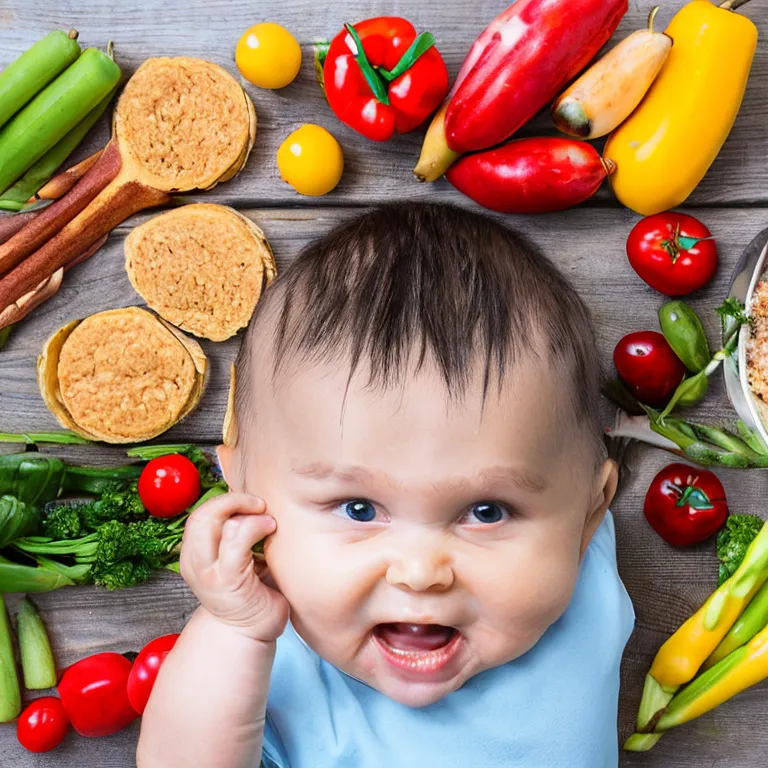
Building on the practical tips you’ve just read, here’s a simple, modern take on spotting mealtime cues: use a little tech as a nudge, then trust what you see.
Quick wins to try this week
- Two-week log, simple as text or photos: jot the time, what they ate or refused, activity before the meal and any clear signals (reaching, pointing, pushing the plate away). You’ll start to spot patterns fast.
- Use alarms, not screens at the table: set gentle reminders for meals and a “no-snack” window before dinner so grazing doesn’t kill appetite. Keep phones out of the highchair though.
- Photo portions: snap a pic of the plate before and after. It’s an easy visual record rather than guessing how much they really ate.
- Match play to portion size: if your tracker shows big activity after the park, plan a heartier meal. Low-energy days? Offer smaller serves and keep extra options in reserve.
- Snack timers: set a 45 to 60 minute gap between small snacks and the next meal. A short countdown helps the whole family stick to a rhythm.
- Note sleep and teething: poor nap or sore gums will change appetite. Mark those days in your log so you don’t keep trying the same solve over and over.
- Teach little signals: pair a simple word or sign with hunger and fullness - “hungry”, “all done” - and record when they use it. Tech helps track progress but the kid’s own cues matter most.
- Don’t over-automate: apps and trackers are great for trends, not every meal decision. If they’re off-colour or clingy, stop following the routine and follow the child.
How to get started Pick one tool - a notes app, a photo folder or a simple timer - and use it for two weeks. At the end of week two, look for three things: consistent hungry windows, how activity changes appetite, and any days where sleep or sickness made a difference. Use that to tweak meal sizes and timing, then relax into it. A little tech can make the everyday stuff less puzzling without taking over.
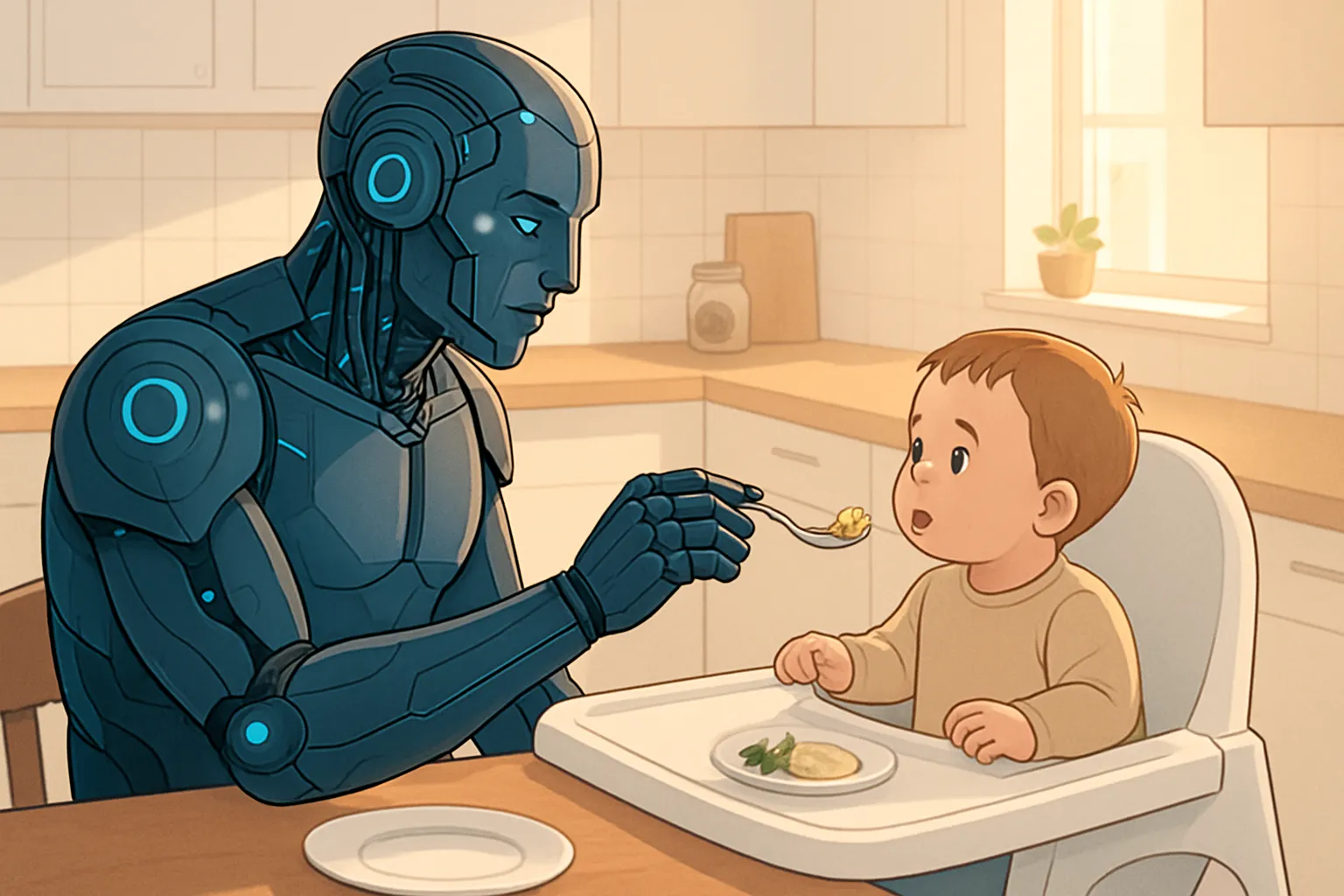
Start by watching behaviour, not the clock. Toddlers tell you when they need food if you know which signals to read.
Signs they’re getting hungry
- Reaching or pointing at food or plates. They might tug your sleeve toward the table.
- Focused attention on food. Toys get ignored and their eyes lock onto whatever you’re eating.
- Mouth movements. Lip licking, sucking fingers, chewing on non-food objects.
- Increased fussiness that calms quickly once they start eating. This is different to tired grizzle that keeps going.
- Asking for food, even in little phrases or single words. A repeated “eat” or “more” is a pretty clear clue.
- Higher energy after naps or play. A big, boofy run around the park often equals a bigger appetite.
How to tell hunger from other feelings
- Offer a small drink first. Thirst can look like hunger. If they drink and settle, they might not really be hungry.
- Try a tiny snack test. Give one cracker or a couple of veggie sticks. If they munch away eagerly, hunger was real. If they push it away, it was probably boredom or tiredness.
- Check for tired signs. Rubbing eyes, yawning, losing interest in food quickly usually means sleepiness, not hunger.
- Observe the pattern. If they normally ask for food two hours after a meal, that timing repeating is reliable.
Reading fullness cues
- Slower eating or stopping mid-bite. They might fiddle with food or play with utensils.
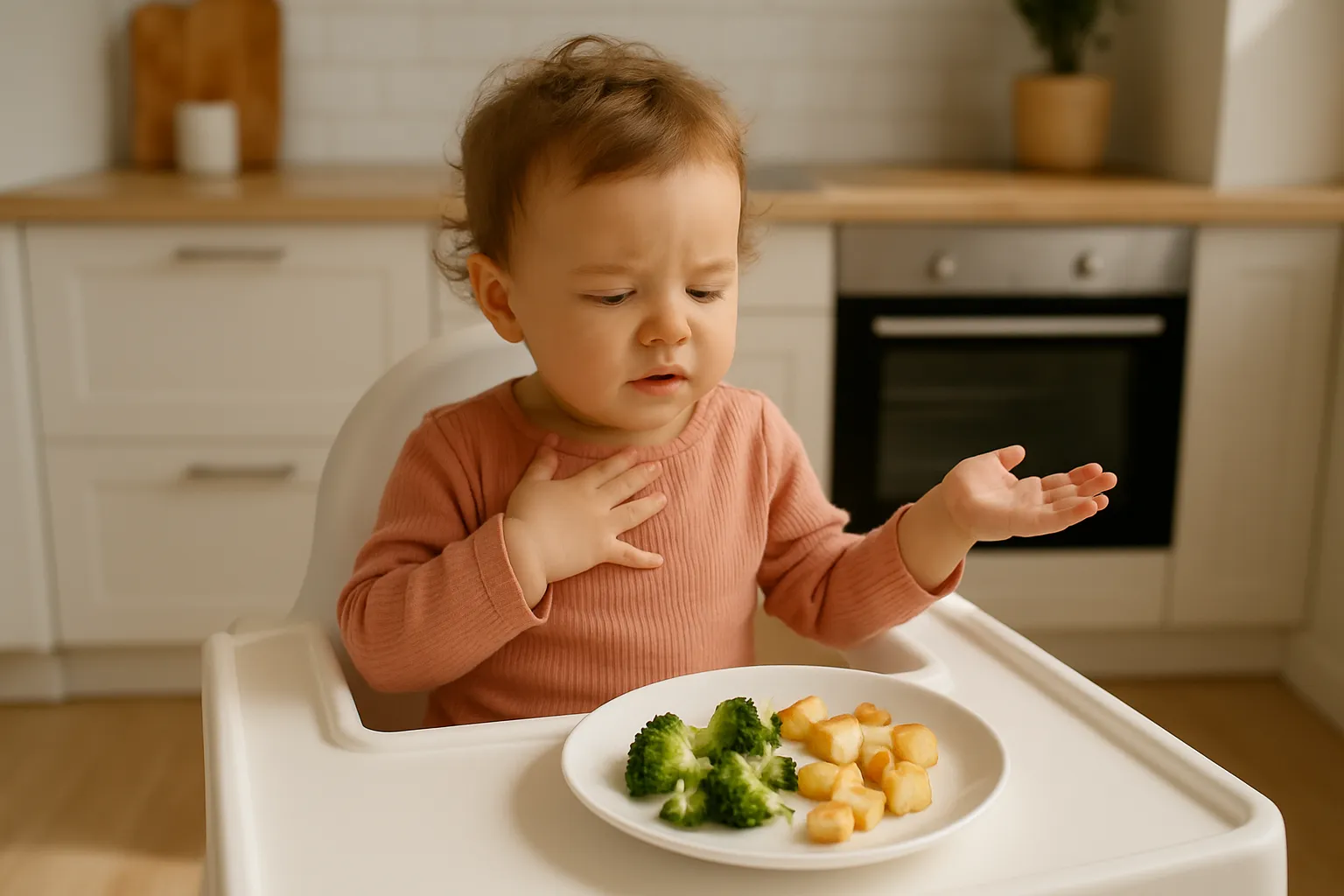
- Turning their head or pushing the spoon away. That is one of the clearest “I’m done” signals.
- Walking away from the table or getting distracted by other things.
- Saying “all done” or showing body language that closes off. Respect those signs. Forcing more often creates meal battles.
Simple strategies to work with cues
- Serve small portions and offer seconds. It’s less wasteful and gives them control over how much they eat.
- Keep meals and snacks about 2 to 3 hours apart. Shorter gaps can lead to grazing and unclear hunger signals.
- If they refuse a meal but show hunger later, offer something small rather than a full alternative right away. That teaches them to trust their appetite.
- Use a calm, pressure-free mealtime. Praise trying new things, but don’t bribe or cajole with dessert. That mixes signals.
- Note growth-spurt phases. Appetite often spikes for several days then drops back. Roll with it.
When to be curious, not worried
- Big changes in appetite that last a week or more.
- Eating dramatically less and losing weight.
- Pain, teething, or illness that could be affecting eating. If any of those happen, check in with your health professional.
A quick checklist to try next time
- Drink first, snack test second.
- Offer a small serve, then seconds.
- Watch for head turns and slower chewing.
- Keep mealtime calm and consistent.
Reading these signals takes a bit of practice, but once you tune in you’ll find mealtimes become less of a guessing game and more relaxed for everyone.
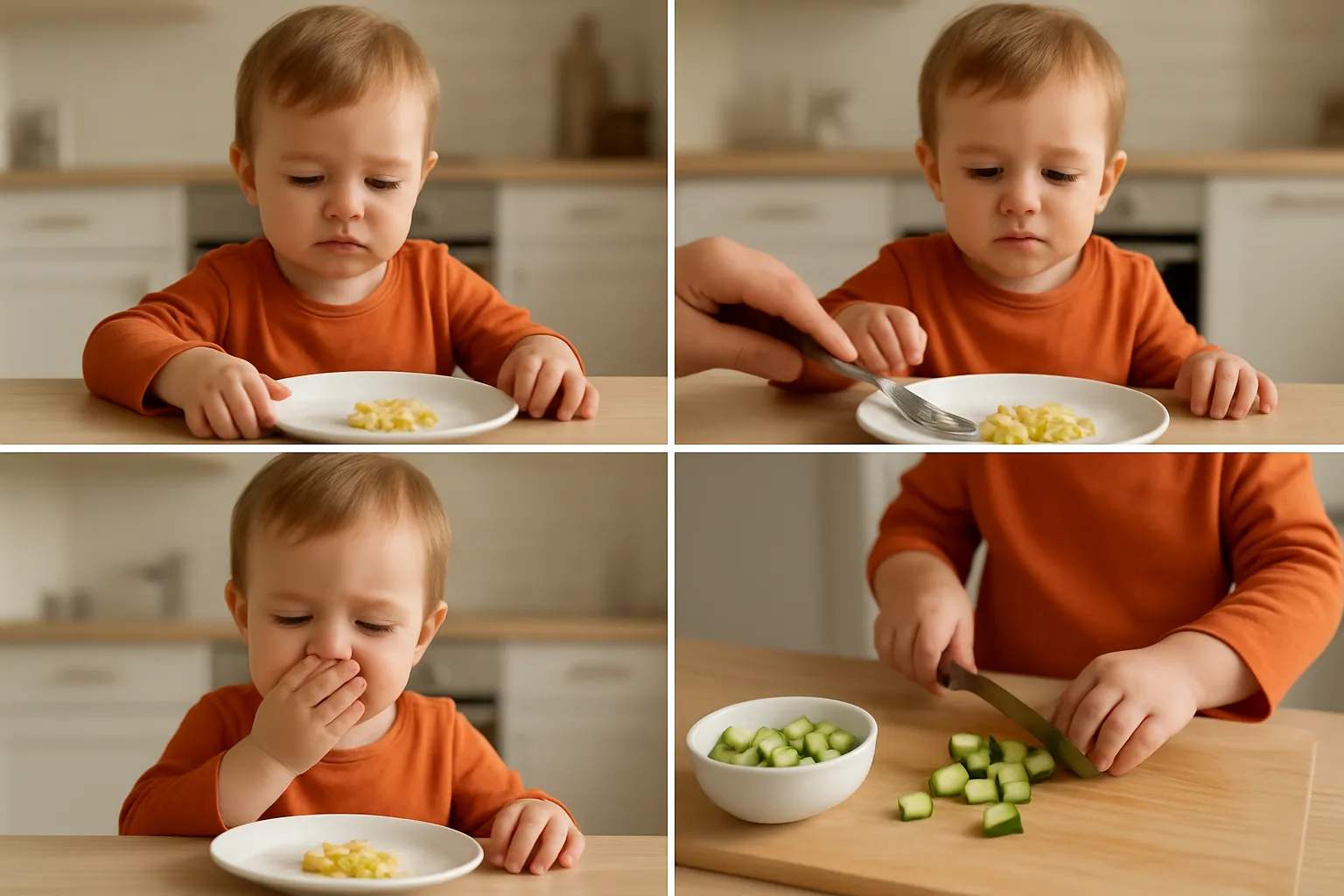
If you’ve been out at the park, you’ll know how much a good runaround changes everything. Here’s how to make that extra appetite work for you, not against you.
Timing the food
- Aim to offer a snack or meal within 30 to 60 minutes after big activity. That’s when toddlers often feel genuinely hungry and are more willing to eat.
- If they’re clamouring for food straight away, give a small protein-rich nibble first, then the main meal once they’ve cooled down and settled a bit.
- Avoid big milk feeds right before a planned meal. A full feed can blunt appetite for solids.
Hydration matters
- Thirst can look like hunger or crankiness. Offer water as soon as you finish playing, and keep a bottle on hand during the outing.
- Use a small cup or spill-proof bottle. If they’ve been sweating a lot on hot days, add an oral rehydration option or electrolyte popsicles in the esky.
Quick wind-down tricks before eating
- A five-minute cool-down helps switch them from go-go-go to “sit and eat.” Try a slow walk back to the car, a cosy story under a tree, or a simple game of “shake out” (wiggle arms and legs, then deep breaths).
- Give them time to calm their body. Over-excited toddlers often refuse food because they’re still in high gear, not because they aren’t hungry.
Smart snack and meal choices for after play
- Think balance: combine carbs for quick energy with protein or healthy fats to keep them going. Examples:
- Banana slices with peanut or almond spread
- Cheese cubes and wholegrain crackers
- Hard-boiled egg and cherry tomatoes
- Hummus with carrot and cucumber sticks
- Mini wholegrain pita with shredded chicken and avocado
- Yoghurt pouch mixed with mashed berries
- Keep portions small and easy to eat. Tiny hands find bite-sized pieces less overwhelming.
- Avoid sugary drinks or big juice serves. Quick sugar can spike energy then crash appetite.
Portable ideas that survive the park
- Bento-style boxes with compartments stop everything getting soggy. Ice pack in the esky keeps dairy and eggs safe.
- Wraps, mini muffins with grated veg, and skewers (soft pieces) are perfect on the go.
- Freeze yogurt in silicone moulds for a cooling post-play treat.
If they don’t want to eat after playing
- Offer a small, familiar favourite rather than insisting on a full plate. A few grapes or a slice of banana might be enough to tide them over.
- Check for tiredness. Sometimes a messy refusal really means naps overdue. Put a small snack in their hands and offer a quiet rest.
- Keep the vibe relaxed. Pressure or negotiation usually shuts toddlers down. Bring food out casually, set your plate down, and let them come to it.
Using play to encourage better mealtimes
- Let them choose a picnic blanket or help pack a snack. Ownership increases interest in the food.
- Make a mini “menu” with pictures and let them pick one or two things to eat after the park. Choice helps picky eaters try new things.
- Use play activities that build hunger naturally: running, climbing, jumping and chasing games. Calm sensory play before food helps them switch gears.
Safety and practicalities
- Keep nut policies in mind if you’re sharing snacks at the park. Swap for seed butter if needed.
- Wash or sanitise hands before eating. Wet wipes or a small spray bottle with water plus a towel can be quicker than searching for bathroom access.
- Keep an eye on temperature. Pack perishable items in an esky on hot days, and discard leftovers after a few hours.
A simple routine to try
- Play for 45 to 60 minutes.
- Offer a water break on the way home.
- Do a two-minute cool-down (walk, deep breaths or a quick cuddle).
- Serve a small balanced plate within 30 minutes of finishing play.
Small changes to how you handle park time can make mealtimes calmer and more successful. When play and food fit together, those big appetites are a lot easier to satisfy.
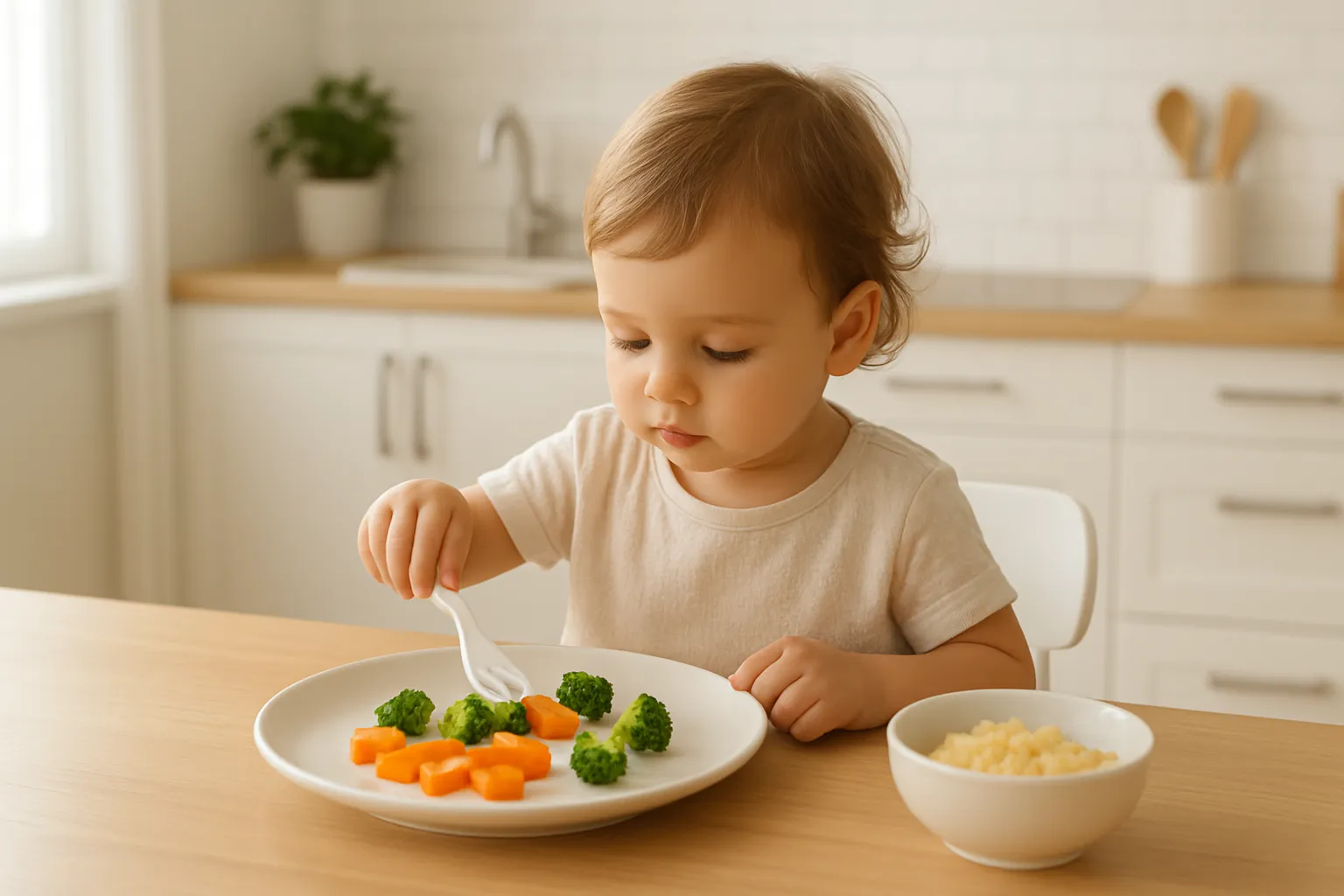
If dinners are feeling same-old, small, practical shifts can turn things around. Try a few of these and keep the ones that stick.
-
Shorten the decision-making for everyone. Pick a simple two-week rotation with a few favourite mains and swap sides. Kids like predictability, but they also like small surprises within that pattern. For example, tacos on Monday becomes wraps on Wednesday and taco salad on Friday.
-
Serve one familiar plus one new. Put a reliable favourite on the plate and add a tiny portion of something different. New tastes are less scary when paired with comfort food.
-
Offer build-your-own meals. Let kids assemble. Mini pittas, rice bowls, wraps or a deconstructed pizza station give control and make food feel like play rather than pressure.
-
Change the format of the same ingredients. If carrots aren’t working steamed, try roasted sticks, grated raw with dip, or carrot muffins. Same flavours, new textures often do the trick.
-
Keep portions tiny. Big plates can overwhelm. Serve small amounts and let them ask for more. A teaspoon of a new food is less threatening than a full serve.
-
Create a two-minute ritual to mark mealtime. A little song, a placemat, or a special plate signals that it’s time to sit and eat. Routines help kids switch gears from play to food.
-
Tweak the timing. If dinner battles are constant, try moving dinner 15 to 30 minutes earlier or later for a week and see if appetite improves. Also cut grazing in the hour before dinner. A pre-dinner snack should be small and filling enough to stop a tantrum but not so big it spoils the meal.
-
Get them involved in prep. Even tiny jobs like stirring, tearing lettuce, or choosing which pepper to use make food more interesting. When a child has ownership, they’re more likely to try the result.
-
Make mealtimes short and pleasant. Ten to twenty minutes is plenty for many toddlers. If no one’s eaten after that, clear the plates and try again at the next snack or meal. Avoid turning it into a negotiation.
-
Use dips and sauces cleverly. Many toddlers love dipping. Serve roasted veg with a yoghurt dip, fruit with a yoghurt drizzle, or steamed veg with a mild tomato sauce to encourage bites.
-
Turn leftovers into something new. Leftover roast can become sliders or a quick fried rice. Repackaging leftovers keeps them from feeling like the same old plate.
-
Limit screens and distractions. Mealtime is for eating and connection. Turn off the TV and stash phones away to help focus on the food and each other.
-
Praise small wins and avoid pressure. Celebrate one spoonful or a brave try, but skip bargaining with sweets or desserts as currency. Positive comments about trying something new work better than insisting.
-
Make new foods a game. A “taste test” with a tiny tasting spoon, a sticker for trying a new thing, or a countdown to a weird texture can make exploring fun rather than scary.
-
Rotate colours and shapes. Different colours on the plate are more appealing. Cut sandwiches into stars or try colourful skewers. Presentation matters to little eyes.
If you want a simple starter plan, try this week: Monday build-your-own wraps, Tuesday pasta with hidden veg sauce, Wednesday mini fritters with a dip, Thursday roast chopped small in a toddler-friendly tray, Friday breakfast-for-dinner. Keep it flexible and tweak it to what your kid will try next time.
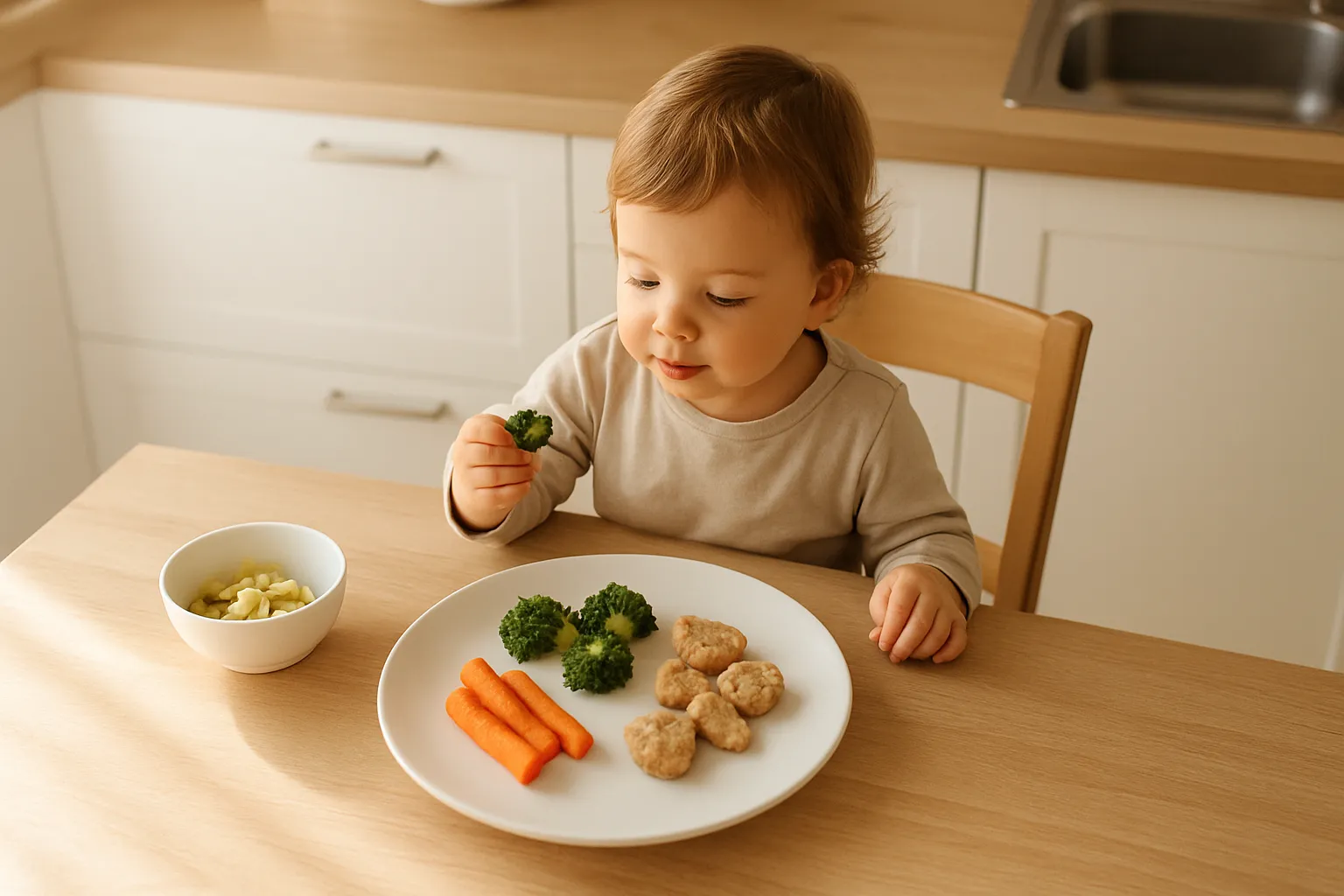
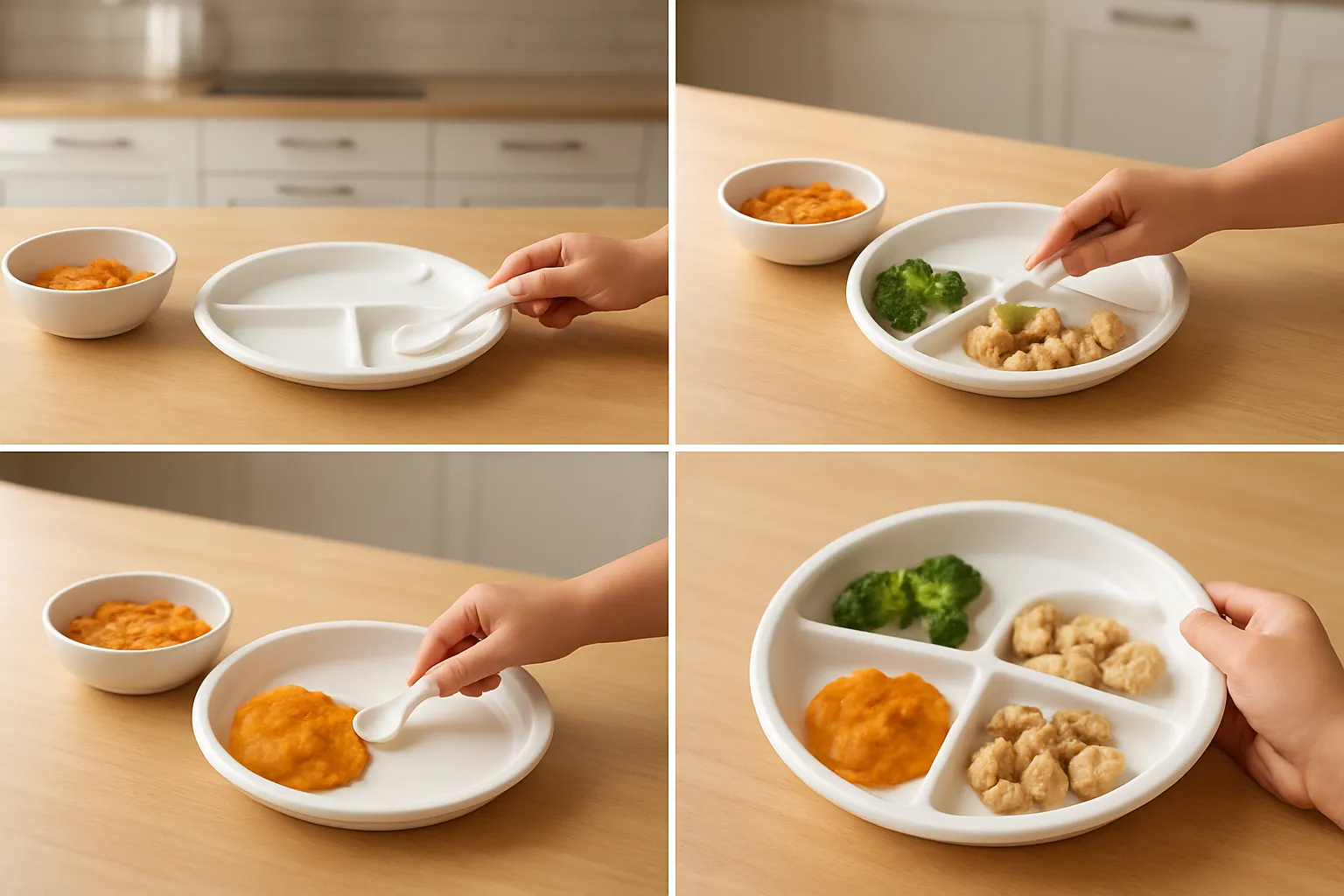
Start small, fun and predictable. Tiny tastebuds are picky for a reason, so introduce new spices and flavours in tiny, friendly doses and let familiarity do the rest.
Practical ways to introduce world flavours
- One-bite rule: offer a teaspoon of something new alongside a favourite. No pressure, just one bite and praise if they try it.
- Pair new with familiar: put a mild dukkah or sesame sprinkle next to toast, or a gentle curry sauce next to plain rice and steamed veg.
- Keep textures toddler-friendly: sauces, purees or soft chunks make new foods less scary than big, crunchy pieces.
- Use mild versions of spices: cinnamon, mild curry powder, smoked paprika, ground cumin, garlic and a dash of ginger. Start with the tiniest pinch and build up across meals.
- Deconstruct dishes: toddlers often like food separated. Serve a taco as separate corn chips, mashed beans, grated cheese and diced tomato so they can choose.
- Repeat but not force: toddlers may need 10 or more exposures before they accept a new flavour. Try the same thing in different contexts - e.g., coriander in guacamole, then sprinkled over noodles.
- Involve them: let them sprinkle sesame seeds, stir a mild sauce, or press rice balls. Small participation increases curiosity.
- Safety first: no whole nuts, watch chilli heat, avoid raw honey under 1 year, and cut things into safe, bite-sized pieces.
Quick, toddler-approved global meal ideas
- Mild coconut chicken curry: sauté finely chopped onion and garlic, add a tiny pinch of mild curry powder and grated carrot, stir in coconut milk and shredded cooked chicken. Serve with soft rice or mashed sweet potato.
- Gentle hummus dippers: blitz chickpeas, a little tahini, lemon juice and olive oil until smooth. Offer with soft pita strips and steamed carrot batons.
- Lentil bolognese: cook red lentils with passata, finely grated veg (zucchini, carrot) and a bay leaf. Mash slightly for a toddler-friendly texture and serve with pasta.
- Cheesy bean quesadilla: mash black beans with a pinch of cumin, spread on a tortilla, add grated cheese and cook until melty. Cut into small wedges.
- Teriyaki beef or tofu bowl: quick glaze with low-salt teriyaki, serve over sticky rice and soft peas. Chop well for little mouths.
- Sweet cinnamon fruit: roast apples or pears with a light sprinkle of cinnamon and a drizzle of maple. Easy dessert or breakfast topper.
Pantry swaps that help
- Replace some butter with coconut milk in mash for a subtle tropical flavour.
- Use low-salt stock and add mild spices for depth rather than more salt.
- Keep jars of gentle sauces on hand: plain tomato, mild curry paste, tahini - mix a teaspoon into small servings to change a plate.
Batch tips and leftovers
- Freeze single-serve portions of soups and sauces in ice-cube trays for quick new-flavour samplings.
- Use leftovers as small toppings: a spoonful of spiced mince can turn plain rice into an exciting new meal.
Keep it relaxed and playful. Celebrate tiny tries and curiosities. Over time those little tastes add up, and suddenly they’ll be reaching for flavours you never expected.
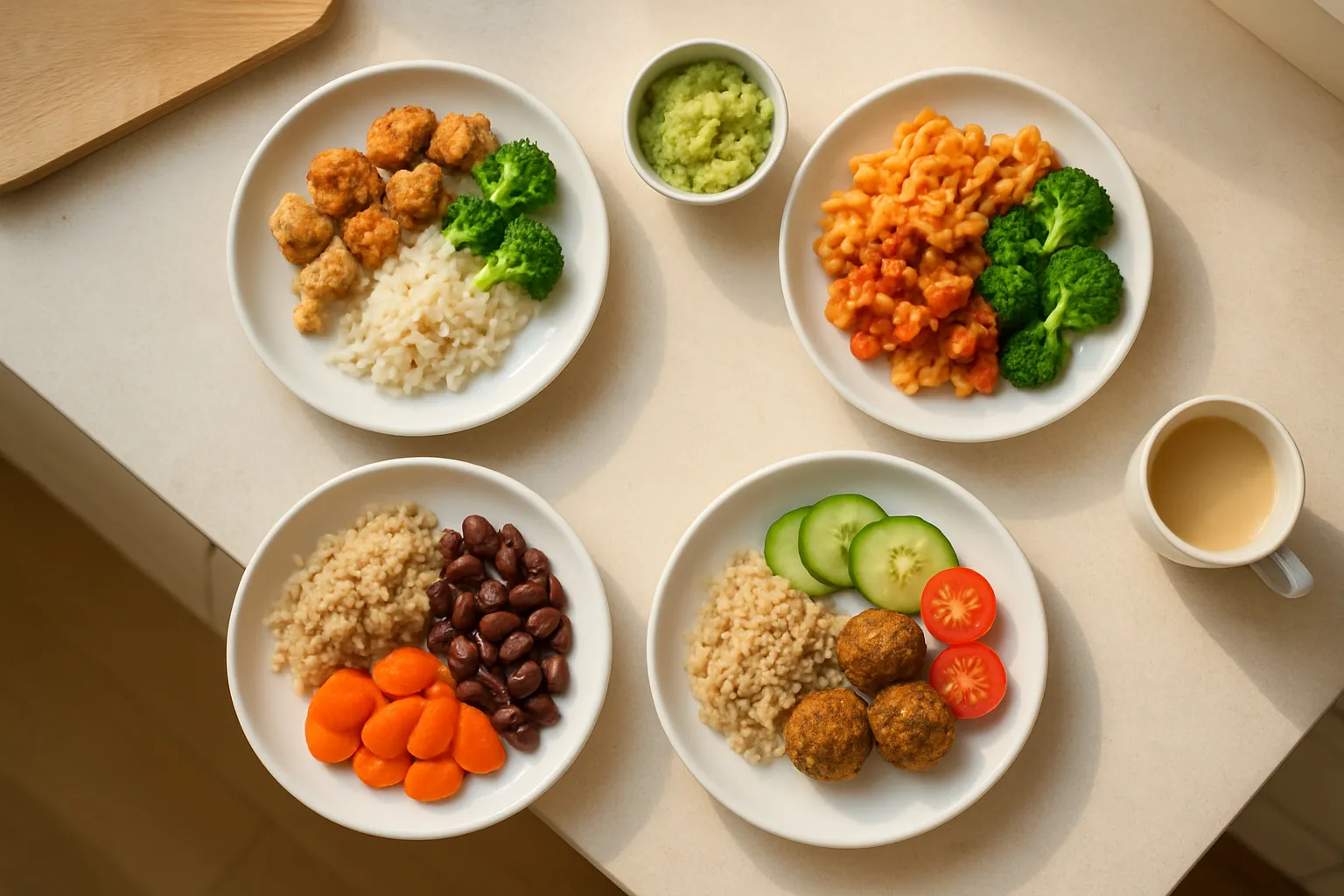
Browse Cuisines
From the Blog
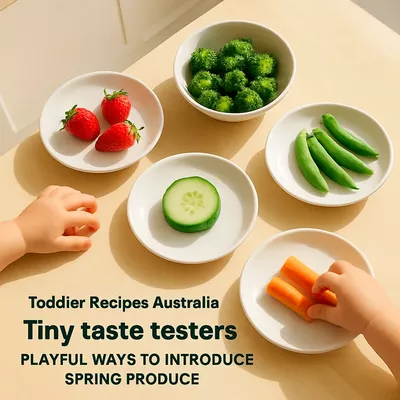
First up, a few no-fuss spring winners that keep sticky fingers and big clean-ups to a minimum. Quick to prep and easy for little hands to manage, these are the sorts of things I reach for when we want something...
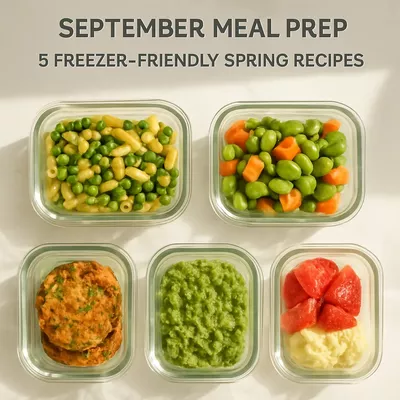
Nice - here’s how Steve keeps dinner simple without sacrificing flavour or sanity. A few good habits and the right packing tricks mean you can pull a proper family meal out of the freezer in minutes.
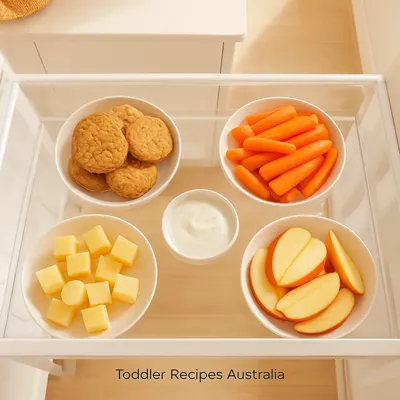
Righto, a couple of quick fridge fixes will make everything a whole lot easier. These are the simple, practical habits and setups that keep snacks safe, obvious and actually reachable for little hands.
 Never miss a recipe from us, subscribe to our newsletter