
Time-saving tips for meal prepping for toddlers
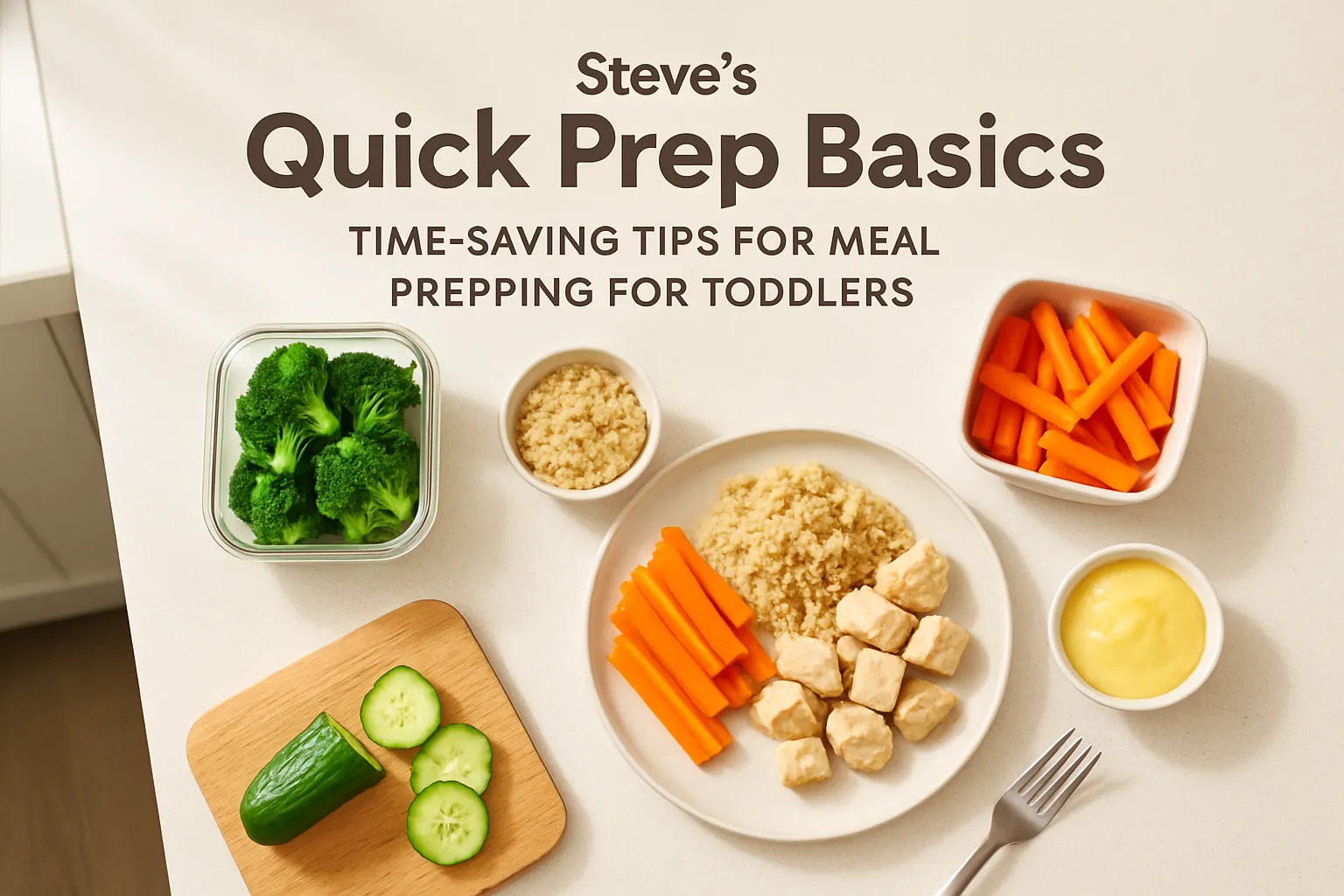
Righto, a quick intro before we get stuck in: these are the no-fuss basics that slice prep time down to size. Little changes to your routine make the biggest difference.
- Build a 20-minute prep sprint routine
- Set a timer and focus on three things: grain, veg and protein. Do this once or twice a week and you’ll have the bones of meals ready.
-
Think small blocks of time. If you only have 10 minutes, boil eggs or steam a bag of frozen veg.
- Mise en place for toddlers
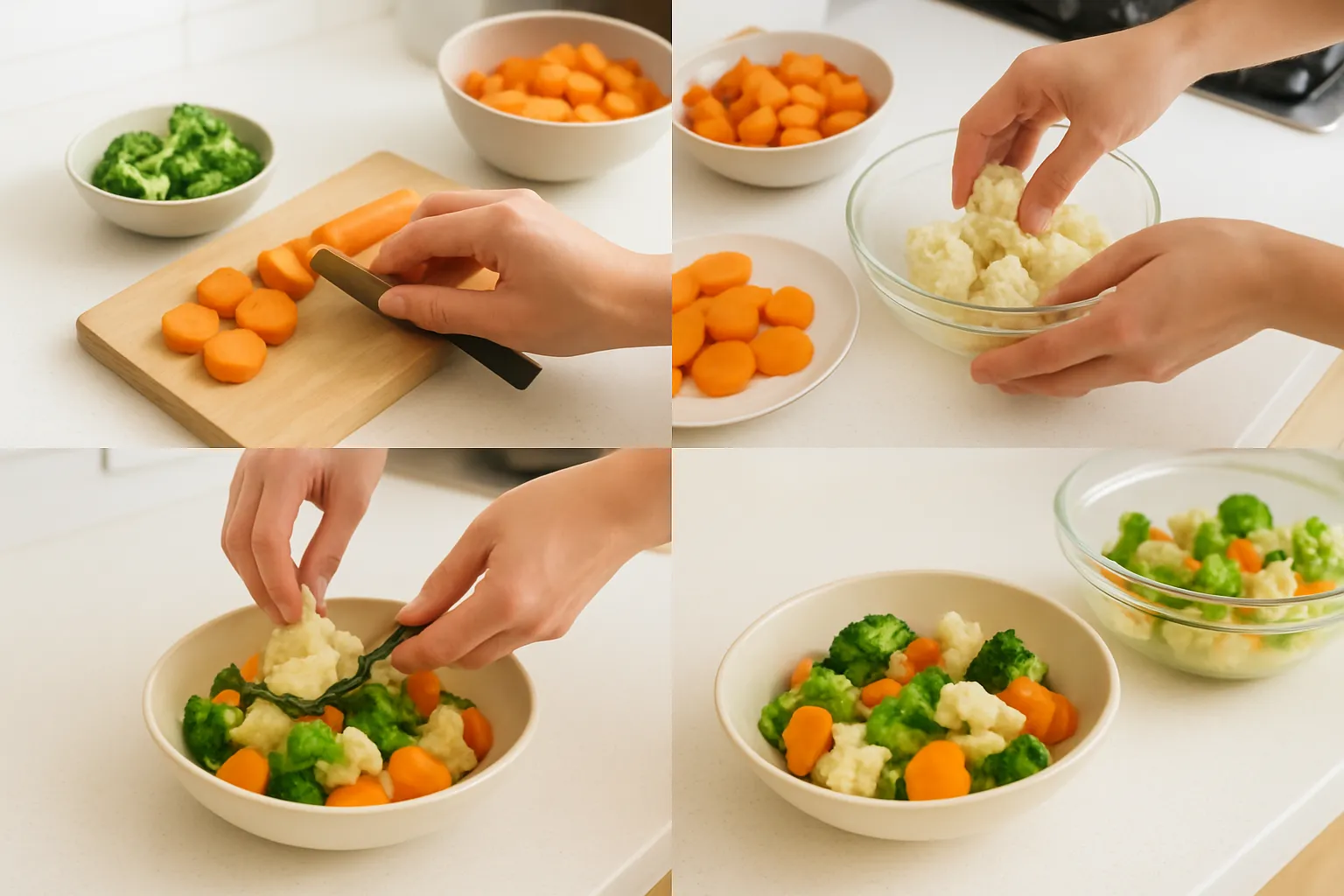
- Chop once, use often. Dice carrots, sweet potato and zucchini into toddler bites and store in a container so they’re ready to toss into meals.
-
Keep washed salad leaves or baby spinach in a salad spinner in the fridge so they’re ready to add to eggs, pasta or smoothies.
- One-pan, one-tray cooking
- Sheet pan roast: toss a tray of diced veg and a protein like chicken thigh pieces or tofu with a little oil and roast. It’s hands-off and you can roast rice or couscous while it’s cooking.
-
Stovetop skillet dinners: mince, grated veg and a jar of passata become a quick pasta sauce in 15 minutes.
- Shortcuts that actually help
- Frozen veg is your friend. Peas, corn and mixed veg save chopping time and keep nutrition.
- Canned beans and tuna make speedy proteins. Rinse beans and mash with a fork for patties or sneak into bolognese.
-
Pre-cooked grains: cook a big batch of rice, quinoa or barley and freeze in meal-sized portions.
- Smart use of appliances
- Instant Pot or slow cooker for hands-off bulk cooking. Throw in a roast or whole chicken while you get stuff done.
-
Food processor for shredding veg or making quick falafel mix. It shaves minutes off prep.
- Safe, toddler-friendly portioning and storage
- Freeze in single-serve silicone muffin trays or small containers so defrosting is quick and you waste less.
-
Label containers with contents and date. Keep a dedicated shelf for toddler meals in the fridge so you can grab-and-go.
- Quick proteins that cook fast
- Eggs: hard-boil a batch to snack on or chop into fried rice.
- Mince: browns fast and soaks up flavours. Make meatballs, patties or taco mix.
-
Tinned salmon or sardines for quick mash-ups with potato or pasta.
- Keep seasoning simple
-
Mild herbs, a squeeze of lemon and a little cheese go a long way with small palates. Mix veggies into familiar favourites to get extra veg in.
- Little habits that save time every day
- Keep a chopped-veg container and a grain container ready on weekend mornings.
- Clean as you go. Washing a few utensils while something cooks cuts down end-of-day cleanup.
- Have a small stash of ready snacks in the front of the fridge so hungry little hands can grab something healthy quickly.
Try one of these basics this week and see how much calmer the arvo feels. Simple routines stack up fast.
Now that you’ve got the quick prep basics down, batch cooking is where weeknight rescue plans actually come together. A couple of hours on a weekend can buy you nights of calm, and the trick is cooking smart, not harder.
What to cook
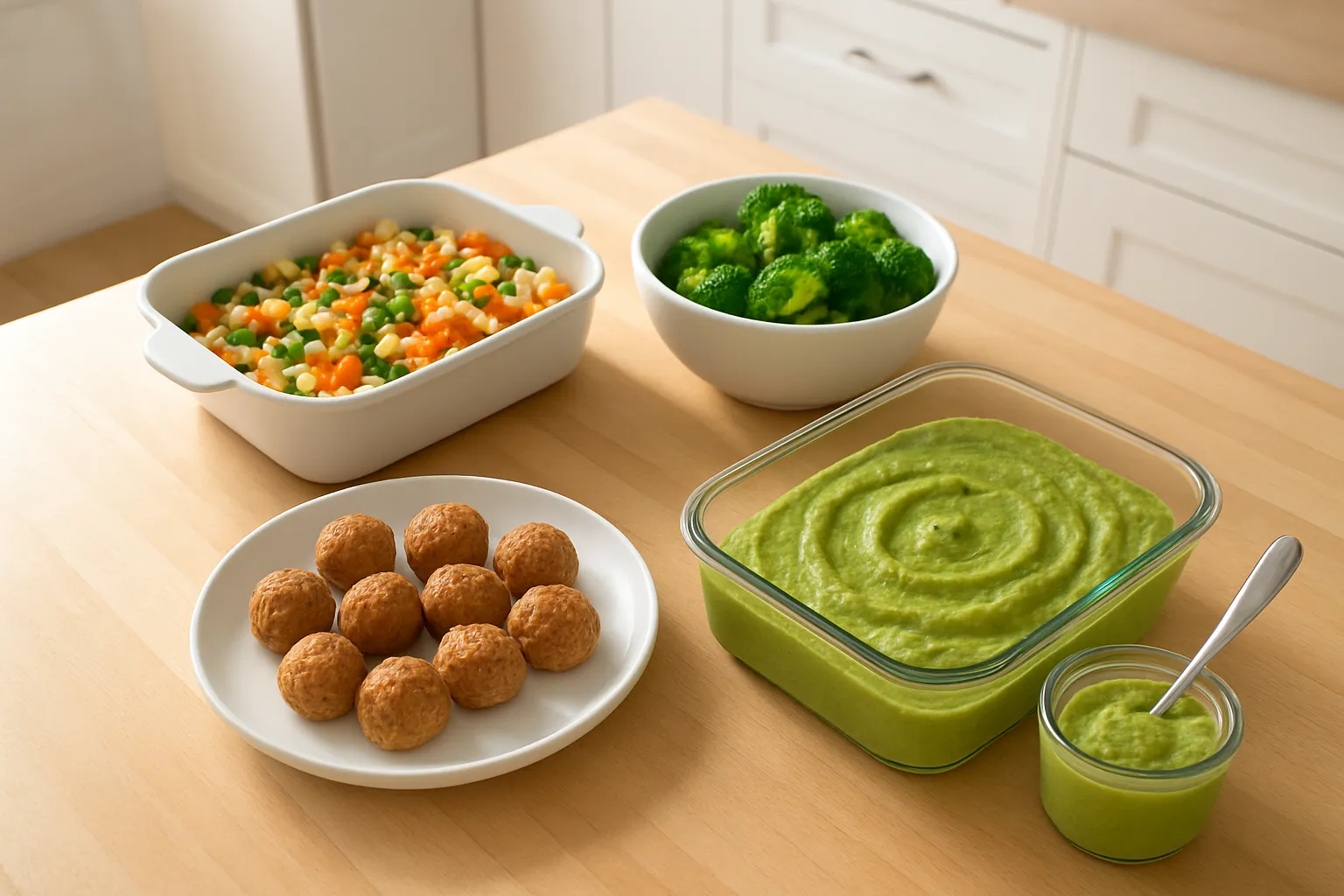
- Go for crowd-pleasers that freeze and reheat well: bolognese, mild curry, ragu, chilli con carne, tray-roasted veg, baked beans, and meatballs.
- Make components you can mix and match: plain rice, quinoa, roasted sweet potato, a big pot of shredded chicken, and a basic tomato sauce. Combining them in different ways keeps dinners interesting.
- Think toddler portions: mini meatballs, muffin-tin mini frittatas, and puree or grated veg mixed into sauces for sneaky veg boosts.
Batch-cooking workflow
- Plan two or three recipes that share ingredients to keep the shopping list short.
- Shop with the plan and extra freezer-friendly staples like frozen peas, grated carrot, and stock cubes.
- Cook in stages: get the oven going for a sheet pan roast while a pot of sauce simmers and grains cook. Use a second hob or slow cooker for a third thing if you can.
- Cool food on shallow trays before packaging so it freezes quickly and safely.
Portioning and storing
- Use small containers for toddler-sized serves so you only thaw what you need. Snap-lock containers, silicone muffin trays, and zip-top freezer bags work great.
- Freeze flat in zip-top bags to save space and speed up thawing. Write contents and date on each pack.
- For sauces and purees, freeze in ice cube trays then pop into a bag for single-serve portions.
Simple labels to include: dish name, date cooked, reheating temperature or method. Keep it short and readable.
Thawing and reheating
- Best method: defrost overnight in the fridge. If you forget, pop the sealed bag in a bowl of cold water for a faster defrost.
- Reheat until steaming hot right through. For small toddler portions, a 30-60 second zap in the microwave usually does it, but always stir and test the temperature.
- Add a splash of water, stock, or milk when reheating rice, pasta, or mashed veg to bring back texture.
Night-of assembly ideas
- Plate the reheated protein with a new side each night: roasted veg one night, mashed sweet potato the next, and a quick cucumber or apple slice on the side.
- Make a “mix-and-match” fridge drawer with fresh toppings: grated cheese, yoghurt, hummus, chopped herbs. Let toddlers pick a topping to make dinner feel new.
- Build fast bowls: base (rice/quinoa), protein (shredded chicken, meatballs), veg (frozen peas stirred into sauce or roasted veg), and sauce. Done in minutes.
Time-saving kit
- Big stockpot and a good sheet pan.
- Silicone muffin tray for frittatas and frozen puree cubes.
- Sharp knives and a box grater for quick veg prep.
- Freezer labels and a permanent marker.
Food-safety quick hits
- Cool hot food on the bench for no more than an hour or two, then fridge it before freezing if you’re not freezing straight away.
- Don’t refreeze thawed meals more than once.
- Keep batches for toddlers plain and add stronger flavours when reheating for adults.
A simple weekend plan to try
- Sunday morning: make a pot of bolognese (double recipe), bake a tray of roasted veg and a batch of mini meatballs. Portion and freeze.
- Sunday arvo: cook a big batch of plain rice or quinoa and freeze in small portions.
- Monday night: bolognese over rice with grated carrot stirred through. Tuesday: meatballs with roasted veg and mashed potato. Wednesday: bolognese lasagne or pasta bake from the frozen sauce.
Once you get into the rhythm, batch cooking becomes less of a chore and more of a lifesaver. Small front-loaded effort, easy nights that follow. Give it a go with one recipe to start, and scale up as you get comfortable.
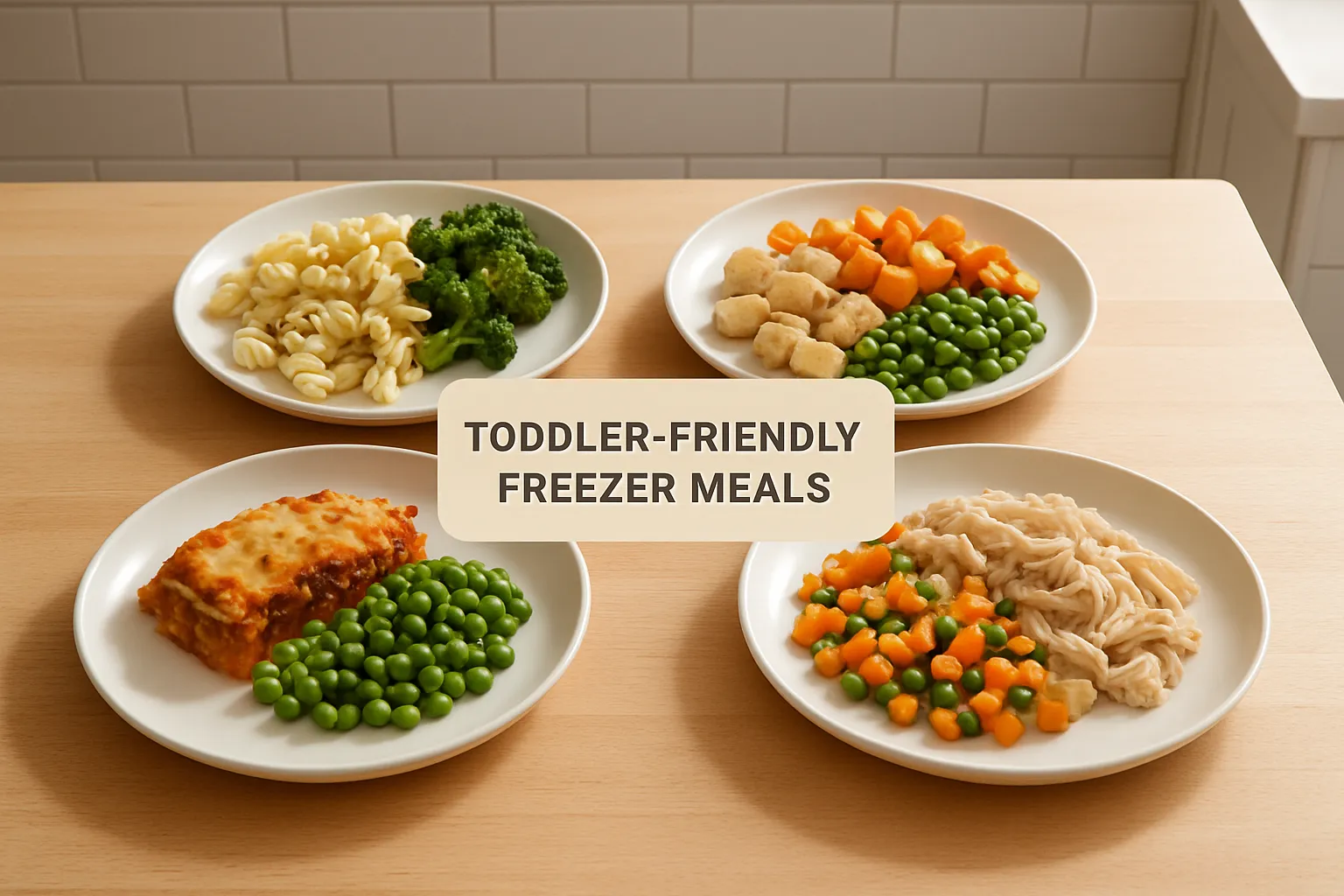
Freeze in toddler-sized portions so you only thaw what you need. Here are practical ways to build a freezer stash that actually gets used, plus a few simple batchable recipes you can pop in and pull out during the week.
Packing and portioning
- Use silicone muffin trays, ice cube trays and small snap-lock containers for single serves. Muffin tins are brilliant for frittatas, mini meatloaves and ricotta-veg cakes.
- Flash-freeze on a tray first so pieces don’t stick together, then transfer to bags. Lay flat in freezer bags to save space and speed defrosting.
- Label every bag with contents and date. I write the portion number too, for example 2 toddler serves, so you don’t over-serve.
- Aim for 1 to 2 toddler portions per pack. That way you only heat what’s needed and nothing gets wasted.
What freezes well
- Meatballs, rissoles and mini meatloaves. Freeze raw or cooked.
- Mini frittatas and omelette muffins. They reheat beautifully.
- Bolognese, lentil ragu or chunky veg sauces. Freeze separate from pasta if you can.
- Purees, soups and stews in small containers or freezer bags.
- Cooked rice, quinoa and mashed potato in small portions. Flash-freeze in flat bags so they thaw faster.
- Pancakes, banana bread slices and oat muffins. Stack with baking paper between each slice then bag.
- Smoothie cubes: chopped fruit and spinach mixed then frozen in ice cube trays and popped into the blender.
Freezer-friendly recipe basics
- Keep salt and sugar low for toddlers. Add fresh herbs, a splash of lemon or a sprinkle of cheese after reheating to lift flavour.
- Avoid whole grapes, whole cherry tomatoes and hard carrot sticks. Cut into appropriate sizes before freezing meals.
- No honey for under 12 months. Don’t add it to anything you’ll serve to a baby.
Safe thawing and reheating
- Best method: thaw overnight in the fridge. Fast method: microwave defrost setting or warm water bath for sealed bags.
- Reheat until piping hot all the way through, then let cool to a safe toddler temperature before serving. For soups and sauces stir midway while reheating to avoid hot spots.
- Do not refreeze once fully thawed. If you cooked a frozen item straight from frozen and it reaches a safe temperature, leftovers can go back in the fridge and be eaten within 24 hours only.
Storage times (quality guide)
- Soups, stews and sauces: 2 to 3 months.
- Cooked pasta and rice: 1 to 2 months for best texture.
- Meatballs, rissoles and casseroles: up to 3 months.
- Baked goods like muffins and pancakes: 2 to 3 months. If in doubt, use sooner rather than later for best taste.
Quick batch recipes to try 1) Mini veg frittatas
- Ingredients: 6 eggs, handful grated carrot and zucchini, 1/2 cup grated cheese, splash of milk, pinch pepper.
- Method: whisk everything, pour into a greased silicone muffin tray, bake 18 to 20 minutes at 180°C until set. Cool, freeze flat on a tray, then bag. Reheat in microwave for 30 to 60 seconds or oven until warm.
2) Cheesy beef and veg meatballs
- Ingredients: 500g beef mince, 1 grated carrot, 1 grated zucchini, 1/3 cup breadcrumbs, 1 egg, 1/4 cup grated cheese.
- Method: mix, roll small meatballs, bake at 200°C for 12 to 15 minutes. Cool and freeze on a tray then bag. Great with hidden-veg tomato sauce or tossed through pasta. Reheat from frozen in a saucepan with sauce, simmer until hot.
3) Lentil and veg ragu
- Ingredients: 1 cup red lentils, 1 can crushed tomatoes, 1 onion, 2 carrots, 1 zucchini, mild herbs.
- Method: sauté onion and veg, add lentils, tomatoes and water, simmer 20 minutes until thick. Cool and freeze in toddler portions. Defrost overnight or reheat from frozen, simmer until hot. Serve with soft pasta or small grains.
Last-minute tips
- Double whatever your toddler likes and freeze half. It will feel like a miracle weeknight.
- Keep a small “first to use” bag at the front of the freezer so older batches get eaten first.
- If texture changes after freezing (pasta, soft fruit), mix with a fresh element like grated cheese, yoghurt or a quick fresh salad to balance it.
Freezer meals can be the most forgiving part of meal prep. Little portions, simple packs and a clear labelling habit will save time and sanity on those chaotic nights.
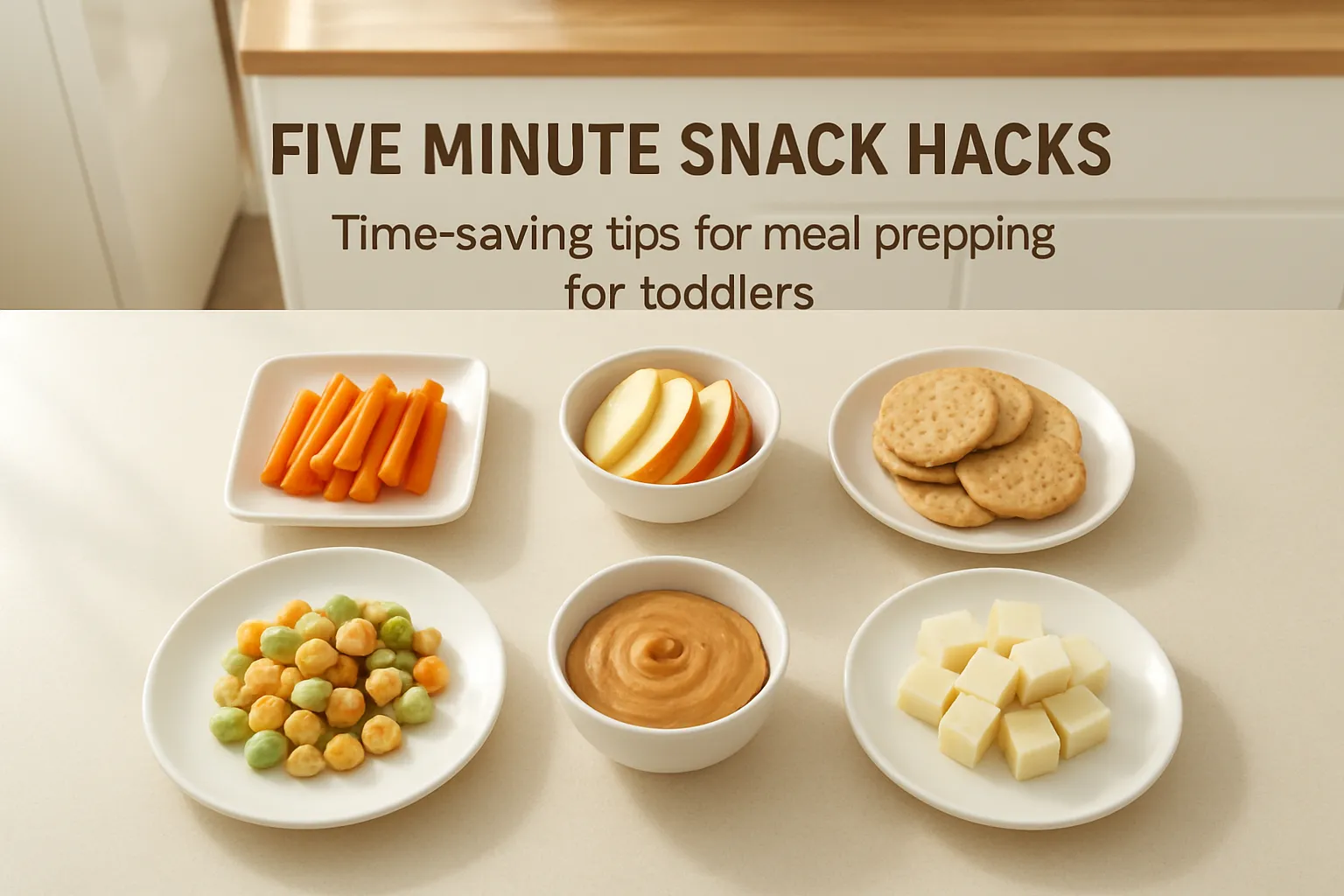
When the arvo hits and you need something quick that actually sticks to tiny tummies, try these fast, practical snack hacks.
Quick-assembly snack ideas (all under five minutes)
- Banana roll-ups: spread a thin layer of peanut butter or sunflower seed spread on a whole-wrap, place a banana, roll and slice into coins. Great for hands-on nibbling.
- Mini pita pizzas: spread tomato paste, sprinkle grated cheese and chopped olives or ham, fold and press, then quickly warm in a sandwich press for 1-2 minutes.
- Cheese and veg dippers: pre-cut cheese cubes with cucumber or soft-cooked carrot sticks and a small ramekin of hummus or yoghurt dip.
- Yoghurt pouch to parfait: squeeze a yoghurt pouch into a bowl, stir in a spoonful of mashed berries and top with cereal or granola for crunch.
- Toast toppers: wholegrain toast cut into fingers, topped with mashed avocado, ricotta and honey, or cream cheese and jam.
- Cottage cheese fruit pot: cottage cheese with chopped soft fruit like peach or pear, sprinkle with a few raisins or oats.
- Egg mug: whisk an egg with a splash of milk, add grated cheese and chopped spinach, microwave for 60-90 seconds, cut into finger pieces.
- Quick fruit kebabs: thread soft fruit chunks (melon, kiwi, banana slices) onto a short skewer or toothpick for a fun presentation.
- Rice cake faces: spread nut butter, add banana slices for eyes and raisins for a smile.
- Cold pasta cups: toss leftover cooked pasta with a bit of olive oil, peas, cubed ham and grated cheese, serve in a small cup.
- Frozen berry thaw trick: keep mixed berries in the freezer, rinse under warm water for 30 seconds to loosen, then drain for a thawed, chilled snack.
- Tinned salmon or tuna boats: mix with a little mayo, spread on cucumber rounds or half a rice cracker.
- Quick smoothie: blitz frozen banana, a handful of spinach, milk or yoghurt and a spoon of nut butter for a filling drinkable snack.
Prep shortcuts that save minutes
- Pre-portion dips and spreads into small tubs so you can grab-and-go.
- Keep washed, chopped fruit and veg in clear containers at eye level in the fridge so kids can help choose their own.
- Freeze banana slices and berries in single layers then bag them; they thaw quickly and keep smoothies thick.
- Make a grab-and-go snack box at the start of the week with portions of crackers, cheese, fruit and a dip.
- Use silicone muffin tins to portion pancakes, mini muffins or egg bites, then store in the fridge for quick reheats.
Making snacks toddler-friendly and safe
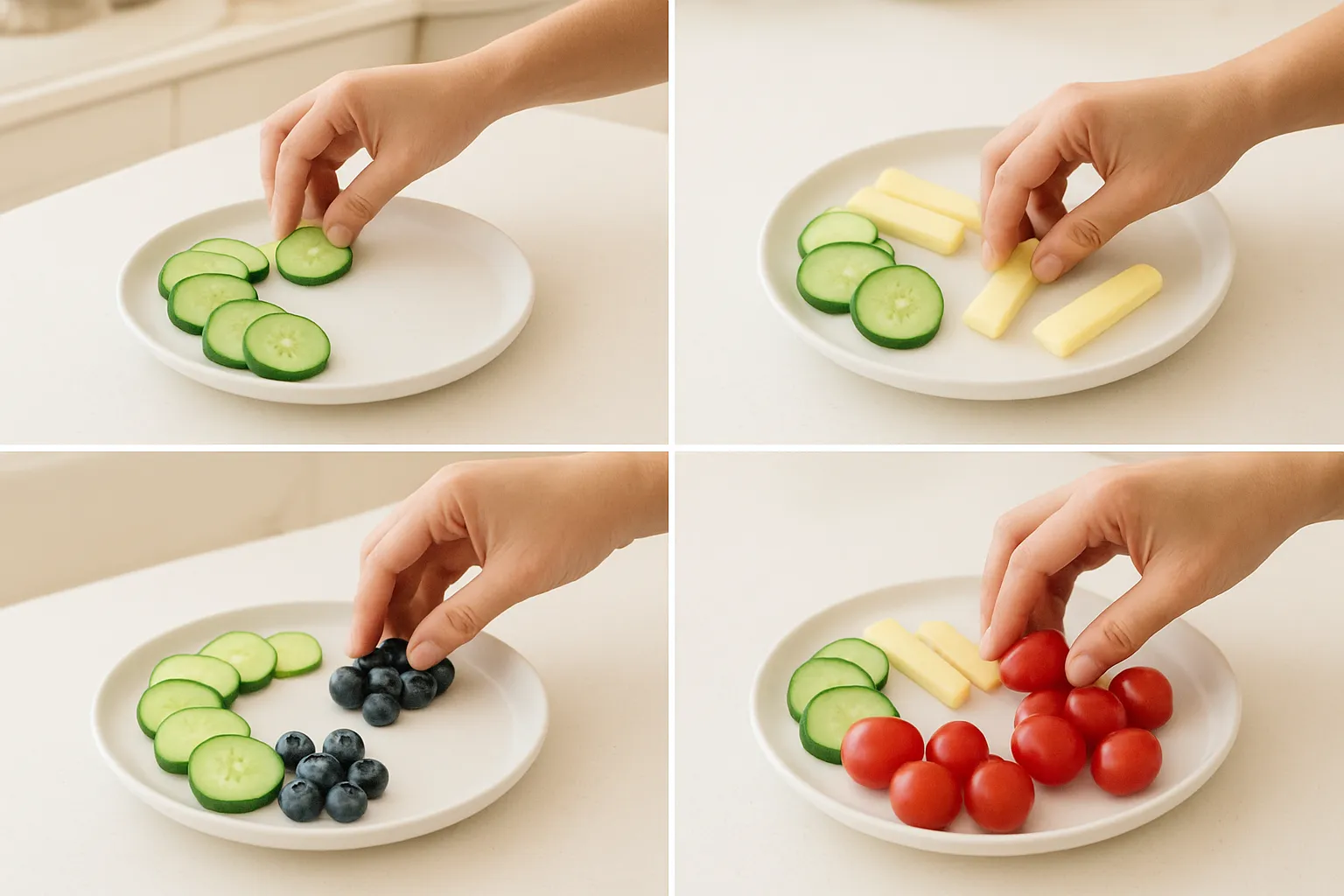
- Cut grapes, cherry tomatoes and sausages small and lengthwise to reduce choking risk.
- Avoid whole nuts for under-fives; swap for smooth nut butters or finely ground nuts mixed into other foods.
- Keep textures soft and easy to gum, especially for new teeth.
- Always supervise eating, and sit down for snacks rather than grazing while moving.
A couple of flavour combos kids love
- Apple slices with sunflower seed butter and a sprinkle of cinnamon.
- Pear cubes with ricotta and a drizzle of honey.
- Toasted cornflakes mixed with yoghurt and berry mash for a crunchy spoonable pot.
Small presentation tricks that boost interest
- Change the plate or cup to something colourful.
- Use cookie cutters to cut toast or sandwich sanga into fun shapes.
- Arrange food into faces or little animals to make them more appealing.
These quick ideas keep snacks nutritious without the fuss, and a tiny bit of fiddling in the arvo will save you from last-minute meltdowns.
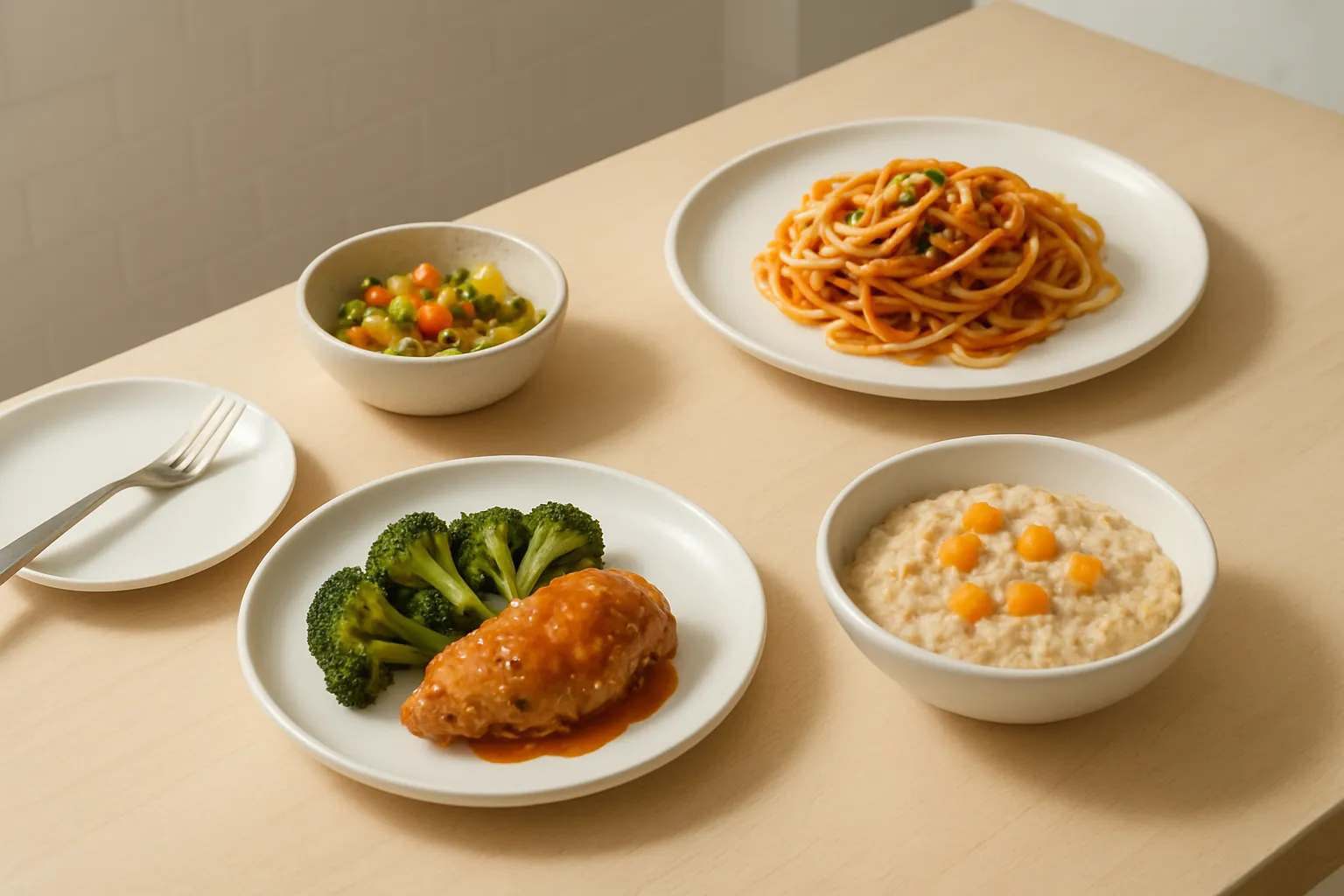
Got a fridge full of last night’s dinner? With a few quick swaps you can turn that into three toddler-friendly meals before you wash the dinner plates.
Quick repurpose ideas
- Roast chicken: Shred it and toss through fried rice with leftover rice, frozen peas and a scrambled egg. Or make a simple chicken and veg pasta with a splash of milk, a handful of grated cheese and tiny pasta shapes.
- Bolognese or mince: Stir through macaroni with cheese for a speedy mac and cheese, spoon into soft rolls for mini sloppy joes, or roll into tiny meatballs and bake for lunchbox bites.
- Cooked veg: Chop and fold into omelettes, make little vegetable fritters (bind with an egg and a spoonful of flour or mashed potato), or blitz into soups and pour over toast soldiers.
- Mashed potato: Turn into patties and pan-fry until golden, or use as a topping on a quick shepherd’s pie with leftover mince.
- Leftover fish: Flake and mix with mashed potato, spring onion and a little mayo for gentle fish cakes. Shallow-fry or bake until firm.
- Cooked rice or quinoa: Make mini rice patties, fried rice, or bulk out soups and casseroles.
Three super-quick makeovers 1) Bolognese mac in 10 minutes
- Heat leftover bolognese, stir through cooked pasta, add a splash of milk and a handful of cheese. Warm until the cheese melts and serve in toddler-sized bowls.
2) Chicken fried rice for tiny hands
- Sizzle a little oil, toss in frozen veg until hot, add cooled leftover rice and shredded chicken, push to the side, scramble an egg, then mix everything with a dash of low-salt soy sauce. Cool slightly before serving.
3) Veggie fritters
- Mix 1 cup mashed veg/potato with 1 egg, a tablespoon of flour and a couple of tablespoons of grated cheese. Drop small spoonfuls into a hot non-stick pan and cook until golden. Cool and serve with yoghurt for dipping.
Storage and safety tips
- Use cooked leftovers within 2 days if kept in the fridge at 5°C or below. If you won’t use them, freeze in toddler-sized portions straight away.
- Freeze sauces, stock or leftover purees in ice-cube trays so you can add small amounts to meals later.
- Reheat until piping hot all the way through, stir to even out any hot spots, then let it cool to a safe toddler temperature. Always check temperature before handing to little ones.
- Avoid honey for under 12 months and cut food into small, manageable pieces to reduce choking risk.
Make it more tempting for the fussy eater
- Change the format: turn a casserole into a pie, mince into sliders, or veg into fritters.
- Keep flavours familiar: a sprinkle of cheese, a dollop of tomato sauce, or a favourite yoghurt dip can make leftover food more appealing.
- Look at texture: mash crunchy bits, or add a soft element like hummus or avocado.
A few tiny habits that save heaps of time
- Label and date before you freeze. Keep a small stash of kid-sized portions ready to grab.
- Keep a “leftover helpers” shelf in the fridge with wraps, grated cheese, canned corn and yogurt tubs for quick add-ons.
- Make leftover night part of the weekly plan. You’ll save time, avoid waste and still get a meal that the kids will eat.
Simple tricks and a bit of creativity will turn last night’s dinner into new favourites without a fuss.
Browse Cuisines
From the Blog
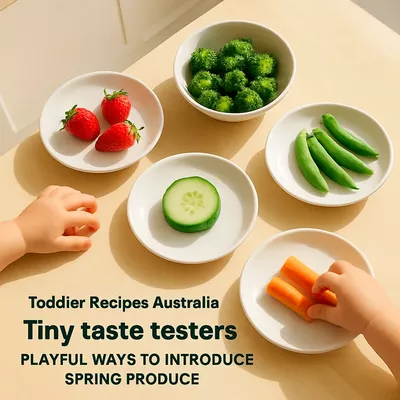
First up, a few no-fuss spring winners that keep sticky fingers and big clean-ups to a minimum. Quick to prep and easy for little hands to manage, these are the sorts of things I reach for when we want something...
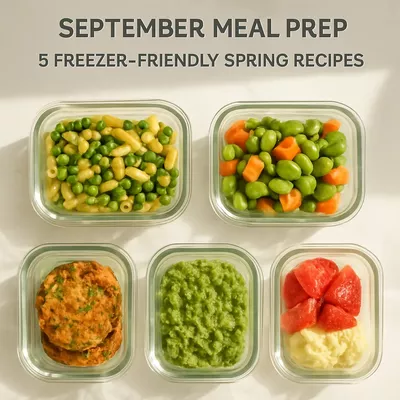
Nice - here’s how Steve keeps dinner simple without sacrificing flavour or sanity. A few good habits and the right packing tricks mean you can pull a proper family meal out of the freezer in minutes.
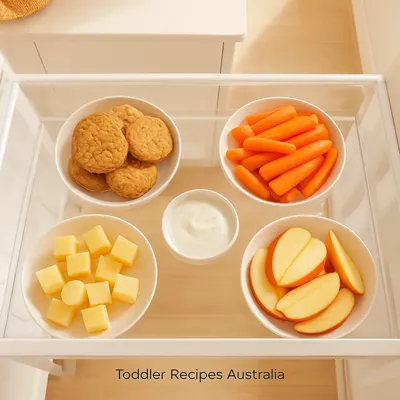
Righto, a couple of quick fridge fixes will make everything a whole lot easier. These are the simple, practical habits and setups that keep snacks safe, obvious and actually reachable for little hands.
 Never miss a recipe from us, subscribe to our newsletter