
The Best Snacks to Make for Fussy Toddlers
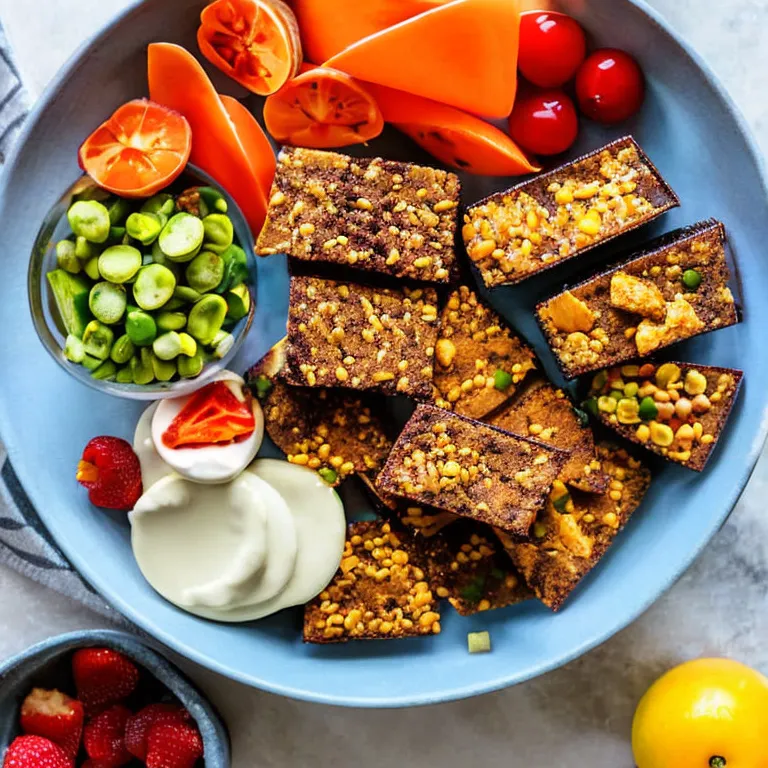
Right, quick safe snacks can save the day when a toddler decides not to play ball. Here are fast, low-choke, easy-to-hold ideas plus tiny recipes and prep tips so you can serve something sensible without a meltdown.
- Smashed banana and ricotta on toast
-
Mash banana into ricotta, spread on lightly toasted bread and cut into thin strips or fingers. Soft, creamy and filling. Serve immediately; don’t give big chunks.
- Mashed avocado rice-cake bites
-
Mash avocado with a squeeze of lemon, spread thinly on rice-cake pieces or broken up crackers. Sprinkle a little grated cheese for extra interest. Break into manageable pieces for little hands.
- Mini omelette muffins
-
Whisk 3 eggs, add grated carrot, finely chopped spinach and a little cheese, pour into a greased muffin tray and bake 12-15 minutes. Cool and halve for small mouths. Freezes and reheats well.
- Banana oat “cookies”
-
Mix 1 mashed banana with 1 cup oats, spoon onto a tray and bake 10-12 minutes at 180°C until set but still soft. Handy for tiny fingers and fuss-proof.
- Frozen yoghurt drops
-
Spoon Greek yoghurt mixed with a bit of fruit puree onto a silicone mat, freeze. Pop a few out and let soften a minute. Great on a hot day and easy to portion.
- Soft steamed veg sticks with hummus
-
Steam carrot, pumpkin or zucchini until soft, cut into short batons and serve with a smear of hummus. Soft but still finger-friendly.
- Mini turkey or lentil balls
-
Make small meatballs or lentil balls, bake until cooked through, then cut into halves. Packed with protein and easy to nibble. Freeze extras for quick grabs.
- Cheesy pasta bites
-
Cook small pasta shapes until very soft, stir through mashed peas and a little grated cheese, then shape into small patties or serve spooned onto a plate. Easy to hold and filling.
- Soft fruit pots
-
Combine mashed or finely chopped soft fruit like peeled pear, banana or steamed apple with a spoonful of yoghurt or cottage cheese. No whole grapes or hard fruit left uncut.
- Cottage cheese and soft peach
- Cottage cheese with steamed or canned peach pieces, cut small. Creamy, mildly sweet and quick.
Quick safety tips to keep in mind
- Cut round foods like grapes and cherry tomatoes lengthways, then quarter if needed. Hard, whole rounds are a big no.
- Avoid popcorn, whole nuts and hard candy for toddlers.
- Cook root veg until soft; raw carrot is a choking risk unless very finely grated.
- Always sit down and watch them while eating, and offer small, age-appropriate pieces.
- Batch-cook and freeze portions of omelette muffins, meatballs and banana oat cookies for easy reheats.
There you go - a stack of fast, safe snacks that are gentle on little mouths and simple to prep.
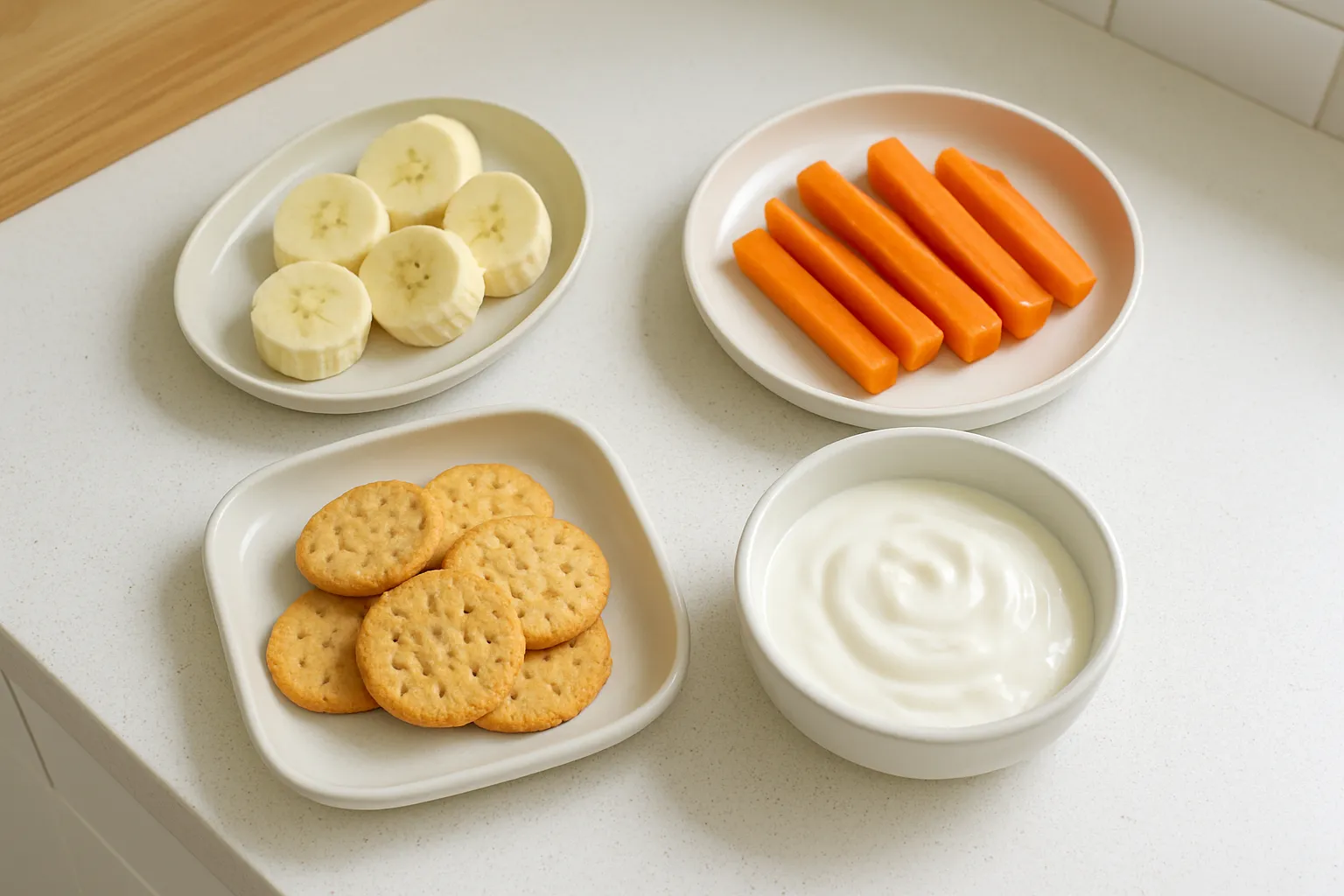
If they loved the simple, safe bites, try taking snack time on a tiny taste tour. Here are easy, toddler-friendly ideas from around the world, with swaps for fussy eaters and quick prep tips.
- Mini Mexican quesadillas
- Fill a small wholemeal tortilla with mashed black beans, a little grated cheese and soft corn. Fold, toast in a pan until golden, then cut into thin wedges.
-
Swap: use mashed sweet potato instead of beans for textural picky kids. Serve with smashed avocado, not salsa.
- Little onigiri (rice balls)
- Use sticky sushi rice, press into small triangles or balls with a mild filling like cooked tuna mixed with a little mayo, or finely mashed edamame. Wrap a short strip of nori for grip.
-
Freeze flat on a tray then bag, thaw on the bench when needed.
- Mini Greek pita pockets
- Warm and halve small pitas, fill with shredded cooked chicken, grated cucumber and a smear of tzatziki or plain yoghurt. Crumble a bit of feta if they’ll accept it.
-
For very fussy eaters, offer the filling on soft pita fingers for dipping.
- Indian-style veg paratha fingers
- Grate carrot and zucchini, squeeze out excess moisture, mix with a little flour and mild spice like turmeric, then pan-fry thinly like flatbreads. Cut into fingers.
-
Make a batch and freeze; reheat in a skillet or sandwich press.
- Mini Spanish tortilla muffins
- Whisk eggs with cooked diced potato and a little onion, pour into muffin tins and bake until set. Soft, hand-sized and full of protein.
-
Great for lunchboxes or breakfast, and very freezer-friendly.
- Simple Italian pasta salad
- Small pasta shapes, a drizzle of olive oil, halved cherry tomatoes, tiny bocconcini or grated cheese and chopped basil. Cut tomatoes in quarters for younger toddlers.
-
Keep dressing light and pack it separately for longer outings.
- Baked falafel patties with hummus
- Make small, flattened baked falafel so they stay soft, serve with a dollop of hummus and soft pita strips. Great for sneaky veg in pulses.
-
If chickpeas are refused, try mashed cannellini beans for creamier texture.
- Coconut mango rice pots (mildly sweet)
- Cooked rice mixed with a little coconut milk and soft mango pieces makes a lovely soft finger food dessert. Avoid honey for under 12 months.
Practical tips for introducing new flavours
- One new thing rule: pair a new flavor with one trusted food so the plate feels familiar.
- Tiny tastes: offer a half-teaspoon of a new item alongside favourites, no pressure.
- Texture swaps: if they reject crunchy, try the same flavour pureed or in a pancake.
- Low spice: use gentle, aromatic spices like turmeric or mild cinnamon rather than chilli.
Safety and packing
- Cut grapes and cherry tomatoes lengthwise, avoid whole nuts and hard chunks.
- Keep dips and saucy bits in separate little containers to prevent soggy.
- Use ice packs for dairy-based dips and fillings.
- Label and freeze extras in portion sizes for fuss-free reheats.
Try one new globe-trotter snack each week, and keep tasting light and fun. Small, familiar tweaks are often all it takes for little palates to come on the adventure.

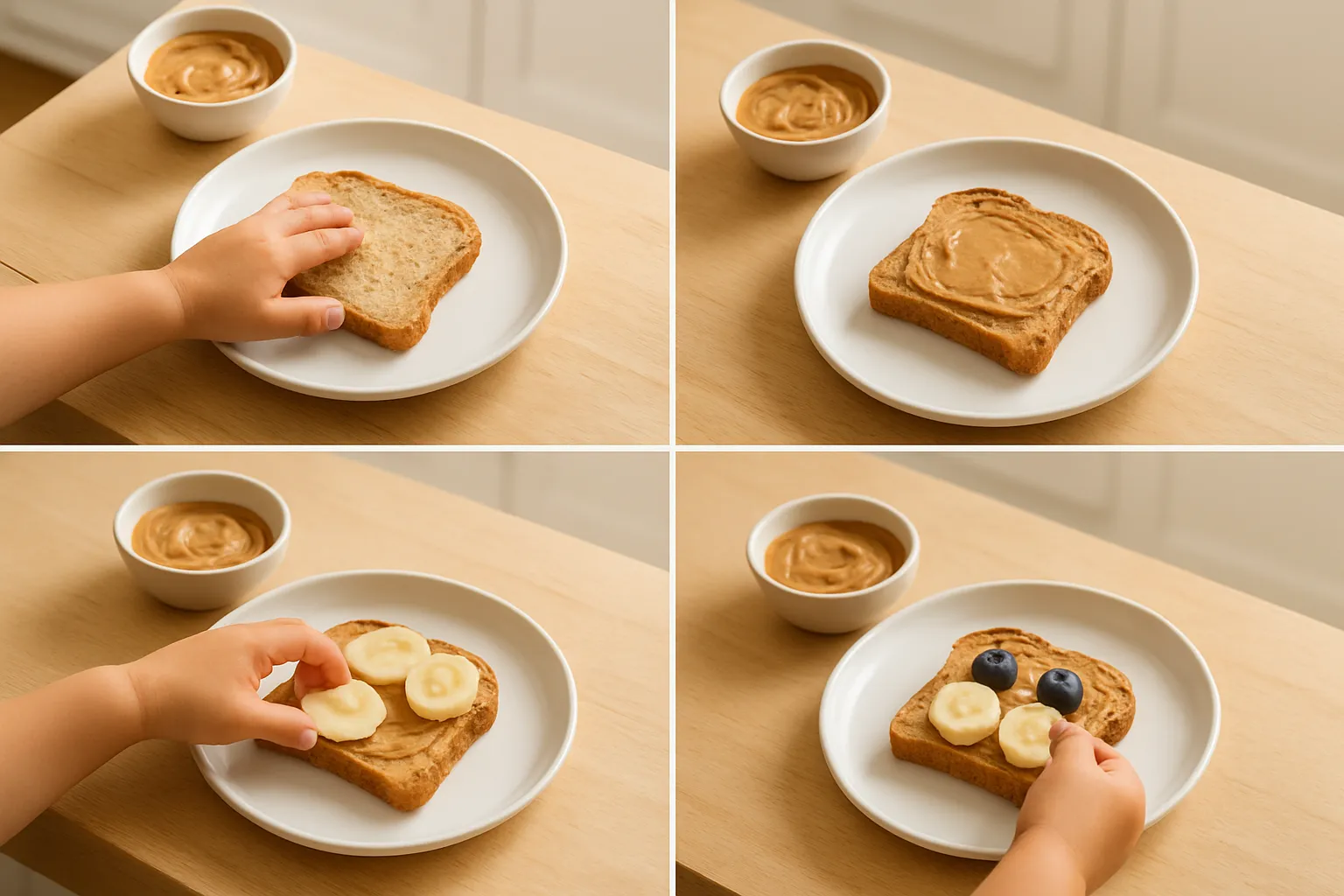
When dinner starts to feel like Groundhog Day, these quick, kid-friendly rescues will get you out of the rut fast. Each recipe is designed for picky eaters, to be made ahead and frozen, and to be served in toddler-size portions.
Veg-packed beef or lamb meatballs
- Ingredients: 500 g mince, 1 small carrot grated, 1 small zucchini grated and squeezed, 1/2 onion finely chopped, 1/2 cup breadcrumbs, 1 egg, pinch of dried oregano, pinch of salt.
- Method: Mix everything, roll into walnut-sized balls, bake at 180°C for 15-18 minutes. Cool and freeze flat in a single layer, then bag.
- Toddler tip: Serve with a little tomato sauce or yoghurt dip. Offer 2-3 meatballs with pasta, mash or in a soft roll.
Mini frittatas (egg muffins)
- Ingredients: 6 eggs, 1/2 cup grated cheese, handful of spinach finely chopped, 1 tomato diced, salt and pepper.
- Method: Whisk eggs, stir through the extras, pour into a greased muffin tin, bake at 180°C for 12-15 minutes. Cool and freeze in tubs.
- Toddler tip: Great warm or cold. Let your child pop them out of the tin and choose one for dinner.
Pumpkin and cheesy mac
- Ingredients: 250 g pasta shapes, 1 cup roasted pumpkin mashed, 1 cup milk, 1 tbsp butter, 1 tbsp flour, 1 cup grated cheese.
- Method: Make a quick roux with butter and flour, slowly add milk to make a sauce, stir in mashed pumpkin and cheese, mix through cooked pasta. Bake for 10 minutes if you like a golden top.
- Toddler tip: Sweet pumpkin hides in behind the cheese, so it’s a winner for picky palates. Portion and freeze.
Fish and sweet potato cakes
- Ingredients: 300 g cooked white fish flaked, 1 cup mashed sweet potato, 1/4 cup breadcrumbs, 1 egg, parsley.
- Method: Mix gently, form small patties, lightly pan-fry or bake until golden. Cool and freeze.
- Toddler tip: Serve with avocado, peas or a squeeze of lemon. Mild fish is usually accepted by fussy toddlers.
Muffin tin dinner faces
- Idea: Use cooked mini meatballs, steamed veg, grated cheese, boiled egg halves, and bits of toast in a muffin tin so each cup is a small “plate.”
- Method: Warm everything, arrange into faces. Kids love choosing items and messing with the food.
- Toddler tip: Make one or two cups at first. Works great for introducing new veg next to familiar favourites.
Cheesy spinach toasties
- Ingredients: Sliced bread, butter, grated cheese, handful of finely chopped spinach.
- Method: Butter bread, pile cheese and spinach, assemble and grill until melty. Cut into triangles.
- Toddler tip: Crisp edges are easier to pick up. Serve with a side of tomato or cucumber sticks.
Quick hacks to keep the rut away
- Batch cook on a Sunday and freeze in toddler portions. Muffin tins are brilliant for single-serve freezing.
- Offer new things alongside a guaranteed favourite. Toddlers are more likely to try if they can pick the safe option.
- Puree or grate veg into sauces, meatballs and muffins. Texture can be the issue, not taste.
- Keep portions small and relaxed. A plate that looks overwhelmingly full will get rejected.
- Involve them where possible. Even stirring or pressing a meatball gives ownership and curiosity.
- Rename dishes with fun names and themes. “Dinosaur balls” or “Rocket pasta” can work wonders.
These recipes are low fuss, flexible and freezer-friendly. Swap herbs, proteins and veg depending on what’s on hand, and you’ll have a rotating stash of dinners that most toddlers will at least try.
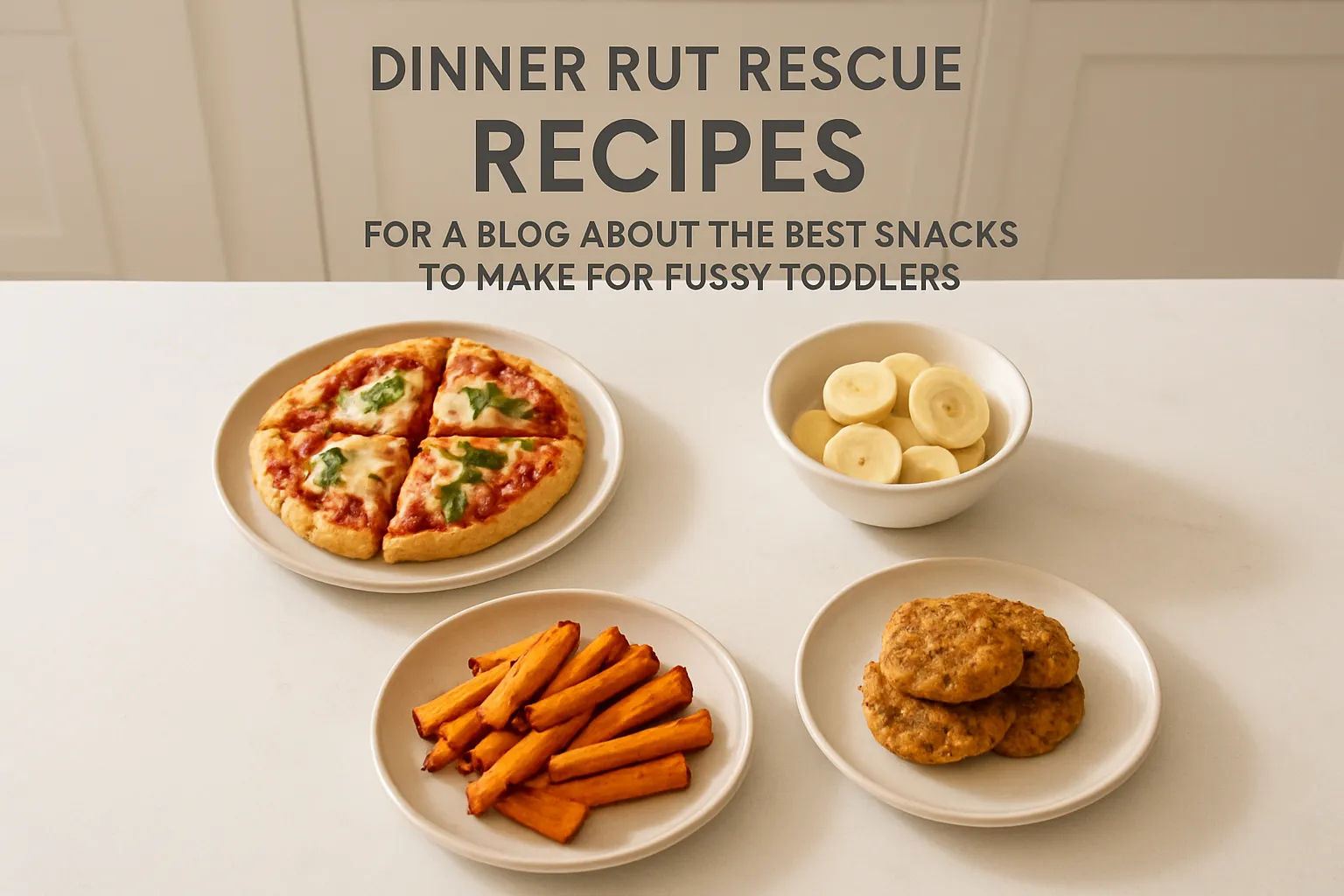
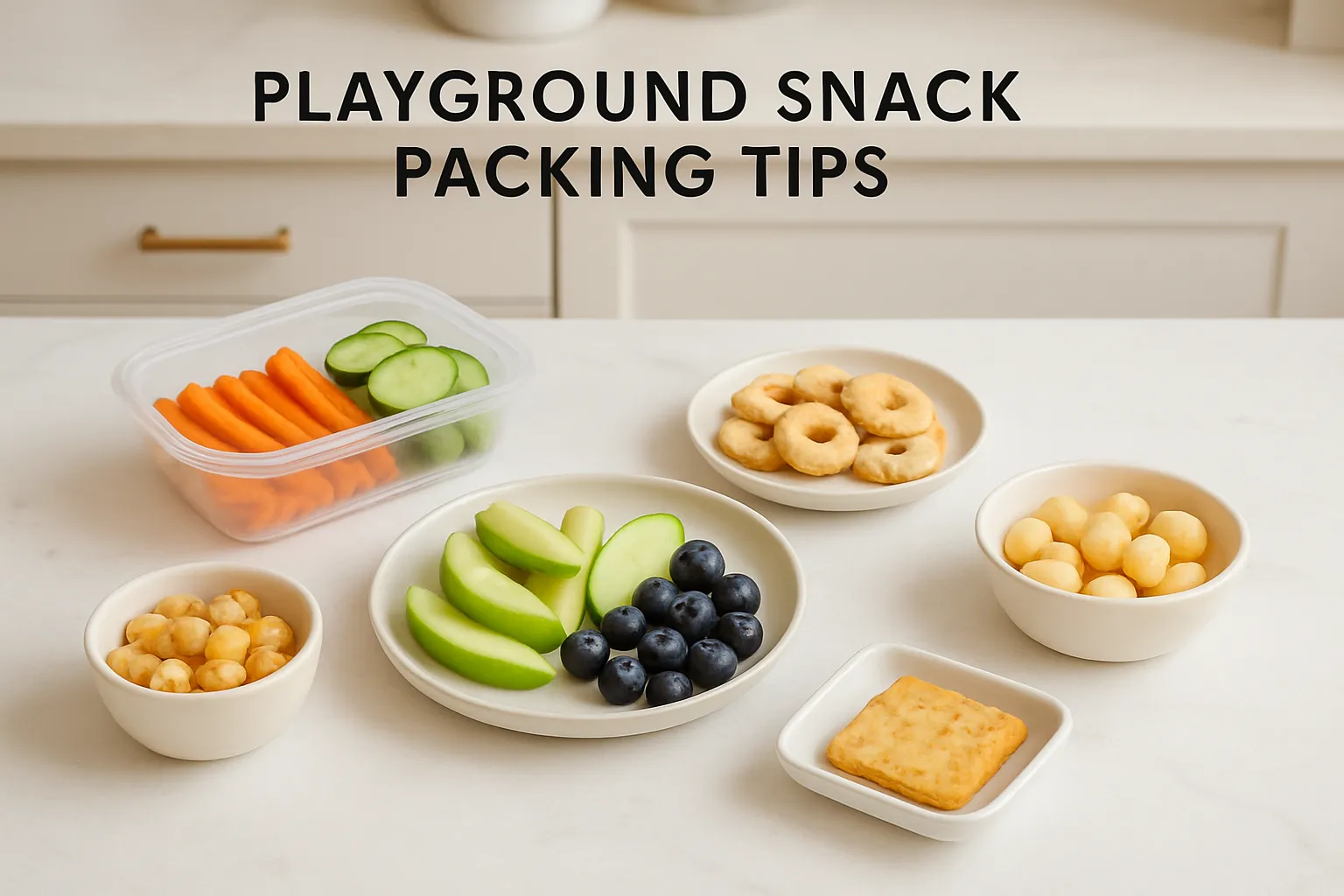
First rule: keep it safe and simple. Playgrounds are busy, sandy and full of distractions, so choose snacks that are easy to grab, non-messy and safe to eat on the run.
Safety and portioning
- Cut things into toddler-safe sizes. Halve grapes lengthways, slice cherry tomatoes, and cut apple slices thin. Avoid whole nuts and big chunks for little ones.
- Soft cooked veg sticks are safer than raw carrot for younger toddlers. Steam carrot or sweet potato until soft, then cool and cut into batons.
- Stick to finger foods that don’t need utensils. If you bring yogurt, use a squeezable pouch or a small spoon with a shallow tub so it can be eaten quickly and with less mess.
- Know the age of the kids around you. Popcorn and nuts are fine for older toddlers with supervision, but skip them for under fours.
Keep it fresh
- Use a small ice pack in an insulated bag for dairy, cut fruit and anything perishable. On hot days, rotate snacks so cold things don’t sit in the sun too long.
- For chilly weather, a thermos with warm porridge, soup or mashed sweet potato is a lovely treat and very filling.
- If you’re out for a long session, pack an extra snack or two. Toddlers seem to burn through snacks at the park.
Containers and gear that work
- Small snap-lock containers, reusable silicone pouches and a divided lunchbox make food easy to access and control portions.
- Bring wipes, a small hand towel and a plastic or wet bag for rubbish or sticky clothes.
- A lightweight bib or change of tee can save a meltdown after an especially messy treat.
Keep the mess minimal
- Choose low-drip options. Banana slices, cheese cubes, veggie sticks, mini sandwiches, rice cakes with spread and dry cereal packs are great.
- Freeze yoghurt drops or smoothie cubes in advance. They thaw into a chilly snack that is less messy than a full tub.
- Wrap sticky things in beeswax wraps or put them in a little container so tiny hands don’t coat everything in jam.
Allergies and sharing
- Check park rules and avoid nuts if the playground has nut-free policies or small children nearby. When uncertain, offer separate snacks for your child rather than sharing communal food.
- Label your child’s bag if you’re at a group playdate. A quick name sticker avoids mix-ups.
Quick snack combo ideas
- Cheese cubes + steamed carrot sticks + wholegrain crackers
- Halved grapes + mini wholegrain sandwich with mashed avocado
- Frozen yogurt drops + soft banana slices
- Hummus in a little tub + pita fingers or soft cucumber slices
- Mini muffin made with hidden veg + a few blueberries
Playground snack packing checklist
- Insulated bag and small ice pack or thermos
- 3 small containers or pouches
- Water bottle
- Wipes, a towel and a wet bag
- Spare snack and a spare shirt
- Small rubbish bag
Keep it simple, keep it safe, and aim for snacks that can be eaten in two or three bites. Less to fuss with means more time sliding, swinging and enjoying the sunshine.
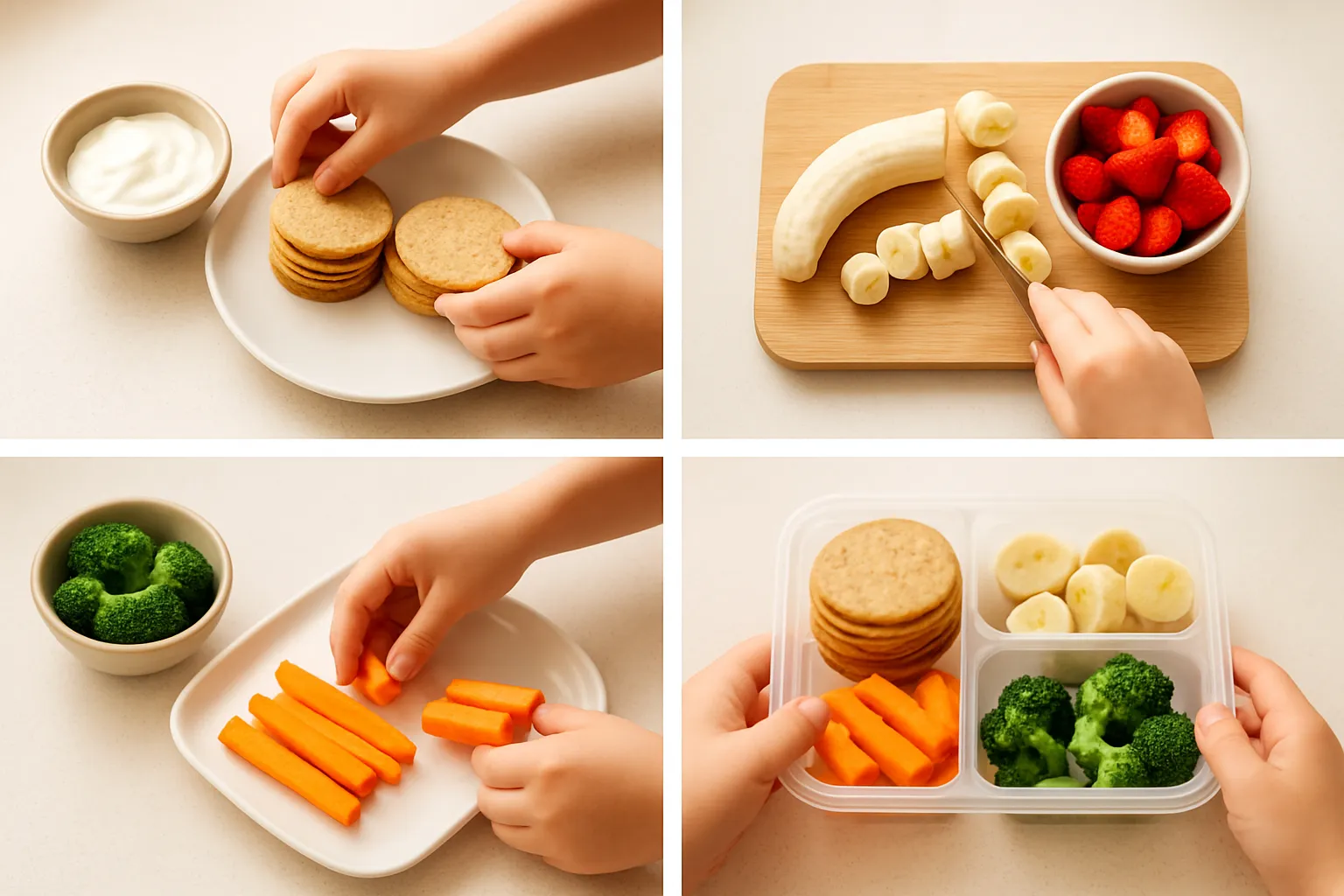
Little hands, big tastes. Practical, safe tricks that actually make snack prep easier and less stressful.
- Cutting and shaping for safety
- Always slice round foods lengthways first: grapes, cherry tomatoes and sausages should be cut lengthways and then into small pieces so there’s no whole round shape left.
- Steam or soften hard veg and fruit before serving to little ones: carrot, apple and pear are much safer and more likely to get eaten once they’re tender.
-
Avoid whole nuts, popcorn and hard candy for toddlers. Use smooth nut or seed butter thinly spread, or finely ground nuts mixed into porridge or muffins.
- Textures that toddler mouths love
- Mash and mix: mash avocado into toast, fold pureed veg into mashed potato or cottage cheese, or grate zucchini and carrot into pancakes and muffins.
- Cut finger food into manageable sizes: bite-size cubes, little strips or mini meatballs about the size of a grape (but not round), so they’re easy to pick up and chew.
-
Offer a mix: one soft element, one slightly firmer one and a dip. Toddlers like variety on the plate and will often nibble at the familiar alongside something new.
- Batch prep and freezer tricks
- Make double batches and freeze single-serve portions in silicone muffin trays or ice-cube trays. Egg muffins, veg fritters, mini meatballs and yoghurt bites thaw well.
- Once frozen, pop servings into labeled bags so you can grab one from the freezer for the week. Date everything so you don’t lose track.
-
Freeze sandwich halves or wraps in parchment paper and press flat so they thaw quickly overnight in the fridge.
- Quick on-the-go prep
- Portion into small, compartmented containers or a bento box so you don’t end up with ten choices shoved together. Keeps new foods separate from favourites.
- Use an insulated bag and a small frozen gel pack for dairy and cooked items. Keep food cool until it’s time to eat.
-
Avoid loose toothpicks or sharp picks; use silicone picks or small sectioned containers instead.
- Reheating and serving
- Reheat until steaming, then stir and let cool to a safe temperature. Test the centre with a spoon before serving.
- Serve wet foods in a shallow dish so they cool faster and are easier for tiny hands.
-
Keep sauces and dips lukewarm or cool, depending on the food. Hot dips can scald little mouths.
- Clever swaps and sneaky nutrition
- Sneak veg into batters and sauces where texture won’t give them away: blended pumpkin in pasta sauce, spinach in smoothies or shredded carrot in muffins.
- Boost meals with ground seeds or milled flax for omega fats without adding texture that bothers them.
-
Use naturally sweet fruit purees as sweeteners in baking to cut refined sugar.
- Tools that make life easier
- A good pair of kitchen shears and a small, sharp knife for quick, safe cutting.
- Silicone muffin trays and ice-cube trays for portioning and freezing.
-
Small airtight containers for grab-and-go snacks and a reliable insulated lunch bag.
- Quick safety checklist before serving
- No whole round foods for littlies under 4: quarter grapes and tomatoes.
- Make sure hard food is softened enough to mash when pressed with a fork.
- Remove seeds, large pips and hard skins from fruit when necessary.
- Check for hot spots after reheating.
These little prep habits save time and a lot of stress. Batch a few basics on the weekend and you’ll have safe, fridge-and-freezer-ready snacks to pull out on the busiest days.
Browse Cuisines
From the Blog
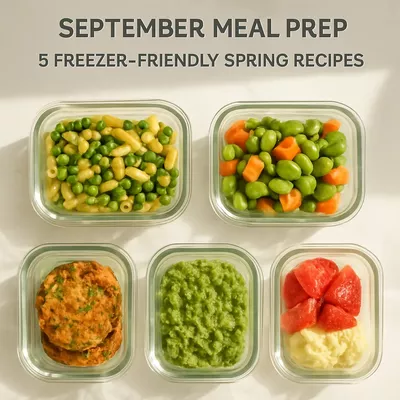
First up, a few no-fuss spring winners that keep sticky fingers and big clean-ups to a minimum. Quick to prep and easy for little hands to manage, these are the sorts of things I reach for when we want something...
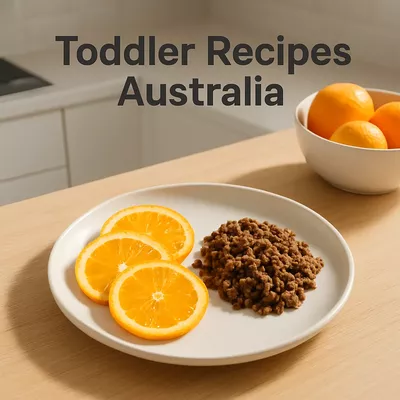
Nice - here’s how Steve keeps dinner simple without sacrificing flavour or sanity. A few good habits and the right packing tricks mean you can pull a proper family meal out of the freezer in minutes.
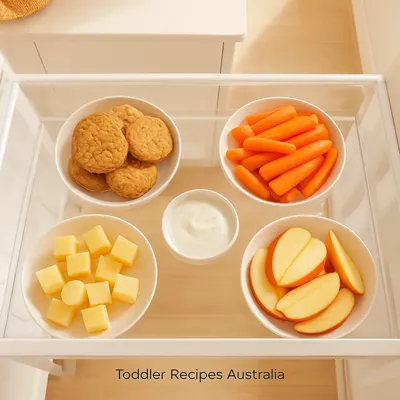
Righto, a couple of quick fridge fixes will make everything a whole lot easier. These are the simple, practical habits and setups that keep snacks safe, obvious and actually reachable for little hands.
 Never miss a recipe from us, subscribe to our newsletter