
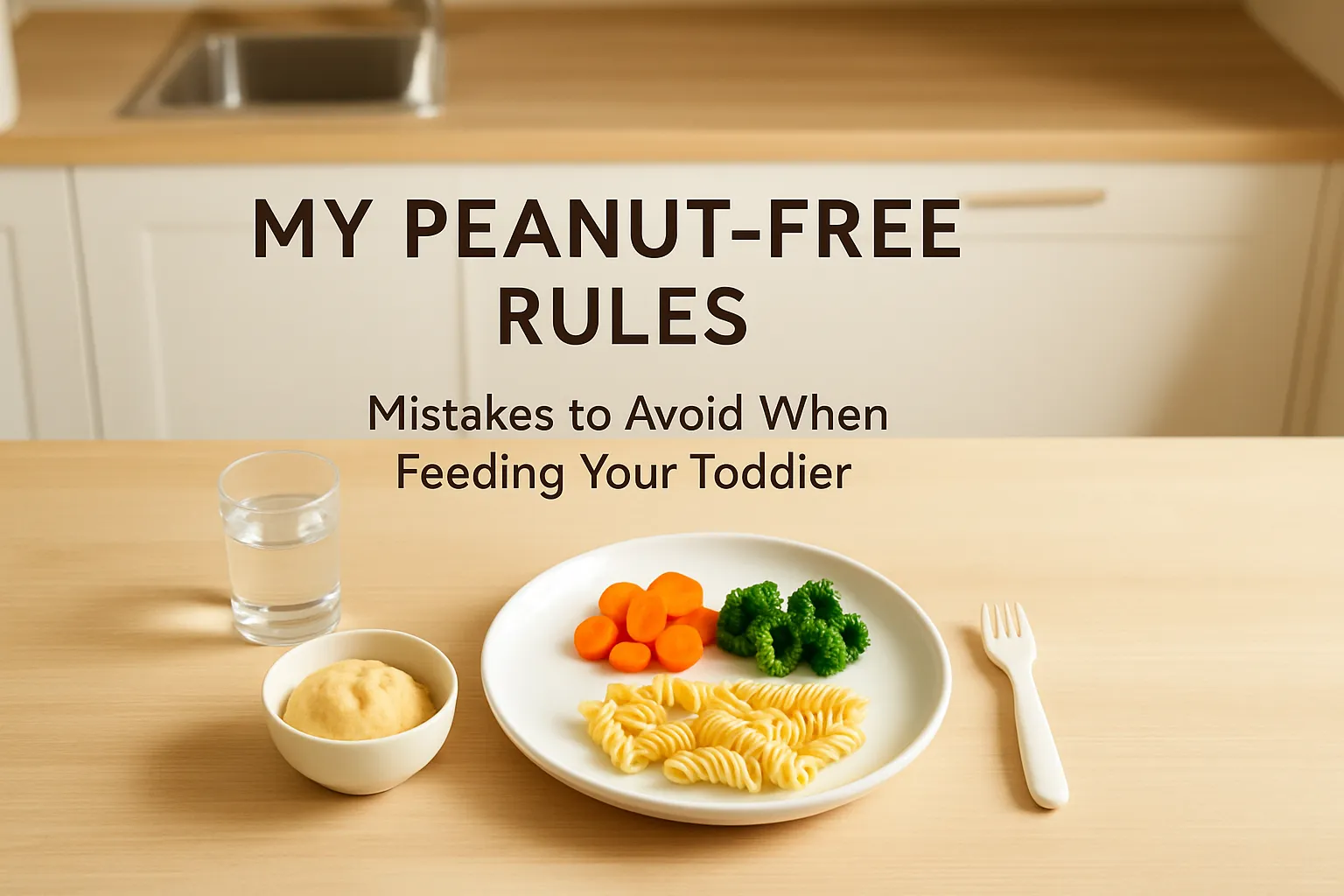
Mistakes to Avoid When Feeding Your Toddler
Keeping peanuts off the menu meant setting a few firm but easy-to-stick-to rules. Here’s what works day to day to keep little hands safe and mealtimes calm.
-
Clear the pantry and ditch obvious peanut products. If it says peanut or peanut butter, it stays out. Toss or donate items you won’t use so there’s no temptation or confusion.
-
Read every ingredient label, every time. Recipes and suppliers change. Watch for hidden names like groundnut or arachis, and be wary of sauces, biscuits, muesli bars and take-away sweets.
-
Treat “may contain” as a no-go at home. If you want the house truly peanut-free, skip anything with precautionary statements. It’s the easiest rule to enforce.
-
Keep things separate when out and about. Pack safe snacks for playdates, kinder and outings instead of relying on whatever’s offered. A small stash of familiar favourites saves awkward conversations.
-
Tell everyone clearly and kindly. Leave a note on the babysitter’s instructions, tell grandparents exactly what’s allowed, and put a short house-rule sign on the pantry or fridge. No one minds being told once.
-
Ask questions when dining out. Call ahead if you need to, ask about cross-contact with fryers or shared utensils, and choose places that will take it seriously. If staff seem unsure, pick somewhere else.
-
Clean properly after others have eaten nuts. Wipe high chairs, tables and toys, and get hands and faces washed straight away. Crumbs matter, so a quick vacuum or wipe down helps.
-
Don’t cook with peanut oil in the house. Even if refined oils can be argued about, avoiding it removes risk and stress, especially when toddlers are crawling and grabbing.
-
Have an action plan and make it visible. Keep any prescribed emergency meds handy and show carers where they are and how to use them. A printed plan and a brief run-through stop panic if something happens.
These simple habits keep things straightforward and make life easier for everyone who looks after your kid.
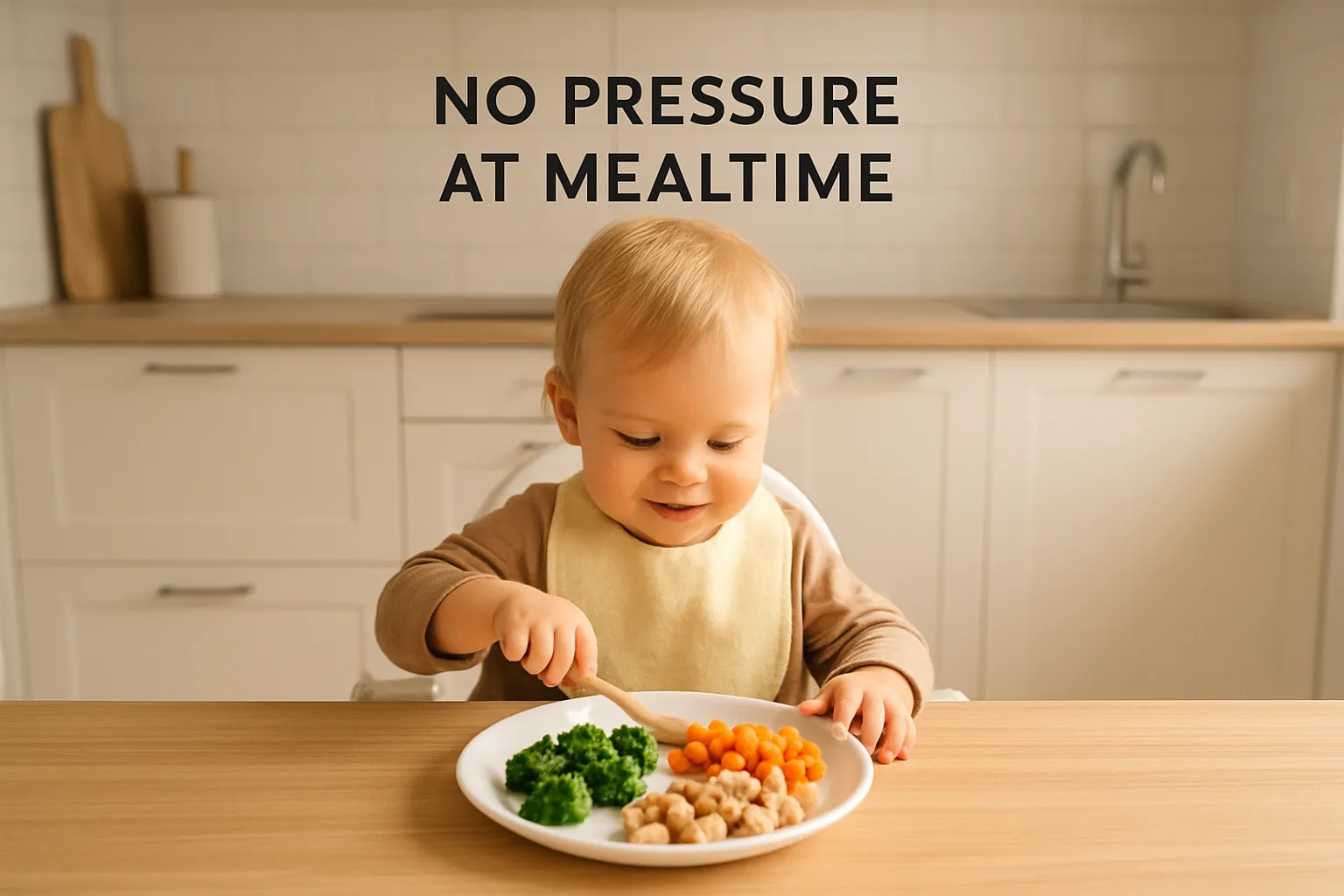
Keep mealtimes calm and relaxed. Pressure makes eating into a battleground, and that rarely ends well. Try these simple, practical moves you can start tonight.
-
Stay neutral. If they refuse food, say something short and matter-of-fact like, “Okay, you don’t want that right now,” then clear away the plate at the end of the meal without drama. No offering rewards, no guilt trips, no lectures.
-
Offer choices, not demands. Give two acceptable options so they feel in control, for example, “Would you like carrot sticks or cucumber?” Avoid yes or no questions about eating, which invite arguments.
-
Keep language gentle and specific. Swap “Finish your dinner” for “Would you like a little taste?” or “Try one bite and tell me what you think.” Praise curiosity and effort, not cleaning the plate, for example, “Nice try, thanks for tasting.”
-
Model the behavior. Eat the same food, show enjoyment, and comment casually, “This is crunchy, I like it.” Kids copy more than they argue.
-
Limit grazing before meals. A couple of planned snacks during the day and a reasonable gap before dinner helps hunger be the helper. If they skip, don’t panic. Offer water and try again at the next snack or meal.
-
Keep food available for exploring, not forcing. Let them touch, smell and play a bit. Tasting often comes after familiarity. No coercion, just gentle invitations: “Would you like to try a tiny bit?”
-
Stick to routines. Regular meal and snack times set expectations, and kids thrive on that predictability.
-
Decide on boundaries and stick with them. If one-meal rules are “we all eat the same food” or “no screens while eating,” be consistent so mealtimes feel safe and clear.
-
If mealtime becomes a power struggle, walk away. Calmly end the meal and try again later. Repeated, low-pressure exposure beats daily battles.
Keep it simple and steady. Small, consistent steps will do more for appetite and confidence than pressure ever will.
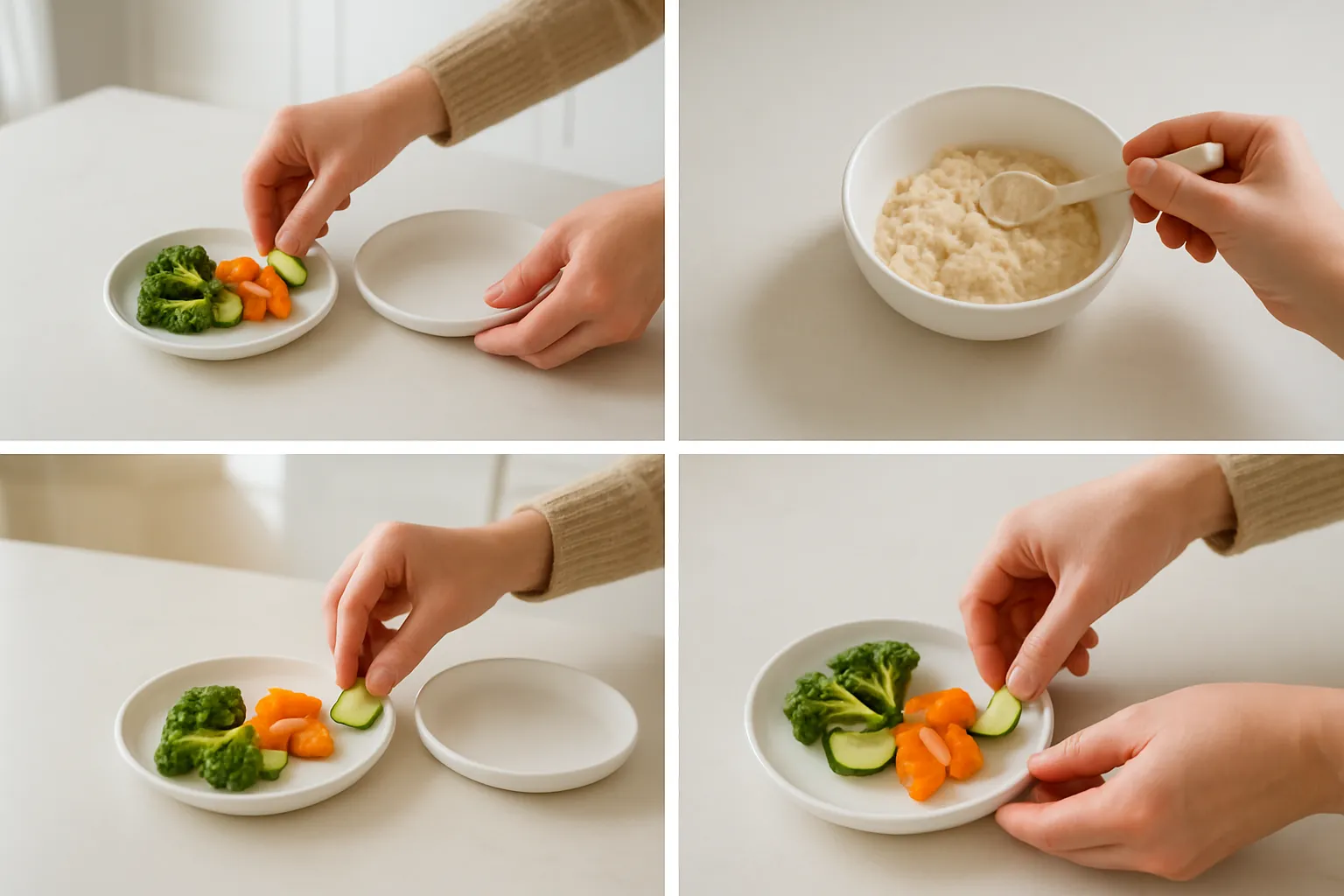
Keep portions small and simple. Toddlers have tiny tummies, so start with a little plate and offer more if they’re still hungry. That way you won’t overwhelm them or end up throwing away half a meal.
Practical tips
- Use a small plate or bowl. A child-sized plate makes an adult portion look huge and helps you serve a realistic amount.
- Start tiny, offer seconds. Put down one scoop and say you can have more if they want it. Kids will ask when they’re hungry.
- One course at a time. Serve the main and a small veg or fruit side rather than laying out a banquet. Too many choices can be distracting.
- Watch the clock, not the plate. Aim for meals every 2.5 to 3 hours with a couple of planned snacks so they’re hungry but not starving.
- Don’t force finishing. If they push the plate away, accept it. Pushing to eat more teaches them to ignore fullness cues.
Quick portion guide for a meal (roughly for 1-3 year olds)
- Veggies: 1-3 tablespoons (more if they’re a veggie-lover)
- Fruit: 1-2 tablespoons or one small slice/piece
- Protein (eggs, meat, fish, beans): 1-2 tablespoons
- Grains (rice, pasta, bread): 2-4 tablespoons or half a small slice of bread
- Dairy (yogurt, cheese): 2-4 tablespoons or a small cheese stick
Handy visuals
- Protein about the size of their palm.
- Carbs a small cupped handful.
- Veggies a couple of spoonfuls or about half the plate if they’re soft and smashed.
Safety and practicalities
- Cut round foods small and lengthwise to avoid choking hazards.
- If you’re cooking adult meals, put a toddler portion on a separate plate rather than giving them the whole serving.
- Keep leftovers visible in the fridge for a simple second serving later instead of overfilling the plate at mealtime.
Remember, appetite changes by the day. Some days they’ll barely nibble, other days they’ll surprise you with extra helpings. Trust the tiny tummy to tell you what it needs.
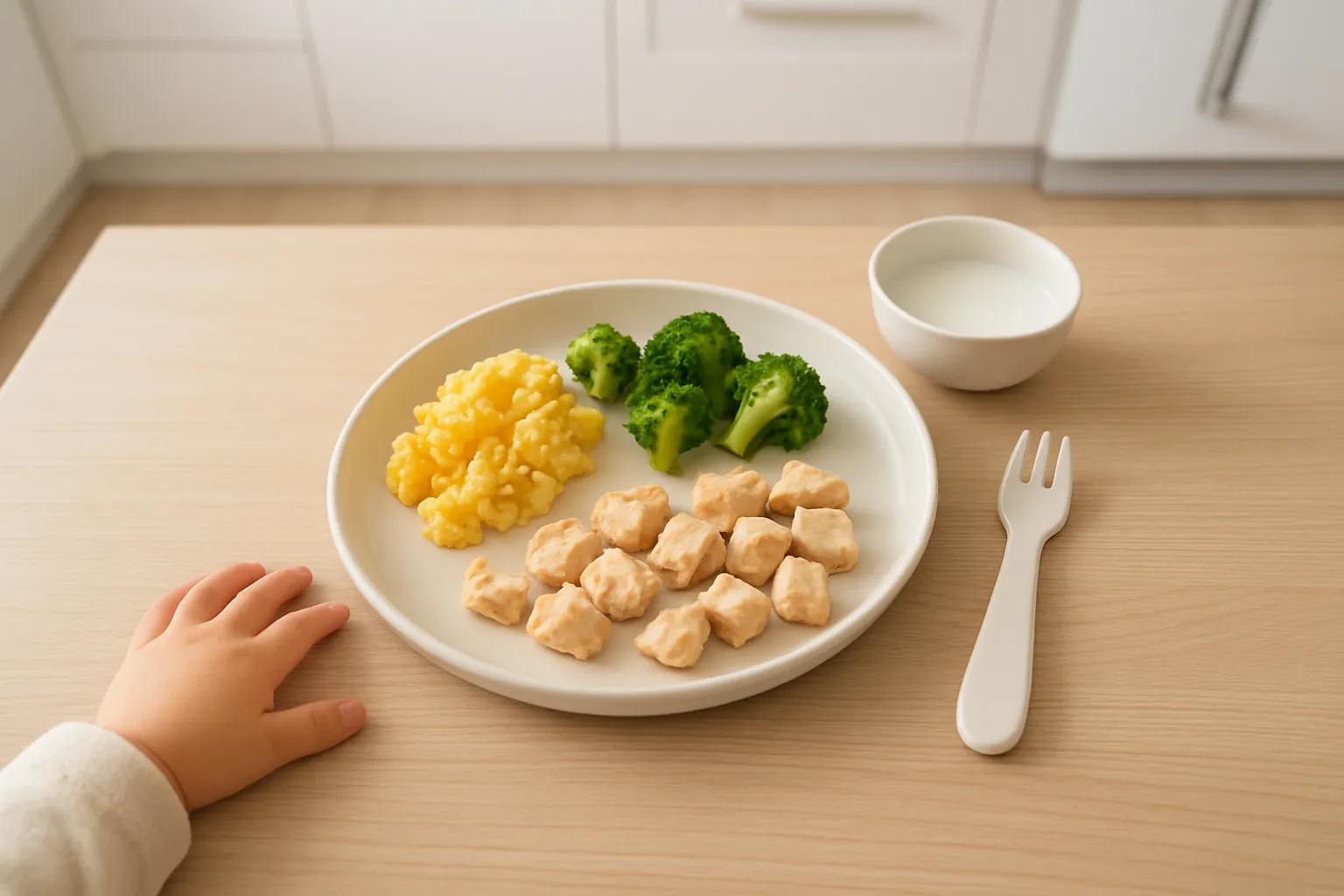
When you’re trying new flavours for the grown-ups, keep the toddler meal simple and separate. That way they can explore at their own pace without getting overwhelmed, and you don’t end up making two completely different dinners.
Practical tips
- Build-it-yourself plates. Serve the main elements in small bowls so your toddler can choose. Plain rice, steamed veg, a bit of unseasoned protein and a mild dip on the side works a treat.
- Set aside before you season. Cook a pot of veg or some pasta, scoop a toddler portion out, then add curry paste, chilli or extra salt to the rest. That saves time and keeps flavours separate.
- Keep textures familiar. Toddlers often reject new textures more than new flavours. If you’re trying spicy stew, give them the same ingredients mashed or chopped into toddler-sized pieces.
- Sauce on the side. Offer the new sauce as a dip so your toddler can decide whether to try a tiny spoonful. Dipping is fun and puts them in control.
- Deconstruct complicated dishes. If dinner is a big mixed-up salad or stir-fry, plate a small amount of the core protein and a couple of plain veg pieces for your toddler. No mixing needed.
- Small containers for tasting. Use a tiny spoon or ramekin for tastes so you do not contaminate the whole pot with little mouths. It also keeps portions small and low-pressure.
- Keep a safe fallback, not a full second meal. A small piece of toast, a scrambled egg or a few steamed veg can save the evening without turning cooking into a marathon.
- Warm the toddler plate. Cold food is more likely to be refused. Pop their portion in a low oven or microwave for a few seconds while you finish the adults’ plates.
- Repeat exposure gently. Put a tiny bit of the new flavour on their plate regularly without fanfare. No pressure, no reward. Familiarity helps them accept it over time.
- Avoid using the separate plate as a bargaining chip. Don’t say If you try this, you get pudding. That links trying new food to external rewards and can backfire.
Quick examples
- Curry: scoop out plain rice and some veg before adding the paste. Serve the curry on the side.
- Pasta: save a handful of plain pasta, then pour on the spiced sauce for the adults and a small pot of sauce for dipping.
- Stir-fry: cook meat and veg lightly for the toddler, then toss with soy and chilli for the rest of the family.
Keeping components similar but separate keeps cooking simple and gives your toddler a safe space to explore tastes. No dramas, just small steps.
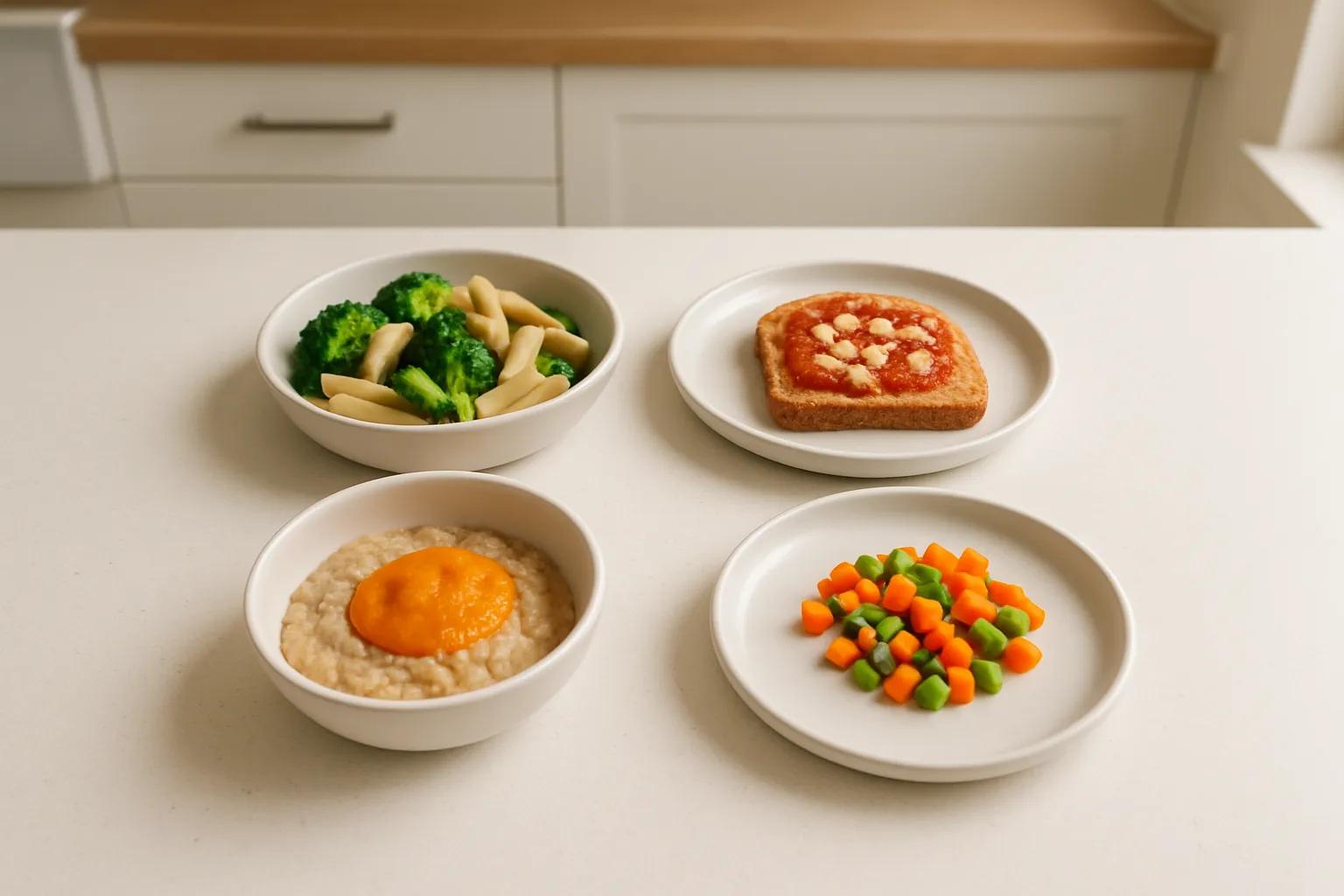
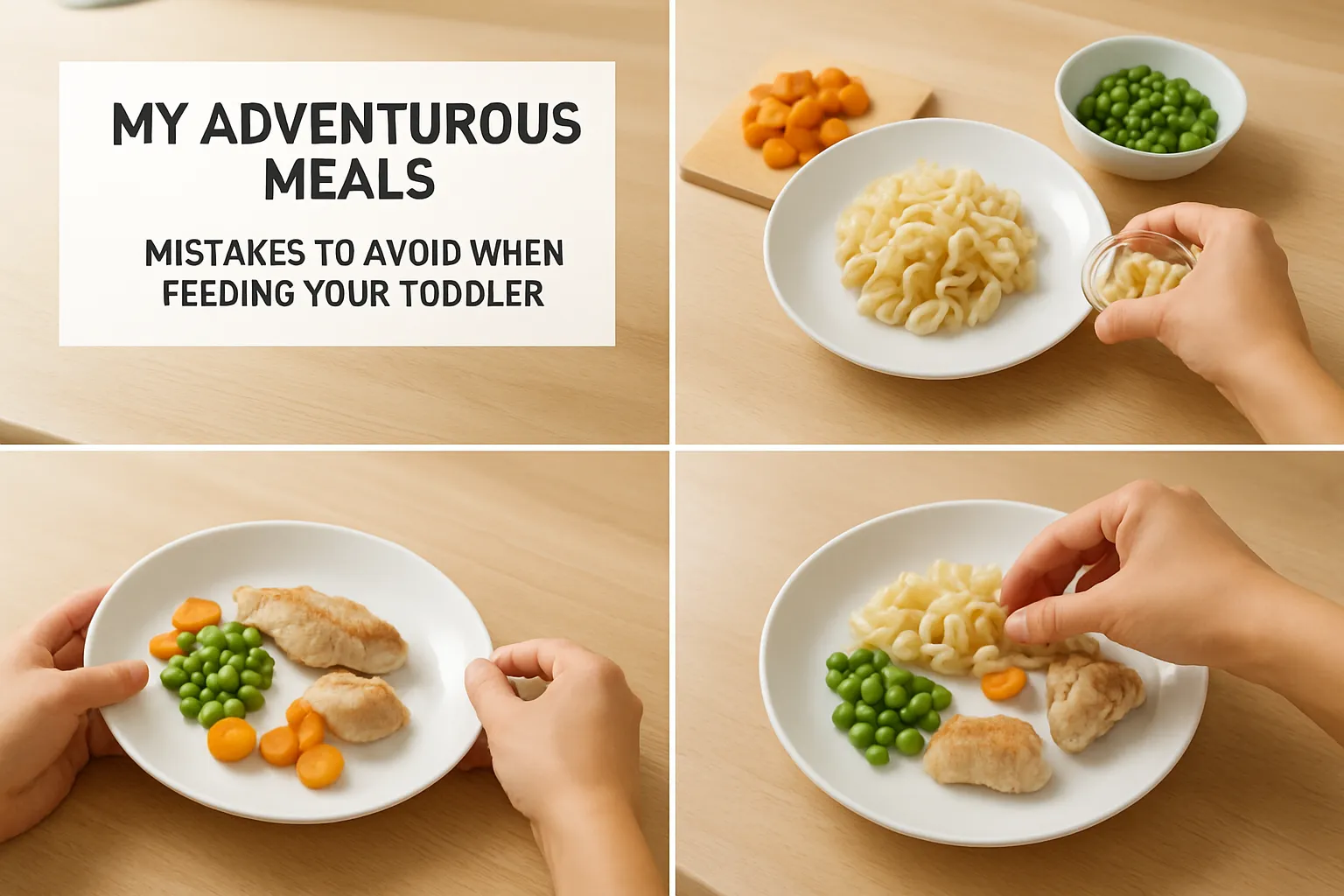
Keep dinner simple. Your toddler does not need a Pinterest spread, and the less faff, the more likely everyone actually eats and you get to sit down before midnight.
Practical ways to keep dinners low-stress
-
Build a tiny menu template: protein + veg + carb + one sauce. If you stick to that frame you can mix and match in seconds. Think sausage, peas, mash, mild tomato sauce; or chickpea curry, rice, steamed broccoli, yoghurt.
-
One-pan and one-pot wins: sheet-pan dinners, tray-bakes and one-pot pastas mean less chopping and only one dish to wash. Pop everything on the tray and forget it until it smells good.
-
Batch cook smartly: double whatever you make and freeze half or use leftovers for lunches. Cooked mince, roasted veg, meatballs and sauces freeze brilliantly and turn into dinner in minutes.
-
Keep a short list of 8 go-to meals: when you’re tired you don’t need to reinvent the wheel. Rotate the same favourites so shopping and prep become automatic.
-
Use time savers without guilt: frozen veg, canned beans, store-roasted chicken, pre-chopped salads and jarred sauces are your friends on busy nights.
-
Serve family-style: lay out bowls and let kids help spoon onto their plate. It reduces the pressure to create perfect toddler portions and shows them food variety without a fuss.
-
Make dinner approachable not theatrical: cut food into toddler-friendly pieces, offer a small spoon of a new thing alongside something familiar, and keep sauces separate so they can dip if they like.
-
Limit choices: too many options overwhelms little ones. Offer two things to choose from if you need them to cooperate, not an entire buffet.
-
Aim for simple flavours: a little butter, lemon, oregano or mild curry powder will get more thumbs up than an elaborate spice mix. Toddlers generally prefer cleaner flavours.
-
Keep a rescue stash: muffins, frozen home-made meals, grated cheese, sliced fruit and crackers get you out of a bind. If dinner needs to be “whatever” for one night, that is completely fine.
-
Clean as you go: tidy while food is cooking. Less chaos at the end makes dinner feel manageable and not never-ending.
When you narrow the choices, use reliable shortcuts and accept that “good enough” is still great, mealtimes become less stressful for everyone. If tonight’s dinner is a simple pasta with peas and grated cheese and it keeps everyone fed and happy, that counts as a win.
Browse Cuisines
From the Blog
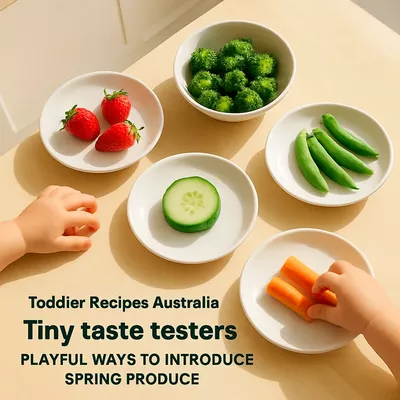
First up, a few no-fuss spring winners that keep sticky fingers and big clean-ups to a minimum. Quick to prep and easy for little hands to manage, these are the sorts of things I reach for when we want something...
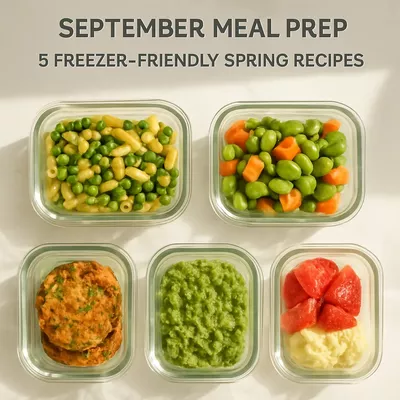
Nice - here’s how Steve keeps dinner simple without sacrificing flavour or sanity. A few good habits and the right packing tricks mean you can pull a proper family meal out of the freezer in minutes.
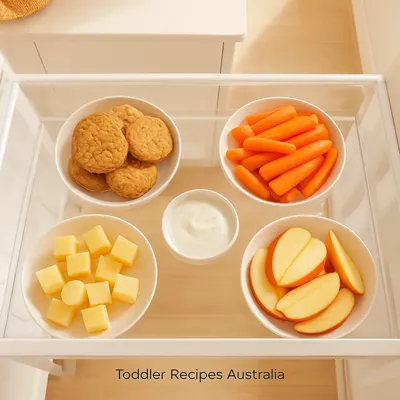
Righto, a couple of quick fridge fixes will make everything a whole lot easier. These are the simple, practical habits and setups that keep snacks safe, obvious and actually reachable for little hands.
 Never miss a recipe from us, subscribe to our newsletter