
The Pros and Cons of Starting Solids Early
By then I had already read heaps of advice and opinions, but watching my bub day to day is what tipped me over the edge. A few practical things pushed me to give food a go a little sooner than I’d planned.
-
Feeding cues: feeds were getting shorter and more frequent, and my little one was still waking hungry overnight. Instead of just upping milk, I tried tiny tastes to see if a bit of texture helped settle things between feeds.
-
Developmental signs: sitting up with support, losing the strong tongue-thrust reflex and reaching for food were clear signals. Those moments made it feel less like an experiment and more like the right next step.
-
Iron and growth: routine checks and a small weight plateau had us thinking about iron-rich options earlier. Small amounts of mashed beef, lentils or iron-fortified cereal were easy ways to add that without swapping out milk as the main source.
-
Sleep and tummy issues: reflux and constipation were part of our day. For some babies gentle purees or blended fruit and veg helped them settle and loosen things up, but this was only after talking it through with our GP and the Maternal and Child Health nurse.
-
Inclusion at the table: wanting bub to join family dinners was a big practical reason. Simple, soft finger foods meant fewer separate meals and more shared sit-downs, which was a win for everyone.
-
Allergy prevention: with allergies on both sides of the family we introduced common triggers carefully, in small amounts and while watching for reactions, after getting the green light from our health professional.
How we did it: tiny portions, one new food every few days, sit-up supervision, and no hard chunks. Milk stayed the main thing for months, and we kept a close eye on texture and gagging versus choking. It felt less scary when split into small, sensible steps, and watching bub explore new flavours made the whole process feel worth it.
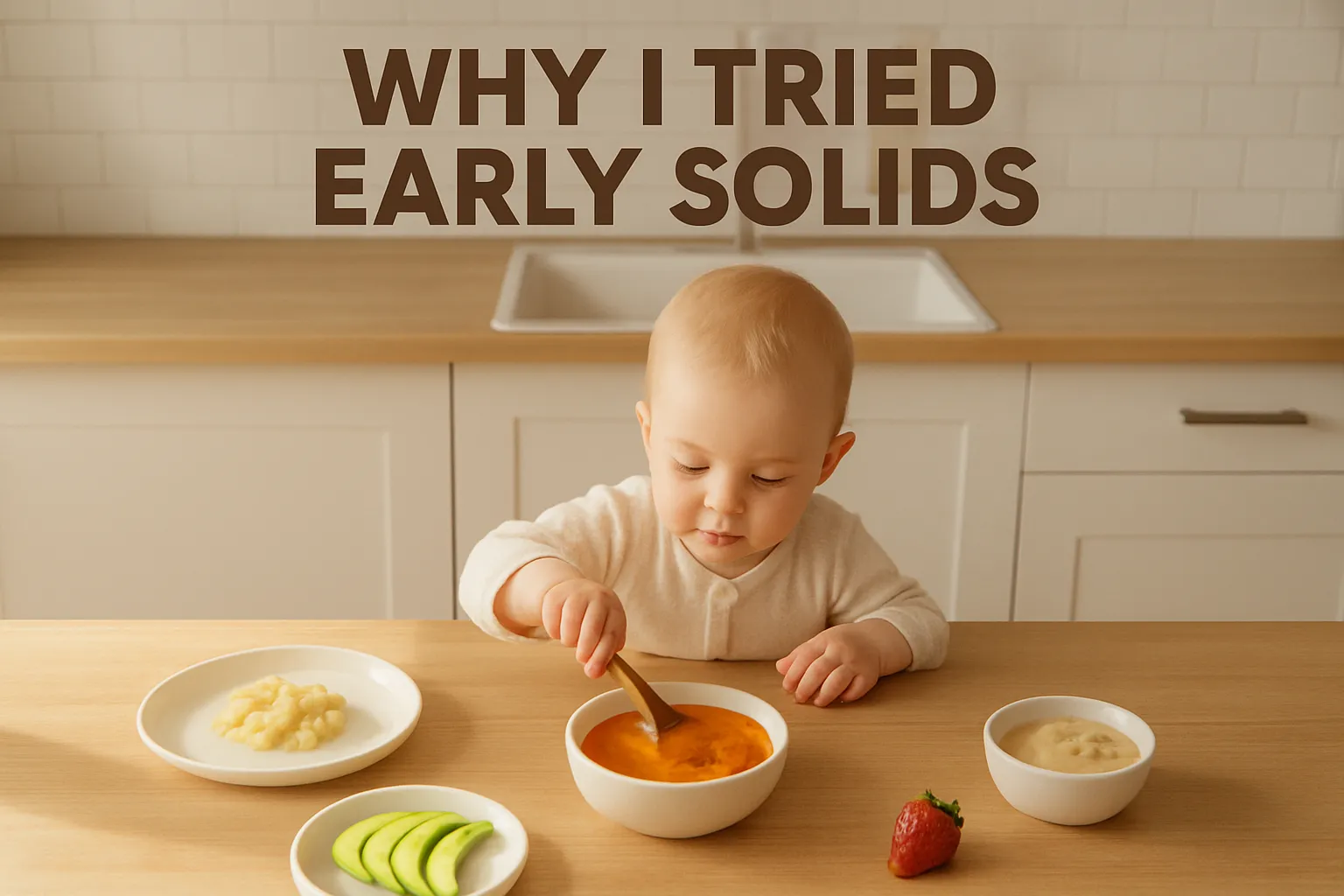
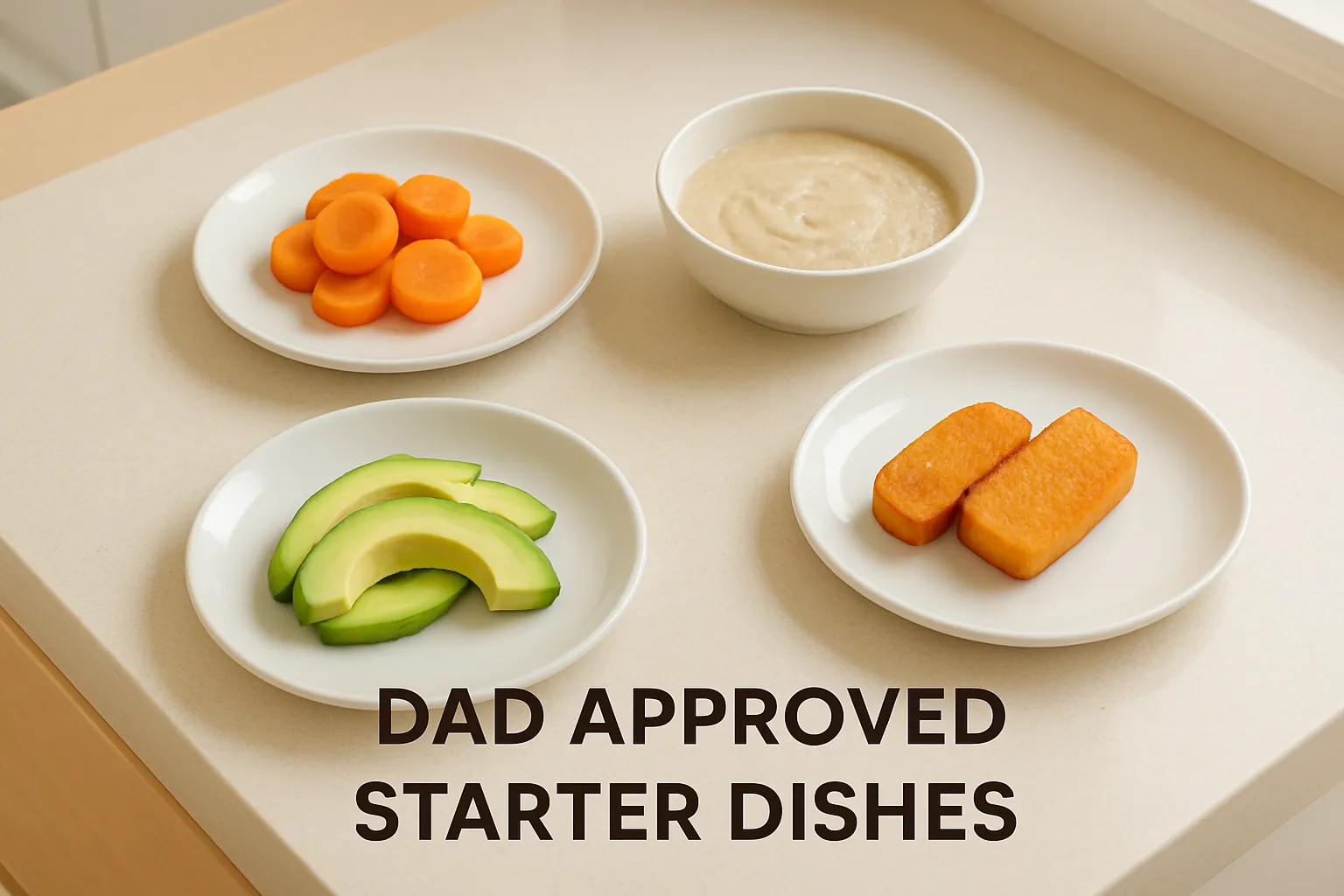
These are the easy wins that got a thumbs up at dinner time. Quick notes on texture and what dads liked are in each one.
- Beef and sweet potato mash
- Why dad liked it: familiar meaty flavour and filling, so he felt like he was actually feeding a proper meal.
- How to make: brown lean beef mince, drain, then stir through mashed steamed sweet potato. Add a little homemade stock, breastmilk or formula to loosen.
- Texture tip: mash smooth for early eaters, leave tiny soft lumps once they’re ready. Freezes well in little portions.
- Salmon and roast pumpkin smash
- Why dad liked it: smells like a grown-up dinner and is full of good fats.
- How to make: roast pumpkin until soft, bake skinless salmon until flaky, check carefully for bones, then mash together. Add a tiny squeeze of lemon or a pinch of dill if you want flavour.
- Safety: check for bones thoroughly and freeze leftovers in small tubs.
- Chicken and pea risotto
- Why dad liked it: hearty, gets bowls cleared and is easy to spoon-feed.
- How to make: cook arborio rice in low-salt stock until creamy, fold through shredded cooked chicken and peas. Finish with a splash of milk or stock for creaminess.
- Texture tip: cook the rice a touch longer than usual for softer grains.
- Banana oat pancakes
- Why dad liked them: he could flip a stack while juggling baths and bottles.
- How to make: mash a ripe banana, mix with oats and one egg, rest for five minutes, then cook small pancakes in a non-stick pan. Freeze extras.
- Serving idea: cut into strips for easy grabbing or serve with mashed berries.
- Carrot and red lentil soup
- Why dad liked it: simple, filling and sneaky veg-packed.
- How to make: simmer chopped carrots and red lentils in low-salt stock until soft, blend to the desired texture, add a pinch of mild spice like cumin if you want.
- Texture tip: red lentils break down completely so it’s naturally smooth.
- Mini turkey meatballs with hidden veg
- Why dad liked them: finger food that feels fun to eat and doesn’t need a fork.
- How to make: mix minced turkey with grated zucchini and carrot, form tiny meatballs, bake until cooked through. Serve whole for older toddlers or sliced for little ones.
- Safety: make sure the centre is fully cooked and meatballs are soft.
- Avocado and ricotta soldiers
- Why dad liked it: quick, healthy breakfast that tastes like a treat.
- How to make: mash avocado with a little ricotta, spread on soft toast, cut into strips. For younger mouths, skip the toast and serve the mash on soft pieces of steamed bread or toast fingers.
- Tip: wholegrain bread works well once they’re handling toast safely.
- Roast sweet potato and apple wedges
- Why dad liked them: sweet, caramelised and sunshine-coloured so kids are keen to try.
- How to make: roast chunks of sweet potato and apple with a tiny drizzle of olive oil until super soft. Cool and serve as finger food.
- Freezing note: roast in bulk and freeze portions for quick reheat.
Quick kitchen hacks dads appreciated
- Batch cook and freeze in ice-cube trays for single-serve thawing.
- Use slow cooker or oven-bake meals while you’re doing other stuff.
- Keep flavours simple but not bland; a pinch of mild herb or a splash of stock makes a big difference to grown-up palates without overpowering little ones.
Remember to check textures for safety, watch for allergies when introducing new foods, and never leave a child alone while eating. These were the dishes that helped make dinners less stressful and more family-friendly around here.
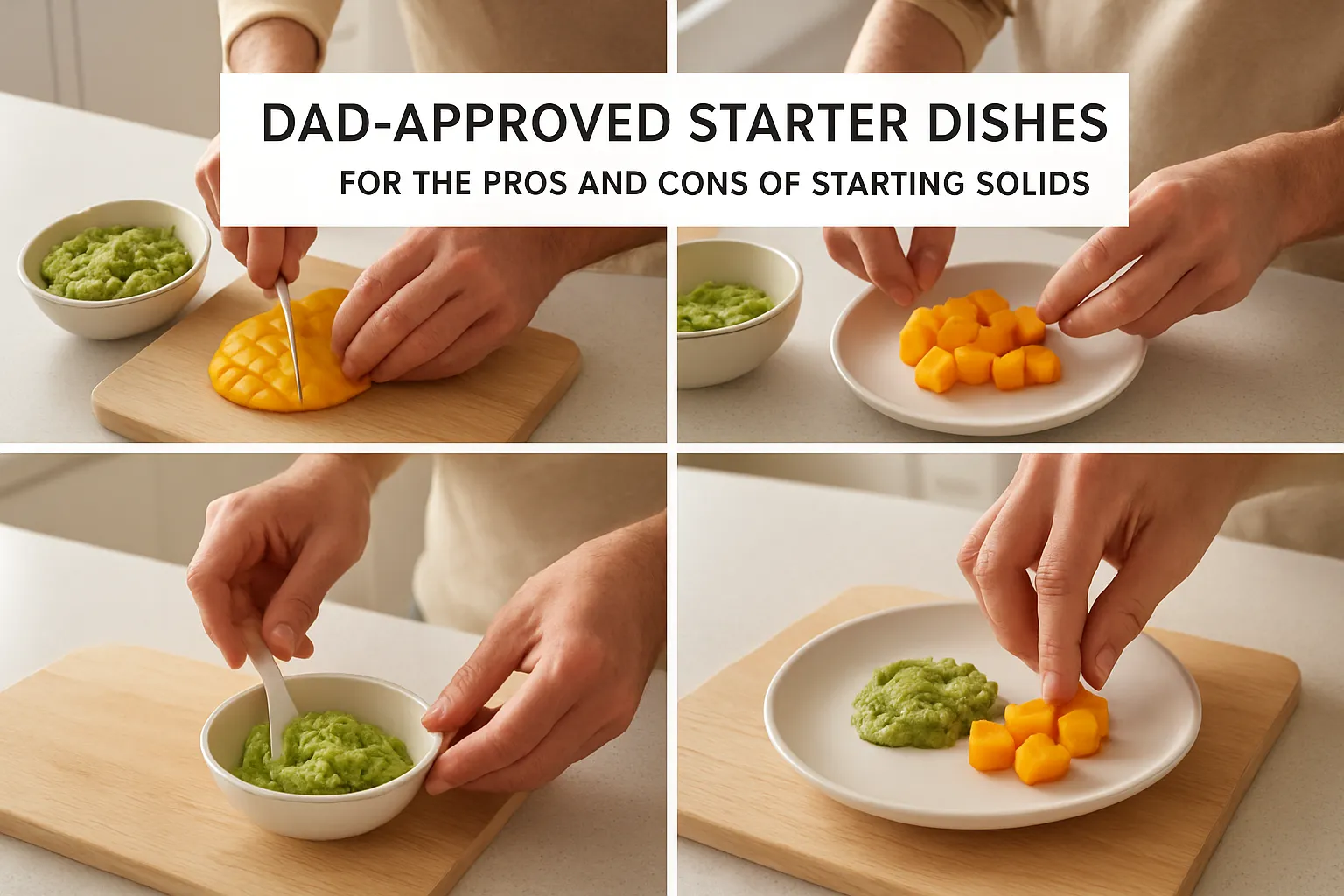
When dinner needs to be on the table fast, these go-to meals are baby friendly, flavourful and easy to adapt as your little one grows.
1) Red lentil bolognese with soft pasta
- Time: 20-25 minutes.
- Ingredients: red lentils, tin tomatoes, grated carrot, finely chopped onion, garlic (optional), olive oil, small pasta shapes.
- Method: sweat onion and grated carrot, add garlic, lentils and tomatoes, simmer until lentils fall apart. Stir through cooked pasta.
- For babies: mash slightly or puree for younger ones. For older toddlers, leave chunks and serve with tiny pasta shapes to practice pincer grip.
- Freezer tip: freezes well in portioned tubs for quick midweek dinners.
2) Mini salmon and potato cakes
- Time: 25 minutes (including mash).
- Ingredients: cooked salmon, mashed potato or sweet potato, finely chopped steamed zucchini or peas, egg to bind, a little lemon zest.
- Method: mix, shape small patties, brush with oil and bake or pan-fry until golden.
- For babies: press into flat, soft patties so they can gum them easily. For older toddlers, serve as finger food with soft veg.
- Note: introduce fish on its own first if you’re introducing allergens.
3) Veggie and cheese omelette roll-ups
- Time: 10-12 minutes.
- Ingredients: eggs, grated carrot, spinach, mild cheese.
- Method: whisk eggs, stir through veg and cheese, cook in a non-stick pan into a thin omelette, roll and slice into fingers.
- For babies: chop into small, soft pieces. Eggs are great for protein and super fast.
4) Mild chicken and pumpkin coconut curry with rice
- Time: 25-30 minutes.
- Ingredients: diced chicken, diced pumpkin, coconut milk, mild curry paste or turmeric/cumin, onion, rice.
- Method: simmer chicken and pumpkin in coconut milk until soft, season lightly. Serve with soft rice.
- For babies: mash some of the pumpkin into the sauce for a smoother texture. For older toddlers, serve chunks and let them pick pieces.
5) Soft tofu stir-fry with soft noodles
- Time: 15-20 minutes.
- Ingredients: soft or silken tofu pressed slightly, bok choy or broccoli (steamed then chopped), cooked soft noodles, mild soy sauce or low-salt alternative.
- Method: gently warm tofu and veg with a splash of sauce, toss through noodles.
- For babies: cut tofu into easy-to-hold strips or mash. Keep sauce minimal for little ones.
6) Tray-roasted veg and chickpea mash
- Time: 30 minutes.
- Ingredients: sweet potato, carrot, cauliflower, canned chickpeas, olive oil, thyme.
- Method: roast veg and chickpeas until soft, mash together and season lightly. Serve with yoghurt on the side.
- For babies: mash to a smooth consistency for younger ones, leave lumps for older toddlers.
- Freezer tip: roast double and freeze portions.
Quick practical tips
- Keep textures age-appropriate: softer and mashed for under 9 months, chunkier as they master chewing.
- Season with herbs rather than salt and avoid honey for under 1 year.
- Cut round foods like grapes and cherry tomatoes lengthways to reduce choking risk.
- Batch cook components like lentils, roast veg and cooked chicken then mix and match during the week.
- Offer a small piece of what the family is eating so mealtimes stay inclusive and low fuss.
These dinners are forgiving, family-friendly and easy to tweak depending on appetite and ability. Mix and match sides like mashed avocado, steamed peas or yoghurt dips to add variety without extra effort.
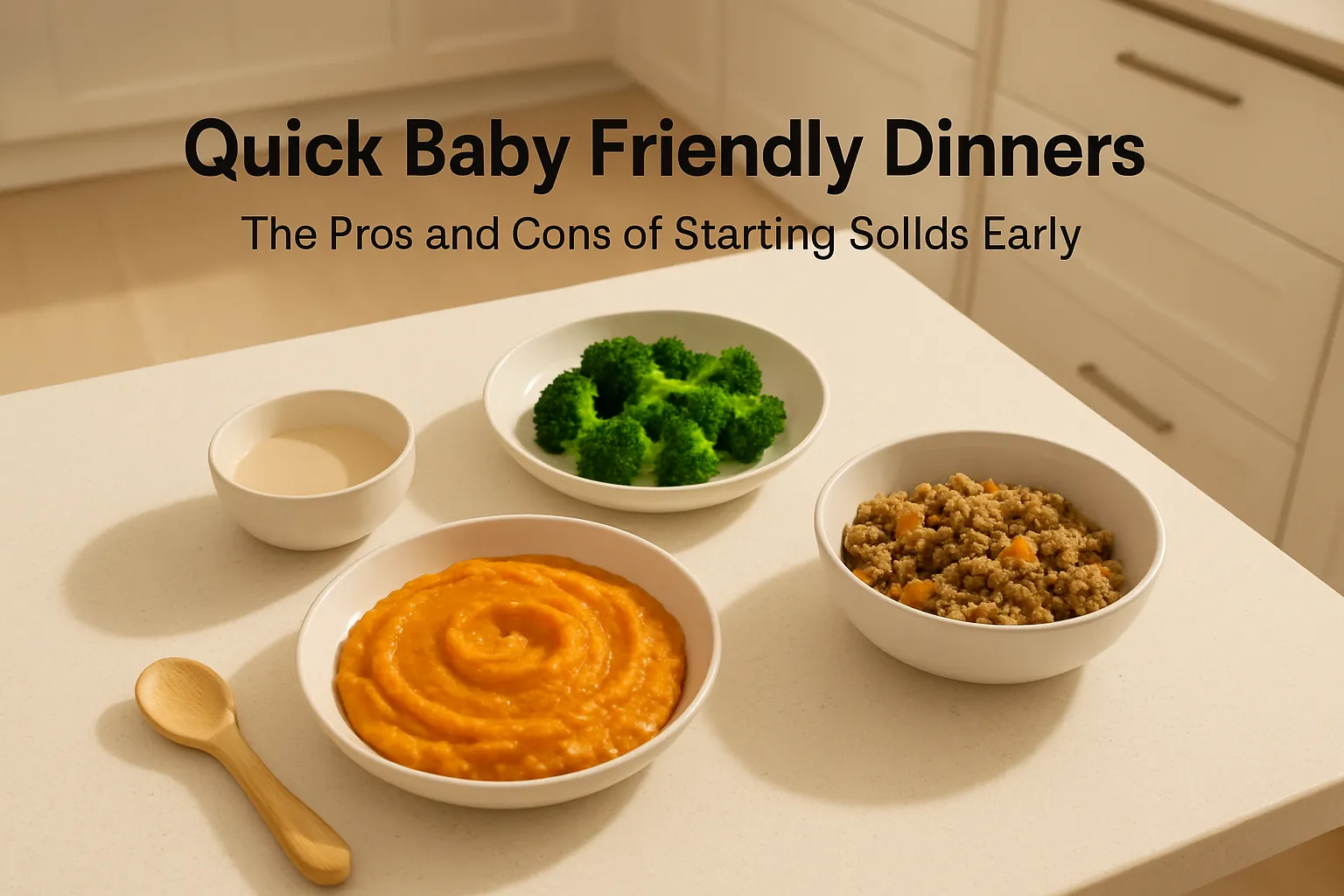
There are a few things that make me extra cautious at mealtimes. Here’s what I watch for and how I handle it.
Safety first
- Always supervise. No laps, no walking and eating, and no leaving them alone in a highchair.
- Sit them upright and supported so their airway is clear.
- Cut and prepare food with safety in mind: steam or roast until soft, slice grapes lengthways, quarter cherry tomatoes, shred meat finely, avoid whole nuts and hard raw veg.
- Keep small round foods, hard candies and chunks of raw apple well away until they can chew confidently.
- Avoid honey until after 12 months because of botulism risk. Don’t give cow’s milk as the main drink before 12 months either.
Choking versus gagging
- Gagging is noisy and annoying but normal as they learn textures. If they are coughing, crying or can breathe, they are probably gagging and will usually clear it.
- If they cannot cry, cough or breathe, call 000 straight away and start infant choking first aid. I would recommend doing a baby first aid course so you feel confident.
Allergy concerns
- Introduce one new food at a time and wait a few days before offering another new thing so you can spot any reaction.
- Look out for rash, swelling, vomiting, diarrhoea, wheezy breathing or persistent coughing. If any of those appear, get medical help quickly.
- If there is a strong family history of anaphylaxis or severe eczema, check with your GP or paediatrician about how and when to introduce common allergens like peanuts, egg and dairy.
Textures and progression
- Start with soft, mashed or well-cooked pieces and gradually increase lumpiness. Move on only when they manage the current texture reliably.
- Don’t rush finger foods until they have good pincer grasp and can sit well. Offer soft sticks and strips for practicing chewing.
Milk, hunger cues and growth
- Keep milk feeds central. Solids should complement milk, not replace it overnight suddenly.
- Watch their hunger and fullness cues. Pressuring to finish a jar or plate can backfire and create aversions.
- If you’re worried about weight or iron levels, talk to your GP. Iron-rich options early on are a good idea, but pacing matters too.
Practical extras
- Skip the added sugar and extra salt. Let flavours come from herbs, slow-cooked veg and natural fruit.
- Thin nut butters can be spread super thin on toast or mixed into purees, not offered as blobs that can stick to the roof of the mouth.
- Keep the mood calm. Mealtimes are practice runs. Patience beats perfection.
If any of this makes you uneasy, book a first-aid course and have a quick chat with your GP. Being cautious doesn’t mean you can’t enjoy trying new foods. It just keeps the whole family safer and saner.

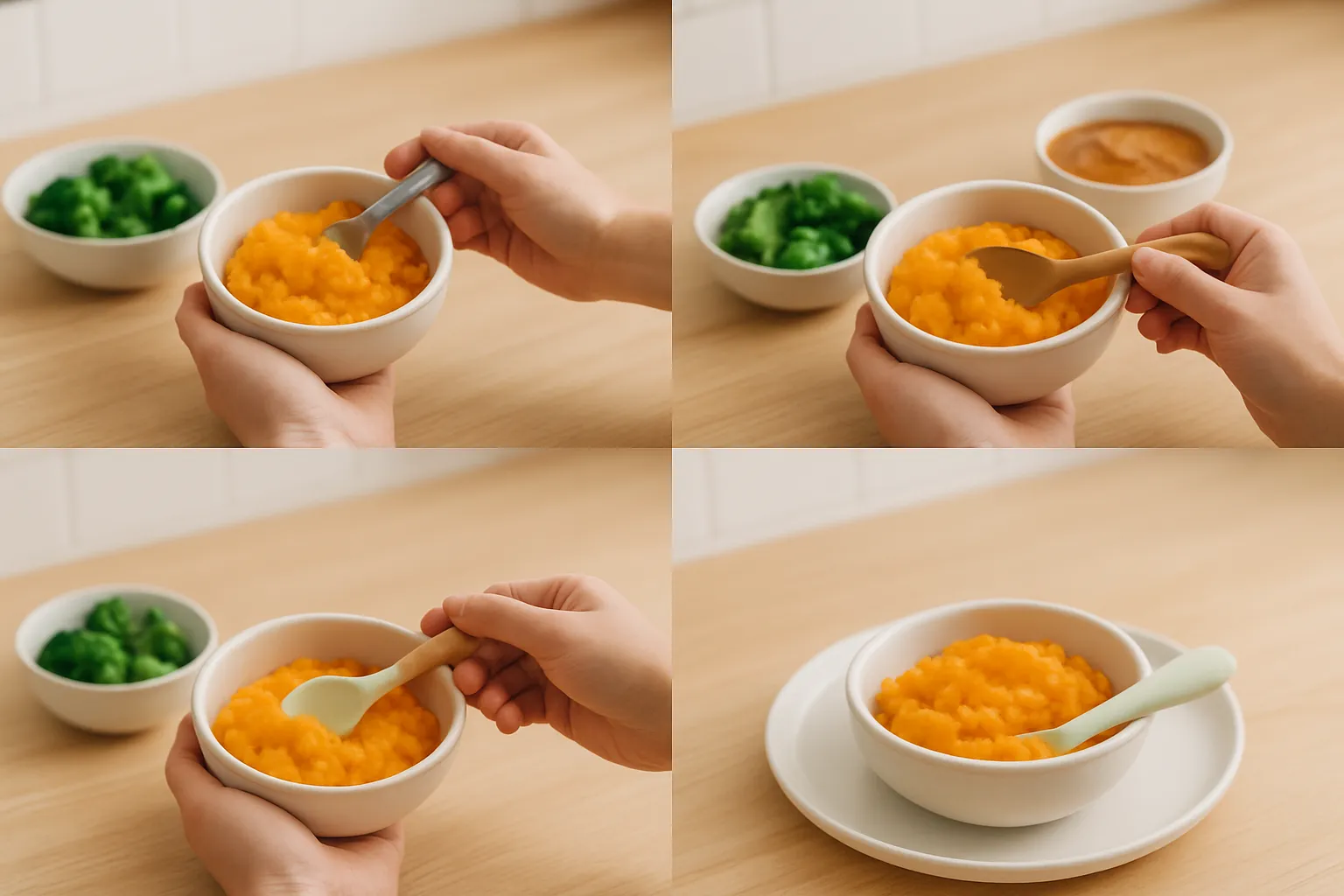
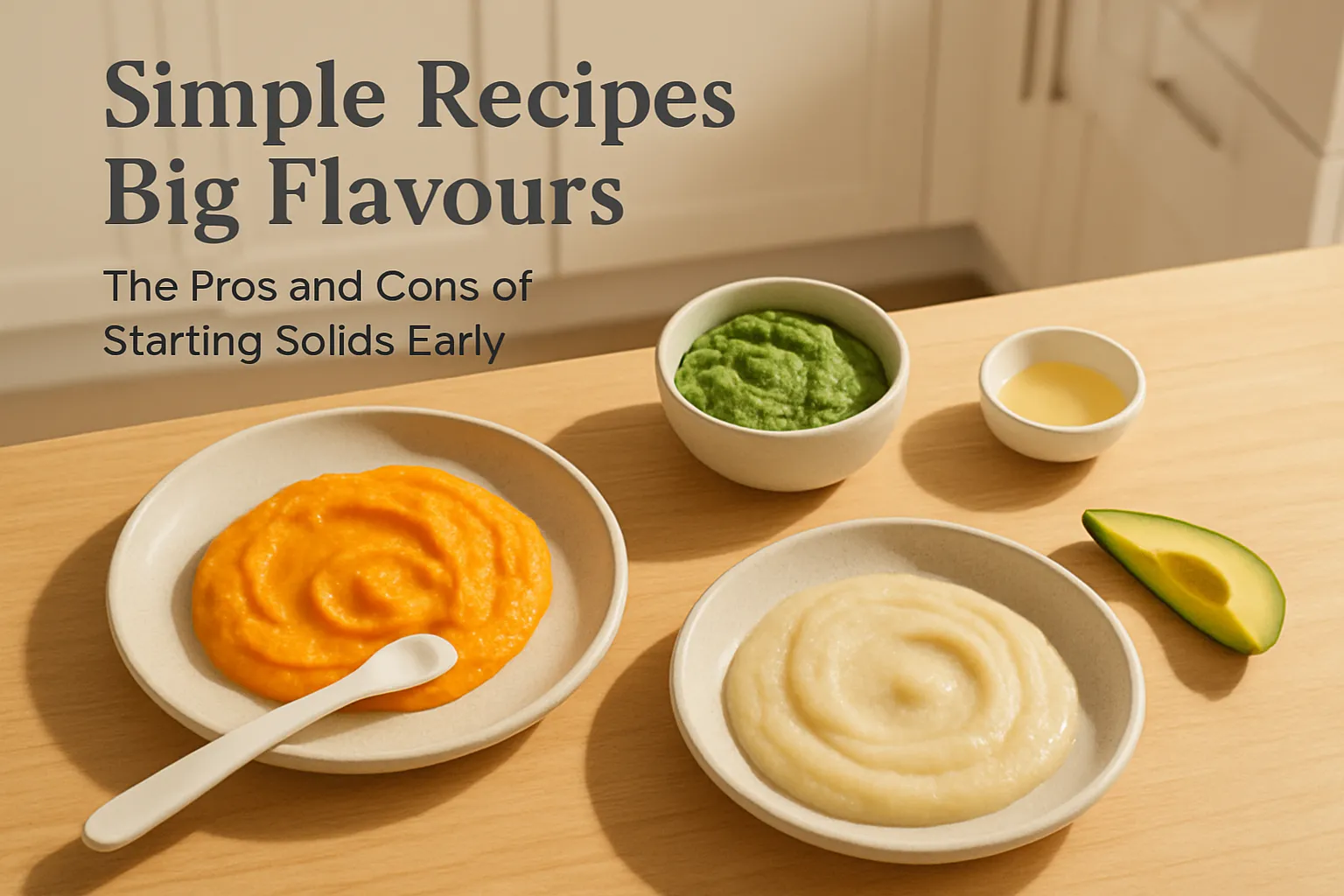
Simple Recipes, Big Flavours
Quick safety reminders first: no honey under 12 months, avoid whole nuts, chop soft foods into small pieces for little ones, and always watch for allergic reactions when introducing new foods.
Sweet potato, carrot and orange mash
- Ingredients: 1 medium sweet potato, 2 carrots, 1 tsp orange zest, 1 tsp olive oil or butter, pinch of mild ground cumin (optional), breastmilk/formula/water to loosen.
- Method: Peel and chop veg, steam or roast until very tender. Mash with orange zest, oil and a tiny pinch of cumin. Add milk/water to reach baby-friendly texture.
- Notes: Great iron and vitamin C combo. Freeze in portions in ice cube trays.
Lemony lentil and pumpkin puree
- Ingredients: 1 cup diced pumpkin, 1/2 cup red lentils, 1 small garlic clove (optional), 1 tsp lemon zest, 1 tsp olive oil, chopped parsley to finish.
- Method: Simmer pumpkin and lentils in just enough water until soft. Blend or mash to preferred texture. Stir in lemon zest and oil, sprinkle parsley.
- Notes: Red lentils cook quickly and are a brilliant iron-boosting protein. Freeze in small tubs.
Mild chicken and veg meatballs
- Ingredients: 400 g chicken mince, 1/2 grated zucchini, 1 grated carrot, 1/4 cup breadcrumbs or oats, 1 egg, 2 tbsp finely chopped parsley.
- Method: Mix everything, roll tiny meatballs, bake at 180°C for 15-20 minutes until cooked through. Cool and serve with steamed veg or tomato passata.
- Notes: Make bite-sized balls for little hands. Leftovers freeze well - cook then freeze on a tray before bagging.
Salmon and sweetcorn fish cakes
- Ingredients: 1 can salmon (or 200 g cooked flaked salmon), 1 cup mashed potato, 1/2 cup sweetcorn, 1 small spring onion finely chopped, lemon zest, 1 egg to bind.
- Method: Mix, form small patties, shallow fry or bake until golden. Check and remove any bones from fresh salmon.
- Notes: If using tinned salmon, check for bones and skin before mixing. Lovely served with smashed peas.
Pea, mint and ricotta pasta
- Ingredients: small pasta shapes, 1 cup frozen peas, 1/2 cup ricotta, small handful chopped mint or basil, a little pasta water.
- Method: Cook pasta, add peas in the last 2 minutes. Drain, save a bit of pasta water, then stir through ricotta and herbs, using pasta water to loosen.
- Notes: Super quick, creamy and bright. Swap ricotta for cottage cheese if preferred.
Banana and oat pancakes
- Ingredients: 1 ripe banana, 1 egg, 1/2 cup rolled oats, pinch of cinnamon, splash of milk.
- Method: Blend or mash banana and mix with the rest. Fry tiny pancakes in a non-stick pan until golden both sides. Cool before serving.
- Notes: Serve with natural yoghurt and mashed berries. Freeze cooked pancakes between baking paper.
Batch-cooking and flavour tips
- Freeze portions flat in zip-lock bags or use ice cube trays for perfect small serves. Thaw overnight in the fridge or gently warm.
- Keep salt and sugar minimal. Use herbs, lemon zest, mild spices like cumin or cinnamon in tiny amounts for flavour without overwhelming.
- Turn one base into many meals: roast a tray of veg to mash, stir through lentils or toss with pasta for different textures and tastes.
These recipes are forgiving, quick, and full of flavour for little palates. Play with herbs and small spices, and freeze extras so dinner feels a bit easier on those busy nights.
Browse Cuisines
From the Blog
First up, a few no-fuss spring winners that keep sticky fingers and big clean-ups to a minimum. Quick to prep and easy for little hands to manage, these are the sorts of things I reach for when we want something...
Nice - here’s how Steve keeps dinner simple without sacrificing flavour or sanity. A few good habits and the right packing tricks mean you can pull a proper family meal out of the freezer in minutes.
Righto, a couple of quick fridge fixes will make everything a whole lot easier. These are the simple, practical habits and setups that keep snacks safe, obvious and actually reachable for little hands.

 Never miss a recipe from us, subscribe to our newsletter