
Substitutions for allergen-free toddler meals
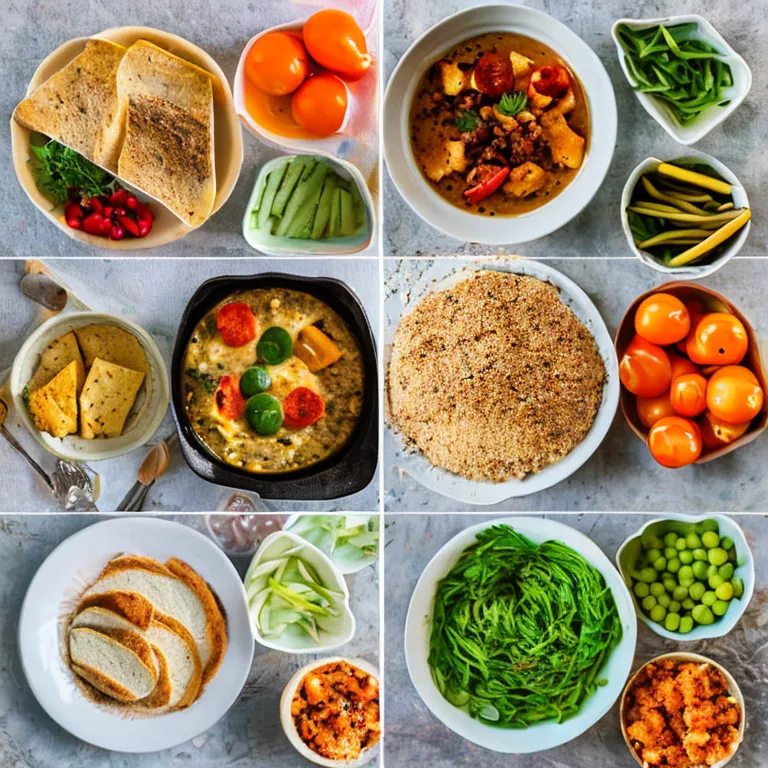
A quick couple of points before we get into the how-to: think of allergy friendly meal design as planning with a few simple goals in mind - keep it balanced, keep it predictable for little palates, and make safety part of the routine. Below are practical, easy-to-use strategies to help you put meals together that hit those marks.
Start with a simple plate template
- Aim for a source of protein, a veggie or two, a wholegrain or starchy veg, and a healthy fat. For toddlers the portions are small, but the pattern matters more than exact amounts.
- Example plate: shredded chicken, mashed sweet potato, steamed peas, and a drizzle of olive oil or mashed avocado. Swap any item that is an allergen with one from the same category.
Protein swaps that actually work
- Meat and poultry: easy, reliable and usually the safest default. Make it soft and shredded for toddlers.
- Fish: tinned salmon or tuna (low sodium, low mercury) is great for quick meals and adds calcium if you leave in small soft bones.
- Legumes: lentils, chickpeas and beans are filling and iron-rich if there’s no legume allergy. Mash them for texture that’s toddler-friendly.
- Dairy-free options: fortified plant-based yoghurts or milks work if they are safe for your child. Tofu is an option unless soy is off the cards.
Replacing egg and dairy in cooked dishes
- Egg binders: 1 tablespoon ground flaxseed or chia mixed with 3 tablespoons warm water equals one egg for baking. Mashed banana or applesauce also work for sweet bakes. Commercial egg replacers are fine too if you want more reliable results.
- Dairy swaps: use fortified plant milks for drinking and cooking, and coconut or cashew cream in small amounts for creamy sauces if nuts are allowed. For a cheesy flavour try a mild, dairy-free spread or a small amount of nutritional yeast if tolerated.
Covering key nutrients
- Iron: red meat, chicken, fish, lentils, and iron-fortified cereals are your go-tos. Pair with vitamin C rich foods like mashed kiwi or a squeeze of lemon on veggies to boost absorption.
- Calcium and vitamin D: fortified plant milks, canned fish with soft bones, green veggies and supplementing vitamin D as recommended by your health professional.
- Healthy fats: avocado, olive oil, and oily fish are toddler-friendly and help with nutrient absorption and brain development.
Textures, flavours and picky phases
- Keep new textures gradual. If your toddler is used to smooth purées, try thicker purees, then mashed, then soft lumps.
- Use mild flavours and repeat exposure. Toddlers often need many tries before accepting something new. Roast or caramelise veg to bring out natural sweetness.
- Hide veg in purees or in meatballs and patties if needed, but keep some whole pieces on the plate so they learn to chew.
Practical meal-building tips
- One-pot dinners: make a stew or casserole with safe ingredients and serve with rice, mashed potato or gluten-free pasta for a quick, balanced meal.
- Double-up sides: cook a big batch of a safe grain and a veg, then mix with different proteins over a few days to avoid mealtime monotony.
- Sauces save the day: a mild tomato sauce, a blended veg sauce or a tahini-free hummus (if sesame is an issue) can make familiar foods more appealing.
Avoiding cross-contact without the stress
- Clean surfaces and utensils between allergen and non-allergen prep. Use separate cutting boards if you’re working with high-risk items.
- Store allergen-free lunchboxes and snacks on their own shelf so they are easy to grab.
- Read labels every time. Recipes and packaging change, and what was safe last month might not be now.
Family-friendly meal ideas that are easy to adapt
- Rice bowls: base of rice or quinoa, a protein (shredded chicken or mashed beans), cooked veg and a mild sauce. Make one big batch and customise bowls for each person.
- Baked patties: mix mashed potato or sweet potato with a protein and grated veg, pan-fry or bake. These freeze well and are easy to thaw for quick meals.
- Soft wraps or rice-paper rolls: fill with gently cooked veg and a protein; leave out any allergens or swap fillings for the little one.
Keep a rota and introduce variety slowly
- Rotate favourite safe foods rather than offering the same thing every day. Aim to introduce one new safe ingredient or texture every week.
- Keep a short list of go-to meals for busy nights. When you are tired, consistent safe meals reduce stress.
Lastly, be prepared
- Keep your child’s allergy action plan and any emergency medication handy and make sure everyone who cares for them knows the plan.
- When in doubt, phone your health professional or pharmacist for specific nutrient or allergy questions.
These strategies make meal planning less overwhelming and more flexible. Once you have a few reliable templates, swapping ingredients becomes second nature and mealtimes feel calmer.
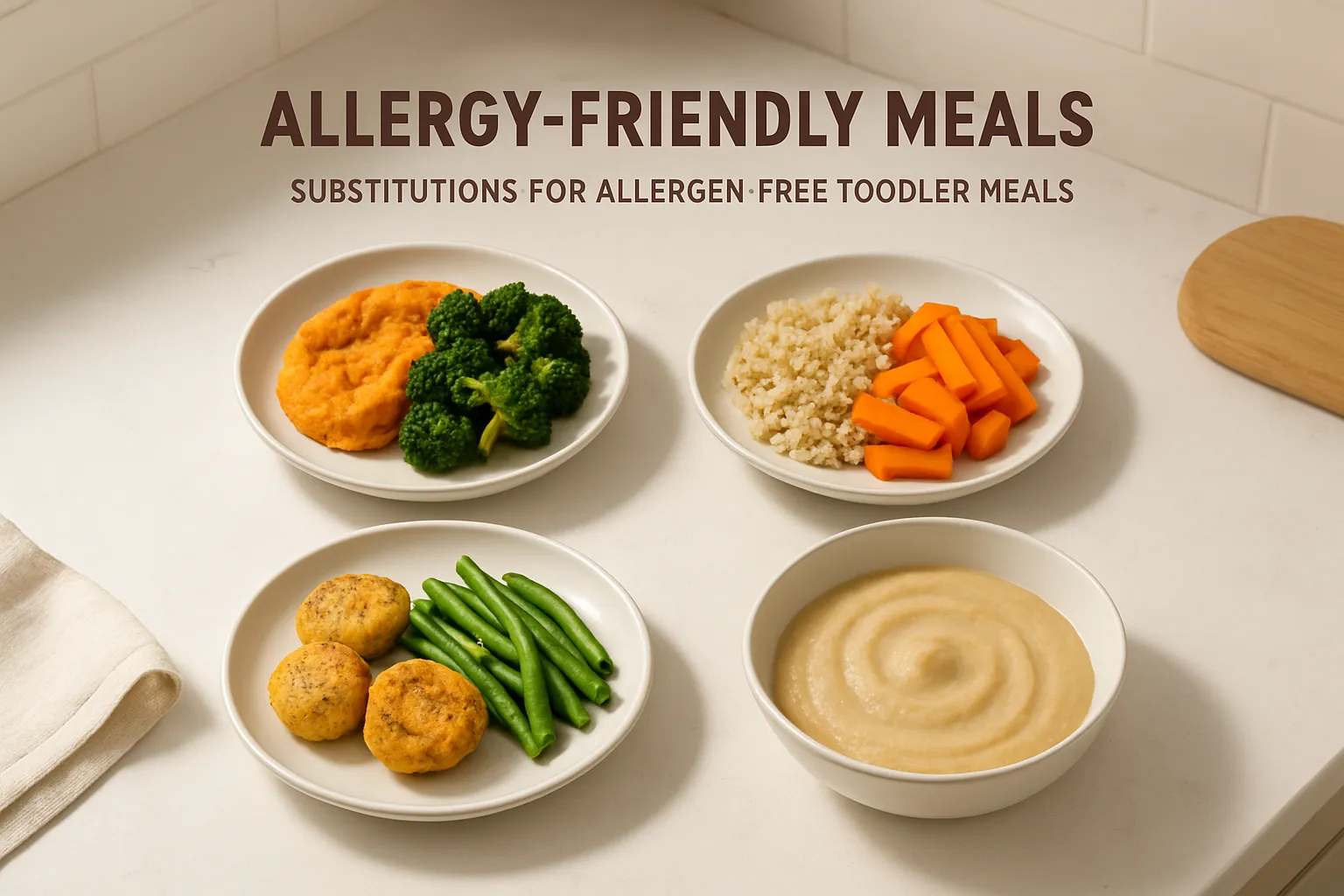
Dairy swaps
- Milk: unsweetened fortified oat milk and unsweetened soy milk are the go-tos. Soy milk has protein closer to cow milk; oat milk is creamier and great for porridge and baking. Choose full-fat or toddler-formulated options if your child needs extra calories and check that they are fortified with calcium and vitamin D.
- Butter: use olive oil, avocado oil or a dairy-free margarine. For spreading, try sunflower spread or mashed avocado for a nutritious alternative.
- Yogurt and cheese: plain, full-fat dairy-free yogurts made from soy, oat or coconut work well. Coconut yogurts can be thin, so stir in mashed banana or a spoon of nut-free seed butter to thicken. For grated cheese texture, try soft tofu or a little nutritional yeast for cheesy flavour (only if no yeast sensitivity).
Egg swaps for baking and cooking
- For binding in muffins and pancakes: 1 tablespoon ground flaxseed or chia seeds mixed with 3 tablespoons water per egg, leave 5 minutes to thicken. This makes a gluey texture toddlers accept well.
- For moisture: 1/4 cup (about 60 g) mashed banana or 1/4 cup applesauce per egg. Great in sweet bakes, but remember banana will add flavour.
- For structure: 1/4 cup silken tofu, blitzed smooth, can replace eggs in brownies and some cakes.
- For reliable results in recipes that need lift, try a commercial egg replacer designed for baking.
Wheat and gluten swaps
- Flours: use certified gluten-free oats (blitz whole oats to make oat flour), rice flour, sorghum, buckwheat, tapioca and potato starch. For light cakes and pancakes, a mix of oat flour and rice flour gives better texture than a single flour.
- 1:1 gluten-free blends are the simplest swap in most recipes, but if your mix lacks xanthan gum you might need to add a small amount to help with binding.
- Breadcrumbs: crush cornflakes, rice puffs or use gluten-free breadcrumbs. Crushed rice crackers also work.
- Pasta: try corn, rice or chickpea pasta for quick wins. Chickpea pasta adds protein and keeps little tummies fuller.
Nut-free spreads and snacks
- Sunflower seed butter and pumpkin seed butter are brilliant substitutes for peanut butter. They spread, make dips and go into lunchbox sandwiches happily.
- When swapping snacks labelled “may contain nuts”, get into the habit of choosing clearly nut-free packaged options or make simple homemade banana oat muffins with seed butter.
Soy and hidden ingredients
- If avoiding soy, read labels for soy lecithin, hydrolysed soy protein and tofu-based products. Coconut aminos are a tasty soy sauce alternative for stir fries.
- Chickpea flour and pea-based products can replace soy protein in some savoury bakes and fritters.
Practical tips for success
- Adjust liquids: plant milks can be thinner or thicker than cow milk. If a batter looks too runny or too stiff after swapping, tweak by a tablespoon at a time.
- Start small: swap one ingredient at a time in a familiar recipe so you know what to change if texture or flavour shifts.
- Keep separate storage: to avoid cross-contact store allergen-free foods on a dedicated shelf and clearly label jars and containers.
- Read labels every shop: manufacturers change recipes. Look out for hidden dairy in “natural flavour”, whey, casein, and for gluten in malt extract or barley.
- Taste and texture tricks: toddlers can be picky about texture. Pureed beans or silken tofu add creaminess without a strong flavour. Mixing a new swap with a familiar favourite helps acceptance.
Quick pantry combos to try
- Pancakes: blitz oats into oat flour, add a mashed banana, 1 egg substitute (flax egg or commercial replacer), and oat milk.
- Sandwiches: sunflower seed butter with sliced pear or apple; use gluten-free bread or rice crackers.
- Savoury binders: mashed potato or white beans for meatballs and veggie patties in place of egg.
These swaps mean you can keep favourite meals on rotation while steering clear of common allergens. Try one change at a time and you’ll soon find combos your little one loves.
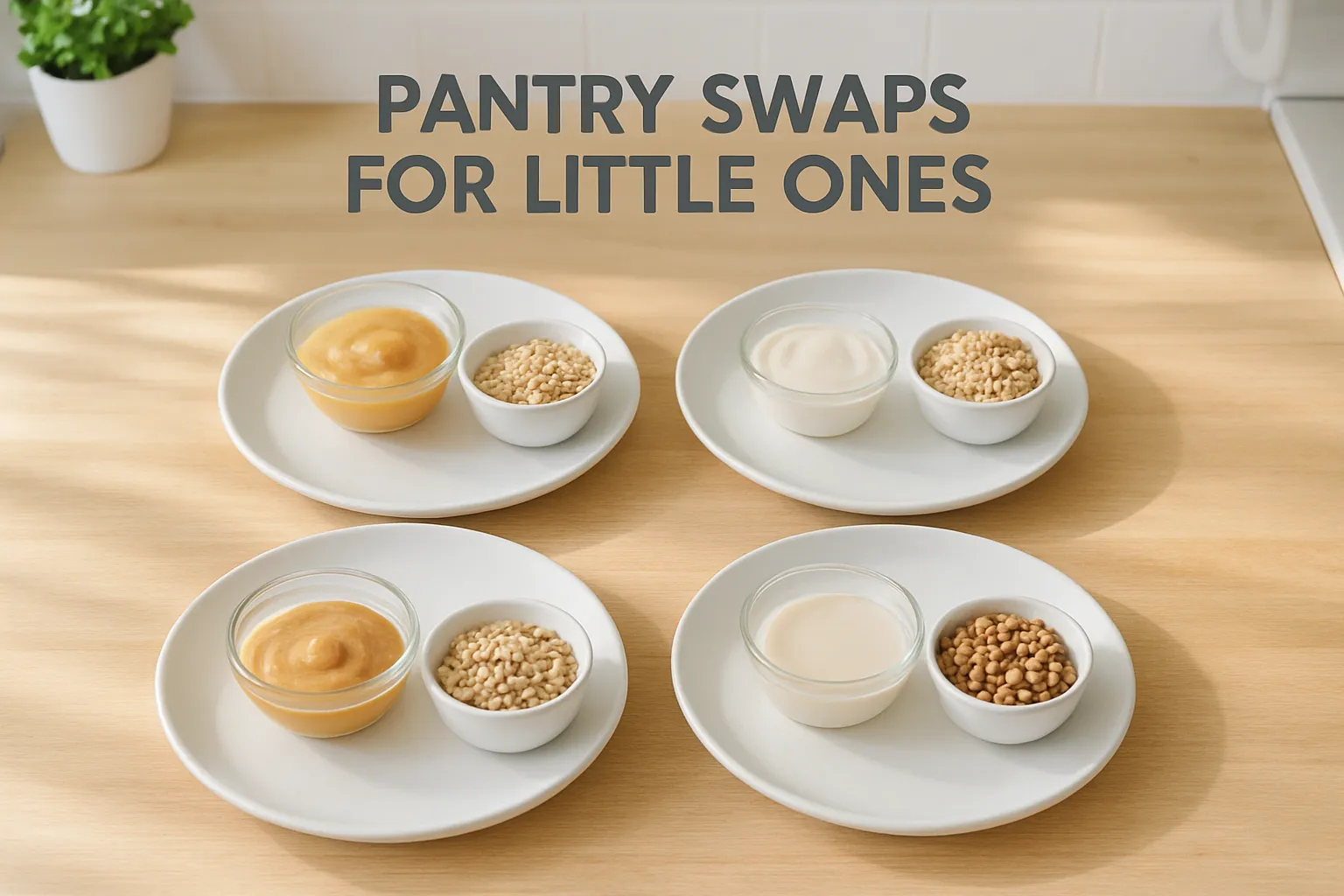
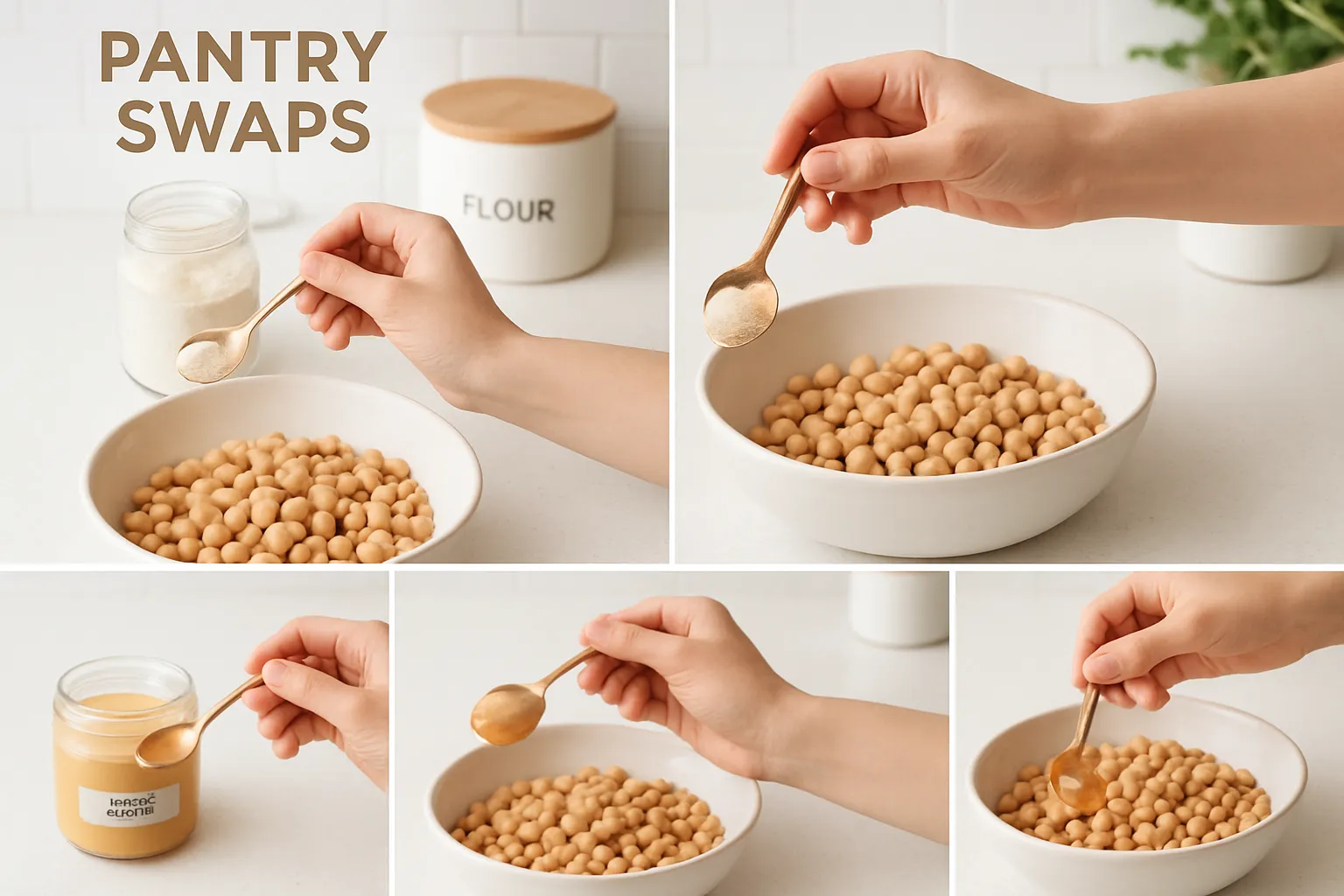
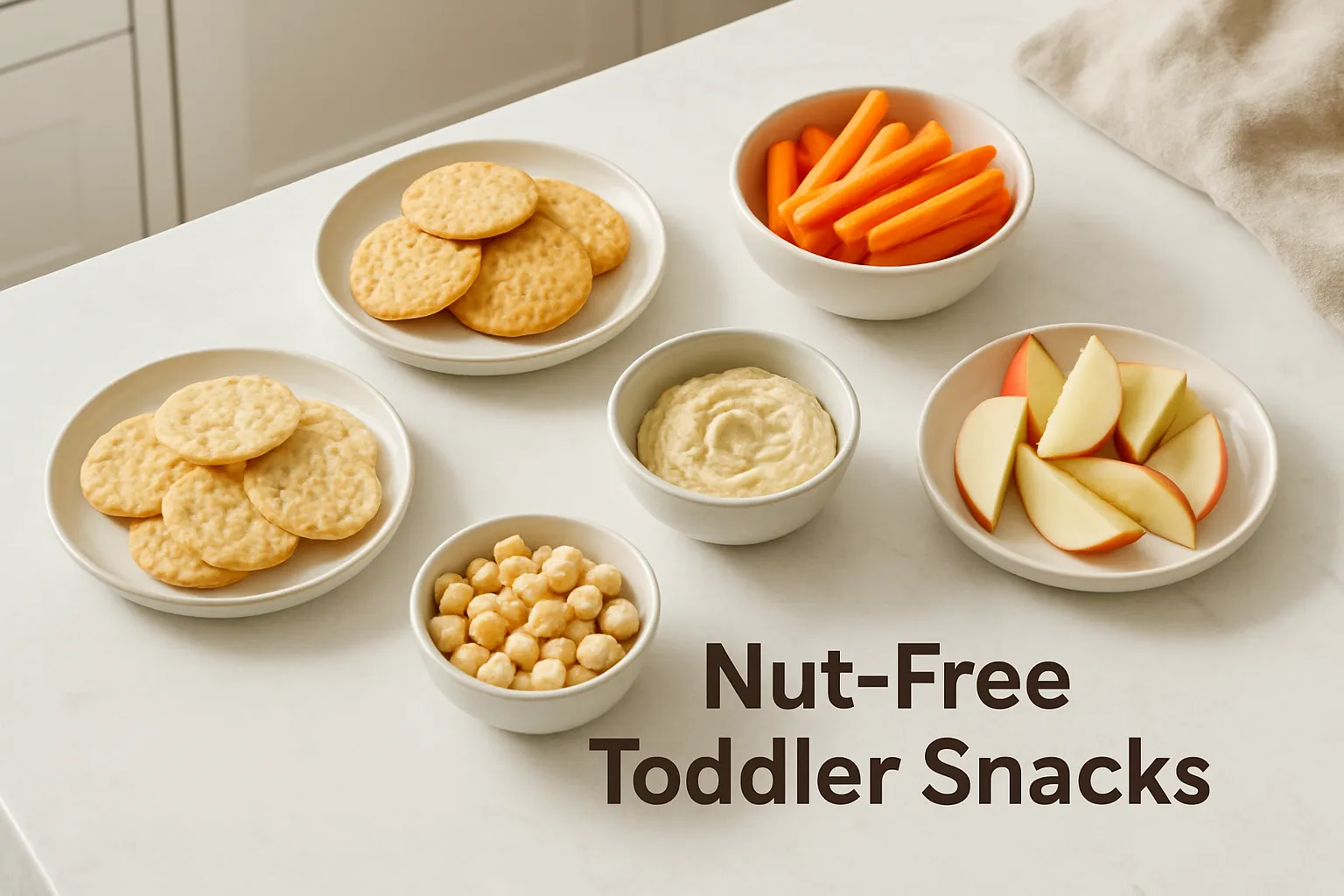
Righto - nut-free snacks that actually keep little ones full and happy. Here’s a mix of grab-and-go ideas, quick recipes and packing tips so snack time is easy no matter where you are.
Quick grab-and-go ideas
- Smashed avocado on wholemeal toast, cut into finger strips.
- Greek yogurt with mashed banana or stewed fruit.
- Sunflower seed butter and banana roll-ups: spread seed butter on a tortilla, add banana, roll and slice.
- Hummus with soft cooked carrot sticks, cucumber fingers or pita triangles.
- Soft scrambled egg or a hard-boiled egg, quartered.
- Cottage cheese or ricotta with canned peaches or pear slices.
- Shelled edamame (softened and well-drained).
- Soft oat bars or muffins made with mashed banana and grated apple.
- Roasted chickpeas mashed into a dip or made into soft falafel bites for small hands.
Three simple recipes 1) Sunflower seed butter banana roll-ups (makes 6 slices)
- Ingredients: 1 tortilla, 1 tbsp sunflower seed butter, 1 small banana.
- Method: Spread seed butter thinly, lay banana along one edge, roll up tightly and slice into rounds. Great for lunchboxes and easy to hold.
2) Creamy pumpkin hummus (batch to keep in fridge 4-5 days)
- Ingredients: 1 can chickpeas, 1/2 cup pumpkin purée, 1 tbsp olive oil, small squeeze lemon, pinch salt.
- Method: Blend until smooth. Serve with steamed carrot fingers or soft pita. Swap pumpkin for sweet potato if preferred.
3) No-bake oaty bliss balls (toddler-soft)
- Ingredients: 1 cup rolled oats, 1/2 cup sunflower seed butter, 1 ripe mashed banana, 1 tsp cinnamon.
- Method: Mix, press into a shallow tray, chill until set, cut into small squares. No honey if under 12 months.
Baking swaps and pantry fixes
- Peanut butter? Use sunflower or pumpkin seed butter 1:1. These brown seed spreads behave similarly in sandwiches and baking.
- Ground almond or almond meal? Try oat flour, wholemeal flour or chickpea flour for extra protein.
- If a recipe relies on nutty crunch, replace with toasted pumpkin seeds, sunflower seeds or puffed rice for texture.
- For moisture and binding in muffins or bars, mashed banana, pumpkin or applesauce work a treat.
Daycare and label-smart packing
- Check the centre’s allergy policy first. Many childcare centres ban nuts entirely, so always pack nut-free.
- Read labels and avoid products marked “may contain traces of nuts” - centres often treat those the same as nuts.
- Use sealed containers and include a little note listing ingredients if staff ask. Ice packs are handy for dairy snacks.
Safety and serving tips
- Cut soft fruits and veggies into toddler-sized pieces and always supervise eating. Avoid whole grapes or large chunks that can cause choking.
- If your child has other seed allergies or eczema, check with your GP or an allergist before introducing sunflower or pumpkin seed butters.
- Freeze extras: muffins and oat bars freeze well. Thaw in the fridge or pop in a lunchbox in the morning to soften.
Little swaps and flavours keep snack time interesting. Rotate a few favourites and you’ll find combinations that suit daycare rules, taste buds and the sleep-deprived parent packing the lunchbox.
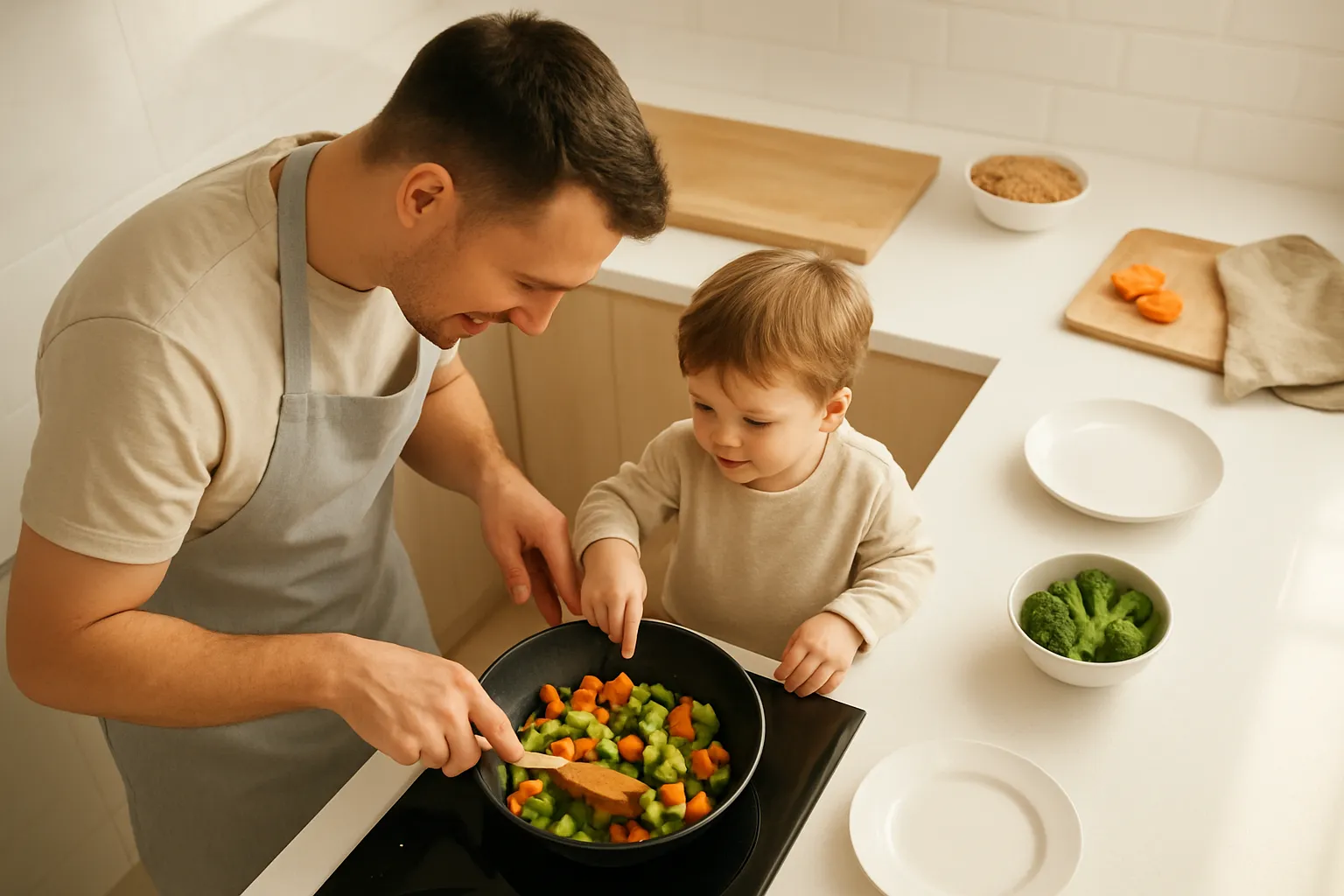
Start small and make it fun. Little kids love doing real grown-up jobs, so give them safe, simple tasks that actually help the meal come together.
Practical jobs by age
- 1-2 years: washing soft fruit, tearing lettuce, dropping chopped ingredients into a bowl, stirring with a big spoon, pressing dough with a small palm. Keep the bits big so there is no choking risk.
- 3-4 years: measuring scoops, sprinkling seeds or seasoning, cracking very soft-boiled eggs with help, using a blunt child knife to mash banana or cut soft cooked veg, lining muffin tins.
- 5 years and up: following a simple recipe with picture prompts, grating cheese, using a kid-safe peeler under supervision, turning an oven timer, helping with simple stove tasks while watched.
Kitchen tools that make life easier
- Kid-safe knives and peelers: they teach cutting skills without the panic.
- Stable step stool: lets them reach benches safely.
- Silicone spatulas, small wooden spoons, a hand whisk.
- Colour-coded containers and boards: one colour for allergen-free prep, another for any other foods.
Make safety around allergens part of the routine
- Wash hands before and after handling food, and again if they touch an allergen. Teach them to sing a quick song while they scrub.
- Keep allergen-free ingredients in clearly labelled tubs at kid-height so they grab the right thing.
- Use separate utensils and chopping boards, and wipe surfaces between tasks to avoid cross-contact.
- Have a designated tasting spoon or disposable spoons for them to try food, or teach them to blow on a spoon before tasting.
Simple co-cooking projects that work for little hands
- “Build-your-own” brekky bowls: let them top porridge with fruit, toasted seeds (or seed-free if needed), and a drizzle. They do the decorating, you do the boiling.
- Fruit or veg kebabs: kids thread soft pieces onto blunt skewers or use cocktail sticks with supervision.
- Pancake station: they mash banana, stir batter, and add mix-ins. You handle the hot pan.
- No-bake energy balls: rolling is a great sensory job, and you can substitute ingredients to suit allergies.
Keep them engaged and learning
- Give two choices rather than open-ended options. “Do you want to grate the carrot or peel the apple?” makes decision-making easy.
- Turn chores into games. Time a tidy-up, do a count-and-drop for ingredients, or make a silly chef chant.
- Talk through what you’re doing. Naming ingredients, counting spoons, and describing textures builds language and food familiarity.
Praise, not pressure
- Celebrate attempts, not just success. If they spill flour, laugh it off and say you’ll fix it together.
- Let them taste their own creations. Even small wins get kids keen to help another arvo.
Finish with clean-up routines
- Make clearing up a job for the helper: scraping bowls into the compost, wiping a small area with a damp cloth, stacking plastic lids. Giving them responsibility for the final step reinforces the whole loop from prep to plate.
Getting them involved now makes mealtimes less of a battle later. Keep it short, safe and ridiculously fun, and you’ll have a small sous chef keen to help next time.
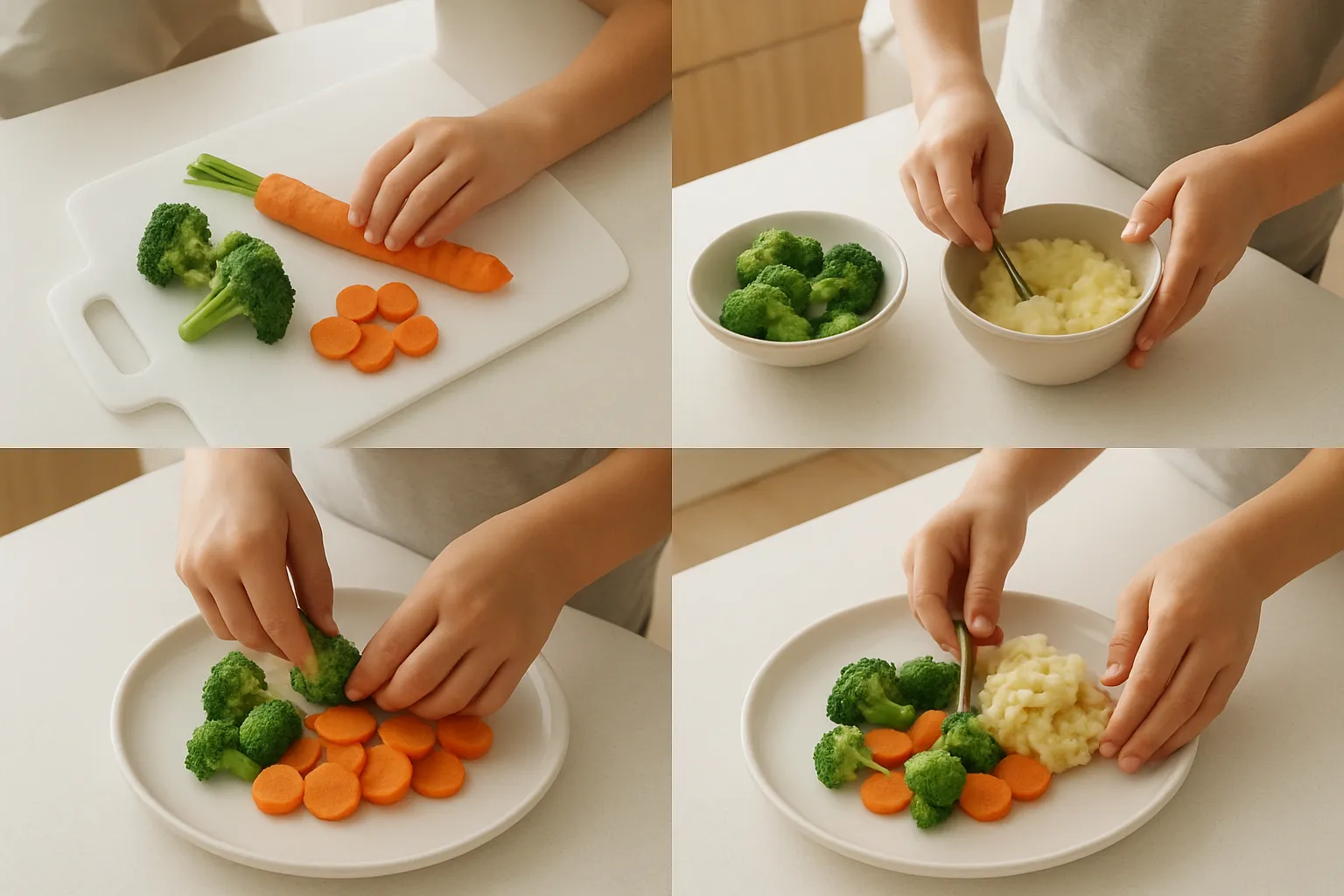
Righto, let’s talk about making big batches actually work for tiny tummies. The quilting idea is simple: freeze in small building blocks and stitch meals together from those blocks so you always have quick, varied, allergen-safe options.
How to set up your quilting system
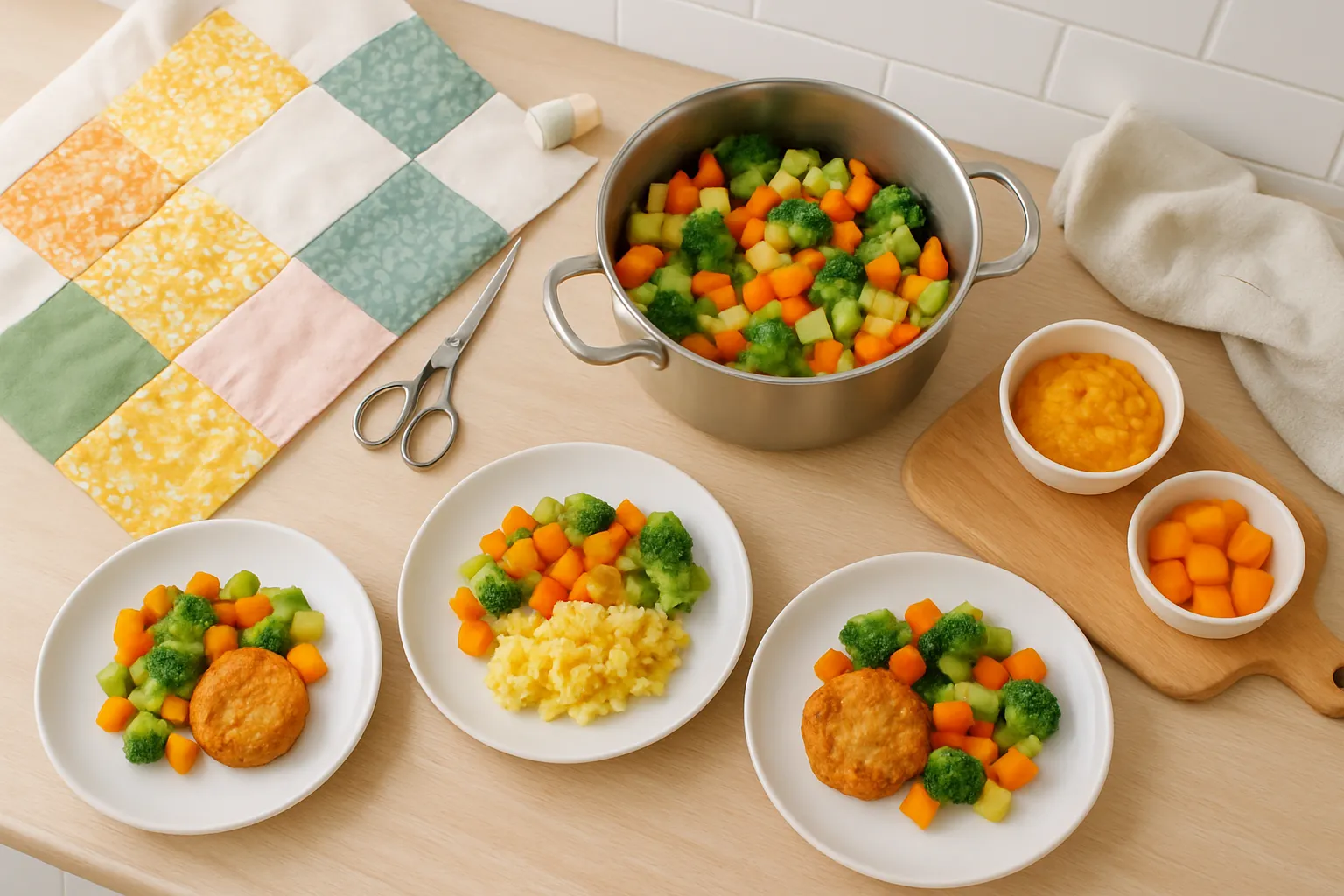
- Pick your blocks: protein (meatballs, lentil patties, baked tofu), veg (purees, diced steamed veg, roasted cubes), carbs (rice balls, mini muffins, mashed potato portions), and extras (sauces, yoghurt mixes, fruit cubes). Aim for 3 to 4 different blocks you can combine.
- Portion size for toddlers: think 2 to 4 tablespoons per block, depending on age and appetite. Use silicone moulds, ice cube trays or mini muffin tins so portions are consistent.
- Label everything: date, ingredients, and any allergen notes. Clear labelling stops guesswork and keeps allergic kids safe.
Batch-cook day plan
- Decide a theme of 3 to 4 recipes you can cook at once. Example: baked chicken mince for meatballs, a big pot of lentil ragu, roasted pumpkin, and a tray of banana oat muffins.
- Cook in stages to use the oven and stove efficiently. While something is roasting, make the muffins or simmer a sauce.
- Cool quickly on trays before portioning to avoid freezer burn and bacteria growth.
Freezing and storage tips
- Freeze flat first: put portions on a lined tray, freeze solid, then transfer into zip-lock bags to save space and stop pieces sticking together.
- Keep like with like: store allergen-free blocks separately from anything containing allergens to avoid cross-contamination.
- Label shelf-life: most cooked meals are best used within 3 months in the deep freeze for best texture and flavour. Sauces and cooked veg generally last 2 to 3 months.
- Reheat only once and discard leftovers after reheating.
Quick assembly techniques (quilting your plate)
- Mix-and-match bowls: thaw one protein cube, one veg cube and one carb cube, warm and serve with a fresh salad leaf or yoghurt for variety.
- Bento-style trays: fill small compartments with different thawed cubes so toddlers can pick and explore textures.
- Sauce swap: keep a few different sauces frozen in small portions. The same protein block feels new with a tomato ragu one day and a mild coconut sauce the next.
- Colour and texture: add a bright fresh piece like grated carrot, avocado, or a sprinkle of seeds right before serving to lift frozen textures.
Thawing and reheating safely
- Best method: move portions to the fridge overnight. If short on time, pop sealed portions in a bowl of cold water until thawed.
- Microwave: stir and check temperature in the middle because microwaves heat unevenly. Let food sit a minute after heating, then test.
- Stovetop: sauces and soups reheat nicely slowly on low to avoid drying out.
- Temperature check: aim for piping hot throughout, then cool to that perfect toddler temperature before serving. Use a spoon test; if it’s too hot for your wrist it’s too hot for a little mouth.
Keeping it interesting for little ones
- Rotate blocks: swap in a new veggie or grain each week so meals don’t go stale.
- Let them help: older toddlers can press mixture into muffin tins or pop lids on containers. It makes them more likely to try the food.
- Presentation matters: cut meatballs into fun shapes, use cookie cutters for frozen mashed potato slabs, and offer dips for dunking.
Allergen-safe housekeeping
- Clean surfaces and utensils between batches if you ever cook allergen and allergen-free food on the same day.
- Store allergen-containing batches on separate shelves or clearly marked containers.
- Keep a running list of ingredients for anything you freeze so caregivers or carers can check quickly.
Realistic batch-cook roster
- If one big cook day feels too hard, split it into two smaller sessions: veg and bakes one day, proteins and sauces the next.
- Aim to replenish one freezer shelf each week so you never run out and avoid burnout.
There you go. A quilting approach makes batch cooking feel manageable and keeps mealtimes varied without stress. Mix the blocks, make it colourful, and you’ll have safe, ready-to-go meals for the whole week.
Browse Cuisines
From the Blog
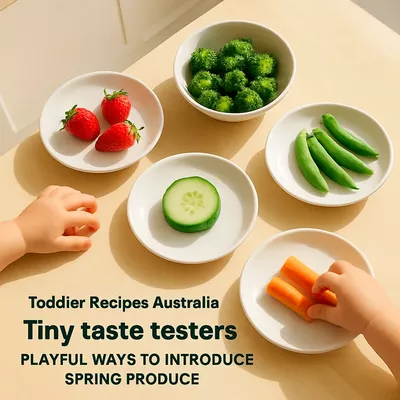
First up, a few no-fuss spring winners that keep sticky fingers and big clean-ups to a minimum. Quick to prep and easy for little hands to manage, these are the sorts of things I reach for when we want something...
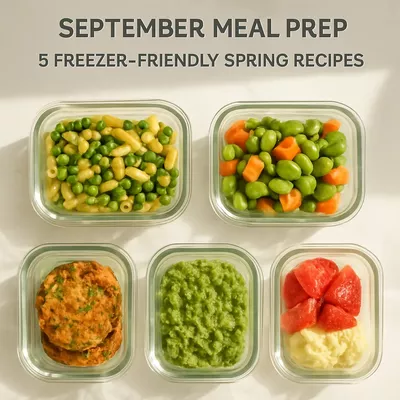
Nice - here’s how Steve keeps dinner simple without sacrificing flavour or sanity. A few good habits and the right packing tricks mean you can pull a proper family meal out of the freezer in minutes.
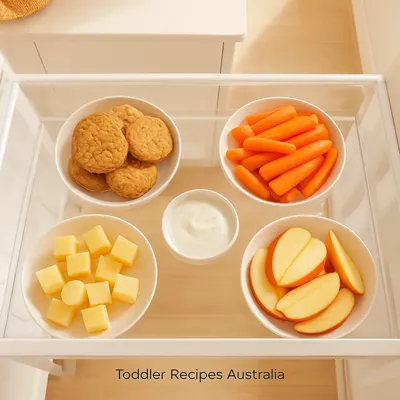
Righto, a couple of quick fridge fixes will make everything a whole lot easier. These are the simple, practical habits and setups that keep snacks safe, obvious and actually reachable for little hands.
 Never miss a recipe from us, subscribe to our newsletter