
Problem-solving tips for finicky toddler eaters
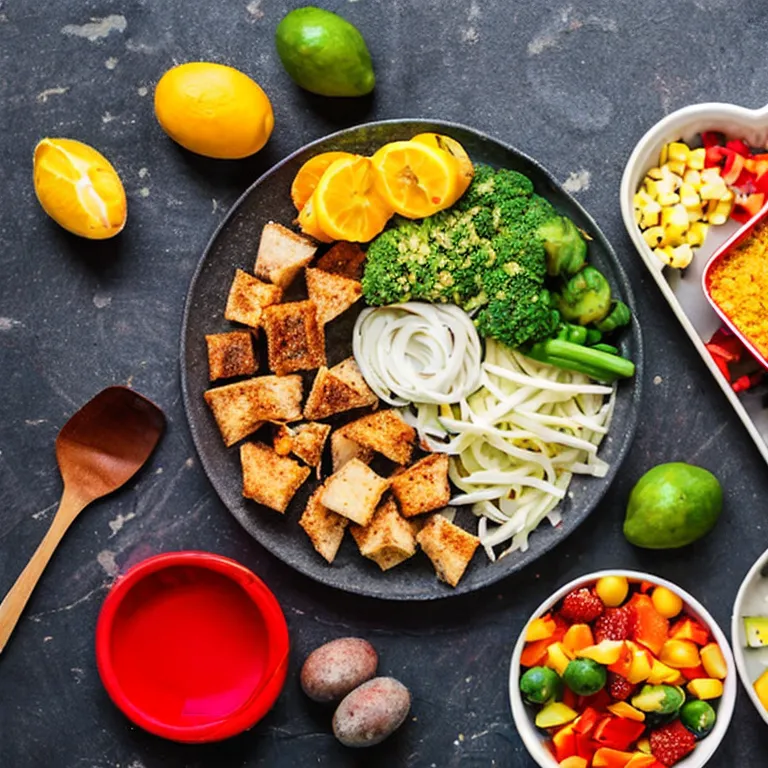
Righto, Steve keeps things dead simple. A few go-to tricks and the veg vanish before you can say “one more bite.”
-
Grate and hide: Keep a tub of grated carrot and zucchini in the fridge. Stir a handful into bolognese, meatballs, burgers or fritters. Ratio idea: about 1 carrot or zucchini per 250 grams mince. Squeeze excess moisture from zucchini so things do not get soggy.
-
Blitz into sauce: Steam or roast tougher veg like pumpkin, carrot or cauliflower, then blend into tomato sauce or cheese sauce. Start with 1 cup pureed veg to 2 cups sauce and work up. Smooth texture hides flavour and adds a creamy body.
-
Cauli rice and mash swaps: Pulse cauliflower in a food processor until rice sized, then stir-fry 3 to 4 minutes with a knob of butter and a pinch of salt. Or mash half potato, half roasted pumpkin for a naturally sweet mash.
-
Sneaky freezer portions: Puree roasted veg and freeze in ice cube trays or small tubs. Pop a cube into sauces, soups or stews for an instant veg boost.
-
Muffins, fritters and patties: Combine 2 cups grated veg, 1 egg, 1/3 cup flour and a handful of cheese for quick savoury muffins or small fritters. Spoon into muffin tins or shallow fry 2 minutes each side until golden. They reheat well.
-
Roast to bring out sweetness: Chop broccoli, cauliflower or carrot, toss in a little oil and roast at 200 C for 20 to 25 minutes until caramelised. Finish with grated cheese or a light drizzle of olive oil.
-
Smoothie trick: Add a small handful of spinach or a quarter cup of frozen peas to your usual fruit smoothie. Banana and yoghurt mask the flavour. Start small and build up.
-
Make it dip-friendly: Kids more likely to try veg with a dip. Hummus, yoghurt-herb dip or melted cheese on the side makes raw sticks and cooked nuggets more appealing.
-
Shape and present: Use cutters on cooked veg or sandwiches to make fun shapes. Small portions and a friendly plate layout help reduce overwhelm.
-
Quick prep routine: Batch roast on the weekend, grate veg into zip-lock bags, and freeze puree cubes. When dinner time is chaos, reach for prepped bits and mix them into whatever is on the stove.
Pro tip: add cheese, butter or a spoon of yoghurt when introducing a new veg. A tiny bit of familiar flavour goes a long way to getting a first taste.

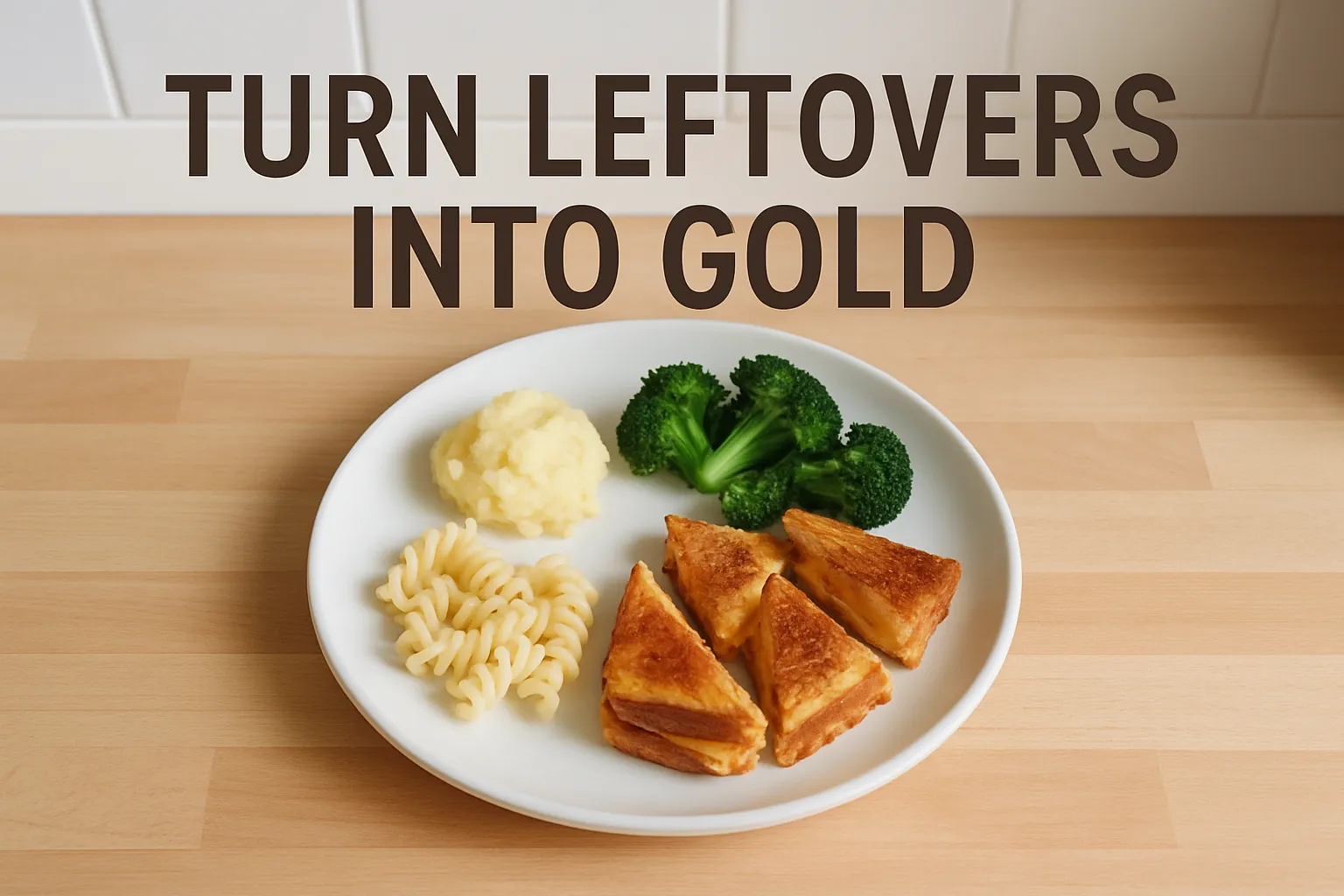
Leftover roast chook, veg or pasta can become tomorrow’s favourite with just a few tweaks. Here are quick, kid-friendly ways to turn what’s sitting in the fridge into something that actually gets eaten.
-
Mini fried rice: Chop leftover rice and veg really small, heat a dash of oil in a pan, add the veg and rice, push to the side and scramble one egg, mix through, finish with a tiny splash of low-salt soy. Serve in a little bowl or shaped with a cup so it looks special.
-
Pasta muffins or fritters: Mix cold pasta with a beaten egg, grated cheese and any finely chopped veg. Spoon into a muffin tin and bake until set, or pan-fry spoonfuls until golden. Great cold or warmed.
-
Quesadilla wedges: Shred leftover chicken or mince, mix with a smear of tomato passata and a handful of cheese, spoon on a tortilla, fold and toast in the pan. Cut into small triangles for tiny hands.
-
Veg and cheese fritters: Mash roast veg, stir in a beaten egg and a couple of spoonfuls of flour, fry small spoonfuls until crisp. Crunch often wins over mush.
-
Meatball shortcut: Blitz leftover meat and veg in a food processor, add a binder like breadcrumbs and egg, roll small balls and bake. Freeze extras on a tray then bag for quick lunches.
-
Smooth soups: Simmer leftover veg in a little stock, blend until smooth and add a swirl of yoghurt or cream. Pop toast soldiers or melted cheese toasties on the side.
-
Breakfast hash or frittata: Chop leftover spuds and veg, fry until hot and crispy, top with beaten egg and bake for a frittata that’s great for breakfast or dinner.
-
Fruit goes further: Overripe bananas or stewed fruit make brilliant muffins, pancakes or yoghurt toppers. Mix into porridge for a naturally sweet start.
-
Muffin tin dinners: Divide leftovers into muffin tins for single-serve portions that reheat evenly and look fun. Great for picky eaters who prefer separate bits.
Practical tips that actually help
-
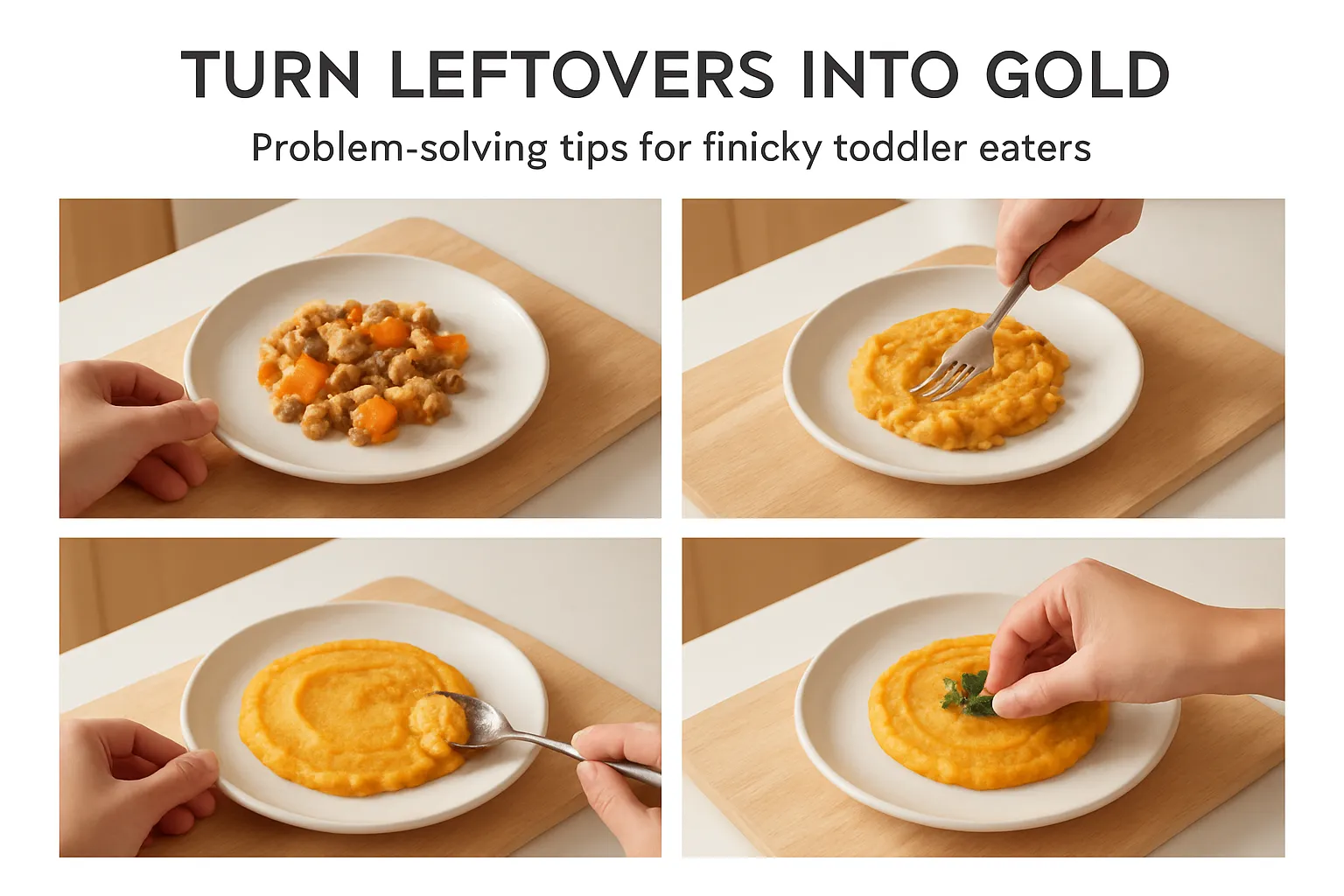
Change the texture: If they rejected something yesterday because it was mushy, crisp it up in a pan or oven. If they hate chunks, blitz into a sauce or soup and serve with toast.
-
Keep flavours mild: A little cheese, a squeeze of lemon or a dash of tomato passata can make leftovers familiar and more appealing.
-
Portion and freeze: Cool quickly, portion into small containers or freezer bags, label with the date. Fridge for up to three days, freezer up to three months for best quality.
-
Reheat safely: Reheat until steaming right through, stir to avoid cold spots. Don’t reheat more than once.
-
Presentation matters: Cut things into shapes, use cookie cutters for sandwiches, or serve with a favourite dip. A small fun change often gets a nibble.
-
Get them involved: Let your toddler choose which leftovers to remix, or sprinkle the cheese on top. Even tiny tasks build interest and make them likelier to try it.
There you go - a few simple swaps and a bit of repackaging can make leftovers feel brand new.
One Pan Weeknight Wonders
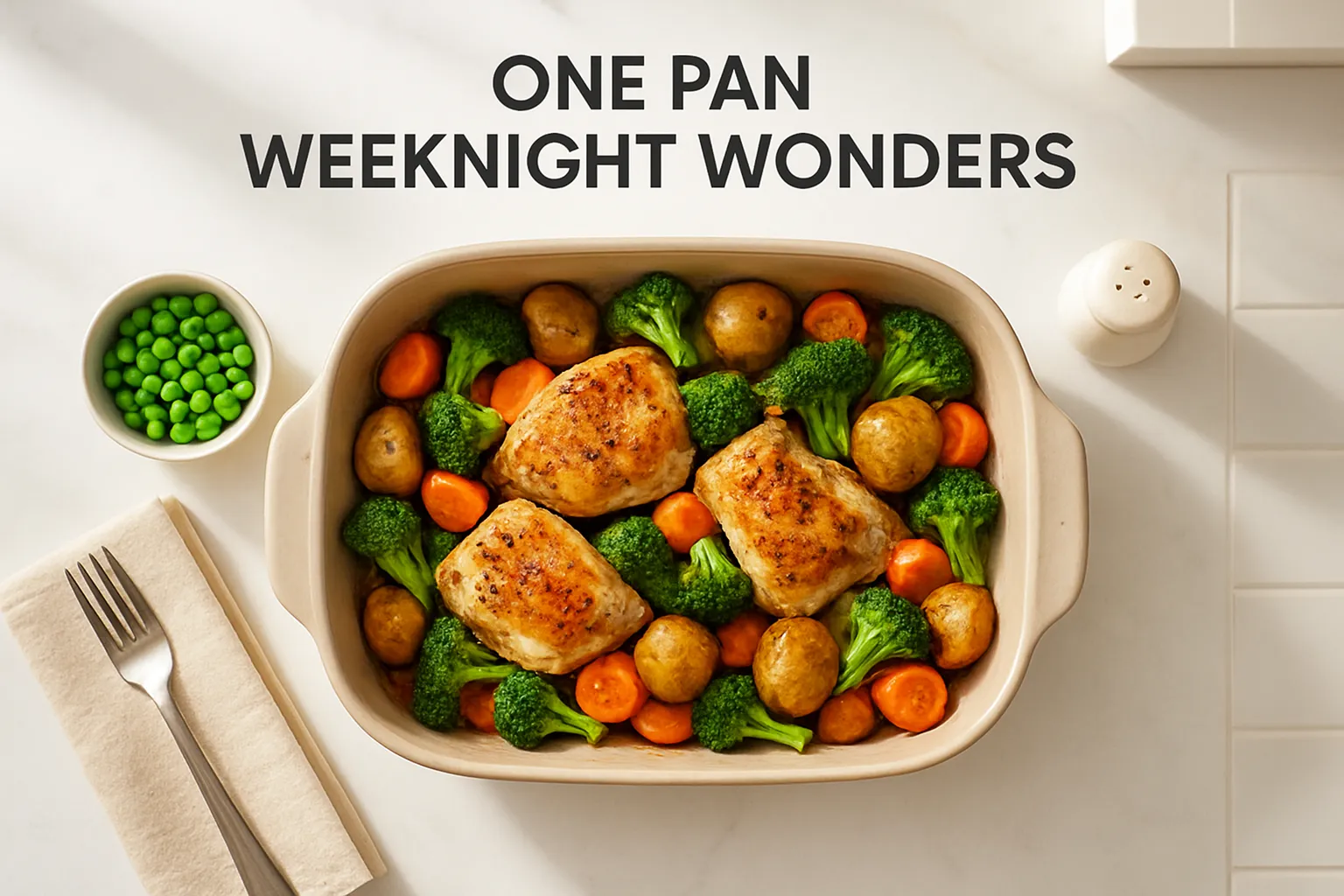
Sheet pan dinners and single-skillet bakes are the best way to get dinner on the table fast, with minimal faff and one tray to scrub. Here are practical tricks and a few go-to recipes that even the fussiest toddlers usually warm to.
Top tips before you start
- Cut things small and even so everything cooks the same way. Tiny sweet potato cubes or thin carrot coins roast soft and sweet.
- Par-cook firm veg in the microwave for a couple of minutes if you want them extra soft for little teeth.
- Keep flavours mild. A little olive oil, garlic powder, paprika and a sprinkle of grated cheese goes a long way.
- Serve components separately on the plate. Many kids prefer peas in their own pile rather than mixed in.
- Offer a dip. Plain yoghurt, mashed avocado or a little tomato sauce can turn a suspicious nibble into a full mouthful.
- Double the batch and freeze extras. Meatballs and tray-baked veg reheat beautifully.
Easy recipes to try
1) Sheet Pan Chicken Thighs with Sweet Potato and Broccoli
- Ingredients: 4 bone-in chicken thighs, 2 medium sweet potatoes peeled and chopped, 1 head of broccoli cut into florets, 2 tbsp olive oil, 1 tsp smoked paprika, pinch of salt.
- Method: Preheat oven to 200 C. Toss sweet potato in oil and paprika and roast for 10 minutes. Add chicken and broccoli to the tray, drizzle a little more oil over the broccoli, then roast 25-30 minutes until chicken is cooked through and sweet potato is tender. Finish with grated cheese if your toddler likes it.
2) One-pan Beef and Veg Fried Rice (stovetop)
- Ingredients: 400 g minced beef, 2 cups cold cooked rice, 1 carrot grated, 1/2 cup frozen peas, 2 eggs, 1 tbsp low-salt soy sauce, 1 tbsp oil.
- Method: Brown beef in a large pan, add carrot and peas and cook until soft. Push to the side, scramble eggs in the pan, mix through, then add rice and a splash of soy sauce. Cook until everything is combined and warm. Chop down larger bits for toddlers.
3) Mini Meatball Tray Bake
- Ingredients: 500 g beef or pork mince, 1 small grated zucchini squeezed of excess moisture, 1 egg, 1/2 cup breadcrumbs, cherry tomatoes, sliced sausages if you like.
- Method: Mix meatball ingredients, roll small balls, place on a lined tray with tomatoes and sliced sausages, bake at 200 C for 18-22 minutes. Serve with mash or little pasta shells.
4) Salmon and Veggie Foil Parcels
- Ingredients: salmon fillets cut into toddler-size pieces, thinly sliced potatoes, zucchini, a knob of butter, lemon, salt.
- Method: Par-cook potato slices in microwave 3 minutes. Assemble parcels on a tray, fold foil, bake at 200 C for 15-18 minutes. Soft, flaky fish is usually a hit.
Getting picky eaters to try new things
- Put one familiar favourite on the plate with the new thing. A spoonful of mash next to a roasted carrot makes a big difference.
- Keep portion sizes tiny for new flavours. Less pressure equals more curiosity.
- Let them help with simple jobs like sprinkling cheese or tearing basil leaves. Kids are more likely to try food they helped make.
These one-pan wins save time and brain space, and with small tweaks they can be toddler-friendly without being boring.
Ok, little ones can be picky, but a few gentle flavour tricks will get them curious fast. Here are easy, family-friendly ways to make meals tastier without turning everything spicy or salty.
Quick flavour boosters
- Fresh herbs: finely chopped parsley, basil or coriander brighten up mashed veg, pasta and soups. Start with a teaspoon or two mixed through a small bowl, then increase as they accept it.
- Mild spices: cinnamon on porridge, a tiny pinch of cumin or smoked paprika in a tomato sauce, or a little ground coriander in veggie patties. Use just 1/8 to 1/4 teaspoon for toddler portions so it’s noticeable but not overpowering.
- Zest not juice: grated lemon or orange zest adds lift without changing texture. A little over vegetables, rice or fish works wonders.
- Cheese and dairy: grated parmesan, a spoon of ricotta, or a dollop of natural yoghurt stirred into sauces gives creaminess and a savoury hit that kids often love.
Easy add-ins that hide veg and build flavour
- Roast-and-blend sauces: roast pumpkin or sweet potato until soft, then blend with a tablespoon of tomato paste, a splash of low-salt stock and a drizzle of olive oil. Stir into pasta or casseroles for sweetness and depth.
- Caramelised onion: cook thinly sliced onion slowly until sweet and soft, then fold into mashed potatoes, lentil ragu or baked eggs.
- Veg purées: spinach or peas blitzed with a little butter and parmesan into mash or pasta sauce makes the colour less scary and adds nutrients.
- Nut and seed butters: a teaspoon of tahini or smooth peanut butter can thicken sauces and add richness. Only use nut butters if the child has been safely introduced to nuts and there’s no allergy.
Dips and finishing touches
- Yogurt dips: plain yogurt mixed with lemon zest, a touch of honey (only for over 12 months), and mild herbs is a hit for dipping veg sticks and pita.
- Crispy toppings: lightly toasted breadcrumbs, fried shallots or a sprinkle of seed mix give texture and interest to steamed veg or casseroles.
- Sweet balance: a tiny drizzle of maple syrup or pureed apple can balance acidity in a tomato-based dish for kids who prefer sweeter flavours.
Small tweaks that make a big difference
- Use low-salt stock or a small spoon of miso for umami in soups and stews. Miso should be used sparingly because of the salt, about half a teaspoon in a toddler portion.
- Brown instead of boil where you can. Roasting and browning develop natural sweetness and complex flavours without extra salt.
- Offer the same meal with a mild base for the toddler and add stronger seasoning to adult plates afterwards. That way everyone eats the same thing but adults get the punchier flavours they like.
Safety and taste-test tips
- Introduce one new flavour at a time and wait a couple of days so you can spot any reaction and see if they warm to it.
- No honey for under 12 months. Keep added sugar and salt to a minimum for toddlers.
- If a texture is the issue, try the same flavour in a different form. For example, peas as a puree, whole peas on the side, or peas mixed into a fritter.
These little flavour nudges often make a meal more interesting without changing what’s on the plate. Try one or two ideas and watch which ones become family favourites.
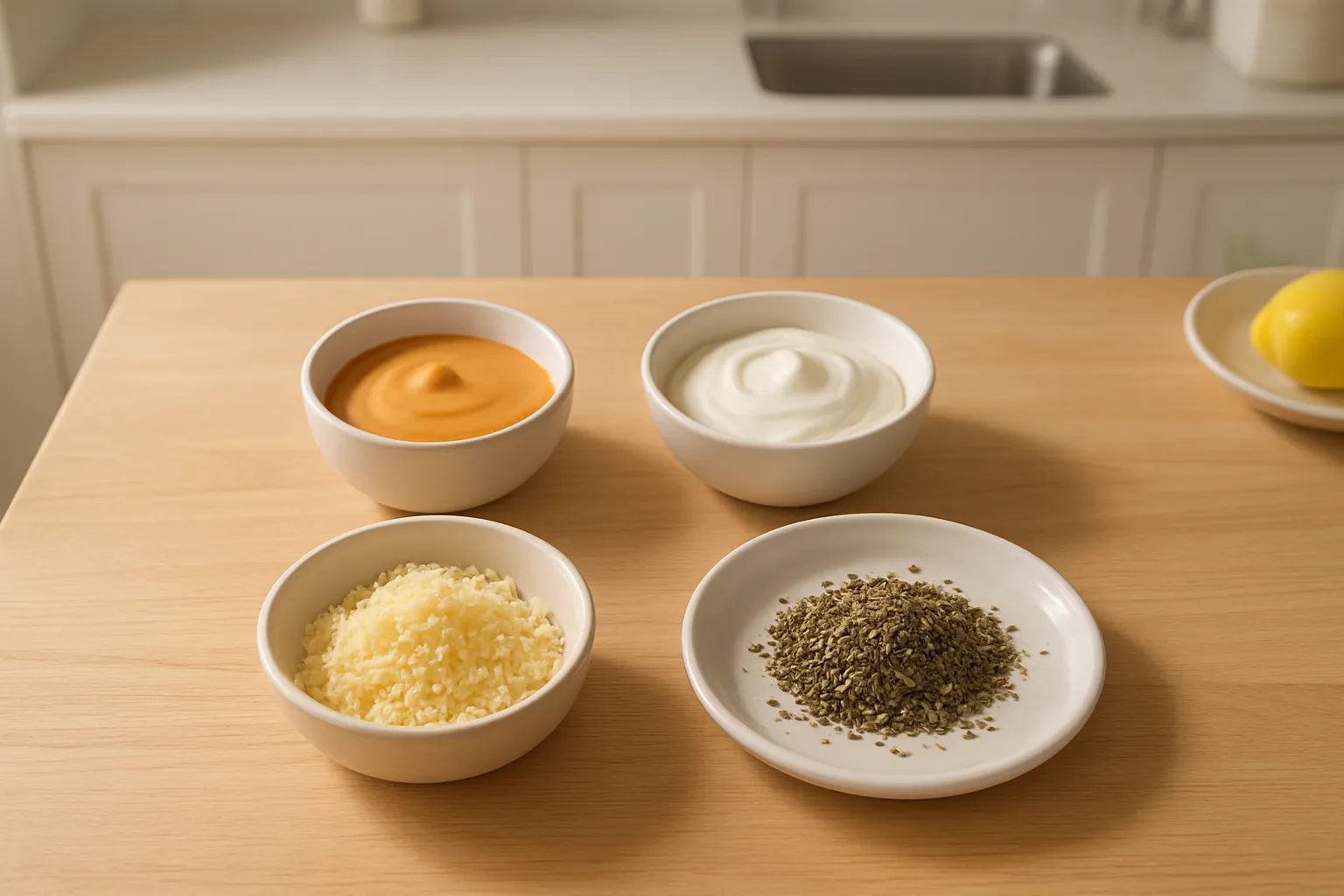
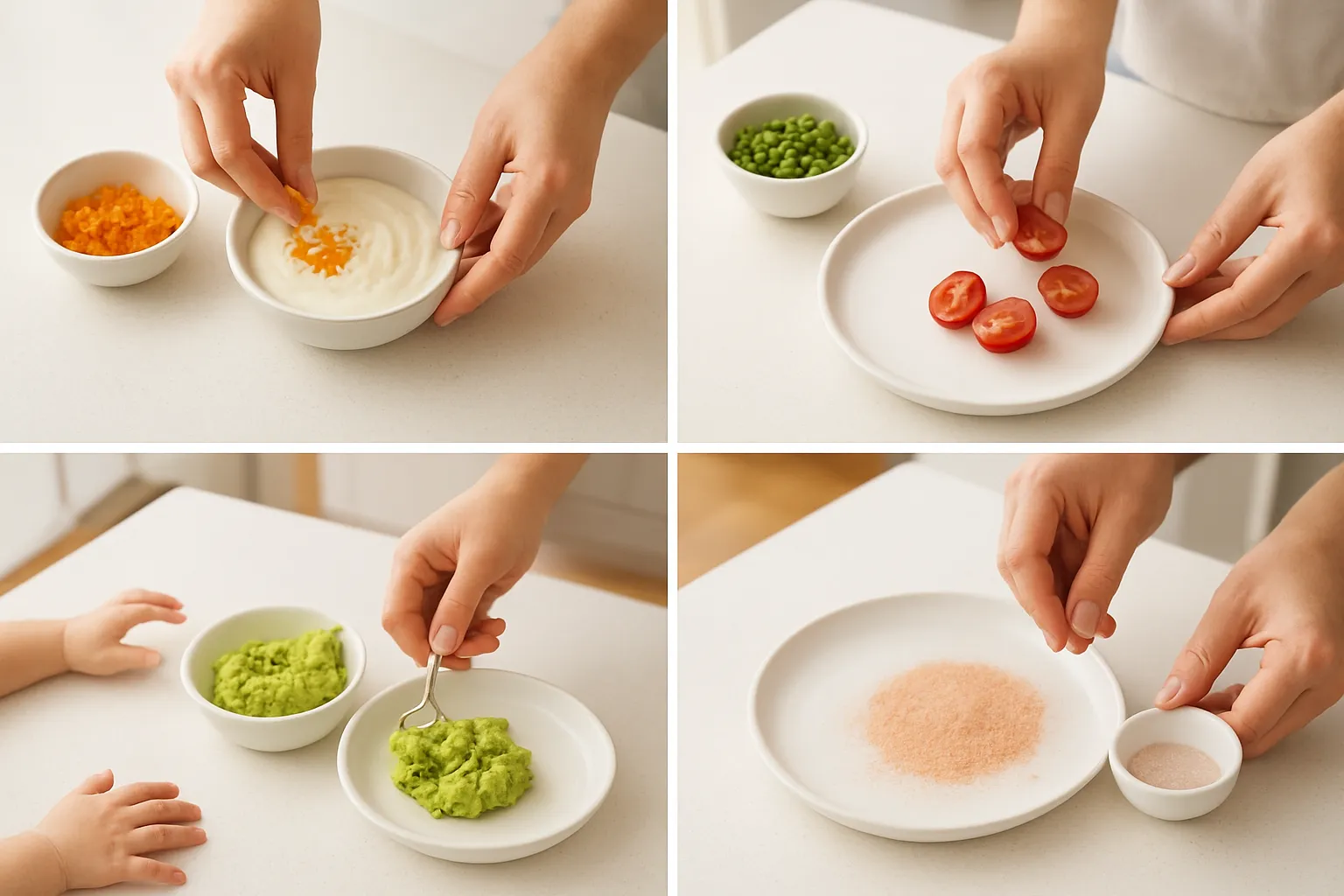
Kids eat with their eyes, noses and hands long before they eat with their forks. Small changes to how meals look, feel and are offered will make a huge difference.
- Make shapes and faces: Use cookie cutters on sandwiches, pancakes or steamed veg. A tiny smiley on a tomato slice or a cheese star on mac and cheese turns “boring” into “cool” in seconds.
- Offer two choices, not open-ended decisions: “Would you like carrot sticks or cucumber coins?” gives them control without overwhelming them.
- Serve things dip-ready: Little pots of yoghurt, hummus, tomato sauce or mashed avocado make veggies and proteins way more appealing. Toddlers love dunking.
- Keep portions tiny and build up: A few small pieces on the plate looks achievable. If they clear it, quietly add more. It reduces the “too much” reaction and waste.
- Match the texture: If they hate mush, try roasted carrots instead of pureed. If crunchy is off-putting, steam until tender. Think soft cubes, strips and finger-sized pieces for easy handling.
- Make it a mini DIY meal: Deconstructed taco bowls, make-your-own-mini-pita, or muffin-tin meals where each hole holds a different colour or flavour. Kids feel proud when they assemble their own bite.
- Use familiar flavours as anchors: Pair a new veg with a beloved element - a few peas in cheesy pasta, or grated zucchini in their favourite meatball. Familiar tastes make new ones less scary.
- Keep mealtime calm and consistent: Same spot, same cup, same plate often. Skip the bargaining, keep banter light and matter-of-fact. Praise exploration rather than force eating.
- Involve them in tiny tasks: Let them sprinkle cheese, stir mashed potato or pop cherry tomatoes into a bowl. Even one or two small jobs increases interest in eating.
- Keep desserts separate from dinner: If dessert is always promised for eating, dinner becomes transactional. Stick to stickers or cuddles for effort, not chocolates for clearing the plate.
If a meal bombs, no worries. Remove pressure, clear away the plate without drama and try a similar-ish version another day. Little wins add up, and before long you’ll have a few reliably accepted meals to fall back on.
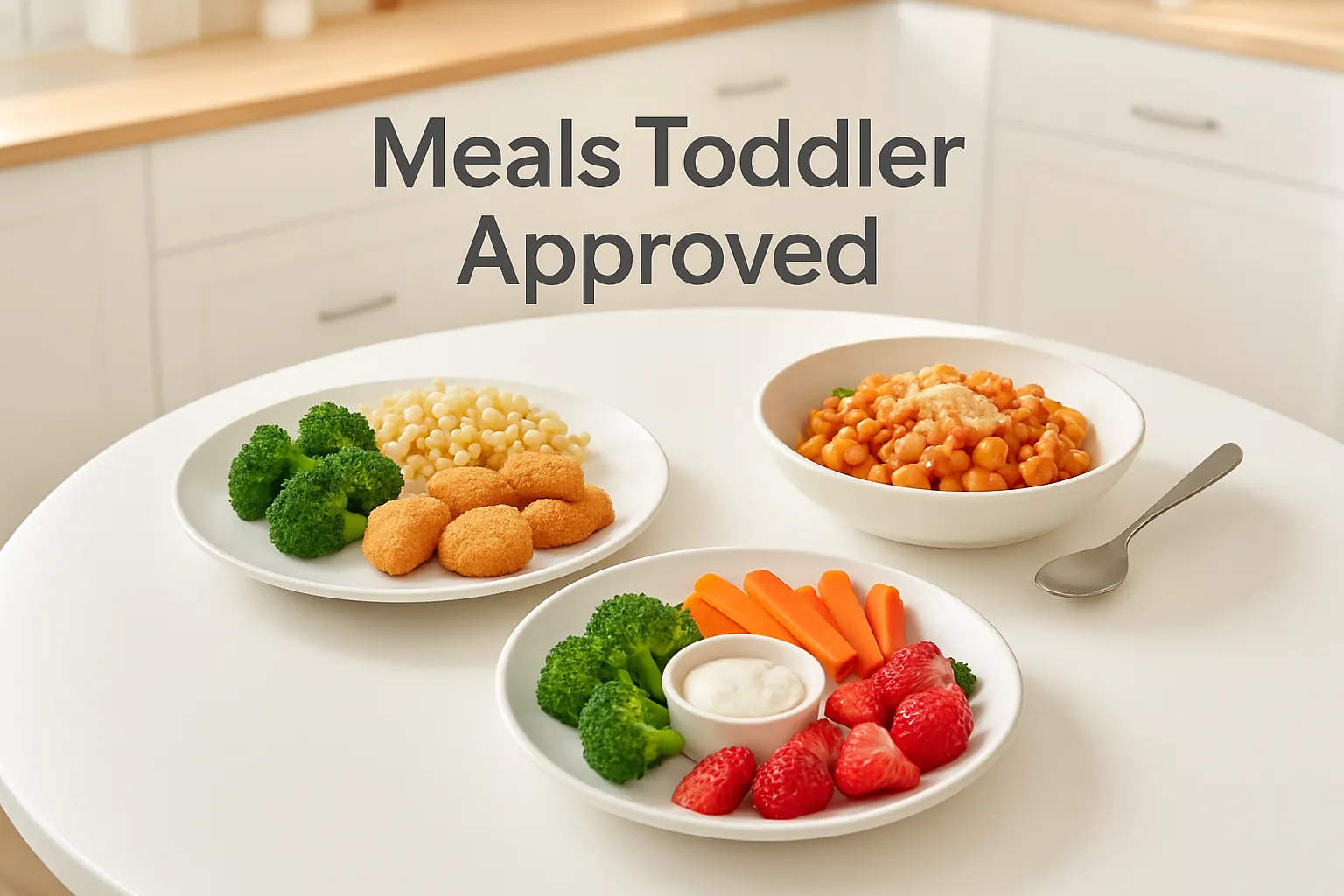
Browse Cuisines
From the Blog
First up, a few no-fuss spring winners that keep sticky fingers and big clean-ups to a minimum. Quick to prep and easy for little hands to manage, these are the sorts of things I reach for when we want something...
Nice - here’s how Steve keeps dinner simple without sacrificing flavour or sanity. A few good habits and the right packing tricks mean you can pull a proper family meal out of the freezer in minutes.
Righto, a couple of quick fridge fixes will make everything a whole lot easier. These are the simple, practical habits and setups that keep snacks safe, obvious and actually reachable for little hands.


 Never miss a recipe from us, subscribe to our newsletter