
Nutritional benefits of produce for toddlers
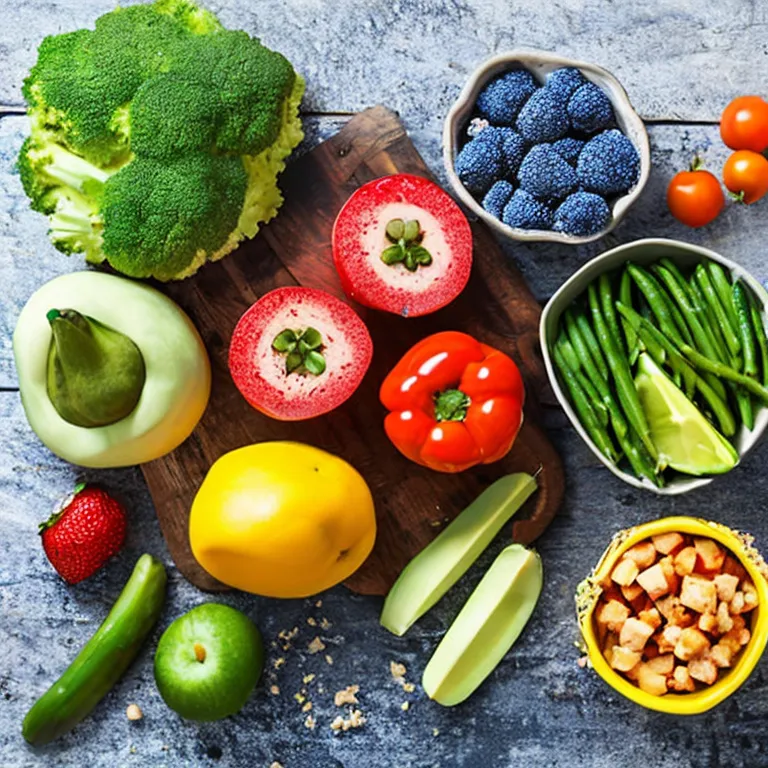
Righto, a couple of quick, no-fuss tricks that a tech-minded parent swears by to get dinner on the table without tears. These are practical, repeatable and toddler-tested.
-
Plan once, eat all week: set up a simple weekly template on your phone calendar with themes like Pasta Tuesday or Stir-fry Friday. Slot recipes into recurring events so you only plan once and can paste favourites straight into the shopping list.
-
Sync the shopping list: use an app the whole family can edit. Tick items off as they run out so grocery trips or online orders are quick. Woolies and Coles recurring orders are a lifesaver when you’re short on time.
-
Batch and freeze in portions: cook double batches of bolognese, soups or veg purées and freeze in silicone trays or small containers. Pop out one cube for a toddler-sized serve and thaw in minutes.
-
Make-ahead mix-and-match tubs: pre-chop a few veg and protein options and store in clear containers. At dinner, heat one tub and let little hands help assemble bowls or wraps. It cuts fridge chaos and gets kids involved.
-
One-pot recipe templates: keep a short list on your phone of “go-to” one-pot meals where you can add whatever veg is in the fridge. Swap proteins, swap grains, same base method. Saves time and brain power.
-
Sneak with sense: grate carrot or zucchini straight into sauces, chop spinach finely into omelettes, or blend soft fruit into yoghurt. Call it “rainbow sauce” rather than hiding, so flavours stay familiar.
-
Gadget shortcuts: use the food processor for blitzing veg, an Instant Pot for fast stews, and a slow cooker when you know you’ll be out. Set a voice assistant timer for stirring or checking so nothing gets forgotten.
-
Dinner assembly station: lay out small bowls of toppings and let toddlers choose two things to add to their plate. It slows picky behaviour because they feel in charge and you still control the healthy parts.
-
Leftover remix nights: turn last night’s roast veg into fritters, or blitz rice and veg into patties. Keep a short list of three remix ideas on the fridge so leftovers become dinner, not waste.
-
Healthy freezer staples: freeze small portions of fruit and veg for smoothies, or keep frozen peas and mixed veg as an always-ready side. They save the day when fresh produce gets eaten first.
-
Quick wins for busy days: buy pre-cut veg when time is tight, or order a ready-made veg box to rotate through. Save fresh chopping for calmer evenings.
-
Small rewards, big wins: use a digital sticker chart or a printed checklist at dinner so toddlers get a tiny celebration for trying new produce. It’s low effort and builds routine.
Try a couple of these for a week and keep the ones that actually save you time. The less you have to think about dinner, the more likely good food makes it to the table.
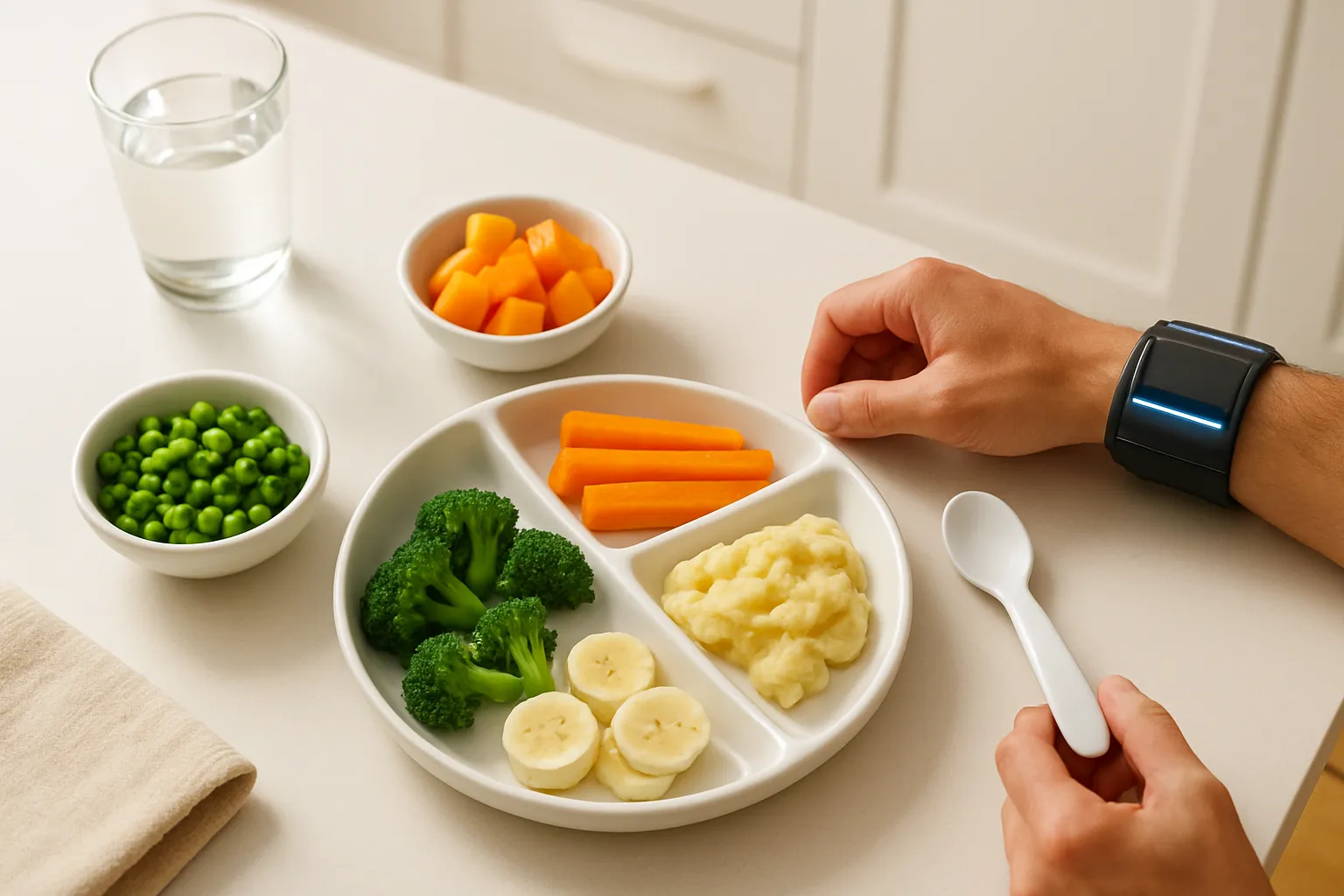
If you want veggies to be a real energy boost (and not something that gets pushed to the side), small tweaks make a huge difference. Here are practical ways to get good, steady fuel into little tummies without a fuss.
Veg picks that pack energy and why
- Sweet potato and pumpkin: gentle carbs, naturally sweet, full of beta-carotene. Great for sustained energy.
- Peas, corn and beans: provide carbs plus a little protein and fibre. Very filling.
- Carrots and beetroot: natural sugars and fibre that keep blood sugar steadier than plain snacks.
- Broccoli and spinach: fibre, vitamin C and iron support energy and general health. Pair leafy greens with something vitamin C rich to help iron absorption.
- Avocado: not a veggie technically, but full of healthy fats that slow digestion and keep energy steady.
How to prepare for toddler-friendly energy
- Cook until very soft. Steaming or roasting softens veg and brings out sweetness, which wins kids over.
- Add a little fat. A drizzle of olive oil, a knob of butter or mashed avocado helps absorb fat-soluble vitamins and makes textures more palatable.
- Mix veg into favourite dishes. Stir grated carrot or zucchini into meatballs, bolognese, omelettes or pasta sauces.
- Make veg the star of snacks. Mini frittatas, veggie patties or roasted veg sticks with hummus are easy to eat and portable.
- Balance carbs with fat or protein to avoid quick sugar highs. Pair sweet potato fries with yoghurt dip or a cheese cube.
Quick, everyday ideas
- Sweet potato smash: roast cubes, mash with a little butter and a squeeze of orange or apple for tang. Spoonfuls or finger food.
- Zucchini fritters: grate, squeeze out excess moisture, mix with egg and a little flour, pan-fry in olive oil. Cool and freeze extras.
- Hidden greens pasta: blitz spinach into a white sauce or bolognese - colour changes are subtle but nutrients stay.
- Veggie muffins: grated carrot, zucchini and a banana make sweet savoury muffins that travel well.
- Pea and corn patties: mash peas, mix with corn, egg and breadcrumbs, fry gently until golden.
Simple recipes to try 1) Sweet potato and carrot mash (serves 2 toddlers)
- 1 small sweet potato, 1 large carrot, 1 tsp butter or olive oil. Peel and chop, steam 12-15 minutes until soft, mash with fat. Cool slightly before serving.
2) Mini zucchini fritters (makes 8 small)
- 1 medium zucchini grated, 1 egg, 2 tbsp flour, pinch of cheese (optional), 1 tsp oil for frying. Squeeze out moisture, mix everything, spoon small rounds into a pan, cook 2-3 minutes each side until set.
3) Hidden-green hummus dip
- 1 can chickpeas (drained), handful of spinach leaves, 1 tbsp tahini or olive oil, small squeeze lemon, pinch salt. Blend until smooth. Great with soft steamed veg sticks or toast soldiers.
Batch cooking and lunchbox tricks
- Roast a big tray of mixed veg on Sunday, keep portions in the fridge for the week. Reheat or serve cold in lunchboxes.
- Freeze fritters, patties and muffin halves individually on a tray then bag them. Quick to reheat.
- Puree extra veg into small ice cube trays for quick additions to soups and sauces. Thaw as needed.
- Make dips and spreads in bulk; kids love dipping and it boosts intake.
Safety and serving tips
- Cut veg into age-appropriate shapes. For toddlers, soft cooked veg should be in small pieces they can gum safely. Avoid hard raw chunks like raw carrot unless grated or well-cooked.
- Watch temperature; food straight from the oven can be deceptively hot.
- Be mindful of allergies and introduce one new food at a time if you’re still expanding their palate.
- Offer veg regularly and without pressure. Repeated, low-stress exposure usually does the trick more than force.
Little, tasty tweaks and routine prep will get veg working as real energy food for busy toddlers. Keep it colourful, a bit creamy or oily for better absorption, and paired with protein when you can to steady that energy through the day.
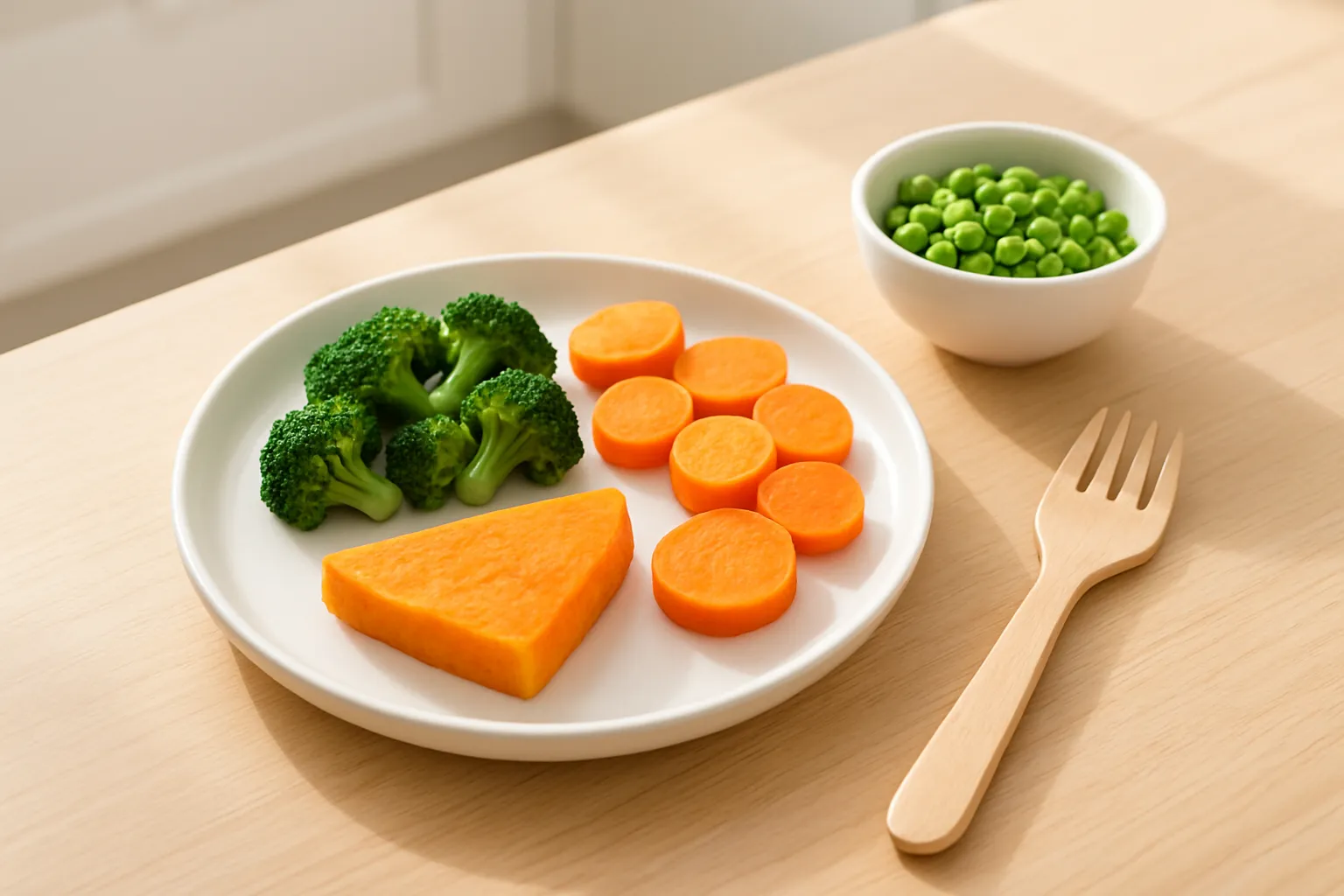
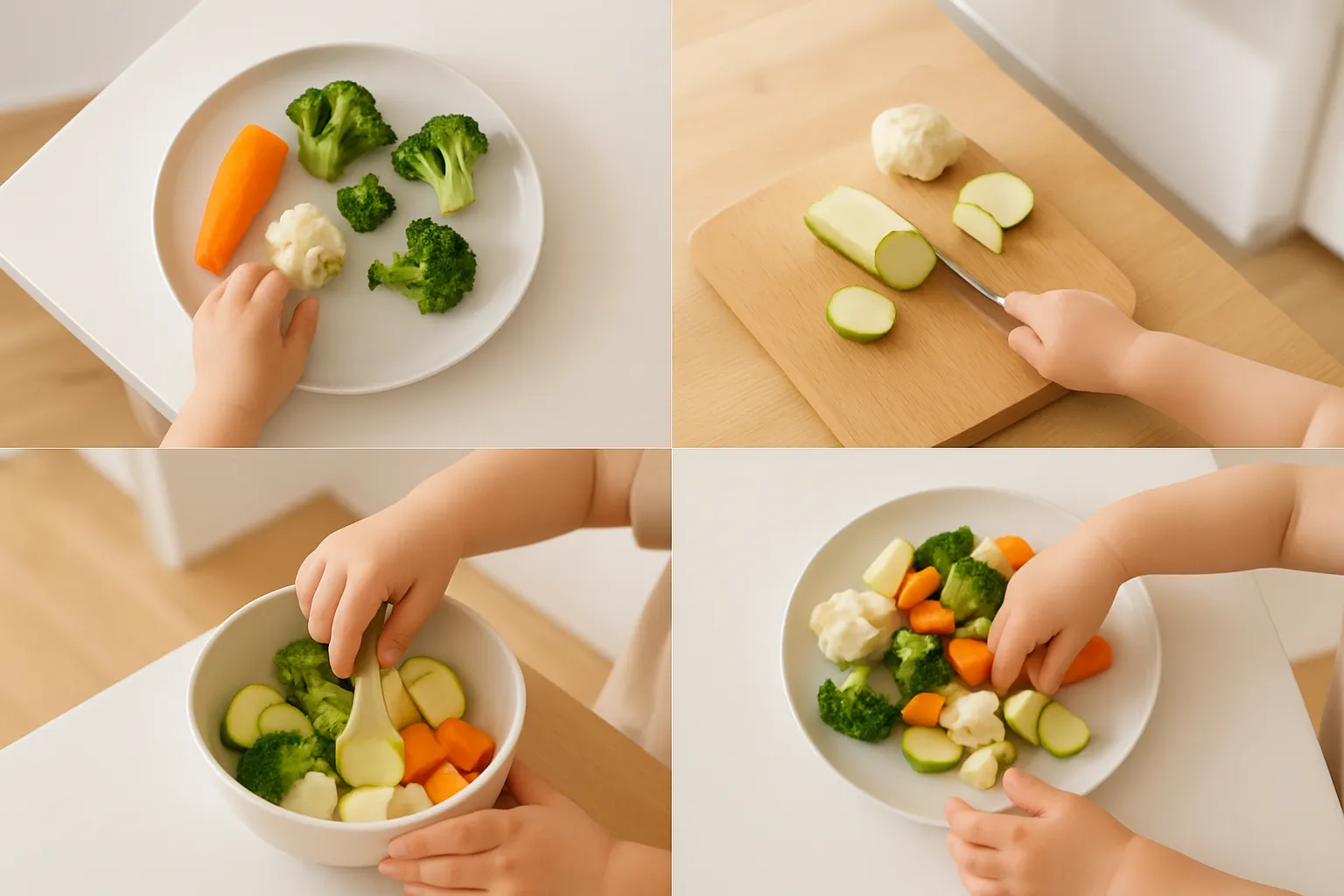
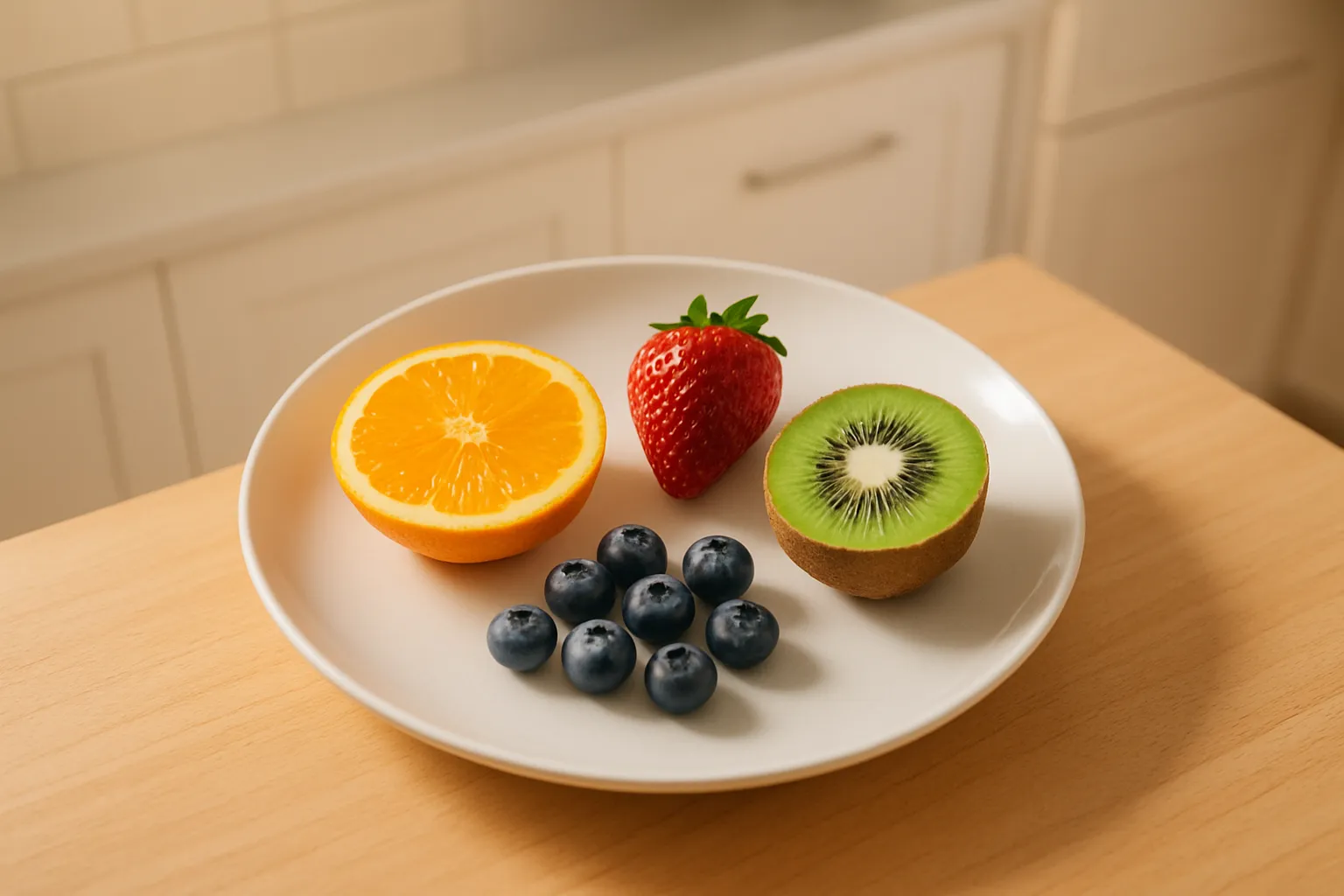
Right after nailing a few veg wins, fruit is where I reach for quick immune support and something the kids actually ask for. Here are practical ways to get the good stuff in, without turning snack time into a drama.
What to aim for
- Focus on vitamin C rich choices: mandarins, kiwi, strawberries, mango, pineapple and oranges. Vitamin C helps the immune system and helps iron absorption when eaten with iron-rich foods.
- Berries are little antioxidant powerhouses and great for mixing into yoghurt or porridge.
- Orange and yellow fruits like mango and apricot give beta carotene, which the body turns into vitamin A for mucosal health.
- Whole fruit over juice. If you do offer juice, dilute it a lot and keep it occasional.
Portion cues for toddlers
- A toddler-sized serving is small: think half a small banana, 2-3 tablespoons of chopped fruit, or one small mandarin. Aim for a small handful at a snack or mealtime.
- Remember safety: chop or mash depending on age, halve grapes lengthways, remove pips and cores, and avoid whole cherries or large pieces that could be a choking risk.
Quick, fail-safe snacks
- Fruit + yoghurt pots: spoon natural yoghurt into a small tub and stir through chopped kiwi, mashed berries or a little grated mango. Protein slows sugar spikes and keeps tummies happier.
- Mandarins or clementine segments with a few wholegrain crackers on the side for a more filling snack.
- Frozen berry cubes: blitz berries with a splash of water or yoghurt, pour into ice cube trays, freeze. Pop a cube into a lunchbox for a slow-melting cooler and a fun treat.
- Banana + nut-butter toast (if no allergy concerns): slice banana on wholegrain toast and spread a thin layer of nut or seed butter. Cut into finger-friendly strips.
- Steamed apple or pear: soft and warm for little ones who prefer cooked textures, great with a sprinkle of cinnamon.
Easy mini-recipes
- Little immune salad: chop strawberries, kiwi and mandarin, toss with a spoon of natural yoghurt and a sprinkle of chia. Serve chilled.
- Mango-papaya puree cubes: blend mango and papaya until smooth, spoon into silicone moulds and freeze. Thaw one cube for a quick serving.
- Sneaky green smoothie: 1/2 banana, big handful mango, a small handful spinach, and milk or yoghurt. The mango masks the spinach. Keep portions toddler-sized and spoon it rather than offering in a big cup.
- Berry-yoghurt drops: mix mashed berries into yoghurt, dollop on a tray and freeze until set. Great for teething days.
Pairing tips to boost benefit
- Serve vitamin C fruit alongside iron-rich foods for better iron uptake. Try kiwi with beef rissoles or orange segments with lentil dahl.
- Combine fruit with a little protein or healthy fat (yoghurt, cottage cheese, avocado, nut butter if safe) to slow sugar release and keep energy steadier.
Practical kitchen hacks
- Keep a stash of frozen fruit for smoothies, baking or quick purees. Frozen berries and mango are brilliant and cheap.
- Use small cookie cutters on thin slices of firm fruit to make shapes that entice fussy eaters.
- Pre-portion chopped fruit into toddler tubs so carers, grandparents or you can grab-and-go.
- Rotate seasonal fruit to keep costs down and interest up. Local markets often have great deals.
Safety checklist
- Always cut grapes and cherry tomatoes lengthways.
- Remove seeds and pips, cores and tough skins for young toddlers.
- Supervise fruit on a skewer or sticks.
- Avoid whole nuts; use smooth seed or nut butters thinly spread if there are no allergy concerns.
Keep it simple and playful. Little wins add up, and a few chopped strawberries or a kiwi scoop can be a massive boost to a tiny immune system.
Sneaky greens without the drama
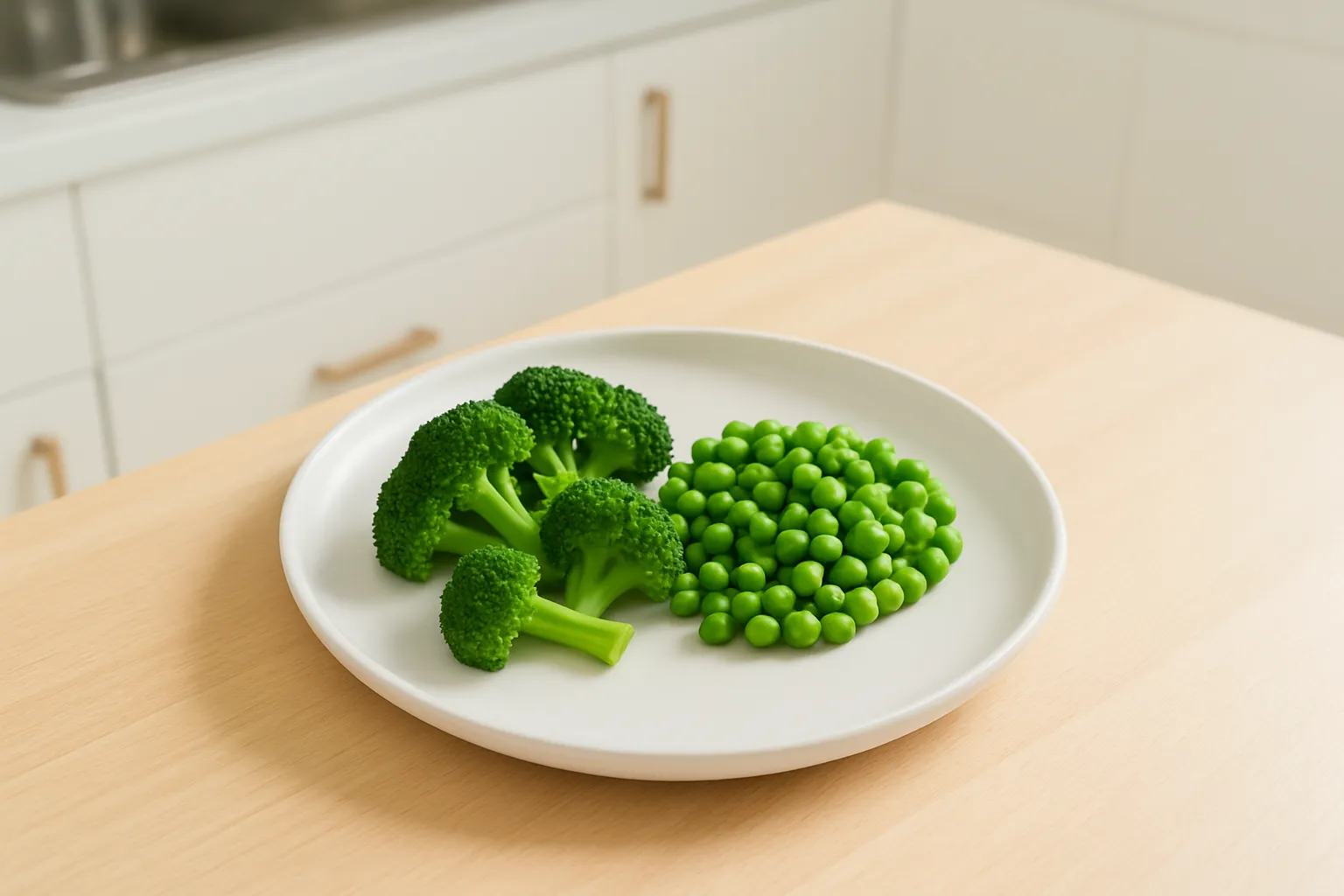
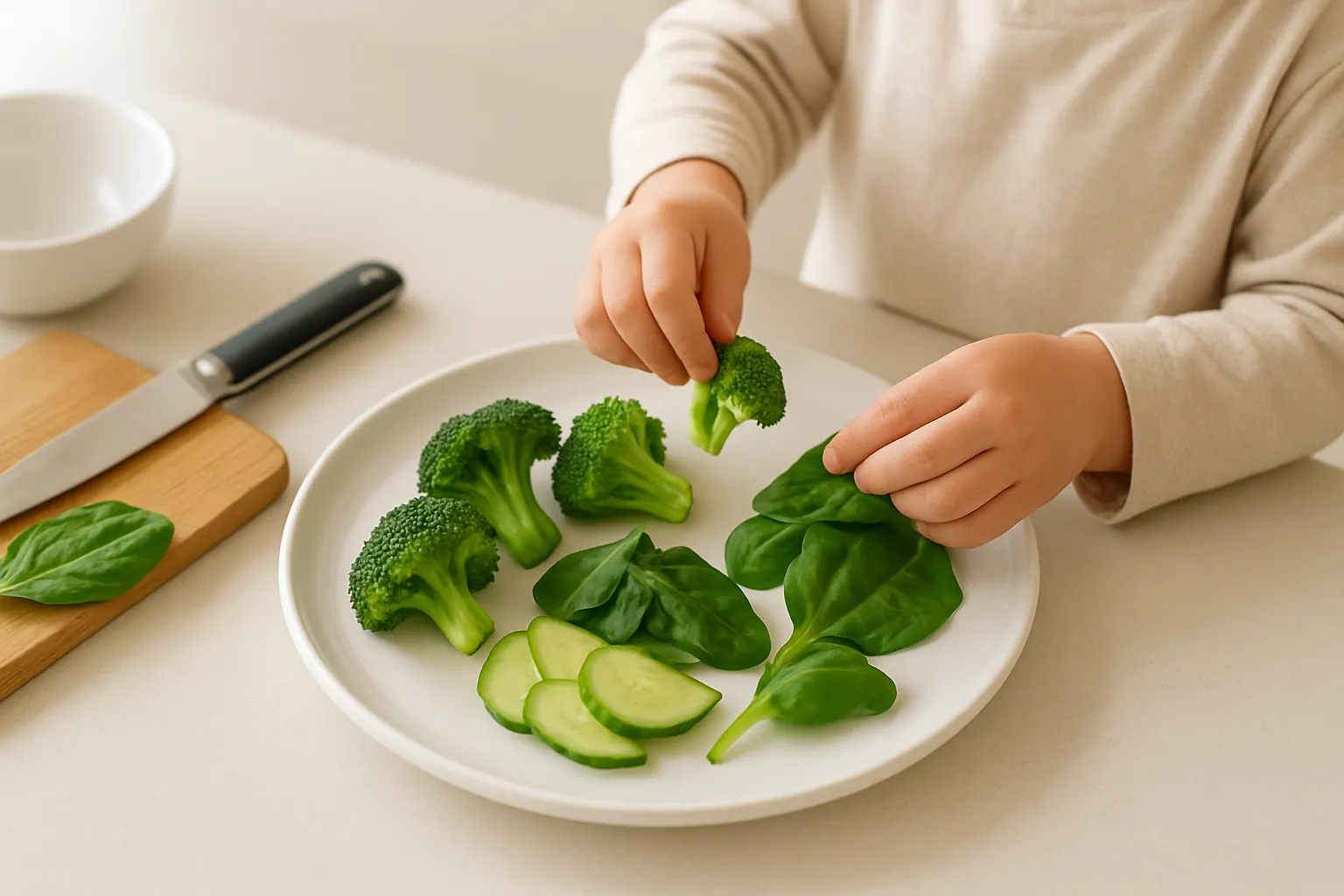
If you want greens in without a battle, think texture, taste and routine. Here are practical, low-drama tricks that actually work.
Quick wins
- Stir into sauces: Finely chop or blitz spinach, silverbeet or kale and stir into bolognese, pesto or tomato sauce. Cooked into the sauce, they disappear and add colour and nutrients.
- Cheese is your friend: Mild cheddar, mozzarella or ricotta masks flavour. Mix grated cheese with shredded greens in muffins, fritters or pasta bakes.
- Smoothie spring: A small handful of baby spinach or frozen peas in a berry or banana smoothie won’t change the taste but adds a green hit.
- Swap and sneak: Replace half the pasta with grated zucchini or cauliflower rice. Or fold pureed greens into mashed potato.
- Make them fun: Bright green pancakes or muffins are less suspicious when they look like a treat. Add a smear of yoghurt or a little fruit on top.
Easy toddler-friendly recipes 1) Green Pancakes (makes about 8 small pancakes)
- 1 banana, 1 egg, 1/2 cup rolled oats, 1 small handful baby spinach.
- Blitz everything until smooth. Cook small pancakes in a nonstick pan. Serve with a smear of yoghurt or smashed berries.
2) Spinach and Cheese Muffins (12 mini muffins)
- 1 cup flour, 1 tsp baking powder, 1 egg, 1 cup milk, 1/2 cup grated cheese, 1 cup finely chopped spinach.
- Mix dry and wet, fold spinach and cheese through, spoon into greased mini tins, bake 15-18 minutes at 180 C. Freeze extras.
3) Hidden-Greens Meatballs (makes 18 small meatballs)
- 500 g mince, 1/2 cup breadcrumbs, 1 egg, 1/2 cup grated carrot, 1/2 cup grated zucchini, 1/2 cup shredded spinach.
- Mix, roll small balls, bake at 200 C for 12-15 minutes. Serve with tomato dip for dipping practice.
4) Pea and Avocado Mash (for early eaters)
- 1 small ripe avocado, 1/2 cup steamed peas, squeeze lemon.
- Mash together until smooth. Great on toast or as a dip for soft fingers.
Texture and taste tips
- Blend for babies, shred for toddlers who chew well. Finely shred greens into sauces so they bind rather than flake out.
- Blanch then shock in cold water to keep bright colour if you want it to look appetising.
- Salt, garlic and a touch of fat help mask bitterness. A squeeze of lemon or a sprinkle of parmesan lifts the flavour.
- For fussy palates, introduce greens with a familiar favourite on the same plate. Small steps win.
Batch cooking and freezing hacks
- Puree cooked spinach, broccoli or peas with a little stock or water and freeze in ice cube trays. Pop a cube into sauces, soups, casseroles or porridge.
- Make a big batch of fritters or muffins and freeze. Reheat in the oven for best texture rather than the microwave.
- Freeze little portions of pesto made with spinach instead of or mixed with basil. Stir through pasta or mashed potato.
Serving and safety for toddlers
- Cut soft foods into bite-sized pieces to reduce choking risk. Avoid whole raw spinach leaves for under 2s unless shredded or cooked.
- Start with small portions alongside familiar foods and praise even the tiniest taste.
- Offer greens repeatedly. Familiarity beats force.
Get them involved
- Let kids help wash leaves, sprinkle cheese, or press muffin mixture into tins. Saying “help me make the green pancakes” builds curiosity.
- Give greens a fun name like “dinosaur fuel” or “superhero spinach” to make tasting play-based.
When it won’t work
- If a green fails, drop it for a while and try a different form later. Sometimes a kid will accept a veggie as one form but not another.
Keep it relaxed, keep serving, and keep a cheeky freezer stash going. That’s how greens become just part of the meal rather than a drama.
Now that greens are less of a battleground, global flavours are a brilliant next step. Small, familiar formats with gentle spices make trying new cuisines fun, not scary.
Easy toddler-friendly global ideas
- Mild butter chicken with veg: Cook diced chicken and soft veg in a tomato and coconut yoghurt sauce with a pinch of mild curry powder and ground cumin. Mash slightly for younger toddlers. Serve with soft rice or small naan pieces for dipping.
- Mini quesadillas: Fill wholemeal tortillas with black beans, grated cheese and finely chopped roasted capsicum. Pan-fry gently until golden, cut into wedges. Great for little hands and lunchboxes.
- Little falafel bites: Make baked falafel with canned chickpeas, parsley, a tiny bit of cumin and a soft texture. Serve with hummus or a yoghurt tahini dip. Freeze extras.
- Simple teriyaki salmon rice bowl: Glaze small salmon pieces with a low-sugar teriyaki-style sauce (soy diluted with a little water and a touch of honey for over-1s). Flake and serve over rice with edamame or shredded carrot.
- Mild Thai coconut pumpkin curry: Simmer pumpkin, carrot and tofu in light coconut milk with a little fresh ginger and lime. Keep it mild and mash for younger mouths. Great for freezing in small portions.
- Little meatballs with Mediterranean vibes: Lamb or beef meatballs seasoned with oregano and a pinch of cinnamon, baked and simmered in a mild tomato sauce. Serve with roast veg or soft pasta.
- Veggie fried rice: Use day-old rice, scrambled egg, peas, grated carrot and a dash of soy. Quick, soft and a sneaky veggie booster.
- Tamago-style omelette rolls: Sweet Japanese omelette sliced into strips makes a great protein-rich finger food and pairs well with avocado or finely steamed spinach.
How to introduce new tastes without a meltdown
- One new flavour at a time: Keep one familiar element on the plate, like rice or toast, so the novel taste doesn’t feel overwhelming.
- Small wins matter: Offer tiny tastes first. No pressure, no judgement. Three to ten exposures are normal before a child accepts something new.
- Make it familiar: Put new flavours in formats they already love. Turn curry into a dip, or make sushi-style rolls with avocado and cooked chicken.
- Use dips: Kids love dipping. Hummus, yoghurt raita, mild tomato sauce and mashed avocado are perfect partners for trying new textures and flavours.
- Let them help: Choosing a spice jar, stirring the sauce or pressing falafel mix into shapes makes them curious and proud to eat what they made.
Practical swaps and safety points
- Keep spices gentle: Start with cumin, mild curry powder, smoked paprika, cinnamon and coriander. Avoid chilli and whole spices for littlies.
- Swap creaminess: Coconut milk, thick yoghurt or mashed avocado give a rich texture without too much salt.
- Watch for common allergens: Many global recipes use nuts, sesame and soy. If you’re introducing these, follow your GP or local health guidance and chop or blend to avoid choking.
- No honey under 1 year and keep salt low for toddlers.
- Cut and cook for safety: Soften veg well and cut food into small, manageable pieces to reduce choking risk.
Meal prep and freezer wins
- Double up sauces: Make a big batch of a mild tomato-coconut sauce or raita and freeze in ice cube trays for easy portions.
- Freeze in toddler portions: Meatballs, mini curries and baked falafel freeze and reheat well. Label with date and contents.
- Pack bento-style lunches: Little compartments with a protein, a cooked veg, a soft carb and a dip make tasting new flavours feel like a game.
If one dish bombs, no dramas. Keep offering tiny tastes, swap formats, and try again in a week. Global flavours are a slow and fun adventure. Start small, keep it familiar, and before long they might be asking for that “spicy” rice on repeat.
Browse Cuisines
From the Blog
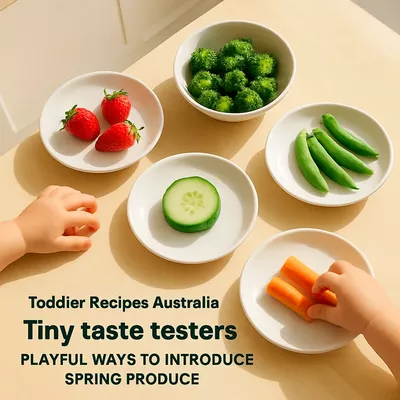
First up, a few no-fuss spring winners that keep sticky fingers and big clean-ups to a minimum. Quick to prep and easy for little hands to manage, these are the sorts of things I reach for when we want something...
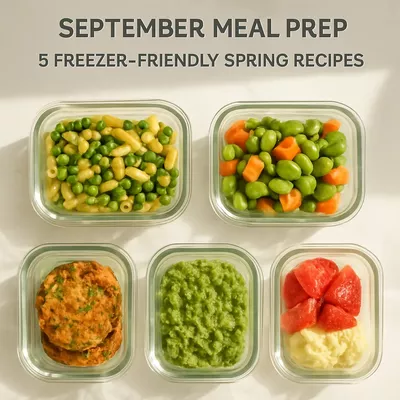
Nice - here’s how Steve keeps dinner simple without sacrificing flavour or sanity. A few good habits and the right packing tricks mean you can pull a proper family meal out of the freezer in minutes.
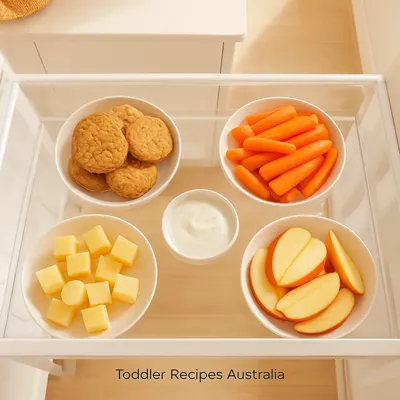
Righto, a couple of quick fridge fixes will make everything a whole lot easier. These are the simple, practical habits and setups that keep snacks safe, obvious and actually reachable for little hands.
 Never miss a recipe from us, subscribe to our newsletter