
Making Mealtime Fun for Even the Pickiest Eaters
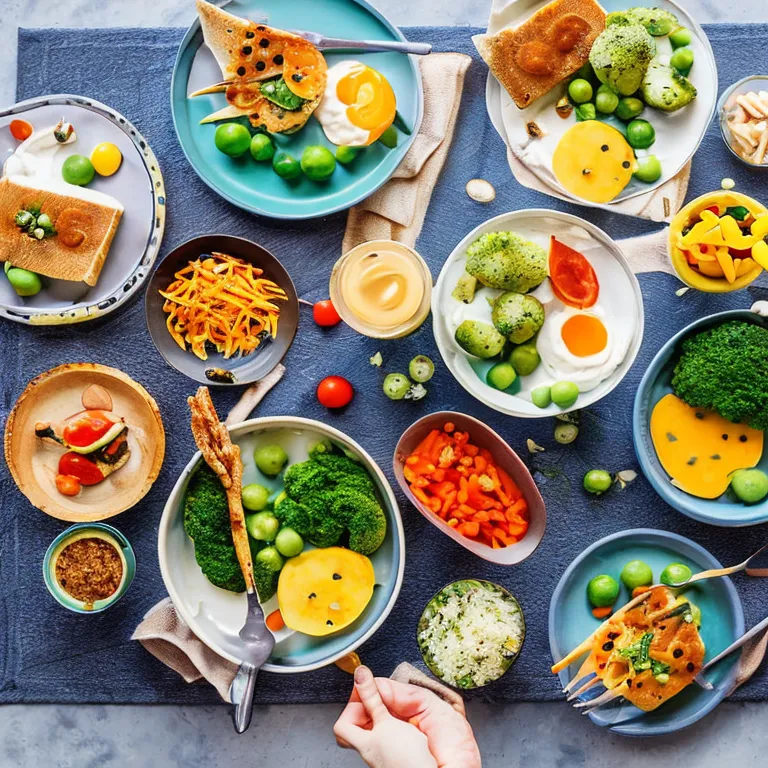
Cooking with my two boys is equal parts chaos and magic. A few simple rules and a handful of go-to recipes keep us laughing, learning, and most nights, eating something we made together.
Quick ground rules before you start
- Small jobs win. Two minutes of real participation beats ten minutes of drifting attention.
- Prep everything first. Little bowls with measured ingredients stop meltdowns and make the process feel grown-up.
- Safety first. Anchor bowls with damp tea towels, use kid-safe knives, and keep hot surfaces out of reach.
- Expect a mess and plan for it. An old sheet on the floor or an easy-clean placemat saves you time and stress.
Age-friendly jobs (easy to add into any recipe)
- 1-2 year olds: stir, pour dollops from a spoon, drop pre-cut soft fruit into a bowl, press cookie cutters into dough.
- 3-4 year olds: measure with spoons, sprinkle toppings, mash bananas, spread sauces, arrange things on a tray.
- 4+ year olds: follow simple steps, crack eggs with help, use a kid-safe knife to cut soft fruit, read a short recipe line.
Five favourite recipes the boys actually help make 1) Mini pizza faces
- Pre-made bases or halved English muffins, pizza sauce in a small bowl, grated cheese in one bowl, veggies and ham in small bowls.
- Let each child spread sauce, sprinkle cheese, and create a face with toppings. Bake while they set the table or wash a small bowl.
2) Banana pancakes (no-fuss breakfast or dinner)
- Mash banana, add an egg and a tablespoon of flour, stir. Spoon small pancakes onto a cool frying pan with an adult in charge of the heat.
- Kids flip simple pancakes with a spatula when they’re confident. Top with fruit and yoghurt.
3) Hidden-veg muffins
- Pre-choose grated carrot or zucchini mixed into the batter. Kids mix batter, spoon into tins, and add a scatter of oats or a few choc chips on top.
- Great for tasting lessons: “What does the muffin smell like now?”
4) Fruit and cheese kebabs
- Soft cheese cubes, berries, banana slices and cooked pasta tubes on a skewer. Kids thread safe items or press onto blunt kebab sticks laid flat.
- Perfect for practising colour patterns and fine motor skills.
5) Frozen yoghurt bark
- Spread yoghurt on a tray, drop chopped fruit and a drizzle of honey, then freeze. Snap into shards and store for quick snacks.
- Kids love spreading and sprinkling. Bonus: they get to taste-test the liquid yoghurt first.
Keeping it fun and getting picky eaters to try new things
- Offer choices not orders. “Do you want carrot sticks or cucumber discs?” feels more empowering than “Eat this.”
- Make tasting a game. A tiny spoonful is low pressure. Call it an experiment and rate textures or colours.
- Praise attempts, not outcomes. “You stirred for a whole minute, that was brilliant” nudges them to help again.
- Rotate a “chefs’ choice” night where each child picks one topping or side. They’ll often eat what they choose.
Clean-up is part of the lesson
- Give a small sponge or cloth and a sink-side bowl to rinse. Singing a clean-up song makes it a team activity.
- Teach scraping bowls into the bin, then rinsing. Little jobs build confidence and reduce your load later.
If it all falls apart, breathe and try again tomorrow. Keep steps short, celebrate the wins, and remember that the cooking time is more about connection than perfection.
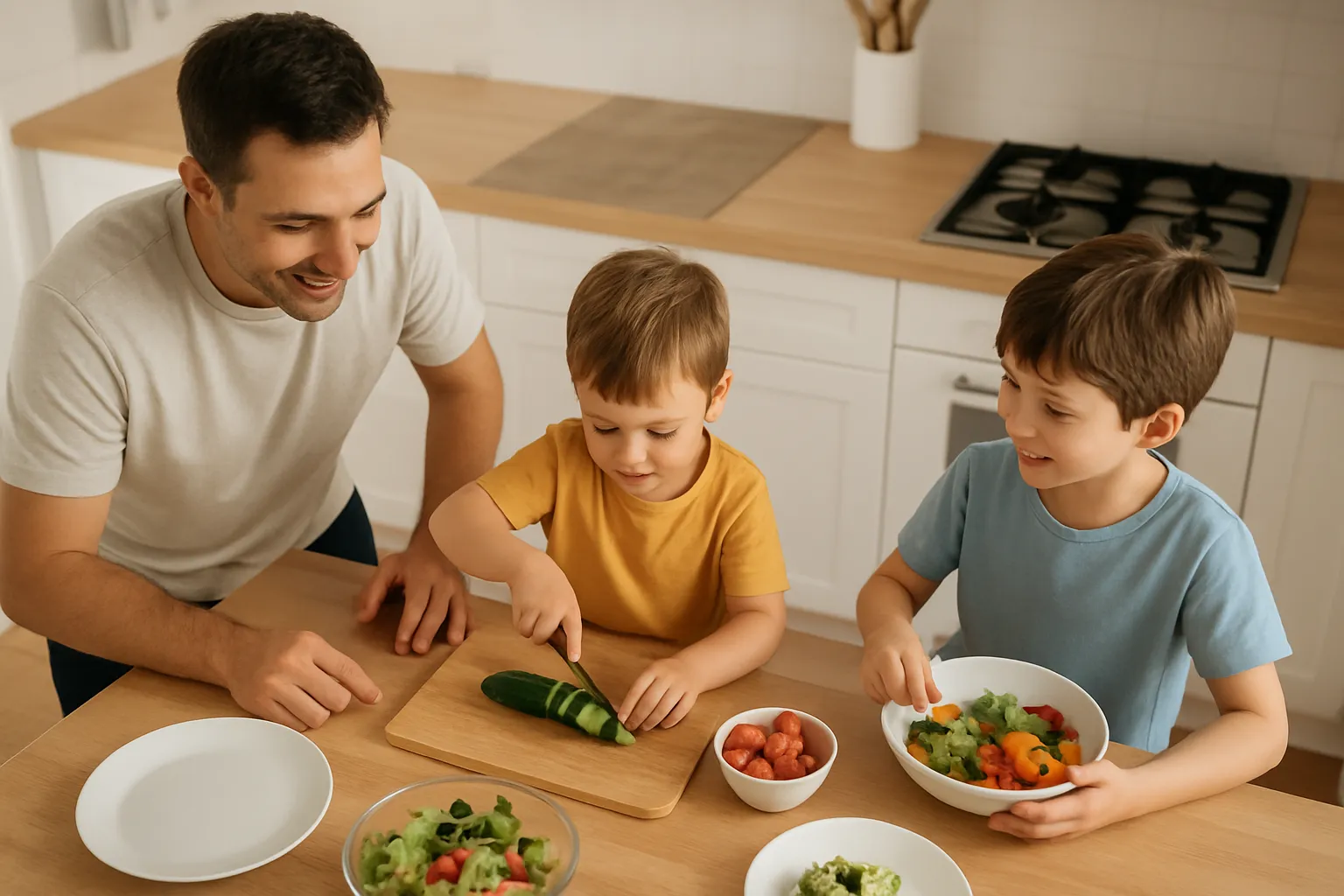
Once the floury mess is cleared, dinner time becomes our chance to sneak in some simple web design thinking without the kids clocking it. It’s all about hands-on, food-based games that teach layout, colour and choices while everyone eats.
Practical dinner-table activities
- Grid plates with muffin tins or bento boxes
- Pop small portions into each muffin hole: carrot sticks, cheese cubes, blueberry clusters, cucumber rounds.
-
Ask the child to fill one row with orange things, one with green, and one with protein. Teaches rows, columns and ordering while offering tiny, manageable tastes.
- Colour palette and contrast
- Give them a “palette” plate and a mini spoon. Let them choose three colours to arrange on the plate.
-
Talk about which colour catches your eye first. Bright contrast often makes food more appealing, so place a colourful item next to a neutral one to draw attention.
- Hero item and visual hierarchy
- Make one “hero” food in the middle: a meatball, a big roasted veg, a pancake. Smaller sides sit around it.
-
Have the child choose the hero. This helps them feel in control and teaches the idea of a focal point on a plate.
- Navigation and buttons with dips
- Set up small bowls of dips or sauces like yoghurt, hummus and tomato sauce lined up like a navigation bar.
-
Let them “click” by dipping with a finger or spoon. Naming the bowls with stickers adds a fun techy twist.
- Responsive servings
- Hand out two spoons: a big one and a small one. If they’re still hungry, swap to the big spoon and add another mini portion.
-
Use this to show that plates can change size for different users, and to teach listening to your own tummy.
- Accessibility: make everything easy to use
- Cut foods into easy-to-grab shapes, avoid whole grapes or chunks that are a choking risk, and offer both finger food and utensil options.
-
Describe textures and names as you go. Saying “soft banana” or “crunchy carrot” helps kids recognise foods by feel and sound, not just sight.
- A/B testing and debugging
- Make two mini versions of the same food: toast with butter versus toast with banana, or carrot sticks plain versus with cinnamon. Let them try both and vote.
-
If something gets rejected, change just one thing at a time: shape, name, or dip. Rename broccoli “little trees” and see if that gets a nibble.
- Wireframes and plate planning
- Give them a scrap of paper and crayons. Ask them to draw where they want things on their plate before you serve.
- Recreate the drawing together. It’s quick, silly and gives them a tiny say in dinner design.
Quick scripts and names that work
- “Choose your hero”
- “Pick three colours”
- “Tap the button” when they dip
- “Make a smiley face plate” instead of “eat your vegetables”
Safety and timing
- Keep these mini-lessons short, five to ten minutes. Toddlers lose interest fast.
- Always supervise, cut food to safe sizes, and avoid choking hazards.
These tiny, playful ideas get kids thinking about choices and arrangements rather than power struggles. Best bit: they’re easy, fun and usually lead to more eating and less negotiating.

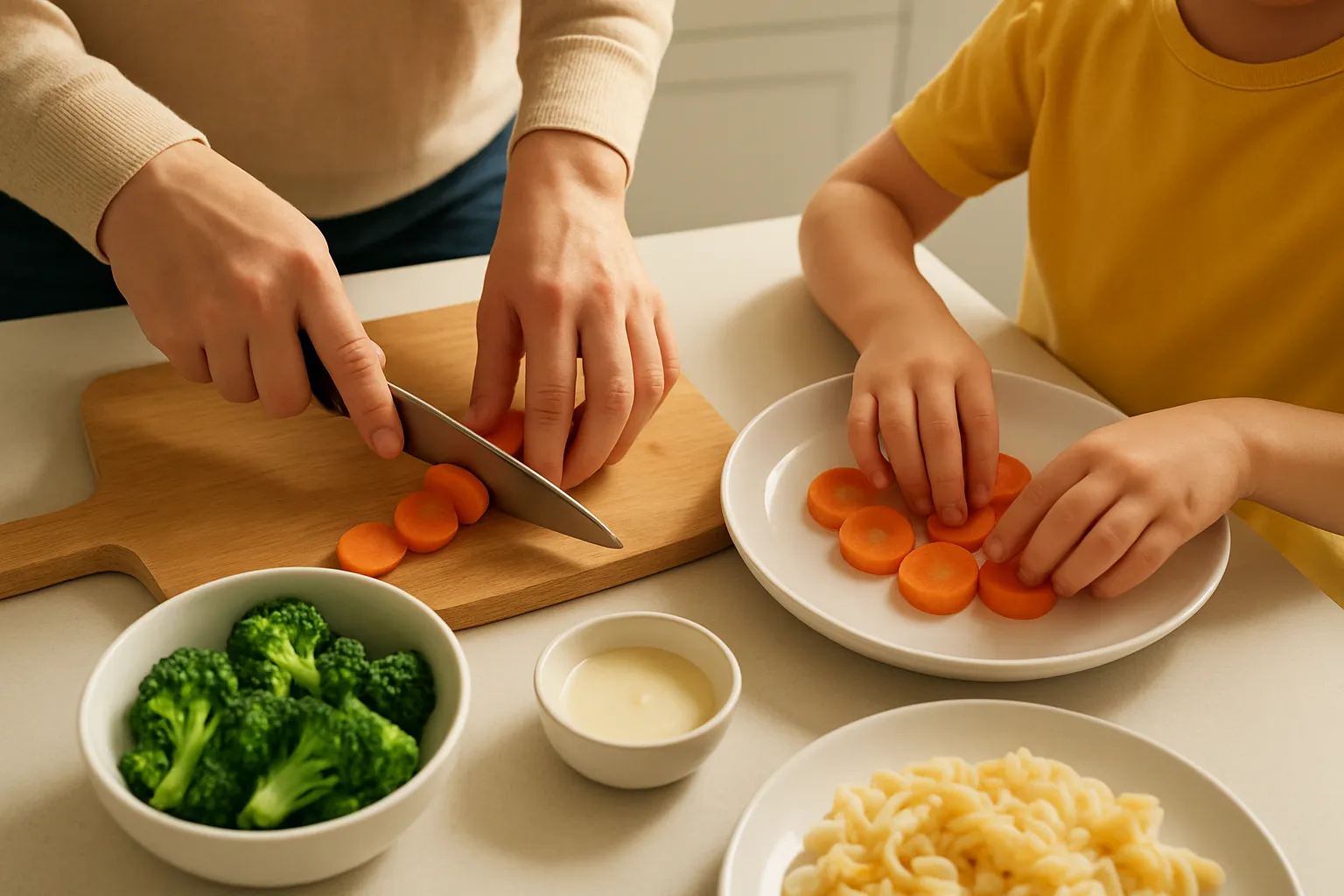
Following on from turning dinner into tiny design projects, quilting ideas bring the same sorting and visual thinking into play, but with fabric and hands-on fun.
Pocket placemat quilt
- What it is: a small quilted placemat with a few sewn pockets along one edge.
- How to do it: sew 4 to 6 squares (about 15 x 15 cm each) into a single mat, then add pockets along the top. Make the pockets big enough for felt food pieces or small snack containers.
- Game ideas: hide a mystery snack in one pocket, play a colour-match game by asking kids to put red foods into the red square, or let them arrange a mini picnic on the mat.
- Tip: use Velcro on the pocket flaps for extra fiddliness that toddlers love.
Tasting-grid quilt
- What it is: a 3 x 3 grid quilt where each square is a “tasting station.”
- How to set it up: stitch nine squares together and either sew tiny snap-on pockets or use small bowls set on each square. Label squares with colours, shapes or simple pictures.
- How to play: place a small sample in each square (sweet, salty, crunchy, smooth, bright-coloured veg, etc.). Kids move across the grid tasting and putting a sticker on squares they liked. Great for gentle exposure to new textures and tastes.
Felt food patchwork
- What it is: soft, washable food shapes on a quilted board.
- How to craft it: cut simple food shapes from felt - slice of toast, banana, cheese wedge, lettuce - then either sew or glue felt Velcro dots to the back of each piece and matching spots on a quilt square.
- Why it works: toddlers can build sandwiches and meals without crumbs, practise stacking, and talk through ingredients. No-sew options use hot glue, but always check for secure edges.
Snack-sorting quilt game
- Idea: make a quilt with coloured or shaped squares and use it as a sorting mat.
- Play options: give the kids a handful of mixed snacks and ask them to sort by colour, texture or food group into the matching squares. Time it, make teams, or use it as a calm activity while you prep dinner.
- Learning moment: counting, colour recognition and fine motor practice all wrapped up in a low-mess game.
Big picnic quilt with zones
- What it is: a larger quilt for the floor with drawn zones labelled crunchy, soft, red, green, new-to-try, favourites.
- How to use it: have a little family picnic where everyone must choose at least one thing from the “new-to-try” zone. Rotate zones every few weeks to keep it interesting.
- Bonus: great for outdoor play and encouraging trying bites without pressure.
Practical bits to remember
- Safety first: remove any tiny pieces for children under three, and supervise eating. Keep fabric food large and soft.
- Fabric choices: go washable and stain-resistant where possible. Cotton with a quilted batting is easy to wash and holds up well.
- Keep it simple: use scraps, felt sheets from the craft shop and Velcro for quick wins. Toddlers love repetition, so one or two well-loved quilts will get more play than a dozen fancier projects.
If you want, start with one quick placemat pocket and see how the kids respond before making a whole quilt. It’s a lovely, cosy way to turn tasting and sorting into play without the pressure of mealtime battles.
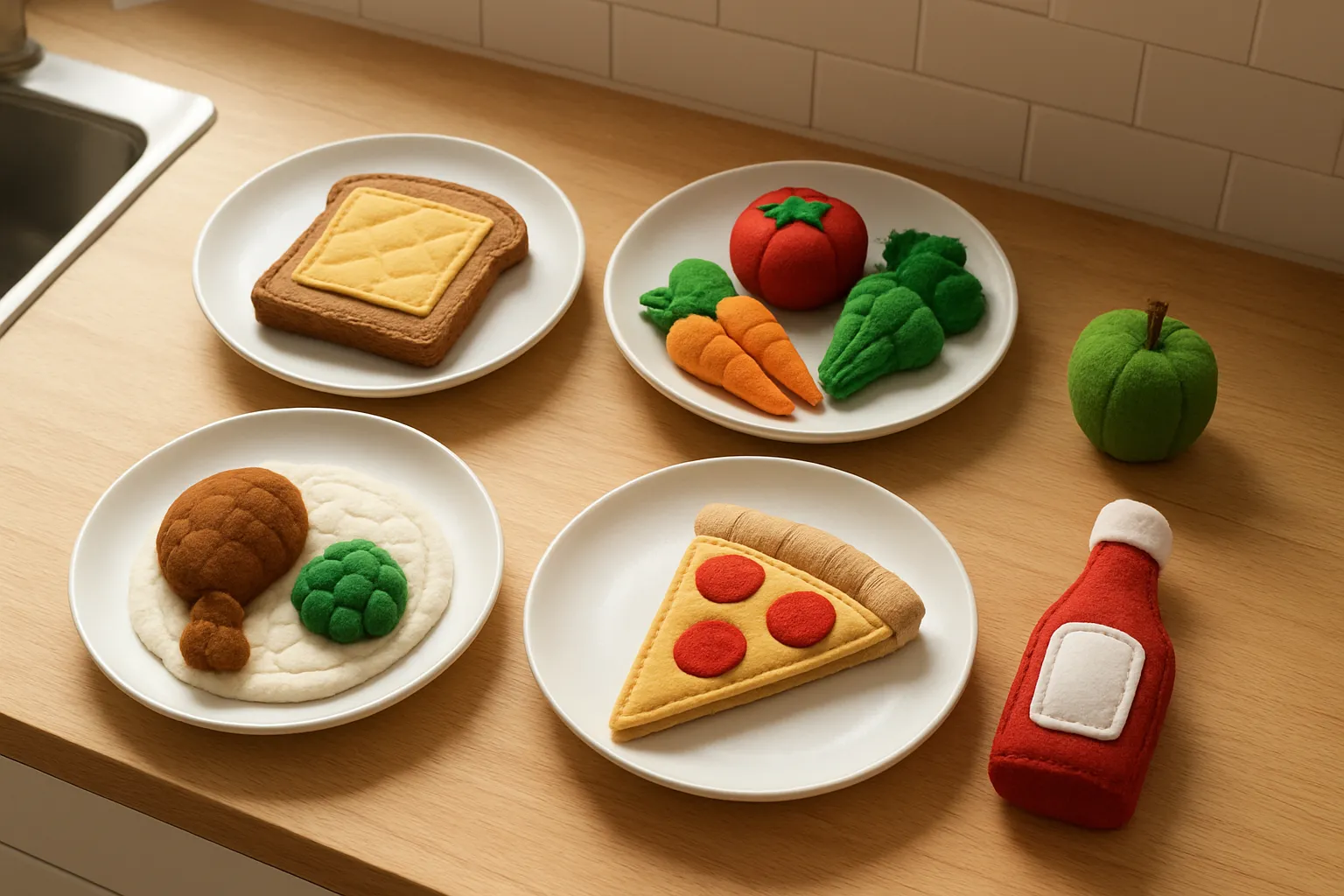
After a day of crafty food play, some nights are just for getting food on the table quick and keeping everyone happy without a drama. Here are practical ideas and little tricks that make solo evenings simple, nourishing and, yes, a bit fun.
Speedy dinner ideas
- Scrambled eggs and veg toast soldiers: Whisk eggs with a splash of milk, fold through a handful of spinach or grated carrot, cook gently. Cut toast into fingers for dipping. Takes about 8 minutes.
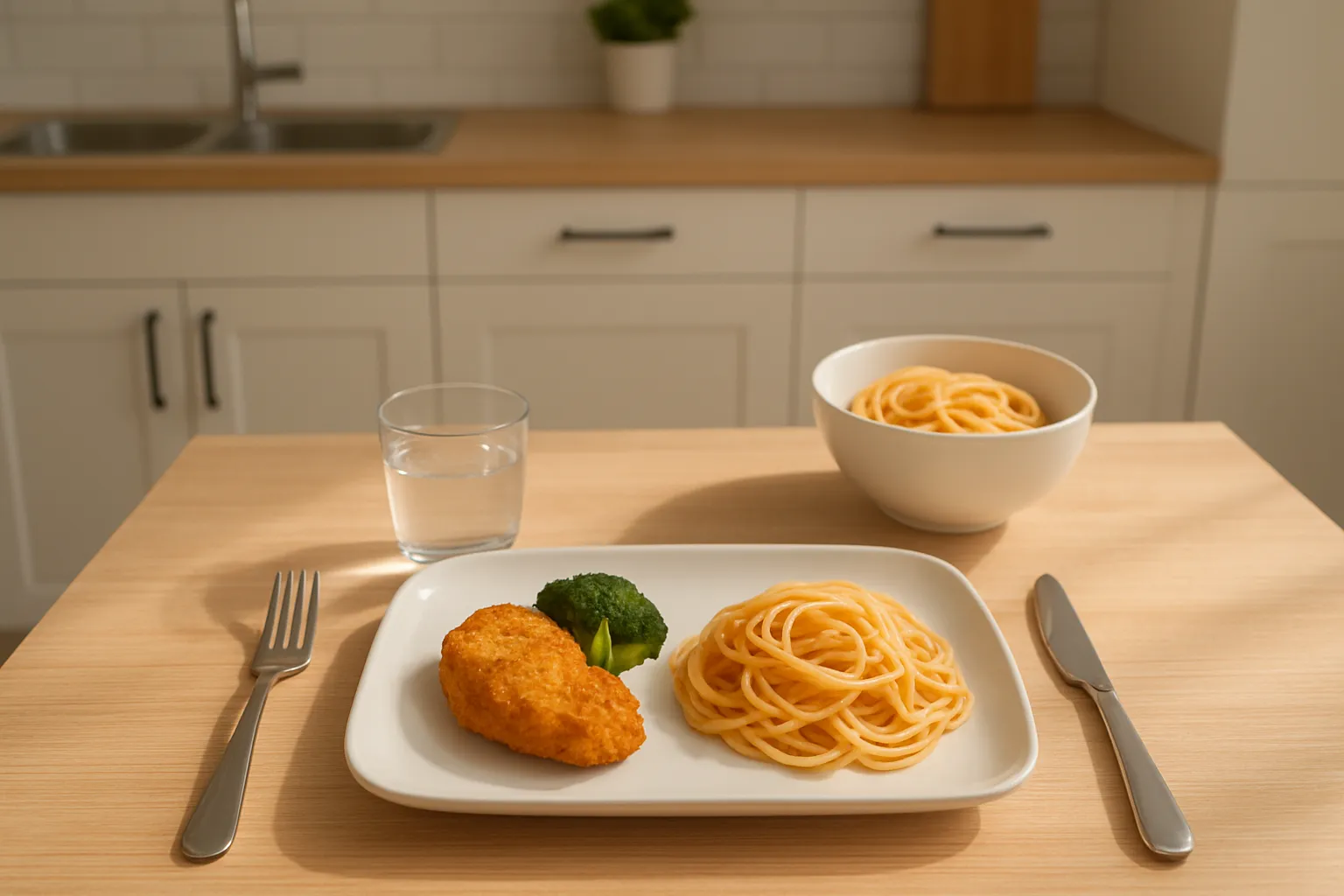
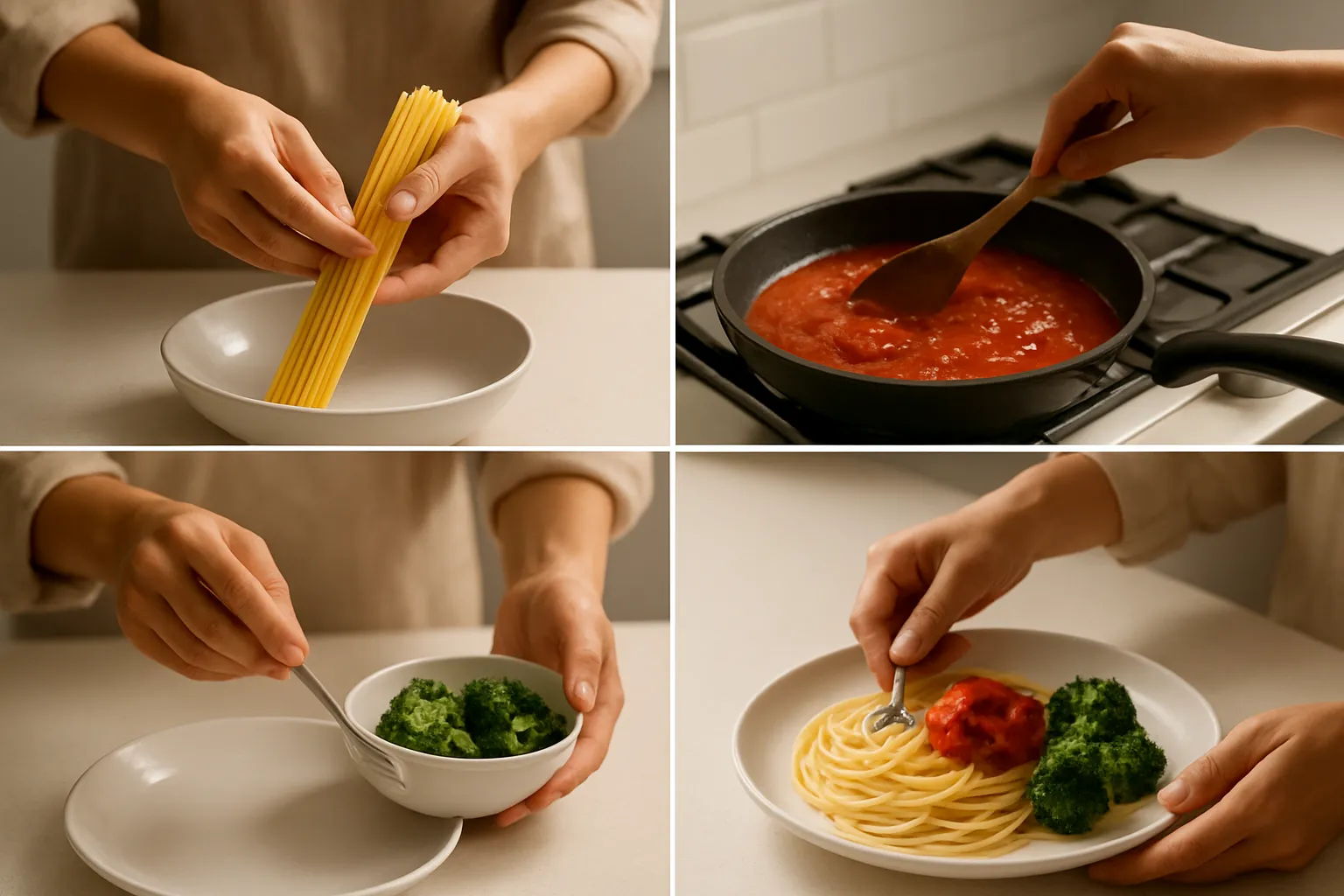
- 10-minute tomato pasta: Boil pasta, toss with jarred pasta sauce warmed with finely grated zucchini or carrot. Stir through a little cheese and you’re done.
- Quesadillas: Fill a tortilla with grated cheese and canned beans or leftover chicken, fold and toast in a frypan until crispy. Cut into wedges for tiny hands.
- Fried rice: Use leftover rice or microwave a pouch, fry with frozen mixed veg, scrambled egg, and a splash of soy. Ready in 10 minutes.
- Tuna and sweetcorn melt: Mix canned tuna with mayo, sweetcorn and a little grated cheese. Spoon onto toast or into a baked potato and melt under the grill.
- One-pan sausages and veg: Toss sausages, chopped potatoes and carrots on a tray, drizzle with oil and roast for 25 to 30 minutes. Hands-off and filling.
- Mini frittatas in a muffin tin: Whisk eggs with milk, add chopped veg and cheese, bake for 18 to 20 minutes. Make a batch on the weekend and freeze extras.
- Grazing plate: Hummus, cut fruit, cheese cubes, crackers, carrot sticks and cold roasted veg. Perfect for nights nobody wants a full sit-down meal.
Stash-and-save pantry staples Keep these on hand and you can turn nothing into dinner in minutes: canned beans, canned tomatoes, pasta, rice pouches, frozen veg, tortillas, tinned tuna, grated cheese, eggs, and jar pasta sauce. Pre-grated carrot and frozen riced cauliflower are lifesavers.
Shortcuts that really help
- Batch cook on quieter days. A big pot of bolognese or casserole freezes into portion-sized meals.
- Use one-pot or sheet-pan recipes for less washing up.
- Microwave steam bags for veg that are quick and retain nutrients.
- Pre-portion snacks and small fruit to avoid last-minute grazing meltdowns.
Keep it calm
- Plate food separately if that helps picky eaters. One food at a time can make trying new things less scary.
- Let the toddler do a small job like handing a spoon or choosing a plate. It keeps them engaged with minimal effort.
- If time is tight, offer a grazing platter while you finish cooking. Kids often happily nibble and you get another five minutes to finish.
Safety and choking Cut grapes, sausages and cherry tomatoes in half lengthways for young toddlers. Always check temperatures for hot food and keep pan handles turned away from the edge.
Dessert-ish ideas that are actually healthy Banana “nice cream” - frozen banana blitzed in the blender with a splash of milk. Greek yoghurt with mashed berries and a sprinkle of crushed biscuits. Apple slices with peanut butter.
Solo nights do not need to be elaborate. A few staples, a couple of go-to recipes and a relaxed approach can make dinner quick, nutritious and even a little bit fun.
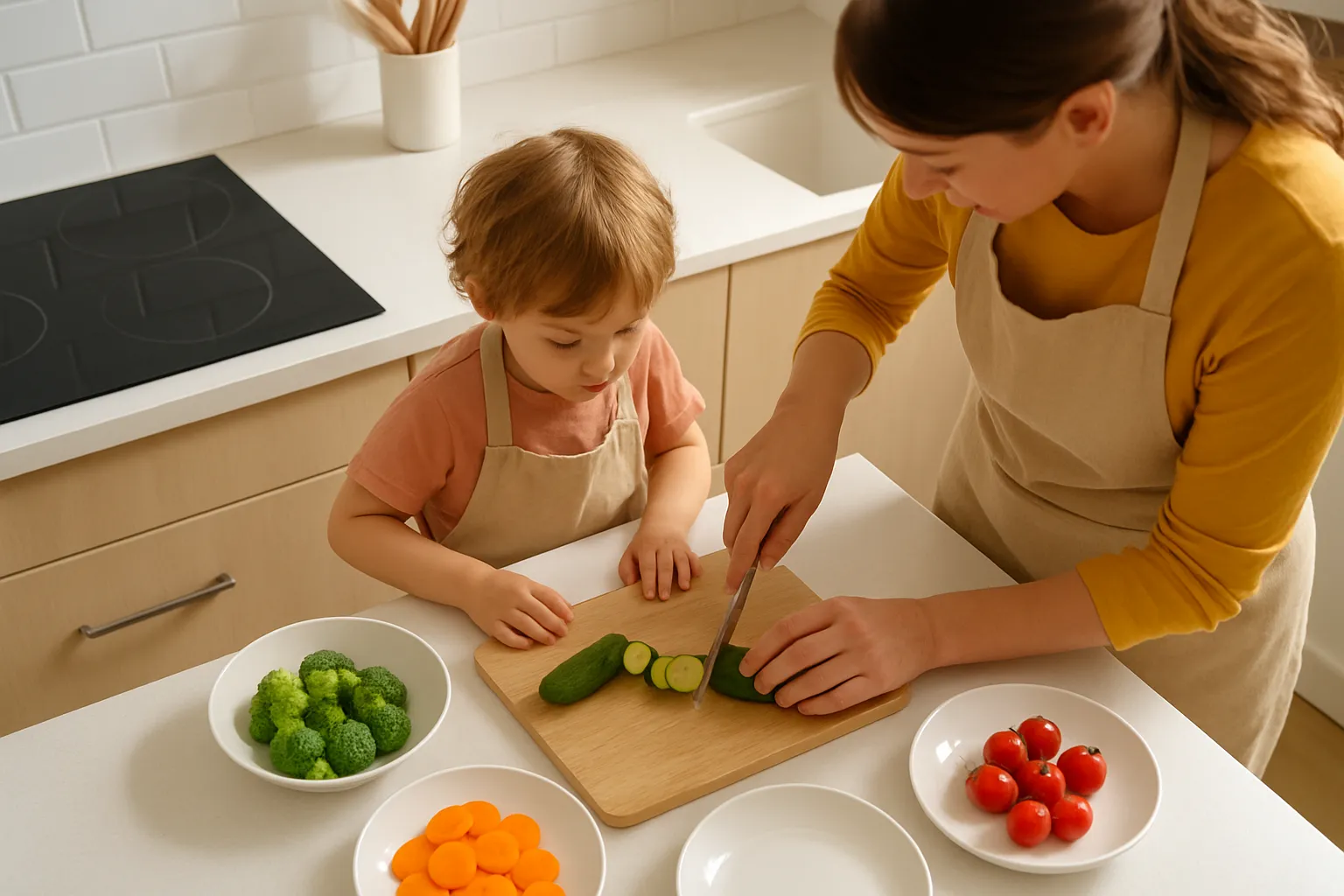
If you want them helping more often, keep jobs short, safe and genuinely useful. Little kids love being given a real role, and even tiny tasks make them feel proud and more willing to try new foods.
Quick rules first
- Always supervise. No child under five should be left alone in the kitchen.
- No hot surfaces or boiling water for little hands. Save stove work for you.
- Use kid-safe tools: blunt knives, small spatulas, plastic tongs, a sturdy step stool.
- Make hygiene part of the job: sing a short handwashing song before and after.
- Offer choices rather than commands. Two options feels like control and cuts resistance.
Easy jobs by age
- 12-24 months: hand you prepped bits, put soft things in a bowl, tear lettuce, press cookie cutters into playdough or dough, drop fruit pieces into a bowl.
- 2-3 years: stir (in a heavy bowl), pour from a small jug, sprinkle grated cheese, peel a banana, press soft berries into a muffin tin, sort ingredients by colour or size.
- 3-4 years: measure dry ingredients with cups, crack an egg with supervised one-hand assist, spread butter with a blunt knife, set placemats and napkins, wash vegetables in a colander.
- 4-6 years: chop soft fruit with a child-safe knife, grate cheese with a guard, follow a simple two-step recipe, build kebabs with supervision.
Job ideas that actually help
- Mise en place helper: hand you pre-measured bowls and ingredients. Teach them to line things up in the order you’ll use them.
- Salad team: tear greens, add toppings, toss gently and pass bowl to you for dressing.
- Stirring station: let them stir batters or sauces off the heat in a heavy-bottomed bowl.
- Veggie washer: rinse and shake in a colander, then leave on the draining board.
- Tidy-up crew: wipe the table with a damp cloth, sweep crumbs into a dustpan, sort recycling.
- Plate assembler: place rice, spoon sauces, arrange fruit slices - supervise how much goes on the plate so portions are sensible.
- Little gardener: pick herbs and hand them over for chopping.
How to teach a new job
- Show them once, then do it together. Hand-over-hand helps for tricky bits.
- Break tasks into tiny steps and keep talk simple: “Hold here. Turn. Put in bowl.”
- Use a calm voice and one instruction at a time. Too many words cause toddlers to tune out.
- Turn it into a short ritual, like a two-song routine: one to start, one to finish.
Keeping them safe and interested
- Rotate jobs so it does not become boring. Remove tasks they clearly dislike and try another.
- Use timers for short stretches. A two-minute egg timer can make a job feel like a game.
- Celebrate effort, not perfection. Say what you liked specifically: “You stirred so carefully” beats “Good job.”
- If they make a mess, make cleaning part of the job. Toddlers learn responsibility faster when tidy-up is expected and modelled.
When things go sideways
- If they eat raw batter or too much salt, stay calm and remove the food. No drama keeps future experiments safer.
- If a job becomes an exercise in control battles, give a choice of two different tasks or let them “test” one for 30 seconds only. Small wins keep them involved.
Tools that save your sanity
- A sturdy non-slip step stool with a handle.
- Child-safe knives and scissors.
- Small silicone spatulas and slotted spoons.
- Measuring cups that are easy to hold and a set of small bowls.
- Aprons with pockets for tiny tools and a nap mat for floor messes.
Reward and routine
- A simple sticker chart, one sticker per job, works wonders for toddlers.
- Make a short pre-dinner routine: wash hands, pick a helper job, do it, high five.
- Keep praise immediate and specific. That builds confidence and turns helping into habit.
Getting them involved in practical, bite-sized ways makes dinner smoother and teaches useful skills. Start small, stay safe, and expect more spills than masterpieces. The bonus is they often eat better when they’ve been part of making it.
Browse Cuisines
From the Blog
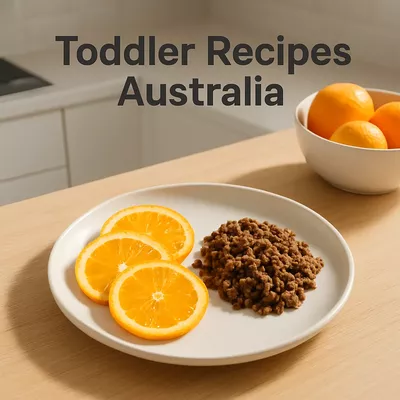
First up, a few no-fuss spring winners that keep sticky fingers and big clean-ups to a minimum. Quick to prep and easy for little hands to manage, these are the sorts of things I reach for when we want something...
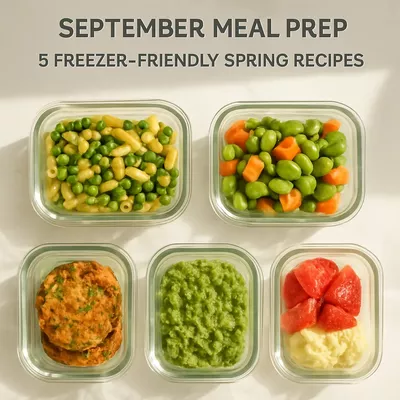
Nice - here’s how Steve keeps dinner simple without sacrificing flavour or sanity. A few good habits and the right packing tricks mean you can pull a proper family meal out of the freezer in minutes.
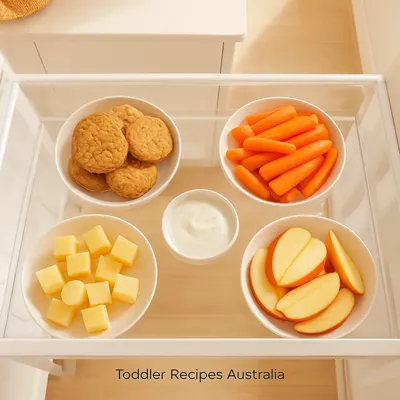
Righto, a couple of quick fridge fixes will make everything a whole lot easier. These are the simple, practical habits and setups that keep snacks safe, obvious and actually reachable for little hands.
 Never miss a recipe from us, subscribe to our newsletter