
Making toddler food look exciting
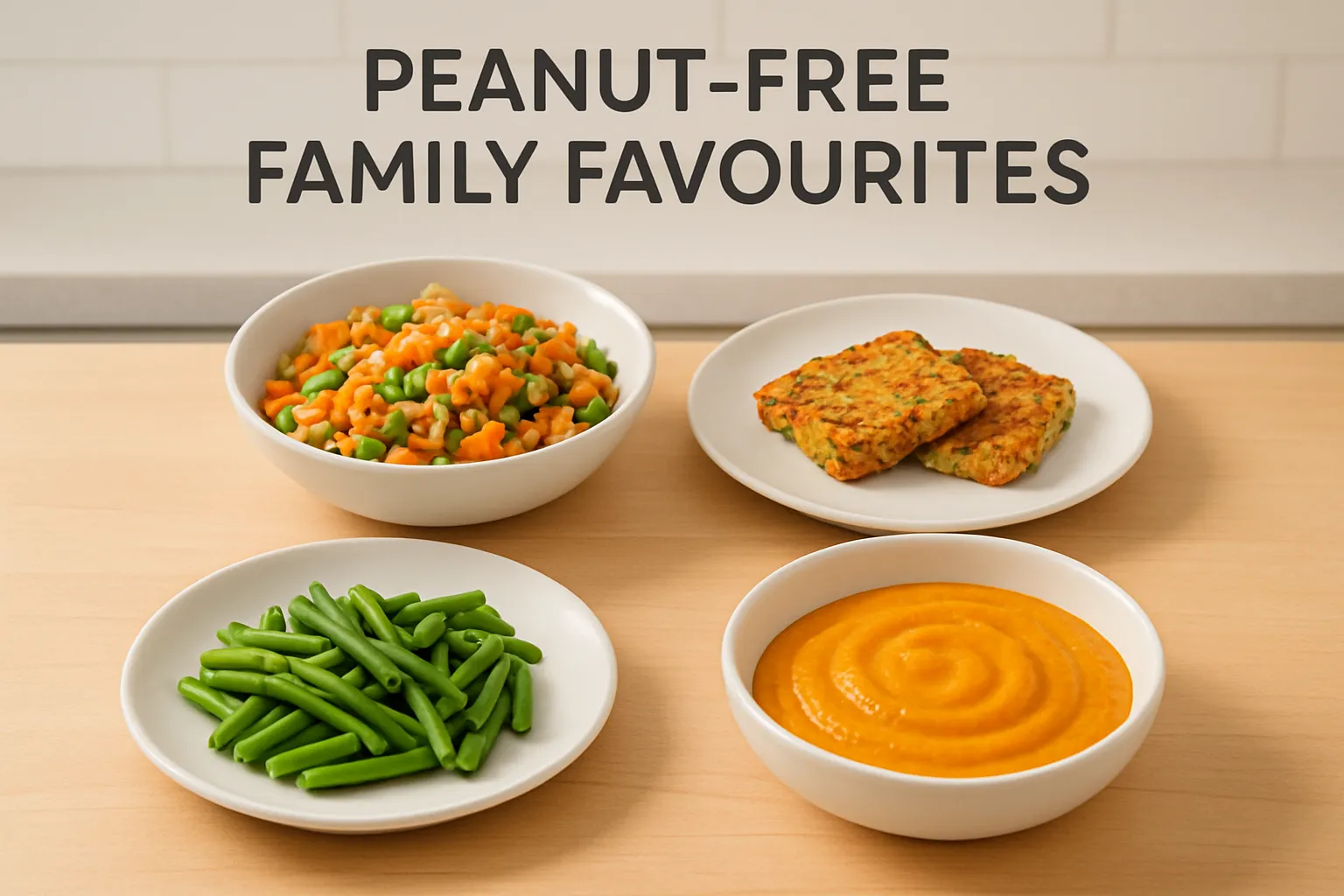
Righto, quick intro: these are the fuss-free, peanut free family favourites that actually survive the toddler years and are easy to make a little more fun.
- Mini beef and veg meatballs
- Make with finely grated carrot, zucchini and onion mixed through beef or turkey. Roll tiny balls, bake until cooked.
- Serve on skewers with soft pasta hoops or cut-up steamed veg for colour. Add a smidge of tomato sauce for dipping.
-
Freezer-friendly: cook, cool and freeze in portions so dinner is ready in minutes.
- Cheesy spinach and corn muffins
- Mix egg, grated cheese, cooked corn and chopped spinach with a little flour. Spoon into mini muffin tins and bake.
-
Perfect for little hands and great to pop in lunchboxes. Top with a tiny olive or cherry tomato half to make them look cute.
- Hidden-veg spaghetti bolognese
- Blitz mushrooms, carrot and zucchini into the mince so veg vanishes into the sauce. Serve with fun pasta shapes.
-
Add a sprinkle of grated cheese and chop veggies into colourful piles on the plate so kids can help “build” their meal.
- Baked fish bites with sweet potato wedges
- Cut firm white fish into toddler-friendly pieces, coat lightly in panko or breadcrumbs and bake. Serve with mashed avocado or yoghurt lemon dip.
-
Make a smiley face using peas and a tomato slice for fun presentation. Cut all pieces small and soft for safety.
- Sunflower seed butter banana roll-ups (peanut-free spread)
- Spread sunflower seed butter on a wholemeal wrap, add banana, roll tight and slice. Great for lunch or snack.
-
Always check product labels for “peanut-free” certification if your family needs strict avoidance.
- Mini frittatas with ham and herbs
- Whisk eggs with milk, add diced ham, grated carrot and herbs, pour into mini trays and bake. Serve warm or cold.
-
Flavours are simple, and they’re easy to decorate with a dot of ketchup or a tiny star-shaped cheese cutter.
- Sweet potato and lentil patties
- Mash cooked sweet potato with red lentils, a little cumin and bind with an egg. Pan-fry until golden.
-
Serve with a dollop of Greek yoghurt and a few sliced cucumber sticks for dipping.
- Pita pizza faces
- Use mini pitas, top with tomato paste, cheese and chopped veg to make faces or patterns. Bake until melty.
- Let kids help place the “eyes” and “hair” so they’re more likely to eat it.
Practical tips
- Always cut round foods like grapes, cherry tomatoes and hot dog pieces lengthways then in quarters to reduce choking risk.
- Read labels. “May contain peanuts” matters if someone in the house has a peanut allergy. Choose products labelled peanut-free where needed.
- Make double batches and freeze portions. Reheat in a low oven so textures stay soft for toddlers.
- Keep sauces and dips on the side. A favourite dip can turn plain food into something exciting.
- Colour and scale matter. Bright veg, tiny portions and silly names go a long way: “rocket ships” for carrot sticks, “dino bites” for meatballs.
These are the sorts of dishes that travel well between lunchboxes and dinner plates, are safe for peanut-free households, and are easy to pimp up so even picky toddlers get a little thrill at mealtimes.
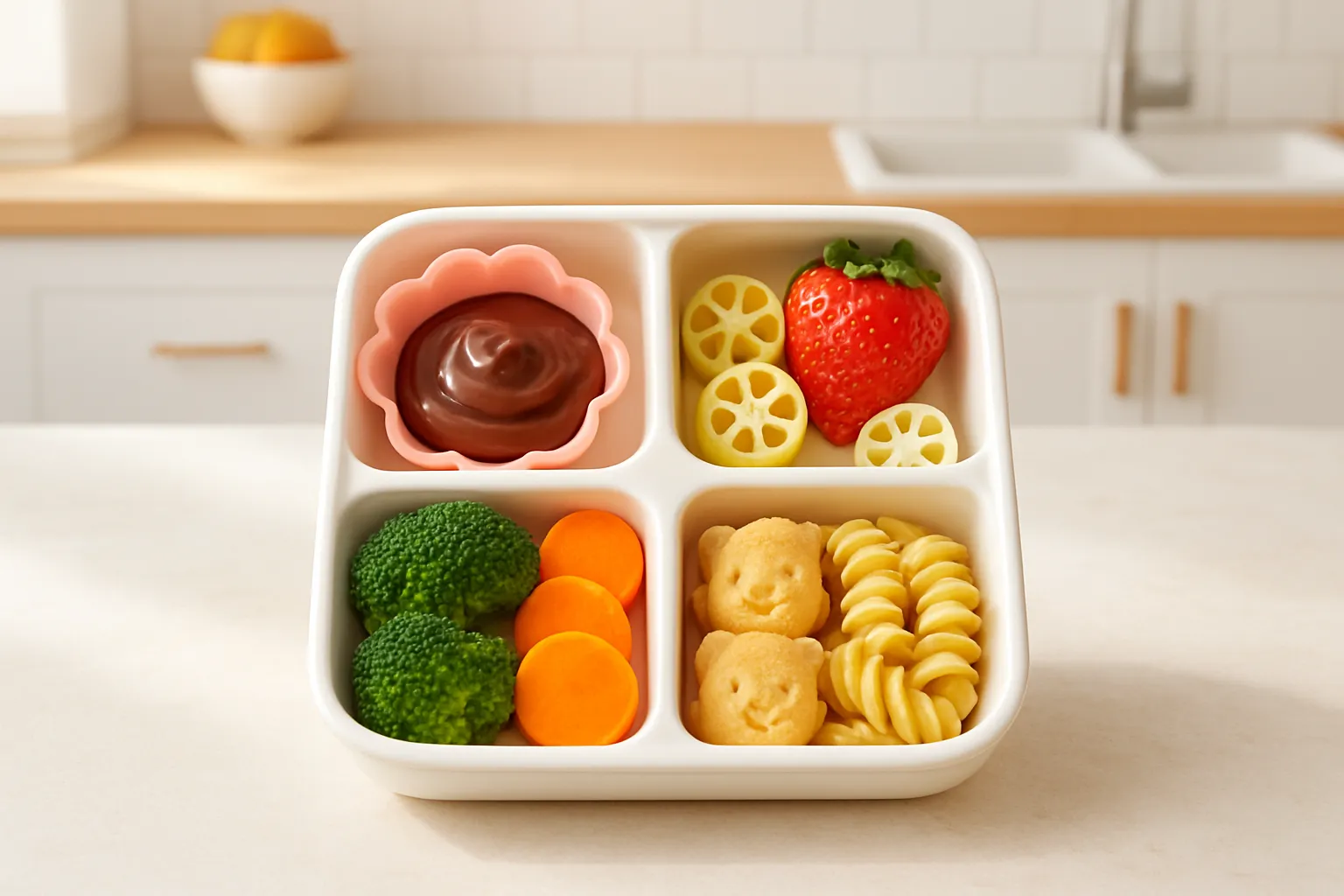
Think compartments, colour and finger-friendly bits. Aim for a mix of carbs, protein, veg, fruit and a tiny treat, all in easy-to-grab sizes so little hands can manage them without a battle.
Packing tips that actually save time and stress
- Use silicone cups or bento dividers so flavours stay separate and the box looks tidier.
- Cold foods on an ice pack, hot foods in a small thermos. Keeps everything at a safe temperature and more appealing.
- Cut round foods like grapes and cherry tomatoes into quarters, and slice sausages or hot chips lengthways for safety. No whole grapes or large chunks for under-threes.
- Soft dips sell vegetables every time. Plain yogurt, mashed avocado or a mild hummus work well in a tiny pot.
- Make mini versions of dinner leftovers: a spoonful of pasta, one or two mini meatballs, or a broken-up omelette. Toddlers love familiar flavours in new shapes.
- Prep once, pack all week. Cook a batch of mini frittatas, energy balls or muffin-size pancakes and freeze or fridge-store for quick mornings.
Quick tricks to make it fun
- Use cookie cutters on cheese, sandwiches or steamed pumpkin to create simple shapes.
- Pick three colours per box for visual appeal, for example orange (carrot sticks), green (peas), and white (cheese).
- Little skewers with soft things like mozzarella, steamed veggies and cube of cooked chicken are great for older toddlers, but avoid pointy skewers for younger kids; use short cocktail picks or skip them.
- Add a tiny note or sticker inside the lid for novelty, or a mini flag on a toothpick for celebrations.
Five easy bento combos 1) Mini picnic: small wholegrain bread triangles, turkey or chicken roll-ups, cucumber coins, apple quarters (tossed in lemon juice), a few cheddar cubes. 2) Rainbow breakfast box: mini pancakes, smashed banana with cinnamon, a handful of blueberries, a yoghurt dip. 3) Sushi-bowl bento: bite-sized cooked rice balls (pressed in hands), shredded carrot, edamame (shelled), flaked cooked salmon or tofu chunks, tamari-free soy-dip on the side. 4) Little Italian: small pasta shells with hidden veg tomato sauce, mini meatballs, steamed broccoli florets, sliced pear. 5) Picnic protein: boiled egg quarters (for over one year), carrot sticks, rice crackers, mashed avocado, dried apricot pieces chopped small.
Age and portion notes
- 6-12 months: focus on soft, mashed or finely chopped textures, one or two items per box to avoid overwhelm.
- 12-24 months: introduce finger foods in small sizes, keep portions tiny, watch for choking hazards.
- 2-4 years: increase variety and swap to slightly larger pieces, but still cut round shapes and firm foods into small sizes.
Storage and safety reminders
- Keep cold items below 5 C, hot items above 60 C. Use an insulated bag and ice pack for school runs.
- Check labels on pre-made foods for salt and sugar. Aim for wholefood options where possible.
- Watch the toddler when trying new textures and foods, especially nuts, eggs and seafood.
Make it simple, not perfect If mornings are hectic, build a few go-to bento templates and swap one or two items each day. The more predictable the format, the easier it gets, and the more likely the little one will try new things when presented in a fun box.
Mini frittatas (muffin tin size)
- Ingredients (makes ~12): 6 eggs, 60ml milk, 1 small zucchini grated and lightly squeezed, 1 carrot grated, a handful of finely chopped baby spinach, 75g grated cheddar, pinch of pepper.
- Method: Preheat oven to 180C. Whisk eggs and milk, stir in veg and cheese, spoon into a greased mini muffin tin. Bake 12-15 minutes until set. Cool, pop out, freeze in portions or serve warm.
- Toddler tips: Press them flat so they are easy to grab. Offer a tiny pot of yoghurt or mild tomato dip for dunking.
Sweet potato and red lentil patties
- Ingredients: 1 cup cooked red lentils, 1 cup mashed roasted sweet potato, 1/2 cup grated carrot, 1 egg, 1/2 cup breadcrumbs, pinch of ground cumin.
- Method: Mix, form small patties, bake at 200C for 15-20 minutes or shallow-fry until golden. These reheat nicely and freeze well.
- Toddler tips: Keep patties palm-sized. Serve with avocado or mashed banana for a different flavour profile.
Zucchini and corn fritters
- Quick mix: 1 grated zucchini, 1/2 cup corn kernels, 1 egg, 1/3 cup plain flour, splash of milk, salt-free seasoning.
- Fry tiny spoonfuls in a non-stick pan for a minute or two each side.
- Toddler tips: Make them small and light so the middle stays soft. Great with cottage cheese or a smear of ricotta.
Mini pasta bakes with hidden veg
- Make a simple tomato sauce and blend in roasted pumpkin or carrot until smooth. Stir through small pasta shapes, mix with a little cheese, spoon into a greased muffin tray, top with more cheese and bake until golden.
- Toddler tips: The muffin shape makes them perfectly portioned and easy to hold.
Hidden-veg meatballs
- Mix minced turkey or beef with grated carrot, zucchini, finely chopped mushrooms, an egg and breadcrumbs. Season lightly, roll small, bake at 200C for 12-15 minutes.
- Toddler tips: Serve on a skewer with a soft bread cube, or as dipped bites with tomato sauce.
Broccoli and cheese savoury muffins
- Blend steamed broccoli into a coarse puree and fold into a basic savoury muffin batter with grated cheese and wholemeal flour. Bake as family-sized or mini muffins.
- Toddler tips: Freeze individual muffins and grab them for lunch boxes or quick dinners.
Stuffed mini peppers
- Halve and deseed mini sweet peppers, fill with a mix of cooked quinoa, tomato, corn and a sprinkle of cheese. Bake until peppers soften.
- Toddler tips: They look bright and inviting and are easy for little fingers to hold.
Veg-packed pancakes (savoury)
- Make pancakes with pureed pumpkin or carrot in the batter. Roll with cream cheese and shredded ham or spinach for a quick handheld meal.
- Toddler tips: Thin pancakes fold and roll easily for little mouths.
Practical serving and prep tips
- Size matters: make everything small and easy to grip. Bite-sized = more successes.
- Mild flavours: keep spice low and use gentle herbs like oregano or basil. Cheese and yoghurt are great for masking stronger veg tastes.
- Texture tweaks: steam or roast veg until very soft before mixing in. For fussy toddlers, pureeing carrot, pumpkin or cauliflower into sauces works wonders.
- Freeze and label: batch-make, flash-freeze on trays, then bag into single portions. Reheat from frozen for 1-2 minutes in the microwave or pop straight into the oven.
- Make dipping fun: a small ramekin of yoghurt, mild tomato sauce, or avocado smash makes new foods more appealing.
- Swap freely: cauliflower, pumpkin, carrot, zucchini, peas, corn and spinach are all interchangeable in these recipes. Rotate so flavours don’t get boring.
Keep a stash of a couple of different mini meals in the freezer. On those busy days, a hot little plate of something veggie-packed and familiar makes dinner way less stressful.
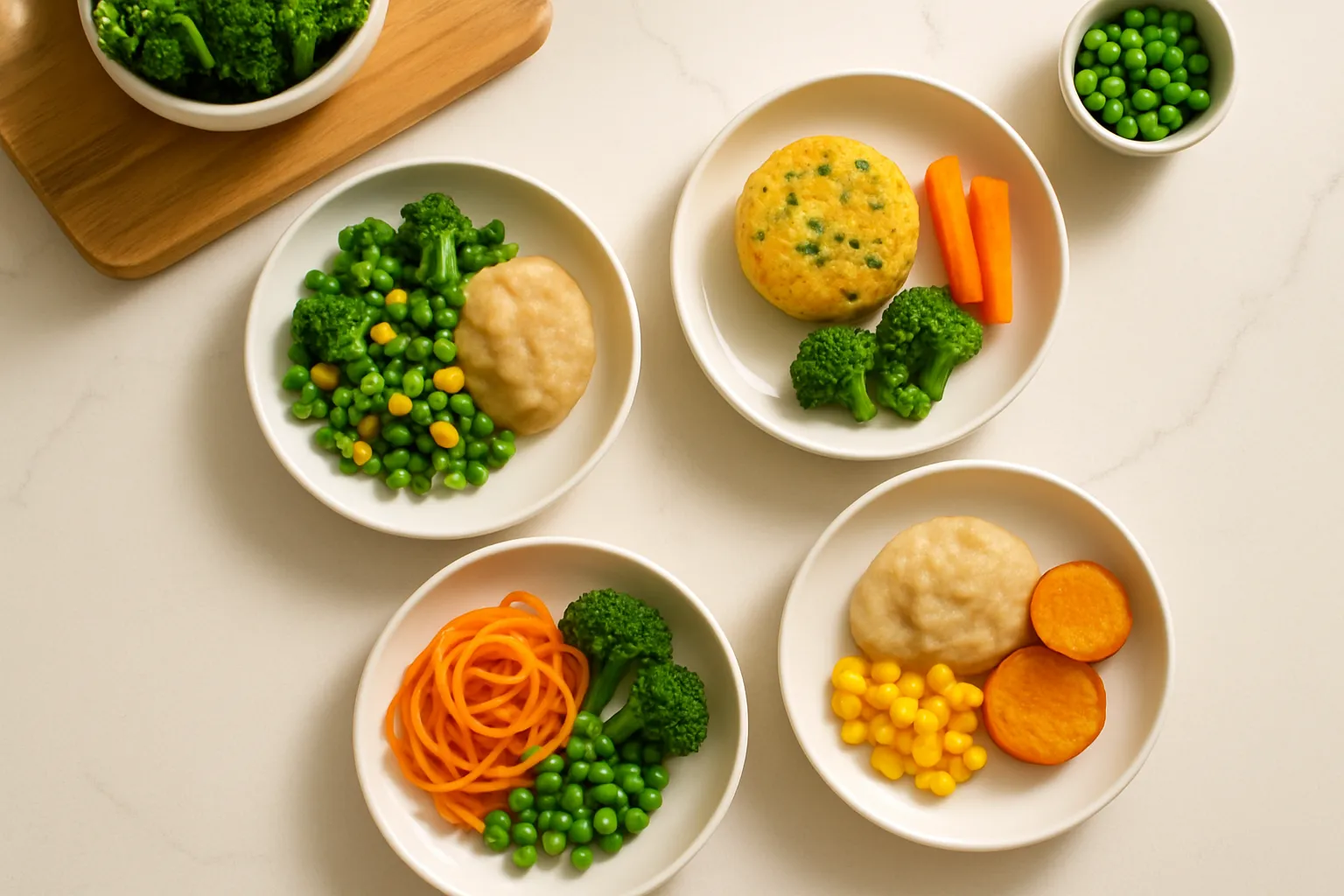
Snack Art for Picky Eaters
Keeping the veg momentum from those mini meals, snack art is where tiny bites become tiny adventures. Kids who turn their noses up at carrots will often gobble them when they are part of a smiley face or a dinosaur.
Quick safety rules before you start
- Cut grapes and cherry tomatoes in half lengthways. Small round foods are a choking risk.
- Avoid whole nuts for under-fours and any other known allergens.
- Supervise skewers and toothpicks. Use blunt-ended pick alternatives or threaded straws for toddlers.
- Serve in toddler-friendly sizes and let kids sit down while eating.
Easy snack-art ideas to try today
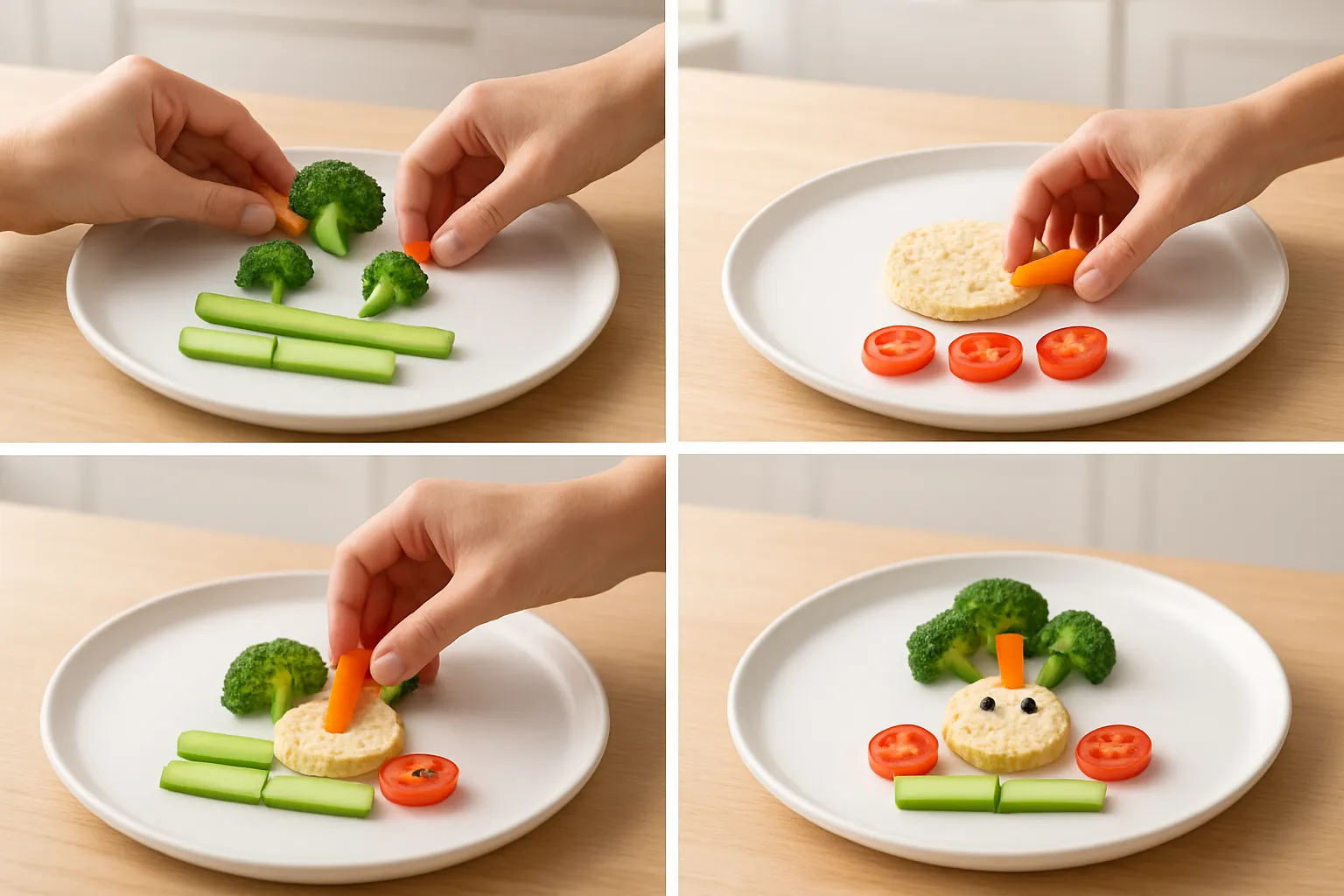
- Caterpillar crackers: Spread hummus or cream cheese on wholegrain crackers, line up cucumber or grape halves for the body, use a halved cherry tomato for the head and a bit of grated carrot for antennae.
- Smiley toast: Toast, thin spread of ricotta or mashed banana, and fruit pieces for eyes and a mouth. Use a straw to mark the mouth guide and let them fill it.
- Turtle bites: Round cucumber slice base, a scoop of cottage cheese or mashed avo, a little cheese shell cut with a cookie cutter, and a raisin or olive for the head.
- Rainbow skewers: Thread cubes of watermelon, mango, pineapple, strawberries and banana onto a blunt skewer for older toddlers. Keep pieces small and lay flat for little hands.
- Veggie flower dip: Arrange carrot sticks, capsicum strips and celery around a small pot of hummus. Put a cheese star in the centre.
- Banana octopus: Slice a banana in half, use thin strips of thin apple or strawberry for tentacles, and add blueberry eyes pressed into yoghurt glue.
- Pirate sandwiches: Mini sandwich rounds with cheese cut into a triangle sail stuck into the top with a pretzel mast. Offer one plain filling they love plus a hidden veg they usually reject.
- Yogurt paint: Use thick plain yoghurt mixed with mashed berries as edible paint. Let kids “paint” rice cakes or pancakes on a baking tray before a quick snack-time parade.
- Rice ball critters: Press leftover rice into small balls, use seaweed or nori shapes for faces, and add tiny veg pieces for ears and noses.
- Crunchy veggie faces: Use rice crackers, a smear of avocado, and tiny cut veggies to make expressive faces. Rotate one familiar favourite item every time so they feel safe.
Two simple make-and-assemble recipes 1) Little Garden Snail
- Ingredients: wholemeal cracker, hummus, cucumber slices, cherry tomato half, grated carrot.
- Assembly: Smear hummus on cracker, stack cucumber slices into a spiral for the shell, place cherry tomato as head and add carrot for antennae. Cut tomato in half for safety.
2) Pancake Fish
- Ingredients: mini pancake, thin banana slice, blueberries, thin apple wedge.
- Assembly: Place banana slice as the fish body, add blueberries for eyes, use apple wedge as a tail tucked under the pancake edge. Serve with a small pot of yoghurt to dip.
Time savers and tricks that actually work
- Keep a box of cookie cutters in a kitchen drawer. They turn any sandwich, cheese or fruit into instant character food.
- Prep a tray of cut fruit and veg at the start of the week and use bits to decorate quickly.
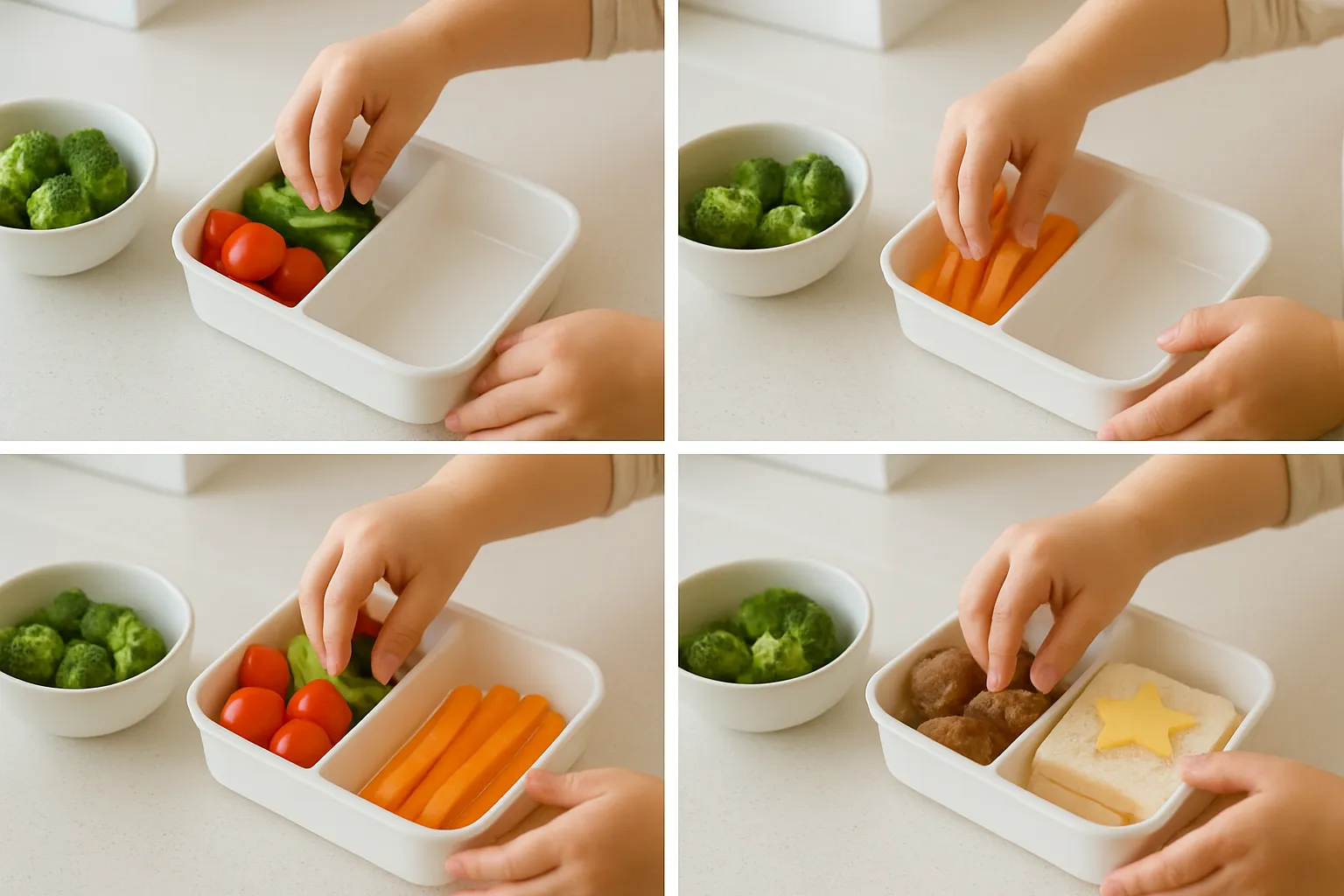
- Offer an assembly station. Kids who hate eating often love building, so give them a few pieces and let them create.
- Keep one no-fuss favourite on the plate. If everything else gets ignored, at least they had one win.
Winning over picky eaters
- Give choices not ultimatums. “Would you like a cucumber caterpillar or carrot sticks?” feels safer than “Eat this.”
- Let them name the snack. Ownership goes a long way.
- Small portions, lots of variety. Presenting many tiny colourful things is less threatening than one big unknown.
- Praise attempts rather than outcomes. “You made a great nose” works better than “Good job eating.”
These little art ideas are cheap, quick and, most importantly, fun. If they wreck the plate, it’s still a step closer to trying something new.
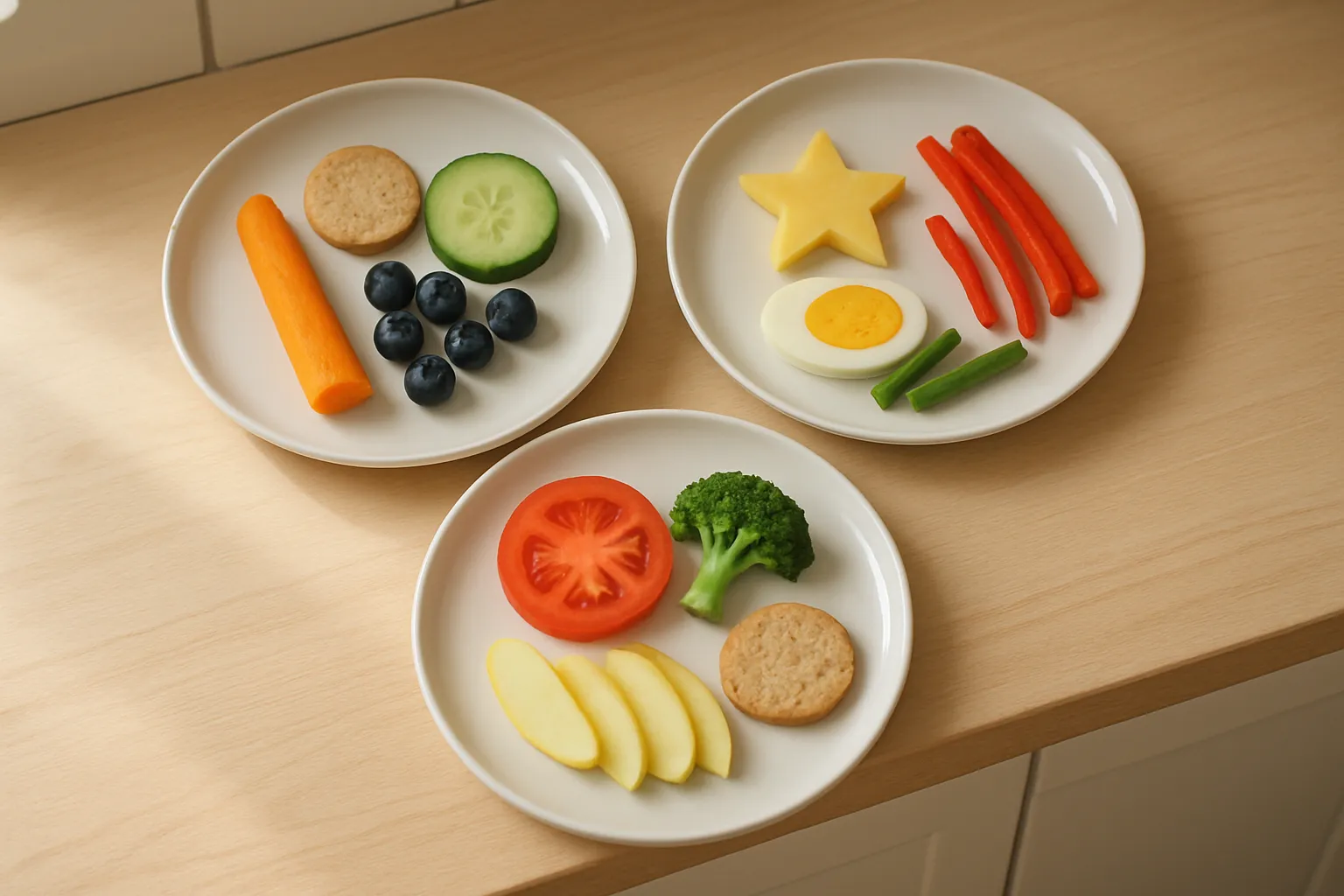
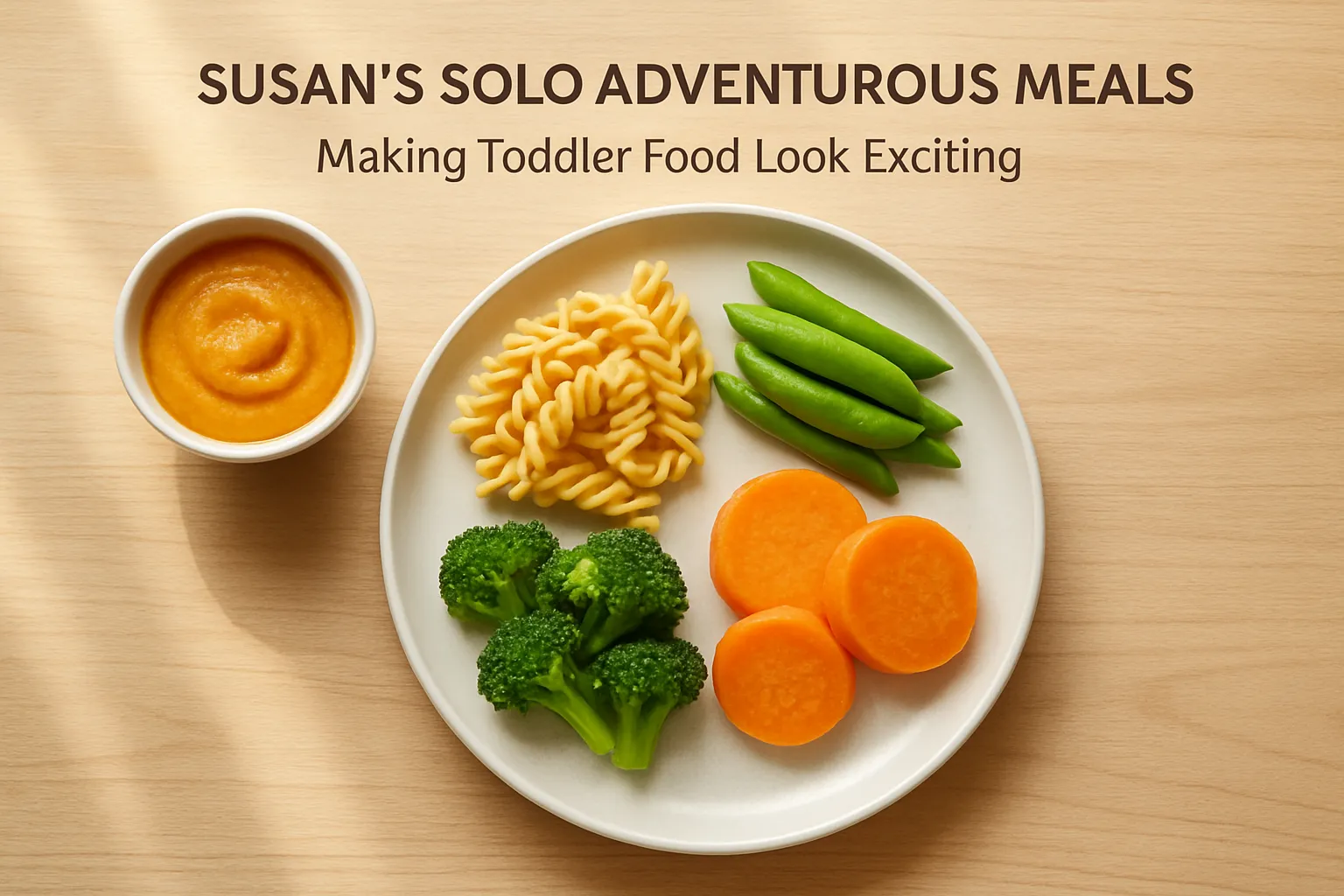
Susan loves doing mealtimes by herself, so these ideas are all about safe, bite-sized flavours she can pick at, try and - most importantly - feed herself.
Recipes she can manage
- Mini sweetness pumpkin and red lentil mash
- Ingredients: 1 cup diced pumpkin, 1/2 cup red lentils, 1/3 cup coconut milk, pinch mild curry powder, tiny pinch salt.
- Method: Simmer pumpkin and lentils until very soft, mash with coconut milk. Spoon into silicone muffin cups so Susan can scoop with her fingers or a spoon.
-
Tip: Cool fully before serving. Soft texture, mild spice, lots of natural sweetness.
- Sweet corn and zucchini fritters
- Ingredients: 1 grated zucchini (squeezed dry), 1/2 cup corn kernels, 1 egg, 3 tbsp flour, splash milk, oil for shallow frying.
- Method: Mix, drop teaspoonfuls into a pan and flatten slightly, cook until golden both sides. Make small coin-size fritters for little hands.
-
Tip: Serve with a yoghurt dip for dunking. Keeps well in the fridge and reheats quickly.
- Tiny turkey and apple meatballs
- Ingredients: lean turkey mince, grated apple, grated carrot, 1 egg, breadcrumbs.
- Method: Mix, roll small balls, bake until cooked through. Cool and let Susan pick them up.
-
Tip: Sneaks in veg and fruit, plus great for freezing in portions.
- Mild salmon cubes with orange soy glaze
- Ingredients: salmon fillet cut into bite-sized cubes, 1 tbsp low-salt soy or tamari, 1 tsp orange juice.
- Method: Toss, bake on a lined tray until just cooked. Check for bones carefully.
-
Tip: Serve with soft steamed edamame (shelled) or mashed potato.
- Mini shakshuka pots
- Ingredients: gentle tomato sauce made from crushed tomatoes, soft-cooked chickpeas, a tiny pinch paprika, eggs.
- Method: Spoon sauce into muffin tins, crack an egg into each, bake until set. Make sure yolk is cooked to your comfort level.
-
Tip: Cut into small wedges for easy holding and dipping with toast fingers.
- Rainbow quinoa salad with citrus dressing
- Ingredients: cooked quinoa, diced roasted sweet potato, peas, corn, little orange segments, tiny drizzle olive oil.
- Method: Toss warm or cold. Serve in a small bowl so Susan can scoop with a spoon.
-
Tip: Bright, different textures and colours keep it interesting.
- Build-your-own pita pockets
- Ingredients: mini pita halves, smooth hummus or yoghurt, roasted peppers, cucumber sticks, crumbled feta.
- Method: Lay components in small bowls and let Susan assemble her own mini pocket.
-
Tip: Offer one familiar filling and one new thing each time so she can experiment without pressure.
- Frozen berry yoghurt drops
- Ingredients: Greek yoghurt, mashed berries.
- Method: Spoon onto a tray and freeze until firm. Pop a few on a tiny plate for a cool finish.
- Tip: Great for teething and portable.
Practical serving and safety tricks
- Size matters: cut things into thumb-sized strips or coin-shaped pieces. No whole grapes, nuts or large cherry tomatoes.
- Two-bite rule: offer one new flavour with one familiar favourite. Toddlers are more likely to try something new this way.
- Small bowls, small spoons: a low-sided plate and a short-handled spoon give real independence.
- Keep it soft: roast, steam or mash until tender. Crunch is fine if age-appropriate, but always supervise.
- Make it pickable: silicone muffin tins, muffin tray sections or bento compartments are brilliant for solo grazing.
- Get her involved: let Susan touch the ingredients, stir the mash or press the meatballs. Hands-on helps acceptance.
- Batch and freeze: make meatballs, fritters and mash in bulk then freeze in portions for quick solo meals.
- Mess = progress: a bit of smearing is part of learning. Lay down a mat and let the exploration happen.
Encouragement ideas that work
- Narrate the taste: “Is that a little sweet or a little tangy?” Short, playful language helps build food words.
- Tiny choices: “Do you want orange sauce or yoghurt?” Two options feel safe but still give control.
- No pressure sampling: one lick, one touch, one bite. Celebrate attempts, not just full plates.
These meals are small, bold enough to be interesting and gentle enough for Susan to manage on her own. Keep portions tiny, flavours mild but distinct, and hand the independence to her one spoonful at a time.
Browse Cuisines
From the Blog
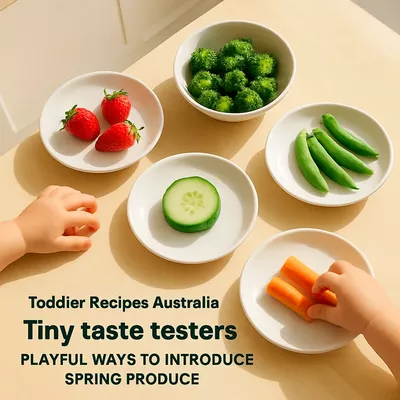
First up, a few no-fuss spring winners that keep sticky fingers and big clean-ups to a minimum. Quick to prep and easy for little hands to manage, these are the sorts of things I reach for when we want something...
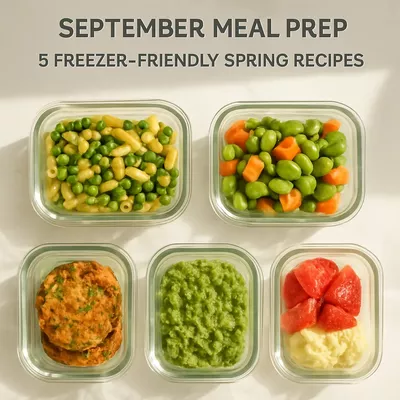
Nice - here’s how Steve keeps dinner simple without sacrificing flavour or sanity. A few good habits and the right packing tricks mean you can pull a proper family meal out of the freezer in minutes.
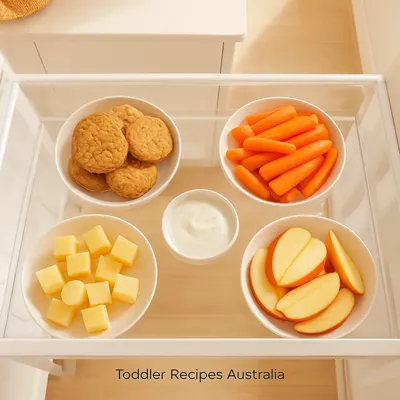
Righto, a couple of quick fridge fixes will make everything a whole lot easier. These are the simple, practical habits and setups that keep snacks safe, obvious and actually reachable for little hands.
 Never miss a recipe from us, subscribe to our newsletter