
How to Set Up Structured Eating Times for Toddlers
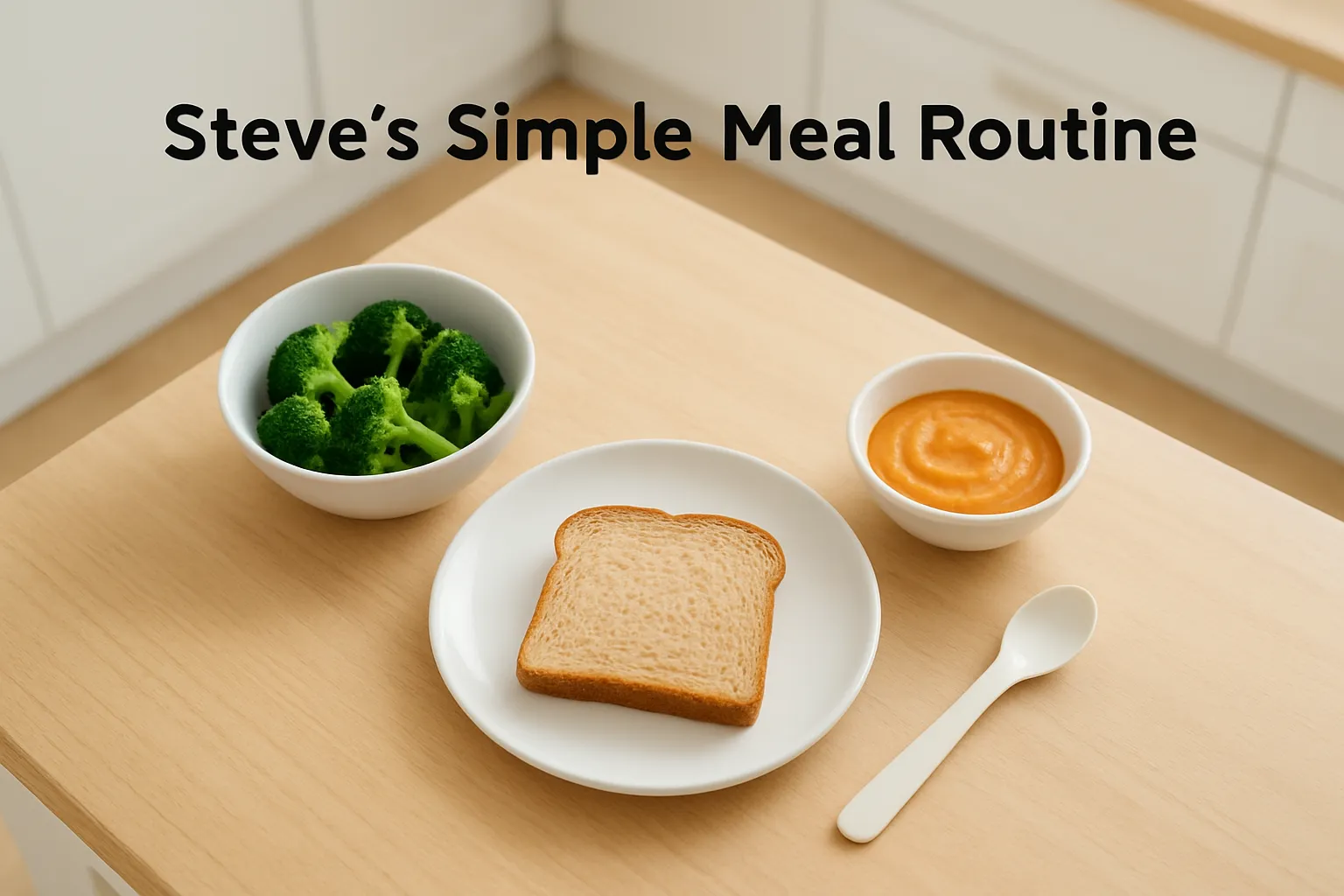
Steve’s Simple Meal Routine
If you want a no-fuss template to copy, Steve’s routine is a cracker. He keeps the day predictable, so the kids know when to expect food and the whole house runs a bit smoother.
The routine (rough times you can tweak)
- 7:00-7:30 Breakfast: small toast or porridge, fruit and milk.
- 10:00 Mid-morning snack: a few slices of banana or a cheese stick, water.
- 12:00 Lunch: one or two protein-rich items plus veg or fruit, and a small carb.
- 13:00-14:30 Nap/quiet time: no food right before sleep if possible.
- 15:30 Afternoon snack: yoghurt or hummus with veg sticks, water.
- 17:30 Dinner: family meal, toddler portion on a small plate.
- 18:30 Quiet cup or a tiny piece of fruit if still peckish, then wind-down.
Why this works
- Predictable windows build appetite. Toddlers stop grazing when food comes at the same times each day.
- Snacks are timed so they bridge gaps without ruining the next meal.
- Consistent nap-to-meal spacing helps avoid cranky, overeating children.
How Steve keeps it simple
- He sticks to roughly the same times, within 20-30 minutes. Not strict, but consistent.
- Meals are served on the same little plate and cup, so they become a cue that it’s eating time.
- Portions are toddler-sized. If they want more, they can ask, but the first serving is small and manageable.
- He pairs a new or less-liked food with a familiar favourite. No battles, just calm encouragement.
- Snacks are small and planned, not free-for-all. This keeps hunger for proper meals.
Practical swaps and fast options
- Breakfast: porridge with mashed berries, or wholegrain toast with mashed avocado.
- Lunch: shredded chicken or egg with steamed veg and a small muffin or pasta.
- Snacks: oat biscuit plus apple, mini hommus tub with carrot sticks, plain yoghurt with a drizzle of honey for over-1s.
- Dinner: chop veggies before work and freeze in meal packs, then reheat and add a protein for a five-minute finish.
Dealing with refusal or off days
- Keep offering the same routine. One rough day won’t break it.
- If they refuse dinner completely, offer water and a small, healthy option an hour later rather than grazing constantly.
- Avoid turning every refusal into a negotiation. Calmly clear the plate and try again next meal.
Weekend and daycare tweaks
- Shift times by 30-45 minutes on weekends if you need to, but keep the same order of meals and snacks.
- Share the routine with daycare carers so the same pattern is followed there. Consistency wins every time.
Simple, steady and no drama. Steve’s approach is all about rhythm, not rules, and that’s usually what toddlers need.
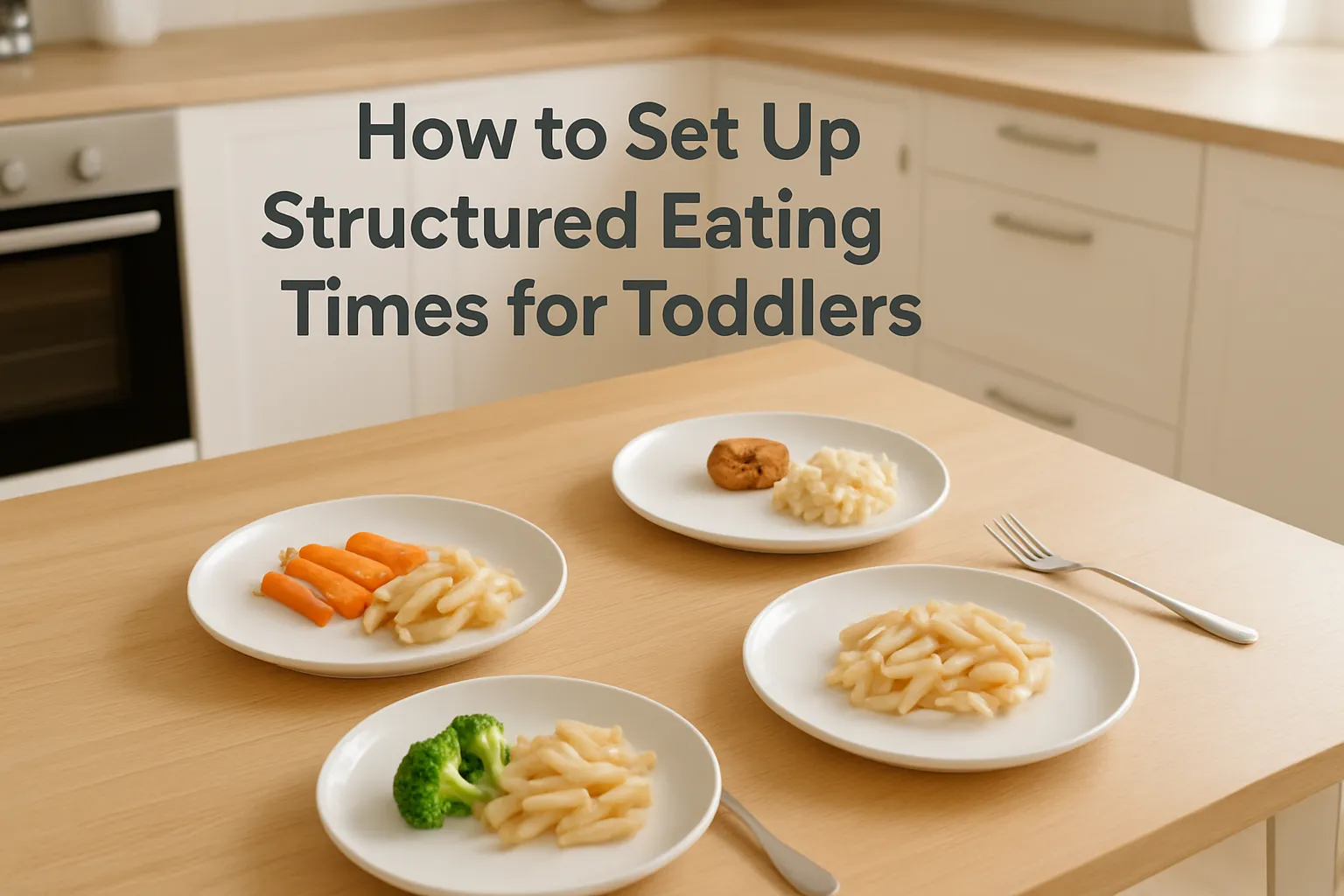
Now that you’ve seen Steve’s simple meal routine, the next move is to pin down when meals actually happen. Consistency is what helps little ones trust the routine and get hungry when mealtimes arrive.
Practical steps to set consistent meal times
- Pick windows, not exact minutes. Aim for 20-30 minute windows (for example breakfast 7:15-7:45) so you have some wiggle room without losing predictability.
- Space meals and snacks about 2-3 hours apart. That’s a good rhythm for most toddlers: breakfast, mid-morning snack, lunch, afternoon snack, dinner.
- Sync meals with sleep and wake times. Serve breakfast soon after waking, avoid serving a big lunch right before a nap, and give a small pre-nap snack if nap-time hunger is usual.
- Anchor mealtimes to other daily events. Use things like the morning loo routine, walk after lunch, or bath before bed as reliable signposts. When the order of events is the same, the toddler learns what comes next.
- Use simple cues to signal mealtime. A special placemat, a short two-line song, a kitchen timer or the same song playlist works wonders. Cues are what build expectation.
- Start small when changing times. Shift the clock in 10-15 minute steps over a few days rather than a sudden change. That helps avoid meltdowns and missed appetites.
- Keep weekends close to weekdays. You don’t need identical times, but try to avoid huge swings so kids don’t get thrown off.
Sample schedules (adjust for your family)
- Early riser (wake 6:30-7:00): Breakfast 7:15, snack 9:30, lunch 12:00, nap 1:00-2:30, snack 3:30, dinner 5:30-6:00.
- Typical day (wake 7:00-7:30): Breakfast 7:45-8:00, snack 10:00, lunch 12:00-12:30, nap 1:00-2:30, snack 3:30, dinner 5:30-6:00.
- Later day (wake 8:00): Breakfast 8:15-8:30, snack 10:30, lunch 12:30, nap 1:30-3:00, snack 4:00, dinner 6:00-6:30.
Troubleshooting common hiccups
- If they want to graze all day: cut down on continuous access to snacks and offer food only during the set windows. Keep healthy drinks available, but make food mealtimes special.
- If they refuse at one meal but eat at the next: keep portions small and don’t force. Toddlers have uneven appetites; consistent timing will even things out over a few days.
- If naps mess things up on outing days: keep your snack window and mealtime cues when out. Pack familiar finger foods in a small tub so you can stick close to the routine.
- If hunger signals arrive earlier than planned: offer a tiny nibble or a milk feed, then aim to move the next meal slightly earlier the next day rather than abandoning the schedule.
- If you need to shift meal times seasonally or for daycare: plan the change over a week, moving by 10-15 minutes each day and keeping cues the same.
Practical kit to help you stick to times
- A simple magnet timetable on the fridge with meal windows.
- A small travel food bag with favourite snacks for days out.
- A two-song mealtime playlist or a single short jingle to play before sitting down.
- A consistent plate or bowl used only for meals to mark the occasion.
Stick with it for a couple of weeks and you’ll notice hunger and routine lining up better. Toddlers thrive on that gentle predictability, and once the timing is familiar the rest of the routine slips into place.
When time’s tight and the little one needs feeding on the timetable, these are the quick, no-fuss recipes that actually work. They’re the kind of things you can pull together between playtime and bath, and most can be doubled and frozen.
Banana Oat Pancakes - 10 minutes
- Time: 10 min. Serves: 2 toddler portions.
- Ingredients: 1 ripe banana, 1 egg, 1/3 cup rolled oats, pinch cinnamon (optional).
- Method: Mash banana, stir in egg and oats until combined. Spoon small pancakes into a non-stick pan over medium heat, 1-2 minutes each side until golden.
- Toddler tip: Cut into strips for little fingers. Serve with plain yoghurt or a smear of nut-free spread.
- Make-ahead: Cool and freeze single portions. Reheat in toaster or oven.
Egg and Veg Muffins - 25 minutes (bake)
- Time: 25 min (10 min prep, 15 min bake). Makes 6 small muffins.
- Ingredients: 4 eggs, 1/2 cup grated carrot, 1/2 cup finely chopped spinach, 2 tbsp grated cheese, splash of milk.
- Method: Whisk eggs and milk, stir in veg and cheese. Pour into greased muffin tin and bake at 180°C for 12-15 minutes.
- Toddler tip: Great for breakfast or lunchboxes. Cut into quarters for tiny mouths.
- Make-ahead: Freeze cooked muffins, defrost overnight in fridge or warm gently.
Cheesy Tuna and Veg Fritters - 15 minutes
- Time: 15 min. Serves: 2 toddler portions.
- Ingredients: 1 can tuna in springwater (drained), 1 grated small zucchini, 1 egg, 2 tbsp flour, 2 tbsp grated cheese.
- Method: Mix all ingredients, spoon into a hot oiled pan as small patties, fry 2-3 minutes each side until set.
- Toddler tip: Mash lightly for younger toddlers. Salt-free tuna or small amounts only for under-1s.
- Swap: Use canned salmon or cooked shredded chicken.
Quick Chicken and Sweetcorn Fried Rice - 15 minutes
- Time: 15 min. Serves: 2 toddlers.
- Ingredients: 1 cup day-old cooked rice, 1 cup cooked shredded chicken, 1/2 cup frozen sweetcorn, 1 egg, 1 tsp light soy or a pinch of salt-free stock powder, 1 tsp oil.
- Method: Heat oil, scramble the egg and set aside. Stir-fry rice with sweetcorn and chicken, add egg back in and a splash of soy, and toss.
- Toddler tip: Keep sauces light. Use low-salt options and check texture to avoid lumps.
- Make-ahead: Perfect for using leftovers; freezes okay.
One-Pan Sausage and Veg Traybake - 30 minutes
- Time: 30 min. Serves: 3-4 toddler portions.
- Ingredients: Small chipolatas or thin sausages cut into slices, diced sweet potato, carrot, broccoli florets, olive oil, pinch of herbs.
- Method: Toss everything in a little oil, spread on a tray and roast at 200°C for about 25-30 minutes until veg are soft and sausages cooked through.
- Toddler tip: Cut sausages small and mash veg for younger kids. Use poultry or plant-based sausages if preferred.
- Make-ahead: Roast extra for lunches; mash and freeze in portions.
Hidden-Veg Tomato Pasta - 20 minutes
- Time: 20 min. Serves: 3 toddler portions.
- Ingredients: Pasta shapes, 1 cup tinned tomatoes, 1/2 carrot and 1/2 zucchini finely grated, 2 tbsp ricotta or cream cheese.
- Method: Cook pasta. Simmer grated veg in tomatoes for 8-10 minutes, blend if you want a smoother sauce, stir through ricotta and pasta.
- Toddler tip: Cut pasta small or use broken spaghetti for tiny mouths. Add a sprinkle of parmesan for flavour.
- Swap: Use lentil or chickpea pasta for extra protein.
Quick safety and prep hacks
- Keep frozen veg mixes, pre-cooked rice, and tinned proteins on hand to speed things up.
- Go easy on salt, and avoid honey for babies under 12 months.
- Cut or mash foods to reduce choking risk and always supervise mealtimes.
- Double recipes and freeze toddler-sized portions in snap-off blocks for instant meals.
These recipes are all about being practical without stressing the routine. Little tweaks and simple batch-cooking will keep you on the schedule and save heaps of time on those frantic afternoons.
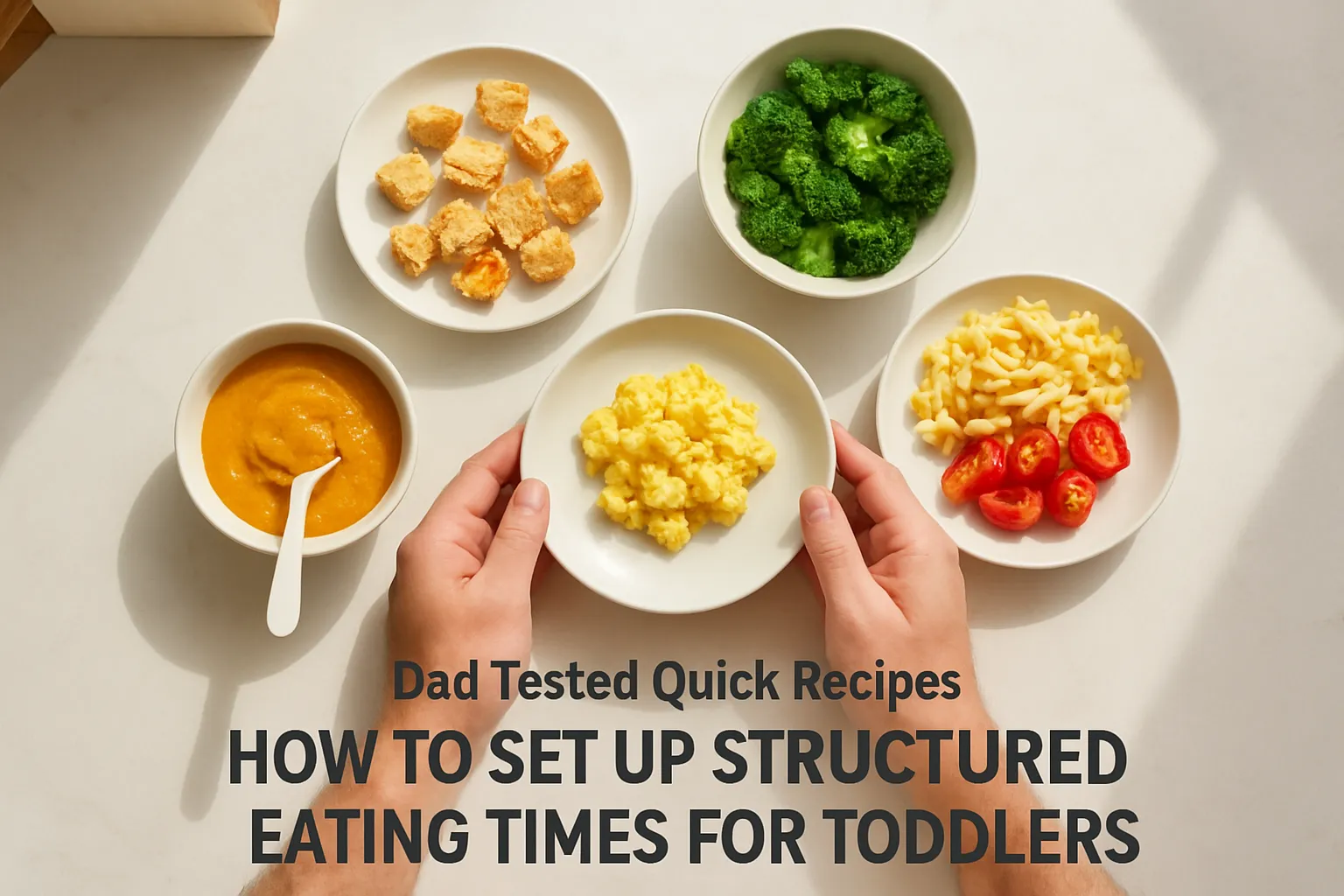
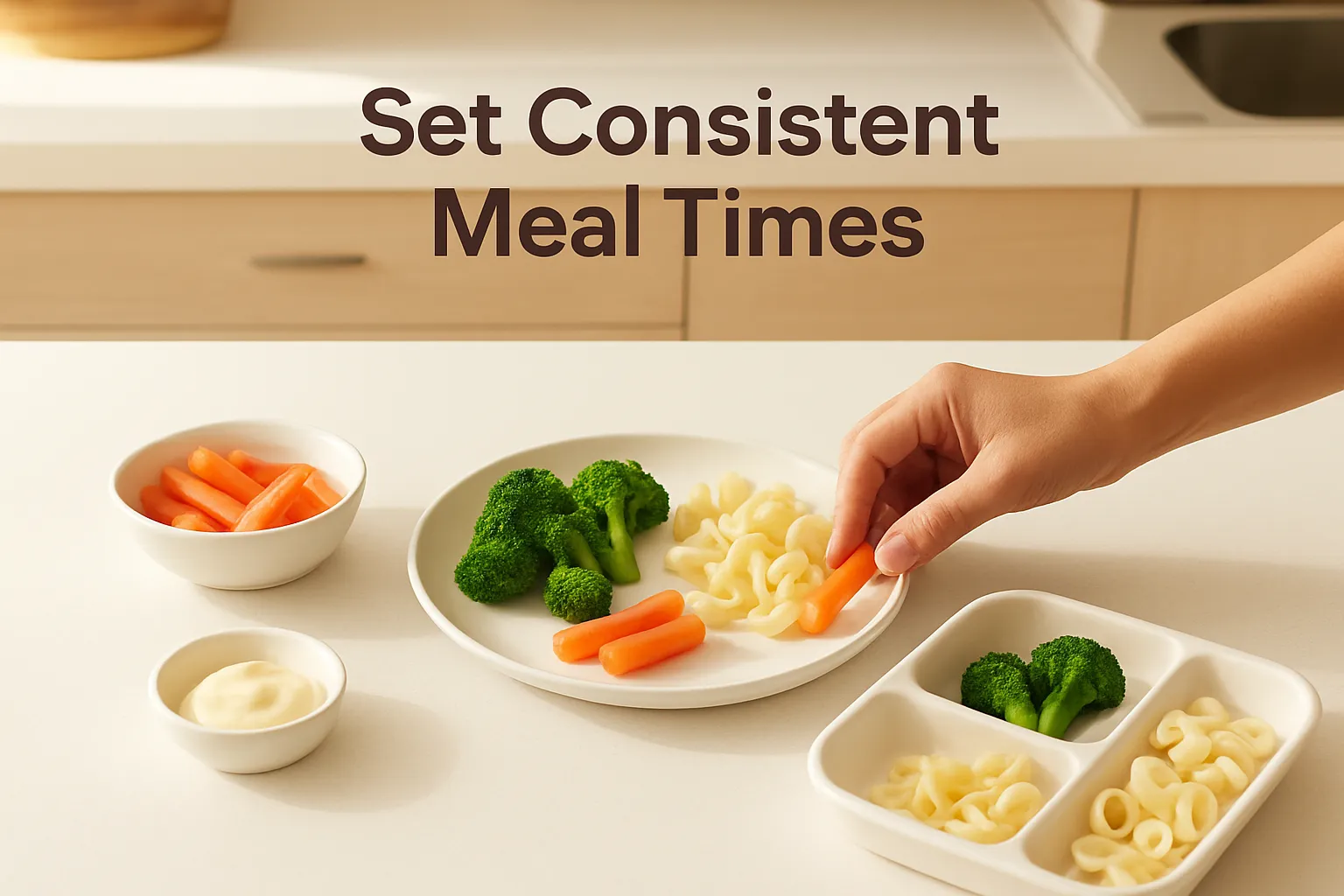
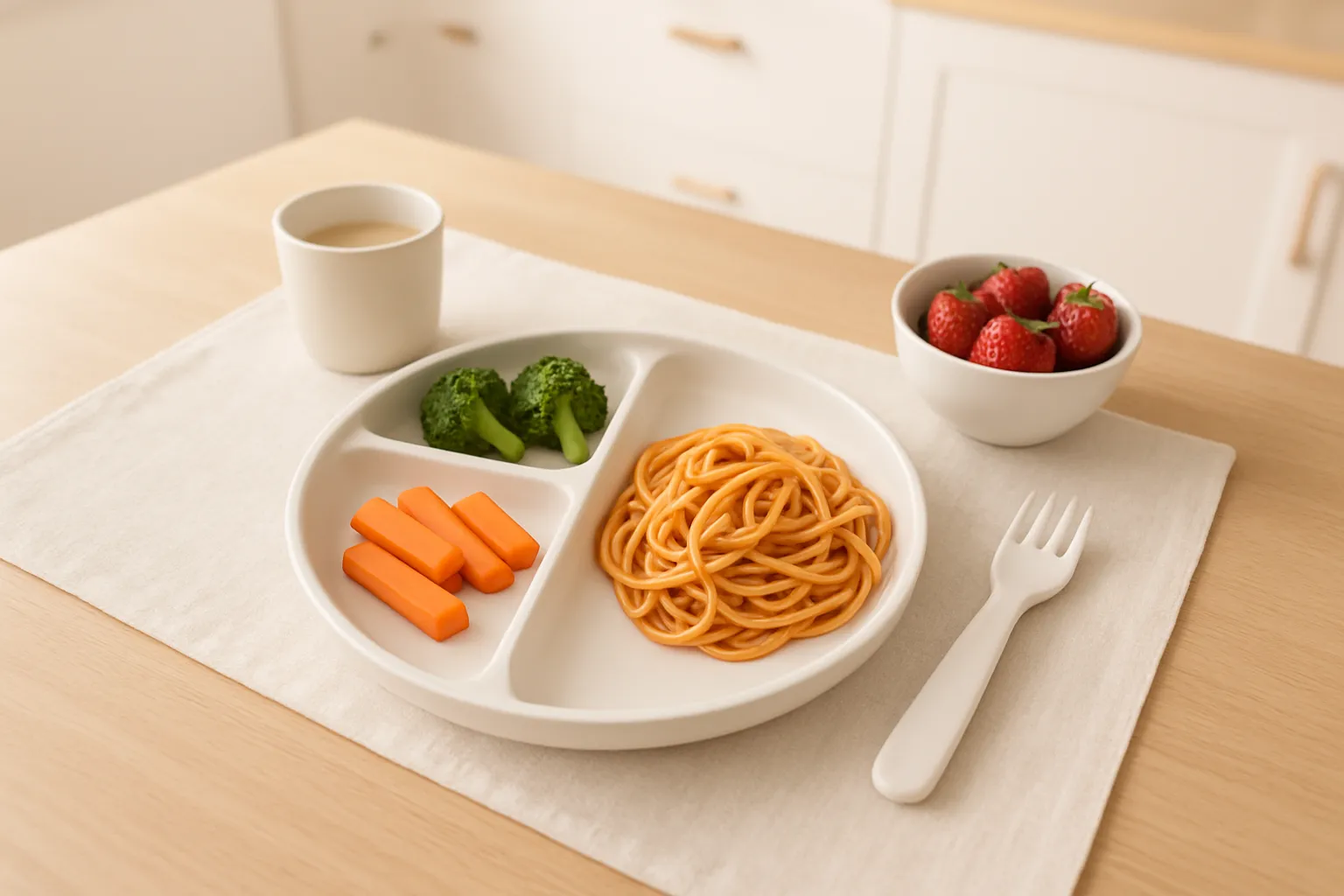
Keep plates simple, colourful and predictable. Toddlers do best when there are three clear bits on the plate: a familiar thing, a protein, and a fruit or veg. That gives them choice without overwhelming them.
Quick rules for building a toddler plate
- Follow the three-part rule: one favourite, one protein, one fruit or veg. Swap components between meals so they see variety over the week.
- Portion guide: a rough rule is about one tablespoon per year of age for each food group. So a two year old might get two tablespoons of veg, two of protein and two of carbs. Adjust up or down depending on appetite.
- Make food one-bite or easy to pick up. Think little cubes, thin strips or soft rounds.
- Use colour and texture to keep interest: crunchy carrot sticks, soft mash, bright berries.
- Keep sauces small and separate so kids can choose to dip. A little pot of hummus, yoghurt or tomato sauce can work wonders.
- Safety first: slice grapes lengthways, chop cherry tomatoes, avoid whole nuts and hard raw chunks for under-fives, and always check temperature.
Tools that make plate builds easier
- Compartment plates or silicone cupcake liners to separate foods without drama.
- Small cookie cutters for sandwiches or pancakes to make shapes without fuss.
- Good toddler forks/spoons and a non-slip mat so plates stay put.
- A small ramekin or dip pot for sauces.
One-new-thing trick
- Serve one small portion of something new alongside two familiar favourites. That lowers pressure. Toddlers are more likely to taste when it is not the only thing on the plate.
Simple plate ideas (easy to swap bits around)
- Breakfast: Mini wholemeal toast soldiers, mashed banana, and cottage cheese. Cut toast into strips for easy dipping.
- Lunch: Cubed baked chicken, soft steamed peas, and a few couscous grains or quinoa. Add a teeny pot of avocado mash for dipping.
- Dinner: Flaked salmon or tuna, sweet potato mash, and steamed broccoli florets cut small. A little squeeze of lemon keeps it bright.
- Picnic-style plate: Sliced cheese, seeded crackers broken into pieces, thin cucumber slices and halved grapes (lengthwise).
- Veg-first plate: Roasted pumpkin cubes, scrambled egg, and a small piece of toast torn into strips.
- Snack plate: Sliced pear, a handful of toast croutons, and a dollop of yoghurt for dipping.
- Picky-eater plate: Their favourite carb (rice, pasta or bread), a tiny amount of a new protein, and a runaway veggie disguised in a sauce or mixed into the carb.
- Make-it-fun plate: Mini pancakes, blueberry cluster, and a smear of ricotta with honey. Use a tiny bear cutter for pancakes if you want.
Textural balance
- Mix soft and slightly firm textures so mealtimes are more interesting. If everything is mushy the kid might lose interest. If everything is crunchy it can be hard for younger mouths.
- Soft cooked veg, slightly chunky dips and little cubes of cheese or tofu give that mix without using risky-size pieces.
Batch prep hacks
- Chop veg and proteins at once for the week. Store in small containers so you can quickly assemble a plate.
- Roast a tray of different veg, then portion into plates over a few dinners.
- Cook a bigger batch of grain like quinoa or rice and freeze in toddler-sized portions for instant plates.
When they refuse
- Keep your cool. Offer the same plate components again later with a tiny tweak, like a different dip or another shape.
- Remove pressure by ending the meal after about 20 to 30 minutes. Leave the plate down but don’t force eating.
Little predictable routines around how the plate looks and what sits in similar spots on the plate can help too. Over time they’ll recognise what’s familiar and be more willing to try the new bits.
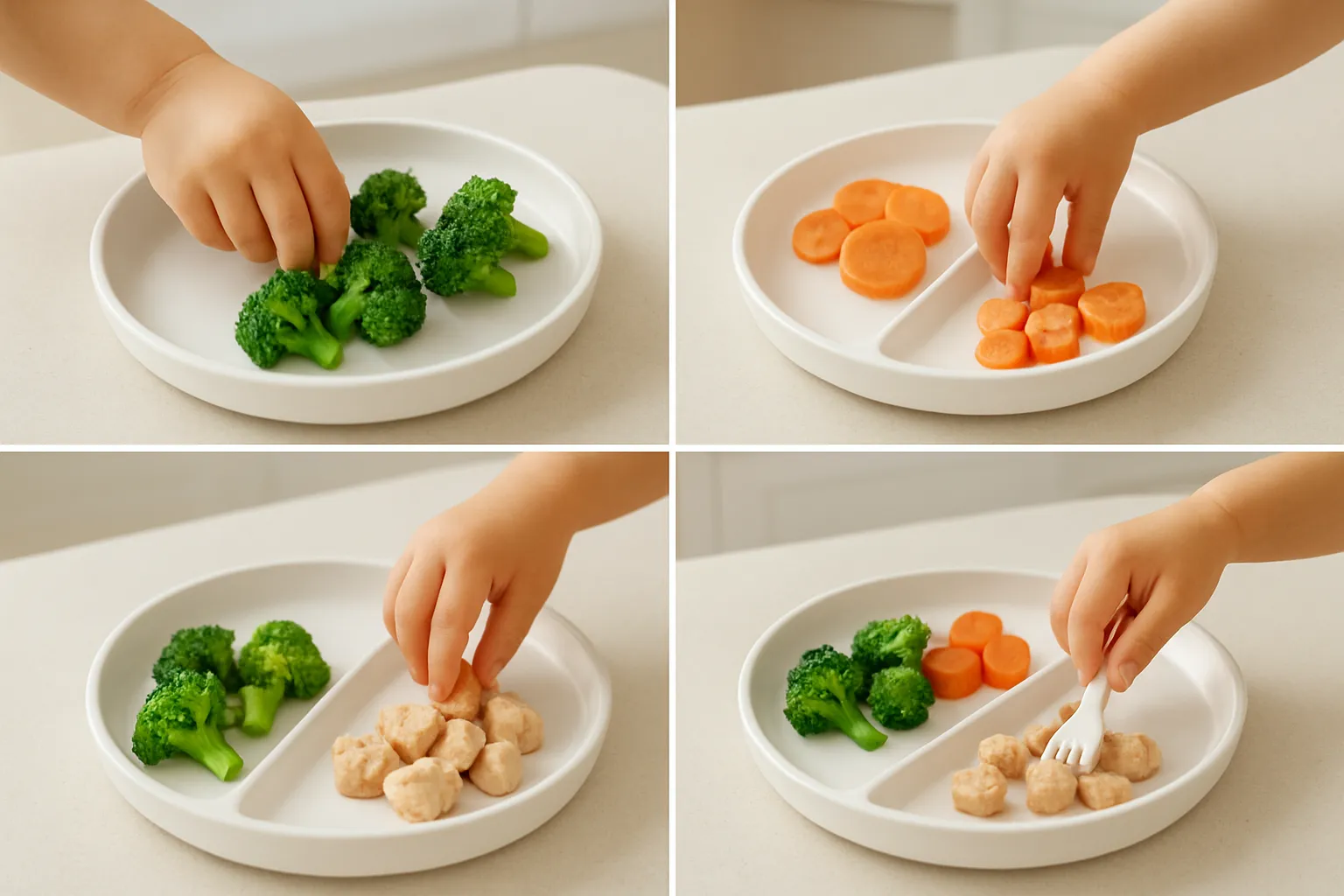
Snacks can either save the day or wreck the next mealtime, so here’s how to make them work for you and your little one.
When to offer
- Keep to windows, not constant grazing. Aim for two snacks between meals: one mid-morning and one mid-afternoon.
- If breakfast was late, shift the first snack later. If mealtime is close, offer a very small nibble instead of a full snack.
- Offer water first when they say they’re hungry outside snack times. Often they’re thirsty or just want attention.
Portion and balance
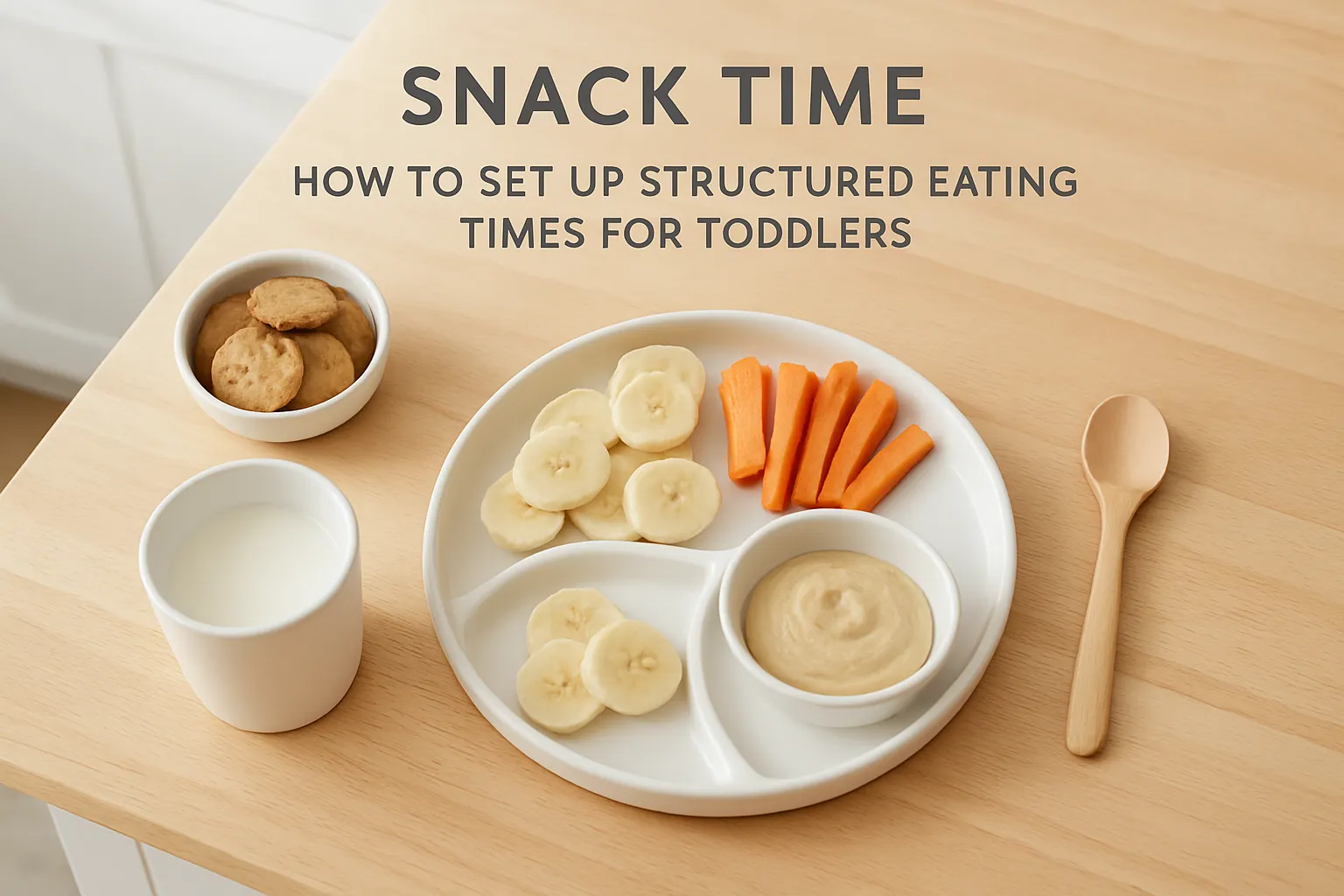
- Think two to three small components: something soft or drinkable, something with protein, and a fruit or veg. Example: yoghurt + banana + a few wholegrain crackers.
- Toddlers need small portions. A tablespoon or two of yoghurt, one small banana, a quarter of an avocado, half an egg, three or four crackers. Let them ask for more if still hungry.
Quick snack ideas (easy, toddler-approved)
- Natural yoghurt with mashed berries or a drizzle of pureed fruit.
- Smashed avocado on toast cut into strips.
- Mini rice cakes or wholegrain crackers with cheese.
- Banana slices or thin apple slices with a smear of seed butter.
- Soft-cooked vegetable sticks (carrot, sweet potato) with hummus.
- Hard-boiled egg, quartered.
- Mini savoury muffins or freezer mini pikelets warmed up.
- Smoothie ice blocks for a hot arvo.
- Cottage cheese with soft pear.
- Frozen peas as a fun finger-food and easy to portion. Swap nut butter for sunflower or pumpkin seed butter if daycare won’t allow nuts.
Prep shortcuts
- Pack small containers or bento boxes with 2-3 items so you can grab and go.
- Batch-make mini muffins, savoury egg cups or pikelets and freeze in portions.
- Portion fruit and veg into toddler trays the night before so it’s ready on busy mornings.
- Keep a small basket of safe finger foods in the fridge for quick access.
Safety notes
- Cut grapes, cherry tomatoes and hot dogs into quarters lengthways to avoid choking.
- No honey under 12 months.
- Whole nuts are a choke hazard for young toddlers; use seed butters or ground nuts if needed.
- Supervise while eating, especially with new textures.
Handling picky moments
- Offer two choices to give them control, for example, “Would you like carrot sticks or banana?”
- If they refuse snacks because they’re distracted, put food away and try again 10-15 minutes later.
- If they’ve snacked too close to dinner, offer a small, plain option like a few crackers and water rather than a full plate.
Out and about
- Keep a small stash of easy snacks in the nappy bag: rice crackers, dried fruit bits, single-serve yoghurt pouches, freeze-dried peas.
- Use spill-proof cups and reusable snack bags for quick portion control.
Keep snacks simple, mostly whole foods and bite-sized, and treat them as mini-meals to tide them over rather than full-on feasts. That way the big meals stay the star and everyone gets through the day with fewer tantrums.
Browse Cuisines
From the Blog
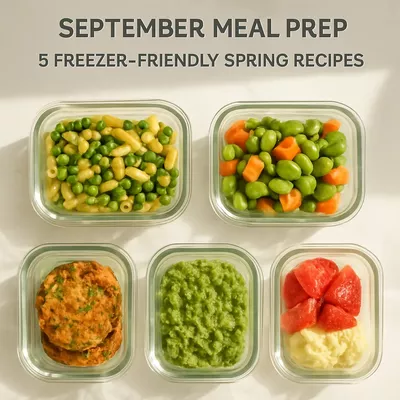
First up, a few no-fuss spring winners that keep sticky fingers and big clean-ups to a minimum. Quick to prep and easy for little hands to manage, these are the sorts of things I reach for when we want something...
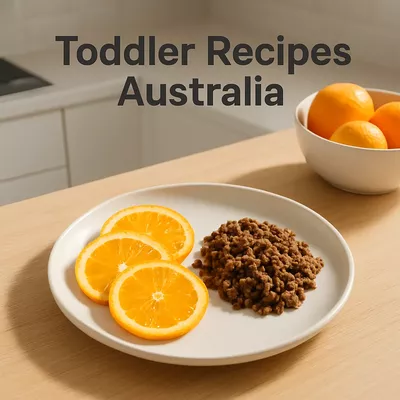
Nice - here’s how Steve keeps dinner simple without sacrificing flavour or sanity. A few good habits and the right packing tricks mean you can pull a proper family meal out of the freezer in minutes.
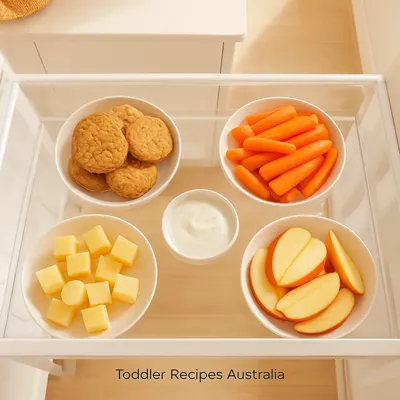
Righto, a couple of quick fridge fixes will make everything a whole lot easier. These are the simple, practical habits and setups that keep snacks safe, obvious and actually reachable for little hands.

 Never miss a recipe from us, subscribe to our newsletter