
How to get toddlers to help out in the kitchen
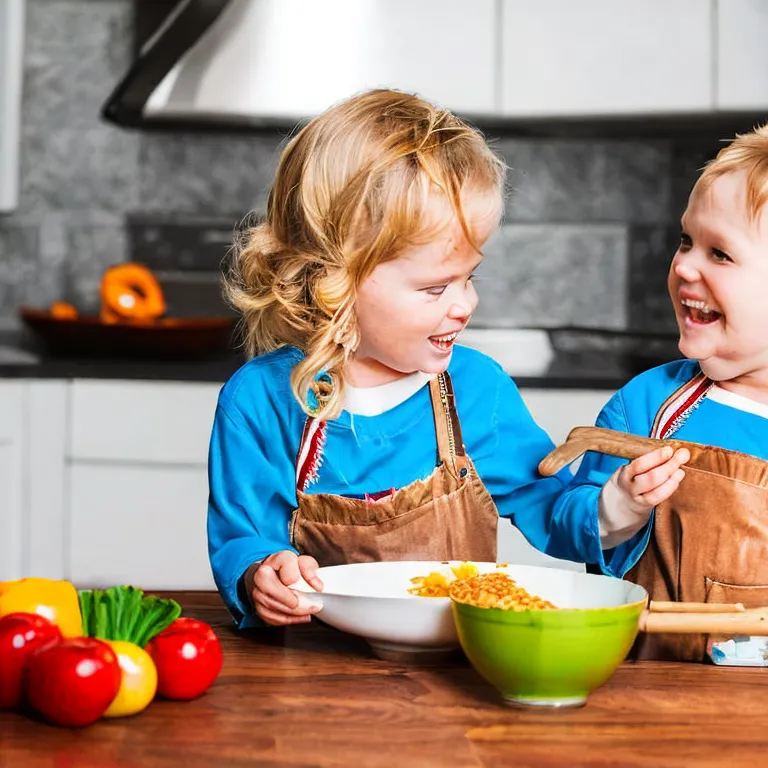
Before we get into the how, a quick note on why I bother getting the boys into the kitchen in the first place. The wins are small and steady, and they add up fast.
-
Real skills, not just chores. Little hands pick up measuring, pouring and simple chopping faster than you think. Giving them one clear job, like measuring flour or slicing a banana with a kid-safe knife, builds coordination and confidence.
-
Better eaters. When kids help pick, touch and stir their food, they are more likely to try it. Handing over a handful of chopped strawberries to sprinkle on yoghurt makes them way more excited to eat it.
-
Patience and focus. Following a short recipe or waiting for the timer teaches patience. It’s the kind of practice that pays off at meals, doctor visits and when other kids hog the toy.
-
Language and maths, sneaky and useful. Counting spoons, comparing sizes, talking about textures and flavours is real learning. You get vocabulary, sequencing and number sense without flashcards.
-
Connection and calm. Even a 10-minute job at the bench becomes a proper together time. It turns the kitchen into somewhere they belong instead of somewhere they’re kept out of.
-
Safety habits early. Teaching rules around hot things, knife safety and hand washing while they’re doing tasks makes those habits stick. Practice is better than lecturing.
-
Small wins, big help. Tasks that actually save time - tearing lettuce, rinsing berries, cracking eggs into a separate bowl - give them ownership and you a few minutes of real help.
Quick tips to make it work: give one or two simple steps, offer choices rather than commands, praise the effort not the result, and set a small tidy-up job at the end. Those reasons shape how I set things up next, so the boys can help and we all stay sane.
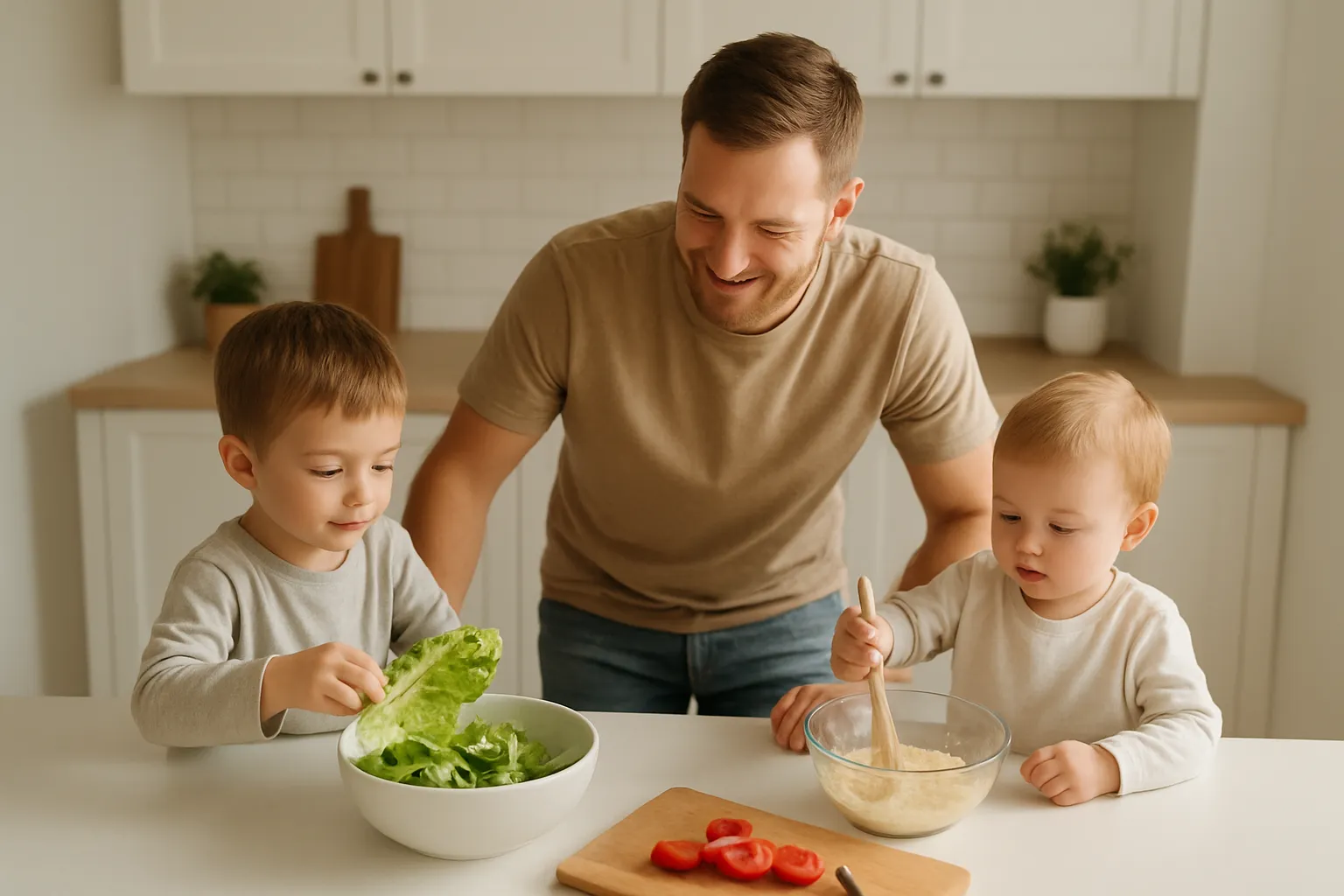
Start with the basics: make a safe, reachable spot that invites hands-on time. Think small changes that let kids join without you needing to lift them up every ten minutes.
Design principles
- Height matters. A sturdy step stool or a learning tower gives toddlers a stable platform at bench height so they can reach bowls and taps without stretching. If space is tight, a low table with a non-slip mat works just as well.
- Keep tools scaled down. Swap full-size whisks and knives for child-safe versions: plastic knife or butter spreader, small whisk, tiny rolling pin, silicone spatulas. Little handles make a huge difference to their grip and confidence.
- Separate hot from cold. Create a clear no-go zone around the stove and oven. Use visual cues like a carpet square or taped outline on the floor to show boundaries. Put a special prep station away from heat for toddlers so everyone can work safely.
- One task per station. Have a mixing area, a pouring/scooping area, and a washing area. When tasks are small and focused, toddlers stay engaged and don’t overwhelm the space.
What to include in each station
- Prep station: a low tray or shallow box with pre-measured ingredients in small bowls, a wooden spoon, a child-safe knife for soft fruit and a small chopping board. Use suction bowls and mats to stop spills.
- Mixing station: a lightweight bowl, a small whisk or fork, measuring spoons, and an apron hooked at kid height. Keep an easy wipe cloth nearby for quick mess control.
- Washing station: a shallow basin or step-up to the sink with a non-slip mat, a small jug for rinsing, and a dish brush or cloth made for little hands. Teach water limits by using the jug so they can practise pouring without flooding the bench.
- Scrap bin and compost bucket: a small, toddler-height container for peelings and scraps makes tidying part of the job. Choose a lidded bin to reduce smells and keep curious hands from getting into everything.
Storage, labels and visual cues
- Use baskets or clear tubs on a low shelf so kids can grab what they need. Picture labels are better than words for this age. A photo of a whisk stuck to the front of the tub beats a written label any day.
- Rotate tools and ingredients so the station stays interesting. Keep a few favourites out and swap others into a box you bring out once a week.
- Hooks at child height for aprons and tea towels mean they can dress themselves and start the clean-up routine.
Safety and practicality
- Choose silicone, wooden or plastic utensils rather than metal to reduce noise and risk. Suction bowls and cups cut down on breakages.
- Secure sharp or heavy items in high cupboards. If you give them a peeler or small knife, only let them use it with close supervision and show the safe way to hold and move.
- Keep cleaning supplies locked away. Use natural, child-safe soaps at the washing station if you want them involved in scrubbing.
Small-kitchen hacks
- Clamp a cutting board across the sink for extra workspace. A portable step stool can be moved between bench and table depending on the task.
- Put a small folding table beside the bench for spreading out bowls and tools when space is limited.
- Use a tray on their step stool to contain crumbs and spills. It makes clearing up quicker and keeps the rest of the kitchen cleaner.
Routines that stick
- Make a simple picture checklist: wash hands, put on apron, choose task, tidy up. Stick it at eye level so toddlers can follow the steps themselves.
- Start with short sessions and build up. Ten minutes of real participation beats a long stretch of passive standing at the bench.
With a few adjustments and clear zones, the kitchen becomes less of a minefield and more of a place where kids can actually help without chaos. Small tools, low storage and visible steps make all the difference to confidence and cooperation.
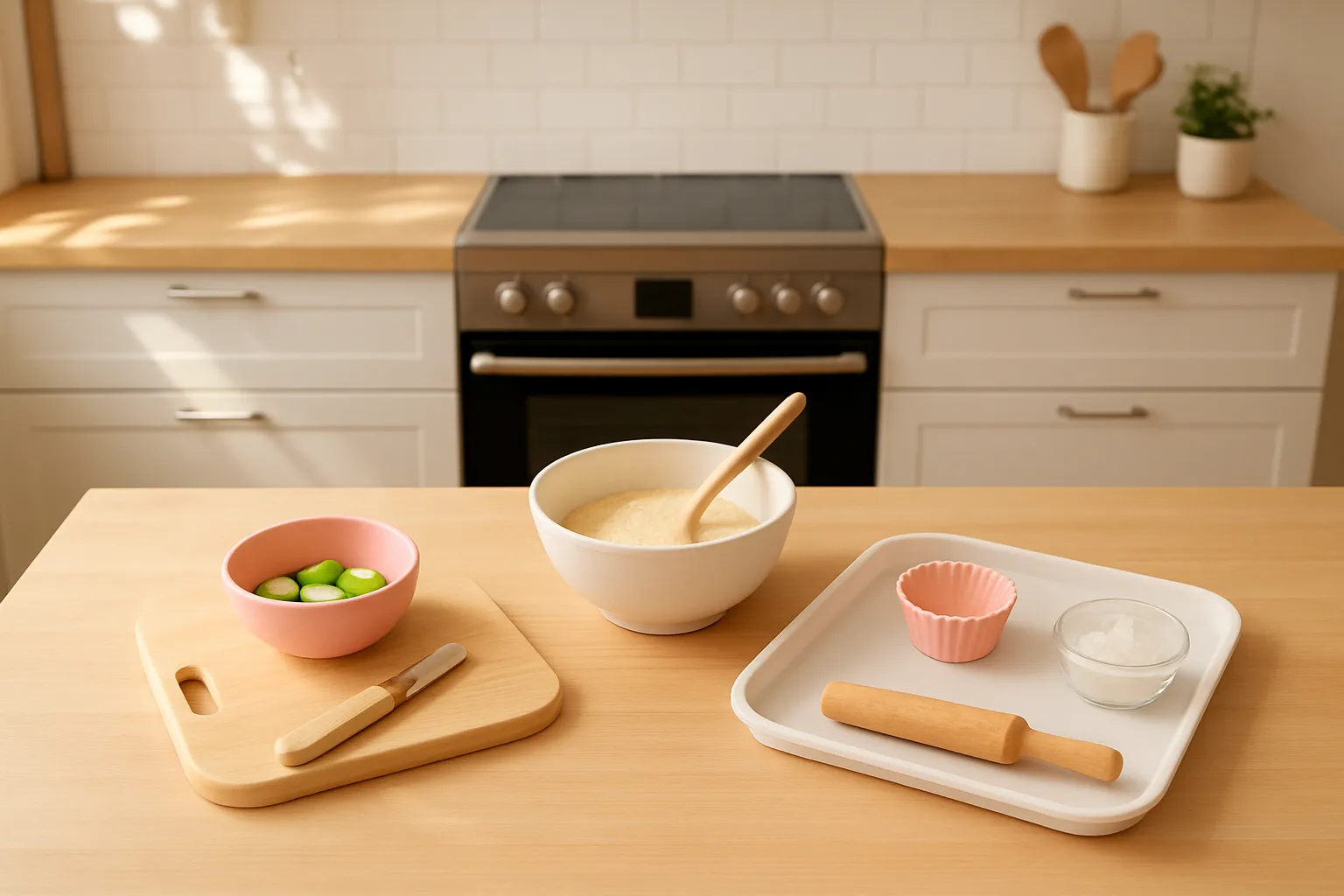
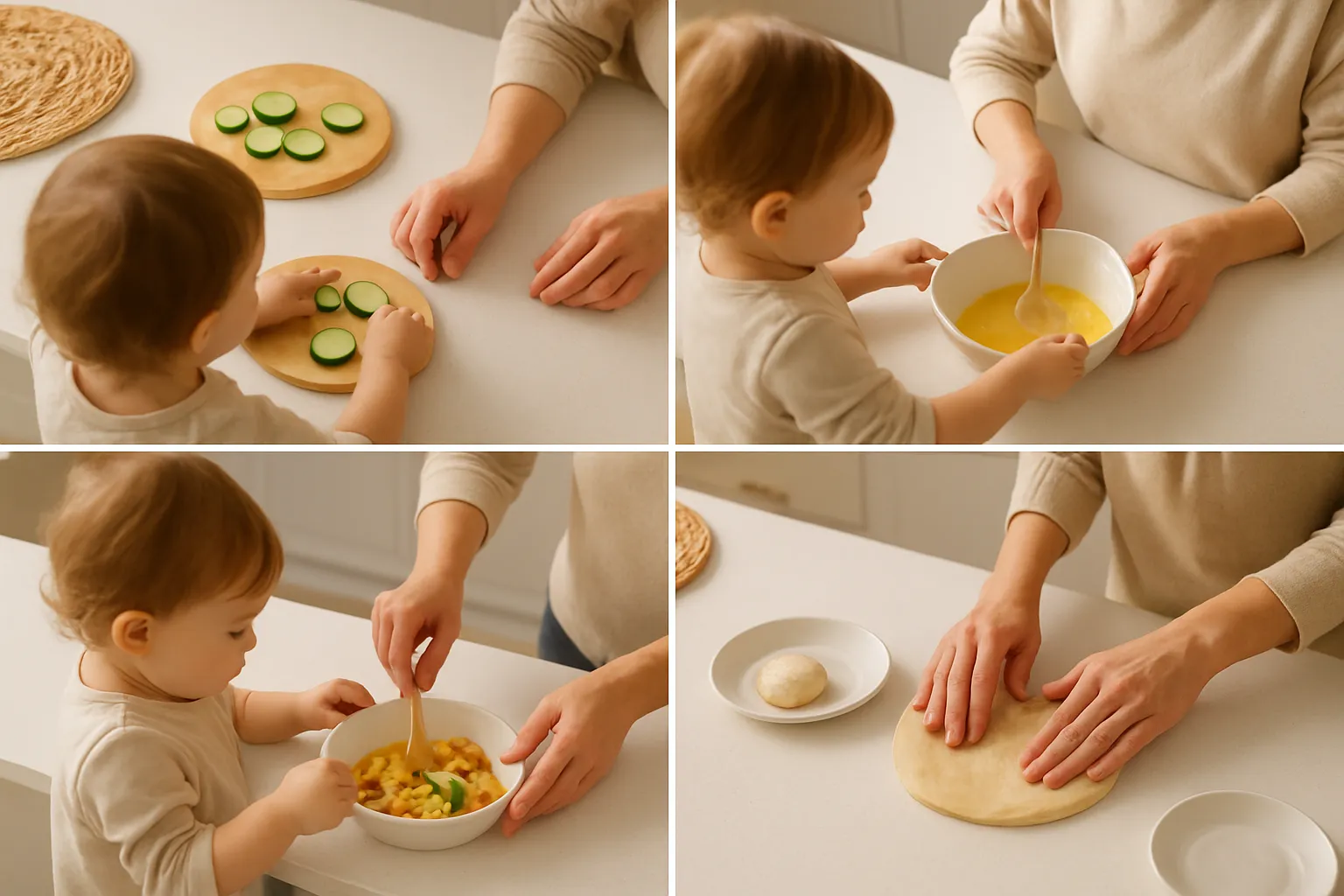
Quick, low-mess recipes kids can actually help with. These are chosen so they work well at the low counter or tray station you just set up.
- Banana sushi
- What to do: spread a thin layer of peanut butter or sunflower seed butter on a wholemeal wrap, place a banana, roll and then slice.
- Tasks for toddlers: spreading with a butter knife, placing the banana, pressing the roll.
- Time: 5-7 minutes.
-
Tip: slice with your knife or use a child-safe cutter. Swap nut butter for cream cheese if needed.
- Mini pita pizzas
- What to do: halved mini pitas, tomato passata or pizza sauce, grated cheese and soft toppings.
- Tasks for toddlers: spoon sauce, sprinkle cheese, add pre-chopped veggies or ham.
- Time: 10-15 minutes plus a quick bake.
-
Tip: use a muffin tin to keep pitas stable. Great for letting kids choose their own toppings.
- Yogurt parfait jars
- What to do: layer natural or Greek yogurt, fruit, and toasted oats or granola.
- Tasks for toddlers: spoon yogurt, add fruit, press down layers.
- Time: 5 minutes.
-
Tip: pre-portion yogurt into small bowls so spooning is easy and less messy.
- Avocado toast faces
- What to do: mash avocado with a squeeze of lemon and spread on toast or crackers, decorate with cherry tomatoes, cucumber slices, grated carrot.
- Tasks for toddlers: mashing in a bowl, spreading with a dull knife or spatula, placing veggie pieces to make faces.
- Time: 5-8 minutes.
-
Tip: keep sliced veggies in little bowls so kids can pick and place.
- Smoothie station
- What to do: pre-cut fruit, spinach, milk or yoghurt, and a handful of oats if you like.
- Tasks for toddlers: choosing fruits, adding them to the blender cup, pouring a little milk with help.
- Time: 3-5 minutes prep plus blitz time.
-
Tip: do the blending yourself or let them press the button while you steady it. Use clear cups so they see the colour change.
- No-bake oat balls
- What to do: mix rolled oats, mashed banana or honey, seed or nut butter, optional cocoa or dried fruit, roll into balls and chill.
- Tasks for toddlers: stirring, scooping mixture, rolling into balls.
- Time: 10-15 minutes.
-
Tip: pre-measure ingredients into little bowls. If honey is used, these suit kids over one year.
- Fruit kebabs
- What to do: cut soft fruit into bite-sized pieces and thread onto blunt skewers or straws.
- Tasks for toddlers: threading fruit, choosing colours and patterns.
- Time: 5-10 minutes.
-
Tip: use straws or silicone kebabs for safety and cut fruit small for little mouths.
- Muffin tin snack plates
- What to do: fill each muffin cup with different snack items: cheese cubes, crackers, grapes, carrot sticks, hummus.
- Tasks for toddlers: filling muffin cups, making combinations.
- Time: 5-7 minutes.
-
Tip: great for picky eaters because they can pick their favourites.
- Roll-up sandwiches
- What to do: spread filling on a wrap, add salad or cheese, roll and slice into pinwheels.
- Tasks for toddlers: spreading, placing fillings, rolling the wrap.
- Time: 5-8 minutes.
-
Tip: cut into small rounds for lunchboxes or party food.
- Mini frittata cups
- What to do: adult mixes eggs in a jug, pour into muffin tin with chopped pre-cooked veg and cheese, bake.
- Tasks for toddlers: dropping in pre-cooked veg, sprinkling cheese.
- Time: 20 minutes including bake.
- Tip: make a batch and freeze for quick breakfasts.
Quick tips to keep things running
- Pre-portion ingredients into little bowls so kids can scoop and pour without overwhelm.
- Keep a small damp cloth nearby for instant wipe-ups.
- Give one clear task at a time and cheer the tiny wins.
- Use picture cards for younger toddlers so they can pick what to help with.
These kinds of recipes build confidence fast. The more they do simple jobs, the sooner they’ll want to try the next step.
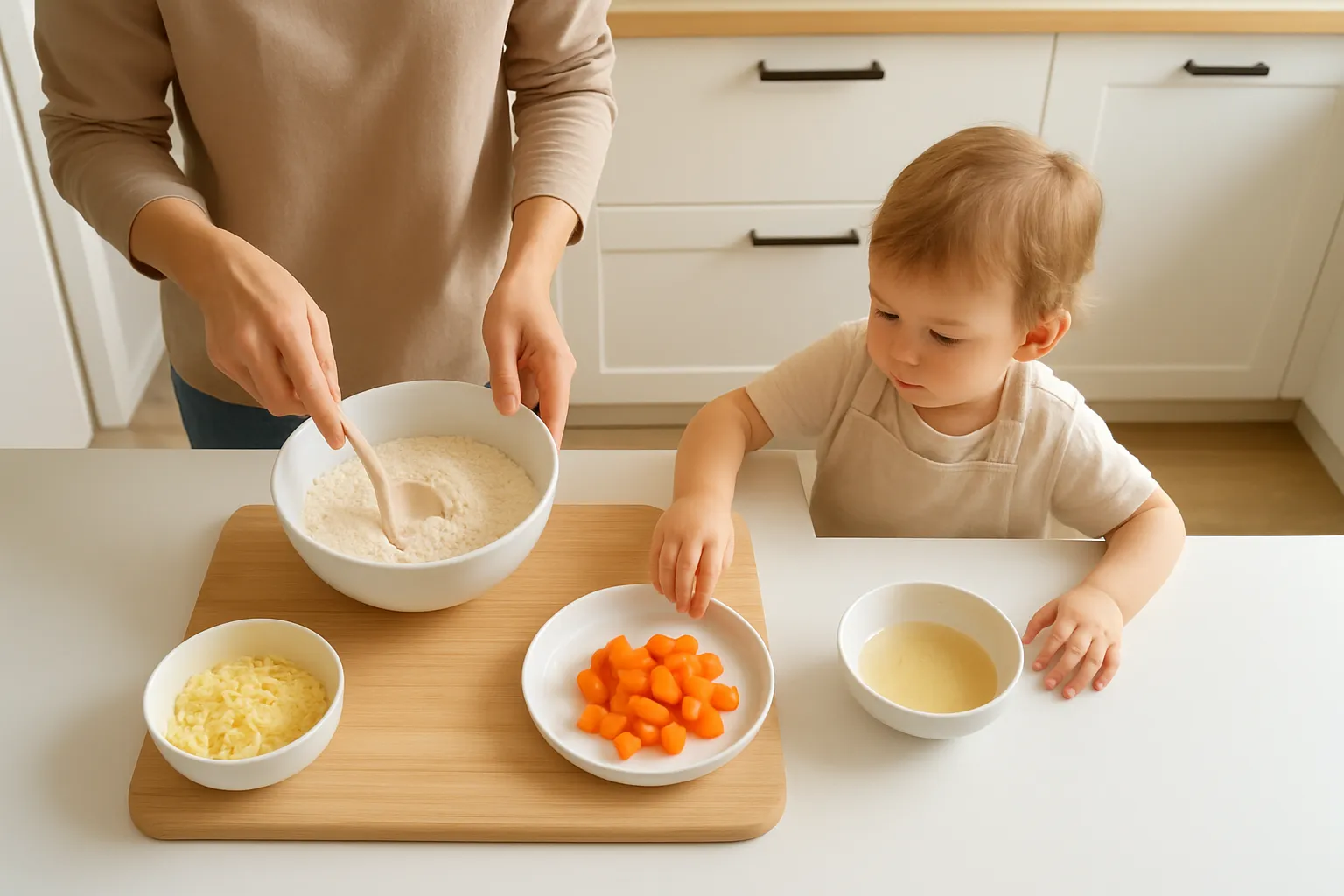
FIFO shifts force a different kitchen rhythm, and with a bit of planning you can turn that rocky patch into a predictable, low-drama time the kids can actually help with.
Plan the week around the roster
- Mark the roster on the fridge so everyone knows which nights are solo and which nights the rostered parent is home. Kids love a visual, so use stickers or a coloured column.
- Block out the “no-cook” nights where the focus is on fast, filling meals or leftovers. Save the more involved kid-friendly recipes for the days someone else is home.
Make handover rituals simple and fun
- Create a short kitchen handover the night before the return flight: kids pack a little “welcome-back” snack box from prepped items, or lay out fresh herbs and a simple side. It gives them a role and makes the return feel special.
- Keep the handover under 10 minutes. A quick walk-through of what’s in the fridge and what’s planned cuts confusion and stops random mid-week experiments.
Solo-parent nights: keep tasks tiny and predictable
- Pre-measure ingredients into separate bowls or tubs labeled with the recipe name. Toddlers can pour, stir, and sprinkle without overwhelm.
- Use a short timer for jobs like stirring or topping pizzas. It gives structure and a clear finish line for little helpers.
- Stick to 3-or-fewer step recipes: a protein, a veg, and a simple grain or bread. When the steps are few, kids can complete one task from start to finish.
Batch prep and assemble-on-the-night kits
- Make ingredient kits on the partner’s last day off: chopped veg, measured sauces, grated cheese. Freeze what won’t be used within a couple of days.
- Keep a “quick grab” shelf in the fridge for toddler-friendly things: washed berries, cheese cubes, pita pockets, pre-chopped cucumbers. When energy is low, these save dinner.
Give each child a predictable role
- Assign simple, age-appropriate tasks that don’t change week to week: one child sets the napkins, another sprinkles toppings, another rinses fruit. Predictability builds confidence.
- Rotate roles when someone comes home so kids can show the returning parent what they’ve been doing.
Celebrate small wins and keep expectations low
- Expect spills and curiosity. A wiped bench and a quick breath are better than perfection.
- Let kids make a “welcome home” badge or card; the returning parent gets a moment to reconnect with minimal cleanup.
A few safety and sanity tips
- Keep sharp tools and hot items off the usual kid stations. Use child-safe knives and proper stool seating.
- If you know a long roster stretch is coming, double down on freezer meals and theme nights so the kids still get to help without the pressure.
Tiny routines make FIFO weeks less chaotic and give kids steady jobs they can do even when the house runs on different hours. Stick to short tasks, visual plans, and a simple handover and you’ll find the kitchen hums along much easier.
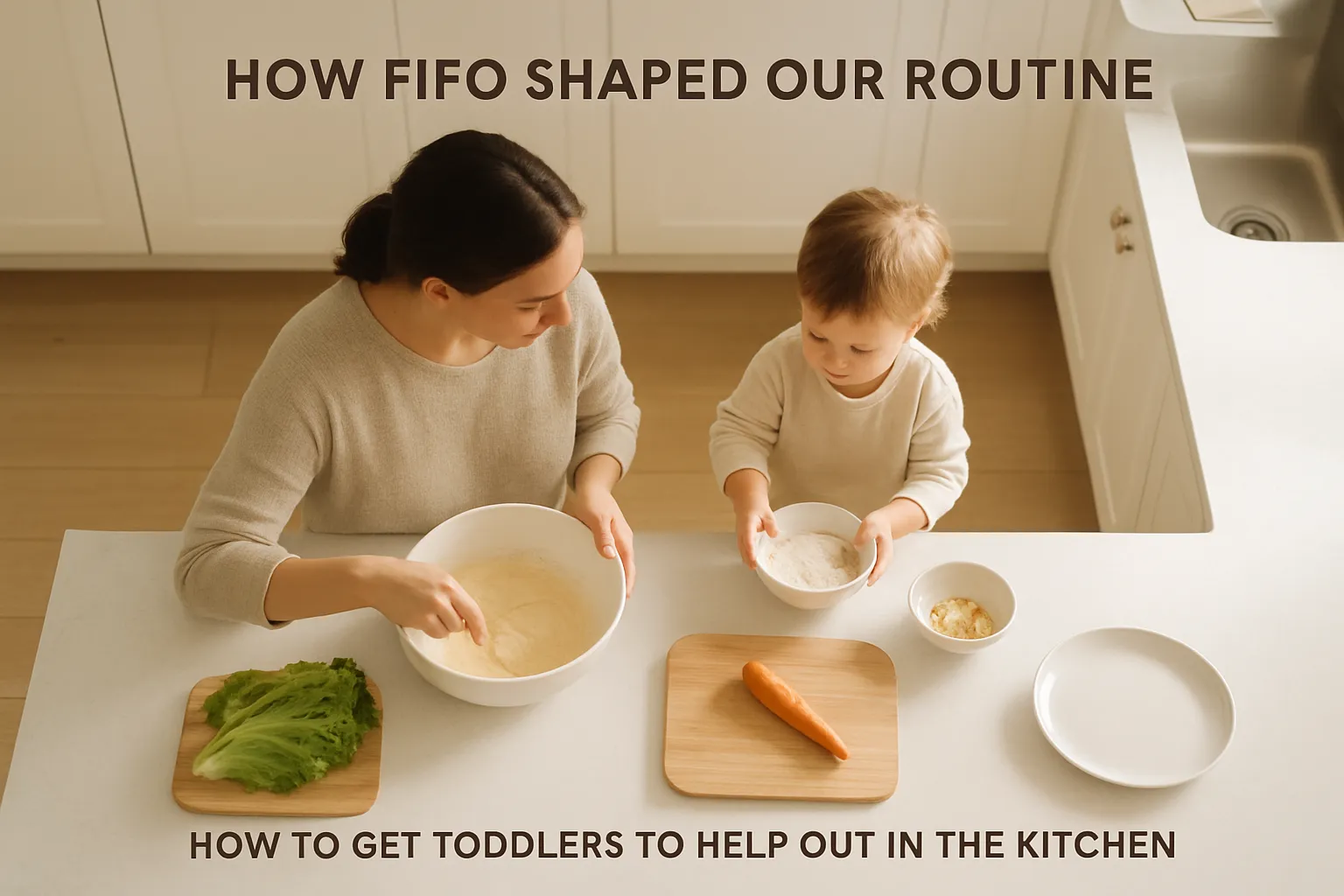
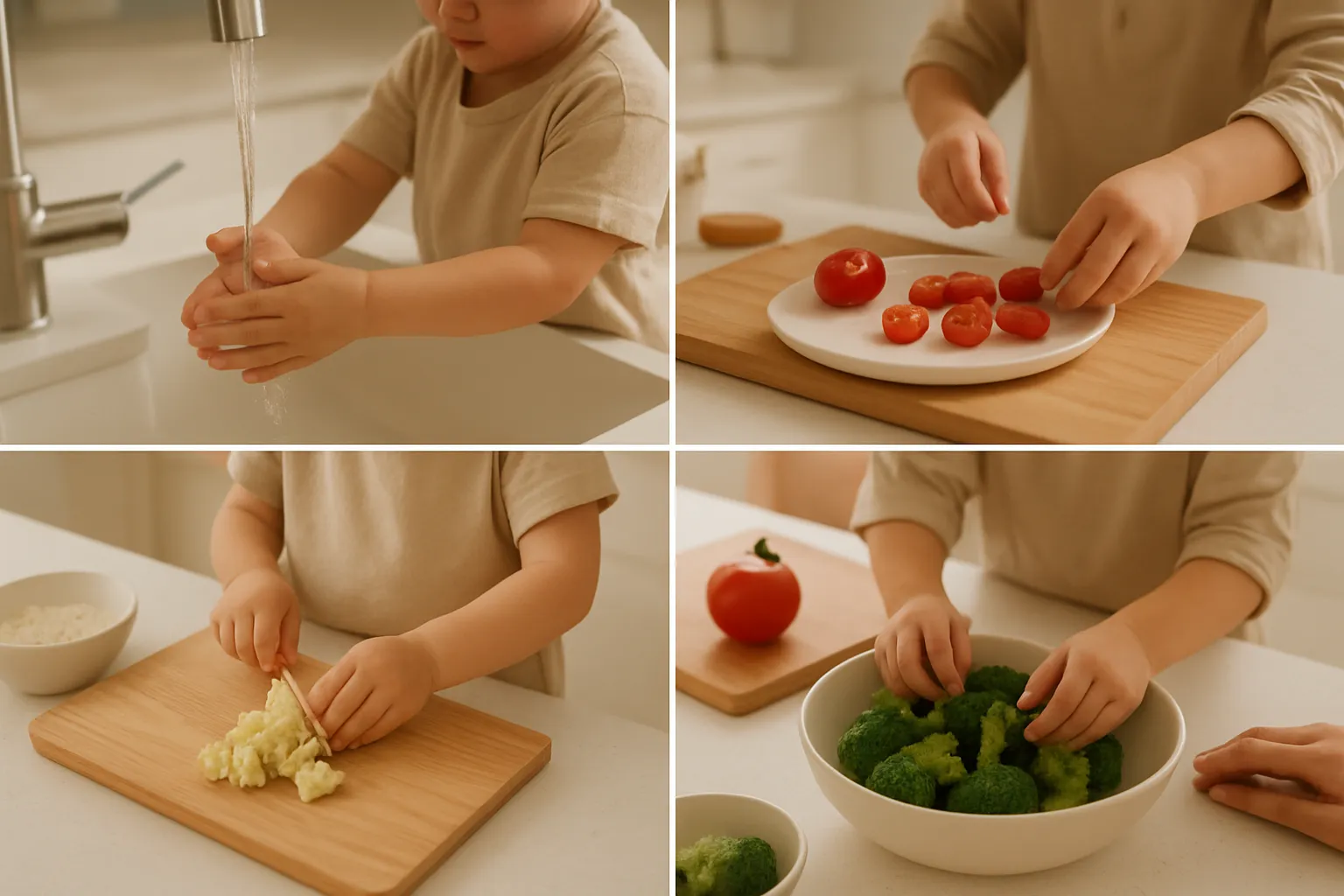
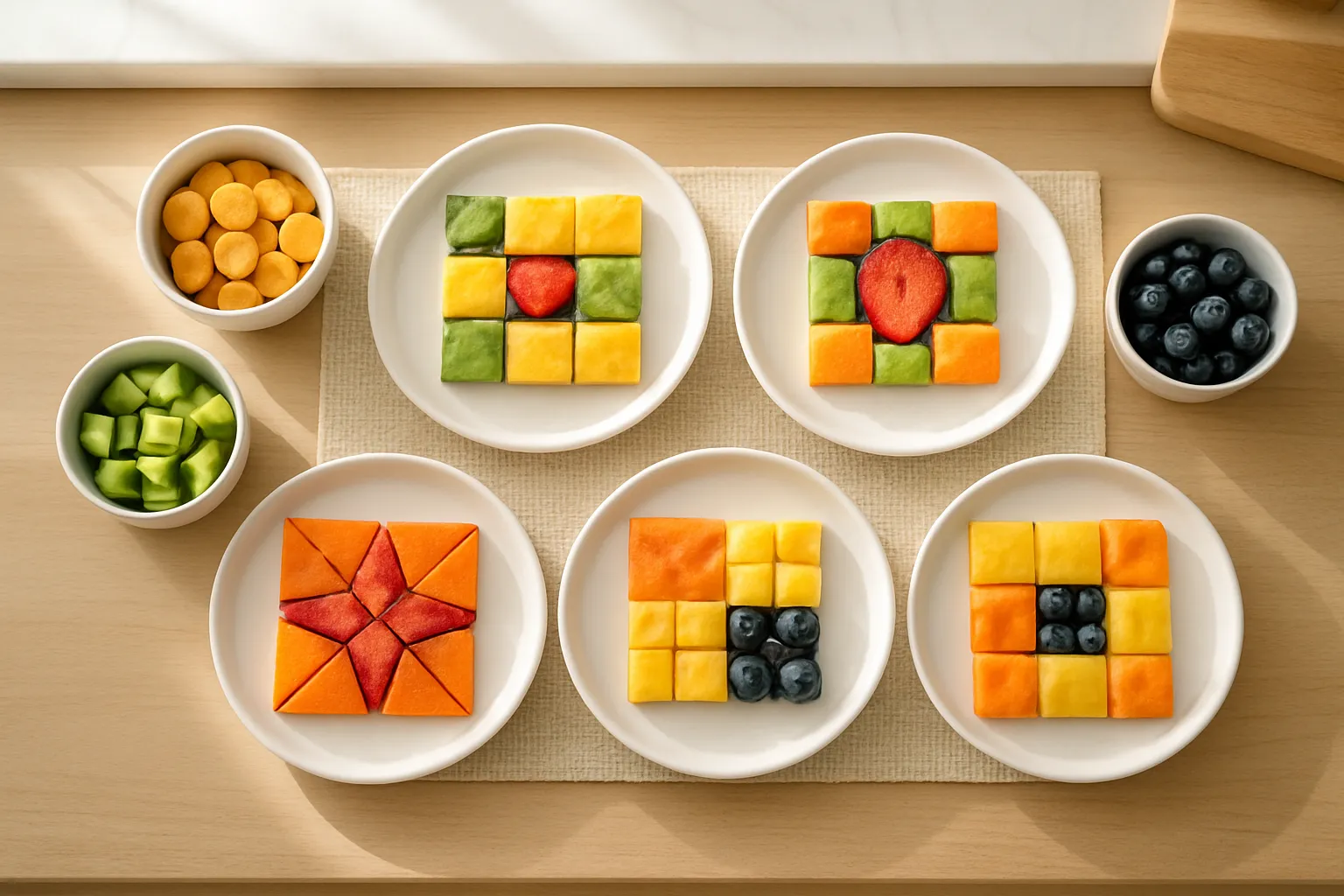
Start with something easy: a patchwork plate. Lay a tea towel or a silicone mat down, arrange 6 to 9 small piles of different snack bits in a square, and let your toddler fill a paper “quilt square” - a small plate or muffin tin hole - with one colour or one shape at a time.
Patchwork plate
- Setup: 6 to 9 piles of snack pieces (banana coins, cucumber rounds, halved cherry tomatoes, cheese cubes, cheerios, raisin-free muesli).
- How to play: Child picks one pile and fills a square on their plate. Encourage them to make a pattern: red, yellow, red, yellow.
- Skills: colour sorting, fine motor control, early patterning.
- Variation: ask for a specific pattern or number of pieces in each square to practise counting.
Muffin-tin quilt blocks
- Setup: use a muffin tin as a grid. Put different foods in each well or give your child a tray of mixed items to sort into wells.
- How to play: sort by colour, shape, or food group. Or create a picture by placing foods to form a simple shape across wells - a smiley face, a tree.
- Skills: sorting, spatial awareness, decision making.
- Variation: time the activity for quick bursts while dinner is being finished.
Colour-row relay
- Setup: lay coloured cloth squares or place coloured bowls across the bench. Have small piles of matching-coloured snacks.
- How to play: child moves one snack at a time to the matching bowl or square. Turn it into a gentle race with siblings or a timed challenge.
- Skills: colour recognition, gross motor if they carry a small tray, following instructions.
- Safety note: avoid fast-paced biting for younger toddlers; keep movements slow and supervised.
Quilt-square matching cards
- Setup: make simple cards with coloured squares or fabric scraps. Offer matching food piles.
- How to play: flip a card, then choose the snack that matches the square to stick on their plate or board.
- Skills: matching, memory, vocabulary.
- Variation: swap to shapes for older toddlers or ask them to name the food as they place it.
Seam-stringing snack necklaces
- Setup: thick licorice laces, rigatoni, or large cereal loops. Cut them into manageable lengths and offer large, soft items to thread.
- How to play: thread pieces to make a “seam” line across a felt square or a paper plate quilt block. When finished, eat the decorations.
- Skills: pincer grip, hand-eye coordination.
- Safety: only do this with children who can thread safely, and remove small choking hazards for under 3s.
Quilt-bingo snack board
- Setup: draw a simple 3x3 grid on paper or use washi tape on a tray. Pop one snack type into each square.
- How to play: call out colours, textures, or foods for your child to cover with a chosen snack token. First to make a line gets a tiny reward, like choosing the next activity.
- Skills: listening, matching, turn-taking.
- Variation: use toddler-friendly words like soft, crunchy, round to build vocabulary.
Quick tips to keep it working
- Prep tiny, safe pieces so little hands can manage them. Cut grapes, chop cherry tomatoes, and avoid whole nuts for toddlers.
- Keep sessions short, about 5 to 10 minutes, slotting them into those little FIFO windows we set up earlier.
- Praise attempts rather than perfection. Celebrate a messy square as much as a neat one.
- Use washable mats or an old tablecloth for easy cleanup. Give your toddler a small brush or damp cloth to help tidy their own quilt when finished.
These games turn snack time into a calm, creative moment that builds skills without drama, and they slot nicely into the rhythm you already have going.
Browse Cuisines
From the Blog
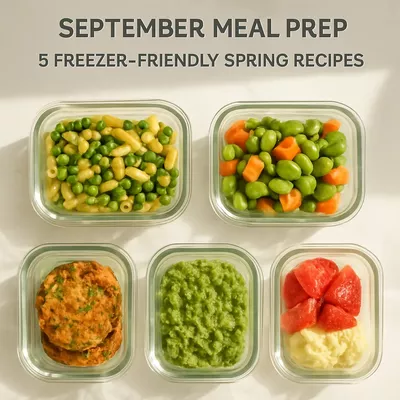
First up, a few no-fuss spring winners that keep sticky fingers and big clean-ups to a minimum. Quick to prep and easy for little hands to manage, these are the sorts of things I reach for when we want something...
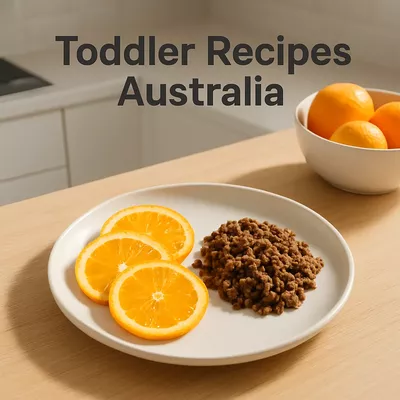
Nice - here’s how Steve keeps dinner simple without sacrificing flavour or sanity. A few good habits and the right packing tricks mean you can pull a proper family meal out of the freezer in minutes.
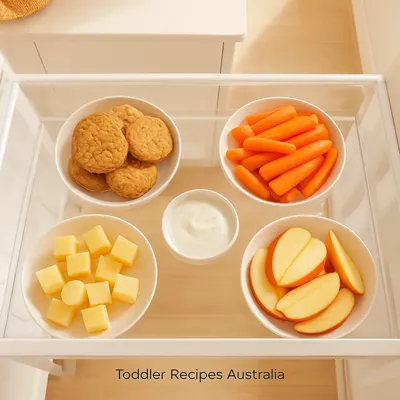
Righto, a couple of quick fridge fixes will make everything a whole lot easier. These are the simple, practical habits and setups that keep snacks safe, obvious and actually reachable for little hands.

 Never miss a recipe from us, subscribe to our newsletter