
How to Introduce Healthy Eating Habits to Your Toddler
Olivia’s boys start with tiny, doable jobs and build from there. Below are the real, practical ways to get little hands helping - safe, simple and actually fun.
-
Set up a safe station. A sturdy step stool or low table, a bowl that won’t slip, and a damp tea towel under everything makes a big difference. Keep hot stuff and sharp knives well out of reach.
-
Give one job at a time. Too many instructions confuse toddlers. “Tear the lettuce” or “press the button on the blender” is way better than a long list.
- Age-appropriate tasks
- 12-18 months: rinsing fruit, tearing soft lettuce, pushing peas out of a pod, dumping pre-measured ingredients into a bowl.
- 18-24 months: stirring, sprinkling cheese, mashing banana, placing stickers on containers.
-
2-3 years: pouring from a small jug, pressing cookie cutters, assembling mini pizzas, spreading soft spreads with a butter knife.
-
Use kid-safe tools. A little plastic knife, silicone spatula, small whisk and a kids’ peeler are worth buying. They give independence without constant worrying.
-
Make a visual routine. A small laminated picture chart with 3 steps - wash, prep, clean - helps them remember what comes next and builds confidence.
-
Turn tasks into games. Time the veggie sorting, sing a clean-up song, or count strawberries into the bowl. Games keep attention without pressure.
-
Offer choices, not orders. “Would you like to tear the spinach or wash the blueberries?” gives control and avoids battles.
-
Praise effort, not just the result. Comment on how carefully they stirred, how strong they were pulling peas, or how patiently they waited. Small rewards like a sticker system work well.
-
Keep hygiene simple. Teach handwashing before and after, use tongs for shared food, and show how to wipe up spills. Make cleaning up part of the job so it feels natural.
-
Safety rules that stick: no running in the kitchen, only grown-ups touch the stove and oven, and knives stay on the bench until shown how. Repeat the rules calmly and consistently.
-
Quick, toddler-friendly tasks for busy nights: assemble a yoghurt parfait, build mini pita pizzas, thread fruit onto a blunt skewer, or fill muffin tins with chopped fruit for smoothies.
- Expect mess, not perfection. Cover the floor with a towel if you need to, and remember that a bit of chaos now often means a child who will happily eat what they helped make later.
A tiny routine and clear roles are the secret. Once the boys know their jobs, dinnertime runs smoother and they actually look forward to helping.
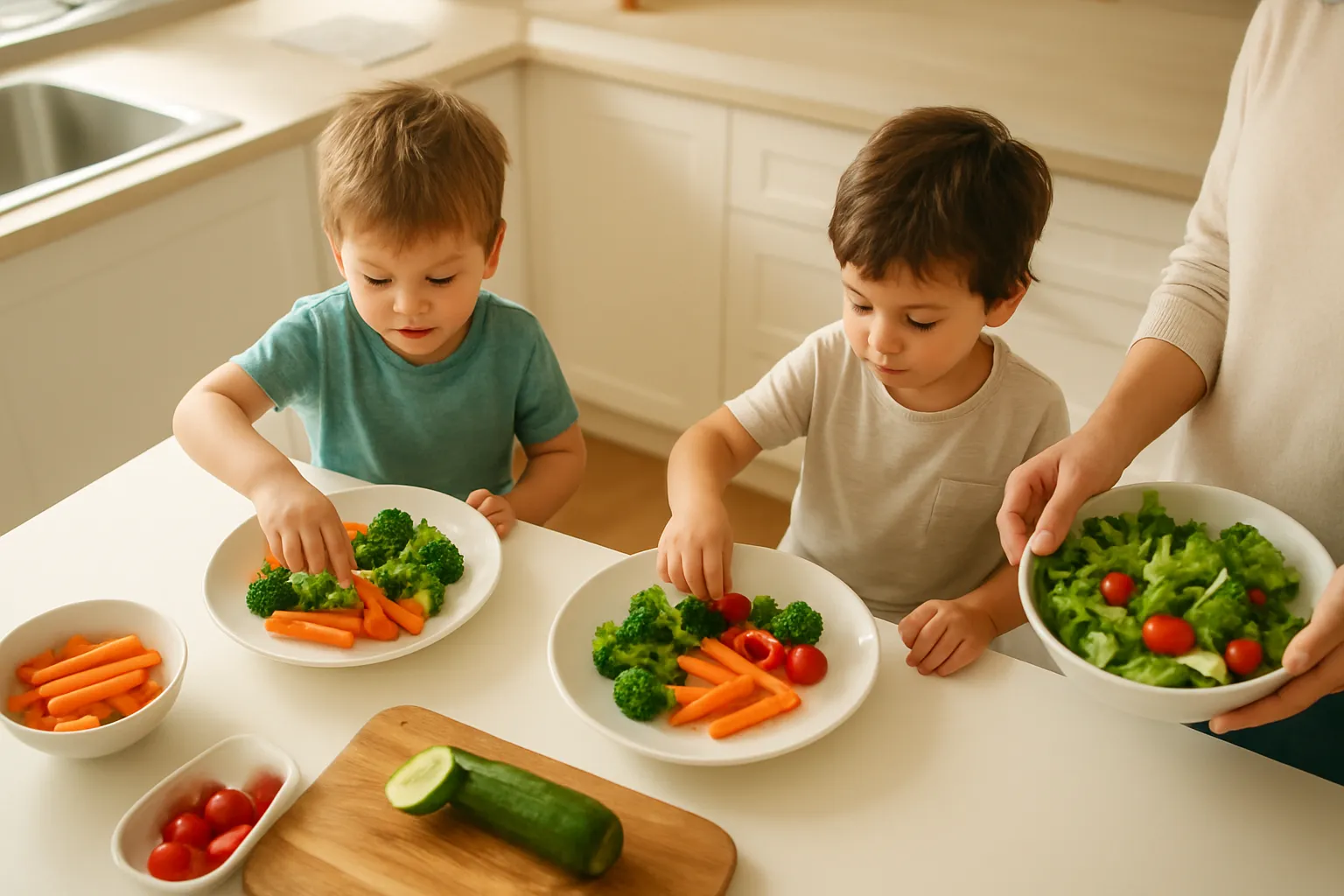
Now the boys are keen to chop, stir and fetch bowls, designing meals becomes a team sport. Keep things simple and tasty so they stay interested and you stay sane.
Practical rules for building toddler-friendly meals
- Keep it to three or four components. Pick one familiar favourite, one new thing and a simple veg or fruit. Too many choices overwhelm little appetites.
- Think texture as much as taste. Soft, slightly chewy and finger-friendly textures work best. Steam, roast or slow-cook until veg and proteins are tender.
- Size matters. Cut into small pieces, mash or shred anything that could be a choking risk. Grapes, cherry tomatoes and sausages need slicing lengthwise.
- Mild flavours win. Use gentle herbs like parsley or basil, a squeeze of lemon or a light drizzle of olive oil instead of salt or heavy sauces.
- Colour and shape are tempting. Bright veg, cut into fun shapes or presented in little piles, get more interest than a mushy blob on a plate.
- Serve on toddler-sized plates and tiny spoons. Big adult portions are intimidating. A small serve with the promise of more is less pressure.
- Let them assemble. A mini build-your-own bowl or toast station gives autonomy and reduces fussing. Kids are more likely to try something they helped put together.
- Repeat exposure wins. Offer a new food several times, in different forms. It might take eight to ten tries before they accept it.
Speedy meal-building tricks
- One-pot meals. Throw rice, lentils or pasta, a protein and veg into one pot for an easy mix-and-serve. Little hands can help stir.
- Double up and freeze. Make a big batch of meatballs, veg muffins or lentil bolognese and freeze in toddler portions. Reheat quickly for busy nights.
- Hide with honesty. Blend a handful of spinach into a tomato sauce or grate carrot into meatballs, but still name what’s in the meal so they learn flavours.
- Pick pantry staples that travel. Cooked beans, canned fish in springwater, eggs, frozen veg and quick-cook grains can be combined into countless fast meals.
Three simple meal ideas you can riff on 1) Cheesy veg fritters: grate zucchini and carrot, mix with an egg, a handful of flour and grated cheese, pan-fry in small rounds until golden. Serve with yoghurt for dipping. 2) Mini meatball rice bowls: mix mince with grated sweet potato and finely chopped spinach, roll into tiny balls and bake. Serve over rice with avocado and a soft-cooked veg. 3) Breakfast-for-dinner toast: thick wholegrain toast, smashed banana or hummus, grated apple or grated beetroot, and a sprinkle of seeds. Easy for little hands to assemble.
Safety and seasoning
- No added salt or sugar for toddlers under two, and keep salt low after that. Flavor with herbs, garlic, mild spices like cinnamon or paprika, and citrus.
- Avoid whole nuts, hard candies and large chunks of raw veg. Soft-cook and cut small.
- Keep hot sauces and strong spices separate so kids can choose if they want a bit of heat later.
Designing meals this way makes life easier, keeps dinner time calm and gives kids a real say in what they eat. The next section shows recipes that fit these ideas and are perfect for small helpers.
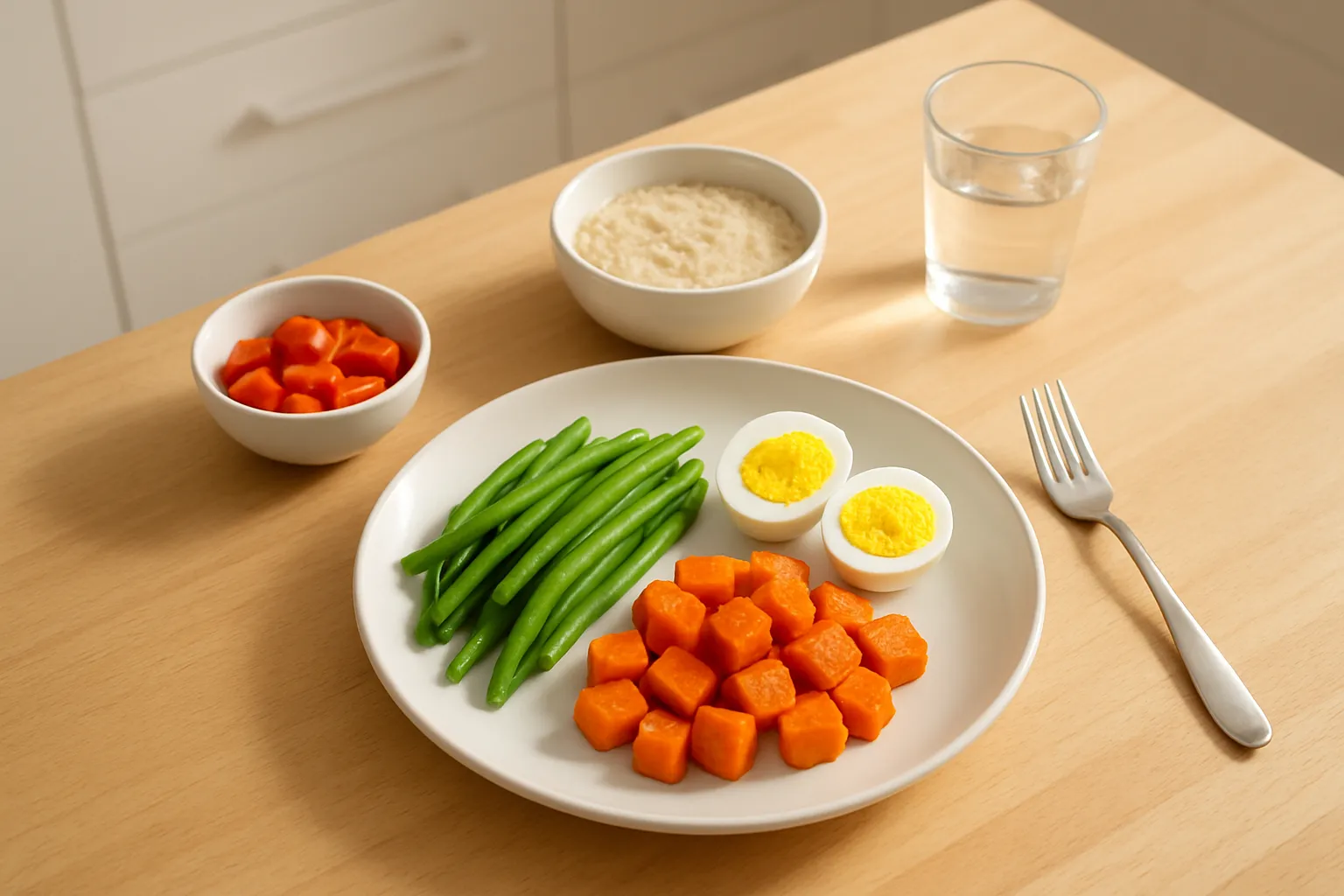
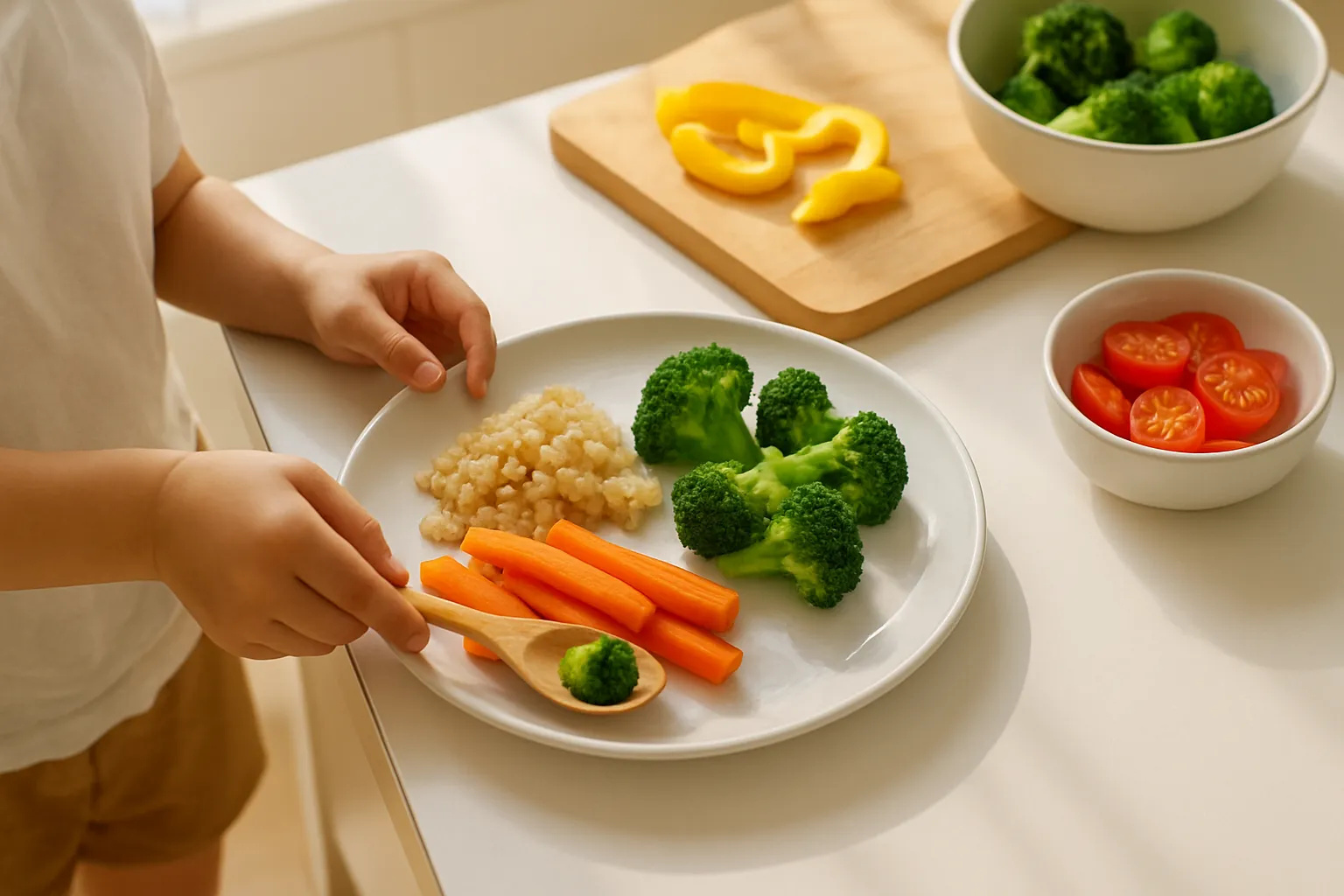
Banana Oat Pancakes Why they work: Soft, sweet and easy to pick up - great for breakfast or afternoon tea. Ingredients: 1 ripe banana, 2 eggs, 1/2 cup rolled oats, pinch cinnamon (optional). Method: Mash banana, stir in eggs and oats, heat a little oil in a frypan and cook dollops for 1-2 minutes each side until golden. Cool slightly before serving. Tips: Add mashed berries or grated apple for extra fruit. Freeze cooked pancakes between baking paper and reheat in toaster or microwave.
Veggie Mini Muffins Why they work: Handy for lunchboxes and sneaky veg delivery. Ingredients: 1 cup grated carrot, 1 cup grated zucchini (squeeze out excess liquid), 1 cup wholemeal self-raising flour, 2 eggs, 1/2 cup milk, 1/2 cup grated cheese. Method: Mix wet and dry ingredients separately, combine, spoon into a greased mini muffin tin, bake 12-15 minutes at 180°C until set. Tips: Swap dairy milk for oat milk if needed. Freeze in portions and defrost overnight in the fridge.
Hidden Veggie Bolognese Why it works: Familiar, comforting and great over pasta or as a dip for toast soldiers. Ingredients: 1 onion, 1 carrot, 1 zucchini, 1 stick celery, 500g lean mince (or red lentils for a veggie version), 400g tin tomatoes, splash of stock. Method: Finely chop or grate veg, brown the mince, add veg and cook a few minutes, add tomatoes and simmer 20-30 minutes until thick. Blend slightly for younger toddlers who prefer smoother textures. Tips: Make a big batch and freeze in meal-sized containers. Serve with small pasta shapes or mashed potato.
Salmon and Sweet Potato Patties Why they work: Soft, flaky and full of omega-3s. Ingredients: 1 cooked sweet potato, 200g cooked salmon (or canned), 1 egg, 1/4 cup breadcrumbs or rolled oats, small handful chopped parsley. Method: Mash sweet potato, flake in salmon, add egg and crumbs, form small patties and pan-fry gently until golden. Tips: Can be baked for less oil. Great with yoghurt dip or avocado mash.
Rainbow Veggie Fritters Why they work: Colourful and great for encouraging tasting. Ingredients: 1 egg, 1/2 cup flour, 1/4 cup milk, 1/2 cup corn kernels, 1/2 grated carrot, 1/2 grated zucchini, pinch salt. Method: Mix all ingredients, spoon small rounds onto a lightly oiled pan and cook both sides until set. Tips: Serve with a little tomato salsa or mashed avocado. Freeze cooked fritters flat.
Cheesy Spinach Pasta Bake Why it works: Creamy, melty and easy to portion for tiny hands. Ingredients: Small pasta shapes, handful spinach, 1 cup ricotta or cottage cheese, 1/2 cup grated cheddar, pinch nutmeg. Method: Cook pasta, stir through warmed spinach and ricotta, top with cheddar and bake 10 minutes until bubbly. Tips: Use wholemeal pasta for extra fibre. Blend slightly for younger eaters who prefer smoother textures.
Chickpea Smash and Veg Sticks Why it works: A protein-packed spread that kids can scoop themselves. Ingredients: 1 can chickpeas drained, 1 tbsp tahini or yoghurt, squeeze lemon, pinch cumin. Method: Roughly mash chickpeas with fork, stir through tahini or yoghurt and season gently. Tips: Serve with soft cooked carrot sticks, cucumber fingers, or wholegrain crackers. Reduce lemon and spices for very young toddlers.
Fresh Fruit Yoghurt Popsicles Why they work: Cooling, hydrating and a fun way to serve fruit. Ingredients: 1 cup natural or Greek yoghurt, 1 cup mashed seasonal fruit, 1 tsp honey for kids over 1 year (optional). Method: Stir fruit into yoghurt, spoon into moulds and freeze for several hours. Tips: Use reusable moulds with lids for easy packing. For younger toddlers, let them soften slightly before serving to avoid frozen teeth shock.
Quick swaps and serving tips to keep handy
- Cut food into appropriate sizes and watch textures as tastes change.
- Offer new foods alongside something familiar to reduce fuss.
- Freeze portions for busy nights so you always have a healthy option on hand.
- Balance each meal with protein, carbs and a veg or fruit - even small amounts count.
These recipes are great to mix and match across the week. They freeze well, travel well and most importantly, keep the mealtime meltdown to a minimum.
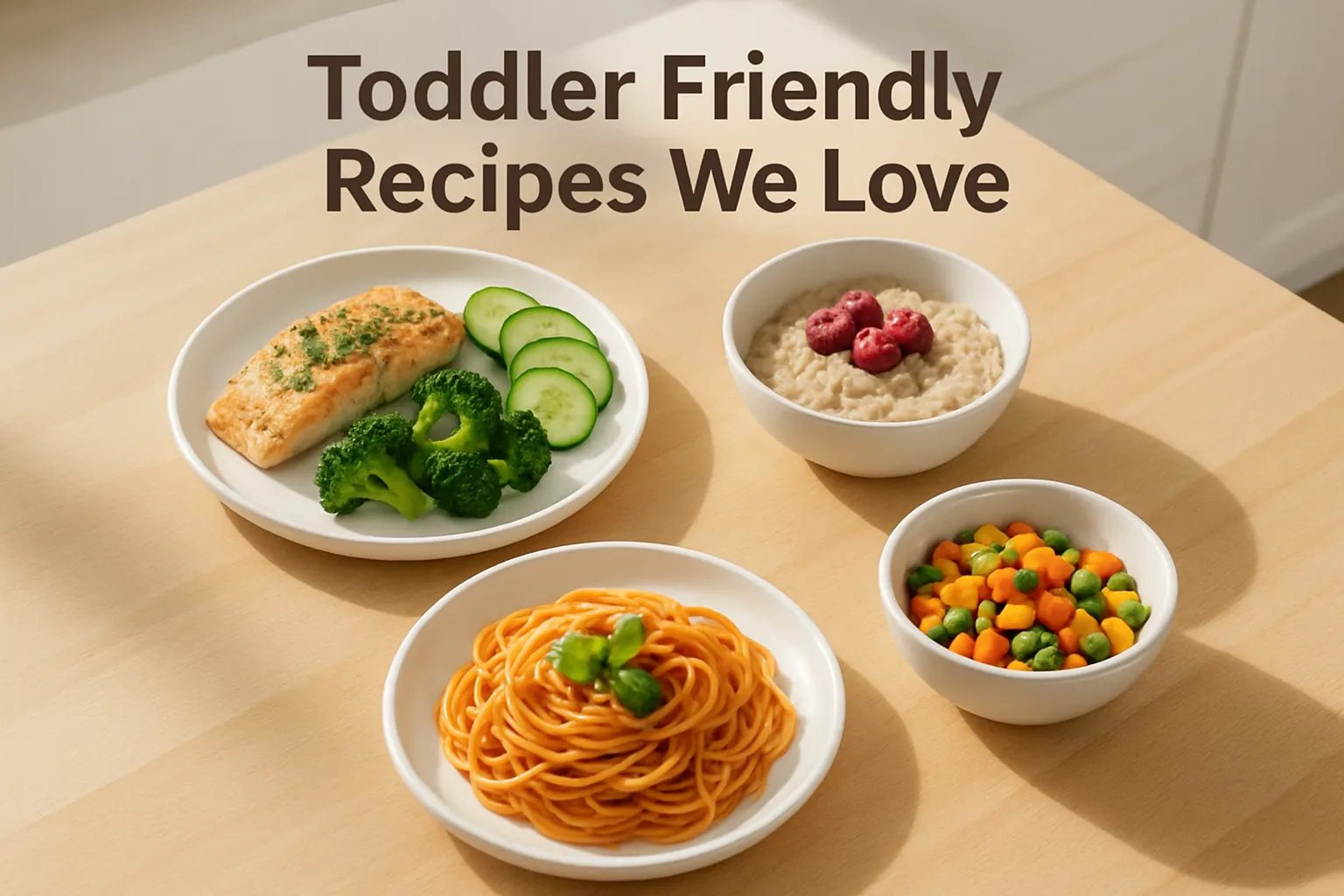
When your partner’s on a FIFO roster and evenings get unpredictable, these tricks keep dinner quick, healthy and low-drama.
Meal strategies that actually work
- Plan two go-to nights: one for a speedy 20 to 30 minute meal and one for a batch/freezer meal. Swap them around depending on the roster.
- Keep one slow cooker or instant pot recipe in the freezer ready to thaw. Shredded chicken or a veggie-packed ragu is gold when you need something hands-off.
- Do a fridge audit each morning. If something needs eating, build a simple meal around it rather than starting from scratch.
30-minute, toddler-friendly meal ideas
- Cheesy tuna and sweetcorn pasta: wholemeal pasta, canned tuna, sweetcorn, cream cheese or natural yoghurt, a sprinkle of grated cheese. Stir through and mash slightly for little ones.
- Fried rice with veg and egg: use cold leftover rice, frozen peas and carrots, scrambled egg, mild soy or tamari, a little sesame oil. Add shredded chicken for extra protein.
- Quesadillas: wholemeal wraps, mashed beans or chicken, grated cheese and finely chopped spinach. Toast in a pan and cut into wedges.
- Sheet-pan sausage and veg: toss thin-cut sausages, diced potatoes, carrot and pumpkin with a little olive oil and bake 25 minutes. Serve with steamed broccoli or peas.
- Mini frittatas: whisk eggs, grated veg and cheese, pour into a muffin tin and bake 18 minutes. Great fresh, freezeable and easy to reheat.
Batch cooking and freezer hacks
- Make meatballs or a big pot of ragu, portion into meal-sized bags and freeze flat. Defrost in the fridge overnight or in a bowl of cold water the morning you need it.
- Cook a tray of mini frittatas or muffins and freeze individually for emergency dinners or lunchbox additions.
- Slow cooker shredded chicken can be frozen in 1 cup portions. Use in wraps, tacos, fried rice or pasta.
- Freeze cooked grains in flat bags for fast defrosting. A minute in the microwave and they are dinner-ready.
Prep shortcuts that save evenings
- Buy a rotisserie chicken to rip apart into meals during a hectic week.
- Keep a stash of pre-chopped veg or a veggie bag from the supermarket for nights you have zero time.
- Make a “dinner list” on the fridge with what’s in the freezer and how to heat it, so whoever gets home first knows what to do.
- Batch-make snack packs of cut fruit, cheese cubes and crackers for toddlers who graze.
Easy toddler-friendly swaps
- Swap salt for herbs and mild spices to keep flavours interesting without overdoing sodium.
- Puree or finely grate extra veg into sauces and meatballs so they disappear into the meal.
- Serve new foods alongside something familiar, and let little hands assemble a plate if that helps them eat.
When the FIFO parent is coming home late
- Set aside a portion for reheating, labelled with simple heating instructions.
- Keep one truly quick option in the freezer, like pizza bases with sauce and grated cheese, that can be topped with leftovers and baked while you get kids ready for bed.
- If you want to leave something ready for the arriving parent, pack a lunchbox-style dinner with a sandwich, cooked veg, fruit and a yoghurt.
Leftover remix ideas
- Roast veg becomes soup or a frittata.
- Ragu makes a quick pizza topping or sloppy joe filling.
- Cooked rice turns into rice porridge for a softer toddler meal.
You don’t have to overcomplicate things. A few reliable freezer meals, a couple of 30-minute staples and a clear fridge note system will make FIFO nights feel manageable and keep the kids well fed without too much stress.
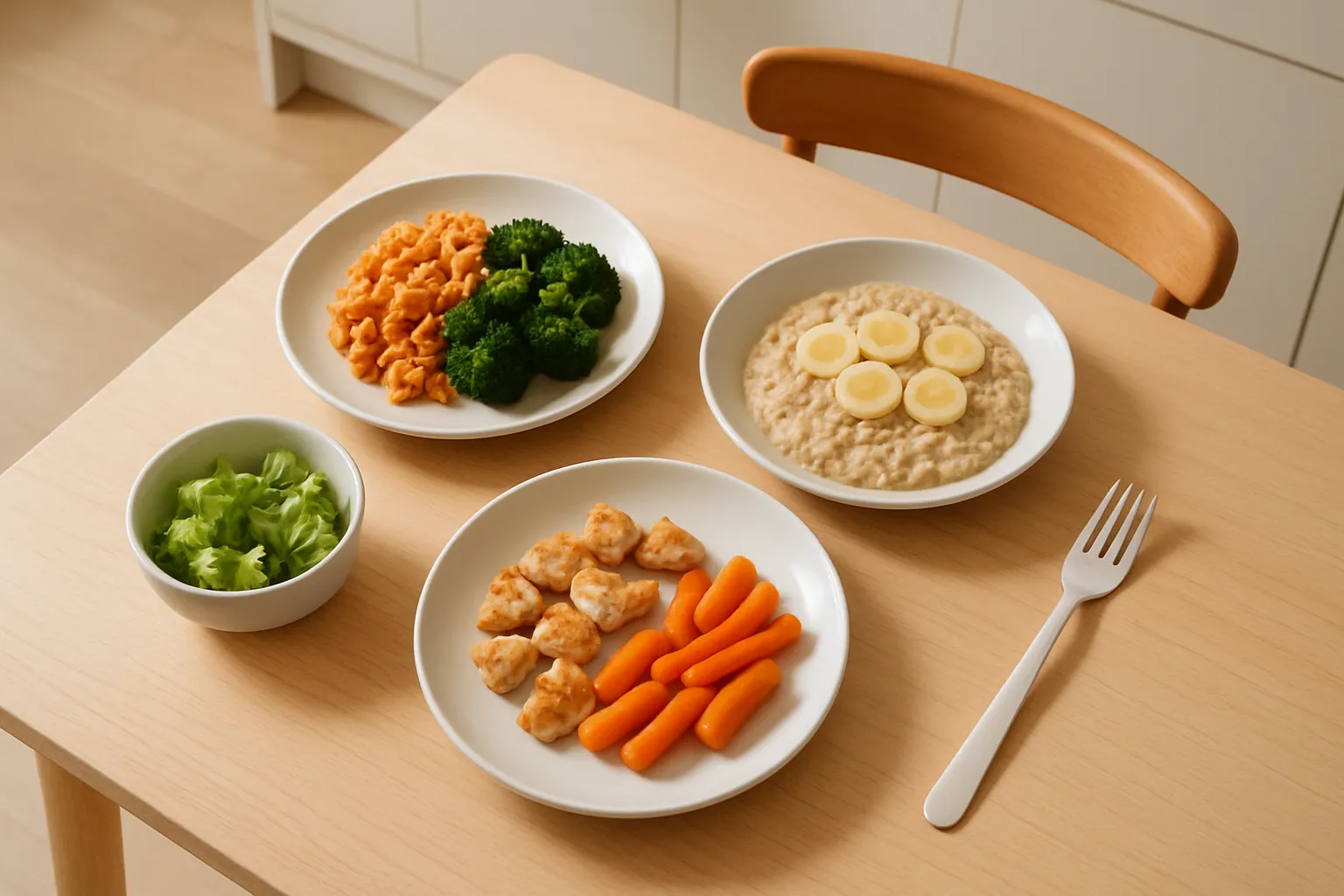
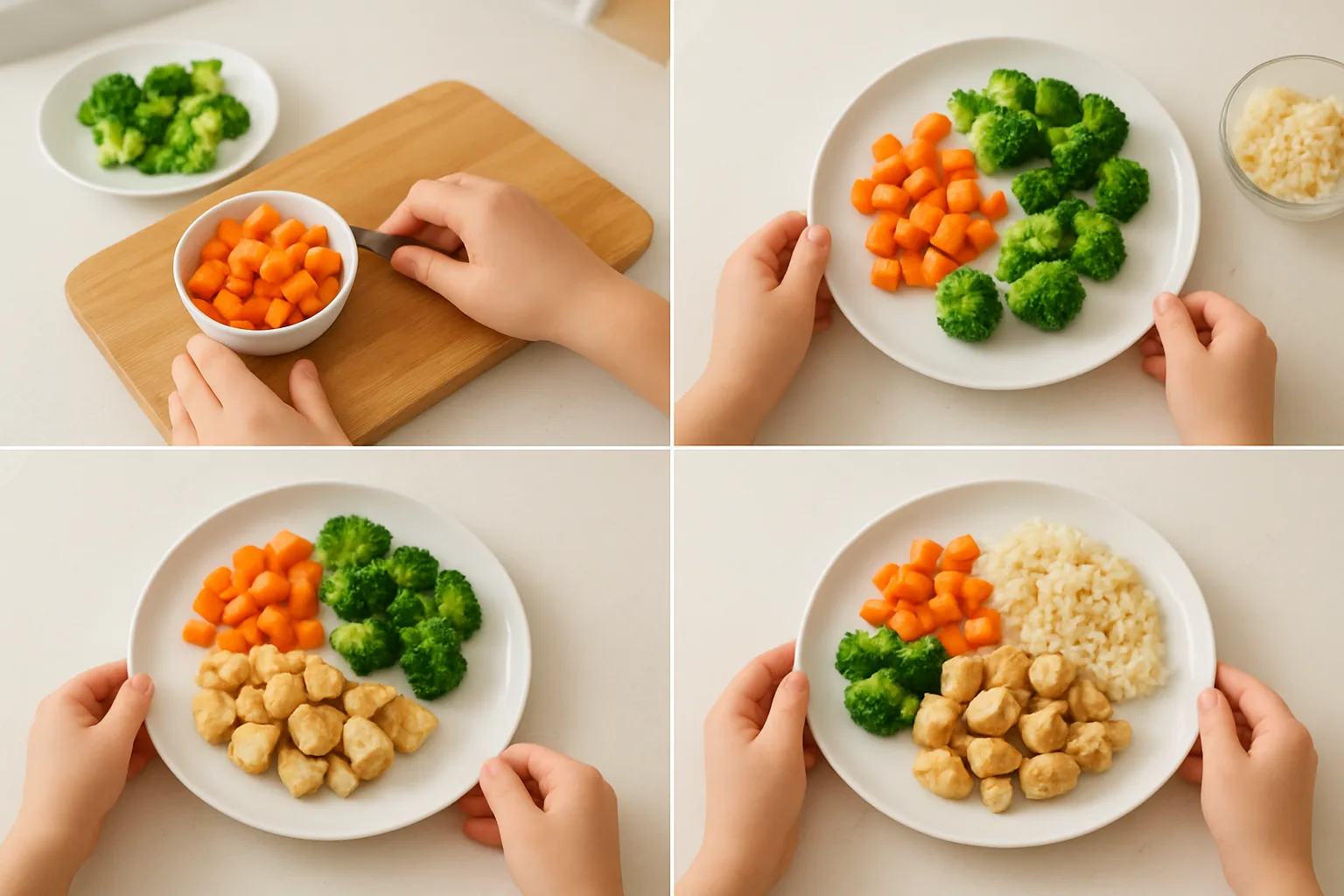
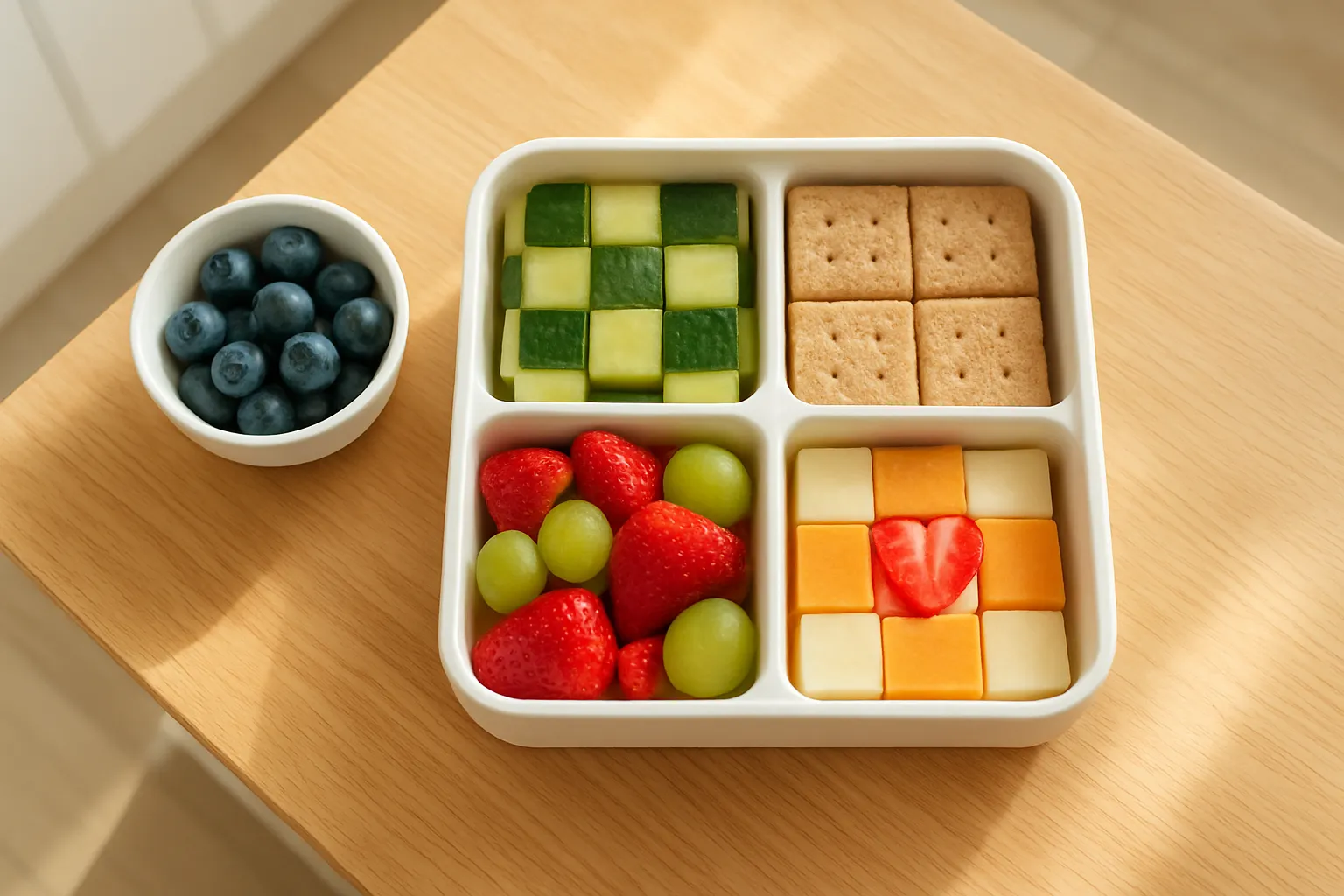
Think of the lunchbox as a mini quilt: lots of little squares with different colours, textures and flavours. Toddlers love picking at a few different things, and the patchwork look makes even plain veg feel exciting.
Quick patch ideas (toddler-sized portions)
- Mini sandwich squares: wholegrain bread trimmed crust-off, filled with mashed avocado and shredded chicken or smooth hummus and grated carrot. Cut into 3cm squares.
- Egg muffin bites: whisked egg with grated zucchini and cheddar, baked in a mini muffin tin. Cool and pack 1-2 pieces.
- Cheese cubes: mild cheddar or tasty cut into small cubes. Keep portions to 2-4 cubes.
- Soft fruit patches: halved grapes lengthways, very small berry piles or chopped kiwi. Avoid big chunks of apple unless grated or thin slices.
- Stewed fruit pot: apples or pears gently cooked and cooled, spooned into a tiny container.
- Veg sticks: steamed carrot and zucchini sticks or cucumber coins. Steam until tender for easier chewing.
- Hummus or yoghurt dip: two tablespoons in a small screw-top pot for dipping.
- Crunchy patch: wholegrain cracker pieces or broken oat biscuit for chewing practice.
- Mini banana bread or oat bliss ball: keep sweet treats small, one mini piece.
- Rice or quinoa balls: small chilled balls with tiny veg flecks, rolled to toddler-friendly size.
- Ham or turkey roll-ups: thin slices rolled and sliced into bite-size pieces.
- Warm thermos patch: a small portion of veggie soup or porridge for cooler days. Cool slightly before sealing.
Packing tips to get the quilt look
- Use a bento-style box or a container with lots of compartments. If you only have one compartment, pop silicone muffin cups inside to create the patches.
- Alternate colours and textures so each square looks different. Bright fruit next to a pale cheese cube looks more appealing than a tray of beige.
- Keep wet items separate in tiny pots to stop sogginess. Dips and stewed fruit are best in leakproof containers.
- Use a small ice pack for dairy and meat patches, or pack the box straight from the fridge.
- Assemble morning-of if possible for crispness, but you can prep and portion on the weekend to speed things up.
Safety and portion notes
- Cut grapes and cherry tomatoes lengthways. Remove any seeds.
- Soften hard veg by steaming, and cut into sticks or coins that a toddler can manage easily.
- Avoid whole nuts and large, hard chunks that could be a choking hazard.
- Aim for small spoonfuls or 1-3 tablespoon-sized portions per patch, depending on your child’s appetite.
Make-ahead ideas
- Bake a batch of egg muffins and mini banana loaves at the start of the week. Freeze extras and thaw the night before.
- Pre-cut veg and fruit and store in airtight containers so mornings are quick.
- Portion dips into tiny jars so you can grab-and-go.
Sample 9-patch lunchbox for a picky eater
- Egg muffin bite
- Hummus (small pot)
- Cucumber coins (steamed slightly)
- Mini sandwich square
- Cheese cubes
- Halved grapes
- Wholegrain cracker pieces
- Mini banana bread
- Tiny thermos of warm veg soup (optional for cooler days)
Little patchwork lunches make snack time feel like a cosy surprise rather than a battle. Change the colours, swap a patch or two each day, and let them pick which square to try first.
Browse Cuisines
From the Blog
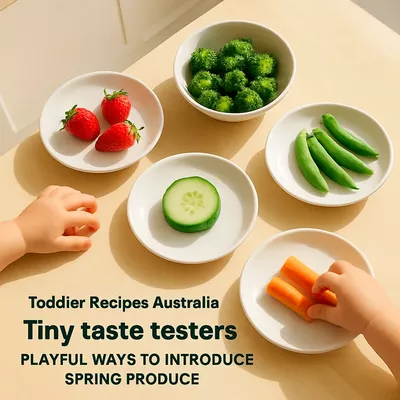
First up, a few no-fuss spring winners that keep sticky fingers and big clean-ups to a minimum. Quick to prep and easy for little hands to manage, these are the sorts of things I reach for when we want something...
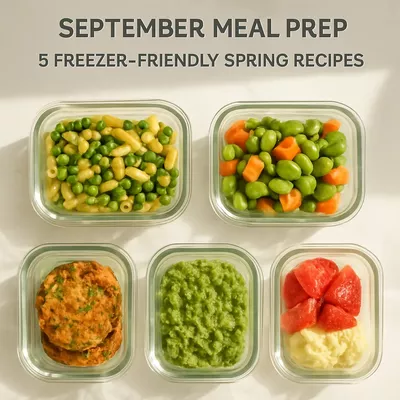
Nice - here’s how Steve keeps dinner simple without sacrificing flavour or sanity. A few good habits and the right packing tricks mean you can pull a proper family meal out of the freezer in minutes.
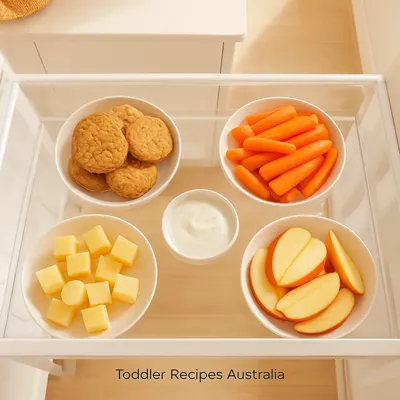
Righto, a couple of quick fridge fixes will make everything a whole lot easier. These are the simple, practical habits and setups that keep snacks safe, obvious and actually reachable for little hands.
 Never miss a recipe from us, subscribe to our newsletter