
Foods to encourage toddler picky eaters to try
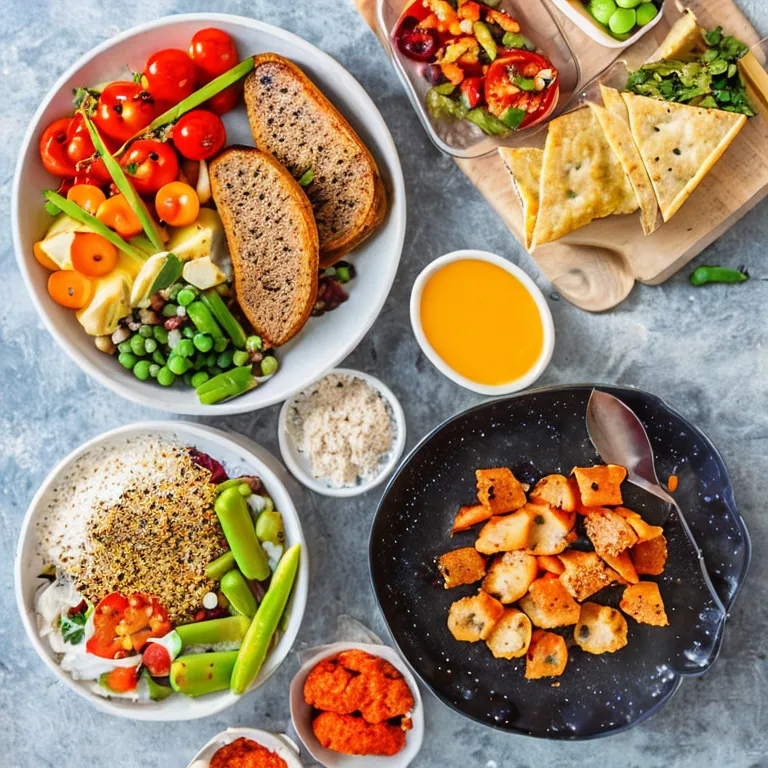
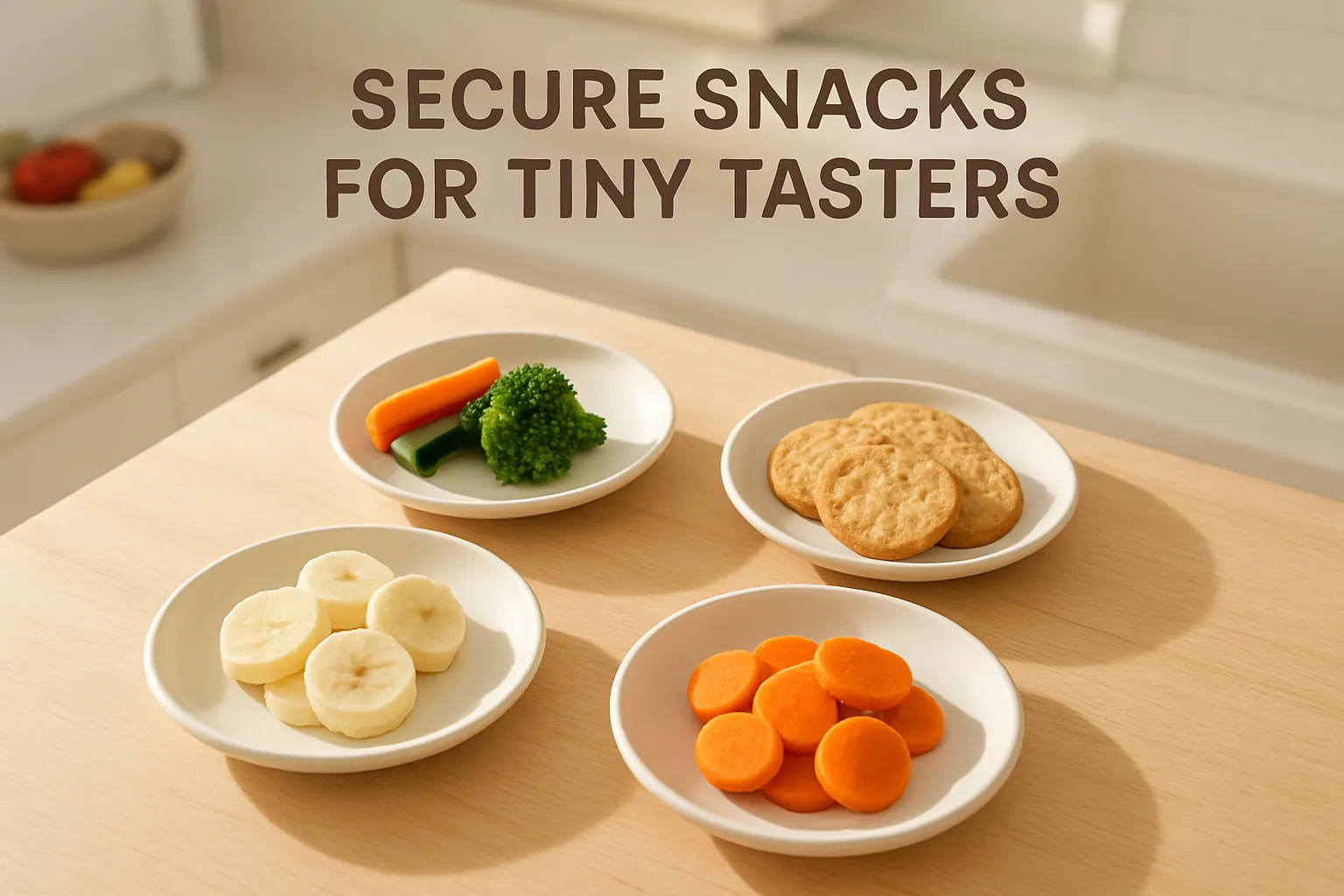
First up, quick note: snacks that are easy to eat, packed with a bit of good stuff, and safe to hand over make life heaps easier. Below are trusted ideas, portion and packing tips, and simple prep you can do in five to ten minutes.
Snack ideas and how to prep them
- Soft fruit pieces: ripe pear or banana slices, or stewed apple. For grapes and cherry tomatoes always cut lengthways so they are not round and whole.
- Veg coins: steam carrot, pumpkin or zucchini until soft, then slice into thick coins. Cool and pack in a small container. They’re easy for little fingers to pick up.
- Mini egg muffins: whisk egg with a handful of grated veg and a little cheese, pour into a greased muffin tin and bake 12-15 minutes. Freeze extras and defrost overnight in the fridge.
- Avocado toast bites: mash avocado with a squeeze of lemon, spread thin on toast and cut into small strips or squares. Keeps well on the day.
- Yogurt pots with a twist: full-fat plain yogurt with a small jar of fruit compote or mashed berries on the side so they can dip or spoon. Use an insulated bag for outings.
- Smoothie ice cubes: blitz banana, spinach and yoghurt, freeze in ice cube trays. Pop a couple into a sippy cup or bowl to thaw slightly for a slushy snack.
- Hummus and soft dippers: hummus with steamed carrot sticks, soft-cooked sweet potato wedges or torn pita. Cut dippers into thin strips for safety.
- Cheese and wholegrain crackers: cut cheese into thin slices or small cubes. Go for low-salt crackers and keep portions small to avoid grazing all afternoon.
- Cottage cheese or ricotta with fruit: spoon into a small pot and top with soft peeled peaches or mashed pear.
- Oat balls: mix rolled oats, mashed banana and a spoon of peanut or almond butter, roll into tiny balls and chill. Great for busy hands.
- Small baked sweet potato chips: slice thin, toss with a little oil, bake until soft-crisp. Cool before serving.
Make-ahead and packing tips
- Portion into silicone muffin trays or small containers so you can grab-and-go. Toddlers like predictability.
- Freeze extra egg muffins, oat balls and smoothie cubes. Pull them out the night before to defrost.
- Use leakproof snack cups with flip tops; they keep crumbs away and save on spills.
- Pack a few wet wipes and a small mat for park picnics. Cleanup is half the battle.
Encouraging new tastes without pressure
- Pair a new bite with a favourite. Tiny tastes next to something they already like reduces pushback.
- Offer just one or two bites of something unfamiliar rather than a plateload. Short exposures, often, win over time.
- Play with colour and shapes. A few cookie-cutter shapes or a smiley-face arrangement can change a “no” to a “maybe”.
Safety notes
- Avoid whole nuts, hard chunks of apple, whole grapes and large firm pieces for under four. Chop or mash instead.
- Popcorn and hard candies are a choking risk for young toddlers; save them for later years.
- Supervise snack time. Little ones still need watching even with soft foods.
Timing and portions
- Keep snacks small and predictable: think handful of items rather than a whole meal. Snacks are to tide them over and keep them open to the next meal.
- Aim for a snack roughly midway between meals so they still want dinner.
These are the sorts of snack wins that make outings calmer and afternoons smoother. Small tweaks to size, texture and packing make a big difference to whether a picky eater actually tries something new.
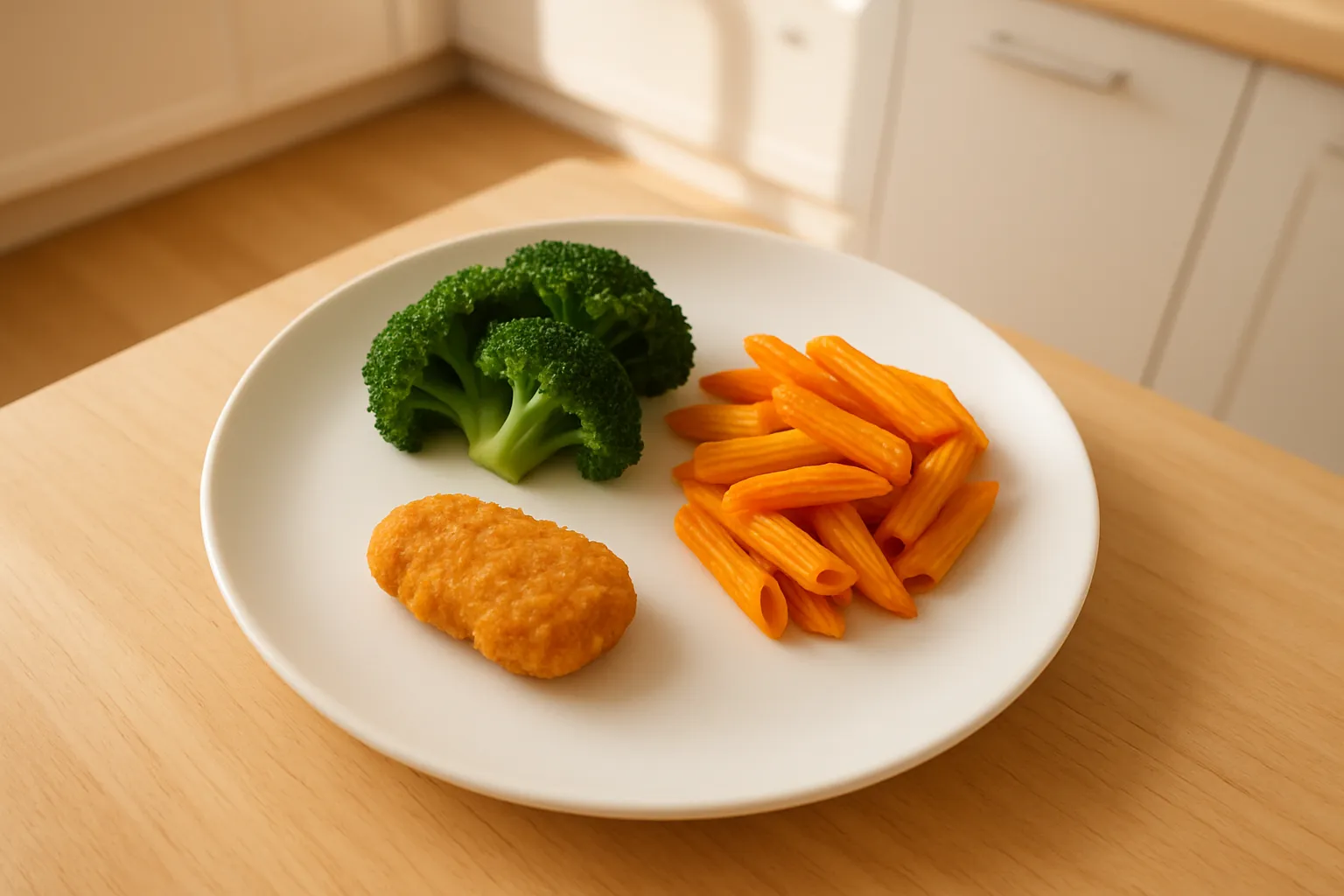
Right - time to get vegetables playing hide-and-seek in meals without turning dinner into a battleground. Here are simple, toddler-friendly ways to sneak veg into everyday food, plus quick how-tos you can try tonight.
Puree into sauces
- Cook sweet veg (pumpkin, carrot, sweet potato) until very soft, blitz with a splash of cooking liquid or stock, then stir into spaghetti bolognese, curry or tomato sauce. Keeps texture smooth and flavour familiar.
- Tip: roast the veg first to bring out sweetness and cut any grassy taste.
Grate and squeeze
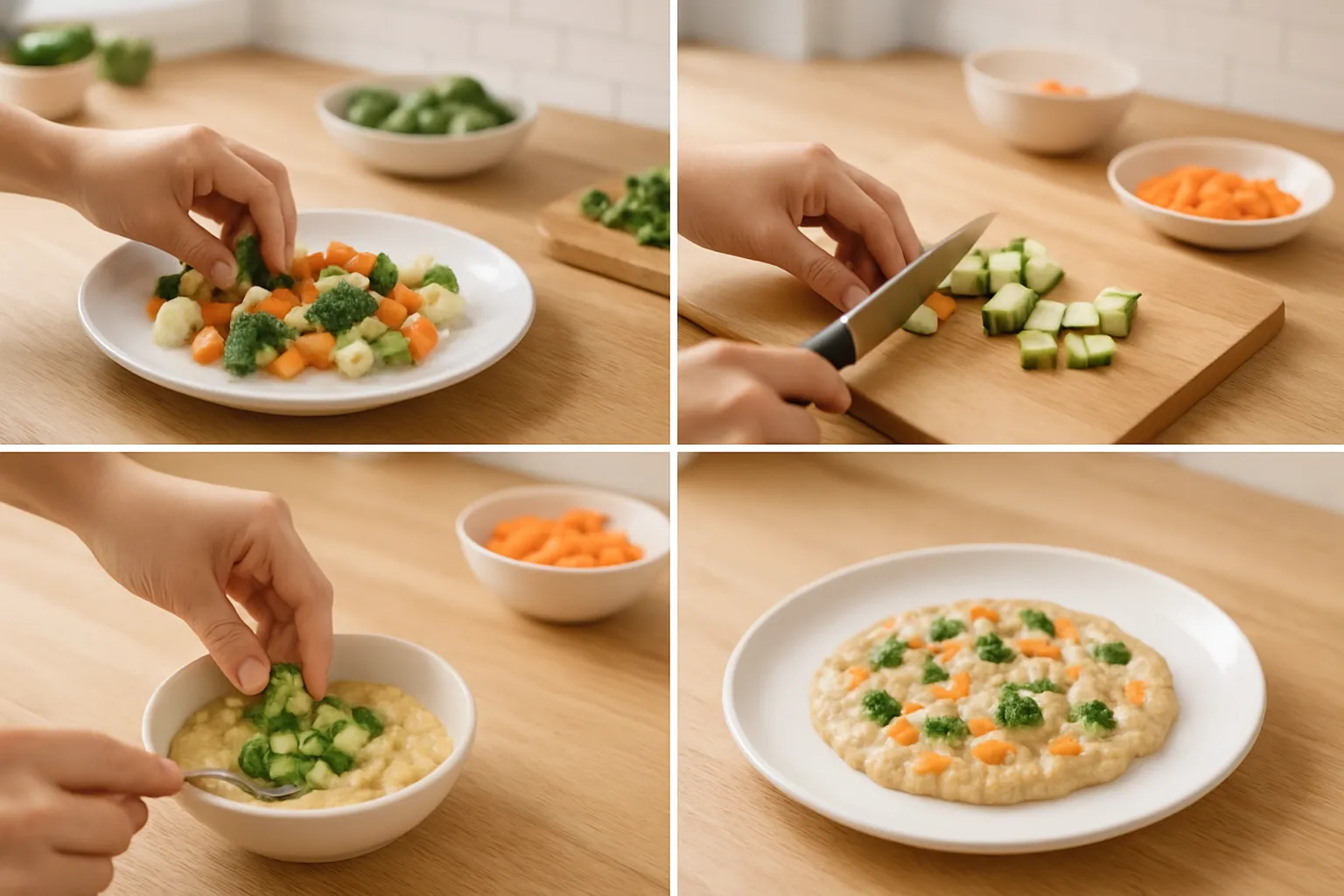
- Zucchini, carrot and beetroot grate into mince, burger patties, meatballs or fritters. Squeeze out excess moisture from zucchini before adding to batter so it holds together.
- Small wins: add a handful to taco mince or sloppy joe mix - kids usually notice nothing.
Sneaky smoothies
- Spinach and mild-tasting greens vanish in a fruit smoothie. Blend 1 cup spinach + 1 banana + handful of berries + yoghurt or milk and freeze in kid-sized pots for grab-and-go brekkie.
- Start with a small handful of spinach and build up as they get used to it.
Veg-packed bakes
- Muffins, pancakes and scones are brilliant for hidden veg. Try banana + grated zucchini pancakes or carrot and apple muffins with a bit of cinnamon. Use recipes that already have a sweet base so the veg blends in.
- Freeze portions and warm quickly for quick lunches.
Cheesy covers
- Cheese is a great camouflage. Mix pureed cauliflower into mashed potato with lots of grated cheese, or fold spinach into a cheesy pasta bake.
- Cheese also softens bitter notes in leafy greens.
Change the texture
- If your kid hates mushy veg, try crunchy: roast carrot and parsnip sticks until caramelised, or make oven-baked sweet potato chips. If they hate crunch, blend veg into soups, sauces or smoothies instead.
- For toddlers prone to gagging, cook and mash finely rather than offering raw chunks.
Swap the base
- Turn cauliflower into rice by pulsing raw florets then lightly frying; use as a base for stir-fries. Try grated carrot or zucchini in fried rice or noodle dishes.
- Spiralised zucchini makes a fun “pasta” replacement served with familiar sauce.
Sweeten naturally
- Use apples, pears or a little orange juice to sweeten beetroot or carrot blends in bakes and sauces. You’ll mask the earthy notes and add fibre at the same time.
Bold disguises
- Beetroot in brownie or chocolate cake works surprisingly well - the cocoa hides the colour and gives moisture. Pureed pumpkin or sweet potato in muffins gives colour and sweetness.
- Keep proportions modest to start, then increase once they’ve accepted the texture.
Dips and spreads
- Blend roasted capsicum, carrots or pumpkin into hummus or cream cheese. Slather on toast, crackers or veggie sticks. Kids love dipping, so this gets veggies into their mouths with minimal fuss.
Get them helping
- Let them press the button on the blender, stir batter or sprinkle cheese on top. Involvement means curiosity and more willingness to try what they helped make.
Prep hacks
- Make big batches of veg purees and freeze in ice cube trays or small containers. One cube into a sauce, soup or mash saves time and keeps meals consistent.
- Keep a drawer of frozen grated veg for quick pancakes, fritters or bakes.
Safety and patience
- Grate finely or cook thoroughly to avoid choking hazards. Keep offering even if they reject something - exposure over time often changes tastebuds.
- Celebrate tiny wins. A forkful today might become a favourite next month.
No miracles, just small swaps and a bit of persistence. Try one trick this week and see which one your little one accepts first - that tiny victory often opens the door to more.
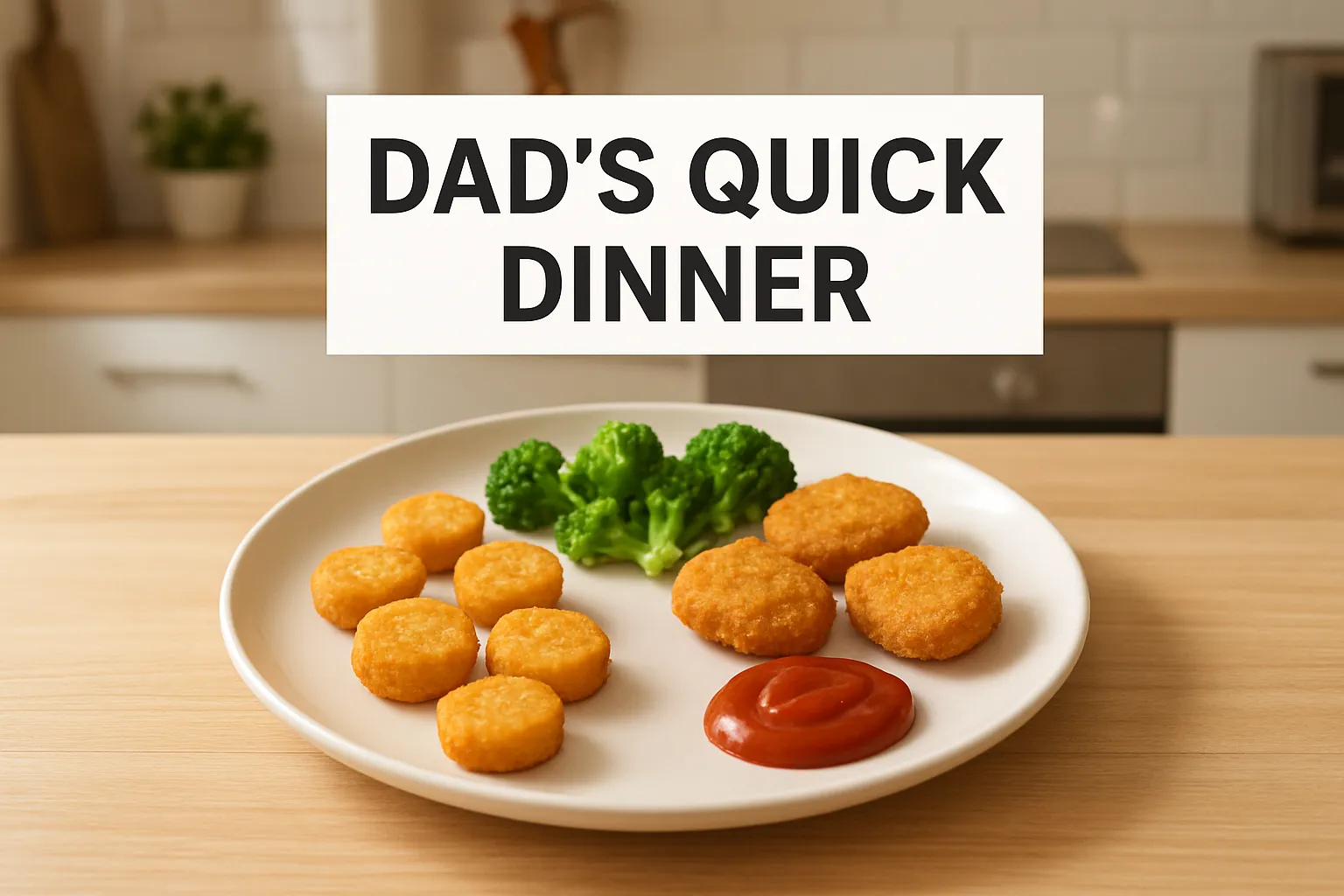
Dad’s Quick Dinner Patches
When dinner’s about to fall apart, a few quick patches will save the night. These are things you can throw together with what’s in the pantry and a couple of freezer staples, and that picky toddler is more likely to eat than a full-blown new recipe.
Pantry-and-freezer emergency kit (keep these on hand)
- Frozen meatballs or sausages, pre-cooked
- Tortilla wraps or sandwich bread
- Grated cheese in the fridge or freezer
- Jarred pasta sauce and a tin of tomatoes
- Frozen peas and corn
- Eggs
- Canned tuna and sweetcorn
- Puff pastry or frozen shortcrust
- Plain yoghurt or mild hummus
- Breadcrumbs and a packet of frozen grated carrot
Quick patches you can do in 5-15 minutes
Cheesy veg quesadilla - 5-8 minutes
- Spread a tortilla with a thin layer of jarred pasta sauce or hummus. Sprinkle grated cheese, a handful of finely chopped or grated veggies (carrot, zucchini, or frozen peas), fold and toast in a frypan until golden. Cut into wedges and serve with a dip. Great for hands-on toddlers who like to pick.
Speedy hidden-veg pasta - 10 minutes
- Saute a minced clove of garlic in olive oil, add jarred pasta sauce + a tin of crushed tomatoes, then stir in a handful of frozen peas and a big spoonful of grated carrot (thawed or fresh). Heat through and toss with pasta. Blitz 1/4 cup of sauce in a blender to make it extra smooth if needed.
Mini meatball rescue - 12-20 minutes
- Warm frozen meatballs in a saucepan with jarred sauce, then place on small skewers or toothpicks for dipping. Serve with steamed cubes of potato or toast soldiers. For oven: pop on a tray, sprinkle cheese and bake until bubbling.
Tuna melt toasties - 8 minutes
- Mix canned tuna with a spoon of yoghurt, a little sweetcorn and grated cheese. Spoon onto toast, top with another slice and grill until golden. Cut into fun shapes.
Puff-pastry pizza patches - 12-15 minutes
- Cut puff pastry into small rounds, top with sauce, grated cheese and tiny veg bits. Bake until puffed and golden. Small portions that feel special.
Egg-and-cheese scramble wraps - 5-7 minutes
- Scramble eggs softly, fold in grated cheese and a handful of steamed peas, then spoon into a wrap. Roll up and slice into bite-sized pieces.
Make-it-fun plating hacks
- Serve several “patches” on a tray so the toddler can choose: a meatball, a quesadilla wedge, a cheese cube, a toastie triangle.
- Dips make everything more appealing. Keep a small pot of yoghurt, mild mayo or tomato dip on the side.
- Use cookie cutters on toast, pancakes and leftover meat slices for instant novelty.
Batch-and-freeze patches
- Make double of bolognese, meatballs or mini frittatas and freeze in portions. Reheat in the microwave or on the stove for a five-minute rescue.
- Freeze grated veg in ice-cube trays with a splash of water or sauce so you can pop one or two cubes into meals.
Little adjustments that work wonders
- If texture is the issue, smooth sauces and purees help. Blend soups or sauces to a toddler-friendly consistency.
- Keep flavours mild. A pinch of cheese, a tiny bit of butter or a dash of soy can make a bland veggie more tempting.
- Let them help. Even stirring a sauce or choosing the cheese gets kids curious enough to try a bite.
These patches aren’t fancy, but they fix dinner fast and quietly. Keep the staples stocked, and you’ll get out of most dinner dramas with a winner on the plate.
Try one new flavour at a time and make it familiar. Small plates, small tastes and a friendly dip will turn “no thanks” into “more please” faster than a lecture.
Quick wins and how to tweak them
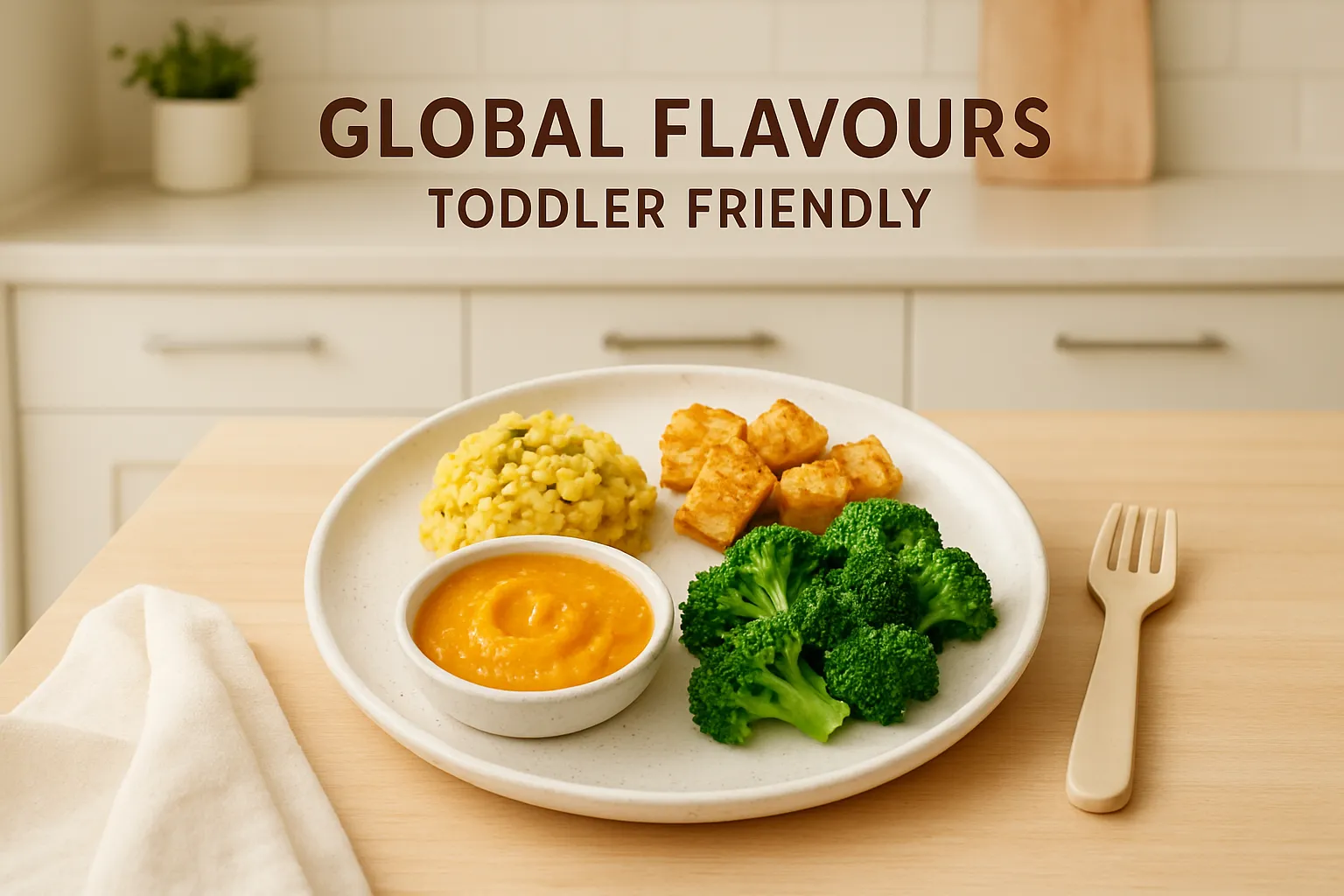
- Mild chicken korma: simmer diced chicken with apple or pear puree, a little coconut milk and a very small pinch of ground cumin and turmeric. Serve tender over mashed potato or soft rice so the texture feels familiar.
- Teriyaki meatballs: mix minced chicken or beef with grated carrot and a little soy sauce, bake, then glaze with a low-salt homemade teriyaki (soy, honey, water, cornstarch). Soft, sticky and perfect for chubby little fingers.
- Mini quesadillas: wholemeal tortilla, grated mild cheese, mashed black beans and finely chopped avocado. Toast gently and cut into wedges. Great for hands-on eating.
- Gentle dal: yellow split peas or red lentils cooked until very soft, lightly seasoned with turmeric and a tiny bit of cumin, blended smooth if needed. Serve with a dollop of yoghurt to cool the flavour.
- Hummus plate: homemade hummus thinned with a little extra lemon and olive oil, served with soft pita strips, steamed carrot sticks and cucumber coins. Add mashed roasted pumpkin to the hummus for sweetness.
- Mild satay-style chicken: replace peanuts with sunflower seed butter if worried about allergies. Cook strips of chicken in coconut milk, a small spoon of seed butter and a touch of honey. Keep it thick, not spicy.
- Little sushi rolls: soft rice, thin omelette strips, avocado and cooked salmon. Roll tight and cut into toddler-friendly pieces. No raw fish, no wasabi.
- Mini naan pizzas: spread a light tomato passata, top with grated vegetables and cheese, bake until melty. Cut into triangles for easy grabbing.
Practical serving tips
- Offer new items alongside something they already love. A tiny spoon of curry next to mashed sweet potato feels less scary.
- Keep portions tiny. A couple of bites is enough for a win. You can always offer seconds.
- Sauces on the side are gold. Toddlers often try a dip before committing to a whole mouthful.
- Match textures they like. If they prefer mashed food, mash the new dish once and gradually add chunkier bits over time.
- Repeat exposure. Most kids need 8 to 15 tries before accepting a new flavour. Don’t give up after one grimace.
Spice, salt and allergy safety
- Start with one new spice at a time and use tiny amounts. Herbs like coriander, parsley or basil are less challenging than chilli.
- Reduce salt and use low-sodium soy or tamari. Avoid whole nuts; use seed butters for nut-free options.
- Cut grapes, cherry tomatoes and sausages into very small pieces. Keep hot spices and chilli out of toddler meals.
Presentation ideas
- Use muffin trays to make tiny portions of different bites so the plate isn’t overwhelming.
- Bento-style boxes with compartments let them explore mixed flavours at their own pace.
- Fun names help: “little moo balls” instead of meatballs, “sunny rice” instead of curried rice.
Small steps into global food can open up a whole world of favourites. Keep it relaxed, offer tiny tastes often, and celebrate the little wins.
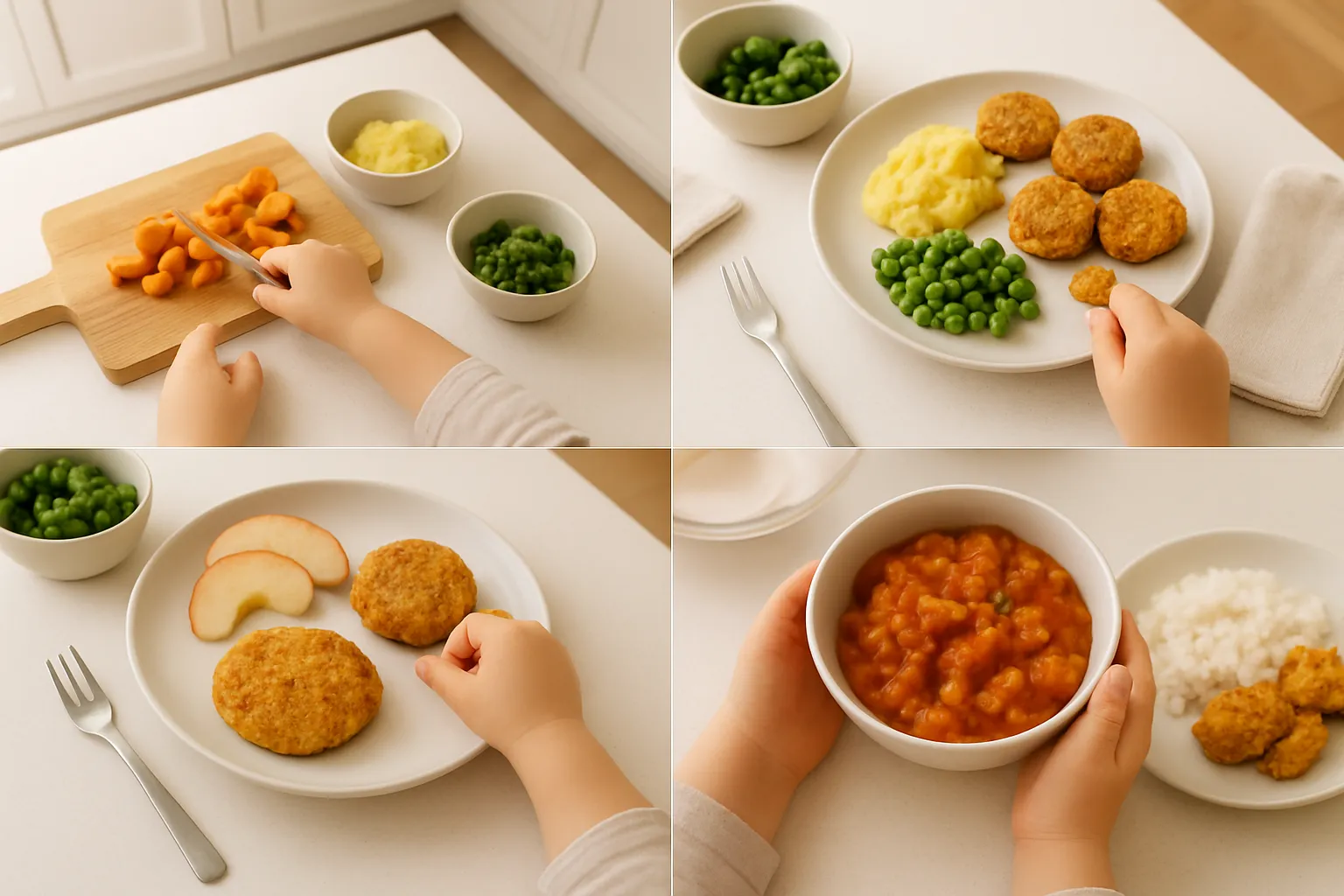
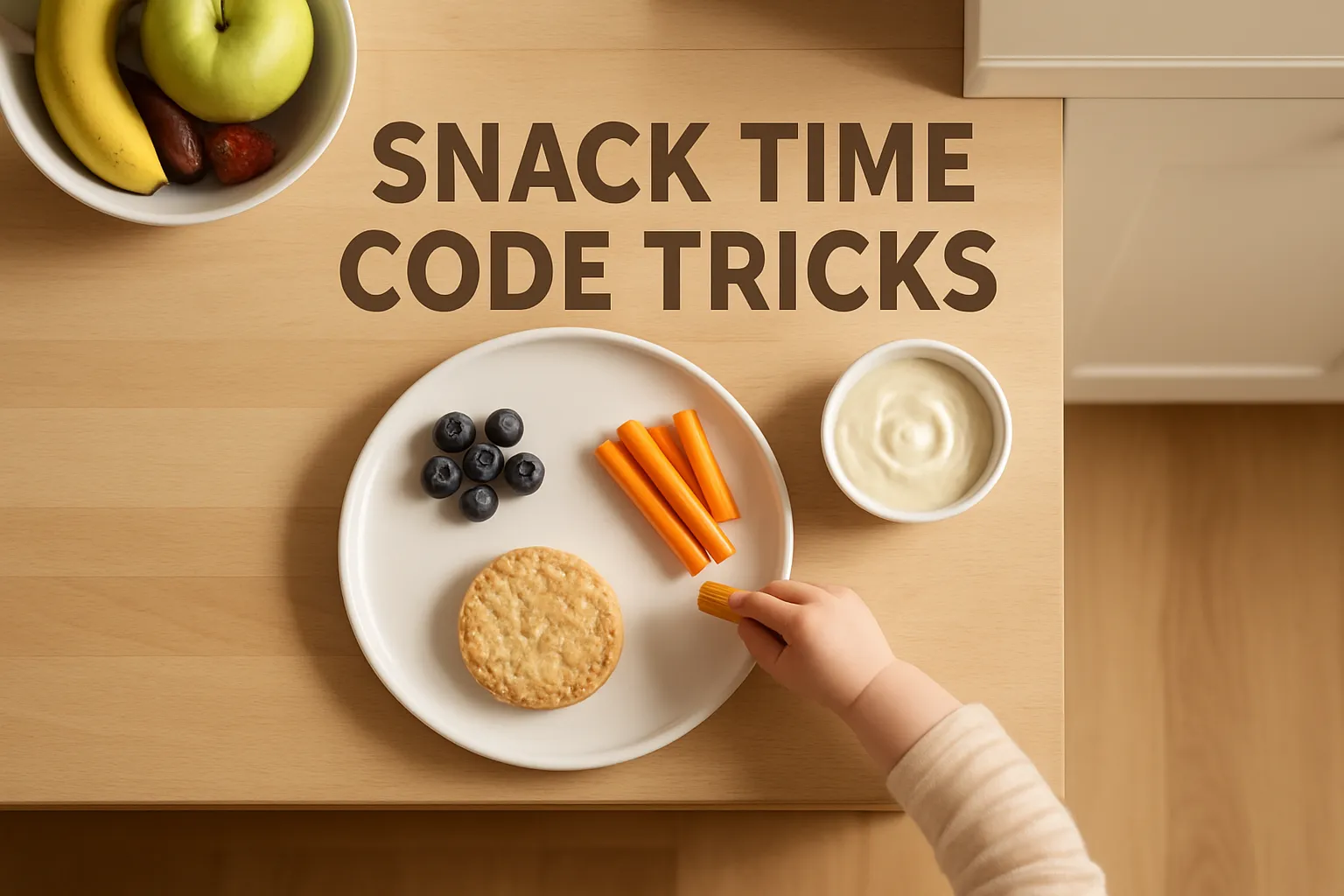
Turn snack time into a little secret mission and watch curiosity do the heavy lifting. Here are easy, low-fuss code tricks that make toddlers want to try new things.
Colour-code jars
- Pick three colours of stickers or washi tape and assign each a meaning, for example green for veg, yellow for fruit, blue for protein. Stick them to small tubs so your kid can “pick a colour” when hungry.
- Keep portions bite sized so everything is safe and easy to eat.
Sticker clue chart
- Make a tiny chart with pictures and simple symbols. Earn a sticker for trying something new. No big rewards needed, just a quick high-five and a sticker keeps momentum.
- Change the symbols weekly so it stays fresh.
Mystery bag
- Fill an opaque snack bag with 3-4 options, labelled with numbers. Let your toddler choose a number to reveal the snack. Ideas: cheese cube, cucumber coin, berry halves, a mini rice cake.
- Great for car trips or an arvo at the park.
Dip control panel
- Put three tiny bowls in front of your child, each with a different dip and a matching symbol. Let them match sticks to dips. Things kids love: plain yoghurt mixed with mashed banana, smooth hummus, mashed avocado with lemon.
- Good dippers: soft cooked carrot coins, blanched broccoli florets, little pita triangles.
Mini skewers and “satellite sticks”
- Thread soft things on short blunt skewers or wooden picks: cheese cubes, thin ham strips, steamed sweet potato cubes, grape halves (cut lengthwise). Call them satellite sticks and let your toddler build their own line-up.
- Always supervise and cut grapes lengthwise to avoid choking.
Snack roulette
- Make a spinner with categories like fruit, veg, dairy, wholegrain, surprise. Spin to pick a snack category. Keep a small basket of prepped options ready for a quick win.
Build-your-own puzzle plates
- Offer small components a child can assemble into a face or animal on a rice cake, small wrap or slice of toast. Example plate: hummus, grated carrot, cucumber slices, raisins and a slice of cheese for eyes.
- Kids get to be creative and that ownership helps them taste new combos.
Picture matching cards
- Laminate simple picture cards showing a snack combo. Toddlers match the real food to the card. This is great for quieter moments and helps non-readers make choices.
Portable mission packs
- Use divided containers for easy outings. One compartment per “code”. Perfect for a quick park stop or watching the footy in the backyard.
Tiny challenges
- Turn it into a micro-mission: try one bite of the chosen snack before running off to play. Keep it light and playful, not pressure-filled.
Quick combo ideas
- Banana slices, a smear of peanut butter, and a sprinkle of crushed cereal.
- Soft-cooked sweet potato cubes with a tiny pot of cinnamon yoghurt for dipping.
- Mini wholegrain wrap with mashed avocado and shredded chicken.
Safety note
- Always cut high-risk foods small and supervise snack time. Keep water handy and avoid whole grapes, whole cherry tomatoes, nuts and other choking hazards for under-fives.
These little code tricks are more about fun than forcing food. Change the game often, keep portions small and let your toddler feel in control. It makes snack time into something they look forward to.
Browse Cuisines
From the Blog
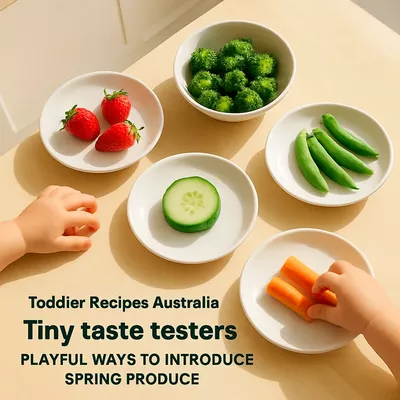
First up, a few no-fuss spring winners that keep sticky fingers and big clean-ups to a minimum. Quick to prep and easy for little hands to manage, these are the sorts of things I reach for when we want something...
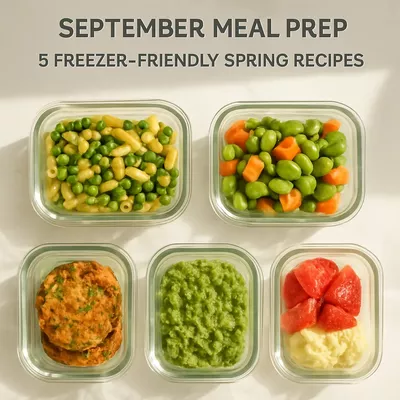
Nice - here’s how Steve keeps dinner simple without sacrificing flavour or sanity. A few good habits and the right packing tricks mean you can pull a proper family meal out of the freezer in minutes.
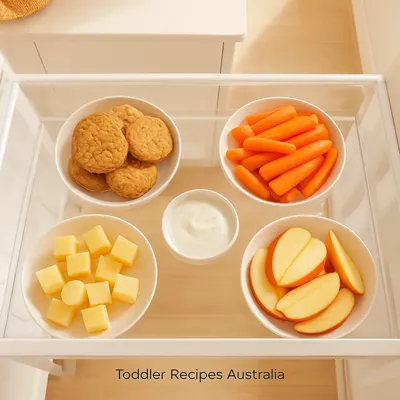
Righto, a couple of quick fridge fixes will make everything a whole lot easier. These are the simple, practical habits and setups that keep snacks safe, obvious and actually reachable for little hands.
 Never miss a recipe from us, subscribe to our newsletter