
Cultivating a healthy relationship with food for children
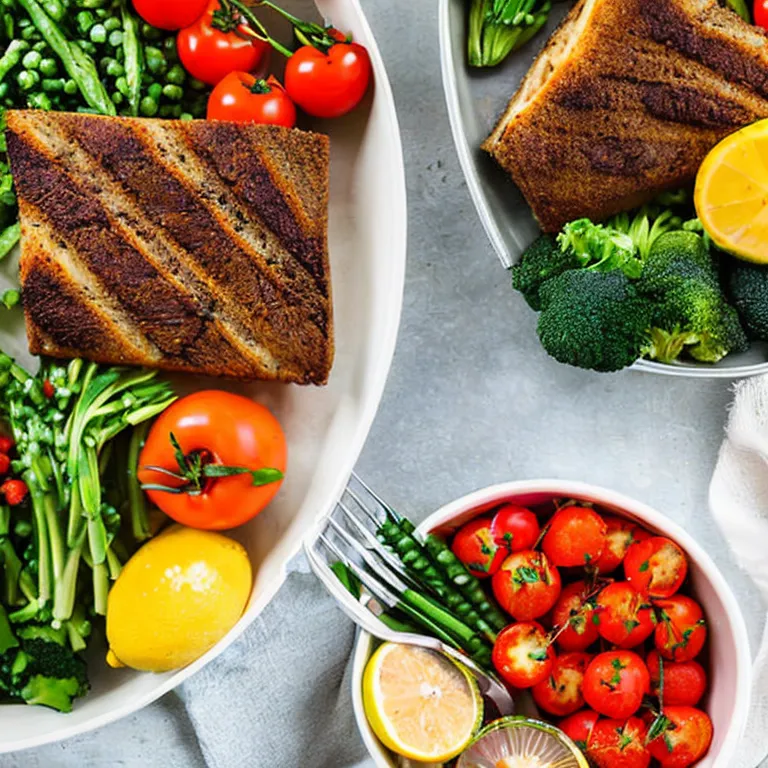
Righto, time to chip away at that kitchen firewall and get proper family dinners back on the menu. Start small and stick to a few simple habits and the rest will follow.
Practical steps to move from strict control to relaxed family meals
1) Pick one habit to change this week
- Don’t try to overhaul everything at once. Maybe this week the rule is no short-order cooking. Next week, introduce a snack schedule. Small wins build confidence.
2) Serve one meal for everyone
- Make the same main for grown-ups and kids. If flavours are strong, offer plain sides rather than cooking a whole separate dish. For toddlers that might mean the same roasted veg with a little steamed rice on the side. Keep portions tiny and let them ask for more.
3) Give limited choices
- Choices help toddlers feel in control. Offer two safe options, for example “Do you want carrot sticks or cucumber?” or “Would you like apple slices or banana?” Keep the decision within the meal so you still steer what’s on the plate.
4) Set a snack timetable
- Grazing kills appetites. Aim for breakfast, morning snack, lunch, afternoon snack and dinner with roughly 2.5 to 3 hours between. Finish the last snack 30 to 60 minutes before dinner so they come to the table hungry enough to try things.
5) Involve little hands
- Tasks that match their age make meals feel shared. Toddlers can wash veg, tear lettuce, stir a bowl, or place napkins. The pride of helping often beats any nagging to eat something.
6) Use calm, neutral language
- Replace “Eat your vegetables” with statements like “This is what we’re having tonight. You can try a little taste if you like.” If they say no, try “Okay, no worries. Sit with us and tell me about your day.” Neutrality removes the pressure and reduces the power struggle.
7) Manage refusals without rewards
- Avoid bribes or dessert as a punishment or reward. Instead offer natural consequences: “If you don’t want dinner, you can sit with us and have a piece of fruit after everyone’s finished.” That keeps boundaries consistent without turning food into bargaining chips.
8) Create a small fallback, not a separate meal
- If a child genuinely refuses the family meal, keep a simple fallback available that does not demand separate cooking. Think chopped fruit, a plain yoghurt, or toast. The idea is to avoid escalating to a full alternate plate that encourages picky expectations.
9) Keep mealtime predictable and pleasant
- Eat at the table when you can, aim for similar times each day, and have a simple ritual like lighting a candle or a quick round of “one good thing” from the day. Turn off devices or keep them for emergencies only. Predictability helps toddlers feel safe and less defensive about food.
10) Plan leftovers into the rhythm
- Use leftovers creatively so refused items don’t feel like failures. Roast veg can be blitzed into soup, or yesterday’s chicken folded into quesadillas. Let kids help repurpose meals; it’s another way to make food familiar.
Phrases you can try
- “This is what we’re having tonight. You can try it or not.”
- “You can have a spoonful if you like. No pressure.”
- “Thanks for sitting with us. You don’t have to eat, but we’re glad you’re here.”
Finally, expect backsliding. Some nights are chaotic and that is okay. The aim is steady progress toward calmer, shared meals. Keep the rules few, consistent and kind, and the family table will feel inviting again before you know it.
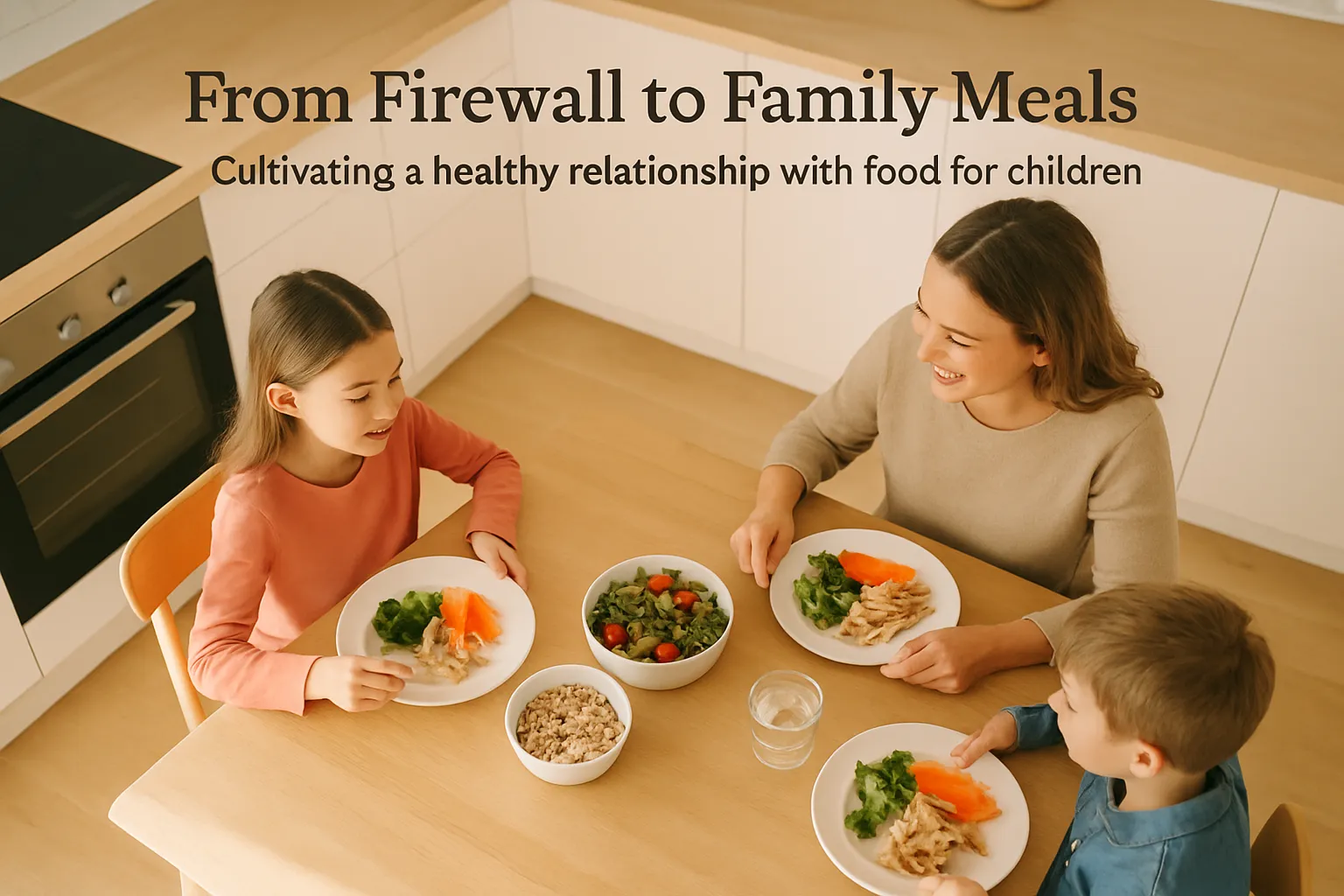
When Dad decides to play kitchen scientist, dinners can turn into brilliant little experiments. Keep them low-stress, repeat the winners, and toss the ones that bombed without drama. Here are practical experiments to try tonight.
- Build-your-own bowls
- Lay out small bowls with a base like rice, couscous or smashed potato, then a few protein choices and colourful veg toppings. Let your toddler pick one or two things to add. It feels like control for them and means they often nibble more.
-
Tip: include one familiar favourite every time so the whole thing doesn’t feel scary.
- Deconstructed dinners
- Serve components separately rather than mixed together. For example, roast chicken strips, steamed carrot coins, a little tub of hummus and a handful of toast soldiers. Kids often prefer things that stay distinct.
-
Keep portions tiny. Tiny portions = tiny pressure.
- The texture swap test
- Cook the same veg three ways across different nights: steamed, roasted, and puréed. See which texture clicks. Carrot, pumpkin and peas are great for this.
-
Rotate based on what worked and offer the preferred texture more often while still reintroducing others.
- Dip-and-try game
- Pair new foods with dips your child already likes. Try yoghurt, mashed avocado, mild salsa or tahini yoghurt. Let them dip rather than force a full bite.
-
Variation: pair the same veg with two different dips and ask which one they like better. Gives them choice.
- Mini-me cooking jobs
- Give simple tasks: sprinkle cheese, tear basil, roll meatballs, press cookie cutters into flatbread. Being involved increases interest in eating.
-
Keep tools safe and tasks supervised. Even toddlers can do stirring or pressing with a safe spoon.
- Veg-packed meatballs or fritters
- Grate carrot and zucchini, squeeze out excess water, mix with mince or chickpea mash, an egg and a little flour, form small patties and pan-fry. Serve with a yoghurt dip.
-
Make extra and freeze. They defrost quickly and are brilliant for rushed nights.
- Pizza faces on mini pita
- Use halved pitas or English muffins, pass a small spoon of tomato paste, grated cheese and chopped veg or pineapple. Let the toddler decorate. Bake for a few minutes until cheese melts.
-
Easy to adapt for allergies and a sneaky way to offer veg.
- Swap the shape
-
Present the same food in a new shape: spiralised zucchini instead of chunks, carrot ribbons instead of coins, or use tiny cookie cutters on sandwiches. Shape can make a huge difference.
- The “try two” rule
- Ask for two tiny tastes of something new instead of a full bite. That keeps pressure low and still gives enough exposures over time to build acceptance.
- No prizes for finishing, and definitely no dessert bargaining.
Practical dinner-night checklist
- Family-style serving so everyone eats together.
- Small portions, more variety, not bigger portions.
- No pressure, praise the trying rather than the finishing.
- Make-ahead and freeze extras for emergency nights.
- Keep a note of what worked so you can repeat the “wins.”
Safety note
- Cut food into age-appropriate sizes and watch for choking hazards. Avoid whole grapes, whole cherry tomatoes and large chunks for toddlers. Hot food should be cooled to a safe temperature before serving.
Dad’s experiments are more about curiosity than perfection. Try a few of these, jot down the hits and misses, and celebrate the tiny wins. The messier the experiment, the better the story at dinner.
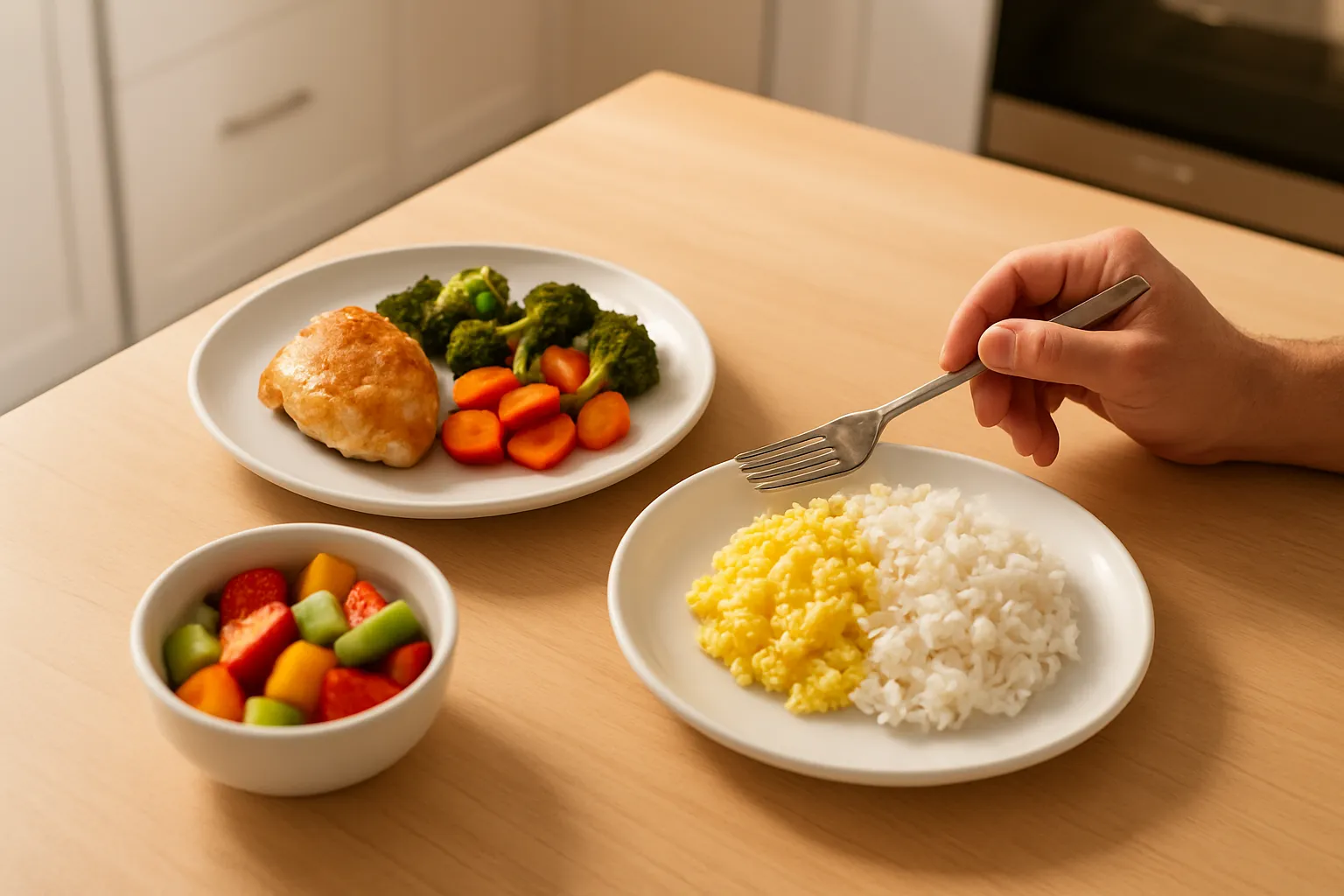
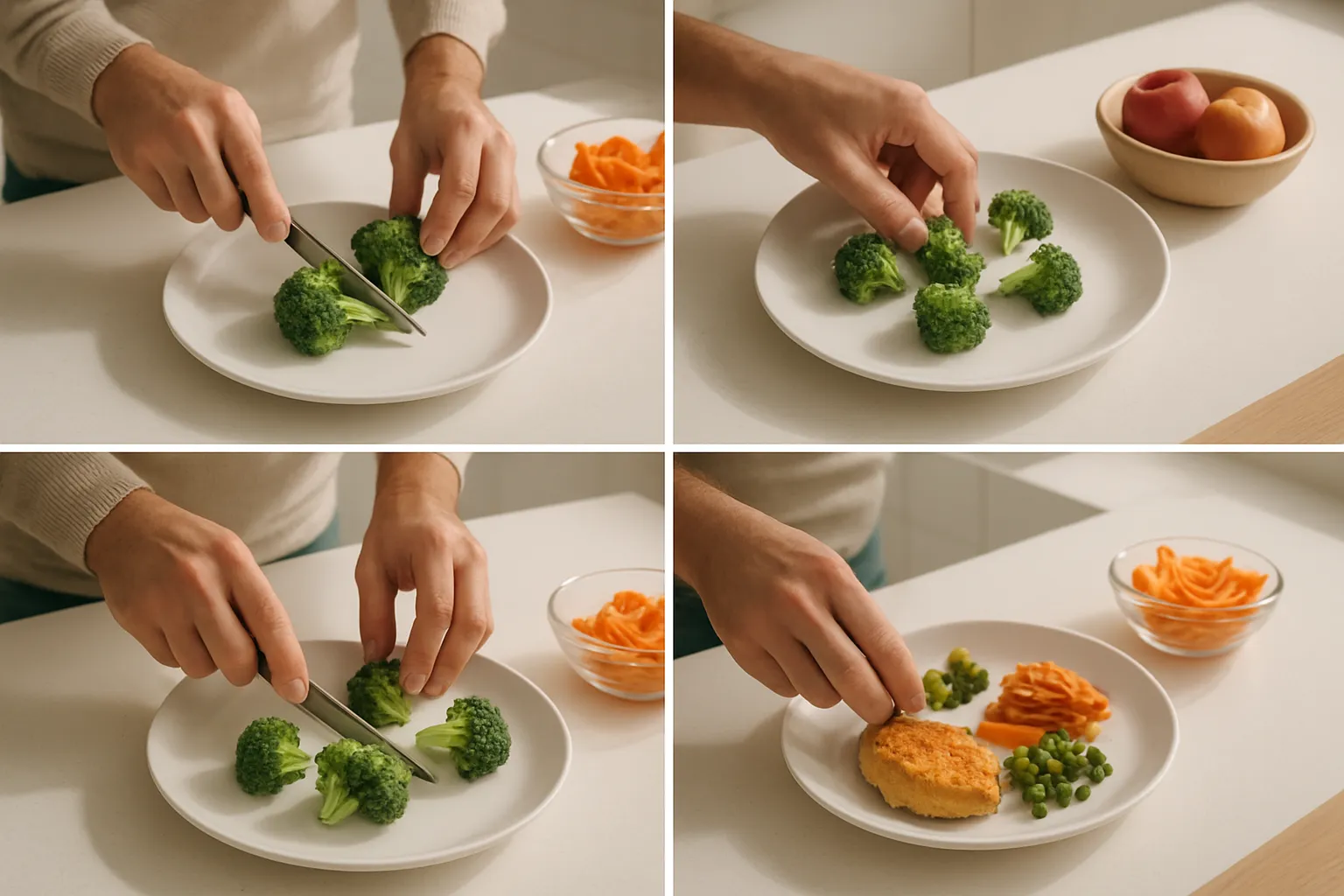
If Dad’s dinner experiments got your little one curious, here’s how to turn those tiny tastes into proper adventures without the drama.
Tiny tasting stations
- Make a small plate with three or four tiny samples, each no bigger than a thumbnail. Think steamed carrot coins, a pea or two, a tiny dollop of mashed avocado, and a small chunk of ripe pear. The portion size keeps pressure low and makes trying feel doable.
- Let them choose the order. Giving choice is often enough to get a nibble.
Play with the senses
- Start with smell and touch before expecting a bite. Put a little bowl of grated cheese, a lemon wedge, or a sprig of parsley and let them explore. Say simple things like “smells zesty” or “squishy” so they get words for their experience.
- Blindfold taste test for older toddlers (supervised, very small pieces). It turns tasting into a game and takes attention away from “eating” as the only goal.
Keep language calm and curious
- Use neutral, positive prompts: “Want to see what this feels like?” or “Tell me what that tastes like.” Avoid bribing or coaxing. Praise curiosity not the eating: “You had a go, that was brave” is better than “Good boy/girl for eating your broccoli.”
Make new foods familiar
- Pair a new bite with a familiar favourite on the plate. If they love plain yoghurt, offer a tiny spoonful with a bit of mashed banana stirred in. Familiar textures make new flavours less scary.
- Repeat exposures. Most kids need around 8 to 15 calm, pressure-free exposures before a food becomes accepted. Stick with small, friendly offerings without getting upset if they refuse.
Tiny variations, big payoff
- Offer the same ingredient in different forms. If steamed cauliflower is rejected, try it grated into a cheese sauce, mashed, or roasted until caramelised. Different textures often change preferences.
- Add mild seasonings: a squeeze of lemon, a sprinkle of cinnamon on apple slices, or a bit of mild smoked paprika on sweet potato can make things interesting for little palates.
Involve them in prep
- Let them wash berries, tear lettuce leaves, or sprinkle seeds on toast. Hands-on moments create ownership and curiosity. Keep tasks safe and short so it stays fun.
Turn tasting into mini-events
- Theme the tasting: a colour day (all orange foods), a texture day (soft vs crunchy), or a country day with a tiny sample of hummus, pita, and cucumber. Keep it light and playful.
- Use a “flavour passport” where they put a sticker for each new food they try. The reward is the sticker, not chocolate or screen time.
Safety first
- Cut foods into age-appropriate pieces. Avoid whole grapes, large chunks of raw carrot, or nuts for toddlers unless prepared safely. Steam or cook hard veggies until soft. Always supervise eating.
- Be mindful of allergies. Introduce one new food at a time at home, and watch for reactions over the next 48 hours.
Handling refusals
- If they refuse, drop it and try again another day. A firm no today is not forever. Stay calm, offer something familiar alongside, and move on.
- Avoid food as punishment or reward. That links food to emotions instead of curiosity.
Restaurant and outing hacks
- Bring a tiny selection of safe, familiar bites in a little container. Ask for small sides rather than full-size meals. Tiny samples from a shared plate often feel less intimidating than a whole serving.
Sample mini tasting menu (ideas)
- Roasted sweet potato coin, tiny hummus dollop, soft pear cube, grated cheddar.
- Cucumber ribbon, steamed carrot coin, avocado smear, banana slice with a pinch of cinnamon.
- Mild ricotta on toast finger, steamed broccoli floret, roasted apple cube, plain yoghurt dab.
The aim is interest, not plates cleared. Keep it playful, keep it tiny, and let curiosity lead. Over time those tiny tastes add up to proper food adventures.
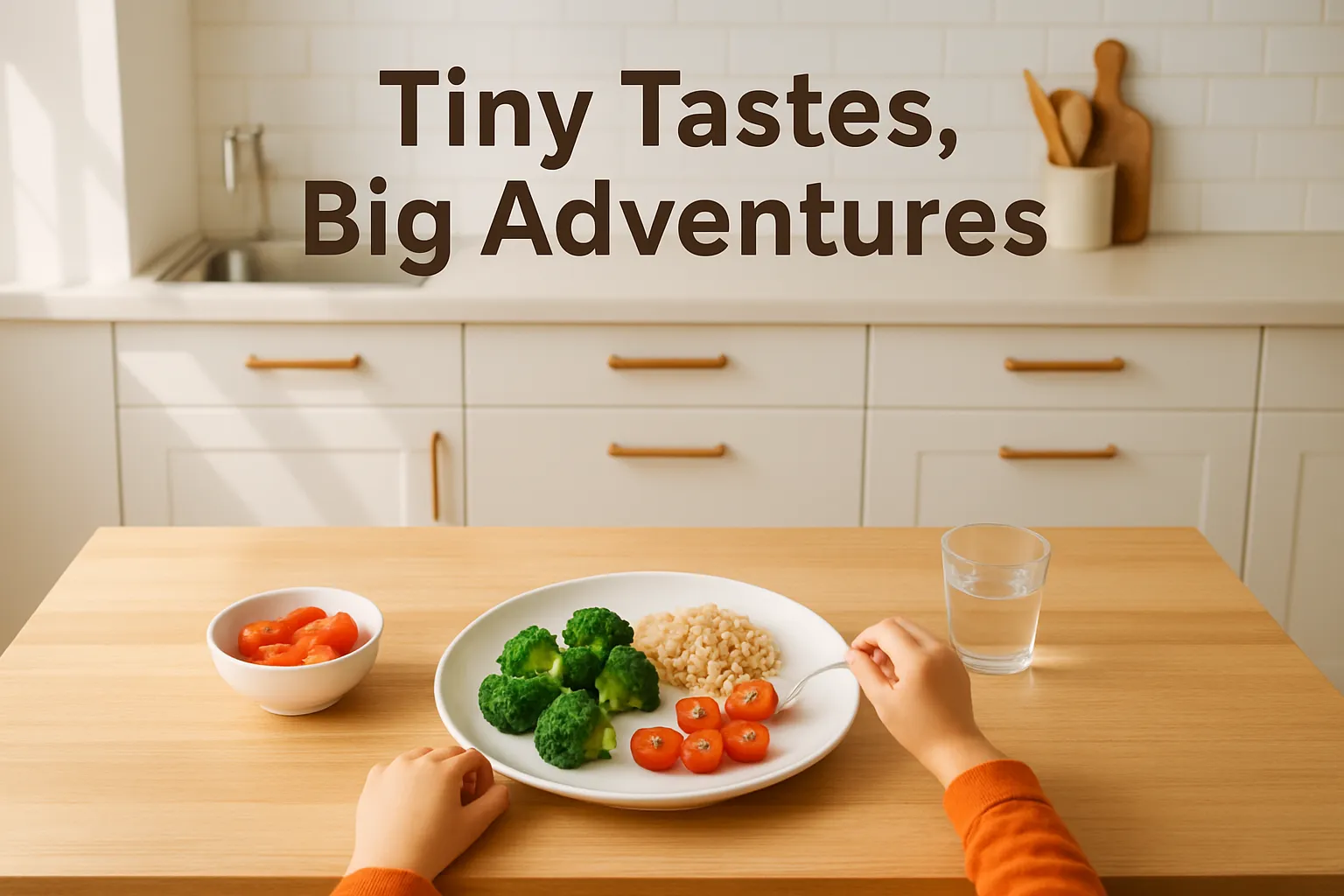
When those tiny tastes turn into a full-on outing, park picnics are the perfect playground extension. A few simple tricks will keep food safe and fun, and make the whole thing feel relaxed rather than hectic.
What to pack for little hands
- Keep things bite-sized and varied. Mini sandwich rolls, small cheese cubes, halved grapes, steamed carrot or pumpkin pieces, and little corn muffins are all easy for toddlers to manage.
- Avoid round, hard or sticky whole pieces that are choking hazards. Cut grapes and cherry tomatoes in half, steer clear of whole nuts and popcorn for under fours, and slice apples thinly or grate them.
- Offer a mix of textures. Soft items like mashed avocado on crackers, firmer bits like snap peas, and a creamy dip give a range without pressure.
- Use containers that are easy to open for you but fiddly for toddlers, like small screw-top tubs. Bento boxes with compartments are great for keeping options separate and colourful.
Playful plate ideas
- Muffin tin picnic: pop different snacks in each cup, and let kids pick from a range. Works brilliantly for toddlers who like little portions.
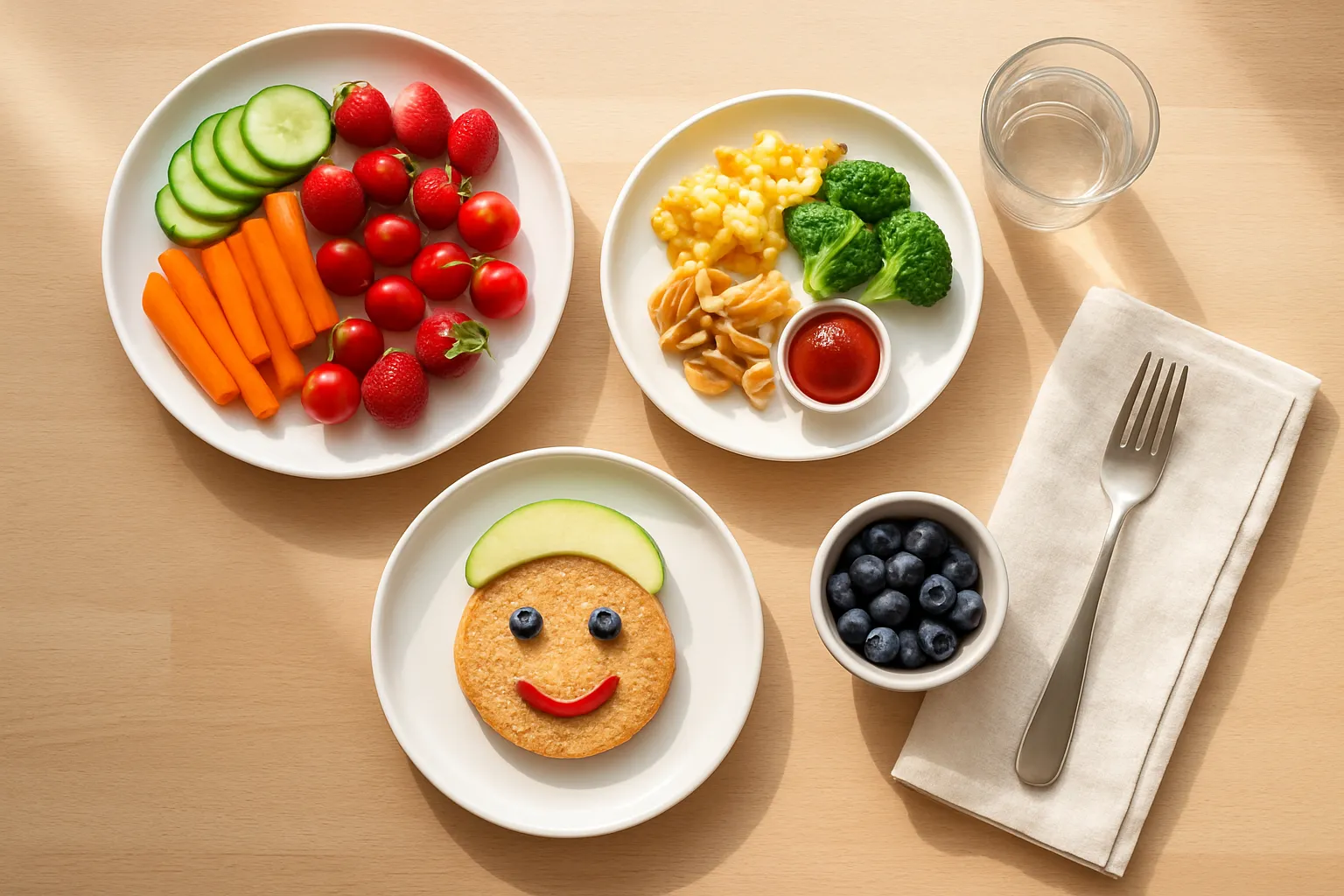
- Fruit and veggie faces: make a smiley face on a flat plate using banana slices for eyes, thin apple strips for a mouth, and berries for freckles. Keep it short and simple so it stays fun, not fussy.
- Mini skewers for older toddlers: thread cheese, halved grapes, and cooked pasta onto short blunt-ended skewers. Supervise, and skip skewers for younger kiddos.
- Pancake stackers: small pancakes kept warm in a thermos can be stacked on the picnic rug. Offer spreads like ricotta, mashed banana, or a drizzle of yoghurt for dipping.
Quick make-ahead snack ideas
- Mini frittatas: bake eggs with grated veg in a muffin tin. Store in the cooler and serve cold or at room temp.
- Rice balls: press cold sticky rice into small balls with a bit of veg or shredded chicken inside. Wrap in a thin strip of nori if you like.
- Frozen yoghurt pops: yoghurt mixed with mashed fruit frozen in small moulds is a brilliant warmer-weather treat. Marmite fans, try a savoury banana tip for tiny explorers.
- Chickpea smash: mash canned chickpeas with a splash of lemon and olive oil for a dollop-dip that goes with crackers and veg sticks.
Keeping food safe and chilled
- Always use an insulated bag with a couple of frozen ice packs for dairy, cooked eggs, and anything that spoils easily. Keep those packs in contact with the containers.
- For hot items, a thermos works well to maintain temperature for a couple of hours.
- Wipes, a spare cloth, and hand sanitiser are picnic essentials. Encourage handwashing before snacks even if hands are grubby from play.
- Pack a wet bag or an extra plastic bag for rubbish and dirty clothes. Leave the park cleaner than you found it.
Make it an activity, not a test
- Let little ones help pack by choosing between two options. A sense of choice makes them more likely to try new things.
- Turn tasting into a game: blindfolded bites, guessing colours, or sorting snacks into groups. Keep it light and celebratory rather than testing.
- Offer small portions and say yes to seconds. Refillable servings reduce waste and keep the pressure off finishing everything first time.
Practical kit for a stress-free picnic
- Picnic rug (preferably waterproof), plates or a muffin tin, small spoons and forks, sippy cup or straw cup, wipes, sunscreen, hat, spare clothes, iced cooler bag, wet bag, and a small cutting board and knife for quick prep.
- If mozzies are a problem, bring a pop-up shade or set up near a sheltered picnic table.
Little habits matter
- Model chewing slowly and enjoying food. Kids watch and copy far more than we expect.
- If a food is refused, leave it on the plate without drama. Offer it again another time in a different form, maybe chopped, blended, or with a dip.
Pack the food, bring a blanket and a sense of humour. Park picnics are less about perfect plates and more about relaxed sharing, fresh air, and making mealtimes feel like part of play.
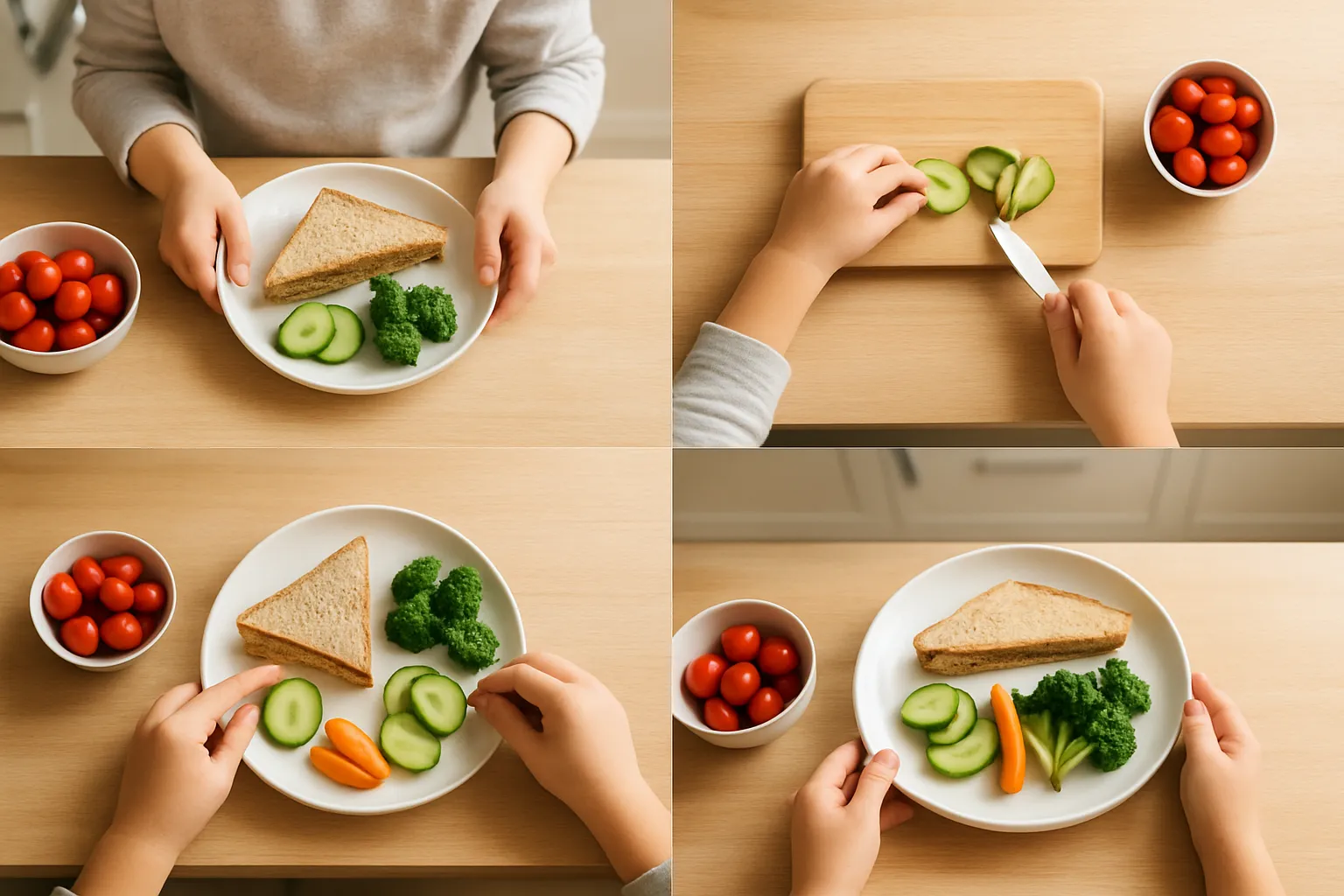
After the fun of park picnics, the trick is bringing that easy vibe back to the table. Here are practical ways to stay calm around food so the kids pick up the habit too.
-
Keep language neutral. Say what the food is and how it feels: “Here’s cucumber, it’s crunchy.” Avoid calling things naughty or good. Labels create drama.
-
Offer choices, not orders. Give two simple options: “Would you like carrot sticks or cucumber?” That hands them control without pressure.
-
Skip the coaxing and the counting. No pleading, no bargaining, no threats. If you’re calm about a refusal, they’ll learn it’s not a battleground. A quiet “No thanks, that’s okay” is often enough.
- Use short, consistent scripts. Try lines like:
- “You can try a bite or leave it.”
- “When you’re hungry again, there’ll be food.”
-
“Thanks for trying that.” Repeating the same phrases removes drama and lowers negotiation.
-
Eat the same food when possible. Seeing you tuck into a meal matters more than lectures. Make small, casual comments about your own eating, like “Mmm, that’s juicy,” rather than raving or faking enthusiasm.
-
Handle meltdowns with space. If a child flares up over food, keep attention neutral. Stay close enough to be safe, but don’t turn it into a performance. Often the less it’s rewarded with fuss, the quicker it passes.
-
Avoid using food as a reward or punishment. Saying “Finish your peas and you’ll get ice cream” teaches them to value sweets more. Try non-food rewards like a story, extra park time, or stickers.
-
Manage comparisons calmly. If one child eats heaps and another doesn’t, resist praising the eater as a “good kid.” Instead, celebrate trying, sharing, or using manners so you don’t pit them against each other.
-
Keep portions and expectations realistic. Toddlers’ tummies are tiny. Serve small amounts and offer seconds. This reduces the pressure to “clean the plate.”
-
Model slow, relaxed eating. Put down your fork between bites, chat about the day, and show how to listen to hunger cues. Kids pick up the rhythm more than the rules.
-
Have a snack strategy. Regular snack times help avoid hangry moments. If they graze all afternoon, dinner will be a harder sell. A simple rule like “snacks stop an hour before dinner” keeps routines predictable.
-
Repair and reset if you blow it. If you’ve pressured, punished, or used food as a bribe, apologise briefly. “I’m sorry I made you finish your plate. From now on you can stop when you feel full.” Kids notice calm honesty.
- Look after yourself. When you’re stressed, it shows. Plan simple meals some nights, accept help, and breathe before reacting. Even a short pause prevents an escalated scene.
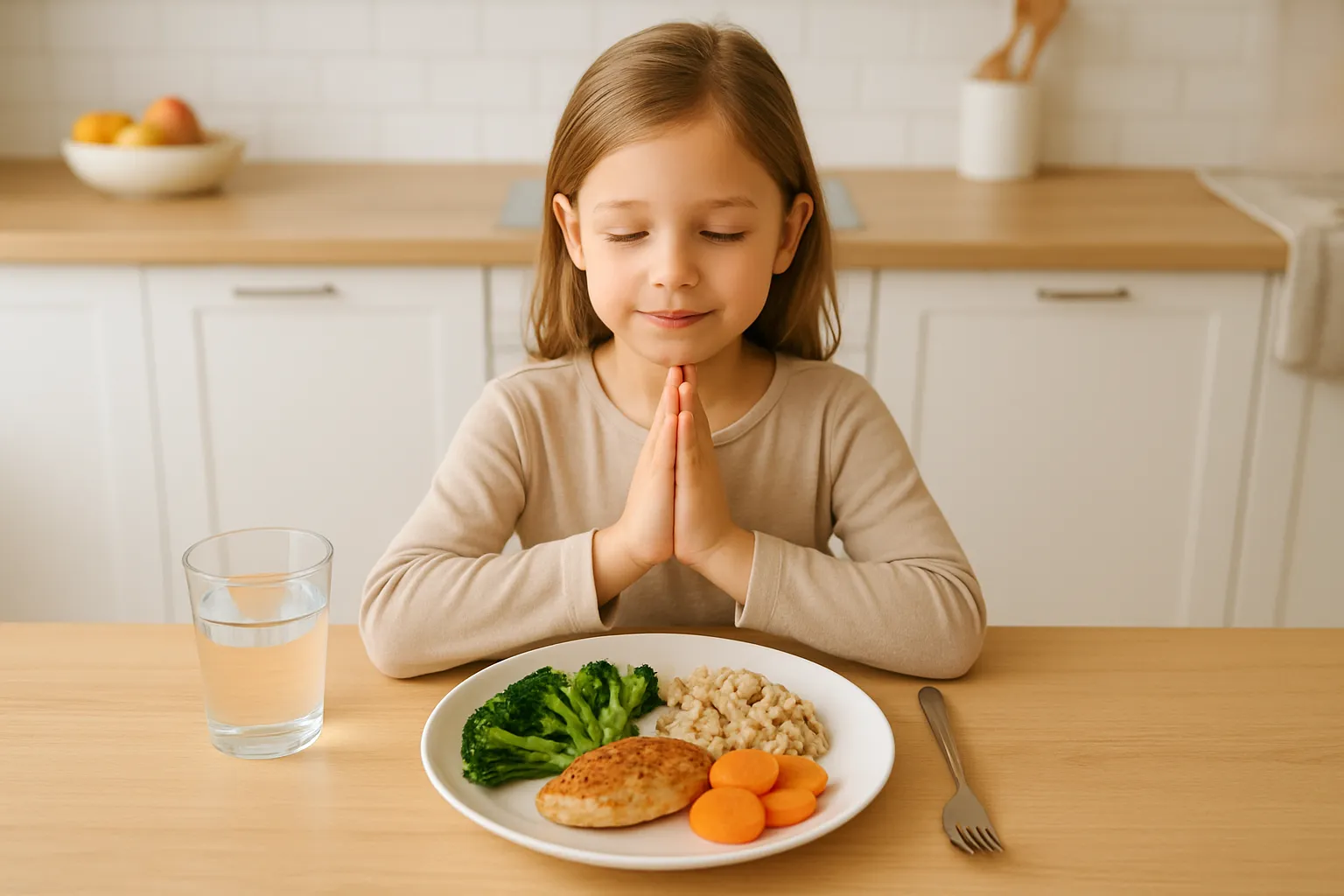
Keep it simple and steady. The calmer you are, the less food becomes a fight, and that makes dinnertime a lot more pleasant for everyone.
Browse Cuisines
From the Blog
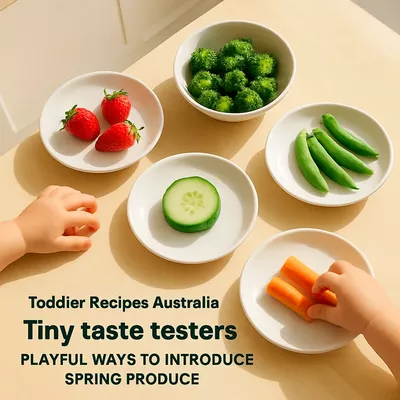
First up, a few no-fuss spring winners that keep sticky fingers and big clean-ups to a minimum. Quick to prep and easy for little hands to manage, these are the sorts of things I reach for when we want something...
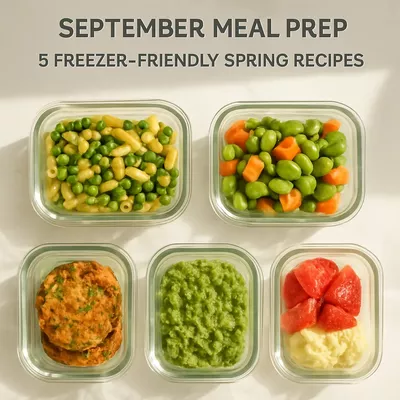
Nice - here’s how Steve keeps dinner simple without sacrificing flavour or sanity. A few good habits and the right packing tricks mean you can pull a proper family meal out of the freezer in minutes.
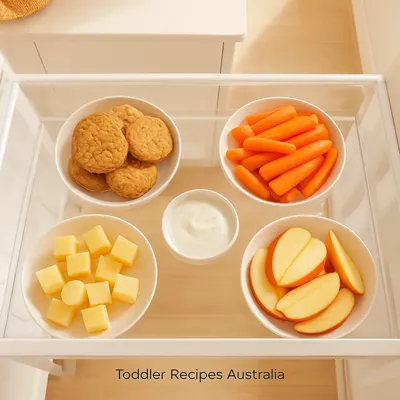
Righto, a couple of quick fridge fixes will make everything a whole lot easier. These are the simple, practical habits and setups that keep snacks safe, obvious and actually reachable for little hands.
 Never miss a recipe from us, subscribe to our newsletter