
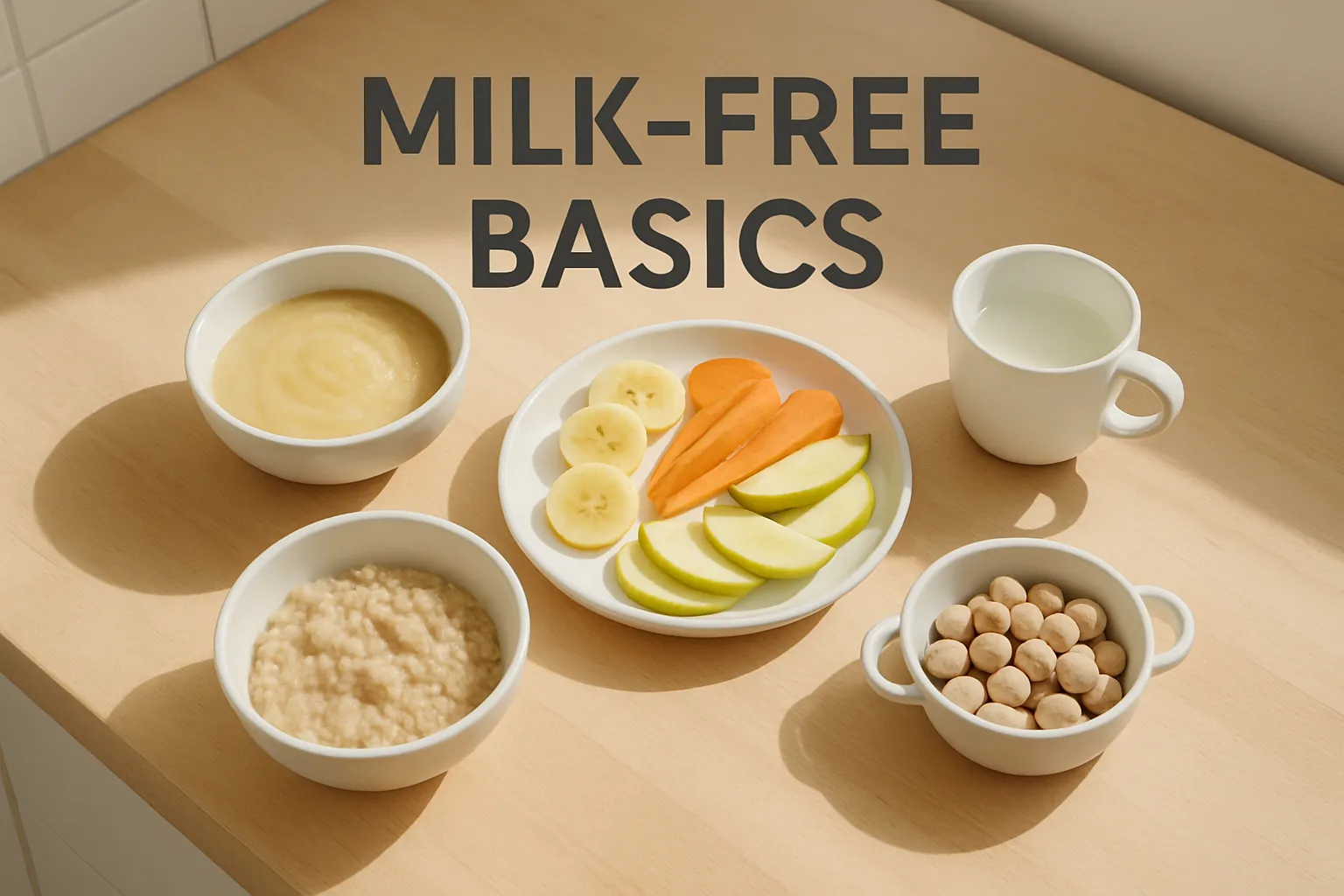
Just a couple of quick basics to get you set up, then straight into the practical stuff you can use at home.
Know the difference, and act fast if needed
- If you see hives, swelling, breathing difficulties, or your child goes floppy after eating dairy, seek emergency care and speak to your GP about allergy testing. Those are allergy red flags, not intolerance.
- By contrast, milk intolerance usually shows as tummy pain, a lot of wind, reflux, mucousy or loose stools, or general grumpiness after feeds. If you suspect intolerance, chat with your GP or a paediatric dietitian before making big changes.
Reading labels like a pro
- Look for obvious words: milk, lactose, whey, casein, caseinate, curds, milk solids, butter, cream, yoghurt, cheese. If it says any of those, it’s dairy.
- Beware of hidden sneaky names: milk powder, buttermilk, ghee, caseinates. Ghee can sometimes be marketed as clarified and low in milk solids, but check the label or contact the manufacturer if you need strict avoidance.
- Pay attention to advisory statements: “may contain milk” or “made in a factory that also processes milk.” If your child reacts to tiny amounts, treat those as not safe.
Safe milk alternatives and age notes
- Under 12 months, breastmilk or an appropriate infant formula should be the main milk source. If formula-fed and you suspect intolerance, see your GP before swapping formula.
- From 12 months, choose fortified, full‑fat plant milks if replacing cow’s milk. Soy milk is the closest in protein, then oat, almond, rice and coconut. Always pick varieties fortified with calcium and vitamin D.
- Homemade nut or seed milks are lovely for adults but tend to be low in protein and calcium, so not a straight swap for toddlers unless you fortify or use them alongside other good sources.
Keep their nutrition covered
- Make sure calcium and vitamin D are replaced: fortified plant milks, firm tofu, tinned salmon or sardines with bones, whitebait, tahini, dark leafy greens, and calcium-set tofu are solid choices.
- Talk to your GP about vitamin D supplements, especially in winter or if sun exposure is limited.
- If you’re cutting out dairy across the household, keep an eye on protein and overall calories, toddlers need energy from full-fat options.
Kitchen swaps that actually work
- Milk in cooking or porridge: swap 1 for 1 with fortified oat or soy milk.
- Butter for spreading and cooking: dairy-free spread or oils like olive or coconut work well.
- Yoghurt: coconut or soy yoghurt, pick plain and add mashed fruit to control sugar.
- Cheese: dairy-free cheeses vary a lot, try a few brands, or use nutritional yeast for a cheesy flavour in sauces and on pasta.
- Baking: liquid plant milk is usually a straight swap; for buttery recipes, use dairy-free spread or a mix of oil and a bit of apple sauce for moisture.
Practical tips for daycare, grandparents and outings
- Label everything, tell carers exactly what’s off limits, and include replacement snacks so there’s no guesswork.
- Keep a small kit in your bag: a tetra of fortified plant milk if needed, a dairy-free snack, and pre-made items so you’re never stuck.
- When eating out, ask how dishes are prepared, and mention “dairy-free” rather than “lactose-intolerant” if you want cooks to be clearer about ingredients.
Cross-contamination and cooking habits
- Use a clean knife for spreads and wipe jars before dipping to avoid crumbs from toast with butter.
- If someone in the house still eats dairy, store their items separately and keep a dedicated butter knife or spreader.
When to get help
- If your child is losing weight, not gaining as expected, has ongoing severe symptoms, or you’re unsure about replacement nutrition, get a referral to a paediatric dietitian. They’ll help plan meals that keep growth on track.
Tiny starting menu ideas
- Breakfast: porridge with fortified oat milk, mashed banana and a sprinkle of ground flaxseed.
- Lunch: mashed canned salmon, sweet potato and peas, with a little olive oil.
- Snack: plain soy yoghurt with stewed fruit.
- Dinner: pasta with tomato and dairy-free pesto, steamed broccoli.
Keep things simple, pack a few staples in your pantry, and get comfortable reading labels. You’ll find your rhythm quickly, and the rest of the guide will walk you through swaps, recipes and ways to make mealtimes fun again.
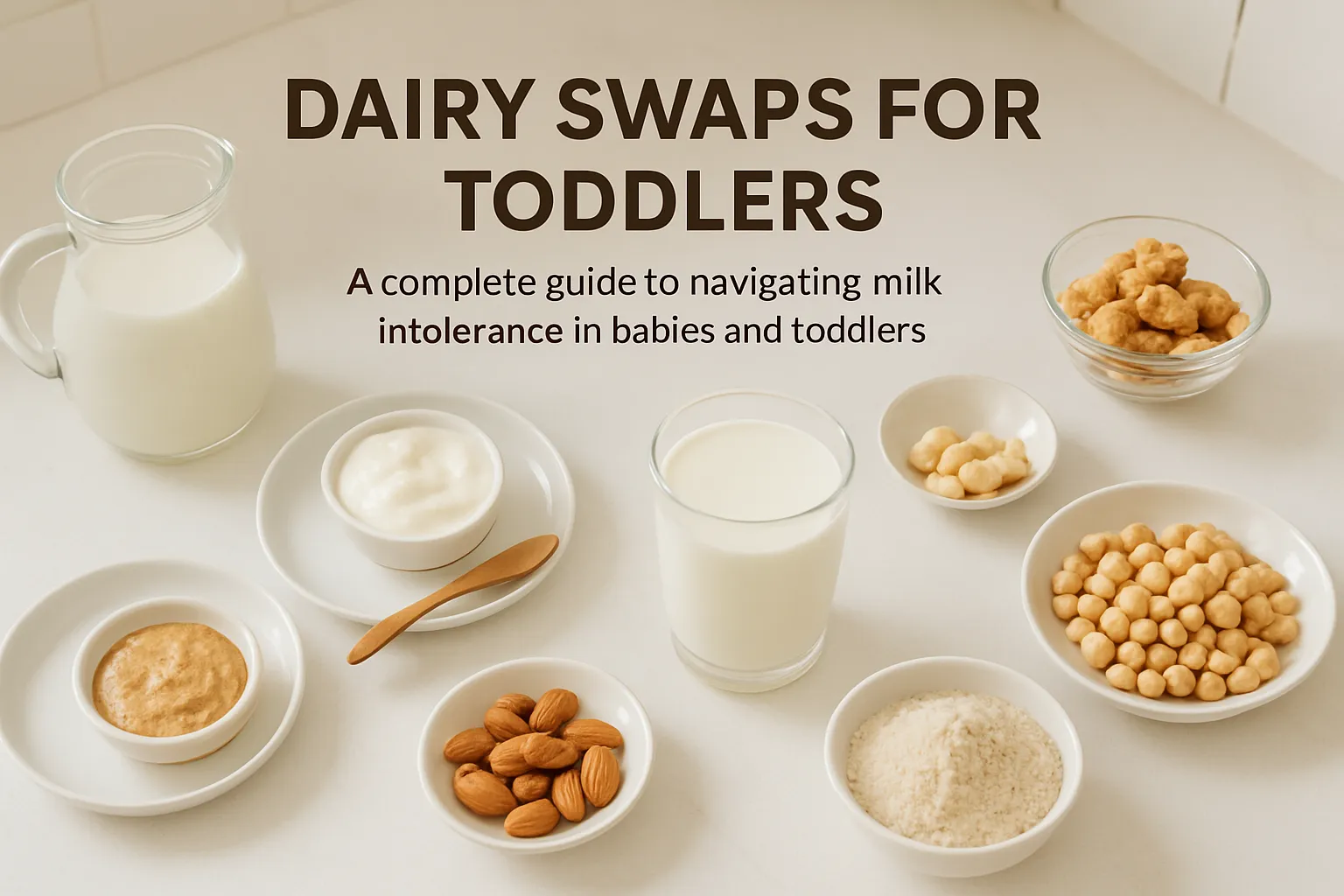
Right, time to swap out the dairy. Below are easy, everyday ideas that actually work with toddler tastes and the way we cook at home.
Choosing the right milk replacement
- Go for fortified plant milks. Look for labels that say calcium, vitamin D and B12 have been added. Unsweetened versions are best.
- Best all-rounders: fortified soy or pea milks for protein, oat milks for texture and taste. Coconut milk is great for cooking and desserts but low in protein. Avoid rice drinks as a main milk for little ones.
- For milk protein allergy versus lactose intolerance: lactose-free cow’s milk still contains milk protein, so it is not suitable for allergy. If you suspect allergy, chat with a paediatrician before swapping.
- Under 12 months: breastmilk or infant formula remains the main drink. Don’t replace formula with plant milk without specialist advice.
Yoghurts and snack swaps
- Swap dairy yoghurt for soy or coconut yoghurt, preferably fortified and unsweetened. Mix through mashed banana or stewed fruit to entice fussy toddlers.
- For creamier toddlers’ pots, use thickened coconut yoghurt or drain soy yoghurt in a cloth overnight for a Greek-style texture.
- Snack tip: spread unsweetened nut butter on toast or rice cakes as an alternative to cheese and crackers, if older than one and no nut allergy.
Cheese flavour and melty options
- Vegan cheeses can be hit or miss with melting. For grilled cheese or cheese toasties, try a blend: a vegan melting cheese plus a homemade cashew cheese sauce for extra stretch.
- Quick cashew “cheese” for pasta or toasties: blend 1 cup soaked cashews, 2 tablespoons nutritional yeast, small pinch of salt, squeeze of lemon and enough plant milk to get a smooth pouring sauce. Heat gently on the stove to thicken.
- Use nutritional yeast sprinkled on veg and pasta for that cheesy hit without dairy.
Butter, cream and cooking swaps
- Butter: use olive oil for cooking, or a plant-based spread for spreading and baking. Measure oil slightly less than butter in recipes, or use the same amount if using a spread.
- Cream and custard: coconut cream works beautifully for puddings and curries. For custard, mix cornflour with oat or soy milk, heat with a bit of vanilla until thick. Silken tofu blended with a little plant milk also makes a smooth custard-style base.
- White sauce: make a roux with plant-based spread and flour, then whisk in oat or soy milk. Add a little nutritional yeast for a cheesy flavour.
Baking and everyday swaps (easy rules)
- Swap milk 1:1 with plant milk in pancakes, porridge, muffins and baking.
- Swap butter with equal plant butter or use olive oil (a little less).
- For mashed potato, use a splash of plant milk plus a knob of plant spread or olive oil for creaminess.
What to watch for nutritionally
- Protein: soy and pea milks help keep protein up. Offer eggs, beans, lentils, tofu and oily fish if age-appropriate to round out meals.
- Iodine and calcium: dairy is a big source of iodine. Include iodine-rich foods such as fish or use iodised salt in cooking. If in doubt, check with your health practitioner about supplements.
- Check labels for added sugars and salt, especially in flavoured kids’ drinks and yoghurts.
Getting a toddler to accept new flavours
- Mix into favourites: start with half dairy, half plant milk in cereal or porridge, then move to full plant milk over a week or two.
- Hide it in sauces and bakes at first: cheesy pasta made with cashew sauce or curries with coconut milk are usually accepted.
- Keep textures familiar. If a child likes creamy yoghurt, aim for thick coconut or soy styles rather than thin drinks.
Quick swap recipes to try
- 2-minute cheesy pasta sauce: warm 1 cup plant milk, stir in 2 tablespoons cashew cream or 3 tablespoons nutritional yeast, a small spoon of mustard and a pinch of salt. Toss through pasta and add peas.
- Banana “nice cream”: freeze sliced ripe bananas, blitz in a blender until smooth. Stir through a spoon of coconut cream or peanut butter for extra richness.
- Veggie soup made creamy: simmer veg, blend with a splash of oat milk or coconut milk and a spoon of tahini for richness.
Labels, cross-checks and when to get help
- Read ingredient lists. Words like whey, casein and lactose mean a product contains milk protein.
- If you suspect an allergy or if your toddler is on a milk-free diet long term, ask your GP or a paediatric dietitian for blood tests and a meal plan to make sure they are getting everything they need.
Small swaps add up. Start with the ones that keep meals familiar, then experiment once your toddler is used to the new flavours.
Quick peanut-safety tips before the recipes
- Always read labels, and watch for “may contain peanuts” or “made in a facility that also processes peanuts”.
- If your child has a diagnosed peanut allergy, check with your paediatrician or allergist before introducing beans, seeds or other legumes.
- Wash hands, wipe benches and use clean utensils when preparing peanut-free food for a child with severe allergy.
- When packing kinder lunchboxes, pick sealed snacks with clear labelling and let the centre know about the allergy.
Breakfast and snacks
1) Banana Oat Muffins (egg optional, nut free) Age: 6 months plus (adjust texture for younger babies) Makes: 12 small muffins. Time: 35 minutes Ingredients: 2 ripe bananas, 2 cups rolled oats, 1/2 cup plant milk (oat, soy or rice), 1 egg or 1 tbsp ground flaxseed + 3 tbsp water, 1 tsp baking powder, 1 tsp cinnamon, handful of raisins or sultanas (optional). Method: Preheat oven to 180C. Blend oats into a coarse flour, add bananas, milk and egg or flax mix until combined. Stir in baking powder, cinnamon and fruit. Spoon into a lined muffin tin and bake 18 to 22 minutes. Cool before serving. Notes: Freeze in portions. Great for kinder lunchboxes.
2) Apple Pancake Fingers (dairy and nut free) Age: 8 months plus Makes: 8 finger pancakes. Time: 15 minutes Ingredients: 1 grated apple, 1 cup self-raising flour (or 1 cup plain + 1 tsp baking powder), 1 cup plant milk, 1 egg, 1 tsp cinnamon. Method: Mix everything to a batter. Spoon small pancakes into a non-stick pan over medium heat, cook 2 minutes each side until golden. Cool then slice into fingers. Notes: Serve with yoghurt alternative and fruit. Freeze and reheat in the toaster.
Lunch and dinner
3) Hidden Veg Pumpkin Pasta Age: 9 months plus Serves: 4. Time: 25 minutes Ingredients: 2 cups pumpkin cubes, 1 tbsp olive oil, 1 small onion (optional), 1 clove garlic, 1 cup plant milk, 300 g pasta, salt to taste. Method: Roast pumpkin with oil until soft, or steam. Sauté onion and garlic, add pumpkin and plant milk, then blitz until smooth. Toss with cooked pasta and cool to toddler-friendly temperature. Notes: No nuts. Add shredded chicken or canned tuna for extra protein.
4) Veggie and Quinoa Cakes (oven-baked) Age: 9 months plus Makes: 10 small cakes. Time: 35 minutes Ingredients: 1 cup cooked quinoa, 1 grated carrot, 1 grated zucchini (squeezed of excess water), 1 egg, 1/3 cup plain flour, 1 tsp oregano, pinch of salt. Method: Mix all ingredients, form patties, bake at 200C for 12 to 15 minutes each side until golden. Cool slightly before serving. Notes: Freeze flat then bag. These handle well for lunchboxes and are peanut-free.
5) Baked Fish Fingers with Pumpkin Mash Age: 9 months plus Serves: 4. Time: 30 minutes Ingredients: White fish fillets, 1 cup breadcrumbs (gluten-free if needed), 1 egg, 1/2 lemon, 2 cups pumpkin cubes. Method: Steam pumpkin and mash. Cut fish into strips, dip in beaten egg, coat in breadcrumbs, bake at 200C for 15 minutes or until cooked. Serve with mild tomato or yoghurt alternative dip. Notes: Swap fish for tofu or chicken if preferred.
Sweet treats and desserts
6) Oaty Fruit Crumble Pots Age: 9 months plus Serves: 4. Time: 25 minutes Ingredients: 2 cups mixed fruit (berries, chopped pears, apples), 1 cup rolled oats, 2 tbsp coconut oil or dairy-free spread, 2 tbsp brown sugar. Method: Place fruit in ramekins. Mix oats, oil and sugar, sprinkle over fruit, bake at 180C for 12 to 15 minutes. Cool before serving. Notes: Use sealed jars of fruit for kinder-safe options.
7) Coconut Yoghurt Parfait with Fruit Age: 8 months plus Serves: 4. Time: 5 minutes Ingredients: Dairy-free coconut or soy yoghurt, mashed banana or stewed fruit, seed-free cereal or toasted oats for crunch. Method: Layer yoghurt and fruit in small pots, top with cereal. Notes: Avoid granolas that may contain nuts or bear “may contain” warnings.
Quick swaps and pantry ideas
- Instead of peanut butter try soy-based spreads or commercially made pea butters if your allergist says they are OK. Always check labels for cross-contamination.
- Use tahini only if sesame is safe for your child. Sesame is an allergen, so check first.
- Keep a small box of plain crackers, rice cakes, roasted veg sticks and fruit for emergency snacks that are clearly peanut-free.
- Make double batches and freeze in toddler portions. Label everything clearly so kinder staff can quickly see no-peanut snacks.
Packing lunch for kinder
- Pack snacks in sealed containers with ingredients on a note. Many centres appreciate a quick list.
- If the centre is peanut-free, watch for products that say “may contain peanuts”. When in doubt, swap to a different brand.
- Teach older toddlers simple rules like “no sharing food” to reduce cross-contact at mealtimes.
If there is any doubt about specific ingredient safety for your child, check with the allergist before trying new recipes. These ideas should give you a solid, peanut-safe foundation for tasty meals the whole family can enjoy.
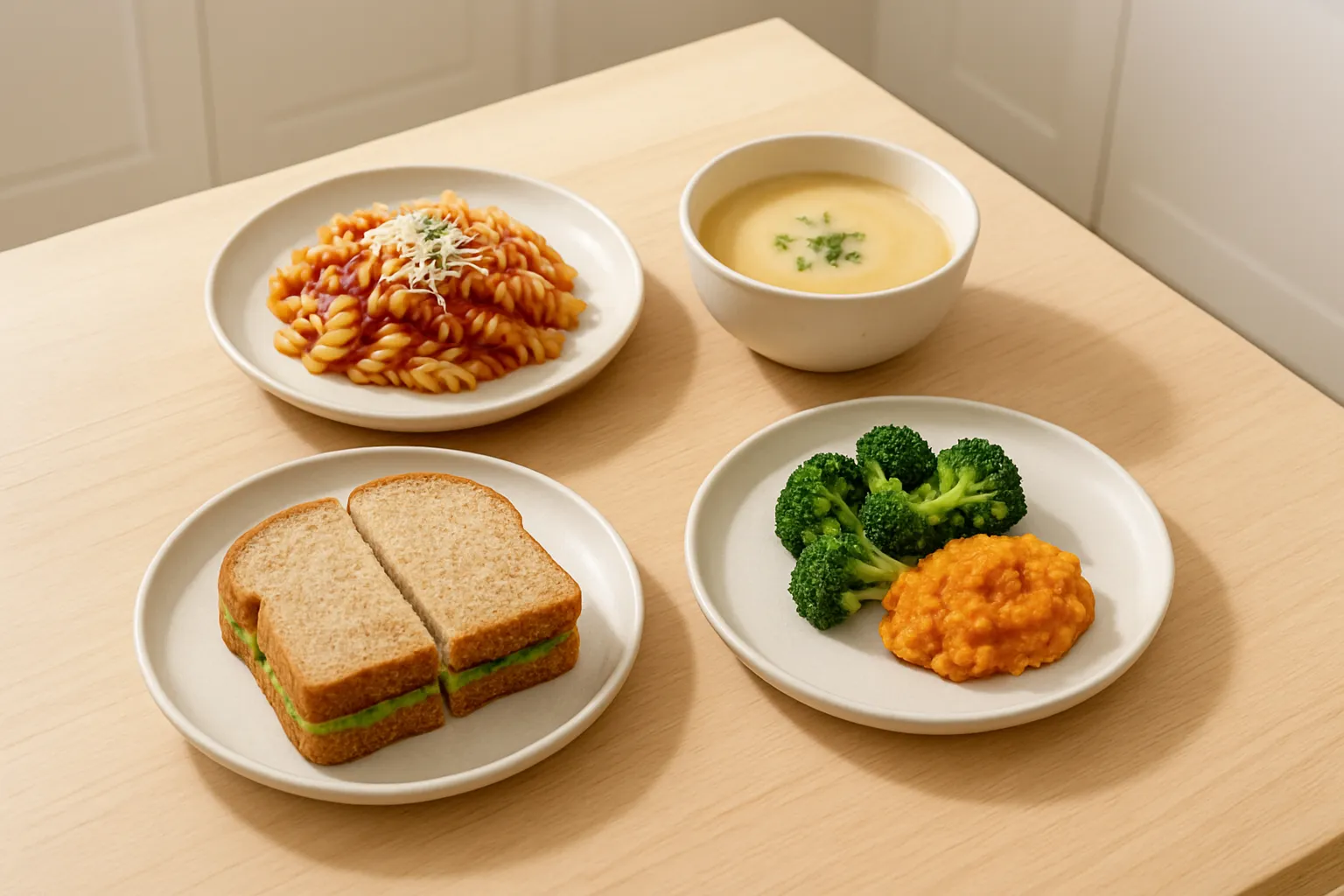
Start with iron-rich, single-ingredient first foods and build from there. Babies with milk issues still need plenty of iron, protein and good fats, so make those your priorities while you introduce texture and tastes.
What to start with
- Iron first: pureed or finely minced meat, mashed lentils, or iron-fortified baby cereal are brilliant starters. Pair them with a vitamin C source like mashed pear or a squeeze of orange (for older babies) to help iron absorption.
- Vegetables and fruit: sweet potato, pumpkin, carrot, avocado and banana are gentle on tummies and easy to mash.
- Keep dairy out of the first meals if you’re avoiding milk proteins. Use breastmilk or formula as usual for the bottle or breast feeds until your health professional says otherwise.
Texture progression
- Smooth purees: 4-6 months for most babies who are ready. Start thin and slightly thicker as they learn to swallow.
- Lumpier mashes: around 6-8 months introduce mashed textures so they get used to bits.
- Soft finger foods: from about 8-10 months practise pincer grip with strips of toast, soft cooked veg, shredded chicken, ripe banana. Offer small pieces and always supervise.
- Toddler stage: encourage chewing whole foods, family meals and experimenting with mixed textures.
Quick sample day (dairy-free)
- Breakfast: oats cooked with fortified oat or soy milk, mashed banana and a sprinkle of ground flax.
- Lunch: mashed chickpeas and roasted pumpkin, soft pieces of avocado on the side.
- Snack: thin rice cake with mashed pear or hummus.
- Dinner: shredded chicken with sweet potato and steamed broccoli florets (cut to size). Finish with breastmilk or formula if still using feeds.
Allergen introduction and allergies
- If the only concern is milk intolerance, you can still introduce common allergens like egg and peanut early, which helps reduce allergy risk. Offer small amounts at home and watch closely.
- If the baby has had a skin reaction, severe eczema or a previous reaction to foods, check with your GP or paediatrician before introducing allergens. For peanut, follow the peanut-safe guidance you read earlier.
Hidden dairy and label reading
- Look for milk, whey, casein, lactose, milk solids, curd, buttermilk and caseinates on labels. Even small amounts matter for cow milk protein allergy.
- For lactose intolerance the issue is the sugar lactose, not the protein, so products labelled lactose-free might still have milk protein. Know your diagnosis.
Cross-contamination tips
- Use separate toast racks, toasters, spreads and cutting boards if someone in the house uses dairy.
- Wipe highchair surfaces between meals and keep a dedicated spoon or bowl if needed. When ordering takeaway, ask about dairy in sauces and dressings.
Nutrient focus for milk-free kids
- Calcium: tofu, fortified plant milks, tahini, broccoli and canned salmon with bones are good sources. After 12 months discuss suitable fortified toddler milks with your child health nurse or dietitian.
- Vitamin D: a common supplement in Australia for little ones. Check with your health professional.
- Iron: keep offering red meat, legumes and iron-fortified cereals. Vitamin C with meals helps absorption.
- B12: if following a vegan pattern, get professional advice because B12 supplements are often needed.
Practical advice for fussy or reluctant eaters
- Offer small portions regularly without pressure. Repeated exposure is normal. A food can take 10 or 15 tries before it’s accepted.
- Keep mealtimes relaxed and short. Try the “one bite” rule or offer a tiny taste on your finger first.
- Eat together where possible. Kids copy what you eat, so include dairy-free versions of family meals.
Safety and choking
- Learn infant and toddler first aid and choking response. Supervise all meals. Avoid whole grapes, hot dogs, large chunks of raw veg, and hard nuts for young children. Cut food into long thin strips or small pieces appropriate to your child’s chewing skills.
When to get help
- If you see facial swelling, breathing difficulty, persistent vomiting or collapse after a food, treat it as an emergency and get urgent medical help. For ongoing rashes, tummy issues or poor weight gain, check in with your GP or a paediatric dietitian so you can be sure nutrient needs are met.
Keep offering variety and be gentle on yourself. Introducing solids with a milk intolerance is entirely doable with a few swaps and a bit of planning, and most kids adapt quickly once they get used to the new flavours.
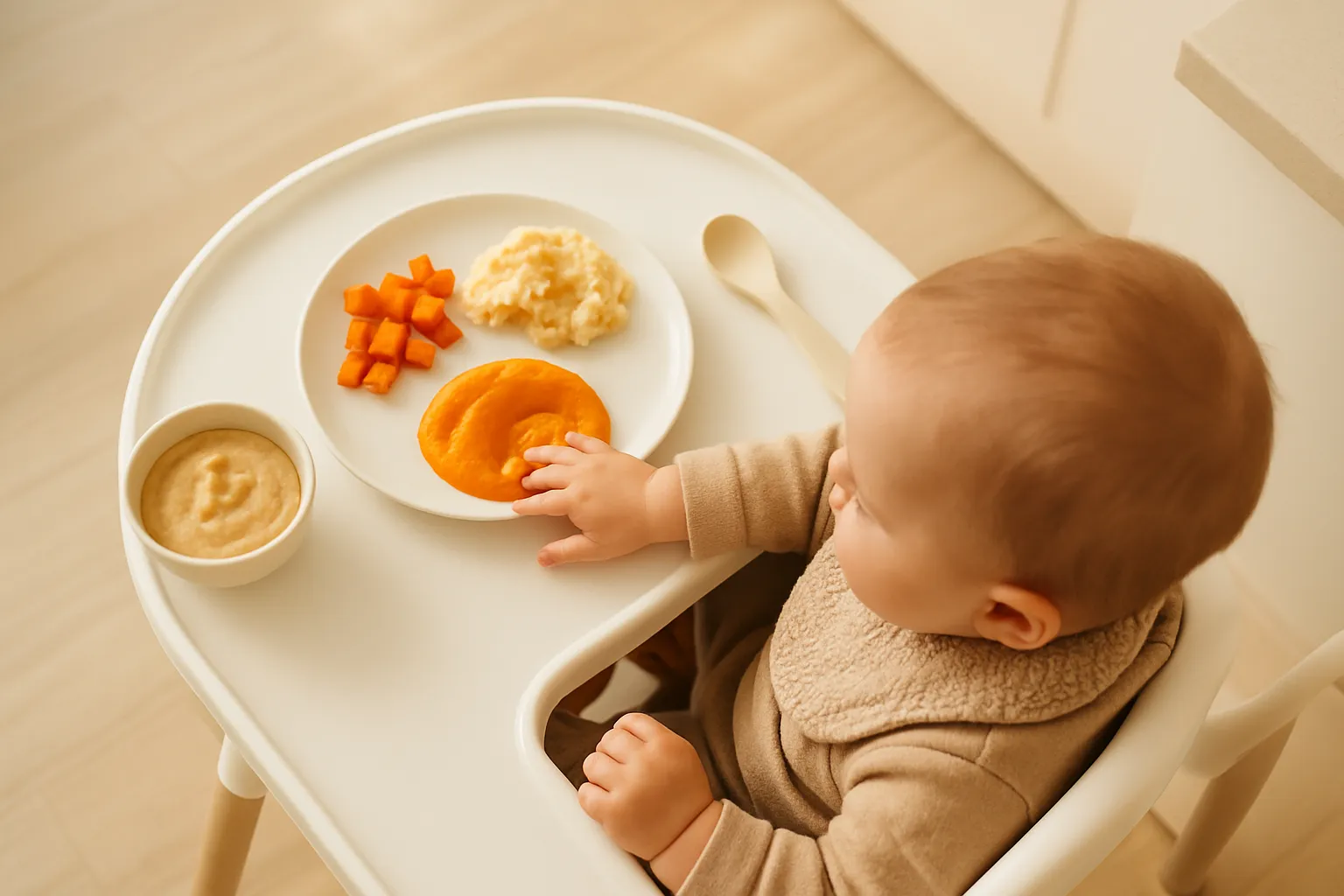

Ready-to-make meals that feel a bit adventurous but don’t take ages. Here are quick dairy-free recipes and smart short-cuts to keep dinner interesting for you while everything else runs on toddler time.
10-minute coconut prawns with lime rice
- Serves 2, 10 minutes
- Ingredients: 300 g peeled frozen prawns, 1 tbsp oil, 1 garlic clove minced, 1/2 can coconut milk, 1 tsp fish sauce, zest and juice of 1 lime, chopped coriander, instant rice (or leftover cooked rice).
- Method: Heat oil, toss in garlic for 30 seconds, add prawns and cook 2-3 minutes. Stir in coconut milk, fish sauce and lime zest, simmer 1-2 minutes until saucy. Serve over warmed rice and finish with lime juice and coriander. Use frozen prawns straight from the freezer to save prep.
20-minute harissa chickpea bowl
- Serves 2-3, 20 minutes
- Ingredients: 1 can chickpeas drained, 2 tbsp harissa paste (or 1 tbsp paste + smoked paprika if you want milder), 1 tbsp olive oil, 1 red capsicum sliced, mixed salad leaves, quick pickled cucumber (sliced cucumber + splash of vinegar + pinch sugar), cooked quinoa.
- Method: Fry capsicum in oil for 3-4 minutes, add chickpeas and harissa, toss until hot. Serve on quinoa with salad leaves and pickled cucumber. Add a dollop of coconut yoghurt if you want creaminess.
15-minute miso-glazed salmon with quick cucumber salad
- Serves 2, 15 minutes
- Ingredients: 2 salmon fillets, 1 tbsp white miso, 1 tbsp maple syrup, 1 tsp rice vinegar, sesame oil, thinly sliced cucumber.
- Method: Mix miso, maple and vinegar. Brush on salmon, pan-fry 3-4 minutes each side or under the grill. Toss cucumber with a splash of rice vinegar and sesame oil. Serve salmon on top.
15-minute courgette ribbon pasta with sunflower seed pesto
- Serves 2, 15 minutes
- Ingredients: 200 g pasta, 2 courgettes shaved into ribbons, 1/3 cup sunflower seeds, 1 cup basil, 1 garlic clove, 2 tbsp nutritional yeast, 3 tbsp olive oil, lemon juice.
- Method: Blitz seeds, basil, garlic, yeast, oil and lemon into pesto. Cook pasta, toss with courgette ribbons and pesto (the heat wilts the courgette). Swap basil for spinach if you’re out.
20-minute green chicken curry
- Serves 3, 20 minutes
- Ingredients: 2 tbsp green curry paste, 1 can coconut milk, 300 g chicken thigh strips, mixed veg (broccoli, beans), fish sauce, lime.
- Method: Fry paste for 30 seconds, add chicken and brown, pour in coconut milk, add veg and simmer until cooked, season with fish sauce and lime. Serve with rice. Use jarred paste for speed.
Quick Vietnamese-style rice paper rolls (no peanuts)
- Makes 6-8 rolls, 20 minutes
- Ingredients: Rice paper sheets, cooked prawns or shredded chicken, vermicelli noodles or rice, carrot matchsticks, lettuce, mint, coriander, dipping sauce: 1 tbsp sunflower seed butter, 1 tbsp soy sauce, 1 tsp maple, water to thin, chilli if you like.
- Method: Soak rice papers briefly, fill with ingredients, roll tight. Mix dipping sauce ingredients and serve.
Sweet-spicy tofu with broccolini
- Serves 2, 15-18 minutes
- Ingredients: 300 g firm tofu pressed and cubed, 2 tbsp sweet chilli sauce, 1 tbsp soy, 1 tsp sesame oil, broccolini.
- Method: Pan-fry tofu until golden, add sauces and toss. Blanch broccolini and serve alongside. Great on rice or noodles.
Roasted cauliflower steak with chimichurri
- Serves 2, 25 minutes
- Ingredients: 1 cauliflower cut into steaks, olive oil, salt and pepper, chimichurri: parsley, garlic, red wine vinegar, olive oil, chilli flakes.
- Method: Roast steaks at 220 C for 20 minutes. Blitz chimichurri and spoon over before serving. Hearty, feels special and simple.
Time-saving pantry staples and tricks
- Keep frozen prawns, pre-cooked grains, and a couple of curry pastes or jarred sauces on hand.
- Make a batch of sunflower seed or tahini-based pesto and keep in the fridge for quick lunches or tossed with pasta.
- Double up dinner for lunch next day. Most of these dishes pack well and reheat nicely.
- Use sheet-pan or one-pan methods to cut washing up. Toss everything in the oven while you tidy up toys.
- If preventing peanut exposure matters at home, swap nut-based sauces for sunflower seed butter or tahini and always label homemade sauces.
Leftovers and swaps
- Turn last night’s curry into a soup by thinning with stock and blitzing, or fold cooled curry into wraps.
- Leftover roasted veg can be blended into a quick pasta sauce or folded into omelettes or chickpea frittatas.
- Don’t be afraid to swap proteins. Prawns for chicken, tofu for beans, whatever’s in the freezer will do the job.
Simple sides that feel fancy
- Lemon-herb couscous: couscous, lemon zest, chopped parsley and olive oil.
- Quick slaw: cabbage, apple, apple cider vinegar, pinch of sugar.
- Charred corn: grill corn and finish with lime and smoked paprika.
If you want a few of these as printable recipes or scaled to feed a crowd, tell me which ones and I’ll write them up.
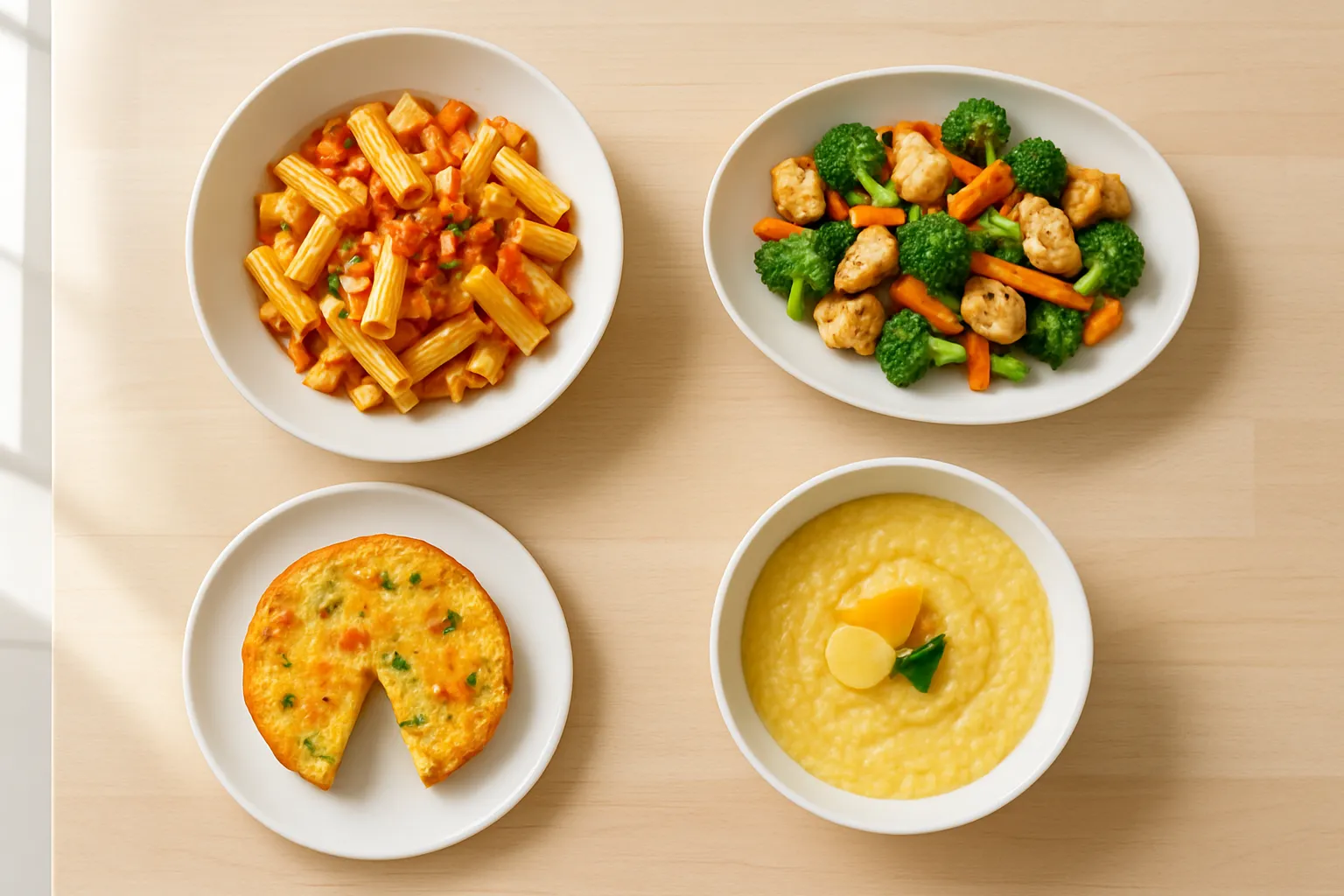
You Might Also Like

 Never miss a recipe from us, subscribe to our newsletter