
A complete guide to navigating peanut allergy in babies and toddlers
Quick two lines: a few simple systems you can set up now will stop frantic searching later. These are the website and tech tricks that make allergy info tidy, shareable and impossible to lose.
Build one digital hub
- Create a single folder in Google Drive, iCloud or Dropbox called something obvious, then duplicate it for each child if needed.
- Keep these core files in the hub: the child’s ASCIA action plan or doctor-signed emergency plan, photos that show symptoms (where relevant), a current meds list with dosages, school/daycare email, and a PDF of safe snack ideas.
- Name files clearly and consistently, for example: 2026-02-08_Jamie_ASCIA.pdf so the latest version is obvious.
Emergency card that actually works
- Make a printable A6 or keyring card with just the essentials: child’s name, severe allergy to peanuts, main symptoms to watch for, “EpiPen administered? Yes/No” checkbox, two emergency contacts and ambulance number.
- Sample card text you can copy: Name: Jamie Smith. Allergies: Peanut (severe). Signs: hives, swelling, vomiting, difficulty breathing. Action: Give EpiPen and call 000. Contacts: Mum 04xx xxx xxx, Dad 04xx xxx xxx.
- Print a few laminated copies and keep one in the nappy bag, one on the fridge, and one with the child’s car seat or pram.
One-page childcare pack and a quick email template
- Make a one-page PDF that covers: allergies, action plan snapshot, meds location, restrictions (no peanut products, cross-contamination note), and any spoon/feeding info if relevant.
- Use this short email when enrolling or updating carers: Hi [Name], attaching [Child]’s one-page allergy plan and ASCIA action plan. Please confirm you’ve received and where meds will be stored. Happy to drop off laminated copies and show where the EpiPen is stored. Thanks, [Your name]
- Attach both the one-page and the full ASCIA or doctor’s plan so carers can read more if they want.
Design for clarity (a few web-designer-friendly tips)
- Use large, readable fonts and high contrast colours for PDFs and printouts so busy carers can scan them fast.
- Add simple icons for phone, meds, and ambulance to guide the eye. One-line headers work best.
- Use photos of the child on the care plan so staff instantly match paper to kid.
QR codes and quick access
- Turn the one-page PDF or a small webpage into a QR code and stick it on the inside of lunchbox lids or the pram. Scan goes straight to the emergency plan.
- Test the QR with a few phones and have a plain printed copy as backup in case reception is slow or a carer is unfamiliar.
Meal planning, labels and recipe organising
- Tag safe recipes in your bookmarks with standard names like “Jamie_safe_muffin” so you can search quickly. Keep a shortlist of go-to snacks in the hub.
- Make lunchbox stickers that say “No Peanuts” and include the child’s name and allergy icon. Laminated labels can be reused.
- Use a barcode-scanner app when shopping if you want a quick check of ingredients, but always read labels yourself.
Share, train and rehearse
- Once you’ve made the pack, walk through it with the daycare staff, grandparents and any regular babysitters. Ask them to show you where they’d find the EpiPen and who would call emergency services.
- Do a quick role-play so everyone knows the steps. It feels awkward but it makes a huge difference when nerves are high.
Backups and privacy
- Keep an offline copy on your phone and a printed one at home. Lock folders with a strong password and only share edit access when needed.
- If you use cloud links for carers, set them to view-only to prevent accidental edits.
These small systems are the kind of invisible organisation that saves mornings and keeps everyone calmer. Once set up, it only takes a minute to update and makes handing over care so much easier.
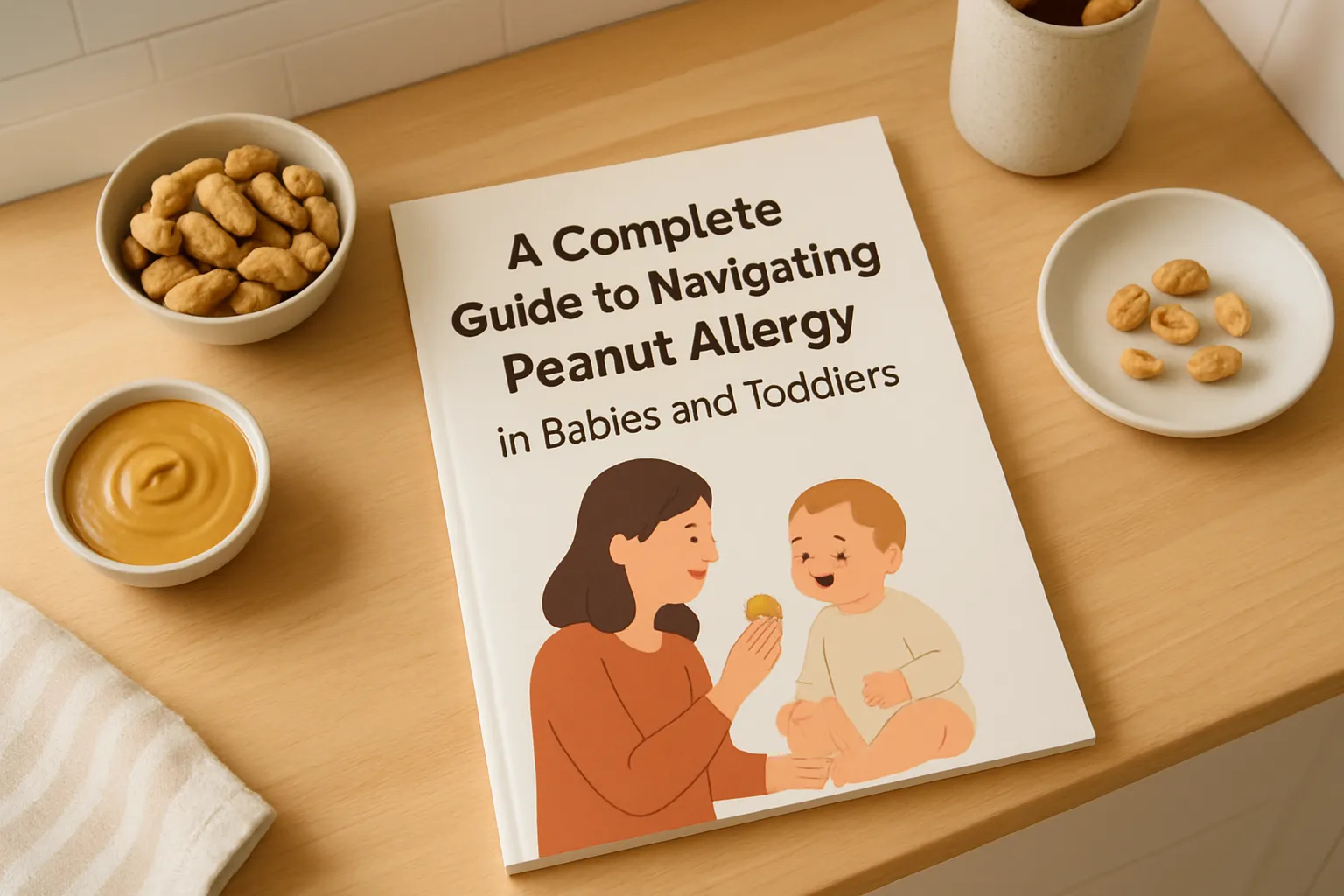
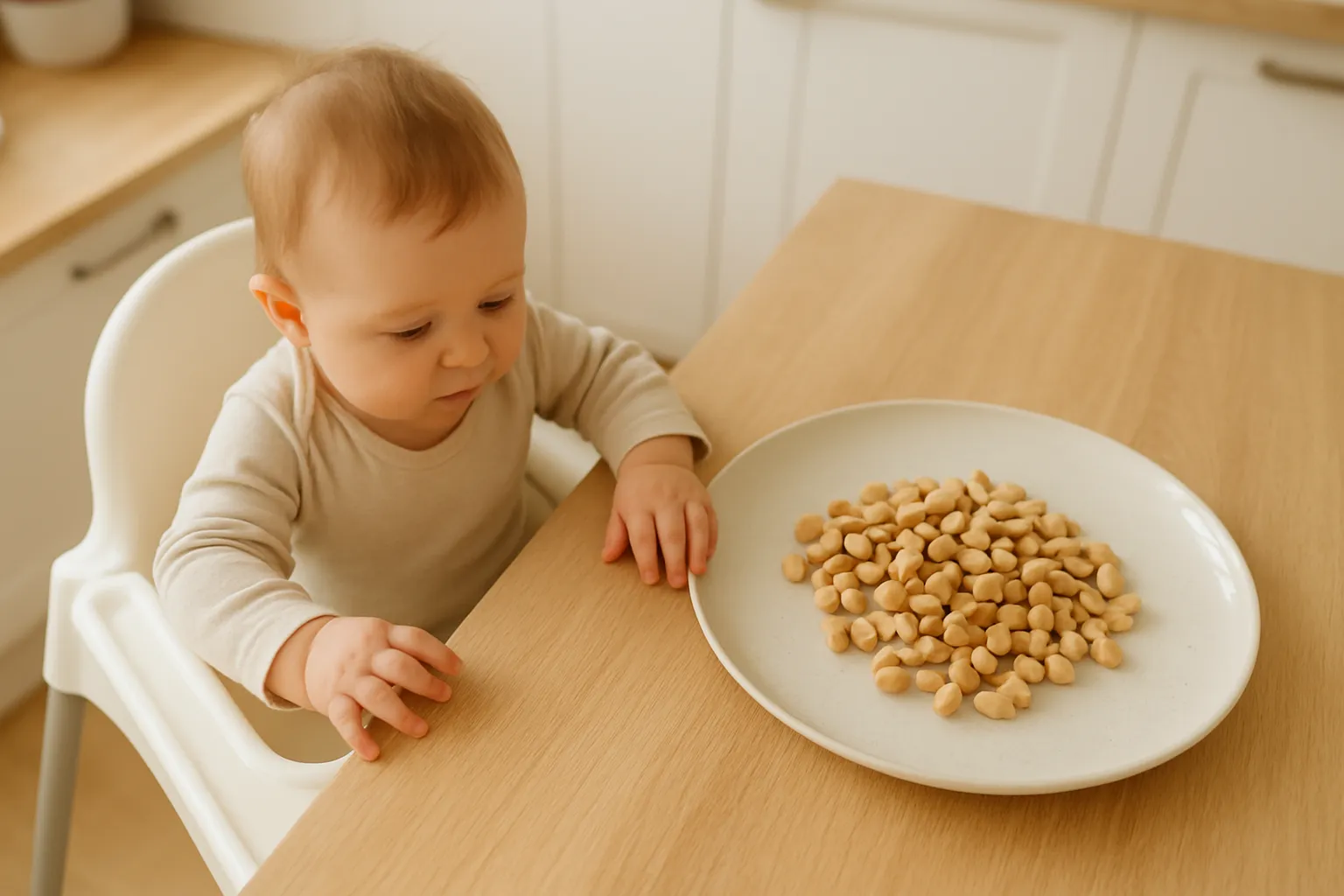
Right away: timing and safety. Most babies can try peanut-containing foods from around 6 months, once they are starting solids and can sit up and control their tongue. Don’t give peanut in a form that can cause choking, and if your baby has severe eczema or an existing egg allergy, check with your GP or an allergy clinic first - they may recommend testing or a supervised first feed.
Simple, safe ways to start
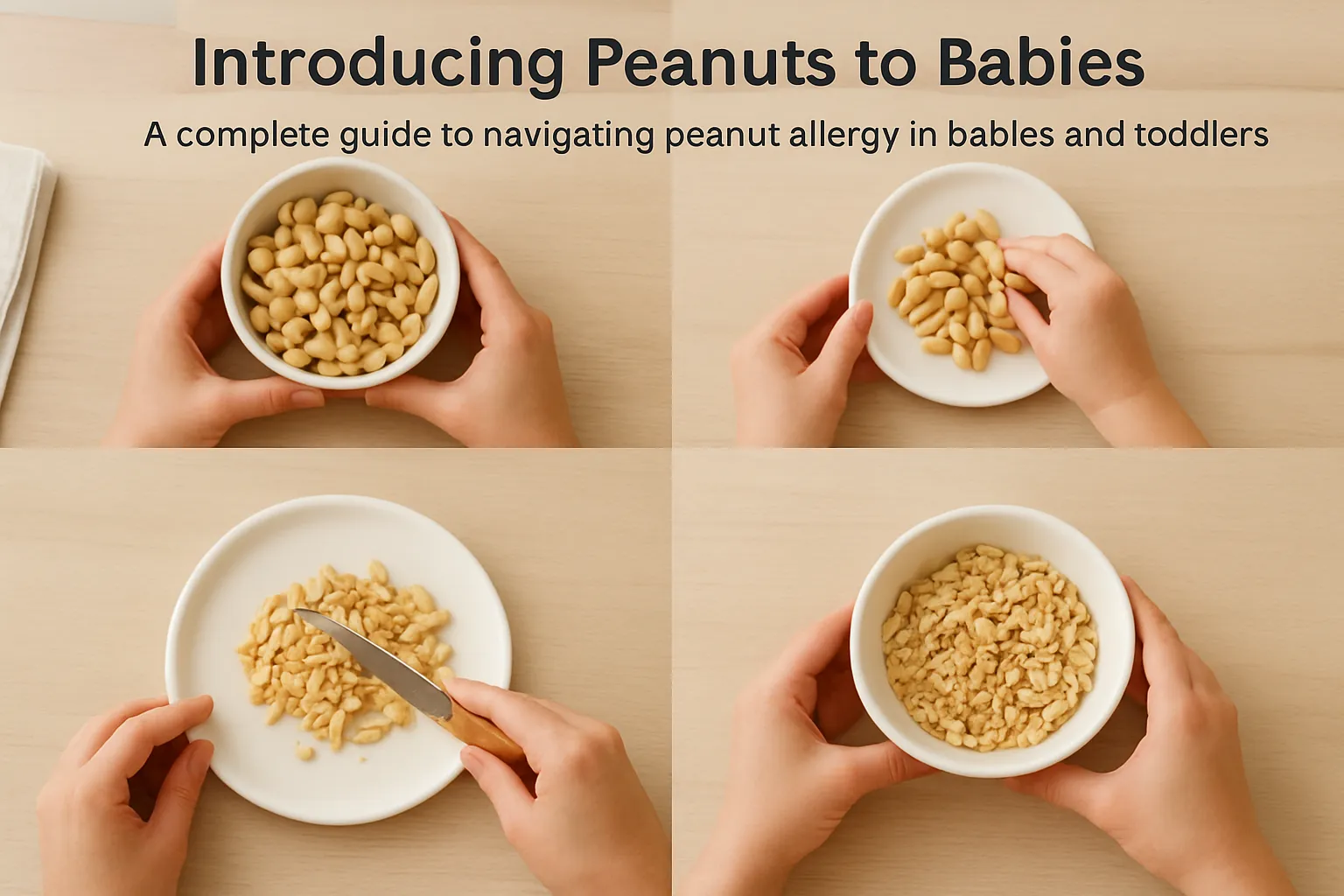
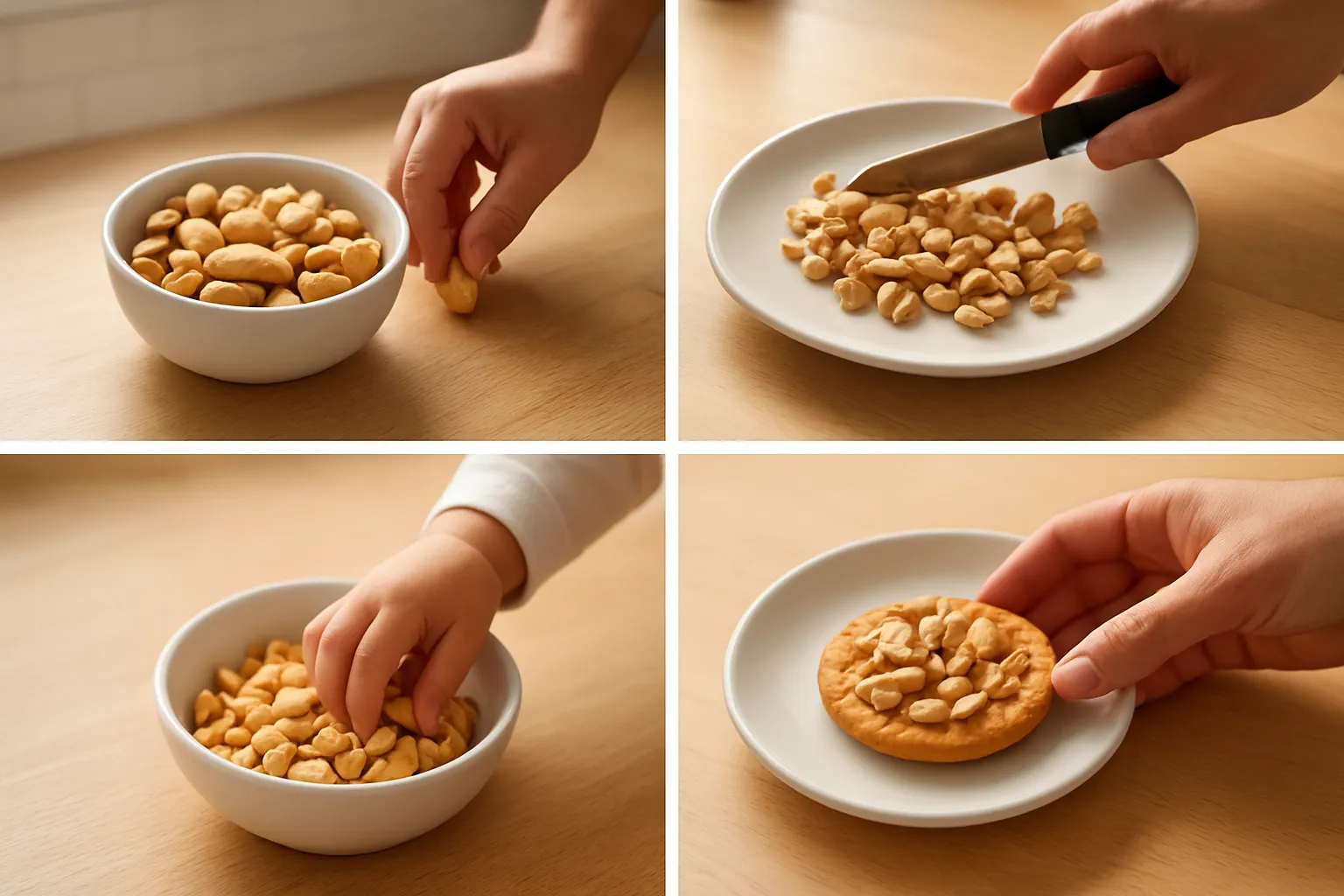
- Smooth peanut butter thinned down: Mix about 1/4 teaspoon smooth peanut butter with 1 teaspoon warm water, breastmilk or formula until it’s runny. Offer a pea-sized amount on a spoon or stirred into a familiar puree.
- Peanut powder: Many brands make powdered peanut for cooking. Start with a tiny amount (about 1/4 teaspoon) mixed into porridge or yoghurt.
- Baby-safe peanut snacks: If you use commercial peanut puffs or a product like Bamba, make sure the size and texture suit your baby’s age and always check the packet for age recommendations. Never give whole peanuts, peanut chunks or thick globs of peanut butter to a baby - these are choking hazards.
How to do the first feed
- Choose a calm, awake time in the middle of the day when you and the baby aren’t rushed and your GP clinic would still be open if you wanted advice.
- Give just a small amount to start - a taste the size of a pea - then wait and watch for 10 to 15 minutes for any immediate reaction. Keep your baby upright and relaxed.
- If there’s no reaction, offer a little more and keep observing for several hours. Some reactions can be delayed, so keep an eye on things for the rest of the day.
- If you’re nervous or your baby is high risk, arrange the first feed at a clinic or with advice from an allergist.
What to look for and what to do
- Mild signs: a few hives, a runny tummy or a little vomiting. If you see these, stop giving peanut and call your GP for advice. They may suggest monitoring or an appointment.
- Serious signs: swelling of the face or tongue, trouble breathing, persistent coughing, pale or blue colouring, limpness or severe vomiting. Call 000 straight away and seek emergency care.
- If your child is considered high risk and already has an adrenaline auto-injector (EpiPen), follow your written allergy action plan and seek emergency help immediately.
Keeping a record
- Note the date, quantity and product used so you can report anything clearly to your GP or clinic if needed. It also helps track tolerance as you increase servings.
- Try to introduce other new foods on different days. That way, if there’s a reaction, it’s easier to spot which food caused it.
How much and how often afterwards
- If baby tolerates the first feeds, aim to include peanut regularly, a couple of times a week, to help maintain tolerance. Small amounts are fine: a teaspoon of thinned peanut butter stirred into food, or a tablespoon of porridge with a bit of peanut powder.
- Increase amounts slowly over weeks as baby grows and tolerates it.
Practical tips that actually help
- Avoid introducing peanut when baby is already upset, very tired or unwell.
- Mix peanut into foods baby already likes - porridge, mashed banana, yoghurt or sweet potato. That reduces stress for both of you.
- Keep textures smooth and lump-free until chewing skills are well developed.
- If you have other kids, make a habit of washing hands and cleaning highchairs to avoid accidental exposure for a peanut-allergic child in the house.
If you’re unsure
- If your baby has severe eczema or an existing food allergy, talk to your GP about a referral to an allergy clinic. They might suggest skin testing or a supervised introduction.
- Your GP or a local clinic can also give you clear instructions on when and where to test, how much to give, and what to do if there’s a reaction.
Introducing peanuts can feel nerve-wracking, but starting small, preparing safe textures and having a plan for what to watch for makes it much more manageable. If you keep introducing peanut regularly once it’s tolerated, you’re giving your little one the best chance of building a normal relationship with this food.
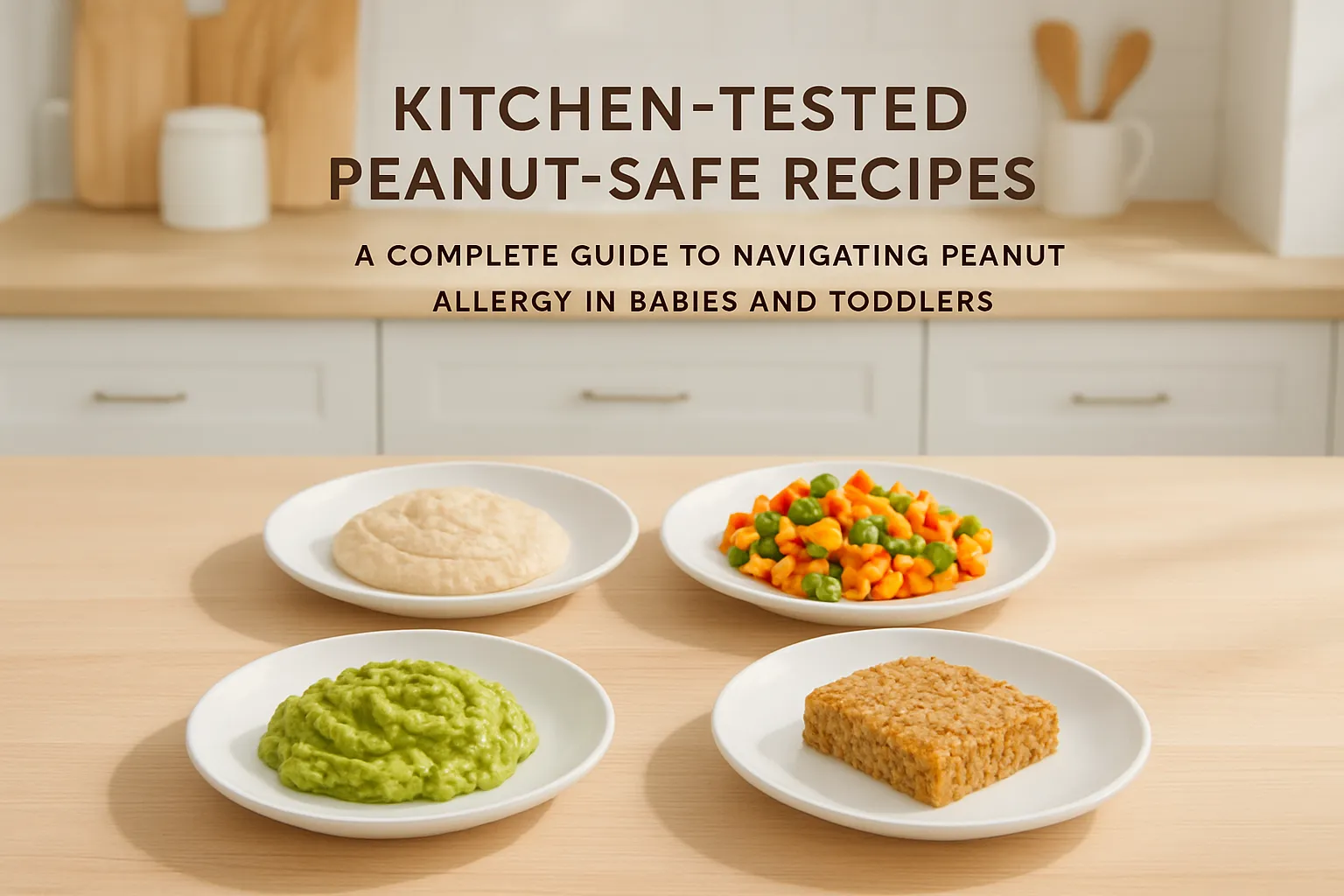
Kitchen-tested Peanut-safe Recipes
Here are a few tried-and-true peanut-free recipes that have made it through picky phases, daycare lunchboxes and the freezer test. Quick notes first: always check labels for “may contain nuts” or shared-facility warnings, and if your child has any diagnosed allergy, follow your healthcare team’s advice before trying new ingredients.
1) Banana and sunflower seed butter muffins Serves 12 · Prep 10 mins · Cook 18-20 mins Ingredients
- 2 large ripe bananas, mashed
- 125 g sunflower seed butter (smooth)
- 1 egg
- 80 ml milk (or breastmilk/formula for little ones)
- 60 ml vegetable oil or melted butter
- 200 g plain flour
- 1 tbsp baking powder
- 1 tsp cinnamon
- 2 tbsp maple syrup or golden syrup (skip for under 12 months)
Method
- Preheat oven to 180°C. Line a 12-hole muffin tray.
- Whisk banana, sunflower butter, egg, milk, oil and syrup until smooth.
- Fold in flour, baking powder and cinnamon until just combined.
- Spoon into tins and bake 18-20 minutes. Cool on a rack. Toddlers tip: Mash one into yoghurt for a quick breakfast. Freeze extra muffins and defrost overnight in the fridge.
2) Creamy chickpea dip (nut-free hummus) Makes about 350 g · Prep 10 mins Ingredients
- 400 g can chickpeas, drained and rinsed
- 2 tbsp olive oil
- 1 garlic clove, optional for older toddlers
- 1 tbsp tahini or 1 tbsp sunflower seed butter for sesame-free homes
- Juice of 1/2 lemon
- Water to thin, pinch of salt if over 12 months
Method
- Blitz everything in a food processor, adding water to reach a smooth consistency.
- Taste and adjust lemon or oil. For babies, leave out added salt and garlic. Ways to serve: Spread thinly on toast fingers, add to sandwiches, use as a dip for cooked veg. Keeps 3-4 days in the fridge.
3) Sunflower “satay” noodles (peanut-free) Serves 4 · Prep 10 mins · Cook 10 mins Ingredients
- 300 g egg noodles or rice noodles
- 4 tbsp sunflower seed butter
- 2 tbsp low-salt soy sauce or tamari
- 1 tbsp honey or maple syrup (skip honey for under 12 months)
- 1 tbsp rice vinegar or lime juice
- Hot water to thin
- Steamed shredded carrot, finely chopped broccoli, cooked chicken or tofu
Method
- Cook noodles according to pack, drain and reserve a little starchy water.
- Whisk sunflower butter, soy, sweetener and vinegar, then thin to a saucy consistency with hot water or noodle water.
- Toss noodles with sauce and mix through veg and protein. Toddler tweak: Chop veg finely and mash slightly for younger mouths. Substitute peanut butter if child has been cleared for peanuts.
4) Oaty fruit bars (no-churn, no nuts) Makes 12 bars · Prep 10 mins · Bake 20 mins Ingredients
- 250 g rolled oats
- 150 g mashed banana or unsweetened applesauce
- 75 g dried fruit (sultanas, apricots), chopped
- 50 g butter or coconut oil, melted
- 1 tsp cinnamon
Method
- Preheat oven to 170°C and line a slice tin.
- Mix all ingredients until combined. Press into tin and bake 18-20 minutes.
- Cool completely and cut into bars. Freeze well. Great for lunchboxes and toddler hands.
5) Red lentil and carrot patties Makes about 12 small patties · Prep 15 mins · Cook 10 mins Ingredients
- 200 g red lentils, rinsed
- 1 medium carrot, grated
- 1 small onion, finely chopped
- 1 egg
- 3 tbsp plain flour or oat flour
- 1 tsp mild curry powder or paprika
Method
- Cook lentils in 400 ml water until soft, drain and mash slightly.
- Mix with carrot, onion, egg, flour and seasoning. Form small patties.
- Fry in a little oil until golden both sides and cooked through, about 3 minutes each side. Serve with yoghurt dip or in small sliders. Freeze single-layer then bag up.
Kitchen rules to keep things peanut-safe
- Clean surfaces and utensils thoroughly after handling any nut products. Use hot soapy water, not just a wipe.
- Keep peanut-containing foods in clearly labelled containers and a separate shelf or cupboard if anyone in the house has an allergy.
- If cooking for school or childcare, check their guidance on “may contain” products; some services require completely nut-free items.
- When buying spreads called “nut-free,” still read the label for cross-contact warnings. Brands change.
- For kids who have been tested and cleared for peanuts, introduce swaps slowly. For everyone else, stick to seed butters and other protein sources.
Little cheats and batch-cooking ideas
- Double recipes and freeze in portions. Muffins, patties and bars thaw overnight in the fridge or gently in the microwave.
- Use a food processor to blitz veg into sauces and bakes so fussy eaters never see a fleck of carrot.
- Make a big jar of chickpea dip, portion into little tubs for the week and add to lunches for easy protein.
If you want, I can turn any of these into a printable recipe card for the kitchen or give alternatives for sesame-free homes. Which one would you like first?
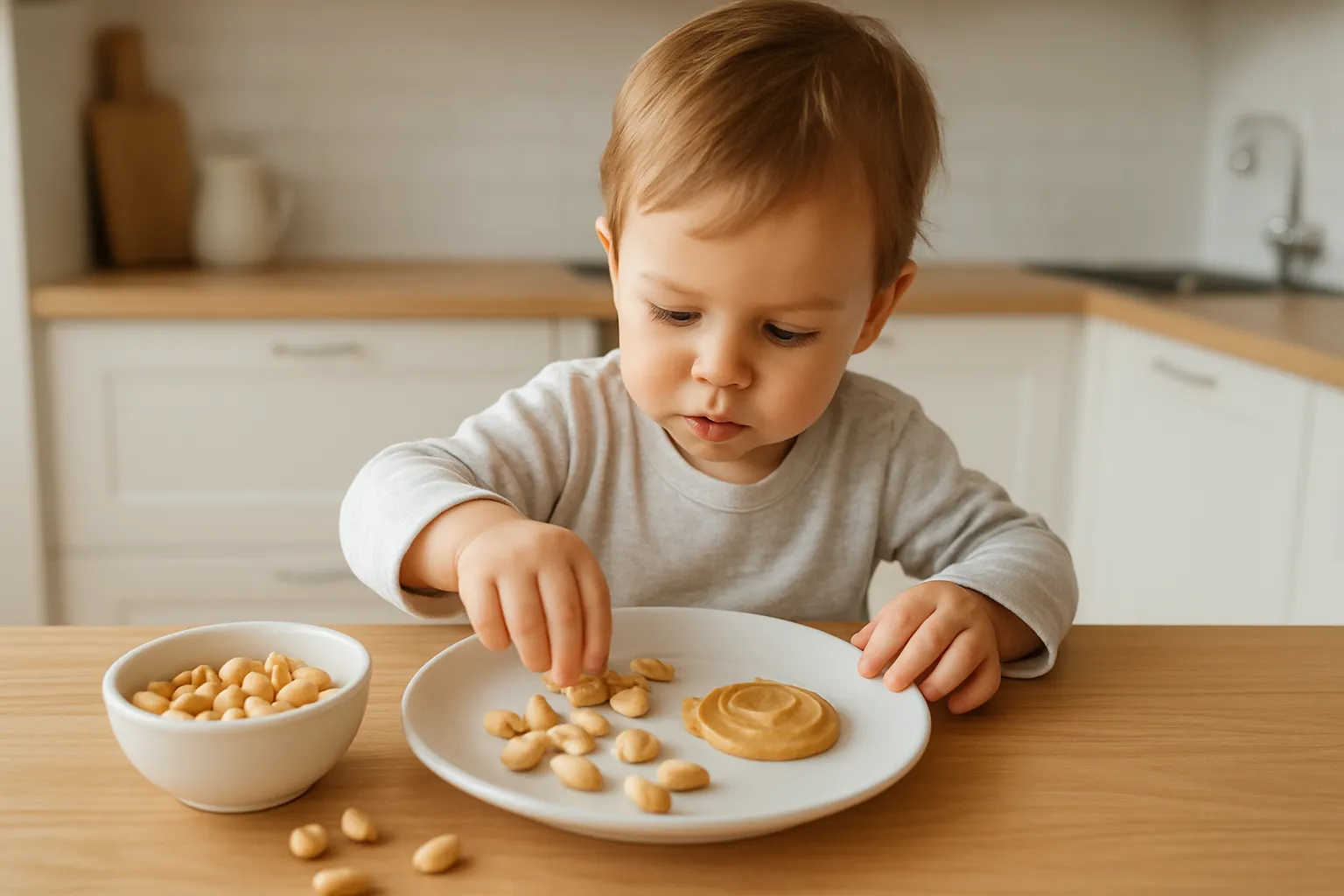
Getting toddlers involved is such a good idea, and it can be done without risking safety. The trick is to give them jobs that feel important while keeping any peanut contact strictly controlled and supervised.
Practical ways to involve toddlers
- Choose safe tasks. Toddlers can rinse fruit, tear lettuce, stir batter that is already peanut-free, sprinkle oats or cinnamon, press cookie cutters into dough, or stick toppings on mini pizzas. Anything that doesn’t require them to touch or be near peanut-containing ingredients is perfect.
- Pre-measure and hand over. Do the fiddly, adult-only bits like opening jars, scooping out butters, or handling hot trays. Give toddlers pre-measured ingredients in small bowls so they can pour or tip without needing to touch the main jar or packet.
- Use a helper station. Set up a low table or stool beside the prep area with a little apron, a safe wooden spoon, and a bowl. They get the fun of stirring and making a mess, while the main cooking happens a safe distance away.
- Give one-at-a-time tasks. Toddlers work best when things are simple. Give them one tiny job like sprinkling cheese or adding banana slices, then celebrate it before moving to the next.
Rules that are easy to remember
- No sharing of food or utensils. Make this a firm household rule. Use visual reminders like a sticker on the bench or a simple picture chart showing one plate per child.
- Hands on, hands clean. Teach a short hand-washing routine before and after helping. Sing a quick song or count to 20 to make sure it happens properly.
- Only touch what’s in your space. Explain that some foods are for grown-ups to handle and the toddler helper only touches what’s in their little bowl.
Keeping peanut contact controlled
- Keep peanut-containing foods sealed and out of reach unless an adult is handling them. If you need to open a jar or packet, do it away from the toddler and wipe the area afterwards.
- Wash surfaces and tools right away. Use warm, soapy water on utensils, bowls and benches after anything with peanuts has been used. A quick wipe-down between tasks prevents crumbs from spreading.
- Separate tools and trays. If you use baking trays or spoons for peanuts, keep them separate from the ones children use. Label them if that helps.
Making safety feel fun, not scary
- Role-play and storytime. Make a game out of safety: practice “I tell an adult” if they see something unsafe, or role-play being a kitchen helper who always washes their hands. Stories make rules stick.
- Give them responsibility. Toddlers love being the official helper. Give them a job like “snack inspector” who checks that everyone washed their hands, or “label reader” who points to the picture of safe snacks.
- Use visuals. Little picture signs on the bench, or a small chart showing which foods are safe to touch, help reinforce the rules without long explanations.
When other kids are involved
- Explain the rule simply to visitors. A short line like “We don’t share snacks here, but there are safe alternatives” works well.
- Offer obvious safe swaps. Keep a bowl of safe treats ready so there is no awkwardness when guests arrive.
- Supervise all sharing. If a toddler is giving out snacks to friends, watch closely and step in if anything unsafe is handed over.
Practice what to do
- Teach a simple response: tell an adult right away. Repeat this often so it becomes automatic.
- Keep the emergency plan accessible but don’t make it part of play. Make sure older siblings, babysitters and childcare know the rules and where meds are stored.
Getting toddlers into the kitchen is one of the best ways to build good food habits and confidence. With clear small jobs, firm but gentle rules, and a few visual reminders, they can help out, feel proud and stay safe at the same time.
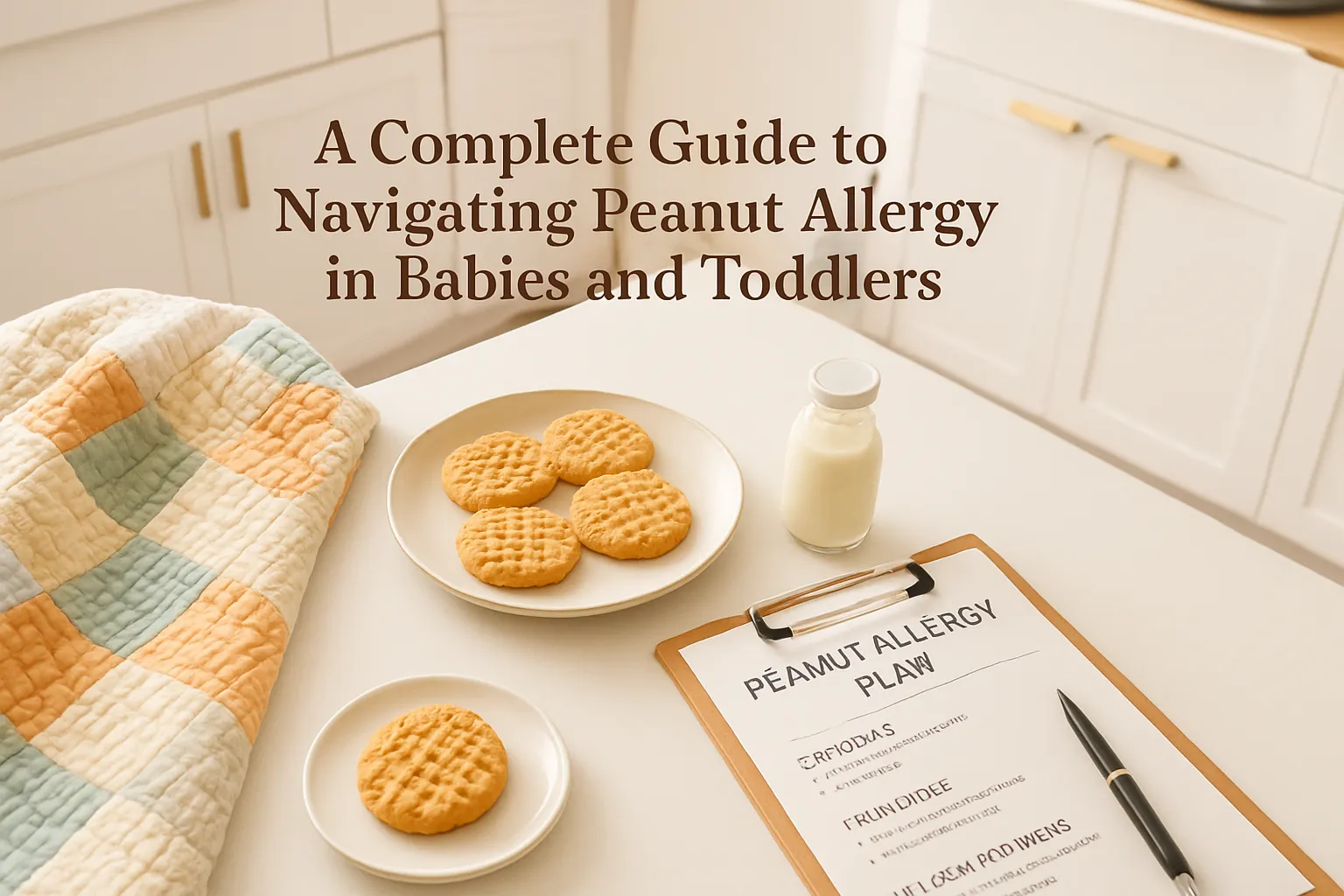
That special quilt or soft toy can be more than comfort. Make it part of a clear, calm system so everyone from grandparents to daycare staff knows the plan and your little one has a safe, familiar anchor.
Quilts and soft things
- Choose washable fabrics and plain, machine-washable fillings. Cotton tops and polyester wadding wash well and dry quickly. Avoid novelty fillings that might be food-based or hard to clean.
- Keep a designated “bedroom only” quilt or blanket tagged peanut-free. Label it clearly with a permanent tag or sewn-in label so carers know not to bring food near it.
- If you buy secondhand, wash the quilt and any soft toy immediately on a hot cycle if the fabric allows, then tumble dry. If you can’t wash it thoroughly, don’t use it around your child.
- Have a spare quilt in a sealed bag for outings or sleepovers. That way you’re not relying on other families’ bedding.
Creating calm routines
- Routines help reduce anxiety. A predictable bedtime, quiet cuddle time with their quilt and a simple story signal safety and comfort.
- Simple breathing games work well for toddlers. Blow bubbles, blow a soft feather, or pretend to blow out candles to practise slow breaths. These are easy to do at the first hint of distress.
- Use the quilt as a grounding tool. Teach the child to find their quilt, wrap up and ask for a cuddle if they feel worried after an incident or before a check-up.
Practical allergy plan components Make a single-sheet plan that you can copy and hand out. Include:
- Child’s name and a recent photo.
- Confirmed allergen(s).
- Clear list of signs for mild reaction versus anaphylaxis.
- Exact medicines, doses and where they are stored. Note device types and expiry dates.
- Step-by-step actions to take for suspected anaphylaxis. Use your child’s ASCIA action plan wording if you have it.
- Emergency contacts: phone numbers for parents, alternate carers, GP and the allergy clinic.
- Permission statement signed by you authorising staff to give medications in an emergency.
- Date the plan was written and when next review is due.
Make copies and display them
- Laminate a copy for the fridge and leave one in the nappy bag. Put another in the child’s care folder at daycare.
- Give carers a pocket-sized card with the key steps and emergency numbers.
- Leave a signed medication authority and a photo ID at any place your child spends time regularly.
Training and rehearsal
- Teach everyone how to use an autoinjector with a trainer device. Watching a video together then practising with the trainer builds confidence.
- Run a calm drill with carers and family: find the plan, find the EpiPen, call 000, and role-play checking for breathing and responsiveness. Keep it short and positive.
- Check expiry dates monthly and replace medications well before they expire. Keep one EpiPen at home and another in your day bag or car.
Daycare, babysitters and sleepovers
- Meet with new carers and walk them through the plan. Show where medications and the spare quilt are kept.
- For sleepovers, pack an allergy kit: two autoinjectors if prescribed, antihistamine, laminated plan, spare quilt in a sealed bag and written parental consent to administer meds.
- Ask the host family to set a peanut-free table during the visit and to remove any food from bedrooms.
Everyday housekeeping tips
- No food in bedrooms and limits on eating on soft furniture reduces crumbs and risk.
- Wipe hands and faces immediately after eating. Wash quilts and soft toys on a regular schedule if they are exposed to food.
- Keep a simple cleaning kit for outings: sanitising wipes, a spare bib or cloth and hand gel for older kids.
Emotional support for the family
- Keep language simple with toddlers. Explain allergies in calm, matter-of-fact terms like “peanuts make your body hurt so we don’t give them to you.”
- Let the quilt be a proud, normal part of life. Involve the child in choosing or making a label so the object feels empowering, not just protective.
- Check in with carers and family about how they are coping. A clear plan reduces stress for everyone.
Final quick checklist
- Laminated ASCIA-style plan, recent photo and signed consent.
- At least one trainer practice and one live-drill with carers.
- Two quilts: a bedroom-only quilt and a sealed spare for outings.
- Meds checked monthly for expiry and stored where clearly labelled.
Keep the paperwork updated and the quilt close. A calm plan and familiar comforts make all the practical stuff much easier to manage when you need it.
Browse Cuisines
From the Blog
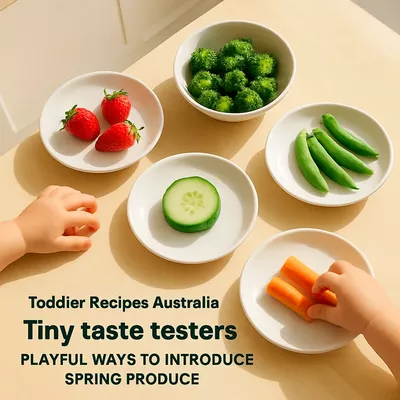
First up, a few no-fuss spring winners that keep sticky fingers and big clean-ups to a minimum. Quick to prep and easy for little hands to manage, these are the sorts of things I reach for when we want something...
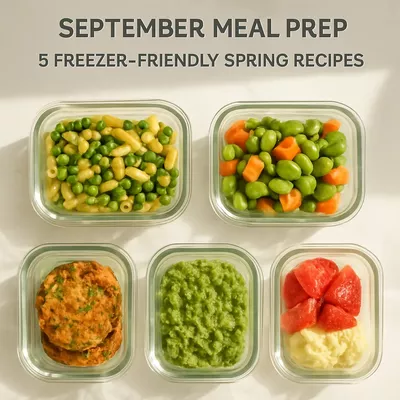
Nice - here’s how Steve keeps dinner simple without sacrificing flavour or sanity. A few good habits and the right packing tricks mean you can pull a proper family meal out of the freezer in minutes.
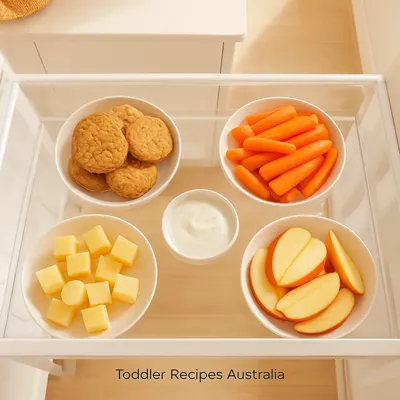
Righto, a couple of quick fridge fixes will make everything a whole lot easier. These are the simple, practical habits and setups that keep snacks safe, obvious and actually reachable for little hands.

 Never miss a recipe from us, subscribe to our newsletter