
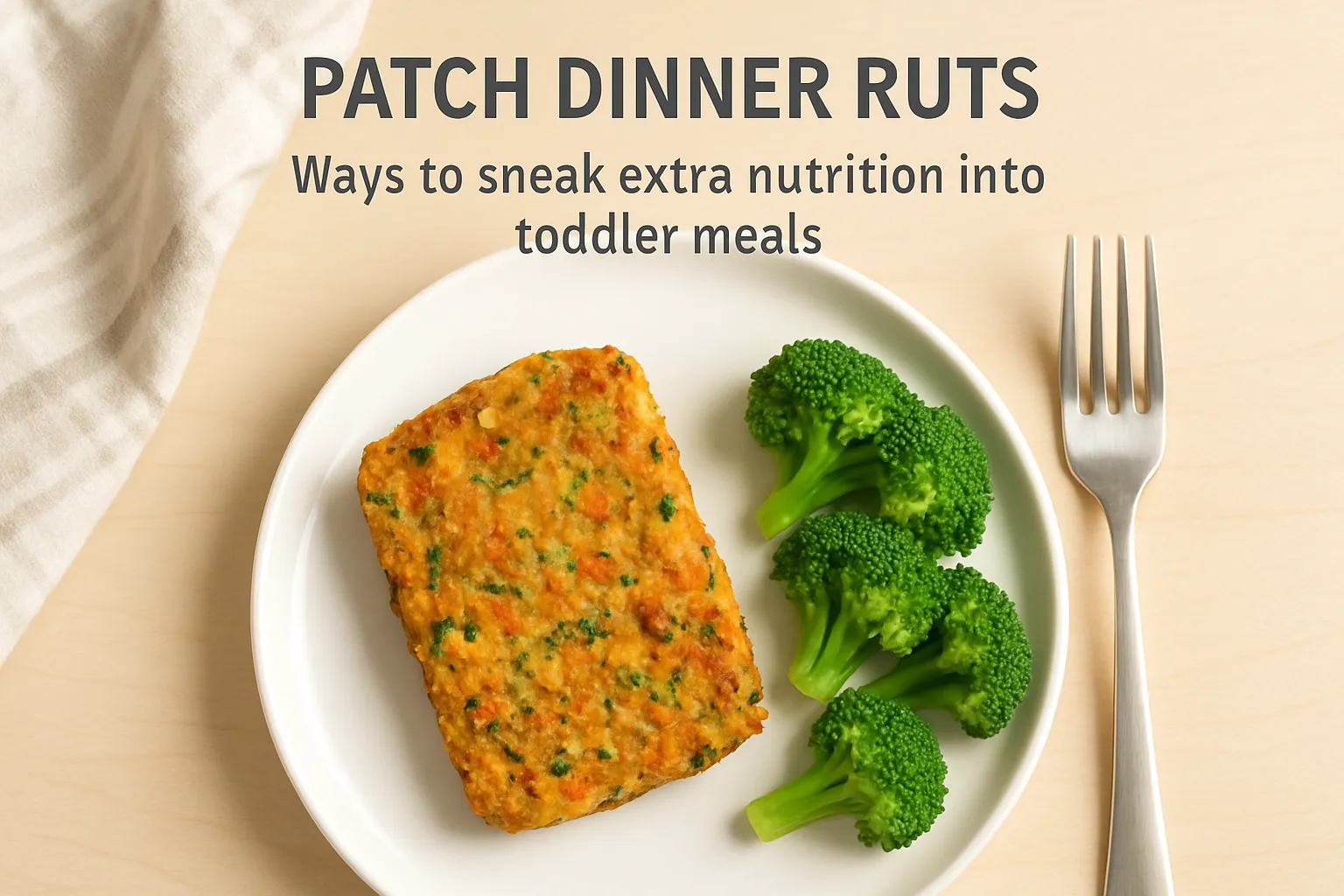
Ways to sneak extra nutrition into toddler meals
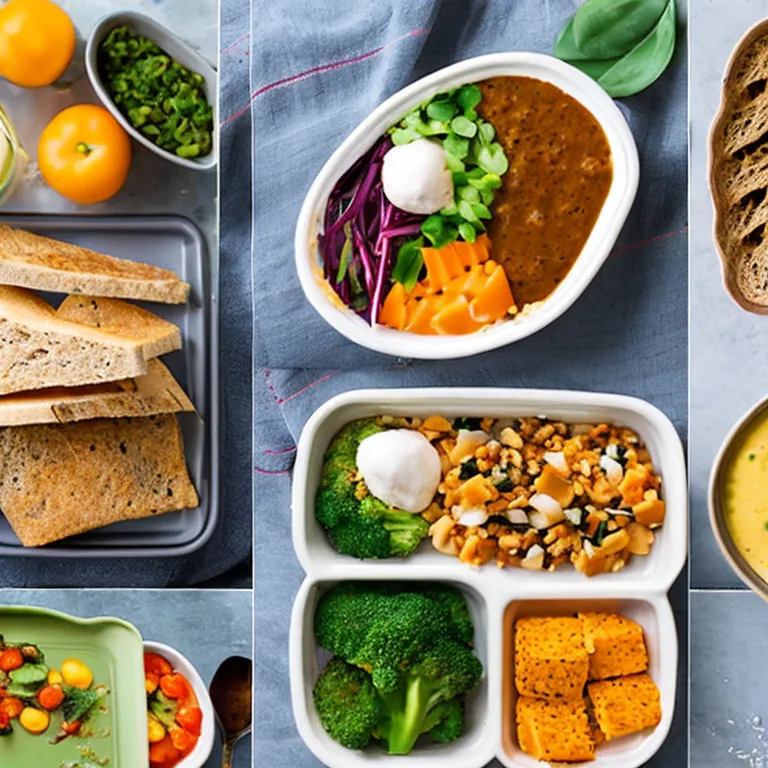
First up, veggies. They can slip into meals so the kids barely notice if you match texture and flavour to what they already like.
-
Pasta sauce magic: Sweat finely grated carrot and zucchini with onion for 5 minutes, then add mince and tinned tomatoes. Simmer 15-20 minutes and blitz if you need it extra smooth. Ratio idea: about one medium carrot and one small zucchini per 400 g mince. The sweetness of the carrot and the umami of tomato do most of the hiding work.
-
Meatballs, patties and rissoles: Grate or finely chop veg (pumpkin, carrot, zucchini, spinach) and squeeze out excess liquid for a good bind. Mix into mince with an egg, a handful of breadcrumbs and a knob of grated cheese. Fry or bake until golden. Freeze extras in portions for quick dinners.
-
Cheese and cream trick: Steam cauliflower until very soft, then whiz with a splash of milk and a handful of cheddar to make a creamy sauce. Stir through pasta, mash, or use as a base for cheesy veg bakes. It tastes like a naughty sauce but gives you a heap of veg.
-
Muffins and bakes: Fold 1 cup grated or pureed veg into sweet muffins or banana bread. Pumpkin, beetroot and carrot all play nicely. Add a teaspoon of cinnamon or vanilla to keep flavours familiar. Baking hides texture and gives you portable snacks.
-
Pancakes and pikelets: Mix a small handful of finely chopped spinach or grated zucchini into pancake batter. Serve with a drizzle of maple or yoghurt to keep kids happy. The colour changes a bit but the taste stays mild.
-
Rice, fried rice and stir-frys: Grate carrot and cauliflower into rice, or make thin ribbons of zucchini with a peeler. Toss through fried rice or a quick stir-fry with soy, a splash of sesame oil and scrambled egg. Little pieces cook fast and blend into the dish.
-
Soup and puree power: Blend roasted veg into soups and stews so they add creaminess and nutrients without odd bits. Roasted sweet potato or pumpkin gives sweetness that kids like, while roasted capsicum adds gentle depth.
-
Texture and moisture tips: Steam veg until very soft before blending into sauces or mash. If using zucchini, squeeze out the moisture after grating so it does not water down dishes. Small dice or fine grating is your friend.
-
Use strong flavours to cover new tastes: A little parmesan, tomato paste, bacon, curry powder or soy will mask unfamiliar veggie notes. Start with small amounts and build up as they get used to it.
-
Presentation and involvement: Turn veg-packed meals into builds, like mini pizzas with hidden veg under cheese, or let kids sprinkle the topping. If they help press meatballs or choose muffin cases, they are more likely to eat them.
Quick recipes to try tonight:
- Speedy veg bolognese: 1 onion, 1 carrot, 1 zucchini grated, 400 g mince, 1 can tomatoes. Sweat onion and veg, brown mince, add tomatoes, simmer 15-20 minutes. Serve with cheese.
- Cheesy cauliflower mash: Steam 300 g cauliflower until soft, blend with 1-2 tbsp milk and 1/4 cup grated cheddar, heat until melty. Mix with mashed potato or serve solo.
Keep swapping veggies through recipes you already make until the unfamiliar becomes ordinary. Small, steady wins beat big surprises every time.
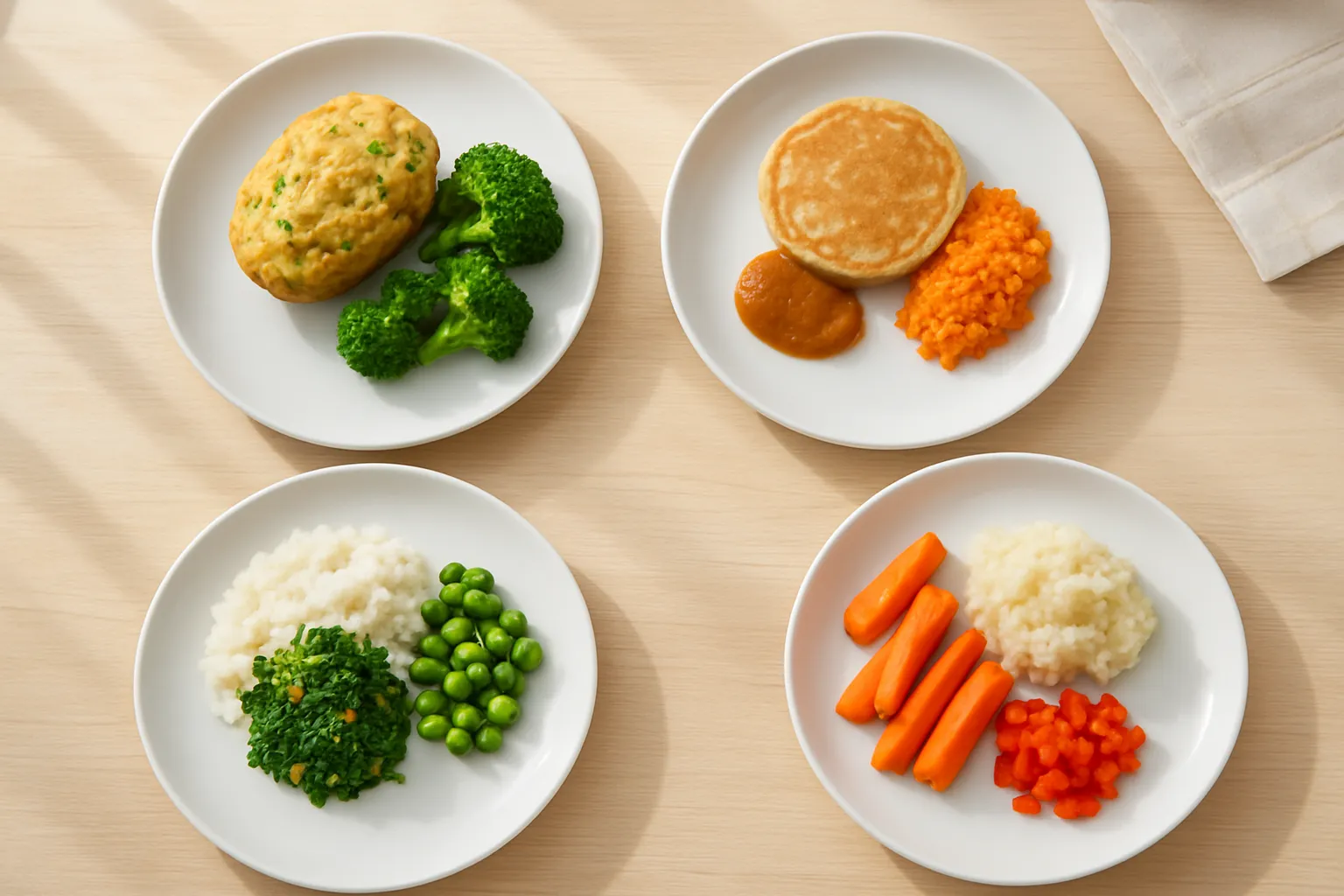
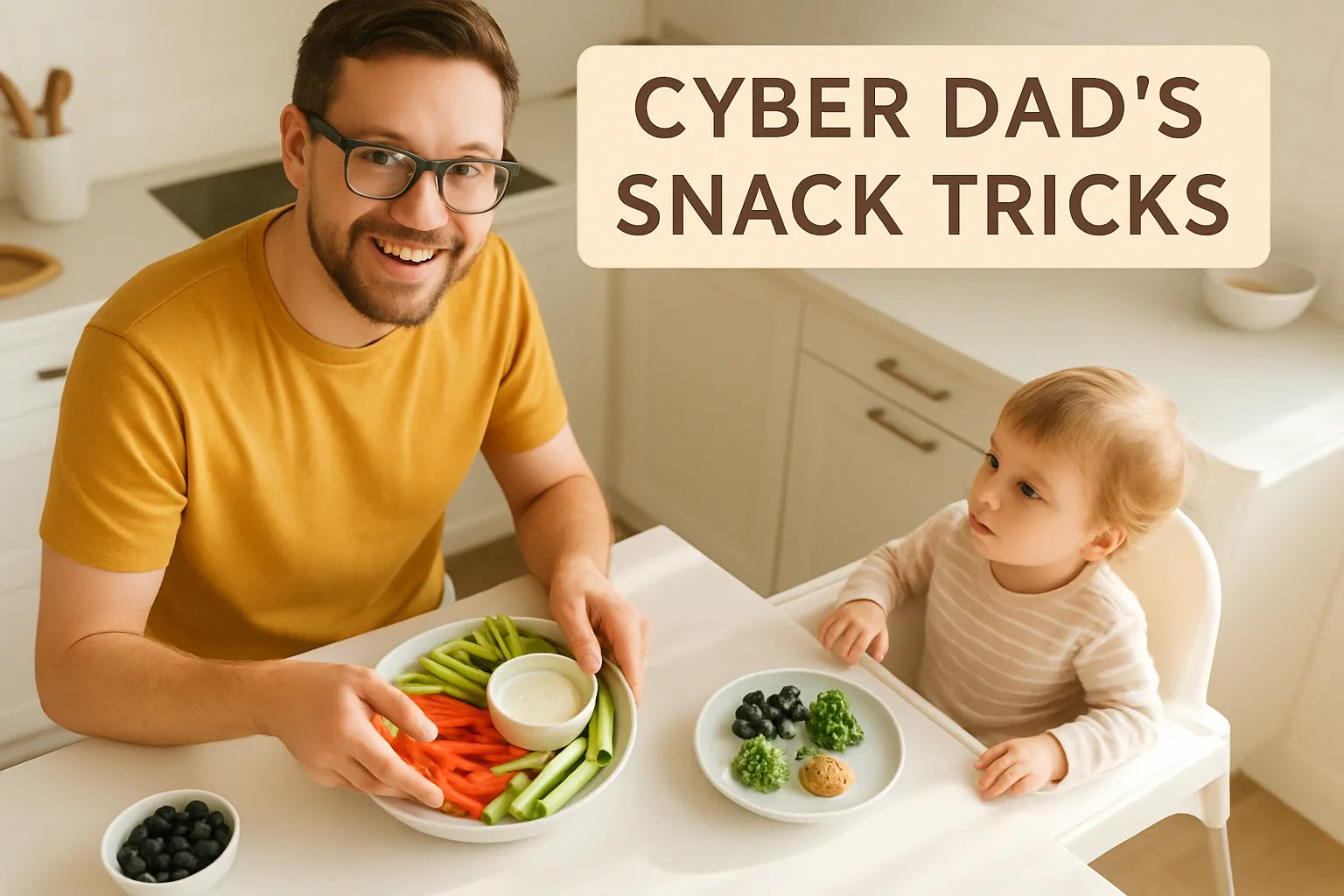
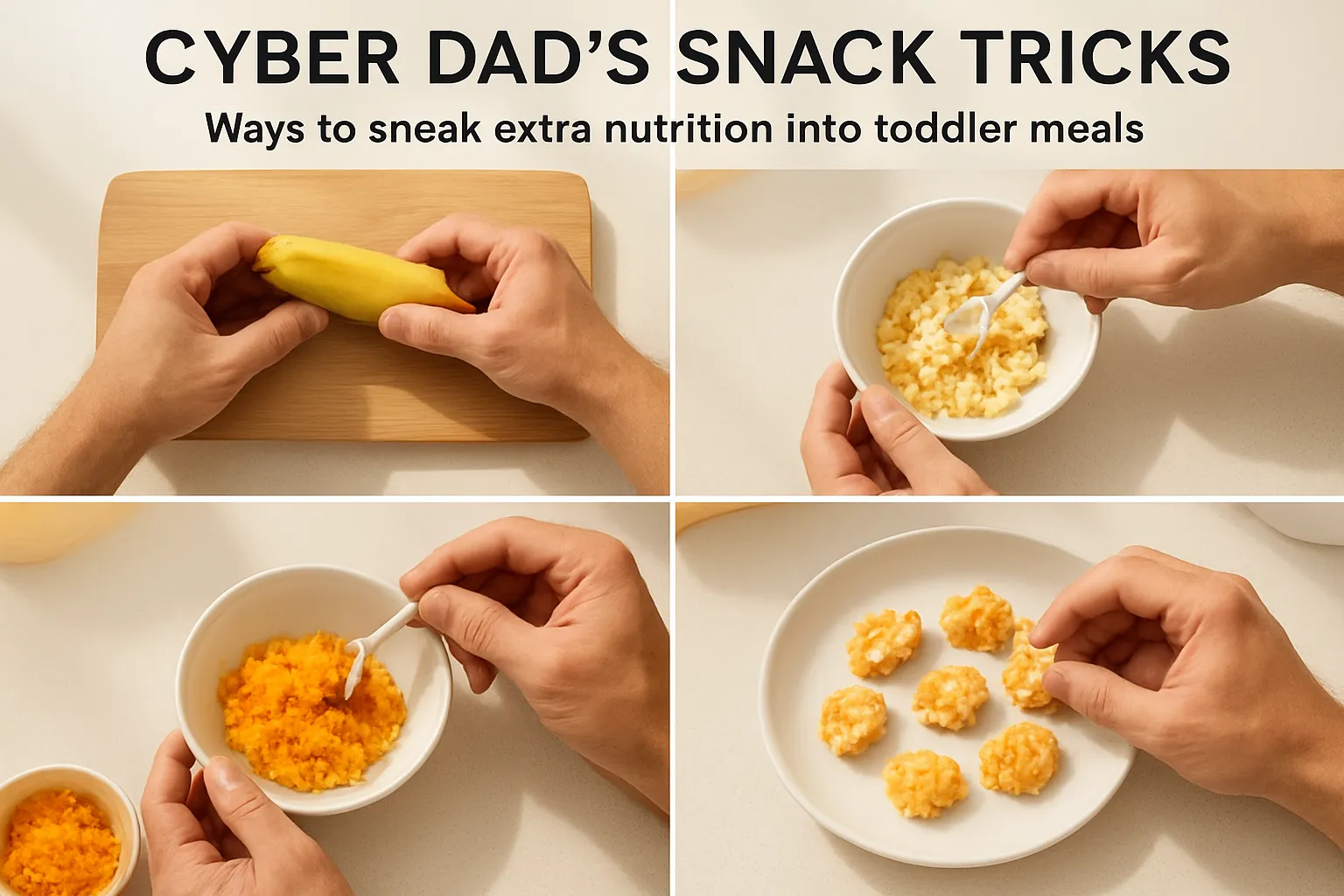
If sneaking veg into dinner worked, Cyber Dad’s Snack Tricks bring the same sneaky energy to snacks with a bit of gadget help, fun shapes and make-ahead moves that actually get eaten.
-
Energy balls, but better: Mix 1 cup rolled oats, 1/2 cup nut or seed butter, 1/3 cup mashed banana or sweet potato, 2 tablespoons ground flax, 1/4 cup grated carrot or zucchini, and a couple of tablespoons of sultanas or shredded coconut. Roll into toddler-sized bites and chill. Swap nut butter for sunflower seed butter if there’s an allergy, and skip honey for under-1s.
-
Smoothie ice cubes: Blitz fruit, spinach, yoghurt and a splash of milk, pour into ice cube trays or silicone moulds and freeze. Pop cubes into a bottle or small box for the arvo, or stir a few into porridge or yoghurt to melt and add texture and extra goodness.
-
Mini muffins with hidden veg: Use a standard muffin mix, fold through pureed pumpkin or grated beetroot, a cup of oats and an egg. Bake in mini cases so they are the perfect size and freeze extras. Great for taking on the go and for hands that love to feed themselves.
-
Muffin-tin omelettes: Whisk eggs, add finely chopped spinach, grated carrot and a sprinkle of cheese, pour into a greased muffin tin and bake 12 to 15 minutes. Portable, protein-rich and super handy warmed or cold.
-
Dip power-ups: Blend chickpeas or white beans with a fistful of roasted pumpkin or beetroot, lemon juice and a little olive oil. Hummus with veg folded through gets kids dipping carrot sticks, crackers or soft pita without a fuss.
-
Pancake pucks: Make small pancakes with mashed banana, 1 egg and a handful of oats. Add grated apple or sweet potato for hidden fibre. Use a cookie cutter to make fun shapes, or freeze in stacks separated by baking paper.
-
Yoghurt parfait jars: Layer plain yoghurt with mashed fruit, a sprinkle of ground seeds and a few crushed wholegrain biscuits for texture. Portion into little screw-top jars for the bag. Swap seeds for finely milled oats if you’re avoiding seeds.
-
Veggie ice lollies: Puree berries with a little cooked sweet potato or carrot, spoon into popsicle moulds and freeze. They’re refreshing, less sugary than store versions and great for sticky fingers.
-
Snack station with small containers: Set out a selection of tiny tubs (cheese cubes, halved grapes, soft cooked beans, veggie sticks, mini rice cakes). Let little ones pick a couple of tubs. Giving choice reduces battles and often increases the chance they’ll try something new.
-
Presentation tricks that work: Cookie cutters for sandwiches and cheese, silicone moulds for freezer bites shaped like animals, and themed snack days (robot crackers, superhero fruit skewers with grape halves for safety) turn food into play.
Safety notes: Cut grapes, cherry tomatoes and sausages into quarters, never give whole nuts - use butters or finely ground nuts instead, and avoid honey for babies under 1 year. Keep portions small and supervise.
These are the sorts of quick, repeatable tricks that Dad-tech and a few clever tools can turn into everyday wins, especially for those arvo snack crises.
If your weeknight dinners have turned into reruns, here are simple, low-fuss ways to freshen things up and sneak more good stuff in without a battle.
-
Theme nights, but flexible: pick a loose theme like Taco Tuesday, Bowl Night or Pizza Friday. Keep the base familiar and swap one new thing each week. A taco base can be shredded chicken one week, black beans the next, then lentil mince. Kids cope with small changes better than big surprises.
-
One-pan and sheet-pan wins: pile protein and veg onto a tray, roast, and you’re done. Try salmon or chicken pieces with sweet potato wedges and carrot coins. Roast brings out sweetness in veggies so picky eaters are more likely to try them.
-
Muffin tin dinners: make mini frittatas or bolognese in muffin tins. Portion control, fun shapes and easy to freeze. Toss in grated veg like carrot, zucchini or spinach for extra fibre and iron.
-
Swap the base not the flavour: if they love spaghetti, swap regular pasta for chickpea or lentil pasta once in a while. If you use mince, stir in red lentils or mashed beans to stretch protein and add fibre without changing texture much.
-
Sauce boosts: bulk out tomato sauces with finely grated veg or pureed pumpkin, beetroot or carrot. Stir in a spoonful of Greek yoghurt or cream cheese at the end for creaminess and extra calories for little ones who are picky eaters.
-
Breakfast for dinner: pancakes made with oats and mashed banana, served with ricotta or yogurt and fruit, are quick, nutritious and a novelty for kids. Same batter can be poured into muffin tins for saved portions.
-
Build-your-own plate: give two choices only. For example, “You can have chicken and broccoli or chicken and mashed sweet potato.” Small choices give them control without overwhelming and usually gets them to pick something nutritious.
-
Texture swaps: if a child refuses steamed veg, try roasting until caramelised or finely chopping and hiding in meatballs or rissoles. Crunchy things often attract toddlers, so try roasted chickpeas ground into dukkah, or sprinkle finely milled seeds on yoghurt and porridge.
-
Batch cook and freeze: double a recipe like bolognese, lentil curry or bean ragu, cool, portion and freeze in kid-sized tubs. On chaotic nights, defrost and serve with something new: wrap it in a tortilla, spoon over toast, or stir through pasta.
-
Small plates, tiny portions: big plates can be intimidating. Serve small amounts and have seconds ready if they want. This reduces waste and pressure, and kids are more likely to try new bits.
-
Rescue with toppings and dips: a familiar dip can make a new veg suddenly acceptable. Try hummus, avocado mash or a mild yoghurt-herb dip. Let them dunk. Even a sprinkle of cheese can work wonders.
-
Iron and calcium quick fixes: add canned fish like salmon or sardines (bones mashed) to patties, or stir in a little powdered milk or calcium-fortified milk powder into sauces. Greek yoghurt on the side is an easy calcium boost.
-
Emergency flavour tricks: squeeze of lemon, a dusting of smoked paprika, or a little grated parmesan can change a dish without being overpowering. New names help too. “Rainbow rice” or “super power mince” makes it sound fun.
-
Safety and common-sense notes: always cut food to age-appropriate sizes and avoid whole nuts and seeds for young toddlers. If trying new ingredients, watch for allergy reactions.
Small, steady changes beat one big overhaul. Mix a few of these into your week and you’ll break the rut without turning dinner into a battleground.
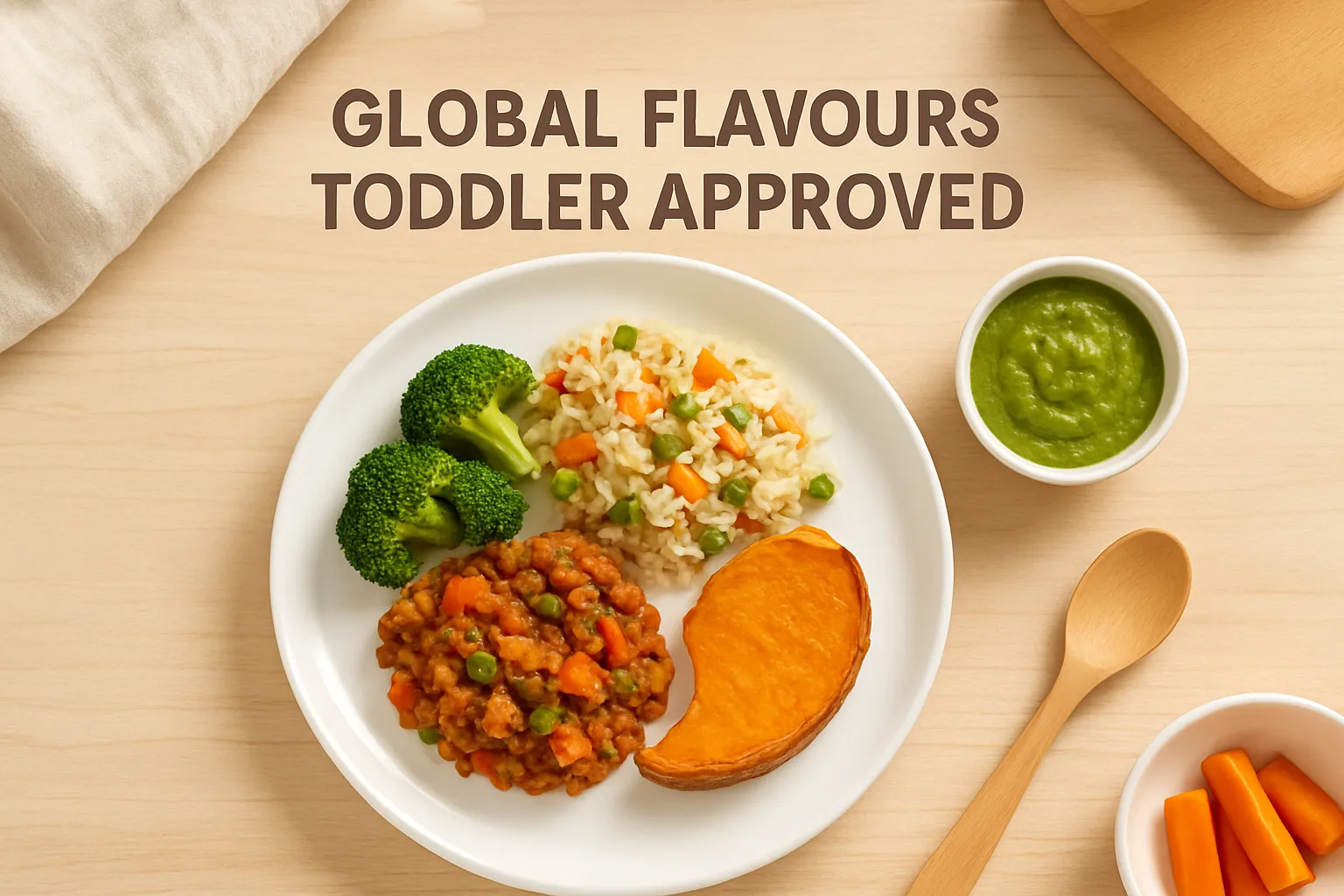
Start small with gentle spices and colourful dips, then fold those flavours into textures your toddler already loves. A few global twists that tend to be big hits:
-
Mexican-style quesadilla pockets: mash black beans with a little corn and grated carrot, add a pinch of smoked paprika and mild cheddar, spread on a soft tortilla, fold and warm in a pan until melty. Cut into wedges for little hands.
-
Mild dal with sweet potato: cook red lentils with diced sweet potato, a splash of coconut milk and a teaspoon each of turmeric and cumin. Mash lightly for a spoonable, protein-rich meal that freezes well in portion cubes.
-
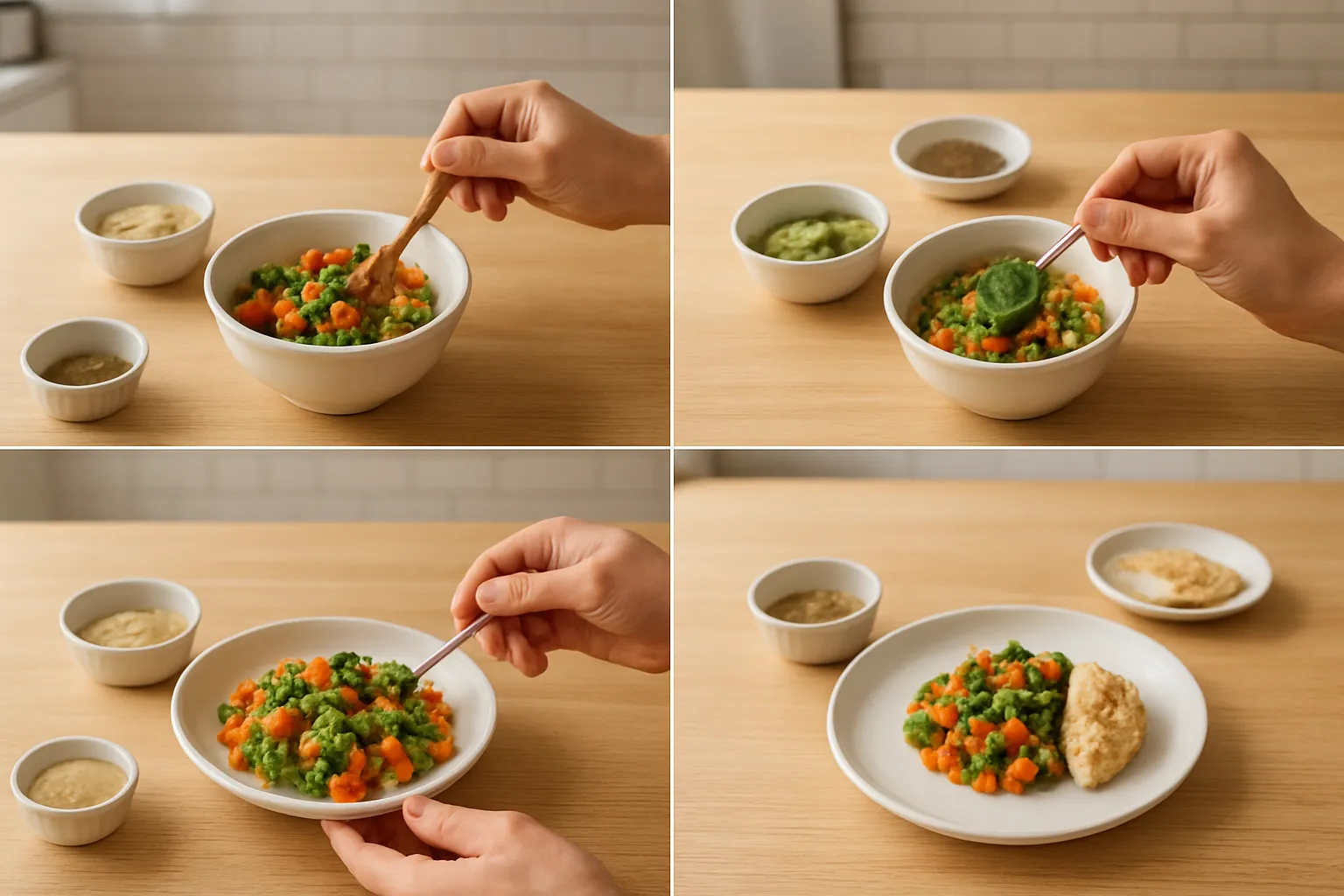
Mediterranean hummus mash-up: blend hummus with roasted pumpkin or beetroot for extra vitamins and a sweeter taste. Serve with soft pita strips, steamed veg sticks or dolloped on warm couscous.
-
Mini salmon onigiri: mix flaked cooked salmon with a tiny bit of mashed avocado and a squeeze of lemon, shape into small rice balls and press with a nori strip for texture. Great for introducing fish in a friendly form.
-
Teriyaki-style mince bowls: brown lean beef or chicken mince with grated zucchini and carrot, toss through a little low-salt soy and honey, then serve over soft rice. Mild, sweet and familiar.
-
Shakshuka-for-kids: simmer chopped tomatoes with grated carrot and zucchini, add a small pinch of cumin and paprika, crack in an egg or two and bake until just set. Spoon onto toast soldiers for dipping.
-
Baked empanada pockets: fill small rounds of pastry with mashed sweet potato, black beans and a hint of mild chilli or smoked paprika, fold and bake until golden. Soft and handheld.
Practical tips that help these flavours land:
- Introduce one new spice at a time, and keep it mild. Kids often accept new tastes better when flavours are familiar underneath.
- Hide extra veg in sauces and dips where texture is less of an issue, then call it a favourite food they already know.
- Make meals colourful and bite-sized. Little portions, fun shapes and dipping options win every time.
- Get them involved. Stirring a dal or choosing a pita to fill makes them more likely to try it.
- Watch allergies, especially nuts and shellfish. Substitute sunflower seed butter for peanuts, and cook fish thoroughly for toddlers.
Try rotating a couple of these each week so meals feel new but not overwhelming. Global flavours don’t have to be bold to be brilliant for little tummies.
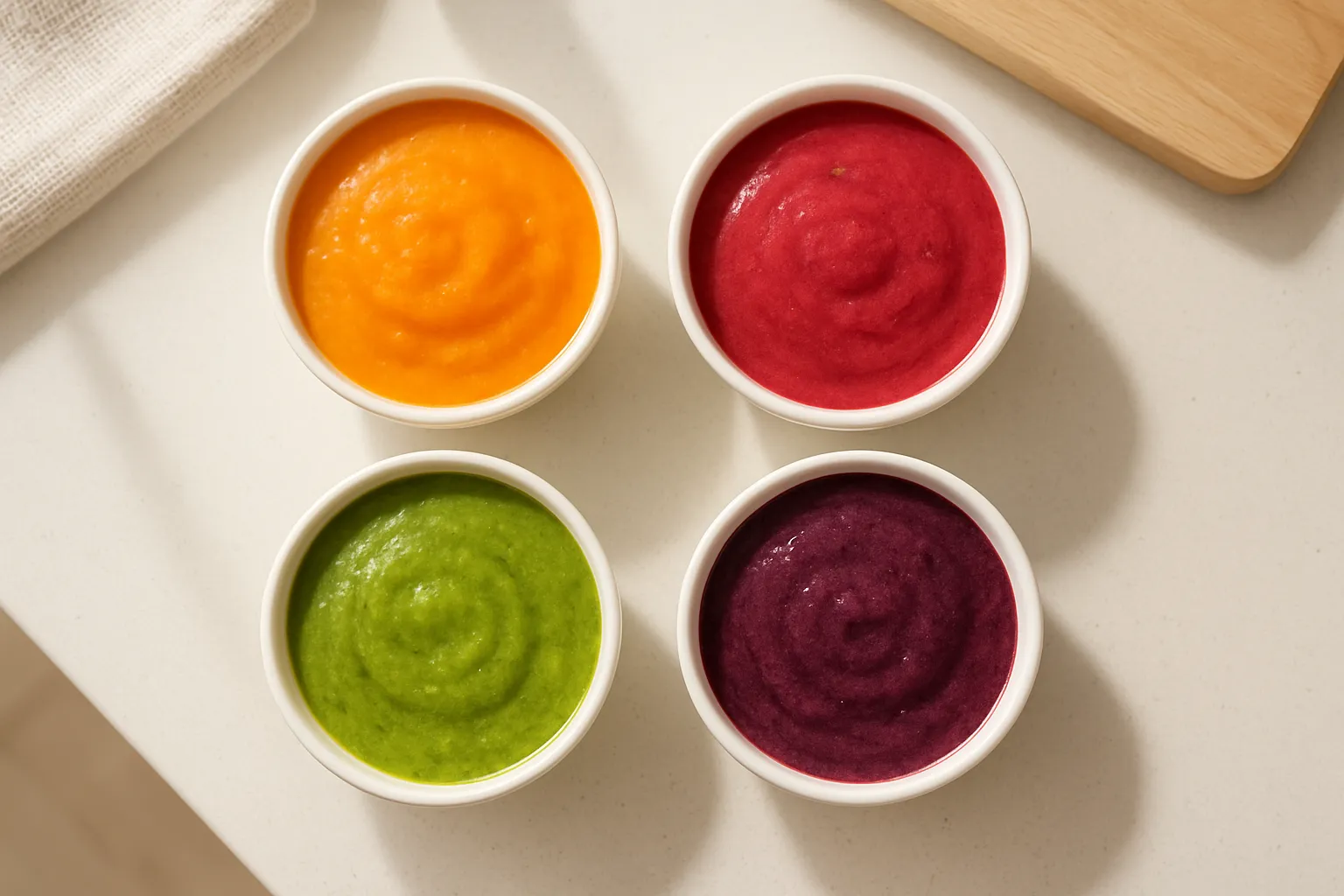
Keep portions small and keep the texture smooth. Toddlers prefer thick but drinkable smoothies, so aim for about 150 to 200 ml per serve and thin with milk or water if it’s too gloopy.
Quick pantry power-ups
- Smooth nut butter, 1 teaspoon: adds protein and good fats. Avoid whole nuts for little ones.
- Greek yogurt or kefir, 2 tablespoons: protein, calcium and a creamy base.
- Rolled oats, 1 tablespoon: filling and gentle iron boost when cooked or soaked first.
- Silken tofu, 2 tablespoons: sneaky protein that blends in beautifully.
- Ground flaxseed or hemp seeds, 1 teaspoon: omega fats. Grind flax fresh and keep in the fridge.
- Cooked veg (carrot, pumpkin, sweet potato, beetroot): adds vitamins without a strong taste.
- Spinach or baby kale, a small handful: barely changes flavour once blended with fruit.
- Frozen fruit, 1/4 to 1/2 cup: sweetness without the need for honey.
Simple toddler-sized smoothies (makes ~180 ml)
- Green Calm
- 40 g frozen banana, 1 small handful baby spinach, 120 ml milk (dairy or fortified plant milk), 1 tsp smooth peanut butter. Whizz until smooth.
- Berry Oat Boost
- 40 g frozen mixed berries, 2 tbsp Greek yogurt, 1 tbsp cooked oats, 90 ml water or milk. Blend. If too thick, add a splash of milk.
- Creamy Sweet Potato
- 2 tbsp cooled mashed roasted sweet potato, 40 g canned peach or pear, 120 ml milk, pinch cinnamon. Blend until silky.
- Tropical Tofu Cooler (dairy free)
- 40 g frozen mango, 2 tbsp silken tofu, 120 ml coconut or almond milk, 1 tsp ground hemp seeds. Blend smooth.
Allergy and safety tips
- No honey for children under 12 months.
- Introduce common allergens at home following your paediatric advice. Use smooth spreads rather than whole nuts.
- Choking hazard: avoid whole seeds and whole pieces of fruit. For chia, pre-soak or blend well so it is not gelled in chunks.
- Keep textures smooth enough for their age. If they gag on thick drinks, thin slightly and try again.
Prep and storage hacks
- Make “smoothie packs” in zip bags with measured fruit, veg and oats. Pop in the freezer and empty into the blender with milk when you need one.
- Freeze into ice cube trays for single serves. Two or three cubes blended with a splash of milk makes a toddler-size slushy.
- Refrigerate made smoothies up to 24 hours. Freeze for up to 1 month in airtight containers or pouches.
- For trips, pour into insulated bottles or freeze in a sippy cup overnight so it thaws to drinkable by morning.
Serving tricks that work
- Offer as part of breakfast or a snack, not the whole meal every time.
- Pour into a fun cup or straw bottle and call it a “green smoothie” or “power pop” to make it appealing.
- Turn thicker smoothies into popsicles for warm days. Stick a small lolly stick in a chilled reusable pouch or mould.
- If a toddler refuses green colour, start with milder options like sweet potato or berry, then slowly add small amounts of spinach until they accept it.
Pop a few packs in the freezer and you’ve got a quick, nutritious option on hand for those frantic moments. Happy whizzing and may your blender bring peace to snack time.
Browse Cuisines
From the Blog
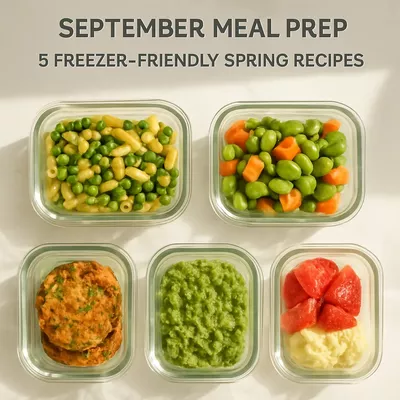
First up, a few no-fuss spring winners that keep sticky fingers and big clean-ups to a minimum. Quick to prep and easy for little hands to manage, these are the sorts of things I reach for when we want something...
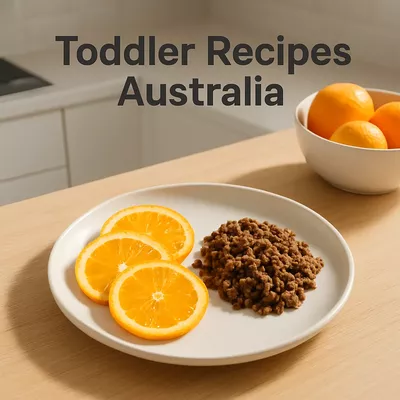
Nice - here’s how Steve keeps dinner simple without sacrificing flavour or sanity. A few good habits and the right packing tricks mean you can pull a proper family meal out of the freezer in minutes.
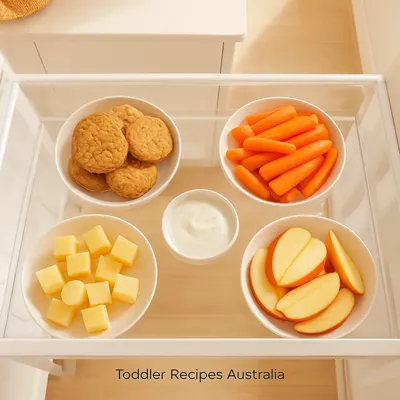
Righto, a couple of quick fridge fixes will make everything a whole lot easier. These are the simple, practical habits and setups that keep snacks safe, obvious and actually reachable for little hands.

 Never miss a recipe from us, subscribe to our newsletter