
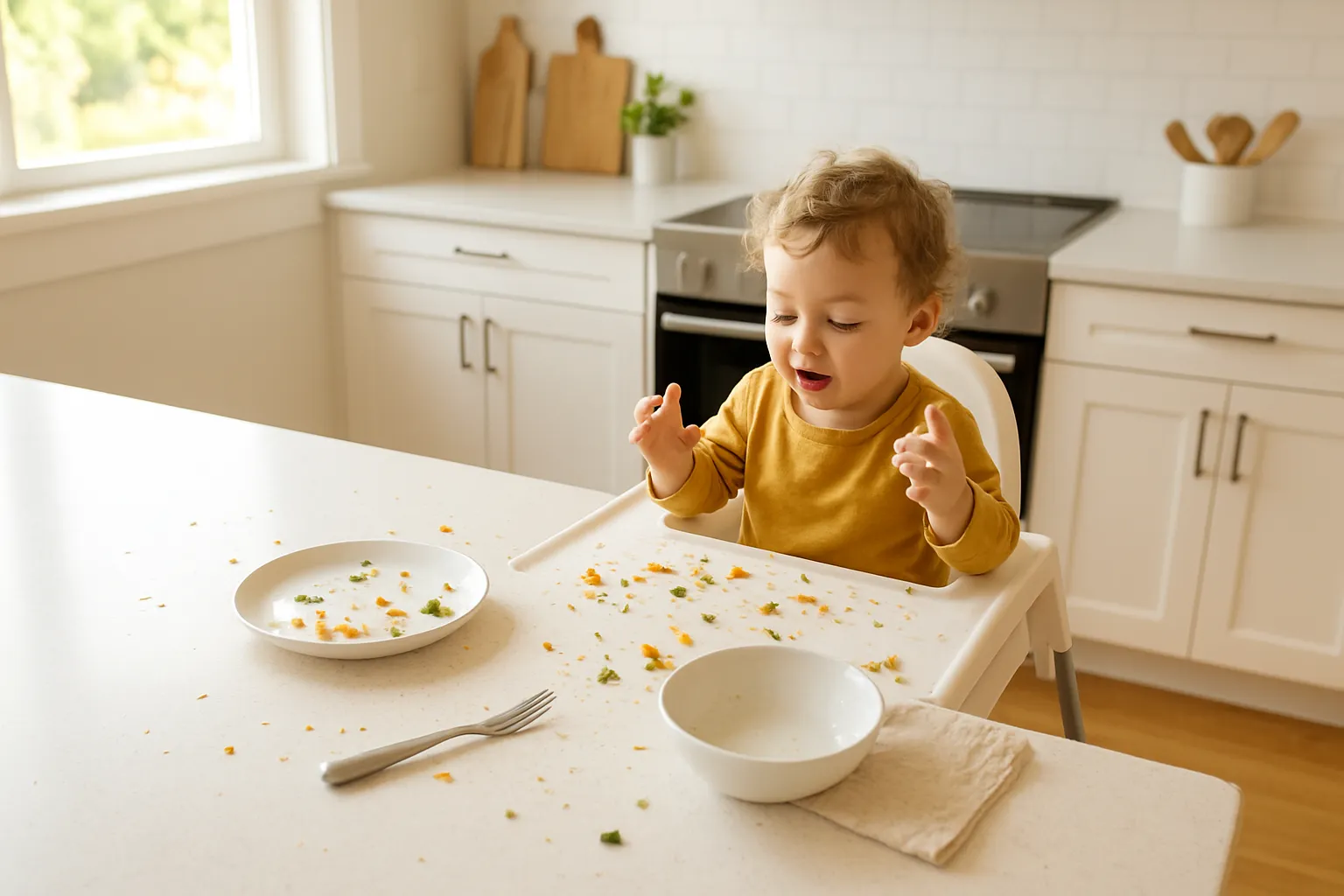
Tricks for minimizing toddler messiness
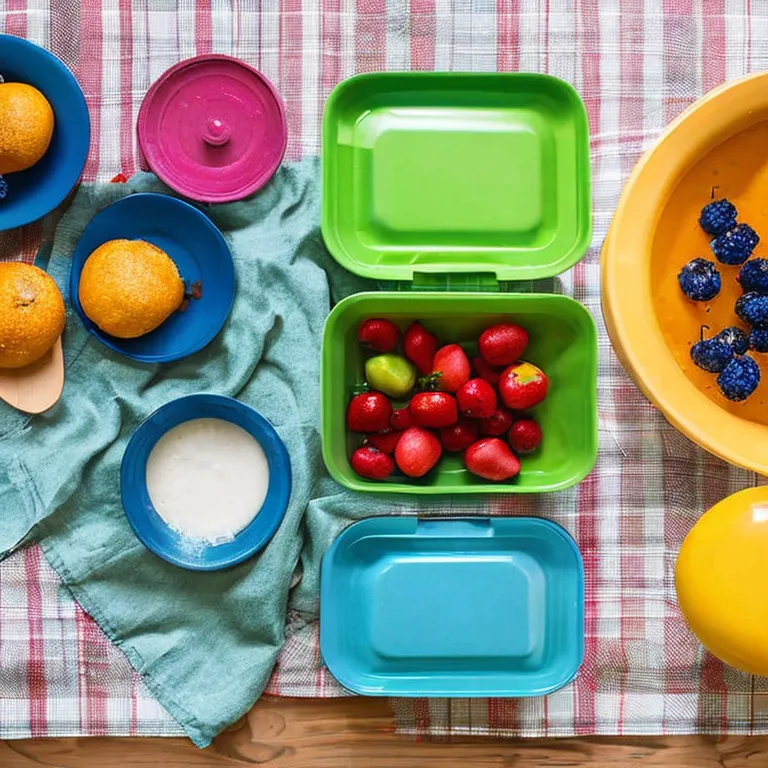
Start small and make it obvious what the job is. Toddlers need clear, safe tasks that fit their short attention spans and tiny hands.
-
Child-sized kit: Keep a small tub with an apron, a step stool, a plastic mixing bowl, a wooden spoon, a small sieve and a damp cloth. Having everything in one spot makes handing over a job quick and fuss-free.
-
Safe swaps: Swap real knives for a butter knife or a plastic kid-safe knife, or give them a pastry cutter for fruit. For stirring, a silicone spatula is much easier to hold than a big metal whisk.
-
Easy food tasks: Let them wash soft fruit in a colander, tear lettuce leaves for salad, spread soft cheese on crackers, or place pre-cut veg into the bowl. These give a sense of purpose without much mess to clean up afterwards.
-
Clearing and scraping: Teach them to scrape plates into a compost container or bin before washing. Use a small, low-lidded scrap bucket they can reach. Make it a job: “Scrape the yum-yums into the bucket.”
-
Loading low drawers: Have one low drawer or shelf for cups and plates they can stack. Give them a simple rule, like stack cups by size or put plates in a single pile. It boosts motor skills and keeps counters clearer.
-
Wiping practice: Give them a damp microfibre cloth and a short list of spots to wipe, like the table edge or their own place mat. Turn it into a race against a two-minute song for fun and speed.
-
Little broom and dustpan: A child broom actually works for cereal or dry spills. Teach them to sweep crumbs into a dustpan and tip it into the bin or compost.
-
One job at a time: Toddlers work best with a single, short task. Instead of “clean up the whole table,” try “put all the spoons in the cup.” Clear, tiny goals reduce wandering and accidental mess.
-
Make jobs visible: Use picture cards stuck on a low shelf showing each chore. Swap cards into a “done” box to give a sense of achievement once the task is finished.
-
Praise the process: Focus on effort. Say things like “You did the scraping so well” rather than commenting only on the result. A quick sticker or a high-five goes a long way.
-
Routine windows: Attach chores to routines, like clearing their plate after meals or wiping the table after a snack. Repetition builds habit and keeps the kitchen under control.
-
Short, supervised independence: Set them up, step back, supervise close by, then praise when they finish. That balance keeps everyone safe and lets them practise without you hovering.
-
Expect some undoing: Toddlers will drop, spill and re-sort endlessly. Keep a small “oops” kit with paper towels, wipes and an extra apron so cleanup after a mishap is quick and calm.
These little kitchen jobs are as much about learning as keeping things tidy. Keep tasks short, safe and achievable, and you’ll find the mess tones down while their confidence grows.
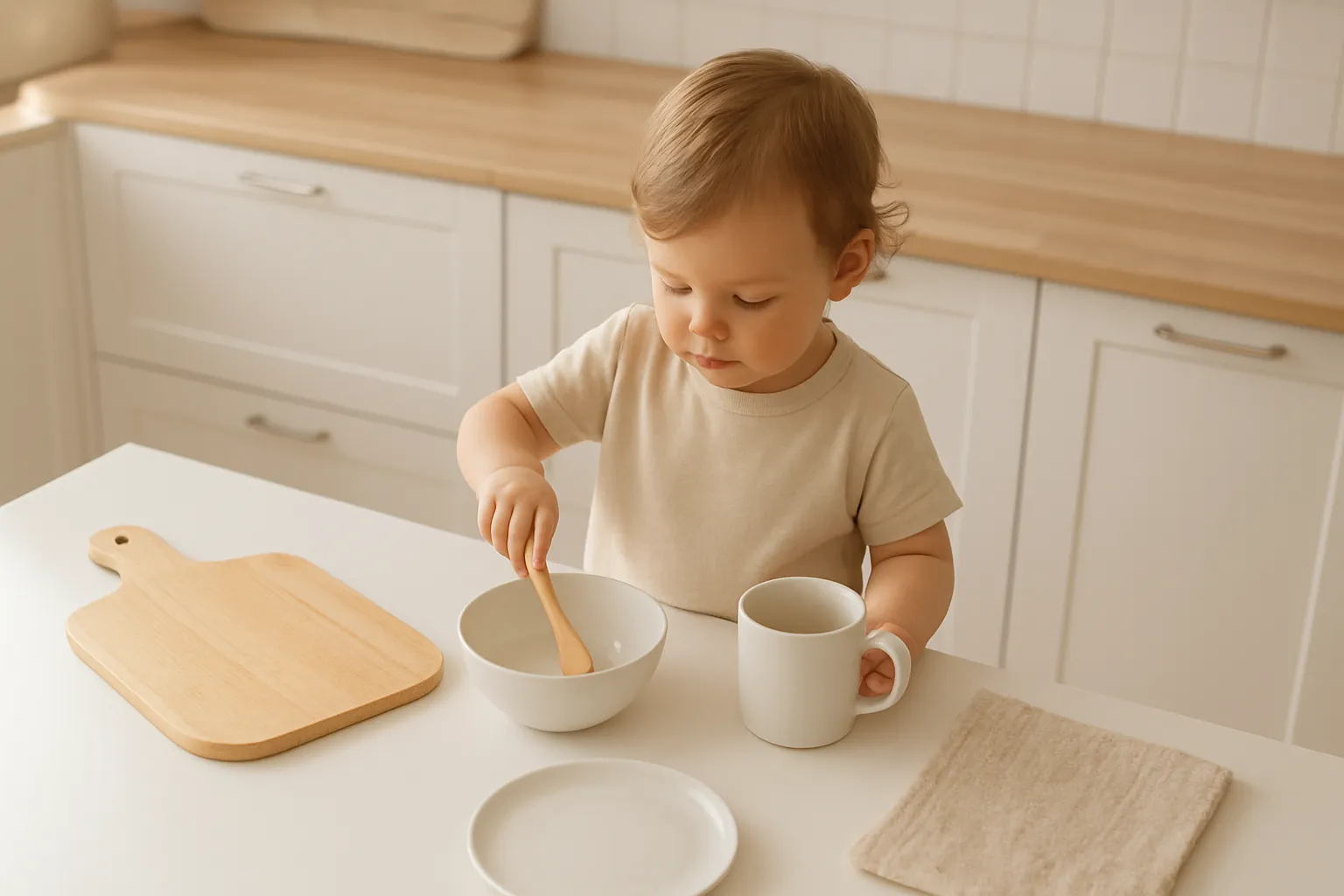
After giving kids small chores, the next step is getting them involved in actual recipe prep without turning the kitchen into a disaster zone. A bit of planning and a few simple tricks will keep things fast, fun and much easier to clean.
Set up before you start
- Create a small prep station at their height. A low stool or the bench with a sturdy step means less reaching and fewer flying bits.
- Lay down a silicone mat or a baking tray under the working area to catch spills. It makes sweep-up instant.
- Pre-measure ingredients into little bowls or tubs. Kids love pouring and dumping, and you control the amounts.
- Put a small waste bowl or compost tub next to them so scraps go straight in. Teach the “toss now” rule.
Choose low-mess jobs
- Stirring, scooping, spreading and sprinkling are your go-tos. Avoid raw meat handling and anything with a lot of drips.
- Give them a single tool: a wooden spoon, a small silicone spatula or a small squeezy bottle for batter. Fewer tools equals less mess.
- Use dry ingredients for play-like tasks: cornflakes crumble, grated cheese, or pre-cooked pasta for threading.
Quick, low-mess recipes to try
- Mini English Muffin Pizzas: spread sauce (or let them squirt from a small squeeze bottle), sprinkle grated cheese and add pre-chopped toppings. Bake on a tray with a liner.
- Muffin-Tin Snack Cups: fill muffin tins with diced fruit, cooked veg, cheese cubes or cereal. Kids assemble; you bake or chill.
- Yogurt Parfaits: layer yogurt, pre-cut fruit and a handful of cereal. Use clear cups so they can see the layers they make.
- Smoothie Jars: let them add pre-measured fruit to the blender jug, then you take over. Or use a handheld blender with supervision.
Tools that keep you sane
- Silicone spatulas, bowls with suction bases, and a single small whisk. Soft-tipped tools are easier for little hands.
- Disposable parchment sheets or reusable silicone liners for trays.
- Squeeze bottles for sauces and batter to cut down on drips.
- Aprons or old shirts - easy to put on and toss in the wash.
Speedy cleanup habits
- Clean as you go. Wipe spills immediately with a damp cloth while one child stirs or pops things in the oven.
- Keep baby wipes handy for hands and faces; they’re a quick win before kids touch anything else.
- Make cleanup a game: race to put the spoons in the sink, or have a “who can stack lids fastest” challenge.
- Soak utensils straight away in warm soapy water to make scrubbing later much easier.
Turn prep into teaching moments
- Give one-step tasks like “stir five times” or “put three tomatoes in the bowl.” They feel helpful and it limits how long they’re at the mess station.
- Talk about textures and colours while they work. It keeps them focused and less likely to wander off with sticky fingers.
Prep for repeat dinners
- Double or triple recipes when possible and use fridge or freezer packs for quick reheats. Involving kids in portioning frozen lunch packs can be another contained activity.
These small changes make cooking together faster and less chaotic, and importantly, keep more time for the eating and cuddles afterwards.
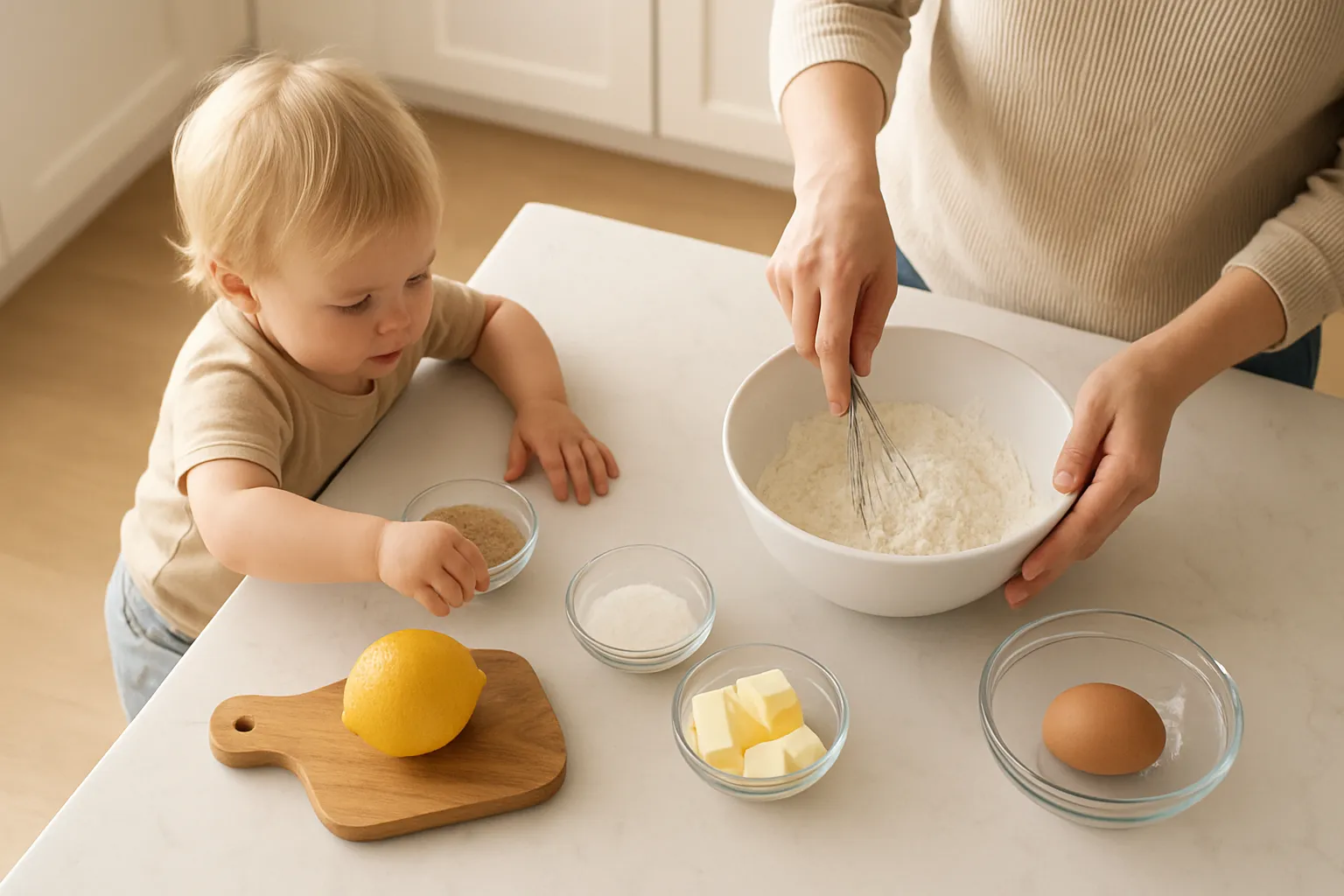
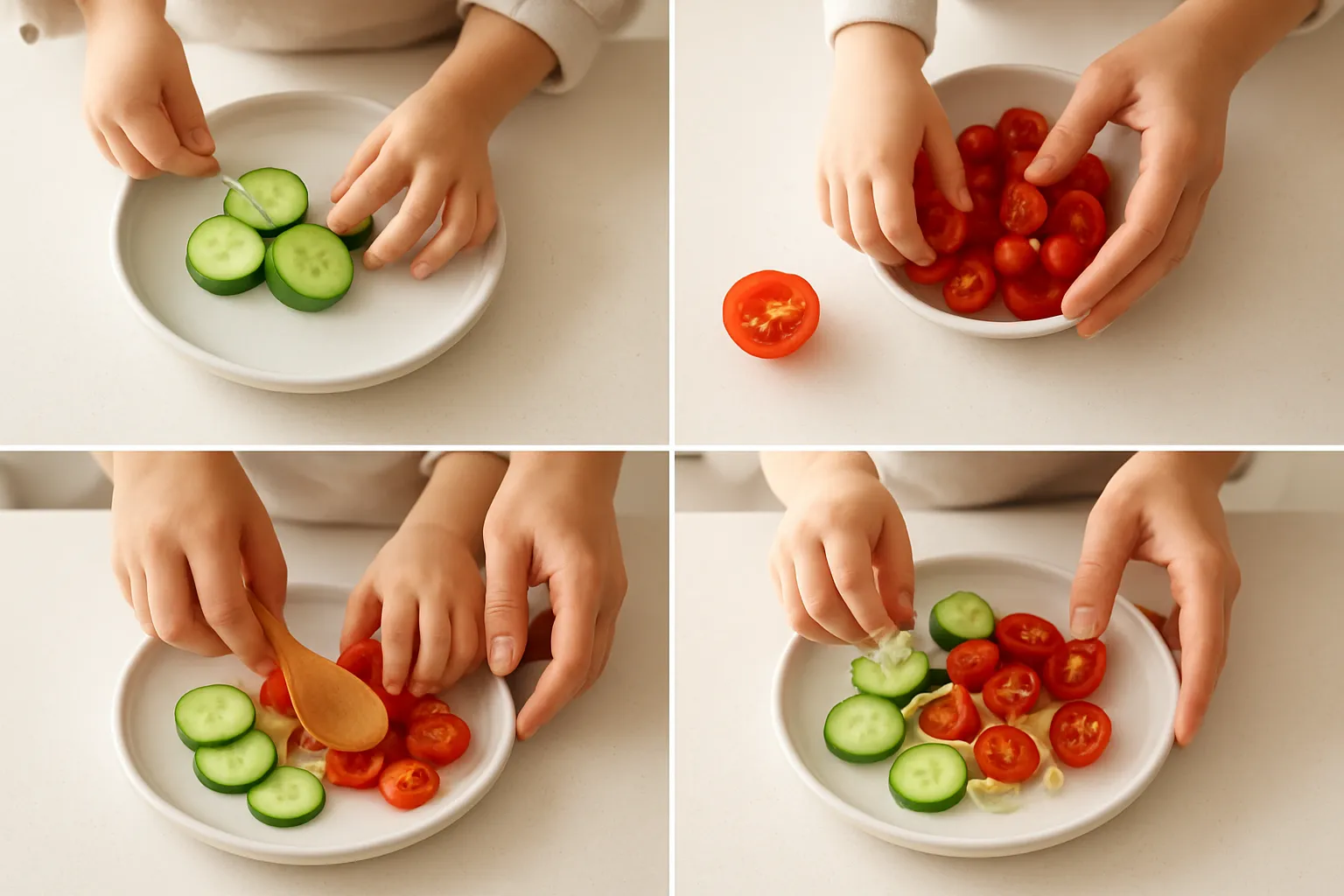
When you’re mid-recipe with sticky hands and a toddler hanging off your leg, make sure your screen doesn’t make life harder. Here’s how to set up your devices and recipes so tech actually saves time instead of causing a meltdown.
Device setup for the kitchen
- Put the tablet or phone in a splashproof case and a sturdy stand. A cheap adjustable stand or a wall mount keeps it up and out of reach of little hands and spills.
- Lock the screen into a single app. On iPad use Guided Access (Settings > Accessibility > Guided Access), on Android use Screen Pinning. That way curious fingers can’t swipe away your recipe.
- Turn off notifications and Auto-Lock for the cooking session. Nothing breaks concentration like a buzzing group chat or the screen going dark mid-stir.
- Keep charging cables tidy and out of reach. Use a short cable or mount the charger high so it’s not a trip hazard.
- Use a screen protector you don’t mind replacing. When my phone becomes a batter-splattered picture, I swap the protector and keep cooking.
- Consider a cheap Bluetooth speaker for hands-free audio instructions or recipe read-alouds. Voice directions are gold when both hands are full.
How recipe layout should work for chaos
- Chunk the recipe into very short steps, one action per line, and give each step a large photo. Kids understand pictures better than paragraphs.
- Big buttons and big text. Aim for tap targets at least finger-width so you don’t have to fiddle with precision while holding a bub.
- Add a “next step” button and a progress bar. It’s calming to know you’re halfway through rather than scrolling forever.
- Offer a “hands-free mode” that reads steps aloud on demand and pauses between steps. Even better if it pauses when it hears you say “next”.
- Put timers inside the recipe, one per step where needed, and label them visually. A coloured timer that slowly fills is easier to follow than guessing minutes.
Simple hacks you can do right now
- Print the recipe onto card, pop it in a cheap plastic sleeve, and wipe it off later. Laminate if you want to be fancy.
- Make step cards: one photo and one short sentence per card, clipped on a ring. Toddlers love flipping them and you can hand them one to “help”.
- Stick a QR code on your printed cards that jumps to a short how-to video. Quick scan, quick help.
- Use a magnetic clipboard or a simple document holder on the fridge. Keeps the recipe upright and away from spills.
- If kids want to be involved, create a kid-friendly step list beside the adult one: colour-coded, with pictures and one task they can do safely.
What to avoid
- Popups, autoplay videos and ads. They interrupt flow and can send curious kids off clicking everything.
- Tiny fonts, long paragraphs and steps that assume you have two hands to scroll. If you can’t read it at arm’s length while balancing a bowl, it’s no good.
A few minutes spent setting up your tech and trimming the text means fewer interruptions, less mess on your screen and more time to actually enjoy cooking with the kids.
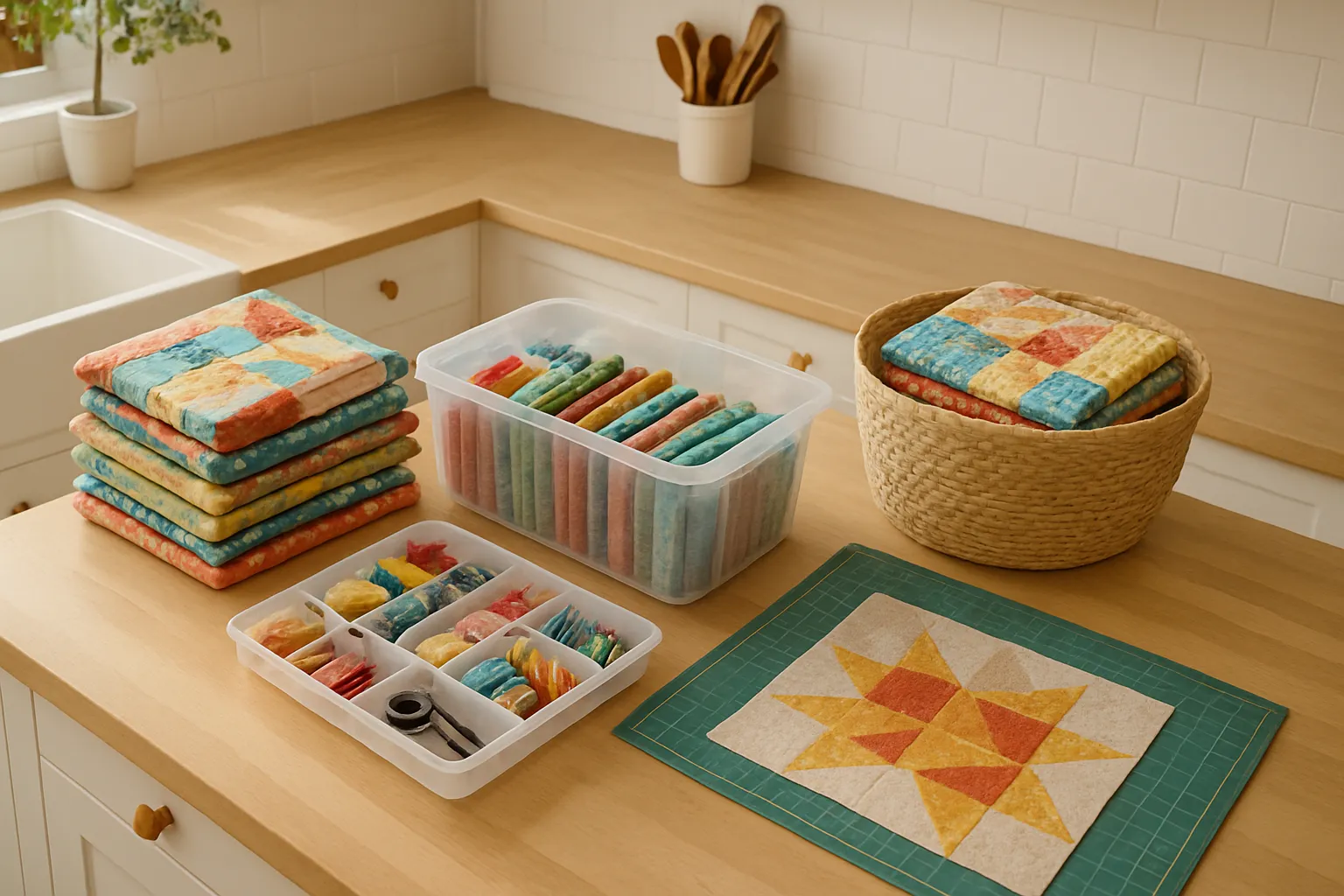
Right after wrangling screens and snacks, the sewing corner needs a bit of the same common-sense setup so fabric and pins do not become another toddler toy.
-
Fabrics first: store by colour or project in clear, lidded plastic bins. They stack neatly and you can see what’s inside without rummaging. Label the side with a colour swatch or photo so you can grab the right box even half asleep.
-
Small notions that bite: use jars with screw lids for buttons, snaps and safety pins. Put a dab of hot glue on the lid and stick a magnet underneath so jars sit on the inside of a metal cabinet door. Out of sight, out of sticky little fingers.
-
Sharp tools and cutters: keep rotary cutters, heavy scissors and seam rippers in a locked drawer or a cupboard with a childproof latch. For peace of mind, buy a cutter with a built-in blade guard and always store blades in their original case.
-
Works in progress: get a portable project box or tote with a zip top. When you hear the toddler approaching, zip it up and carry it to a safe spot. I keep a small box for current projects so you are not tempted to leave pins and needles on the table.
-
Pins and needles: a covered pincushion is non-negotiable. Throw a magnetic pin catcher in the sewing area for quick pickups, and sweep with a hand vacuum at the end of each sewing session. Keep spare needles locked away in a labelled tin.
-
Finished quilts and batting: store quilts in breathable cotton storage bags or pillowcases to avoid that mildewy smell. Add a cedar block for moth protection but not directly touching fabric. Store batting flat if possible; if space is tight, roll and stand it in a tall bin rather than compressing it too much.
-
Shelving and anchoring: secure shelving to the wall. Toddlers climb anything they can, and a wobbly shelf is a hazard. Use high shelves for dangerous items and lower, closed bins for fabrics that you don’t want little hands rifling through.
-
Small-space hacks: an over-the-door shoe organiser is brilliant for scraps and rulers. Clear pockets mean you can see pieces without spreading them all over the floor. Under-bed flat bins are perfect for storing bulky quilts out of reach.
-
Keep a kid-friendly stash: have a small box of safe fabric scraps, blunt needles and child scissors nearby. If they have an allowed stash, they are less likely to go through your good stuff. Teach a simple rule: their box is theirs, your boxes are not to be touched.
-
Routine beats chaos: finish each sewing time with a ten-minute tidy. Fold or pop away fabrics, empty the pin catcher, and put tools back in their locked place. It takes less time than a panicked hunt later.
A few simple swaps and systems will keep quilting a joy rather than a hazard. Small, consistent habits make the biggest difference when tiny people are involved.
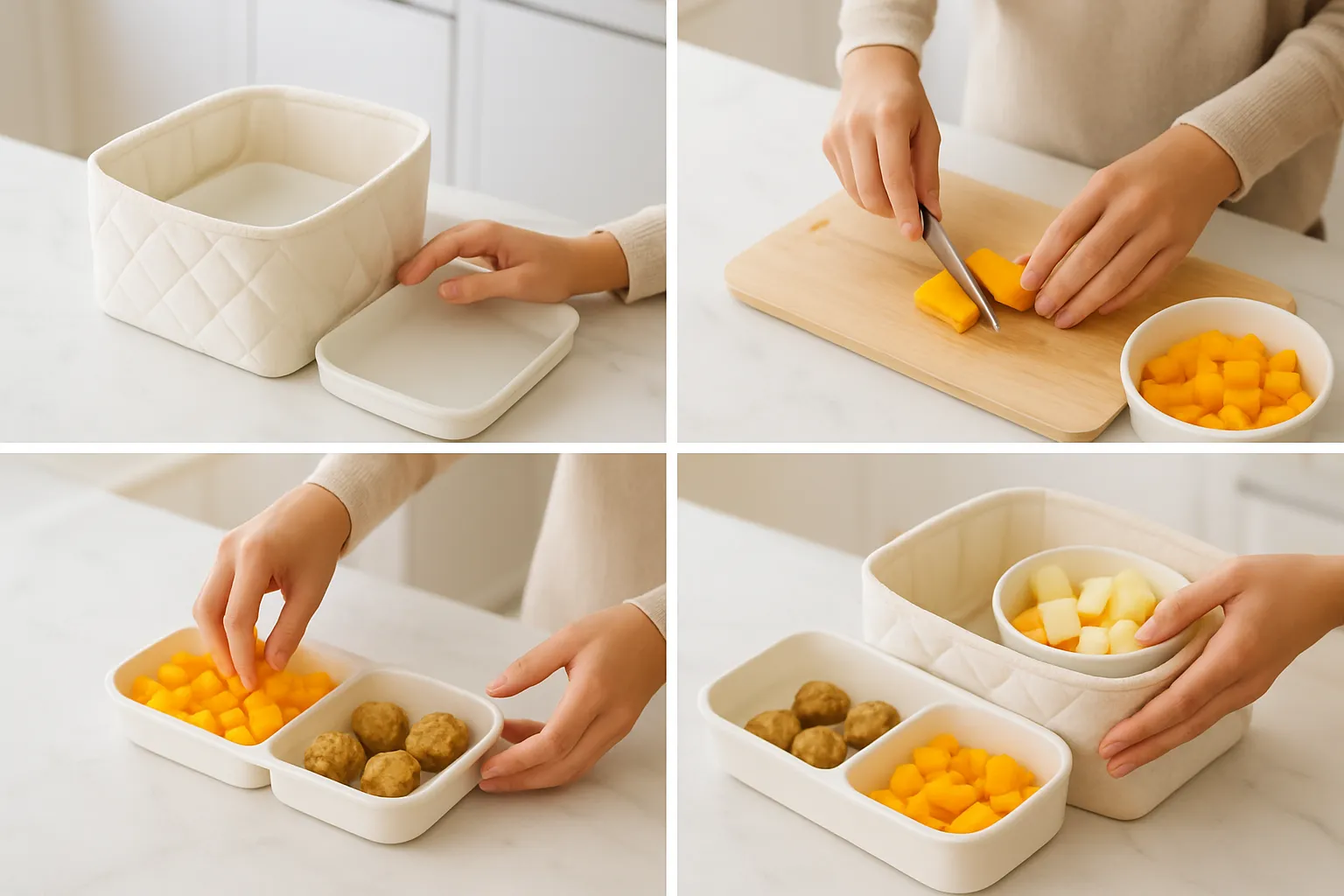
Start your evening with a quick fridge sweep: anything with an older date or that’s looking lonely gets moved to the front. That five-minute habit keeps FIFO actually working and means less mystery food at 6pm.
Practical steps that save the chaos
- Date and rotate: stick a cheap roll of masking tape and a Sharpie on the bench. Date leftovers and pop the newest tubs to the back. When something is about to expire, plan a quick reincarnation for dinner.
- Keep go-to building blocks ready: a batch of cooked rice, roasted veg, shredded chicken and a jar of simple tomato sauce are dinner gold. They store well and combine into a dozen low-mess meals.
- Think components not recipes: set out a grain, a protein, a veg and a sauce. Let each dish be an assembly job rather than a cook-from-scratch marathon.
- One-pan and tray meals rule: chuck ingredients on a baking tray or into one pot. Less washing up, less juggling plates and fewer spills.
- Pre-portion for toddlers: put small serves into little bowls or muffin tins. Kids are less likely to fling one big bowl around, and portions are easier to manage.
Quick freezer and pantry tricks
- Flatten soups, sauces and leftovers in ziplock bags to freeze. They thaw faster and get used sooner.
- Label freezer packs with contents and date, and store older packs at the front. Treat the freezer like a mini FIFO system.
- Keep a “grab-and-go” shelf in the pantry for older tins and packets so they get used first. New shopping goes to the back.
Set up to minimise mess at the table
- Use a silicone mat or wipe-clean placemat under toddlers bowls. It catches drops and makes after-dinner wipes a five-second job.
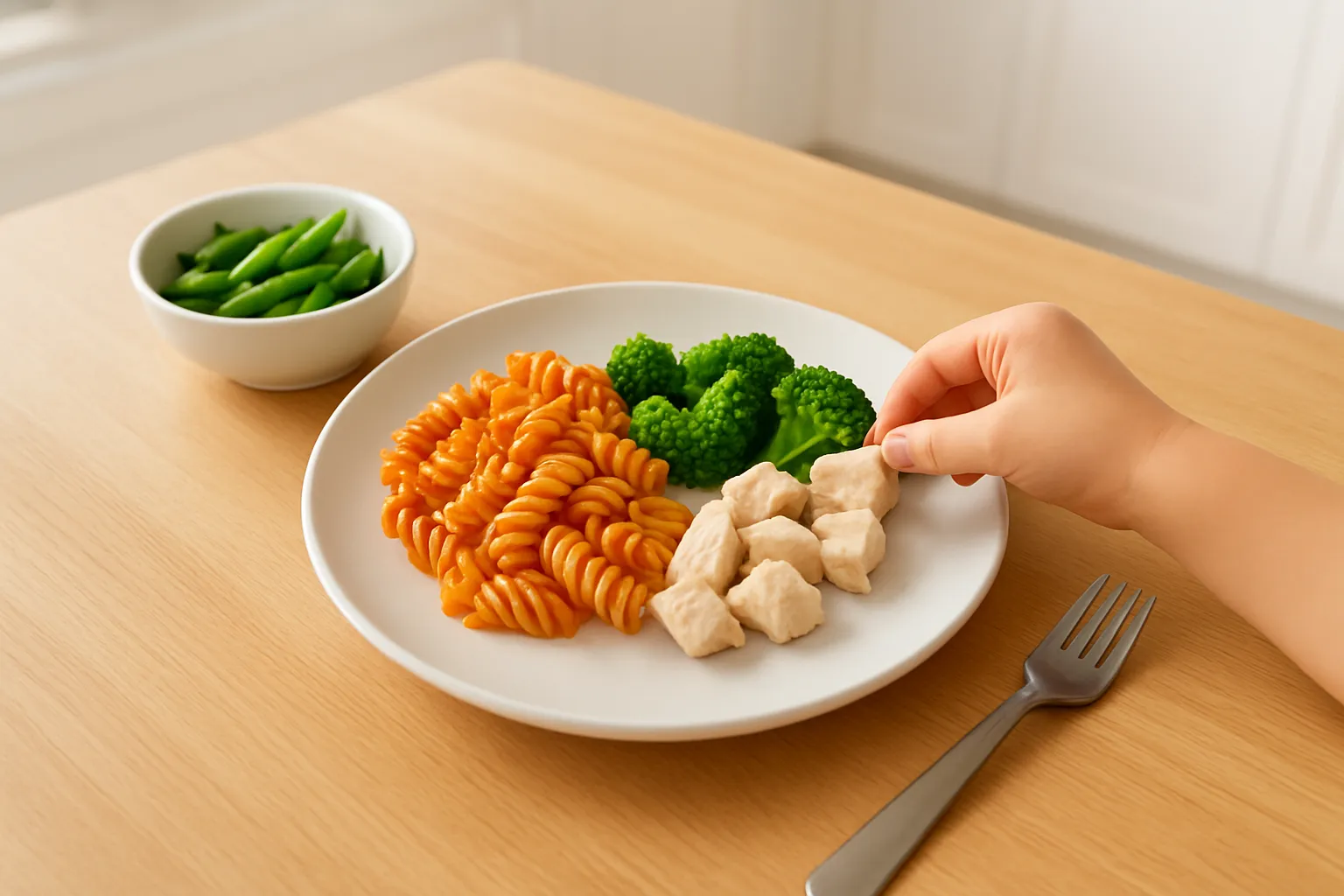
- Use divided plates or small bowls to stop food sliding into a single catastrophe zone.
- Have the bib and hand-wipe within reach to limit full-body cleanups.
- Serve on quiet plates with soft rims so toddlers can lean in without sending food flying.
Tiny tasks that help at dinner time
- Give little responsibilities: hand a spoon to put in the bin, or move scraps to a compost bowl. It keeps hands busy and starts tidy habits early.
- Quick rinses straight into the sink while kids eat cut the post-dinner cleaning time down.
Easy, low-mess dinner ideas that use leftovers
- Sheet-pan sausages and veg: toss sliced sausages, veg and a splash of oil and roast. Use leftover roast veg another night in fried rice.
- Fried rice: day-old rice, eggs, frozen peas and any small veg. Fast, tidy and great for using last night’s bits.
- Pasta with hidden-veg sauce: blitz roasted veg into a jar of passata and simmer. Serve with grated cheese so toddlers stick to spoons.
- Quesadillas: leftover chicken and cheese in a tortilla, fried until crisp. Cut into wedges for easy handling.
- Frittata muffins: whisk eggs, leftover veg and cheese, bake in a muffin tin. Great warm or cold.
- Loaded baked potato or sweet potato: mash a scoop of leftover bolognaise or beans and cheese on top.
- Mini meatballs: make a double batch and freeze. Reheat and pop in a jarred sauce over pasta or rice.
- Toast faces: toast, spread, and top with sliced banana, ricotta or avocado for a no-fuss plate.
- Slow-cooker pulled pork or chicken: serve over rice or in wraps. Cook once, eat several ways.
- Stir-through couscous bowls: couscous plus warmed leftover roast veg and chickpeas dressed with lemon and olive oil.
Make “leftover night” a thing once a week Pick one night to be the official leftover remix. Put out bowls of bits and let everyone build a bowl or toast. It’s low stress, low prep and somehow feels fun to the kids.
Do this often enough and your evenings become less about chasing chaos and more about simple, repeatable routines. Dinner stays calmer, there’s less waste, and the cleanup is actually doable before bedtime.
Browse Cuisines
From the Blog
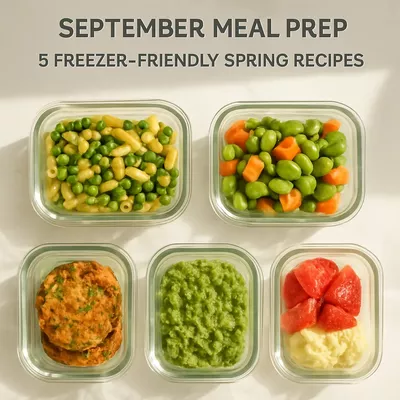
First up, a few no-fuss spring winners that keep sticky fingers and big clean-ups to a minimum. Quick to prep and easy for little hands to manage, these are the sorts of things I reach for when we want something...
Nice - here’s how Steve keeps dinner simple without sacrificing flavour or sanity. A few good habits and the right packing tricks mean you can pull a proper family meal out of the freezer in minutes.
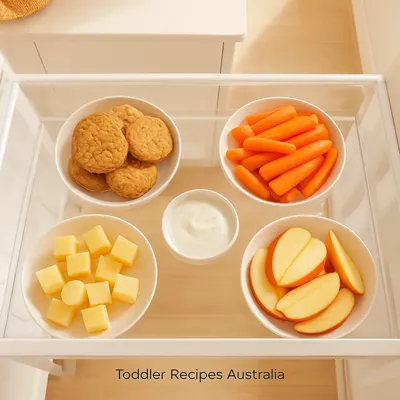
Righto, a couple of quick fridge fixes will make everything a whole lot easier. These are the simple, practical habits and setups that keep snacks safe, obvious and actually reachable for little hands.


 Never miss a recipe from us, subscribe to our newsletter