
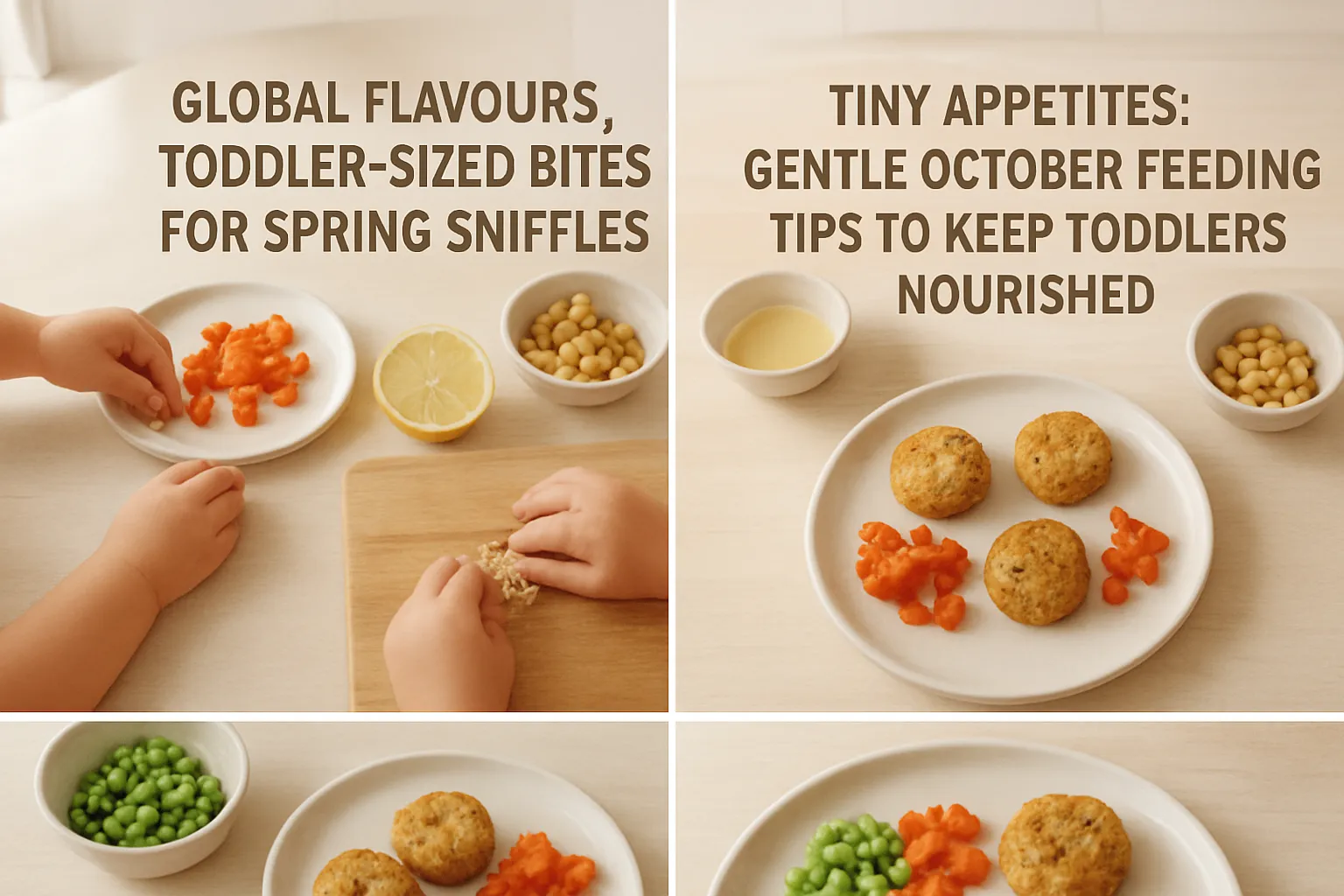
Spring sniffles, tiny appetites: gentle October feeding tips to keep toddlers nourished
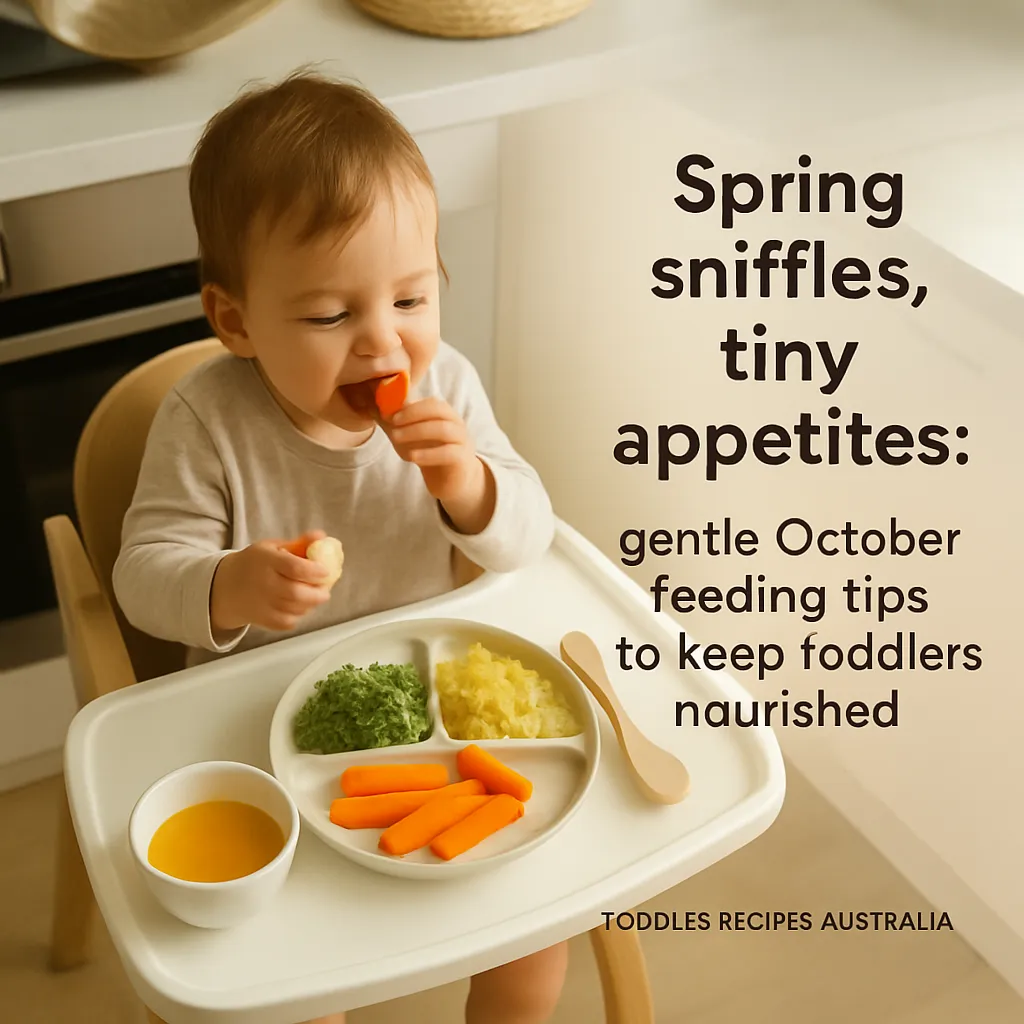
When little noses are blocked, meals need to be calm, cosy and very easy to eat. A few small changes make a big difference to how much they’ll try.
Practical tips
- Clear the nose first. A few saline drops and a quick suck with the aspirator can open tiny airways and make eating far less miserable. Do it a few minutes before food, not right at the table.
- Keep it short and sweet. Shorter, more frequent meals work better than a long sit-down. Offer two or three tiny portions instead of one big plate.
- Soft, moist textures win. Think soups, stews, porridge, mashed veg, soft omelette or shredded chicken. Foods that glide down are easier when breathing is awkward.
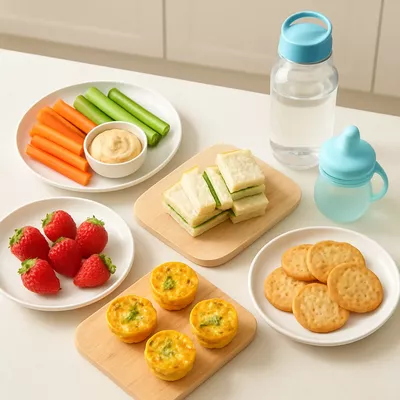
- Offer finger food options. Toast fingers, soft pancakes, banana slices, steamed carrot sticks or little cheese cubes let them eat how they’re comfortable.
- Warm, but not too hot. A gently warmed soup or broth smells comforting and encourages sipping. Cold yoghurt or frozen fruit drops can soothe a sore throat, so keep both options on hand.
- Boost calories without big volumes. Add mashed avocado, a knob of butter, grated cheese, olive oil or a spoon of tahini to small portions so they still get good nourishment even if they eat less.
- Keep flavours mild and familiar. Strong spices or chilli can be off-putting. A squeeze of lemon or a sprinkle of parsley can lift aroma without overwhelming.
- Hydration is key. Small, frequent sips of water, milk or mild electrolyte drinks for a feverish tot. Avoid sugary drinks. A warm milky drink before bed often calms them and helps fluid intake.
- One thing at a time. Too many choices create overwhelm. Put one small bowl down, then another if they want more.
- Make it cosy, not pressuring. Dim lights a touch, cuddle in a booster seat or on your lap, and talk quietly. Offer praise for any little nibble rather than chasing a full plate.
- Quick, soothing combos to try: a gentle chicken broth with shredded chicken and soft rice, banana blended with full-fat yoghurt and avocado, cheesy mashed sweet potato, warm porridge with a dab of butter and mashed fruit.
- Safety notes. No honey under 12 months. Check for nut allergy rules before adding nut butters.
When appetite’s low, patience and a few calorie-dense tweaks win. Keep it relaxed, follow their rhythm, and celebrate the small helps.
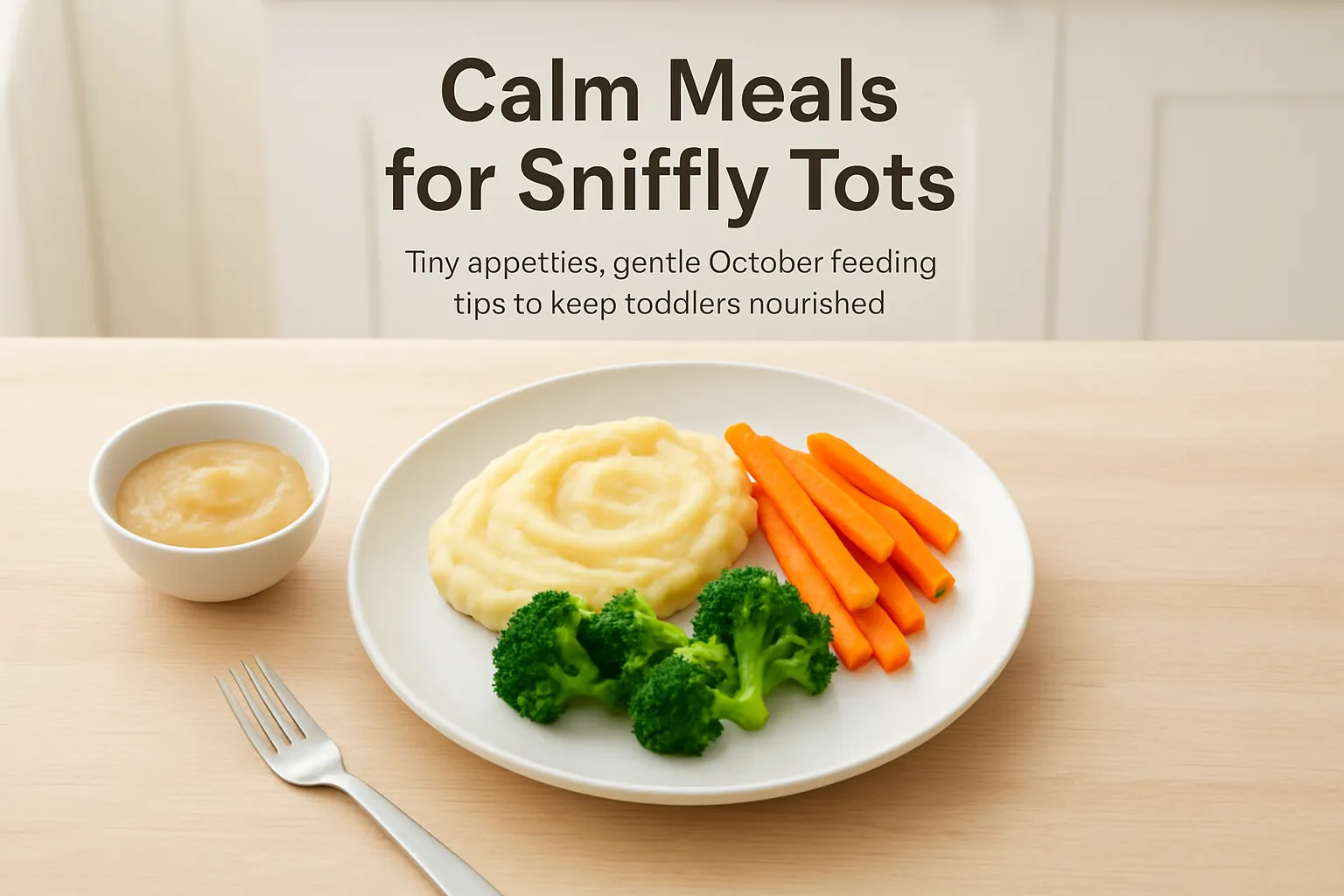
With mealtimes calmer, here are practical ways to pack nutrients into tiny portions that your child will actually eat.
Quick portion guide
- Aim for small amounts spread across the day: think 1 to 3 tablespoons per food group at each meal for younger toddlers, moving up to 1/4 cup or a few small spoonfuls each for older toddlers. A whole meal can be 1/4 to 1/2 of an adult plate, but split across more little meals if appetite is low.
- Protein: 1-2 tbsp cooked, finely shredded meat/fish/legumes or 1 scrambled egg.
- Starchy carbs: 2-4 tbsp cooked pasta, rice, potato or porridge.
- Veg/fruit: 1-4 tbsp soft cooked or mashed pieces.
- Dairy/fats: 1-2 tbsp full‑fat yoghurt, cottage cheese, grated cheese or mashed avocado.
Energy boosters that don’t fill up tiny tummies
- Stir a teaspoon of olive oil or melted butter into porridge, soups or mashed veg.
- Add full‑fat yoghurt or cream cheese to smoothies and dips.
- A small scoop of peanut or almond butter mixed through porridge, on toast strips or in a muffin if no allergy history.
- Grate cheese over steamed veg or pasta for extra kilojoules and flavour.
Textures and flavours for stuffy noses
- Softer, warm foods are easier when taste and smell are off: soups, purees, porridge, scrambled eggs, soft risotto.
- Use gentle, familiar flavours that read through congestion: tomato, cheese, cinnamon, vanilla, mild herbs like basil. Avoid spicy or very salty foods.
- Warm, fragrant broths can be comforting and encourage sipping. Offer in a small cup or divided sipper.
Safety and finger food sizes
- Cut grapes, cherry tomatoes and sausages lengthwise then halve again so they lie flat. Steam or soften hard veg.
- Keep pieces roughly 1 cm or smaller for younger toddlers, and always supervise while eating.
- Avoid whole nuts and popcorn until older, but ground nut paste or powder is fine if cleared for your child.
Tiny meal and snack ideas (ready in minutes)
- Mini porridge pot: 3-4 tbsp oats cooked with milk, mashed banana and a tsp peanut butter or a swirl of yoghurt.
- Egg soldiers: 1 scrambled egg, torn toast strips for dipping.
- Tiny pasta shells: 3-4 tbsp pasta with a spoon of tomato sauce and grated cheese.
- Soft sweet potato cubes: roast until very soft, toss with a knob of butter and cinnamon.
- Mini meatball and veg mash: 1 small meatball, finely chopped and mixed into mashed potato or pumpkin.
- Smoothie sip: 1/2 cup whole milk or yoghurt, 1/4 banana, a handful of berries, a tsp chia or ground seeds. Pour into a small cup or ice-block mould.
- Hummus dippers: 1-2 tbsp hummus with soft steamed carrot and zucchini sticks.
- Baked mini muffins: grated carrot or zucchini, banana, egg and a little flour; halve or quarter for tiny mouths.
- Baby rice soup: warm chicken or veg broth with a couple tbsp cooked rice and shredded chicken.
- Cottage cheese and avocado on toast fingers: spread thin and cut to size.
- Soft quesadilla wedges: 1 small tortilla with mashed beans and cheese, lightly toasted and cut into small wedges.
- Yoghurt bowl: 2 tbsp full‑fat yoghurt, 1 tbsp pureed fruit and a sprinkle of ground oats.
Turning leftovers into toddler portions
- Blitz last night’s stew or roast with a little stock to make a dip or soup.
- Mash or chop leftovers and mix with yoghurt, grated cheese or a little olive oil so the flavour and texture are more appealing.
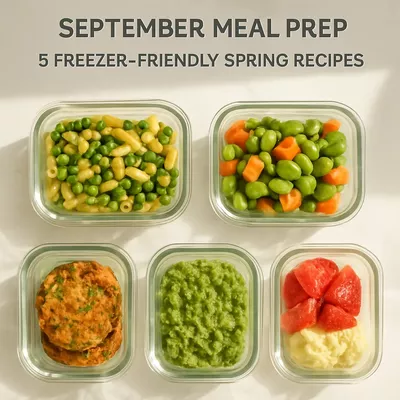
- Freeze small portions in muffin tins or ice cube trays for grab‑and‑go mini portions.
Timing and attitude
- Offer smaller, more frequent meals and snacks rather than forcing big sits. Five to six nibbles a day often works better than three big meals.
- Offer choices: two small options is less pressure than asking for “what do you want”. Let them take the lead on how much to eat.
- Keep mealtimes calm, sit together when you can, and don’t worry if one meal is tiny. Aim to balance nutrition across the whole day.
A few last quick tips
- Keep one “easy win” on hand: a jar of full‑fat yoghurt, a banana, or a packet of soft crackers.
- Use warm plates or bowls for soups and porridge so the food stays comforting.
- If appetite stays very low for days and weight drops or you’re worried, call your local maternal and child health nurse or GP for personalised advice.
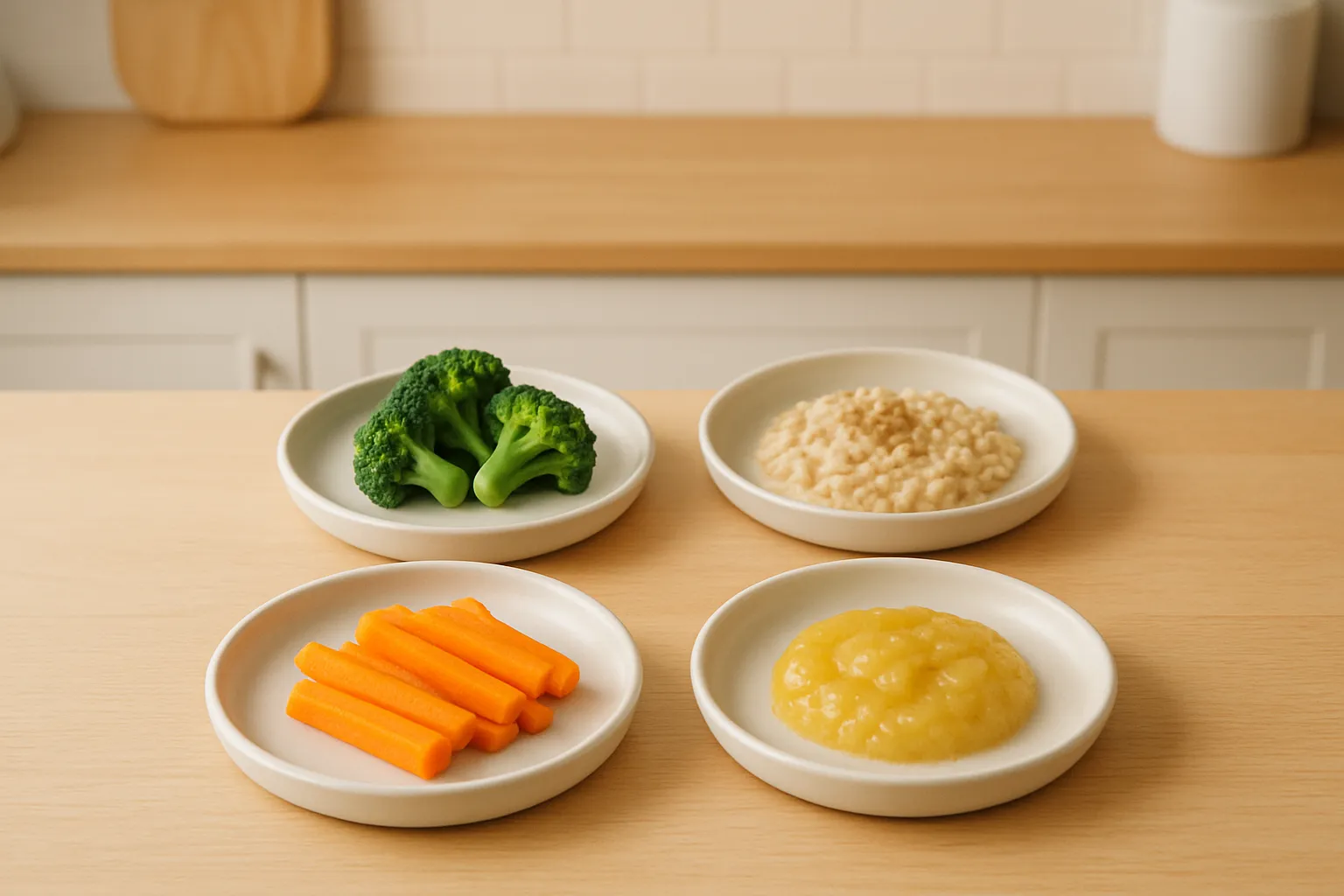
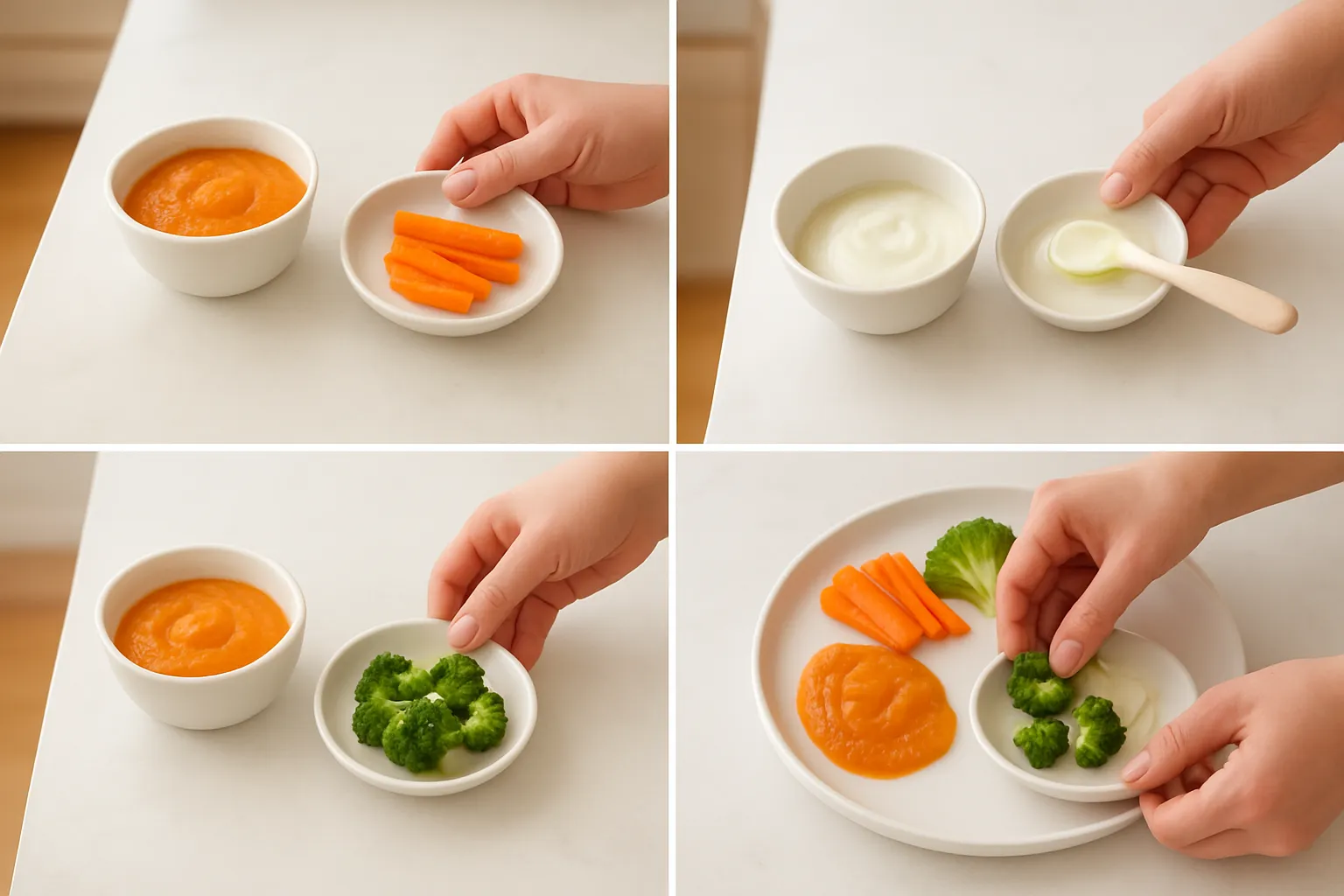
Give the grown-up dinner a toddler twist so you don’t end up in repetition-ville every week. Little swaps, a few batches made ahead and a choose-your-own approach will keep things interesting without extra stress.
Practical hacks
- Component dinners: cook one protein, one grain and two veg and mix and match across nights. Toddlers love variety without new cooking each evening. Think shredded roast chicken, soft quinoa, steamed peas and roasted pumpkin - plated small and separate for easy picking.
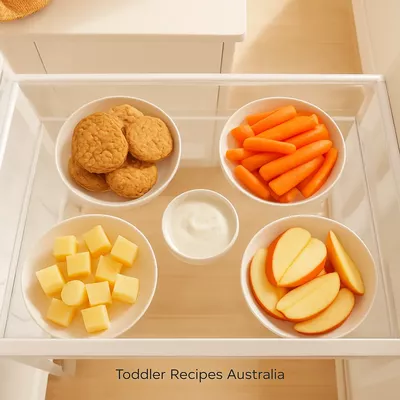
- Build-your-own boxes: set out tiny bowls with soft items - cubed cheese, sliced cherry tomatoes, mashed avocado, cooked corn, little meatballs - and let them assemble. Giving control helps fussy eaters try more.
- One-pan sheet-tray swaps: toss diced sweet potato, zucchini and fish or chicken with a mild herb oil and roast. Chop into toddler-sized bites and serve with a dollop of yoghurt or mild tomato sauce for dipping.
- Mini frittatas and omelette muffins: eggs plus grated veg and cheese, baked in a muffin tin. Freeze extras and reheat for instant, warm dinners that smell inviting when noses are blocked.
- Soup night with toast soldiers: pureed veg soups (pumpkin, carrot, pea) are gentle on sore throats and easy to spoon. Offer a few warm toast strips for dipping to add texture and a bit of fun.
- Small, familiar portions first: start with a tiny spoonful of something new alongside a favourite. If they want more of the favourite, offer a second tiny portion of the new one rather than removing it.
- Batch and freeze meatballs or patties: add grated carrot, zucchini or sweet potato for extra veg. Quick to reheat and cut into toddler bites, they’re great tossed through pasta or rice.
- Pasta with a twist: swap regular sauce for a creamy veg-packed sauce (blend steamed pumpkin or cauliflower with a little milk and cheese). Serve with small shapes or broken spaghetti to make it playful.
- Warm dips to entice sniffly noses: mild cheese sauce, beetroot hummus or yoghurt-herb dip lightly warmed can make steamed veg and soft bread more appealing.
- Theme nights to break monotony: pizza pockets, taco night with soft fillings, breakfast for dinner with mini pancakes and fruit, or a tiny sushi roll night using soft cooked rice and avocado.
Speed and storage tricks
- Freeze puree cubes from steam-cooked veg to stir into sauces, gravies or porridge for an invisible veg boost.
- Double dinner and refrigerate one portion for night two. Change seasoning slightly to keep it new - add a mild curry paste, tomato sauce or grated cheese.
- Pre-chop and store toddler-ready veg in the fridge so assembly at dinner is under five minutes.
Keeping it calm and pressure-free
- Offer two choices only, both acceptable to you. Too many options overwhelm small kids.
- Plate items separately and warm, not steaming hot. A gentle aroma helps when a nose is blocked.
- If they refuse, swap just one component rather than the whole plate. Repeating exposure without pressure wins over time.
A few quick recipe ideas to try this week
- Sweet potato and carrot patties: grate, mix with a beaten egg and a tablespoon of flour, fry lightly until golden.
- Tiny turkey or chickpea meatballs: bake, then simmer in a mild tomato or coconut sauce.
- Mini veg frittatas: eggs, grated courgette and cheese, baked in a muffin tin.
These small, practical changes get dinner back on track without turning the evening into a full-on production. Keep things warm, simple and offer choices that are easy for little hands and noses.
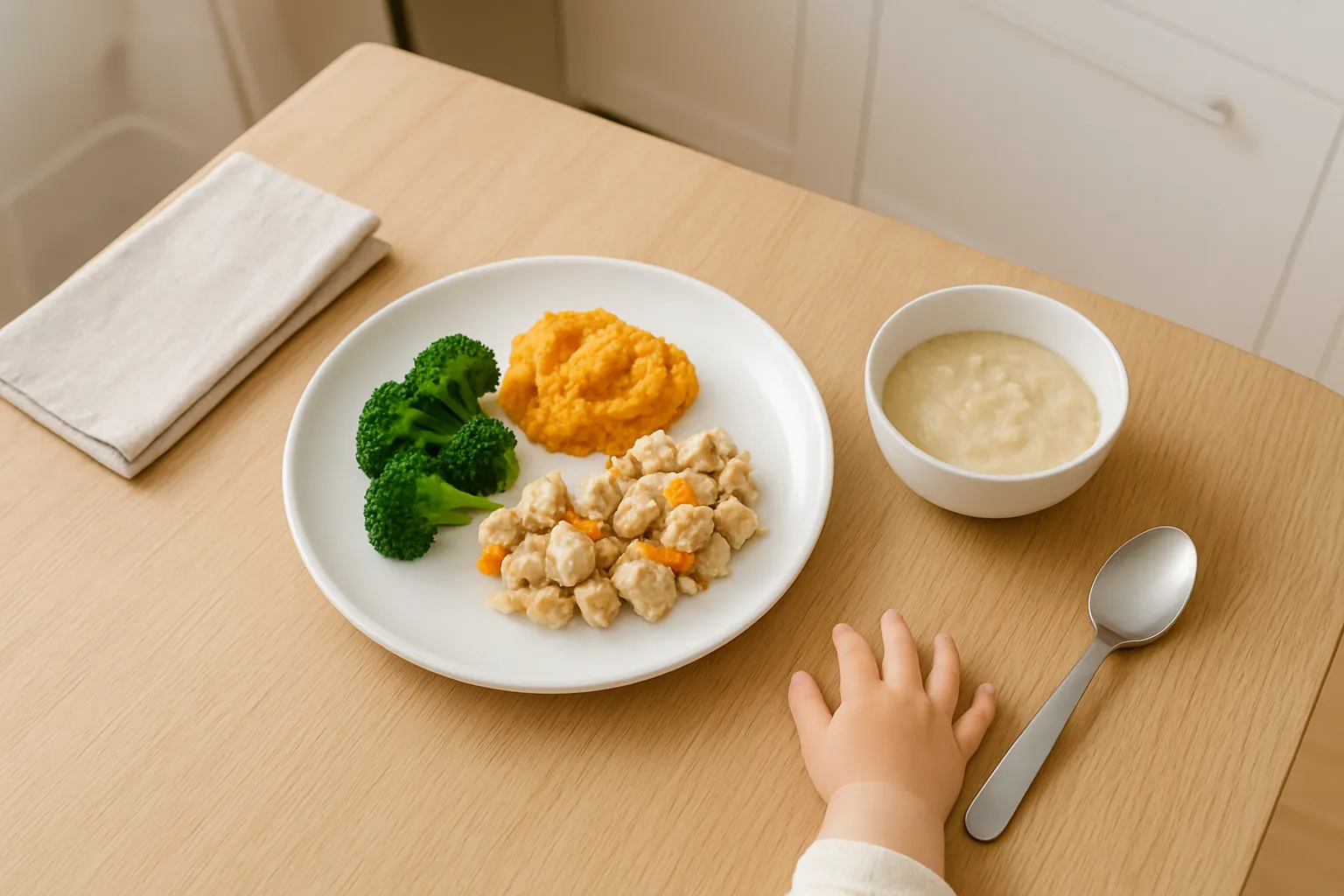
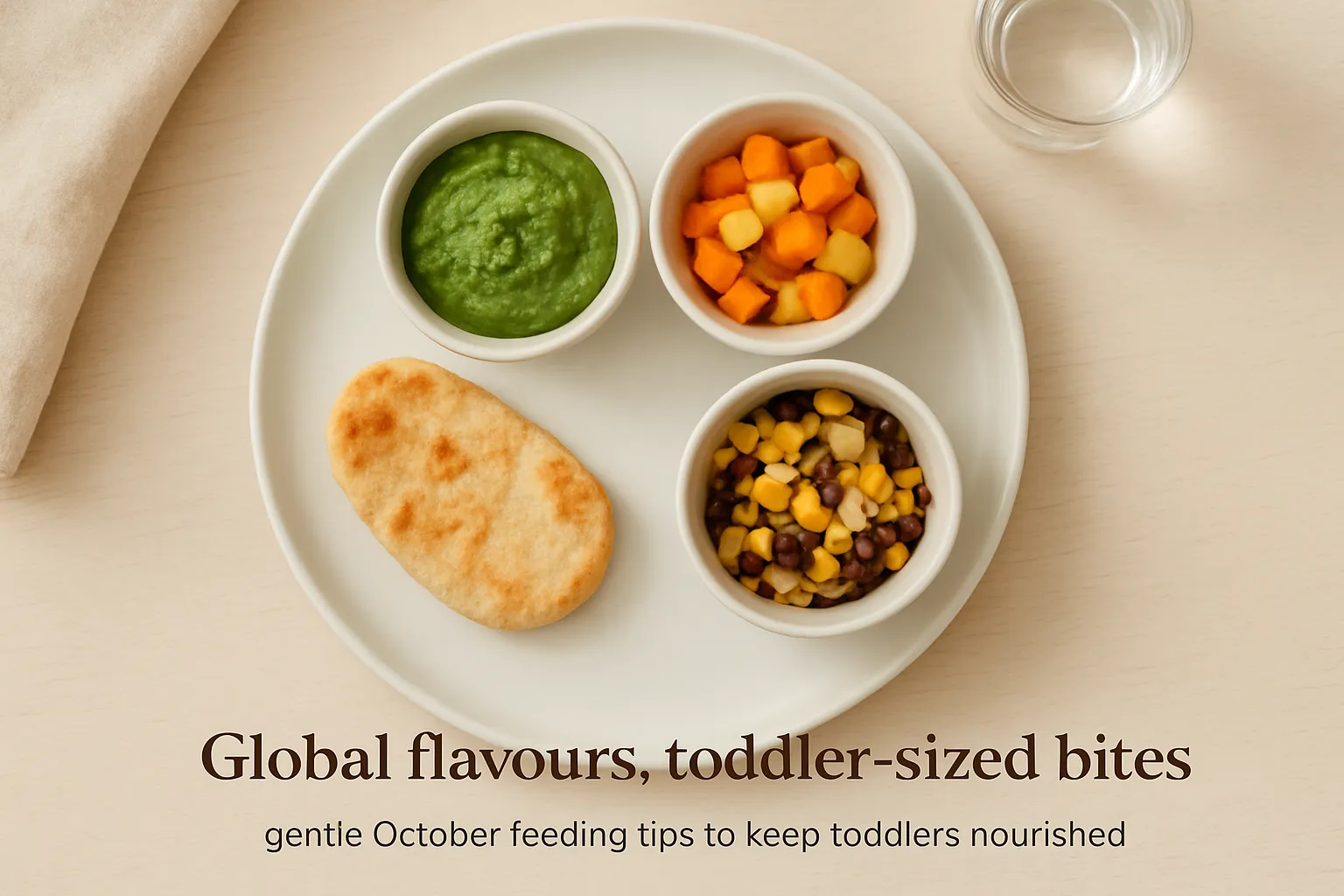
Small servings, big tastes. Here are easy, toddler-friendly ways to bring international flavours to the dinner table without overwhelming tiny palates.
Mediterranean bites
- Mini baked falafels: mash tinned chickpeas with grated carrot, a pinch of cumin, chopped parsley and a beaten egg. Press into a mini muffin tray and bake until soft all the way through. Serve with a dollop of smooth hummus or tzatziki and soft pita fingers.
- Fish cakes with lemon and herbs: flake cooked white fish, mix with mashed potato, parsley and a tiny squeeze of lemon. Shape into flat patties and pan-fry gently in a little oil. Cut into strips for easy holding.
- Serve tips: keep herbs fresh and gentle, avoid heavy salt, and offer yoghurt-based dips for familiar creaminess.
Indian-inspired comfort
- Mild lentil dahl: red lentils cooked with turmeric and a little mashed sweet potato for creaminess. Finish with a tiny knob of butter and finely chopped spinach folded through. Spoon onto soft rice or spread on a warm roti strip.
- Mini chicken korma muffins: shredded cooked chicken mixed with mashed pumpkin and a mild coconut yoghurt sauce. Bake in muffin tins for portion control.
- Serve tips: start with no or very little chilli, introduce one spice at a time (cumin, coriander, cinnamon), and pair with a plain favourite like rice or toast.
East Asian favourites
- Congee or rice porridge: long-simmered rice with shredded chicken and grated carrot, very soft and easy on sniffly throats. Add a drizzle of sesame oil for flavour if your child likes it.
- Cooked salmon and avocado rolls: use cooked flaked salmon and avocado wrapped in soft sushi rice and nori or thin omelette. Cut into bite-size pieces.
- Steam veggie dumplings: finely chopped veg and soft tofu filling, steamed until tender. Cool completely and cut if needed for choking safety.
Mexican-style family hits
- Mini quesadillas: mash black beans with a little corn, mild cheddar and grated zucchini, sandwich between small tortillas and toast until soft. Cut into wedges.
- Sweet potato and corn patties: mash roasted sweet potato with corn and a pinch of cumin, shape small patties and pan-fry gently.
- Serve tips: mild, creamy guacamole or plain yoghurt are great dipping options to introduce new textures.
Middle Eastern and North African
- Soft lamb or chickpea pitas: slow-cooked shredded lamb or mashed chickpeas spiced with a little cinnamon and cumin, tucked into small pita pockets with grated cucumber.
- Baked eggplant puree: roast eggplant until very soft, blend with tahini and lemon for a smoky dip. Serve with steamed carrot sticks or soft bread.
- Serve tips: smoky and tangy flavours can be surprising, so offer tiny tastes alongside something familiar.
Practical prep and safety pointers
- Size and texture matter: flatten meatballs and patties so they cook through and are easy to gum. Cut grapes, cherry tomatoes and sausages lengthwise. Mash or finely chop crunchy veg.
- Spice gently: use tiny amounts at first. Herbs and citrus often win over heat.
- Introduce one new thing at a time and watch for any reactions. If you have allergy concerns, check with your GP or an allergist.
- Batch and freeze: make double batches of falafels, patties or mini muffins and freeze in single portions. Reheat from frozen and serve with a familiar dip.
- Make it fun: let them help sprinkle mild spices, press falafel mix into tins, or choose which dip to try. Familiar actions make new flavours less scary.
If a taste is rejected, no dramas. Keep offering small amounts alongside favourites and try again another arvo. Little exposures add up, and soon those global tastes will be part of the regular rotation.
-
Quick grab bag: small insulated lunchbox, a couple of ice packs, two snap-top containers (one for wet, one for dry), a spoon, and a spare bib. Keep the box in the same spot so it becomes muscle memory.
-
The 3-mini rule: pack three tiny things rather than one big thing. Aim for a protein, a soft carb, and a fruit or veg. Example: shredded chicken, a mini cheese sandwich square, and peeled kiwi pieces.
-
Portion sizes that work: think bite-sized. Half a small banana or two thin slices of toast cut into fingers, a tablespoon or two of hummus or yoghurt, and 4 to 6 small cubes of cooked veggie or soft cheese.
-
Choke-safe prep: always halve grapes and cherry tomatoes lengthways, cook apple or pear until soft if not grated, slice sausages lengthways then crosswise, and keep nuts out unless processed into butter that’s spread thin.
-
Quick, fridge-to-freezer swaps: make a tray of mini egg muffins or banana-oat pancakes on a Sunday, freeze on a tray, then bag in portions. Pop one in the insulated bag with a frozen ice pack to thaw by arvo.
-
Snack combos to rotate: mashed avocado on toast fingers, cottage cheese with soft peach slices, shredded roast veg with a rice ball, yoghurt with quick-milled oats that have a teaspoon of nut butter.
-
Wet and dry separation: put dips, yoghurt or applesauce in leakproof tiny tubs. Keeps crackers crisp and avoids soggy disappointment.
-
Heat hacks: if warming, transfer to a microwave-safe container and stir mid-heat for even warmth. Test temperature on your wrist first. For car trips, use an insulated bottle for warm soups or porridge.
-
Allergy and label system: use a cheap label maker or masking tape and a marker for bags and tubs. If out and about, snap a photo of any ingredient list and stick it in the family chat.
-
Gadget shortcuts: set a recurring 10-minute prep reminder on your phone after dinner for lunches; keep a shared grocery list app so whoever is at the shops can tick items off; scan barcodes for expiry dates if you like tech that way.
-
Fussy-day fallbacks: have a small stash of favourite plain foods that tend to be accepted, like a rice cake torn into pieces, a plain scone, or steamed sweet potato. Keep portions tiny to avoid battles.
-
Sensory-friendly tweaks: if texture is the issue, try warm foods instead of cold, thin sauces rather than lumps, and cut things into ‘fun’ shapes to help curiosity.
-
Hygiene on the go: pocket-size hand wipes, an extra bib or cloth, and a small container for rubbish until you find a bin. Teach little hands to carry used wipes back to the bag.
-
Emergency snack kit: a sealed bag with rice crackers, a pottle of shelf-stable spread, a small fruit leather, and a child-safe water bottle. Tuck it in the pram or glovebox for unexpected delays.
-
Low-pressure rotation: change one item each week rather than everything at once. Keeps boredom away and helps you spot what your toddler actually eats.
Stick to these bits and it turns packing snacks from a chore into a quick habit. Small prep, smart containers, and a couple of tech reminders will save you a lot of arvo meltdowns.
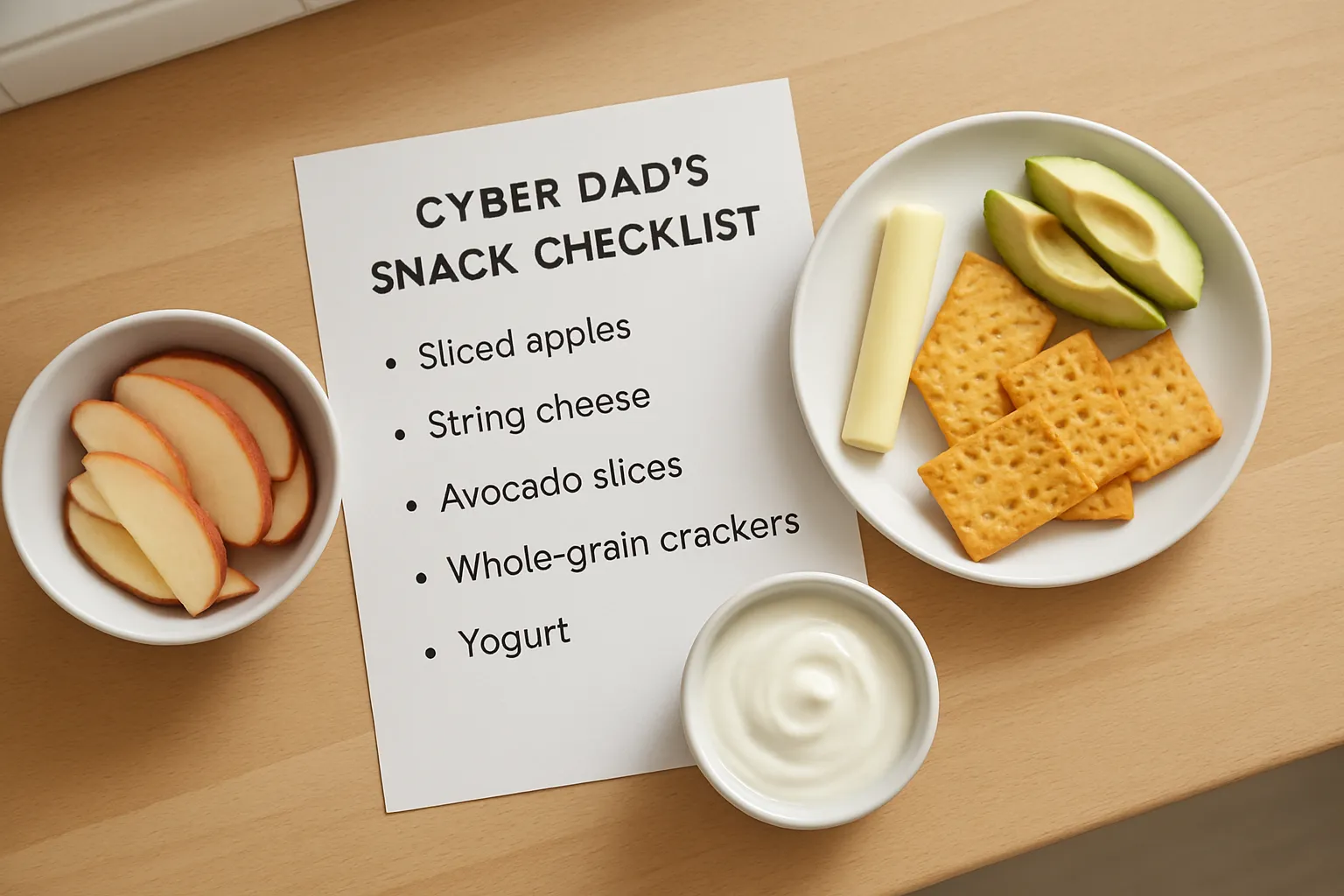
Photo credit: Pexels

Browse Cuisines
From the Blog
When little noses are blocked, meals need to be calm, cosy and very easy to eat. A few small changes make a big difference to how much they’ll try.
Right, quick intro before we dig in: keep things soft, colourful and easy for little fingers to pick up. Below are simple, spring-friendly finger foods that travel well and are easy to make ahead.
First up, a few no-fuss spring winners that keep sticky fingers and big clean-ups to a minimum. Quick to prep and easy for little hands to manage, these are the sorts of things I reach for when we want something...

 Never miss a recipe from us, subscribe to our newsletter