
Meal ideas for toddlers who dont like to chew
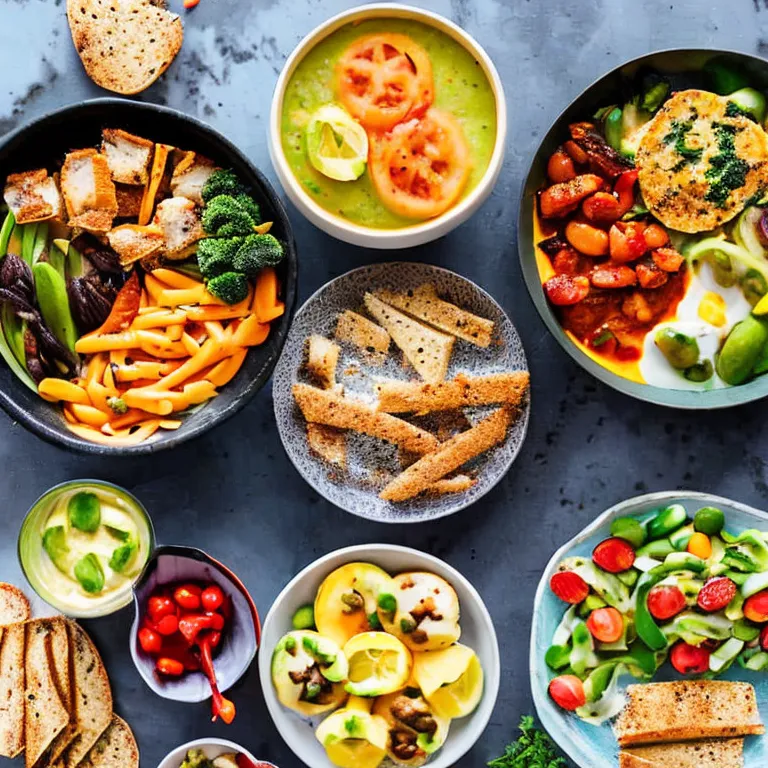
Righto, a few clever, gadget-friendly tricks to keep mealtimes soft, quick and a bit less stressful. These are the sort of fixes a tech-inclined dad swears by after too many scrambled afternoons.
Sous vide softening (or the backyard shortcut)
- If you have a sous vide, it makes meat and veg melt-in-the-mouth. Cook chicken thighs, beef cheeks or sweet potato low and slow until fork-tender, then shred or whizz with a splash of stock or milk for a silky finish.
- No sous vide? Use a slow cooker or pressure cooker for the same tender result. Cook until everything falls apart, then blitz lightly.
One-pot steam-and-blend
- Steam carrots, peas, potato or apple until really soft, then use an immersion blender straight in the pot for minimal dishes. Add a knob of butter, yoghurt or stock to smooth things out.
- A microwave steam bowl does the job for single portions if you need something fast.
Baby food maker and one-button wins
- Those all-in-one baby food machines are lifesavers. Steam, blend, and heat in the same jug. Great for making small batches of smooth meals without fiddly transfers. Instant Pot or similar pressure cookers often have a puree-friendly mode too.
Freeze in portions
- Pour purees, soups and blended casseroles into silicone muffin trays or ice cube trays, freeze, then pop into labelled zip-lock bags. Thaw a cube in a bowl or microwave and stir into pasta, porridge or yoghurt for a quick soft serve.
- Keep a stack of glass baby jars for fridge-ready meals. One-minute warm-ups on busy nights.
Soft-shape trick
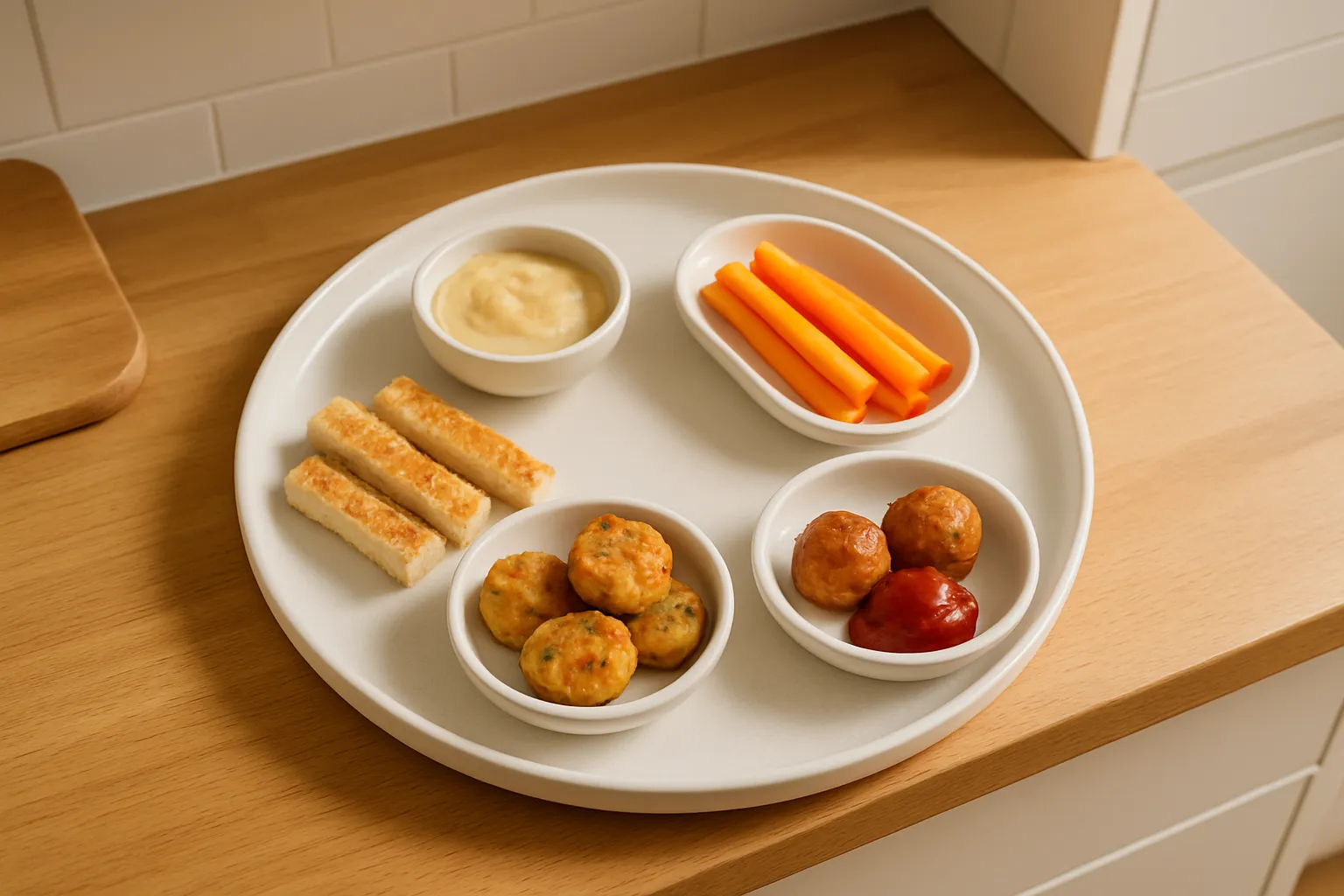
- Make meatballs, fritters or mini patties using extra mashed veg or soaked breadcrumbs so they stay soft. Bake gently, then simmer in sauce for a few minutes to soften the outside even more. Little shapes are easier to pick up and less scary than blobs of puree.
Sneak protein into creamy textures
- Stir cottage cheese, ricotta or plain yoghurt into pureed veg for extra protein and a smoother mouthfeel. Canned salmon or white fish blitzes down beautifully with potato and a bit of milk for a soft mash with iron and omega goodness.
Speedy creamy breakfasts
- Blitz rolled oats with milk and banana to make a pouring batter, cook into porridge, then whizz briefly for the smoothest texture. Add mashed stewed fruit for flavour and nutrients.
Batch prep + smart labelling
- Cook once, eat twice or four times. Put dates and contents on lids so you can grab the right thing without opening every jar in the fridge. Set timers on your phone for batch steps so nothing overcooks.
A couple of quick recipes you can try this arvo
- Soft Pumpkin & Chicken Purée: slow-cook chicken thigh with peeled pumpkin chunks and a bay leaf until tender. Remove bay leaf, blitz with a splash of chicken stock and a knob of butter. Strain if needed for silkiness.
- Banana Oat Pouches: blitz 1 banana with 1/2 cup oats and a little milk, spoon into silicone moulds and bake at low heat until set. Cool, then steam briefly before serving for a warm, soft finger food.
Safety notes
- Always check temperature after reheating and keep pieces small and soft. Stay with your little one while they eat and adapt textures as they grow more confident.
If you want, I can put these into a printable shopping and prep list so you can try a few techy hacks this weekend.
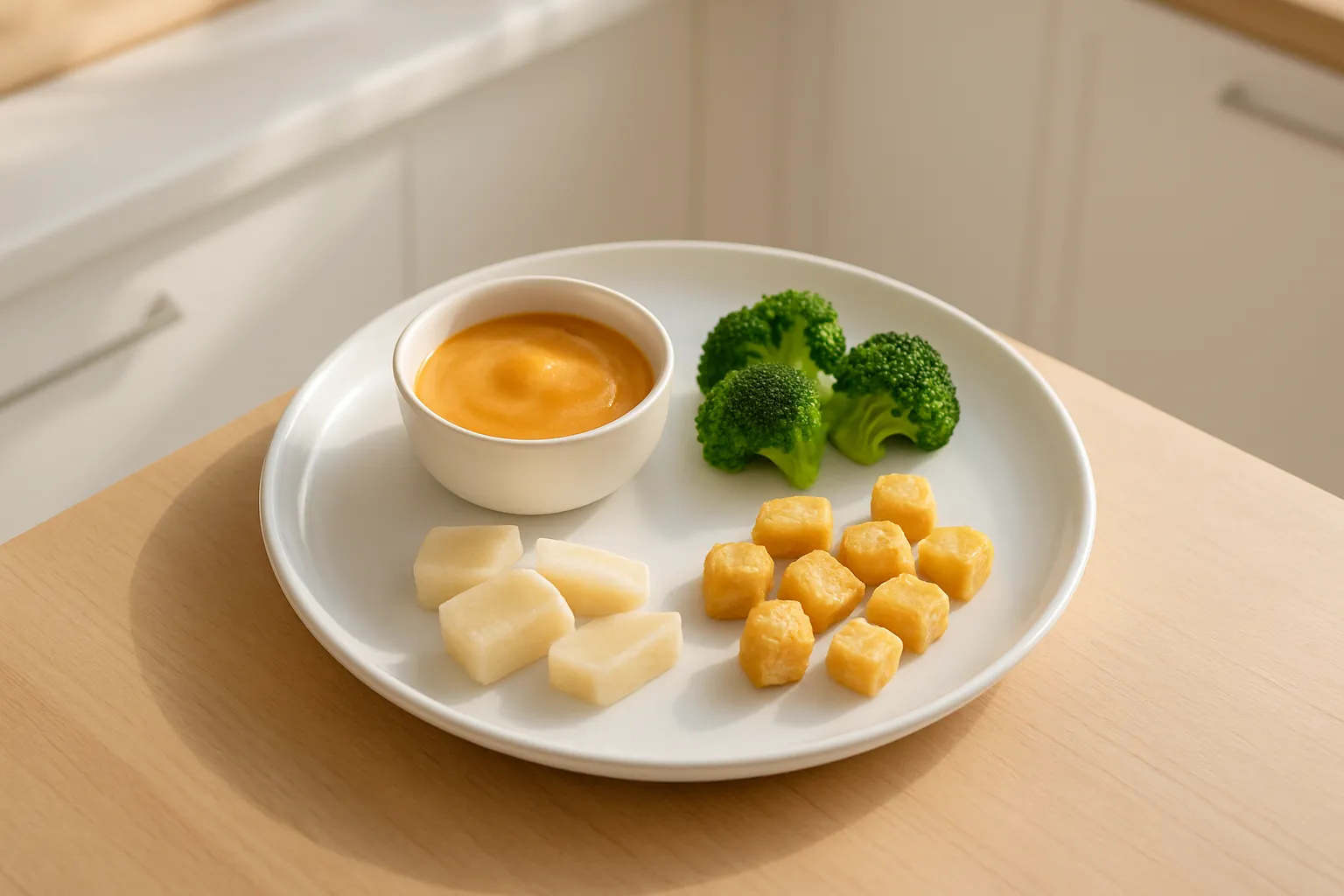
Moroccan carrot and chickpea puree
- Ingredients: 2 large carrots (peeled, chopped), 1/2 cup canned chickpeas (rinsed), pinch of ground cumin, small knob of butter or olive oil, water or low-salt veg stock.
- Method: Steam carrots until very soft, then blitz with chickpeas, cumin and oil, adding a little water or stock to reach a silky texture.
- Toddler tip: Serve warm or cooled. Stir through a spoonful of natural yoghurt for creaminess and extra protein. Freeze in 1/4-cup portions.
Indian dal and sweet potato puree
- Ingredients: 1/2 cup red lentils, 1 small sweet potato (peeled, diced), 1/4 tsp mild turmeric, tiny pinch of ground coriander, 2 cups water, splash of coconut milk (optional).
- Method: Cook lentils and sweet potato together until falling apart, mash or blend to a smooth consistency and stir in coconut milk to thin.
- Toddler tip: Lentils are a gentle way to add iron and protein. Keep spices light - they add flavour without heat.
Thai pumpkin and coconut puree
- Ingredients: 2 cups pumpkin or butternut, 1/4 cup coconut milk, a small piece of ginger (optional, peeled), squeeze of lime (optional).
- Method: Roast or steam pumpkin till very soft. Blend with coconut milk and a tiny grating of ginger, finish with a drop of lime if baby likes it.
- Toddler tip: Coconut makes this rich and smooth. Swap pumpkin for carrot if preferred.
Greek-style chicken, potato and lemon puree
- Ingredients: 1 small chicken thigh (skin removed), 1 potato, 1 tbsp plain yoghurt, few drops of lemon juice, small pinch of dried oregano.
- Method: Poach chicken and potato together until soft. Blend with yoghurt, a little of the poaching liquid and a whisper of lemon and oregano for flavour.
- Toddler tip: Great post-illness option when solids are off the menu. Use bone-free cooked chicken or store-bought cooked chicken; double-check for tiny bits of bone.
Mexican black bean and corn puree
- Ingredients: 1/2 cup cooked black beans, 1/2 cup corn kernels (fresh or frozen and cooked), tiny pinch cumin, drizzle of olive oil.
- Method: Blend beans and corn with a bit of cooking water until very smooth. Add olive oil for silkiness.
- Toddler tip: Add cooked quinoa or mashed avocado for extra calories. Avoid chilli and salt until toddler is used to bolder flavours.
Japanese kabocha and soft tofu puree
- Ingredients: 1 cup kabocha or pumpkin, 1/4 cup silken tofu, light soy sauce substitute (a few drops of reduced-salt tamari optional).
- Method: Steam pumpkin until soft, blend with silken tofu to a fine, creamy texture. If you want a savoury note, tiny tamari splash.
- Toddler tip: Tofu boosts protein and keeps the puree smooth. Omit soy for soy-allergic kids.
North African lamb and apricot puree
- Ingredients: 100 g lamb mince (or leftover roast lamb), 1 small potato or sweet potato, 2 dried apricots soaked and chopped, pinch of cinnamon.
- Method: Cook lamb until tender, simmer with potato and apricot until everything is very soft, then blend until smooth.
- Toddler tip: Sweet apricot pairs well with lamb and disguises the meat texture. Make sure lamb is fully cooked and well blended.
General serving and storage tips
- Thin with breastmilk, formula, plain milk or cooking liquid to get the exact silkiness your toddler prefers.
- Freeze portions in ice cube trays, then store cubes in labelled bags for up to 3 months. Reheat thoroughly and stir to a smooth consistency.
- Introduce new flavours one at a time and watch for reactions, especially with nuts. For peanut or tree nut ingredients, follow your paediatrician’s guidance.
- Use aromatic but mild spices rather than salt or chilli. Little tastes of flavours from other cuisines can build acceptance without overwhelming them.
Small swaps to keep things interesting
- Swap proteins: lentils, tofu, cooked fish, chicken, or mashed beans all blend to the same smooth texture.
- Swap liquids: coconut milk, yoghurt, or plain cooking stock change the flavour and mouthfeel with minimal effort.
- Mix a pureed veg with a fruit puree (pear, apple, or banana) for sweeter options at breakfast or dessert time.
These purees give new tastes without the chewing challenge, and once they’re comfortable with smooth textures, you can slowly reintroduce thicker lumps, one tiny step at a time.
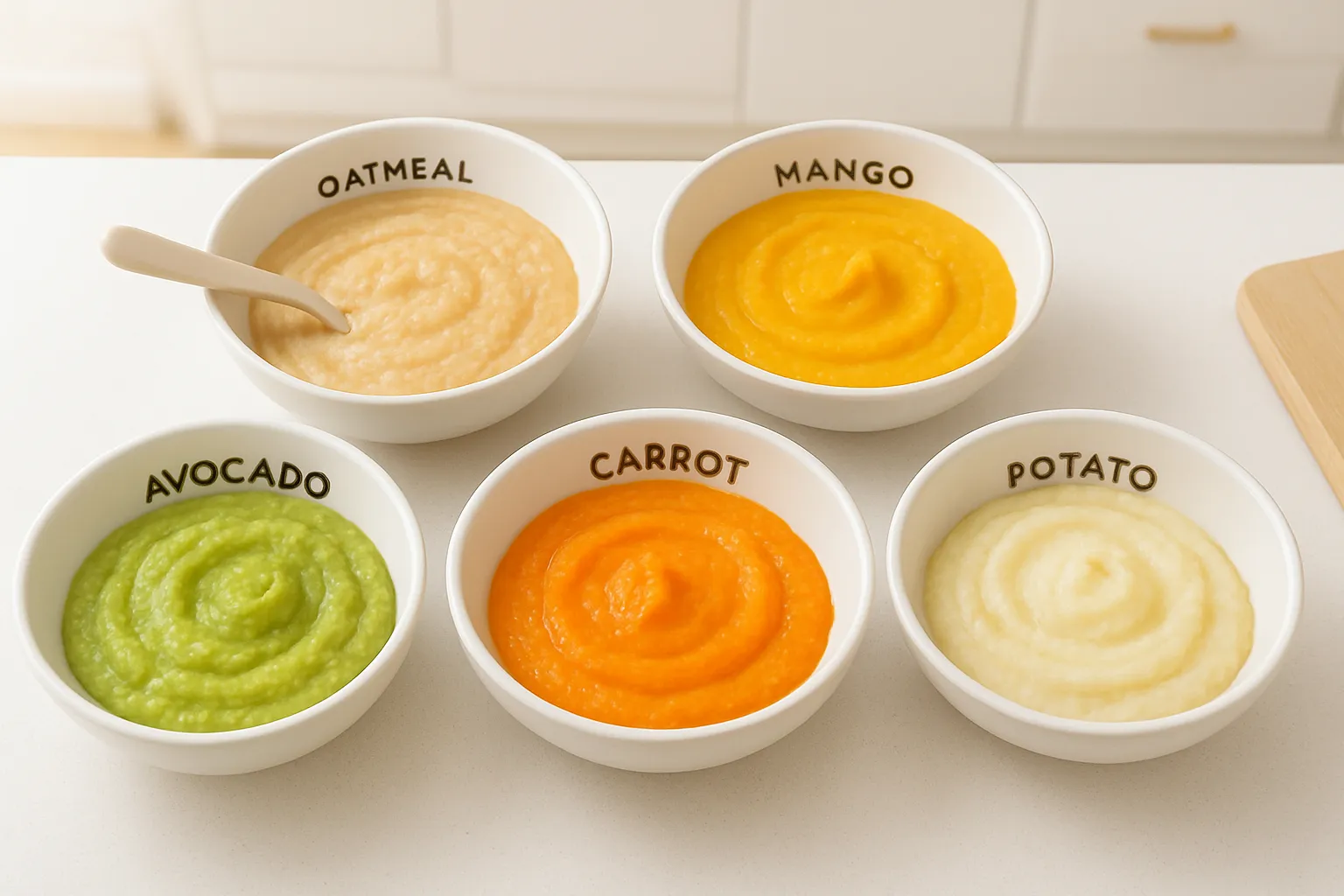
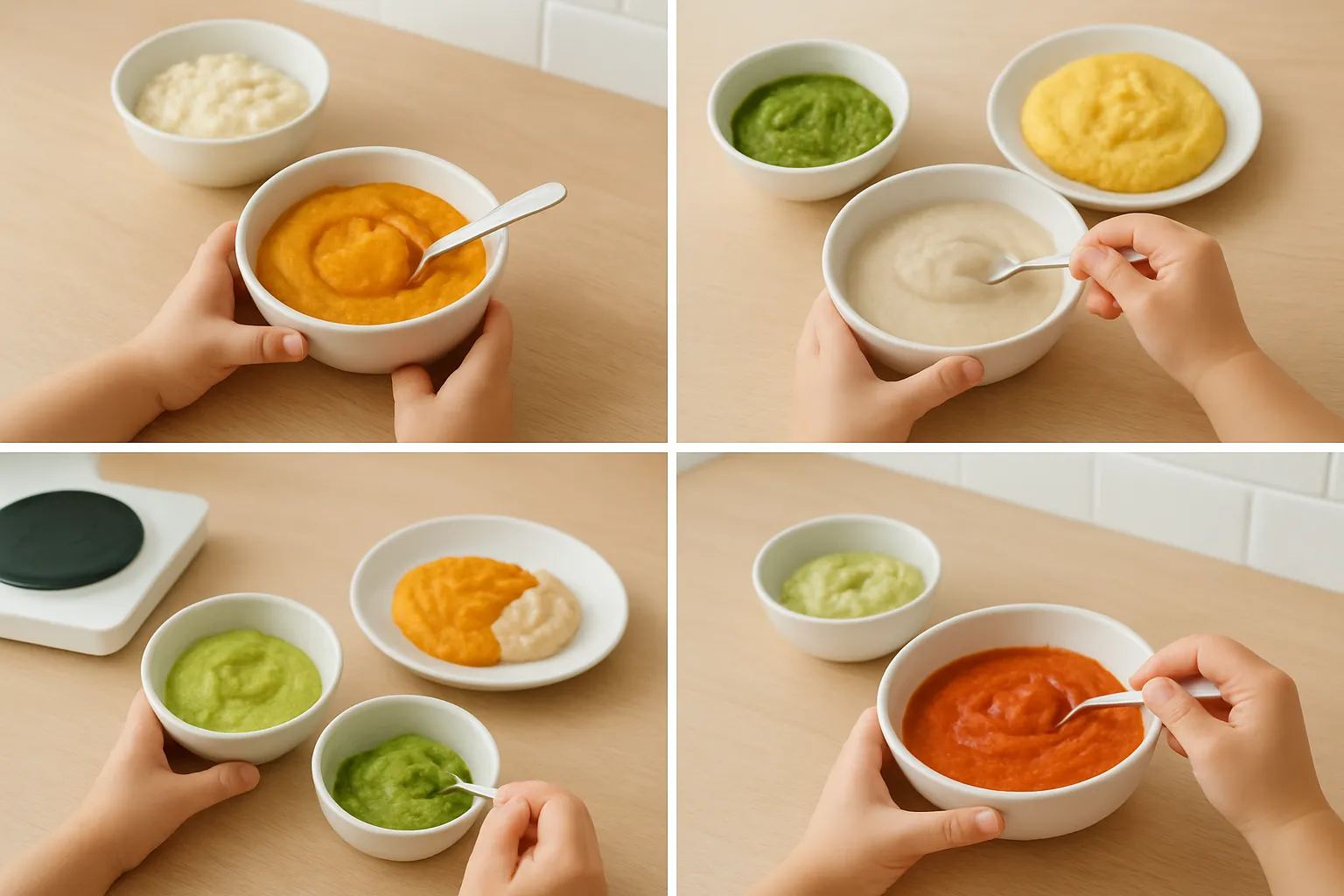
Swap ideas that actually work when chewing is off the table
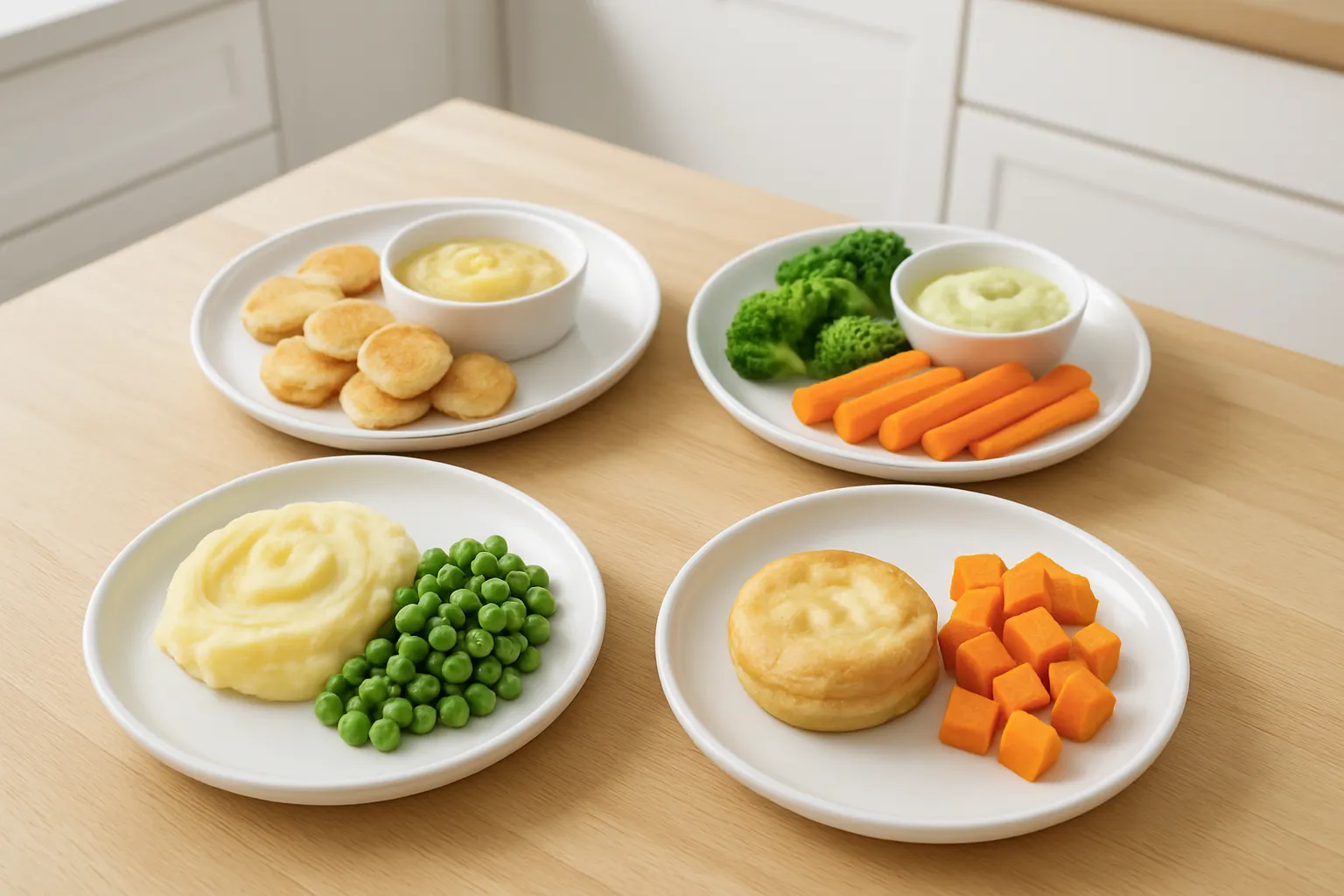
- Roast meat or steak → Slow-cooked pulled meat in gravy
-
Cook beef, lamb or chicken in a slow cooker or pressure cooker with plenty of stock until it falls apart. Shred and stir through the cooking liquid, then blitz a little of that liquid for a silky texture. Serve on mash or soft pasta so your toddler can spoon it.
- Whole chicken pieces → Flaked, steamed fish or fish pie
-
Steam a mild white fish like hoki or cod until it flakes easily. Mix with a thick, creamy white sauce and mashed potato for a mild fish pie. No chewing, lots of protein.
- Chunky pasta meals → Small shapes in a smooth sauce
-
Use mini pasta shapes or orzo and cook slightly longer than package time. Make a tomato or pumpkin sauce and blitz until smooth, then stir through ricotta or grated cheese for creaminess. Tiny pasta plus a velvety sauce is a winner.
- Stir fry with big veggies → Soft noodle bowls
-
Swap crunchy veg for very soft, thin rice noodles and finely minced meat or silken tofu simmered in a gentle broth. Cook until everything is soft and spoonable.
- Sausages or snags → Soft meatloaf or baked rissoles
-
Mix minced meat with milk-soaked breadcrumbs and grated veg, bake until just set. The milk keeps them moist and easy to mash or cut into tiny spoonfuls.
- Steamed veg on the side → Veg mash medley
-
Roast or steam pumpkin, carrot and sweet potato until falling apart, then mash with butter and a splash of milk. You can fold in cottage cheese for extra protein.
- Rice or fried rice → Congee or creamy risotto
-
Make a chicken congee by simmering rice in lots of stock until it breaks down, or cook risotto extra soft with extra stock and a knob of butter. Add soft shredded chicken or mashed veg.
- Pizza with chewy crust → Mini pizza toast
-
Use a thin piece of toast topped with smooth tomato sauce and finely grated cheese or ricotta. Keep it soft and cut into small squares.
- Whole fruit → Stewed fruit or fruit purée
-
Simmer apples or pears until soft, mash or blend. Serve warm with yogurt or mixed into mashed veg for sweetness.
- Beans and lentils → Mild dahl or mashed beans
- Cook lentils until they collapse, then mash or lightly blend into a smooth, mild dahl. Great spoonable protein.
Quick swaps and tricks to make any dinner no-chew friendly
- Add moisture. Extra stock, milk or a little cream makes food soft and spoonable.
- Cook longer and lower. Slow or pressure cooking breaks fibres down.
- Mash or blitz. If it is not naturally soft, give it a pulse in the blender or mash with the back of a fork.
- Choose small shapes. Tiny pasta, flaked fish, minced meats and soft grains are easier than big chunks.
- Check texture every time. Press with a fork. If it smashes easily, it will be easier for your toddler.
Little safety reminders
- Always supervise mealtimes.
- Keep pieces soft and avoid large lumps or tough, stringy bits.
- Let hot food cool to a safe temperature before serving.
A few of these swaps will turn a frustrating dinner into something your little one can actually eat without a fight.
If the no-chew dinner swaps have been doing their job, smoothies are a brilliant way to quietly top up vitamins, iron, protein and healthy fats between meals.
Smoothie-building basics
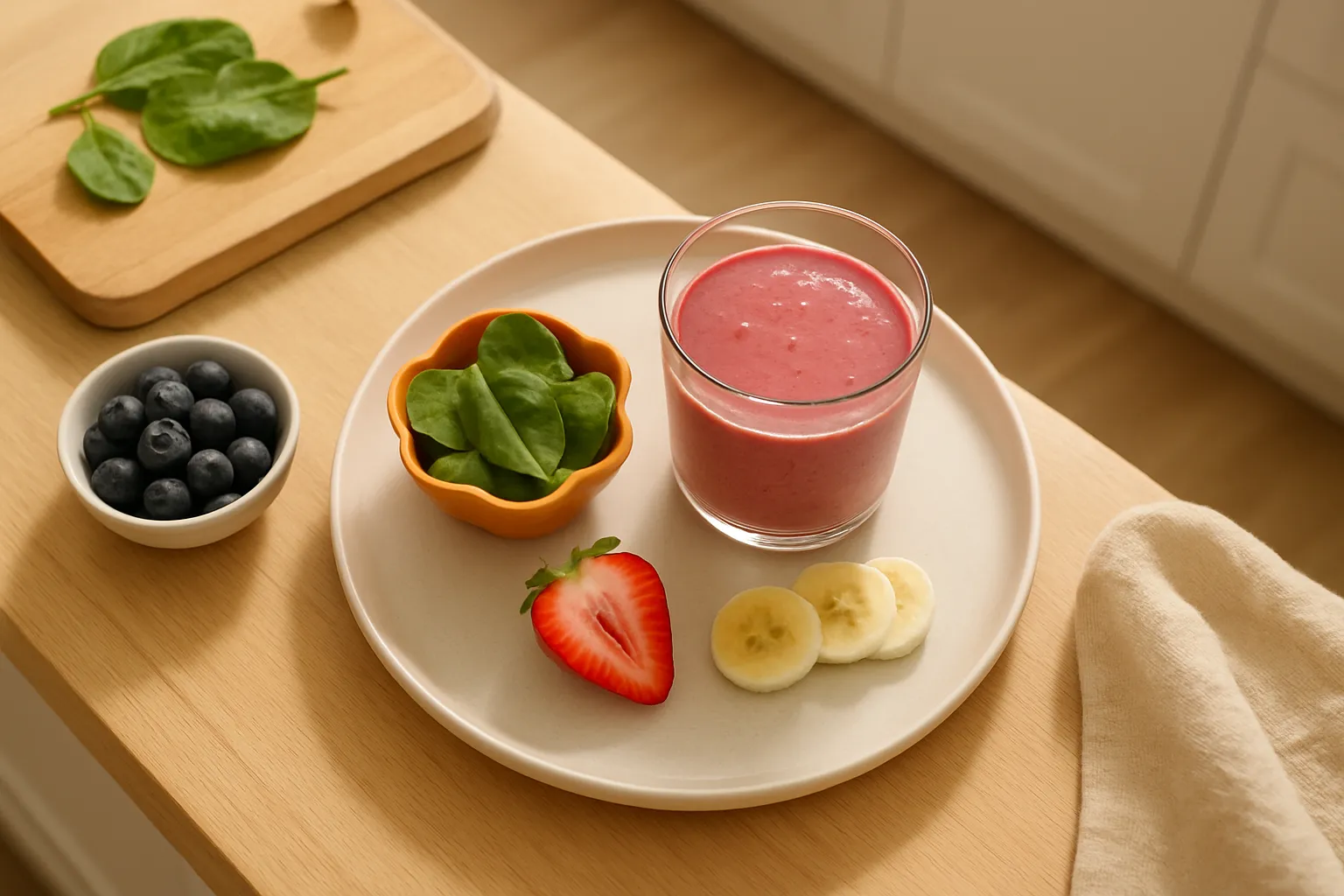
- Liquid first: 120-180 ml of full‑fat milk, yoghurt, kefir or a toddler-fortified plant milk. For under-2s stick to full-fat dairy.
- Fruit for flavour and sweetness: about 1/2 cup (banana, berries, mango, stewed apple).
- Veg for bulk without texture: 1/4 cup cooked pumpkin, carrot, beetroot or wilted spinach.
- Protein and creaminess: 2-4 tablespoons Greek yoghurt, silken tofu, mashed white beans, or 1 tablespoon nut butter if no allergy.
- Healthy fats: 1/4 avocado, 1 teaspoon coconut oil, or a tablespoon of ground flaxseed for omega-3s.
- Extras for a boost: 1-2 tablespoons oats (soaked if you want ultra-smooth), a pinch of cinnamon, or 1 teaspoon baby cereal to add iron and thicken.
Texture tips
- Cook root veg first (steam or roast), then cool and freeze in cubes so they blend silky.
- Use ripe banana or frozen fruit for smoothness; ditch seeds and fibrous skins.
- High-speed blender is best. If still grainy, press through a fine sieve for pickier toddlers.
- If your little one gags on thick textures, thin with extra milk and serve in a small cup or spoon-feed.
Sneaky nutrition boosters
- Greens: spin them with plenty of citrus or berries to mask the flavour. Baby spinach vanishes in 1-2 leaves per serve.
- Iron: add a spoon of cooked, pureed red meat or a tablespoon of iron-fortified baby cereal. Pair with vitamin C fruit like kiwi or orange to help absorption.
- Calcium and probiotics: swap part of the liquid for plain full‑fat yoghurt or kefir.
- Protein: silken tofu, cooked white beans or mashed lentils blend completely smooth and add staying power.
- Healthy fats: avocado or nut butter helps with energy and brain development. Try 1-2 teaspoons of tahini or peanut butter.
Quick recipes you can throw together
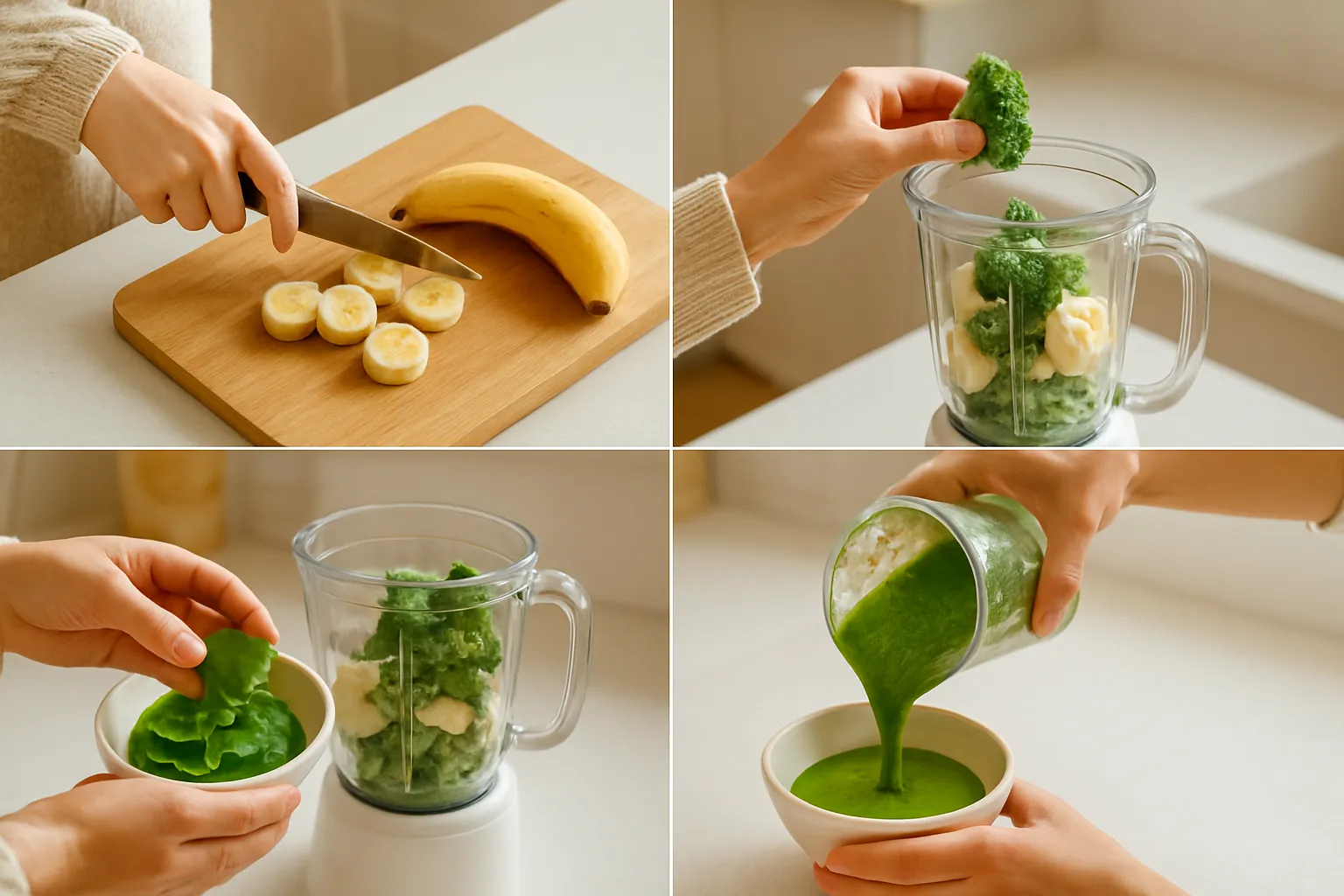
- Green Banana Fix
- 120 ml full-fat milk, 1/2 ripe banana, 1 small handful baby spinach, 1 tbsp Greek yoghurt, 1 tsp ground flaxseed. Blend until silky.
- Pumpkin Pie Smoothie
- 120 ml yoghurt, 1/4 cup cooked pumpkin, 1/2 banana, pinch cinnamon, 1 tbsp oats. Blend and chill.
- Berry & White Bean Boost
- 120 ml milk, 1/2 cup mixed berries, 2 tbsp cooked white beans, 1 tsp honey for over-1s only. Blend until smooth.
- Little Iron Lift
- 120 ml orange juice or milk, 2 tbsp pureed cooked beef or lamb, 1/4 cup mango or strawberries, 1 tbsp yoghurt. Blend very well.
- Tropical Kefir Sip
- 120 ml kefir, 1/2 banana, 2 tbsp mango, 1 tsp chia seeds (soak first), blend and serve slightly chilled.
- Avocado Oat Dream
- 120 ml milk, 1/4 avocado, 1 tbsp soaked oats, 1/2 pear (peeled), dash cinnamon.
Serving and storage
- Typical toddler portion: 100-150 ml. Start small and top up if they like it.
- Pour into a small cup, an open training cup or spoon-feed if the texture is thick.
- Make a big batch and refrigerate for up to 24 hours. Give it a quick stir or re-blend before serving.
- Freeze portions in ice-block moulds or ice-cube trays for pops or smoothie boosters to add straight to the blender.
Safety and fuss-proofing
- Never give honey to under-1s. Avoid adding extra sugar or fruit juice as the main sweetener.
- Check for allergies before adding nut butters. Introduce new ingredients one at a time.
- Watch the temperature. Some kids prefer cool, others room temperature. Avoid very cold straight from the freezer if they are sensitive.
- Keep an eye on texture to avoid gagging. If in doubt, spoon-feed a few sips so you can control pace.
Quick do’s and don’ts
- Do: use cooked veg, full-fat dairy, and protein-rich add-ins.
- Don’t: rely on fruit juice or adult protein powders as main ingredients.
- Do: freeze in small serves for busy mornings.
- Don’t: serve chunky or seedy smoothies to a toddler who rejects chewing.
These little blends are brilliant for topping up nutrition without battles. Once you get a few combos your kid likes, smoothies become an easy clutch for breakfasts, snacks or a quick energy hit between outings.
A few quick Aussie flavours that work brilliantly when you need something soft and fast:
- Avo and ricotta spread
-
Mash a ripe avo with a spoonful of ricotta and a squeeze of lemon. Spread on very soft steamed white bread or thin pancakes and roll up, then slice into bite-sized rounds. Keeps 24 hours in the fridge. Swap ricotta for cottage cheese for a tangy change.
- Vegemite and cream-cheese roll-ups
-
Thinly smear a tiny amount of Vegemite into softened cream cheese, spread on a warmed pancake or very soft toast, roll and slice. Strong flavour but easy to control by diluting the Vegemite. Great for sneaking in a salty hit without tough textures.
- Banana-ricotta pancakes
-
Mash a ripe banana and mix with a couple of tablespoons of ricotta and an egg, cook tiny pancakes until just set. They stay soft and can be squished with two fingers. Freeze extras and microwave gently to soften.
- Weet-Bix porridge
-
Soak a smashed Weet-Bix in milk until completely pulpy, stir through mashed banana or apple puree. Add powdered milk or a spoonful of nut butter for extra calories. Easy to spoon and makes a filling brekky or snack.
- Lamington-trifle cups
-
Cube a soft sponge finger or cake, soak briefly in milk, layer with whipped yoghurt or custard and a smooth berry compote. No crunchy bits, all spoonable, and feels like a treat. Store covered in the fridge for a day.
- Creamy fish and potato mash
-
Poach a white fish fillet until it flakes, mix with mashed potato and a splash of milk or breastmilk, mash to a smooth consistency. Flavour with a little lemon and chopped parsley. Freeze in baby-sized portions.
- Sweet potato and macadamia mash
-
Roast sweet potato until very soft, mash with a teaspoon of ground macadamias or almond meal and a drizzle of olive oil. Nut meal gives creaminess without big chunks. For under 12 months, skip whole nuts and use seed or tahini options.
- Lamington-style soft bites
-
Make a basic sponge, cut into small squares and soak in milk, then roll in finely desiccated coconut that has been blitzed so it is super fine. The coconut adds flavour without chew. Serve slightly chilled.
- Lamb rissoles, extra tender
- Mix minced lamb with grated apple and extra cooked onion for moisture, form tiny patties and bake until cooked through. For eating, press or cut into tiny pieces and mash slightly with a fork so there are no chewy edges. Freeze in portions.
Quick tips
- Steam, simmer or microwave longer than you think so veggies and proteins are super soft.
- Thin mixtures with milk, stock or breastmilk so they glide easily off the spoon.
- Use small silicone muffin trays to make freezer-friendly portions of purees, mashes or mini pancakes.
- Do not give honey to babies under 12 months.
These little Aussie-inspired ideas are handy when you need something fast, familiar and gentle on gums. Adjust flavours and textures to your child, and you’ll have a go-to list in no time.
Browse Cuisines
From the Blog
First up, a few no-fuss spring winners that keep sticky fingers and big clean-ups to a minimum. Quick to prep and easy for little hands to manage, these are the sorts of things I reach for when we want something...
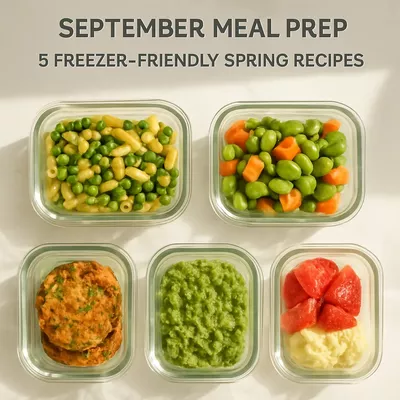
Nice - here’s how Steve keeps dinner simple without sacrificing flavour or sanity. A few good habits and the right packing tricks mean you can pull a proper family meal out of the freezer in minutes.
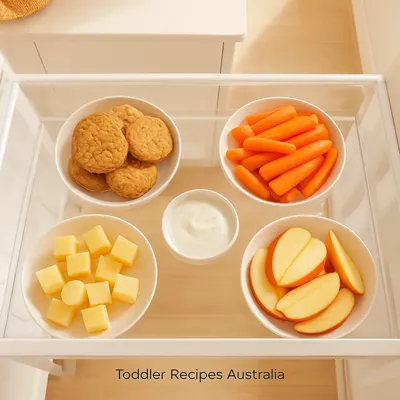
Righto, a couple of quick fridge fixes will make everything a whole lot easier. These are the simple, practical habits and setups that keep snacks safe, obvious and actually reachable for little hands.


 Never miss a recipe from us, subscribe to our newsletter