
Meal ideas for toddlers on-the-go
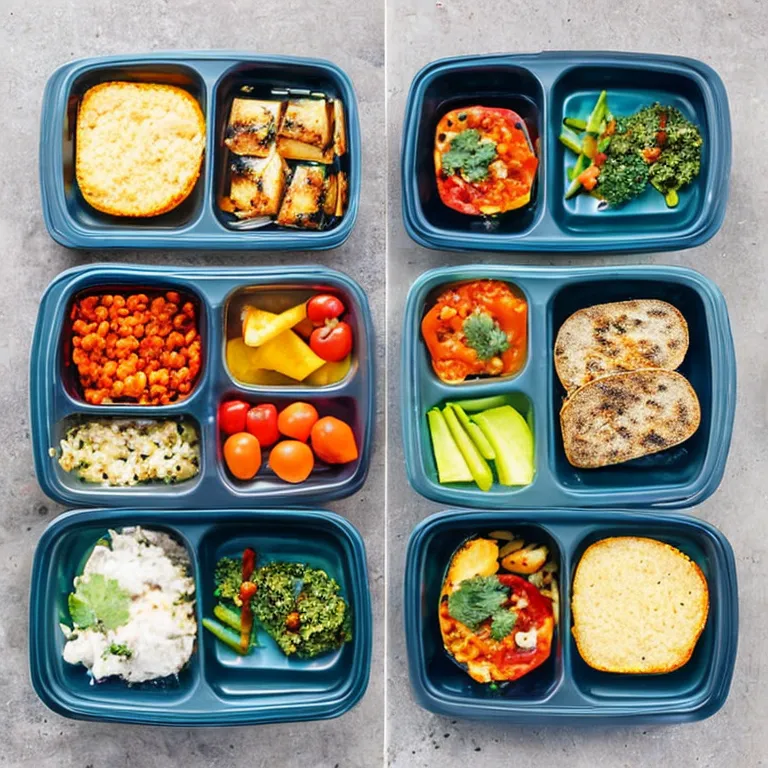
Quick reality check before you pack any snacks. Run through this short threat assessment so you don’t get caught out by choking, heat, sticky messes or allergy drama.
Common threats and easy fixes
-
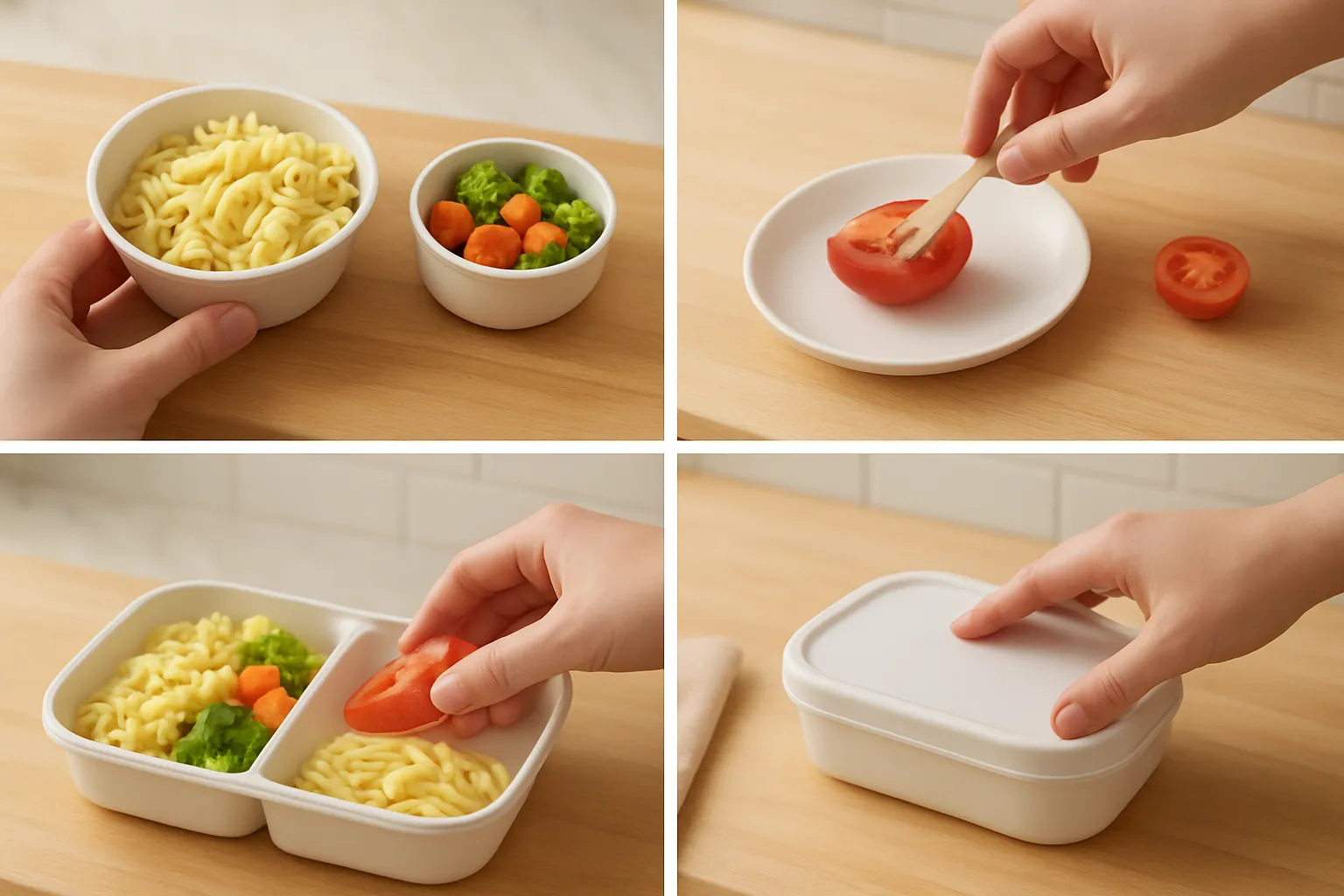
Choking hazards Young mouths and certain foods are a risky combo. Avoid whole grapes, whole cherry tomatoes, marshmallows, hard lollies, whole nuts and popcorn for little ones. Cut grapes and tomatoes lengthwise, slice hot dogs lengthwise then dice, grate or steam carrots and apples instead of leaving them as big chunks. For finger foods, make pieces small and soft enough to mash with the tongue.
-
Allergies and cross-contamination Always check labels and keep allergen-free snacks separate if you’re packing for multiple kids. If someone in your crew has a serious allergy, stash their snack in a clearly marked container and tell any caregiver where the EpiPen and instructions are. When in doubt, swap peanut butter for seed butter or sunflower spread.
-
Perishables in warm weather Dairy, cooked meats, egg and dips can go off quickly in the heat. Use a small ice pack or insulated jar. Freeze a yoghurt pouch or sandwich half an hour before you leave to act as a cooler, then pop it in the esky. Aim not to leave perishable food at room temperature for long stretches, especially on hot afternoons.
-
Mess and melt-downs Sticky fruit, melty cheese and jammy sandwiches attract both kids and insects. Pack sticky items in separate spill-proof tubs, bring plenty of wipes and a small cloth. Silicone snack pots and divided boxes keep things tidy and make it easier to hand a clean section to a sticky toddler.
-
Sugar highs and tummy trouble Pure sugary snacks give short bursts of energy and often a quick crash. Pair fruit with protein or fat to steady things: apple slices with cheese, banana with yoghurt, or a rice cake with a thin spread of nut or seed butter.
-
Dangerous packaging and small parts Check lids, seals and toy attachments. Tiny plastic bits, twist ties and button batteries are real hazards. Throw away or stow packaging that could be chewed, and pick containers with big, easy-to-open lids for grown-ups only.
-
Spill and drink issues Swap flimsy plastic bottles for leak-proof sippy cups or bottles with secure lids. Pop a rubber band around tricky lids for an extra backup. Avoid glass containers and choose sturdy, compartmentalised lunchboxes.
-
Hygiene on the go Hand wipes are a lifesaver when soap and water aren’t handy. Keep food sealed until snack time and use a clean mat or towel if you’re sitting on grass or sand.
Quick packing checklist (five words to remember) Cut, chill, contain, wipe, watch.
Practical combo ideas you can grab quickly: cubed cheese + grape halves + oat crackers, hummus + steamed carrot sticks + pita fingers, boiled egg mashed + avocado on toast strips, frozen yoghurt pouch + berry mix. Keep portions small, offer two or three options and always watch while they eat.
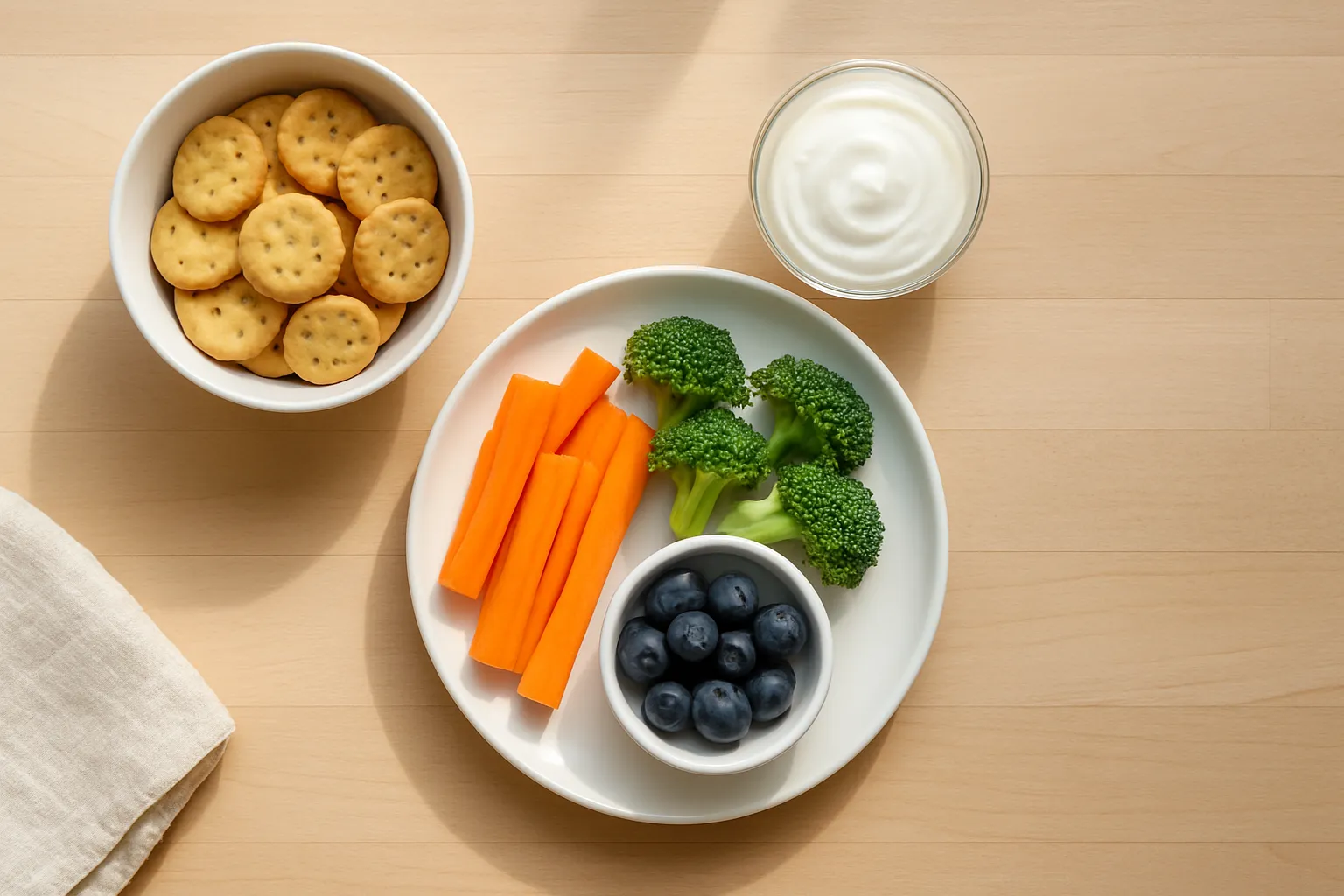
Portable Meals, Zero Fuss
Keep it simple and pick items that travel well and can be eaten with fingers. Toddlers love grabbing and munching, so aim for sturdy pieces that don’t turn into a sticky mess the moment they touch the ground.
Quick, packable meal ideas
- Mini frittata muffins: whisk eggs, grated veg and a handful of cheese, bake in a muffin tin. Freeze extras and thaw overnight or pop into a warmed thermos. They’re great warm or cold.
- Wrap pinwheels: spread cream cheese or avocado on a small wholegrain wrap, add ham or shredded chicken and spinach, roll tight and slice into bite-size rounds.
- Meatballs or falafel: oven-baked, cooled and packed in a small container. Serve with a dip cup for dunking.
- Pancake roll-ups: thin pancakes spread with nut butter or ricotta and banana, rolled and cut into small pieces.
- Pasta salad: small pasta shapes, peas, grated carrot, cubed cheese, a little olive oil. Keeps fine at room temperature for a few hours.
- Rice balls: mix leftover rice with mashed veg or minced chicken, shape small balls and roll in sesame or crushed cornflakes for extra crunch.
- Snack bento: cheese cubes, cucumber coins, halved grapes, and a couple of oat biscuits in separate compartments.
- Smoothie pouches: make a thicker smoothie and fill reusable squeeze pouches. Freeze overnight; they’ll be slushy by snack time.
- Thermos soup or porridge: preheat the thermos with boiling water, empty and add hot food so it stays warm for hours.
Packing and container tips
- Use small containers or silicon cups to keep wet items separate from dry snacks. That stops crackers going soggy.
- Leakproof jars or silicone pouches are lifesavers for yoghurt, dips and chopped fruit.
- Pre-pack portions the night before. Saves time in the morning and keeps stress low.
- Keep a small ice pack or an insulated bag for dairy and meat-based items.
- Bring a tiny fork or spoon for older toddlers, but favour finger food where possible. Include wipes, a spare bib, and a small rubbish bag.
- Double-batch and freeze: cook once and freeze individual portions so you can grab-and-go.
Zero-fuss prep hacks
- Use muffin tins to portion out mini meals and freeze. Pop straight into the cooler or thermos the night you need them.
- One-sheet pan weekends: roast a tray of veg and some chicken, then turn leftovers into wraps, rice bowls or finger foods.
- No-cook combos that still feel like a meal: sliced cheese, soft fruit, seeded crackers and hummus make a satisfying little plate.
- Keep a small stash of safe convenience items: wholemeal pikelets, plain rice cakes, and pre-cut fruit packs for emergency days.
Safety and simple rules
- Cut grapes, cherry tomatoes and sausages lengthwise to reduce choking risk.
- Avoid hard, round snacks like whole nuts or popcorn for younger toddlers.
- Check the temperature of hot food in the thermos before offering it.
- If trying new foods, give them at home first so you can watch for any reaction.
Little changes make a big difference. Pick a few favourites, stash them in easy containers, and you’ll have a fuss-free, portable meal ready in minutes.
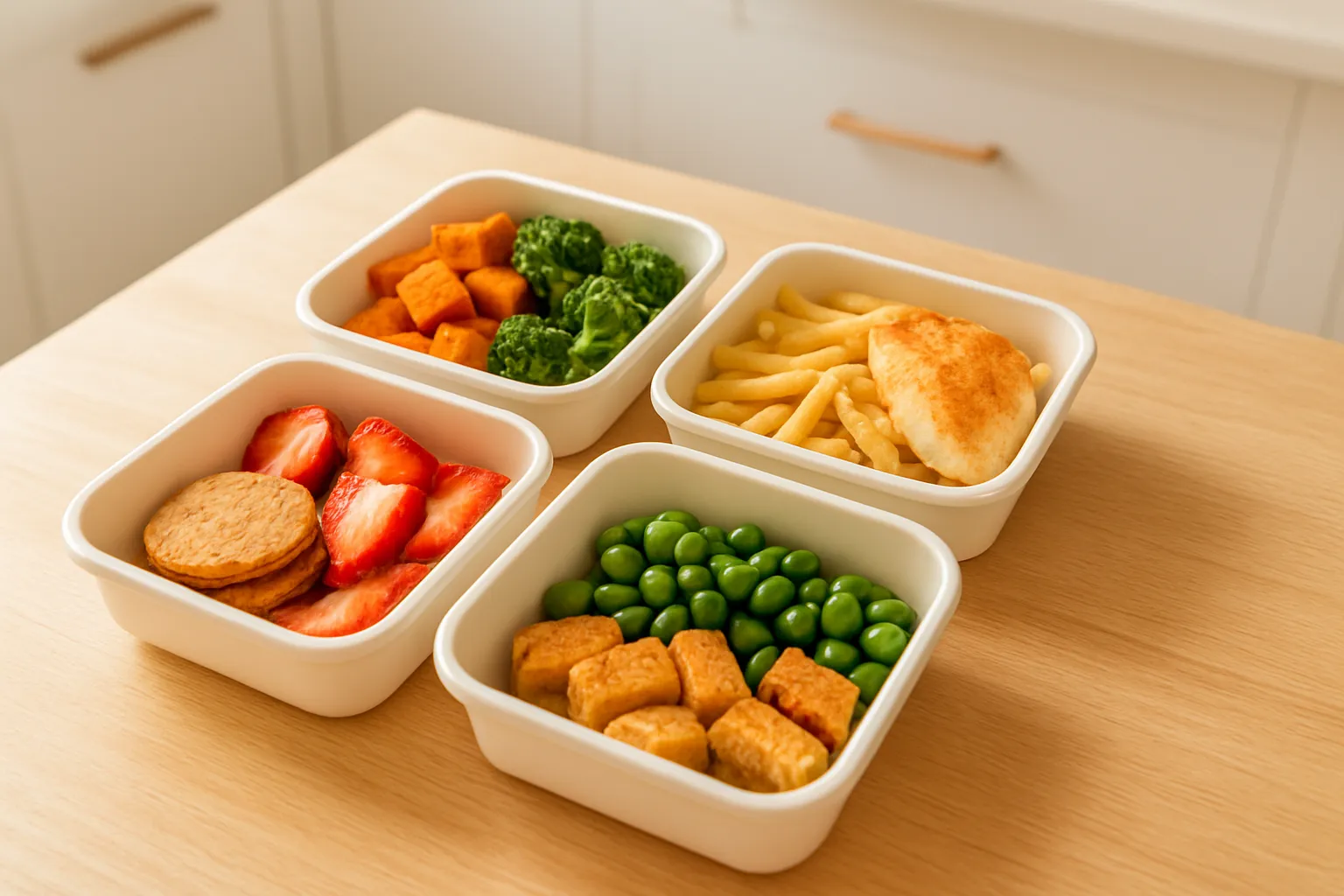
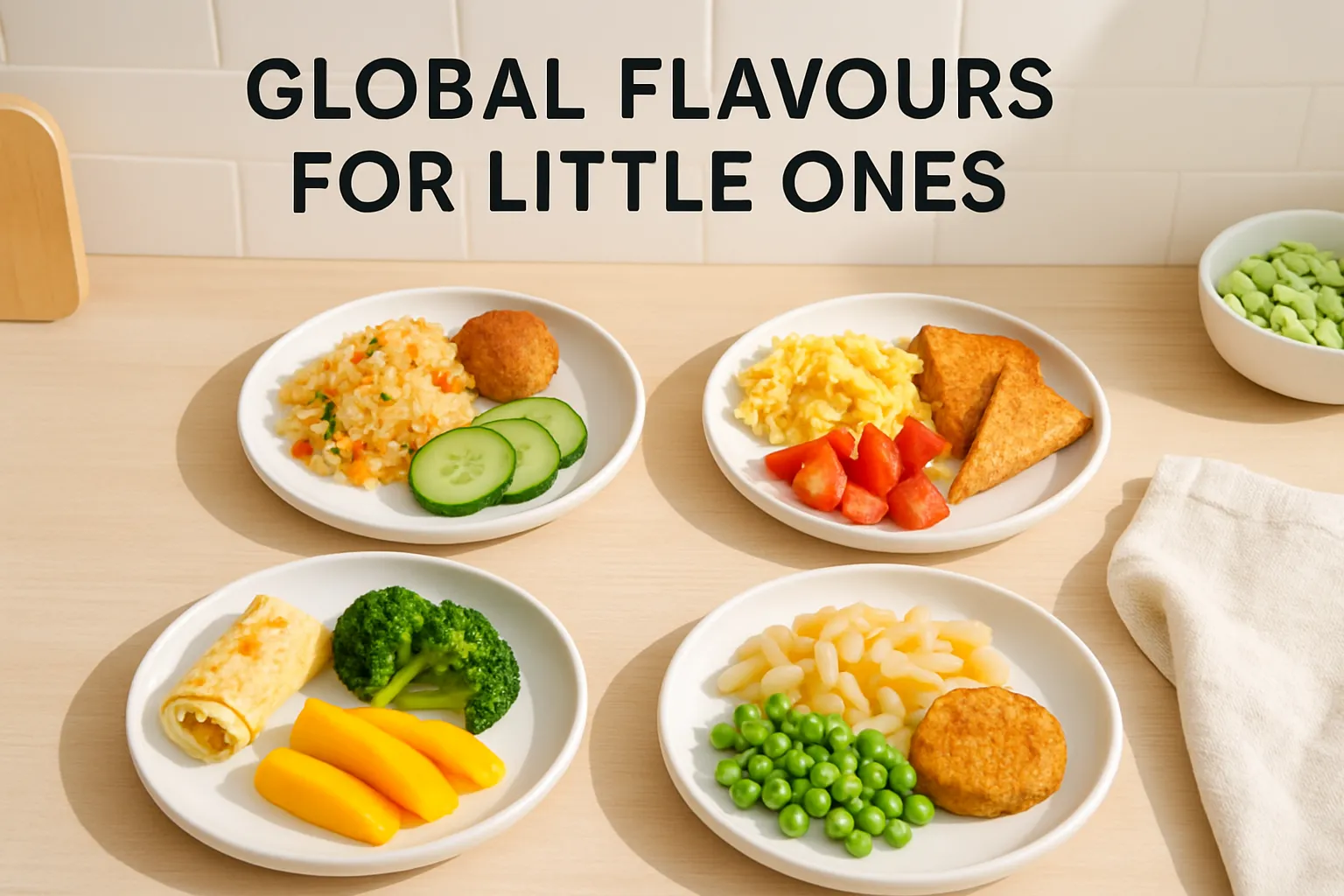
Global Flavours for Little Ones
-
Mini Mexican quesadillas: Fill a small wholemeal tortilla with mashed black beans, mild cheddar and a little sweet corn. Fold, toast in a dry pan and cut into strips. Pack with a pot of mashed avocado or yoghurt for dipping. Swap beans for shredded chicken or grated pumpkin.
-
Tiny Japanese onigiri: Make small rice balls with flaked cooked salmon or edamame and a sprinkle of sesame seeds (skip sesame if allergy is a concern). Press firmly so they hold together, wrap in a bit of nori if you like. Great cold, and easy for little hands.
-
Mild Indian veg dahl and rice: Cook a soft red lentil dahl with a pinch of turmeric and a mild curry powder, mash lightly so it’s toddler-friendly. Fill an insulated jar to keep warm, add soft rice on top or in a separate compartment. Serve with a chunk of steamed carrot or roti fingers.
-
Greek-style lunchbox: Soft lamb or chickpea koftas made small and baked, with cucumber sticks and a pot of tzatziki. For dairy-free, swap yoghurt for mashed avocado or tahini-free hummus. Koftas freeze well - thaw and warm or serve cold.
-
Little Italy pasta pots: Tiny pasta shells with a tomato sauce blended smooth and hidden veg like carrot or zucchini. Stir in ricotta or grated parmesan for creaminess. Pack in an insulated jar for warmth or cold in a sealed container - pasta salads are a winner too.
-
Middle Eastern mezze plate: Soft hummus, pita triangles cut into fingers, roasted pumpkin cubes and mild falafel balls. Keep hummus in a small container to prevent soggy bread. For nut-conscious families, check all store-bought dips are nut-free.
-
Thai-inspired chicken and mango bites: Shred cooked chicken and mix with ripe mango, a squeeze of lime and a tiny drizzle of peanut-free satay sauce (sunflower seed butter works well). Serve in lettuce cups or on rice cakes. Keep sauces separate until ready to eat.
-
Aussie-friendly twist on Spanish tortilla: Mini potato and spinach frittatas baked in a muffin tin. These travel and reheat well, and are great for sneaky veg. Pack with sliced fruit and a little pot of yoghurt.
Practical tips for flavour-forward, kid-safe meals
- Keep spices gentle: Use herbs, citrus zest and a little mild paprika rather than chilli. Introduce one new flavour at a time and pair it with a familiar favourite.
- Textures and size: Cut things into one-bite pieces and avoid hard, round pieces that could be a choking risk. Softer roast veg, shredded meats and mashed pulses are safe and satisfying.
- Pack smart: Use small leakproof pots for dips and sauces, insulated jars for warm meals, and silicone muffin liners to keep foods separate. Cool hot food before sealing to prevent condensation.
- Allergy-smart swaps: Offer nut-free alternatives like sunflower seed butter or tahini-free hummus. When trying common allergens like fish, eggs or peanuts, introduce them at home first and follow any family advice or GP guidance.
- Prep ahead: Many global favourites freeze well in small portions - falafel, koftas, mini frittatas and meatballs all reheat quickly or are fine cold.
Pair one new flavour with one familiar favourite, keep portions small, and you’ll gradually build a little adventurer who’ll happily try more world tastes on the go.
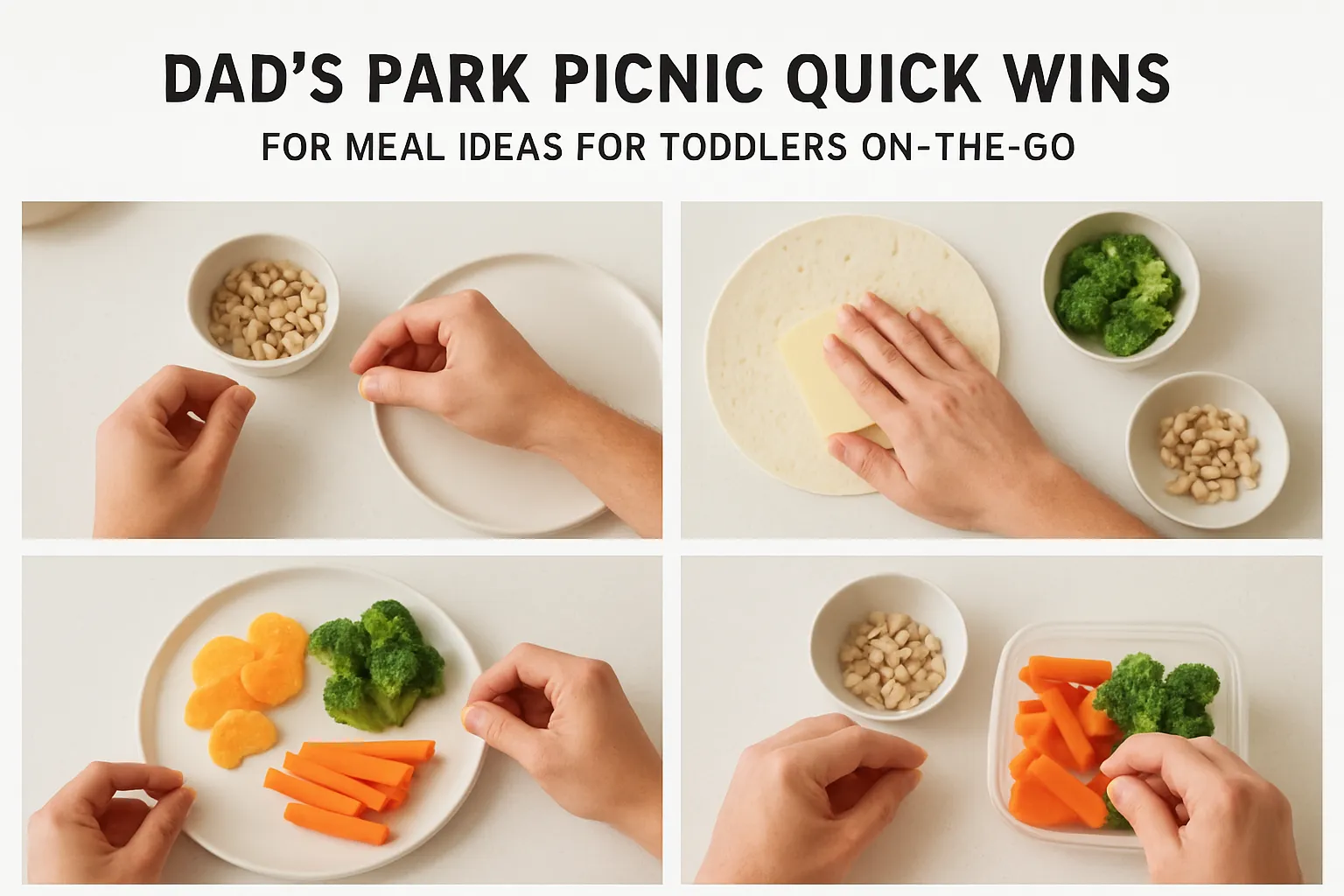
Dad’s Park Picnic Quick Wins
Pack light, think simple, and set yourself up to actually relax. These quick wins get you out the door fast and keep the toddler fed without faff.
Fast packing checklist
- Insulated cooler bag, one frozen water bottle as an ice block and drink later.
- Small reusable snack boxes or silicone containers, ziplocks for extras.
- Spoon, learner cup with lid, wet wipes, nappy or spare clothes, hat and sunscreen.
- Picnic rug or a compact fold-up blanket and a small rubbish bag.
Speedy food rules of thumb
- One protein, one fruit, one veg and a small treat. Keeps choices limited and balanced.
- Cut potentially dangerous items into toddler-friendly sizes. Quarter grapes and tomatoes, thin-slice apples or peel and grate if needed.
- Use foods that travel well cold or at room temp so you do less reheating on the spot.
Five no-fuss picnic combos 1) Chicken roll-ups: thinly sliced roast chicken and avocado on a soft tortilla, rolled and sliced into little rounds. Steamed carrot sticks and mandarin segments. Water. 2) Pasta pot: chilled mini pasta shells tossed in a little olive oil with peas and grated cheddar. Soft kiwi slices and a yoghurt pouch. 3) Meatball tin: pre-cooked mini meatballs (chopped for safety) in a thermos with a little tomato sauce. Sweet potato chips and blueberries. 4) Hummus dip tray: hummus, pita strips, cucumber coins, cheese cubes and a small biscuit. Great for grazing. 5) Savoury muffin and fruit: zucchini and cheese muffins (baked ahead), halved cherry tomatoes, banana slices and water.
Quick recipes you can prep in 20 minutes
- Banana oat pancakes: 1 banana, 1 egg, 1/2 cup oats mashed and cooked as small pancakes. Cool and pack.
- Zucchini-cheese muffins: grate one zucchini, mix with an egg, 1/2 cup flour, pinch of baking powder and 1/2 cup grated cheese. Bake in mini muffin tray.
- Freezable mini rolls: make a few mini cheesy ham rolls, freeze flat, thaw in cooler bag for the picnic.
Thermos tricks
- Preheat the thermos with boiling water for 5 minutes, empty, then add the hot food. Keeps meatballs, porridge or mash warm for hours.
Gear that actually helps
- Silicone muffin tin or sectioned bento makes finger food less messy.
- Snack cup with lid that lets toddlers grab but not spill.
- Small foldable stool or picnic rug with a waterproof layer means you can sit and eat without sand in every mouthful.
Little safety reminders
- No whole nuts, keep hard candies off the menu for under-fives.
- Watch for allergies at the park if you’re sharing food with other kids.
- Always supervise while eating.
Quick parenting win Let the kid pick between two packed options on the way out. They feel in control, you avoid a meltdown, and everyone gets to the park faster.
You’ll be surprised how calm a simple bag and a plan will make the outing. Pack the staples once, riff from them all week, and the park will feel more fun than frantic.
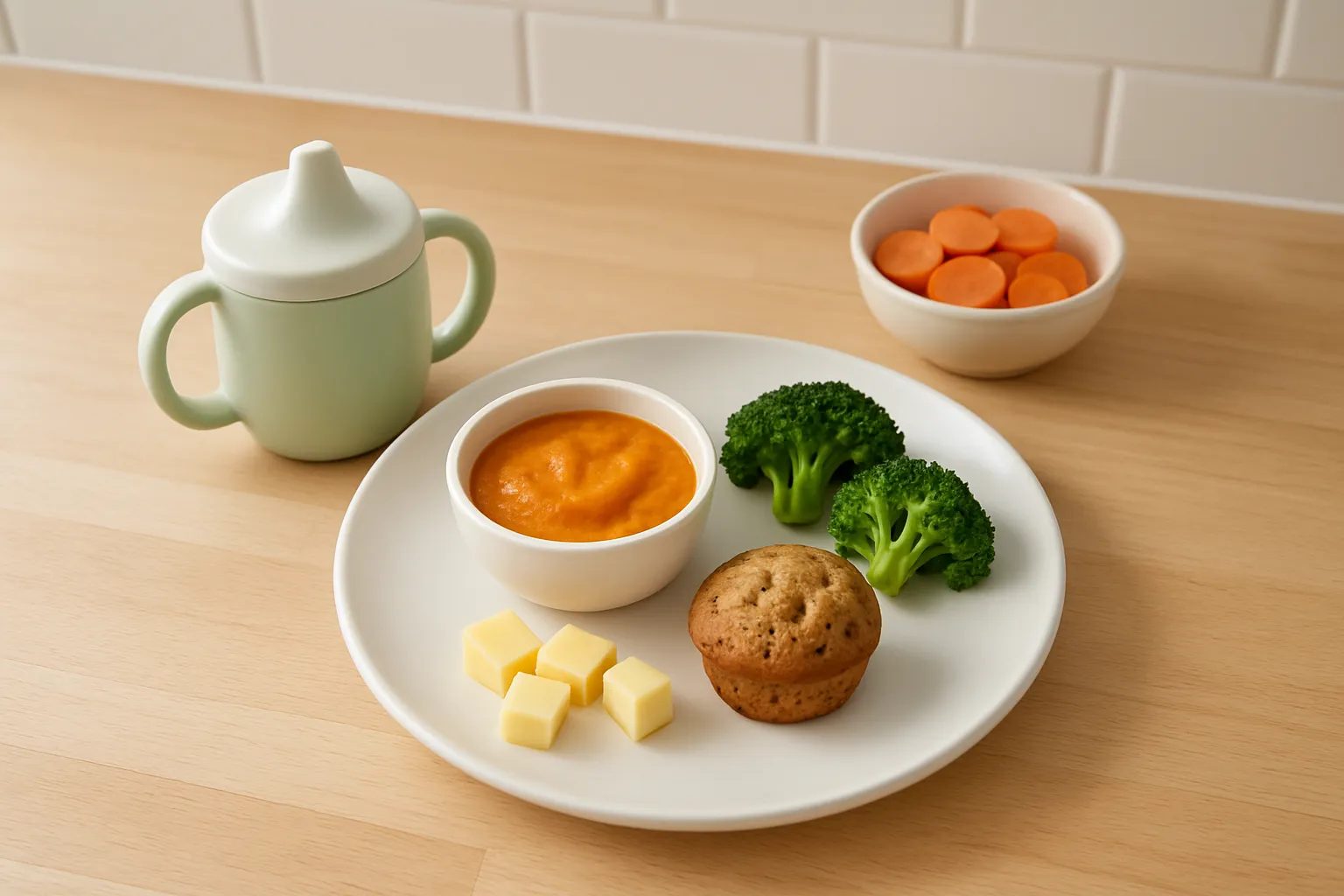
Think of your cooler bag as a mini pantry and your patch kit as the secret weapon for when things go sideways.
What to always have on hand
- A frozen small water bottle or ice brick to keep things cold. It doubles as a chill pack and a drink once thawed.
- A stash of single-serve dips: hummus, yoghurt, avocado smash in little tubs. Great for patching up dry bites.
- A protein that travels well: hard-boiled eggs, cooked chicken strips, canned tuna mixed with a little mayo, or firm cheese cubes.
- A carb for scooping: crackers, rice cakes, mini tortillas, or a scoop of leftover rice.
- A couple of soft fruit options: mandarin segments, halved grapes, or frozen banana slices in a small container.
- Cutlery kit: toddler spoon/fork, small serrated knife, a couple of wet wipes, and a resealable bag for rubbish.
Quick patch tricks for common disasters
- Soggy sandwich? Pull the filling out and serve it as a dip with crackers or a wrap. Or press the sandwich between paper towel to soak up moisture and re-wrap later.
- Crushed crackers or biscuits? Crumble them over yoghurt or ricotta for instant crumble parfait.
- Rejected veg? Blend steamed veg with a spoon of ricotta or cream cheese and offer it as a dip for toast soldiers or carrot sticks.
- Lukewarm food on a cold day? Pack it in an insulated flask preheated with boiling water for ten minutes, then emptied and filled with the hot food. For hot foods on the go, freeze the container overnight and it will slowly thaw to warm by mealtime.
- Spilled yoghurt or pouch leak? Keep an extra small tub of plain yoghurt or kefir to patch the probiotic gap, and a spare bib or top in your bag if you’re out all day.
Build-a-pack combos that actually work
- Mini frittata muffins, cheese cubes, cherry tomatoes, and a frozen orange segment. Frittata muffins are easy to nibble and heat-free.
- Rice and veg balls with shredded chicken, tiny cucumber sticks, and a dipping pot of sweet soy or tamari. Rice balls are sturdy and forgiving if squashed.
- Smashed chickpea mix, mini pita pockets, baby spinach, and a few thin apple slices. Chickpea mix keeps well and is full of protein.
- Cold pasta with hidden veg sauce, grated cheese, and a side of pear slices. Pasta is a top toddler winner and easy to patch with extra sauce.
- Yoghurt pot layered with mashed banana and crushed weet-bix or oats for crunch. Keep the crunch separate in a small tub and sprinkle on at snack-time to avoid sogginess.
Prep shortcuts that save time
- Make double batches of muffin-sized frittatas or mini meatballs on a Sunday and freeze them in portions. Pop straight into the lunchbox from frozen.
- Freeze pouches of fruit or smoothie in a small sausage shape. They act as an ice pack and are ready to slurp by snack time.
- Chop once, eat twice: pre-cut veg and fruit into toddler-friendly sizes and store in stackable tubs so you can grab-and-go.
- Label and rotate: write dates on containers so nothing gets forgotten at the back of the fridge.
Safety and daycare rules
- Check nut policies before packing nut butters. If nut-free is required, swap for sunflower or soy spread.
- Keep cold foods under 5 degrees with ice packs and store per daycare instructions if they reheat meals. Label everything with name and date.
Little extras that make a meal feel special
- A tiny sticker or note stuck on the box.
- A different shaped cutter for sandwiches or fruit.
- A mini treat like a single dried apricot or a small square of dark chocolate for older toddlers.
These pack-and-patch habits mean fewer stressed lunches and more actual eating. Tidy your patch kit after each outing and you’ll be ready for the next grab-and-go mission.
Browse Cuisines
From the Blog
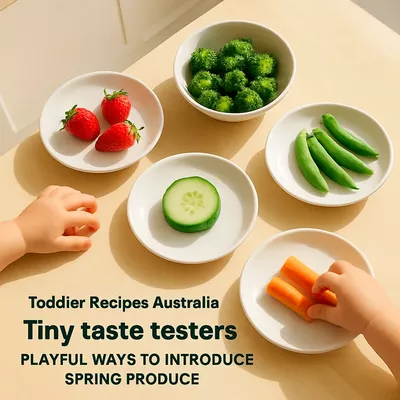
First up, a few no-fuss spring winners that keep sticky fingers and big clean-ups to a minimum. Quick to prep and easy for little hands to manage, these are the sorts of things I reach for when we want something...
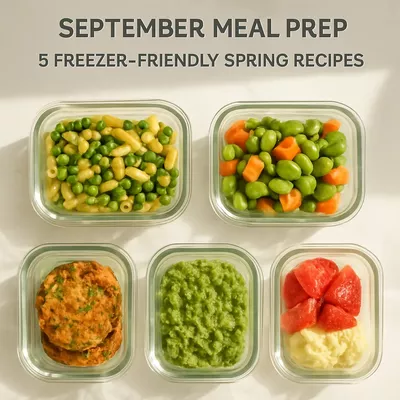
Nice - here’s how Steve keeps dinner simple without sacrificing flavour or sanity. A few good habits and the right packing tricks mean you can pull a proper family meal out of the freezer in minutes.
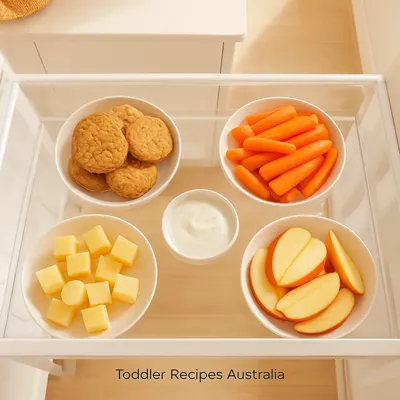
Righto, a couple of quick fridge fixes will make everything a whole lot easier. These are the simple, practical habits and setups that keep snacks safe, obvious and actually reachable for little hands.
 Never miss a recipe from us, subscribe to our newsletter