
Make the most of August citrus and root veg: easy lunchbox mixes to boost toddler nutrients
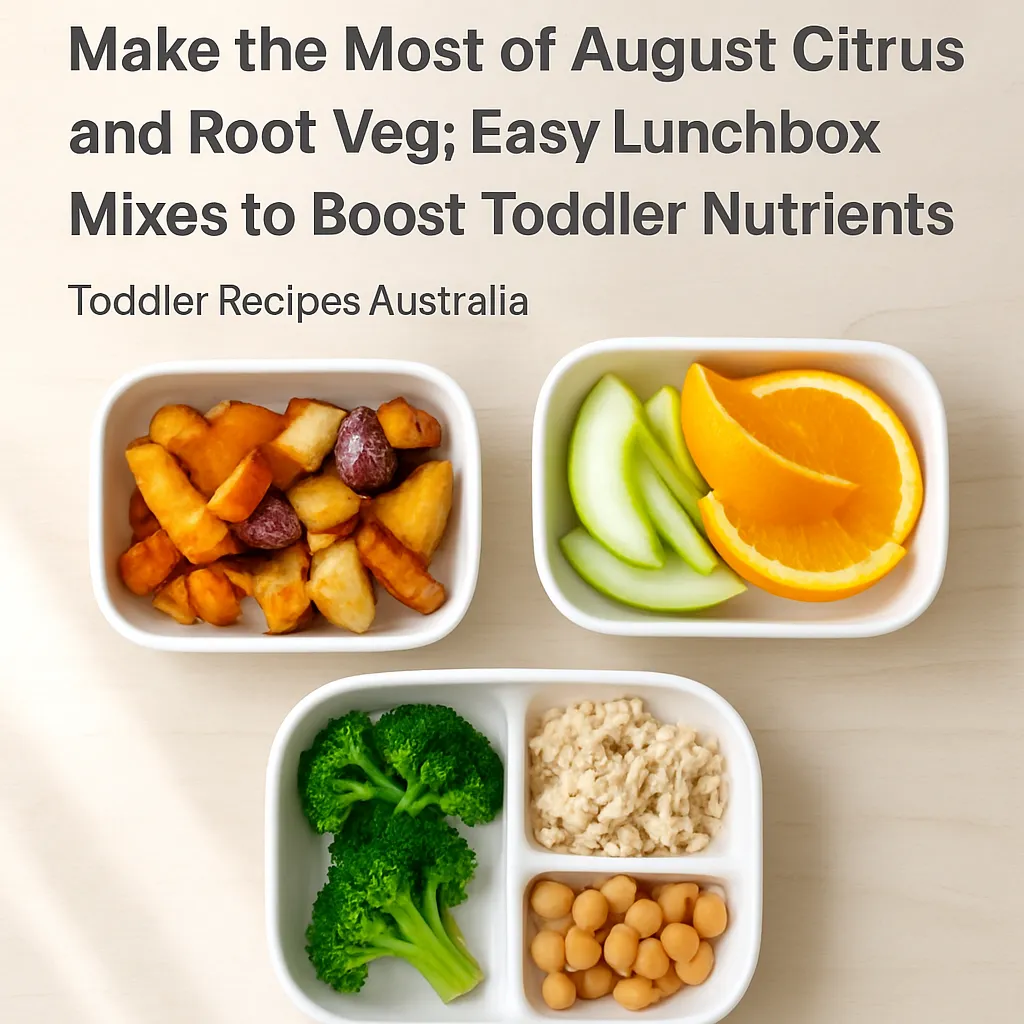
August is when the citrus bench at the market gets a little more exciting. Here are the varieties I reach for right now and exactly how I prep them so they slip into lunchboxes without fuss.
- Mandarins / clementines
- Why: Sweet, easy to peel, toddler-friendly size with almost no mess.
- How to prep: Peel and separate segments, trim the white pith off big pieces and halve large segments for younger toddlers. Pop them into a small leakproof pot or silicone cup so they do not squash sandwiches.
-
Handy tip: Freeze a tray of single segments for a cheeky ice-cool treat that doubles as a cold pack.
- Navel oranges
- Why: Seedless, sweet and juicy with a good shelf life.
- How to prep: Cut into wedges or supreme them (skin and membrane removed) for neater bites. Place a paper towel under the orange pieces to absorb extra juice in the lunchbox.
-
Handy tip: Grate a little zest into muffin or pancake mixes for an easy citrus hit.
- Cara Cara and pink navels
- Why: Milder and sweeter than standard navels, with that pretty pink flesh that kids often notice.
- How to prep: Segment or slice into rounds for visual appeal. The colour makes a simple snack feel special.
-
Handy tip: Mix small pieces through plain yoghurt or cottage cheese as a tangy, colourful dip.
- Blood oranges
- Why: Gorgeous colour and a slightly more complex flavour that’s still sweet enough for little palates.
- How to prep: Slice into thin rounds or segment. Keep separate from crunchy items because they can stain and be juicy.
-
Handy tip: A few small pieces tossed with roasted beetroot or sweet potato cubes add brightness to a warm lunchbox salad.
- Lemons and Meyer lemons
- Why: Not for biting straight, but brilliant for flavouring and sneaking vitamin C into savoury root veg.
- How to prep: Use a tiny squeeze of juice on steamed carrots, roasted parsnips or sweet potato mash. Zest sparingly into baking.
- Handy tip: Freeze tiny juice cubes in an ice tray and use one as a cold pack that releases flavour as it melts.
Storage and shopping checklist
- Pick firm, heavy-for-size fruit with smooth skin.
- Keep citrus in the fridge crisper for up to 2 weeks; room temperature for a few days.
- Pack citrus separately or in its own little pot to avoid soggy toast or sandwiches.
Quick combos to try: mandarin segments with carrot sticks and hummus, navel orange slices with cubed roast sweet potato, or grated lemon zest in banana muffins for sneaky citrus flavor. Simple prep and a small container go a long way with little ones.
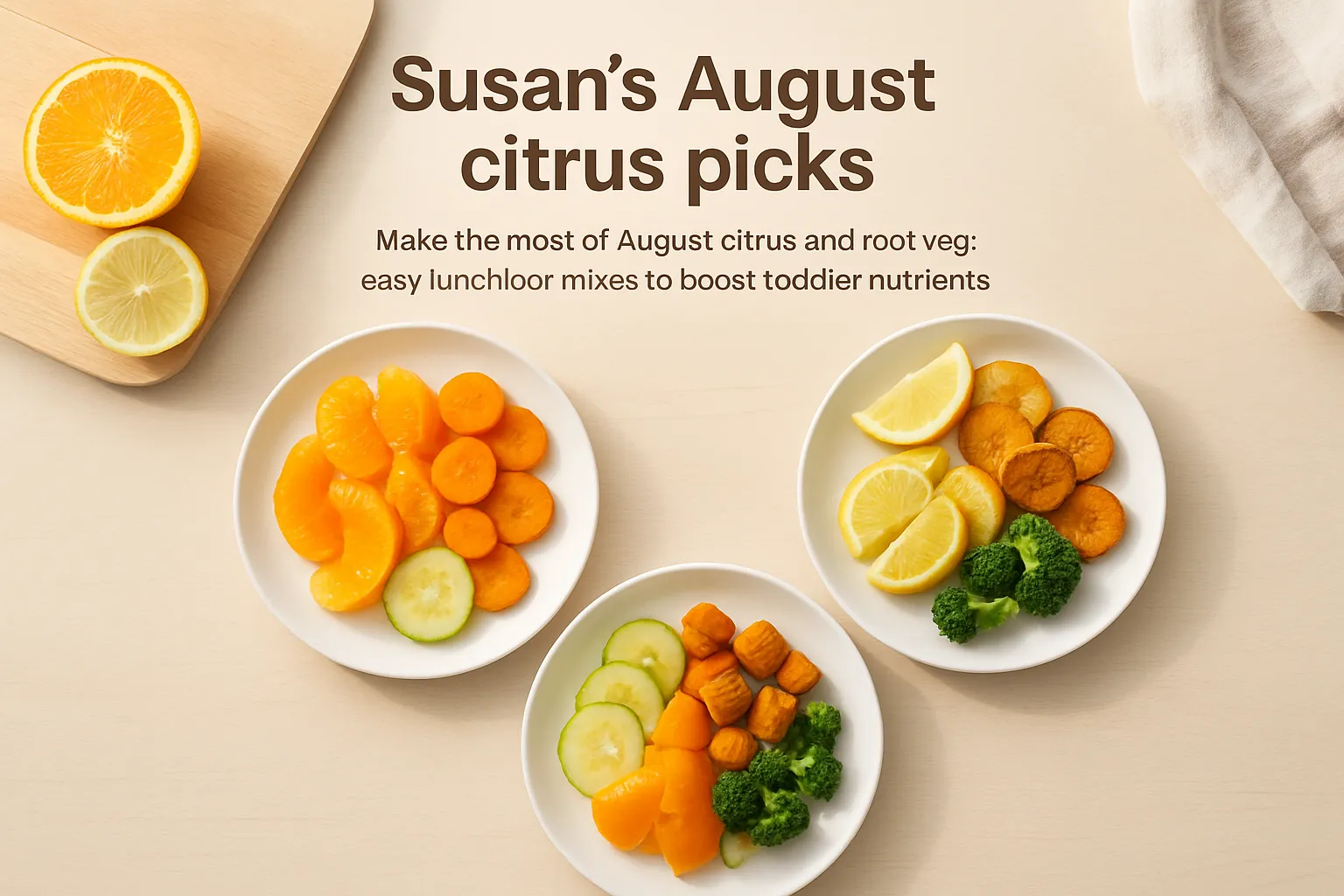
Turn those mandarins and blood oranges into bright, peanut-free lunchbox mixes that pack in vitamin C, fibre and gentle sweetness. Here are easy combos, how to prep them fast, and safety tips for tiny mouths.
- Roasted sweet potato + mandarin + cottage cheese pot
- What to pack: small cubes of roasted sweet potato, peeled mandarin segments, a dollop of smooth cottage cheese.
- Prep tip: roast sweet potato cubes on the weekend and freeze; thaw in the fridge overnight. Cool before packing.
-
Packing note: keep cottage cheese in a little ramekin with a lid to stop sogginess. Cut sweet potato into toddler-friendly pieces.
- Beetroot hummus with carrot and pita strips
- What to pack: beetroot hummus (blend roasted beetroot + chickpeas + a drizzle of olive oil + lemon), steamed carrot sticks, soft pita cut into strips.
- Prep tip: beet hummus is great for hiding veg and freezes well in portion tubs.
-
Safety: steam carrot until soft if your toddler still gulps things whole; cut into thin sticks for older toddlers.
- Carrot-orange mini muffins
- What to pack: soft muffins made with grated carrot, orange zest, oats and mashed banana.
- Prep tip: bake a batch and freeze. Thaw in the fridge overnight or pop a frozen one in the lunchbox in the morning.
-
Use: perfect as a finger food and easy to dip in yoghurt or cream cheese.
- Sweet potato and chickpea smash with soft bread
- What to pack: mash equal parts roasted sweet potato and cooked chickpeas, a squeeze of orange juice, spread on soft bread pieces or serve with toast fingers.
- Prep tip: mash texture to suit your child - smoother for under-2s, chunkier for older toddlers.
-
Allergy-safe swap: hummus is a great store-bought/or homemade alternative if you need extra protein.
- Quinoa, beetroot and orange salad
- What to pack: cooked quinoa, small cubes of roasted beetroot, segmented orange, a tiny sprinkle of crumbled mild cheese (optional).
- Prep tip: dress lightly with olive oil and lemon just before packing to keep it fresh.
-
Note: chop anything into tiny pieces for younger kids to avoid choking.
- Citrus yoghurt pot with oat clusters
- What to pack: full-fat natural yoghurt mixed with a little orange zest and tiny mandarin pieces, plus a separate pot of crunchy oat clusters for sprinkling.
- Prep tip: keep clusters separate until eating to avoid soggy bits.
-
Age note: avoid honey in clusters for under-12-month-olds.
- Warm carrot coins + avocado mash
- What to pack: pan-roasted carrot rounds (soft and sweet) and a small tub of mashed avocado with a squeeze of orange.
- Prep tip: quickly pan-roast carrots in the morning if you’re short on time; they only take 8-10 minutes sliced thinly.
- Serving: soft, creamy and a great alternative spread to nut butters.
Quick safety and school notes
- Always check your child care or school nut policy. Some places also restrict seeds, so confirm before sending sunflower or tahini-based spreads.
- Avoid whole nuts and grapes; cut grapes, cherry tomatoes and olives into quarters lengthways for safety.
- Keep wet items separated in small sealed containers to stop everything turning soggy.
- Label containers and use an ice pack for cold items. Warm foods should be cooled to room temperature before sealing the box.
Mix and match these ideas depending on your child’s texture stage and your local nut rules. They’re easy to prep, toddler-friendly, and make the most of those August citrus and root veg flavours.
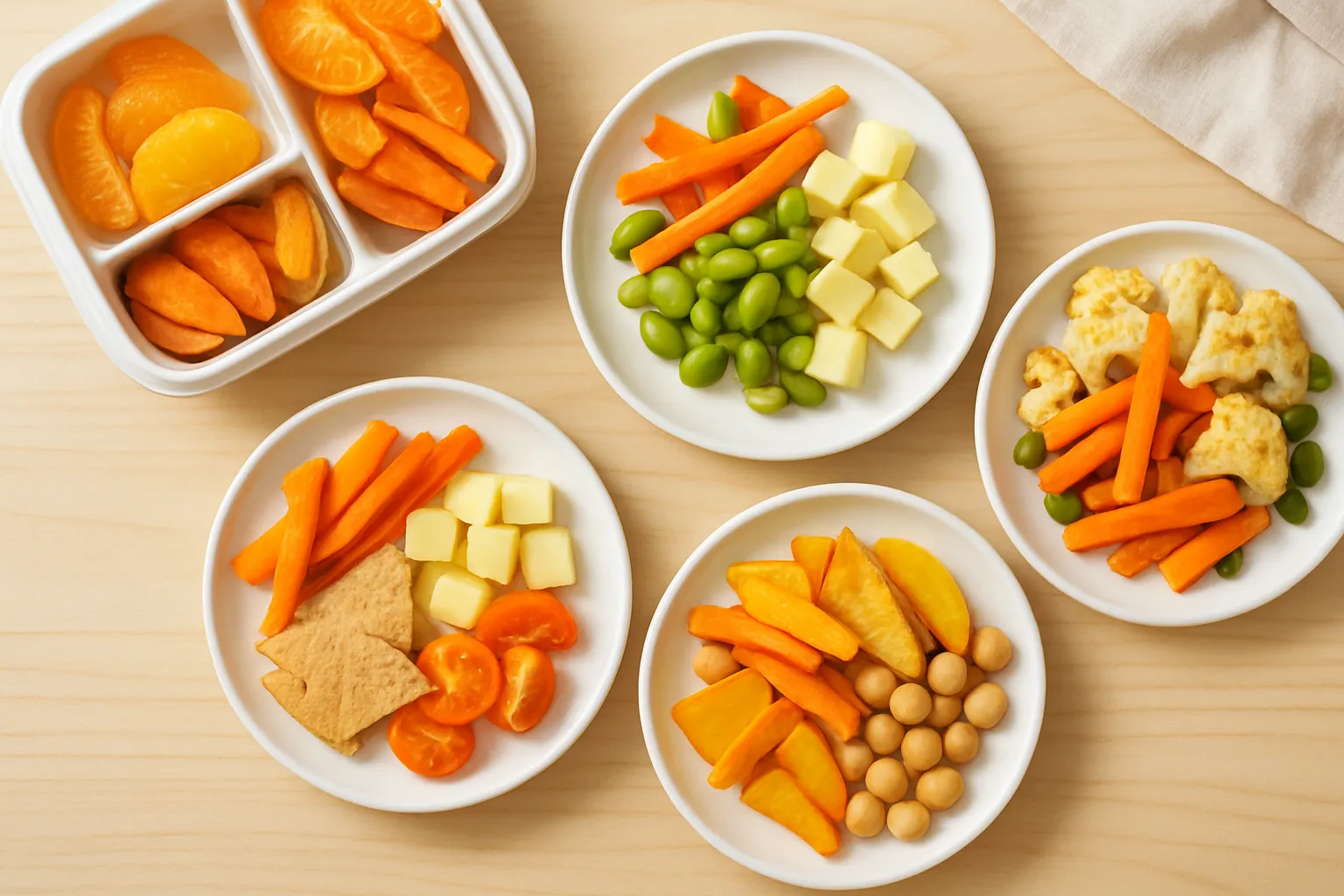
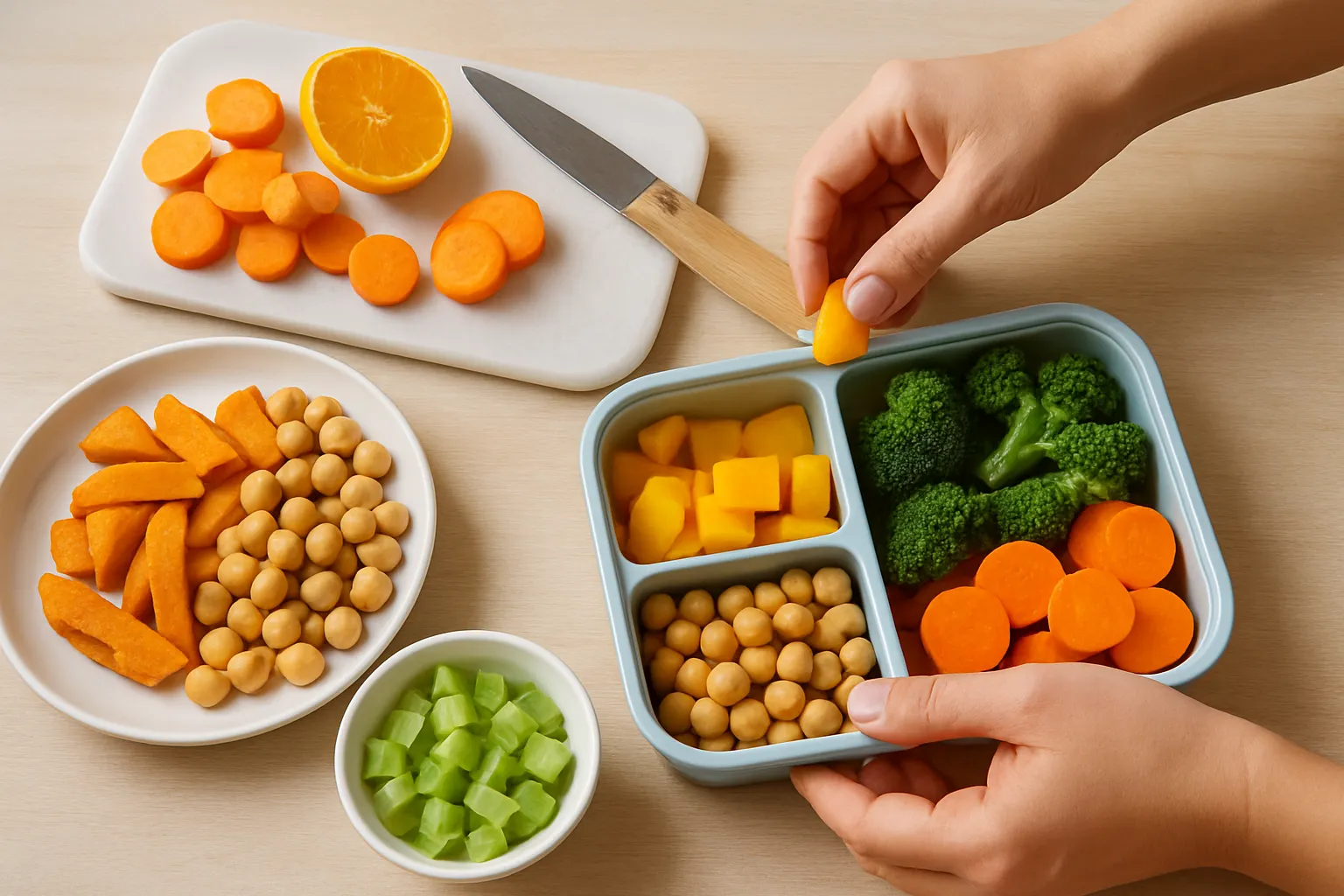
Carrots, beetroot, sweet potato and parsnips are brilliant for sneaking extra goodness into little lunches without drama. Here are easy, toddler-friendly ways to hide them in things kids already love.
Grated carrot and apple muffins
- Ingredients (makes about 12): 2 cups grated carrot, 1 apple grated, 2 eggs, 1/3 cup olive oil or melted butter, 1/2 cup milk, 1 tsp baking powder, 1 tsp cinnamon, 1 cup wholemeal flour, 1/2 cup plain flour.
- Method: stir everything together, spoon into a muffin tin and bake at 180 C for 20-25 minutes. Cool and stash in the freezer.
- Pack tip: pop one in the lunchbox as a filling snack, or slice and serve with a little butter or cream cheese.
Roasted sweet potato dip
- Roast 1 large sweet potato until very soft, scoop out flesh and blitz with a can of chickpeas, a tablespoon of olive oil, pinch of cumin and a squeeze of lemon if your toddler tolerates it.
- Use as a sandwich spread or dip for cucumber fingers and crackers.
- Make-ahead: keeps 3-4 days in the fridge, or freeze in tablespoon-sized portions for quick single-serve thaws.
Beetroot and mince rissoles
- Mix 500 g mince (beef, lamb or turkey) with 1 cup grated raw beetroot, 1 grated carrot, 1 egg and 1/2 cup oats or breadcrumbs. Season lightly with parsley and a pinch of salt.
- Shape small patties and pan-fry gently or bake at 180 C for 15-20 minutes.
- Lunchbox winner: cold or room temperature rissoles go well with a yoghurt dip and little toasted bread soldiers.
Carrot and parsnip fritters
- Peel and grate 2 carrots and 1 parsnip, squeeze out excess moisture. Mix with 1 egg, 2 tbsp flour and a sprinkle of mild cheese if you like.
- Fry small spoonfuls in a nonstick pan until golden both sides.
- These are perfect finger food and reheat well. Freeze in batches for quick mornings.
Hidden veg pasta sauce
- Finely grate carrot and beetroot, sauté with a little onion and garlic, then add a jar of tomato passata and a splash of water. Simmer until soft and blend smooth if needed.
- Stir through pasta or use as a base for lasagne and meatballs. Kids get veg without noticing and you get a sneaky vitamin boost.
Parsnip and sweet potato chips
- Slice thin, toss with a little oil and bake at 200 C until crisp. Keep an eye so they don’t burn.
- Pack in a paper bag or container with a small pot for dips to keep them crunchy.
Quick batch and freezer tips
- Freeze muffins, rissoles and fritters flat in a zip bag. Pop in the lunchbox frozen in the morning and they’ll be ready by lunchtime.
- Puree extra roast veg and freeze in ice cube trays. One cube stirred into pasta sauces, soups or mash adds an instant hit of veg.
- Keep dips in small lidded pots inside the lunchbox to stop wet items making crunchy things soggy.
Presentation tricks that work
- Cut rissoles into fun shapes with small cutters.
- Thread cubes of roasted sweet potato, rissoles and cheese on a short skewer for an easy-to-eat kebab.
- Use bright little silicone cups to separate textures and make the lunchbox look exciting.
These swaps are low fuss and high payoff. A few batches on the weekend means picky mornings are much simpler and the lunchbox ends up a lot more nourishing without a fight.
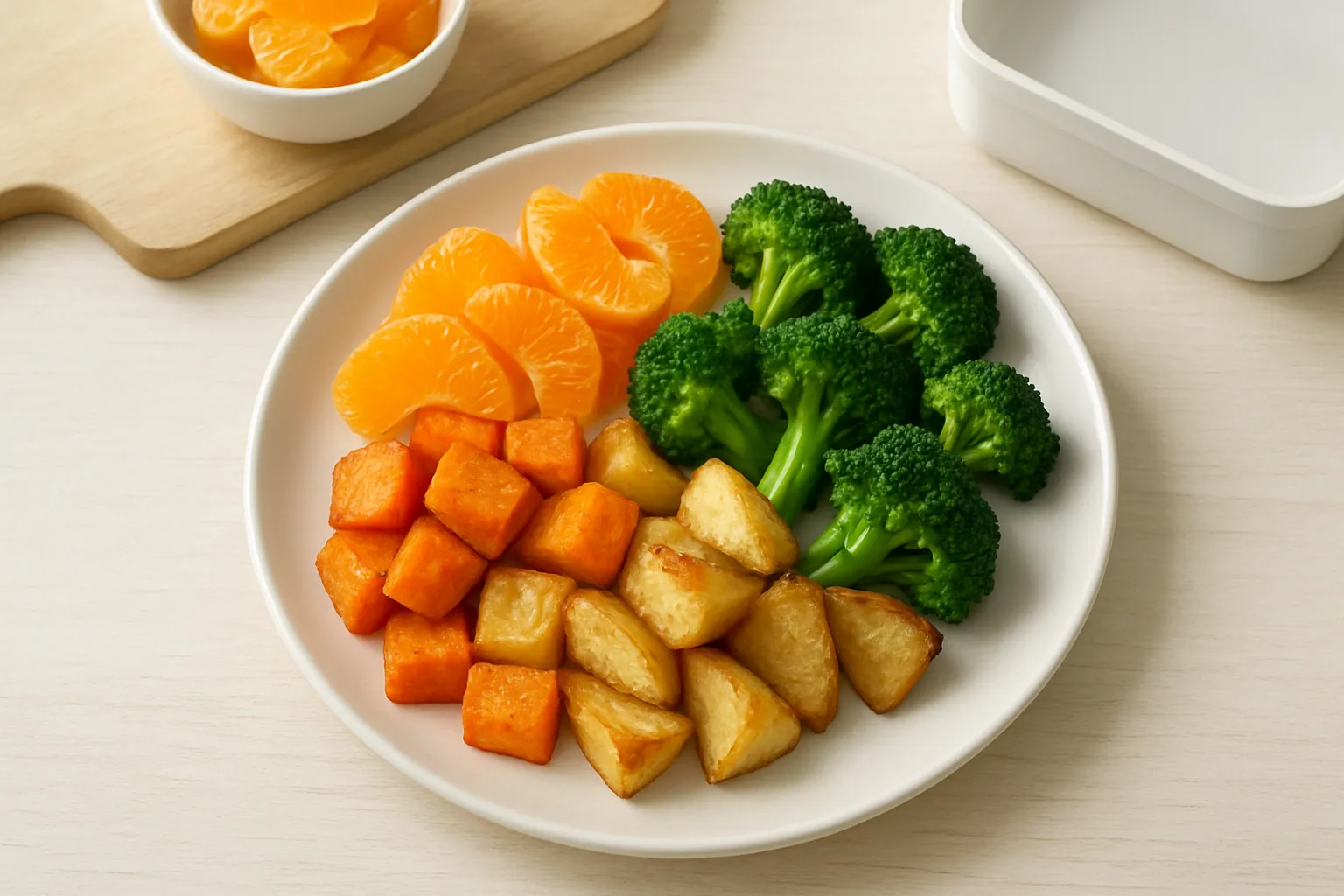
If they turn their nose up, tiny changes in texture, shape or flavour can make a huge difference. Try these quick swaps and tricks that fit straight into a lunchbox.
Quick swaps and how to do them
- Raw carrot sticks -> grated carrot and raisin salad: Toss grated carrot with a spoonful of natural yoghurt and a few chopped raisins. Stays moist and familiar, but feels different to chew.
- Raw carrot sticks -> roasted carrot coins: Slice carrots into rounds, toss with a little olive oil and cinnamon, roast at 200°C for 20-25 minutes until edges are soft. Softer, sweeter and easier to pick up.
- Whole orange segments -> mandarin segments or clementine wedges: Smaller, sweeter and less fibrous to chew. Pack peeled and separated for easy nibbling.
- Orange slices -> orange yoghurt dip: Stir a teaspoon of orange zest and a splash of juice into natural yoghurt. Great for dipping roasted veg or crackers.
- Raw beetroot -> roast then cube: Roast peeled beetroot at 200°C for 30-40 minutes until tender, cool and cube. Milder flavour and lovely colour, often more acceptable than raw grated beetroot.
- Beetroot -> beetroot hummus: Roast a small beetroot, blend with canned chickpeas, a splash of olive oil and a little orange juice instead of lemon. Mild, creamy and a hit with crackers or veg sticks.
- Sweet potato wedges -> mash balls: Mash roasted sweet potato with a little butter or olive oil, roll into tiny balls and chill so they hold shape. Soft, sweet and easy to pop in mouths.
- Sweet potato fries -> baked sweet potato chips: Slice thin, toss lightly in oil, bake at 220°C for 15-20 minutes. Crunchy, sweet and more appealing than boiled veg.
- Grated veg -> pop into muffins or pancakes: Add grated carrot, beetroot or zucchini into savoury muffins or pancake batter. Turns veg into something they already like.
- Strong citrus tang -> swap lemon for orange: Use orange juice or zest where a milder citrus note is better tolerated, for example in dressings or marinades.
Presentation and trickery that works
- Change the shape: cubes, coins, thin strips or balls. Size and shape can change acceptance overnight.
- Keep crunchy separate: Pack crunchy items in a separate little container or paper bag so they don’t go soggy.
- Mix with a favourite: Combine a new veg with cheese cubes, plain crackers or something they already love.
- Offer a dip: Even a tiny pot of yoghurt, hummus or avocado smash makes veg more fun to try.
- One new thing per lunchbox: Don’t overwhelm. Add one swap alongside familiar favourites so they feel safe.
- Name it something fun: Give it a silly name or tie it to a story. Toddlers respond to play more than persuasion.
Two 5-minute mini recipes
- Orange yoghurt dip: 3 tbsp natural yoghurt, 1 tsp orange zest, 1 tsp orange juice. Stir and pack.
- Quick beet hummus: 1 small roasted beetroot, 1/2 cup canned chickpeas, 1 tsp olive oil, 1 tsp orange juice, pinch of salt. Blitz until smooth.
Give one or two of these swaps a go for a few days and swap back to something familiar in the next lunchbox. Small switches, repeated gently, usually open the door to new favourites.

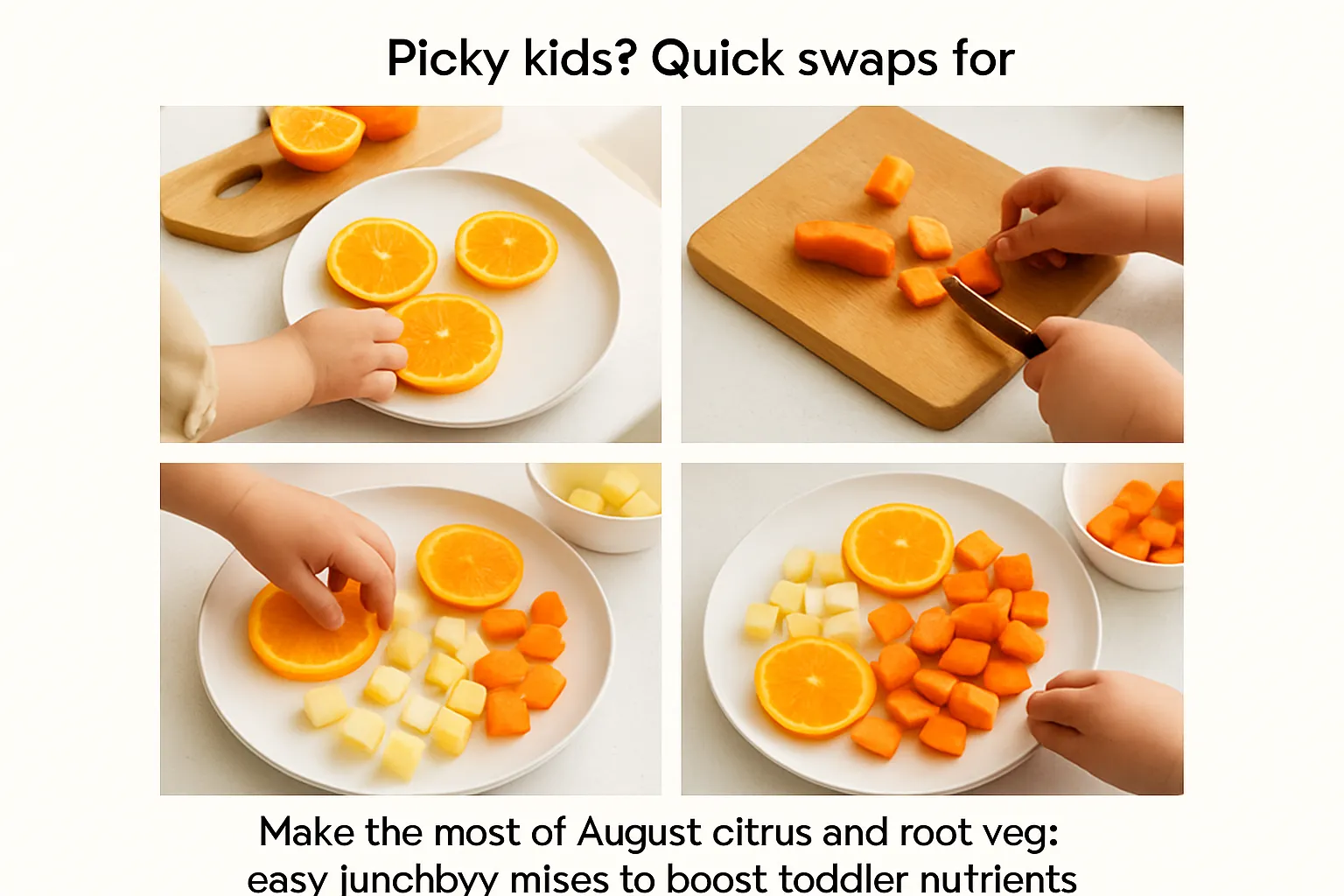
Give these little plate ideas a go when you want to push tastebuds without the drama. Quick, colourful combos that mix citrus brightness with soft, sweet roasted root veg are usually a winner.
- Sunset boat
- What to put on the plate: roasted sweet potato wedges, mandarin segments (membranes removed), a dollop of plain yoghurt, tiny cubes of mild cheddar.
- How to serve: arrange wedges like a little boat, pop the mandarin segments on top and the yoghurt on the side for dipping. The contrast of hot-and-cold keeps interest.
-
Swap: use grated apple instead of mandarin or a smear of cream cheese in place of cheddar.
- Tiny roast-and-dip cups
- What to put on the plate: roasted carrot and parsnip coins, beetroot cubes, a lemony hummus for dipping.
- How to serve: place veg in a mini muffin liner or tiny silicone cup so the dip stays put. Easy for little fingers to dip without mess.
-
Swap: plain mashed avocado or cottage cheese if hummus is a fuss.
- Citrus couscous crown
- What to put on the plate: fluffy couscous mixed with tiny diced roast pumpkin, chopped parsley, a few orange zest flecks and a squeeze of orange juice.
- How to serve: mould into a small ring or mound and top with softly cooked chickpeas for a bite of protein.
-
Swap: use quinoa or rice if you prefer a grain with more texture.
- Soft-roast rainbow finger plate
- What to put on the plate: soft-roasted beetroot, sweet potato and zucchini batons, a wedge of avocado and a few steamed peas.
- How to serve: keep pieces small and soft. Add a little citrusy vinaigrette on the side for dipping or a plain yoghurt dip if they are new to tangy flavours.
-
Swap: steam instead of roast if you want even softer texture.
- Mini toast toppers
- What to put on the plate: small rounds of wholegrain toast with mashed sweet potato and a smear of ricotta, plus tiny mandarin segments.
- How to serve: make open-faced mini toasts; the mandarin gives a pop of sweet acidity that pairs surprisingly well with creamy ricotta.
-
Swap: use mashed banana or avocado as the base.
- Little BBQ citrus skewers
- What to put on the plate: charred chunks of kumara or sweet potato, halloumi cubes (if dairy is fine), and orange segments on short kid-safe skewers.
- How to serve: warm the veg and cheese, then thread so toddlers can pick up pieces easily. Super tactile and fun.
-
Swap: skip the cheese and add roast apple for sweetness.
- Breakfast-for-lunch porridge pot
- What to put on the plate: thick porridge or millet, stirred with grated carrot and a touch of orange zest, topped with tiny raisin pieces or mashed banana.
- How to serve: serve in a small bowl with a spoon. The citrus zest lifts the whole thing without adding much liquid.
-
Swap: coconut yogurt as a topping for a different mouthfeel.
- Picnic plate for little explorers
- What to put on the plate: cold roasted pumpkin cubes, cucumber sticks, mandarin slices, boiled egg quarters and a sunflower seed butter dipping pot if permitted.
- How to serve: separate with silicone cupcake cases so each bit stays distinct. Great for children who like to graze.
- Swap: swap sunflower seed butter for hummus or cream cheese.
Practical tips that make these plates less risky and more likely to be eaten
- Cut citrus into small pieces and remove the membranes so textures are softer and less bitter.
- Roast root veg until they are very soft, then cut into toddler-sized pieces. Soft textures are far more acceptable than crunchy for many toddlers.
- Always check for choking hazards. Cut round fruits like grapes and cherry tomatoes into quarters.
- Keep flavour exposures low pressure. Offer a teaspoon of the new thing alongside a familiar favourite.
- Use dips. Even a tiny pot of yoghurt or hummus can tempt little fingers to try a veg they otherwise ignore.
- Repeat exposures without forcing. It often takes many tries for a toddler to accept a new taste.
Packable versions
- Make a mini bento: sections of cooked veg, a small fruit portion and a dip. Keep hot items in an insulated container.
- Roast a double batch of root veg at the start of the week and use them across plates for quick assembly.
- Freeze small portions of citrus-infused purées or cooked veg to pull out for lunches.
Little names and a bit of theatre help more than you think. Call them “sunset bites” or “tasting crowns,” and let your child help assemble one part. Even tiny ownership can turn cautious tastes into a proper win.
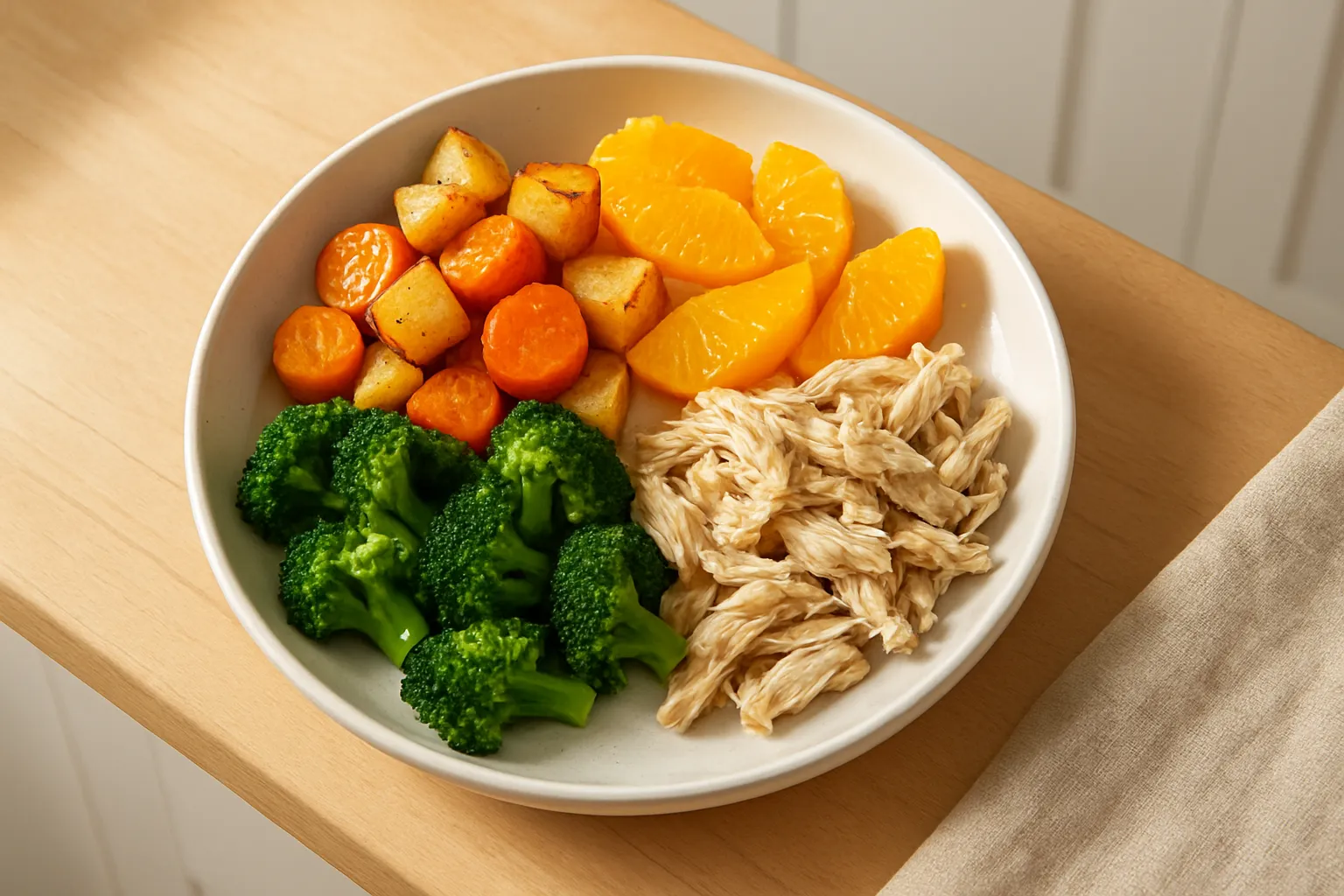
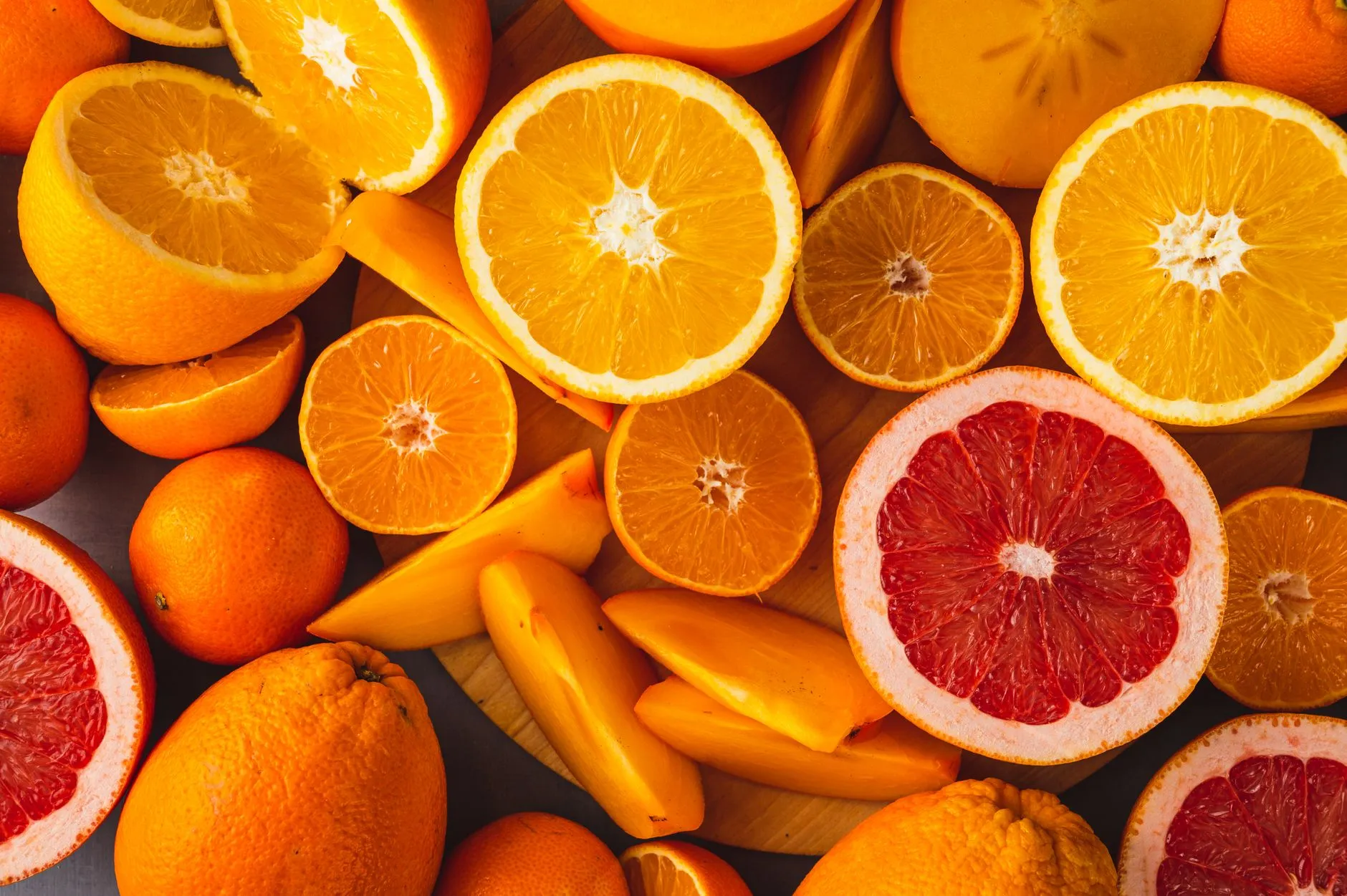
Photo credit: Pexels
Browse Cuisines
From the Blog
First up, a few no-fuss spring winners that keep sticky fingers and big clean-ups to a minimum. Quick to prep and easy for little hands to manage, these are the sorts of things I reach for when we want something...
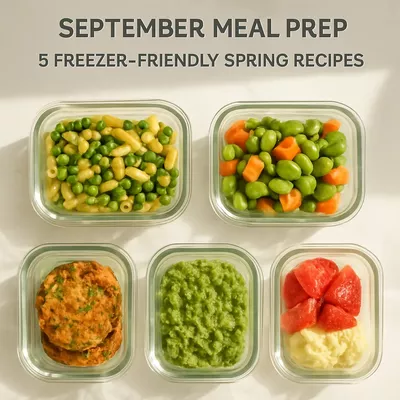
Nice - here’s how Steve keeps dinner simple without sacrificing flavour or sanity. A few good habits and the right packing tricks mean you can pull a proper family meal out of the freezer in minutes.
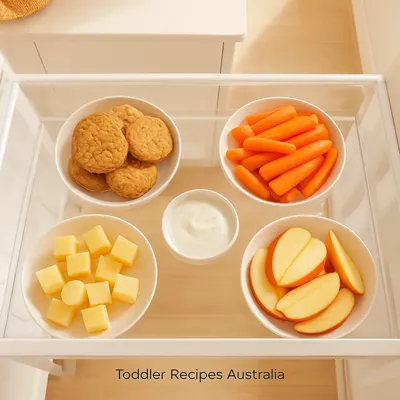
Righto, a couple of quick fridge fixes will make everything a whole lot easier. These are the simple, practical habits and setups that keep snacks safe, obvious and actually reachable for little hands.


 Never miss a recipe from us, subscribe to our newsletter