
Lettuce wraps for toddlers
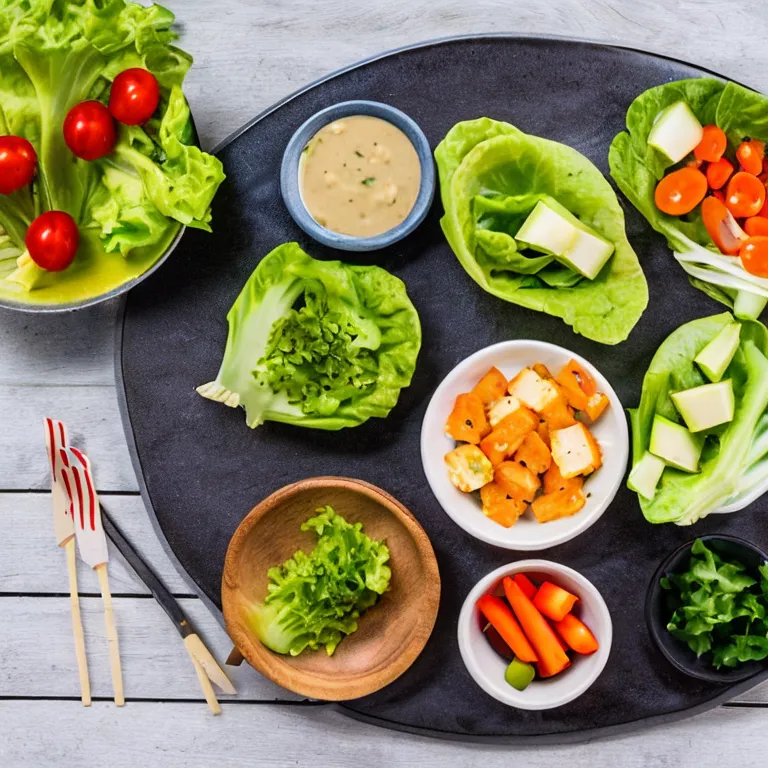
Funny how skills from a totally different job sneak into dinner prep. A few of the same habits that keep things tidy and predictable in other parts of life make chaotic tea times a lot calmer.
Here are the practical bits to borrow and use straight away
-
Quick risk check before you start: scan for allergies, choking hazards and anything hot. Think about size and texture first - whole grapes, raw carrots and big chunks of cheese need altering or avoiding.
-
Defence in depth for food safety: wash hands and veg, keep raw meat away from other ingredients, use separate boards or wipe between tasks, and cool hot fillings before wrapping. Multiple small steps reduce the chance of a big problem.
-
Keep a simple checklist on the bench: wash, chop to safe sizes, warm if needed, cool to serving temp, assemble. I stick one on the fridge and it saves mental energy on busy nights.
-
Batch and back up: cook a double batch of filling and freeze half in portioned tubs. When a night goes pear-shaped you’ve got ready-made rescue wraps or a speedy pasta swap.
-
Label and rotate: date leftovers and frozen portions. First in, first out stops mystery meals. Use clear tubs so you can see what’s inside at a glance.
-
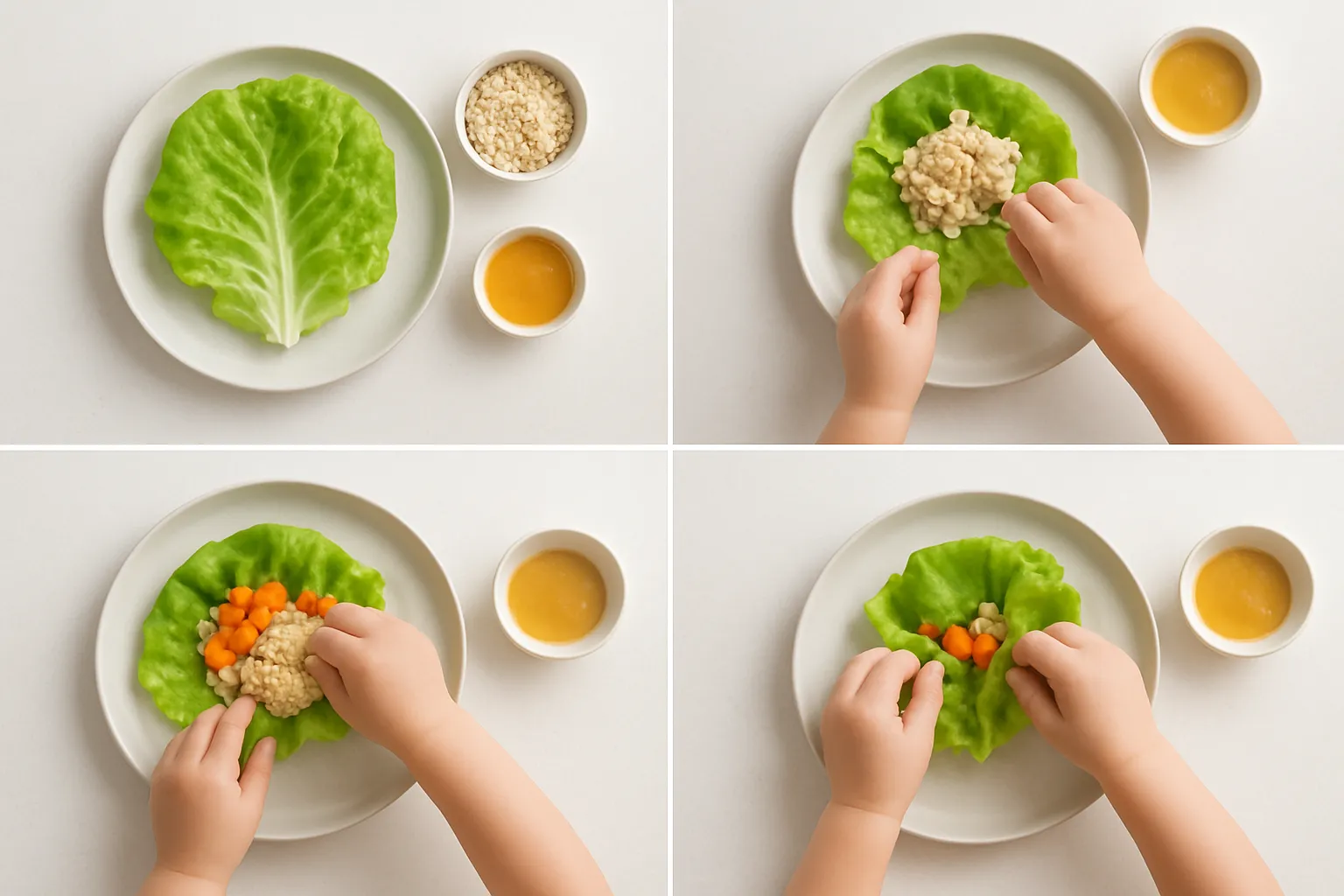
Small tasks for small hands: give kids safe, controlled jobs like placing pre-cut fillings on leaves or pressing the wrap closed. It keeps them involved and reduces grabbing at knives.
-
Incident response plan: have two quick fallback snacks on hand - something shelf-stable and something cooling (yoghurt pouch, banana, rice cakes). If a new flavour bombs, offer one of these without a drama.
-
Test flavours in tiny amounts: introduce new herbs or spices in a teaspoon-sized sample before committing to a full batch. Less waste, less stress.
-
Tools that actually help: a pair of kitchen scissors, a small serrated knife, and a silicone mat speed assembly and make cutting safer. Pre-washed salad leaves from a bag are fine when short on time.
-
Supervision and serving tips: halve or quarter bites for younger kids, keep eye contact while they eat, and avoid distractions like screens during the first few bites so you can spot any issues early.
This sort of systems thinking won’t make every night perfect, but it does make unexpected problems smaller and quicker to fix. Next up we’ll use these tricks to play with global flavours that little ones actually enjoy.
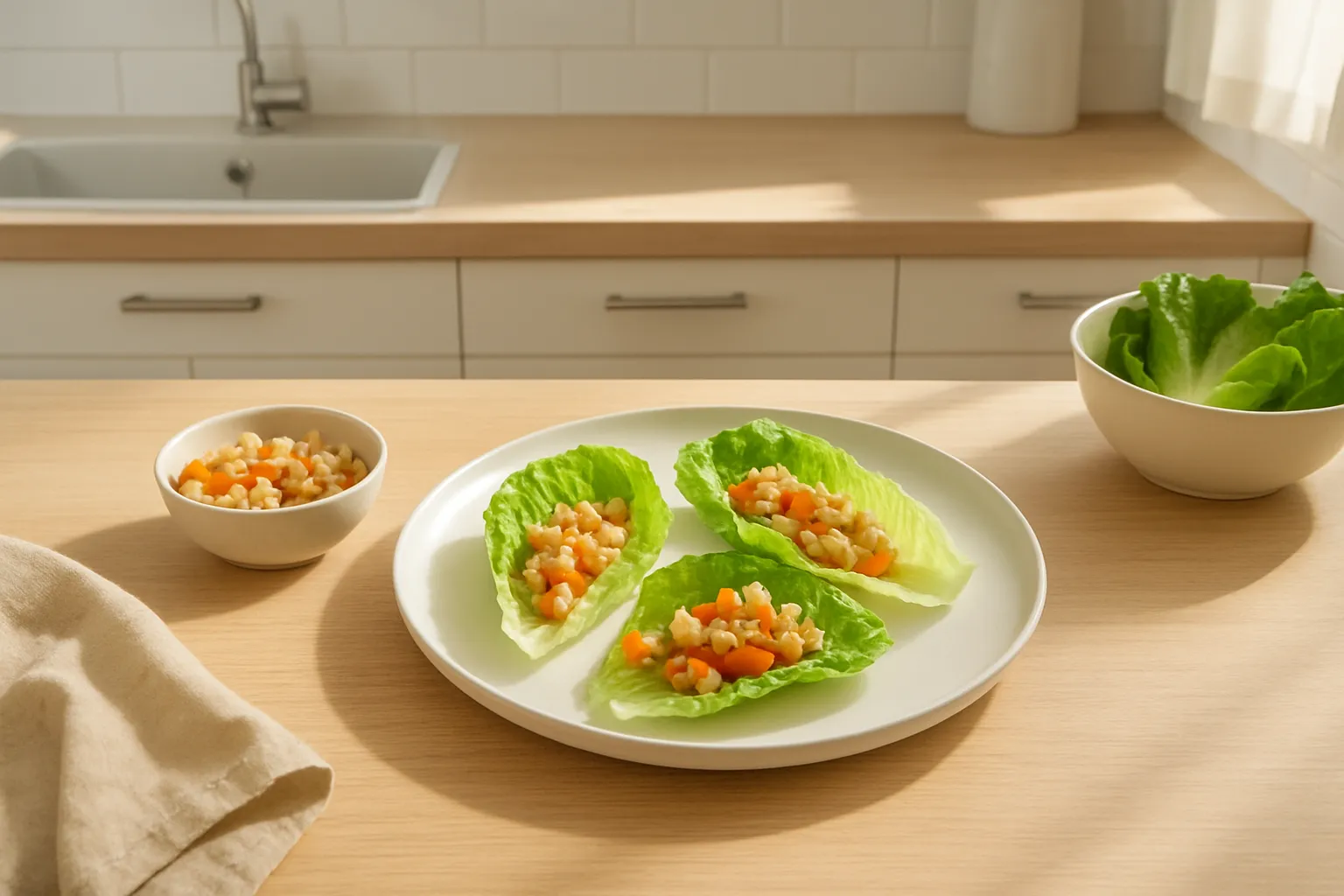
Try these gentle global flavour ideas that are easy to tame for tiny tastebuds. Each combo gives you a base protein or veg plus a couple of flavour hits and quick serving tips.
- Mild Thai-ish
- Ingredients: shredded cooked chicken, grated carrot, mashed banana or sliced mango, a tiny drizzle of mild peanut or seed butter thinned with a little water.
- How to serve: spread the thinned nut or seed butter on the leaf, add chicken and fruit. Keeps things sweet and familiar while introducing that nutty flavour.
-
Swap/safety: use sunflower seed butter if avoiding peanuts. Spread thinly to reduce choking risk.
- Greek-style
- Ingredients: finely chopped roasted lamb or chicken, small cubes of cucumber, crumbled feta, a smear of mild tzatziki.
- How to serve: spoon mix into leaf and fold. The creamy tzatziki cools down new flavours.
-
Swap/safety: leave out feta if dairy-sensitive, or use mashed avocado instead.
- Mexican-inspired
- Ingredients: softened black beans lightly mashed, mild cooked minced beef or turkey, grated cheese, small avocado pieces.
- How to serve: layer beans and meat, top with a little cheese. Avocado adds creaminess kids love.
-
Swap/safety: mild salsa on the side for tiny tastes. Mash or chop everything small to avoid choking.
- Japanese-style
- Ingredients: flaked cooked salmon or teriyaki chicken (low-salt), thinly shredded cucumber and carrot, tiny smear of mayo or Japanese-style dressing.
- How to serve: put protein and veg in leaf, fold into a small parcel. Fish can be a great first seafood.
-
Swap/safety: watch for bones in fish and use low-sodium sauces.
- Indian-mild
- Ingredients: small pieces of butter chicken or mild korma, soft-cooked peas, a spoon of plain yoghurt or raita.
- How to serve: spoon a small amount into the leaf and add a dab of yoghurt to cool the spices.
-
Swap/safety: keep spices very mild and introduce one new spice at a time.
- Middle Eastern
- Ingredients: crumbled falafel or lightly spiced ground lamb, hummus, diced tomato and cucumber.
- How to serve: spread hummus on leaf, add protein and veg. Hummus gives a familiar smooth texture.
-
Swap/safety: tahini in hummus can be strong; start with a milder hummus.
- Aussie-friendly BBQ twist
- Ingredients: small pieces of cooked sausage or chicken, grated apple, a smear of low-sugar BBQ sauce thinned with a little yoghurt.
- How to serve: combine warm protein with apple for sweetness. Great for picky kids used to BBQ flavours.
- Swap/safety: choose low-salt sausages and remove any casings.
Practical tips for success
- Start very mild. A teaspoon of a new flavour is enough on the first go.
- Balance textures. Toddlers usually prefer softer fillings and familiar creamy elements like mashed avocado, yoghurt or grated cheese.
- Sauce on the side. Let little ones dip. It gives them control and keeps the wrap from getting soggy.
- Cut and cook for safety. Grate or finely chop raw veg, cook hard veg until soft, halve grapes and cherry tomatoes.
- Allergy swaps. For nut allergies use seed butters, hummus or yoghurt. For dairy-free use mashed avocado or coconut yoghurt.
- Make-ahead. Cook proteins and chop veg the night before. Store parts separately and assemble at mealtime so leaves stay crisp.
Keep it simple and fun. A tiny spoon of something new, plus a familiar texture, usually wins them over.
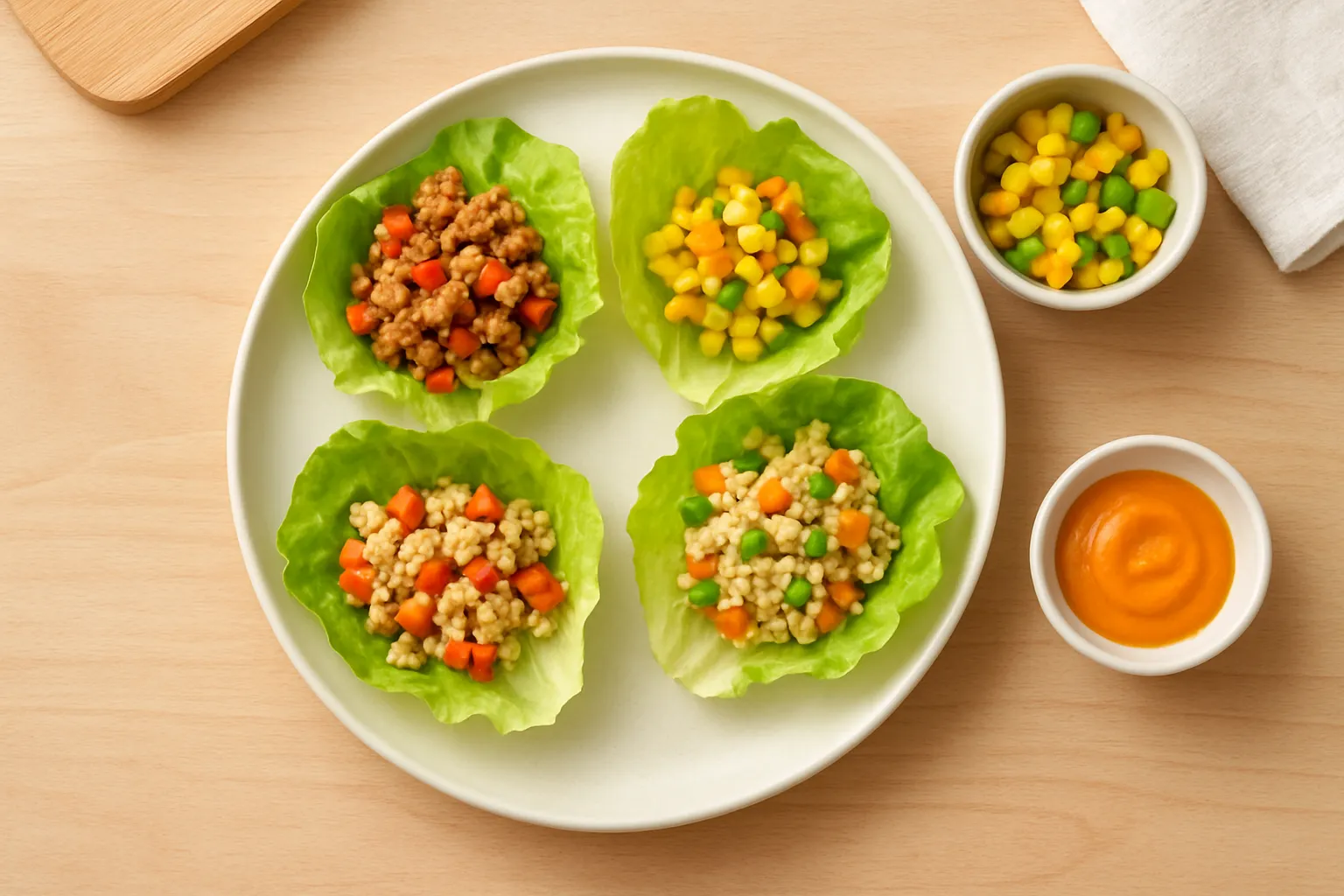
Here are a handful of recipes that actually come together fast on a busy weeknight. Times include prep and cooking.
1) Chicken, carrot and yoghurt wrap - 15 minutes
- Ingredients: 1 cup cooked shredded chicken or mince, 1 grated carrot, 2 tbsp frozen peas, 2 tbsp plain Greek yoghurt, pinch mild curry powder optional, lettuce leaves.
- Method: Sauté carrot and peas in a little oil for 3-4 minutes until soft. Add chicken to warm through, stir through yoghurt and the tiniest pinch of curry if using. Cool slightly and spoon into leaves.
- Toddler tip: Mash the peas slightly for younger toddlers. Swap coconut yoghurt for dairy-free option.
2) Tuna, corn and avocado - 10 minutes
- Ingredients: 1 can tuna in springwater, 1/3 cup sweetcorn, half avocado mashed, squeeze of lemon.
- Method: Drain tuna, mix with corn and mashed avocado, add lemon to taste. Spoon into leaves.
- Toddler tip: Check for any small bones in canned tuna. Keep texture smooth for little ones.
3) Beef and sweet potato mince - 15-20 minutes
- Ingredients: 300 g beef mince, 1 small grated sweet potato, 1 tsp tomato paste, pinch mixed herbs.
- Method: Brown mince, add sweet potato and tomato paste, cook until sweet potato is soft, season very lightly. Cool a touch and fill leaves.
- Toddler tip: Grate sweet potato fine so it cooks quickly and mixes into the mince.
4) Chickpea smash with feta - 10 minutes (vegetarian)
- Ingredients: 1 can chickpeas drained, 2 tbsp olive oil, squeeze lemon, 2 tbsp crumbled feta, finely diced cucumber.
- Method: Smash chickpeas with a fork, mix through oil, lemon and feta. Fold in cucumber and scoop into leaves.
- Toddler tip: Mash more for younger toddlers. Use soft tofu instead of feta for dairy-free.
5) Scrambled egg and spinach - 8 minutes
- Ingredients: 2 eggs, handful baby spinach torn, splash milk, knob of butter or oil.
- Method: Whisk eggs with a splash of milk, cook gently stirring until softly scrambled, stir through spinach until wilted. Cool slightly and fill leaves.
- Toddler tip: Make sure eggs are cooked through to your comfort level for littlies.
Quick assembly tricks
- Deconstructed for picky eaters: put filling and leaves separately so they can touch and join when ready.
- Roll and slice: make a small roll, then cut into bite sized pinwheels for easy handling.
- Add texture: tiny grated cheese, soft cooked rice or small pasta can bulk out the filling and please little mouths.
Make-ahead and leftovers
- Cook a big batch of mince or shredded chicken on the weekend and freeze in portions. Thaw in the fridge overnight.
- Prewash and dry lettuce, store between paper towels in a sealed container so it stays crisp.
- Leftover roast veg or rice is great folded into any of the above mixes.
Safety and swaps
- Cut fillings into small sizes for younger toddlers and avoid whole nuts or hard chunks.
- Use low-salt canned goods and rinse them if worried about salt.
- Swap proteins for allergies: canned salmon, mashed white beans, or tofu all work well.
These are easy to tweak depending on what’s in the fridge. Mix and match fillings, keep seasonings mild, and you’ll have dinner ready before tiny tempers hit meltdown territory.
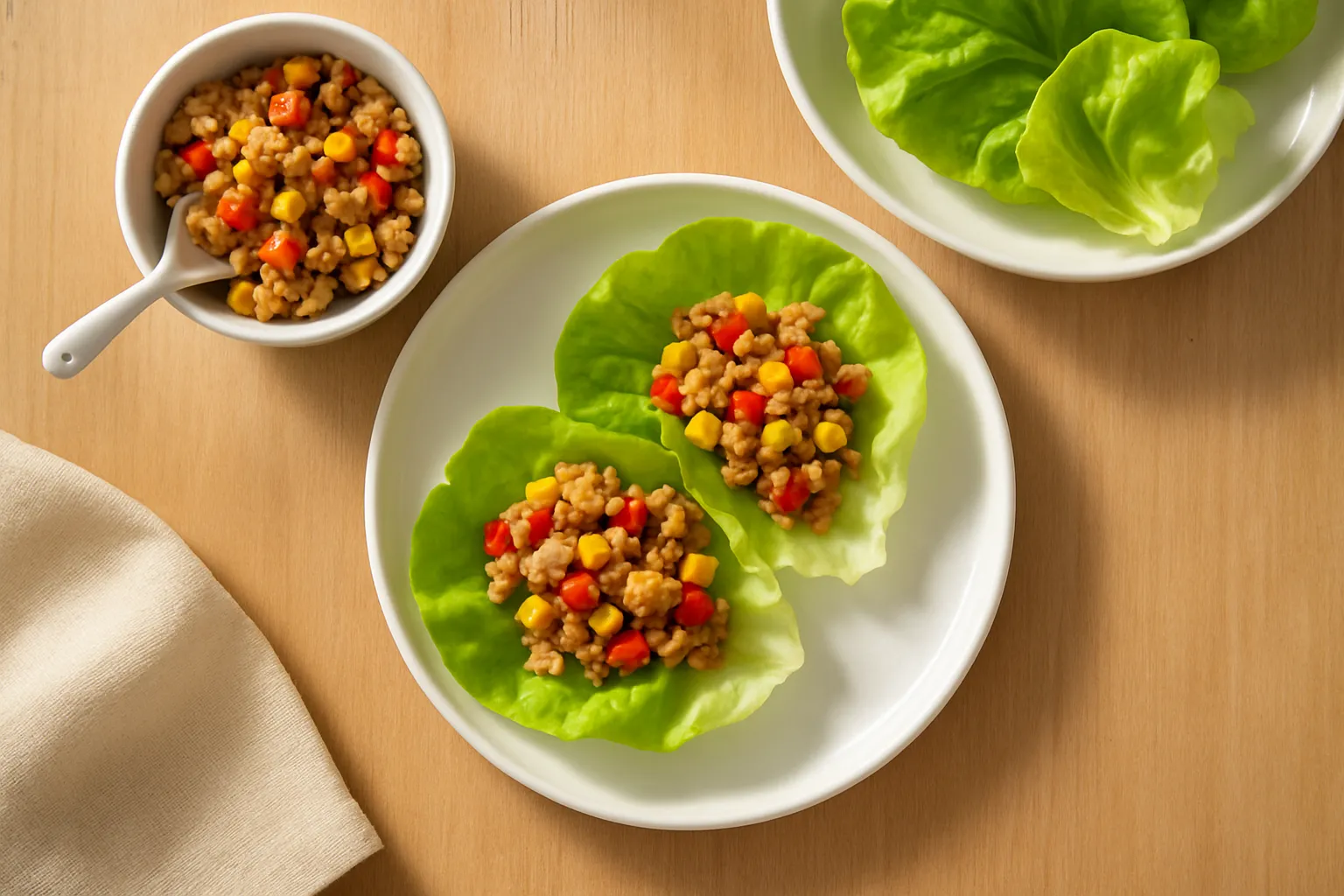
Think in layers: protein, veg, healthy fat, and a little binder or dip. That makes each wrap small but packed with the good stuff and keeps textures toddler-friendly.
Protein ideas (small, soft, easy to eat)
- Shredded chicken or turkey, finely chopped. Cooked mince or slow-cooked beef pulled apart works well.
- Soft tofu or mashed chickpeas for a plant-based option.
- Flaked canned salmon or tuna (low salt), or mashed hard-boiled egg yolk. Aim for about 1-2 tablespoons of protein per little wrap depending on your child’s appetite.
Veg that hides well
- Grated carrot, zucchini or beetroot mixed into the protein.
- Finely chopped steamed broccoli or cauliflower.
- Thin strips of soft capsicum or baby spinach leaves. Cook or steam firmer veg until soft so nothing’s a choking hazard.
Healthy fats and extra nutrients
- Mashed avocado is a winner for creaminess and healthy fats.
- A spoonful of hummus, tahini, or plain Greek yoghurt adds calories and calcium while acting as a binder.
- A light drizzle of olive oil mixed into fillings keeps them moist and adds flavour.
Smart swaps for picky eaters
- If they refuse plain veg, hide pureed veg in the hummus or mix a spoonful of pumpkin puree into chicken.
- Sprinkle a little grated cheese for extra calcium and to encourage eating.
- Use small amounts of mild salsa or tomato for vitamin C to help iron absorption from meats and legumes.
Balance and portioning
- Follow the three-part guideline on a tiny scale: protein + veg + a fat/binder. For toddlers that’s often 1-3 tablespoons of each per serving.
- Make mini wraps rather than one big one so they can pick up and chew more easily. Cut rolls into strips or bite-size pieces for self-feeding.
Safety and texture tips
- Wash lettuce thoroughly and use sturdy leaves like romaine or butter lettuce. Blanching leaves in hot water for 5-10 seconds makes them more pliable if you need softer wraps.
- Chop fillings finely, mash where needed, and avoid hard chunks. Small, narrow strips are easier than large rolls.
- Avoid whole nuts and large seeds. If peanut or tree-nut butter is allowed, spread thinly and combine with fruit or yoghurt to lower choking risk. If you have allergy concerns, check with your GP.
Packing and keeping fresh
- Keep wet components separate until just before serving to stop leaves getting soggy. Pack hummus or yoghurt in a small leakproof pot; fillings in another compartment.
- Use an insulated lunchbox and an ice pack for perishable items. Silicone cups help separate bits and make the plate look fun.
- Assemble just before eating when possible. If you must pack assembled wraps, wrap them in baking paper rather than plastic so they stay breathable.
Quick combos to try
- Shredded chicken + mashed avocado + grated carrot + a smear of yoghurt.
- Mashed chickpeas + lemony yoghurt + finely chopped spinach + grated cheese.
- Flaked salmon + soft steamed peas + avocado.
- Minced beef with soft pumpkin puree + a little mild tomato.
Keep offering variety and let them explore. Small messy tries today can turn into big favourites tomorrow, and these little swaps pack a lot of nutrition into a fun, hand-held meal.
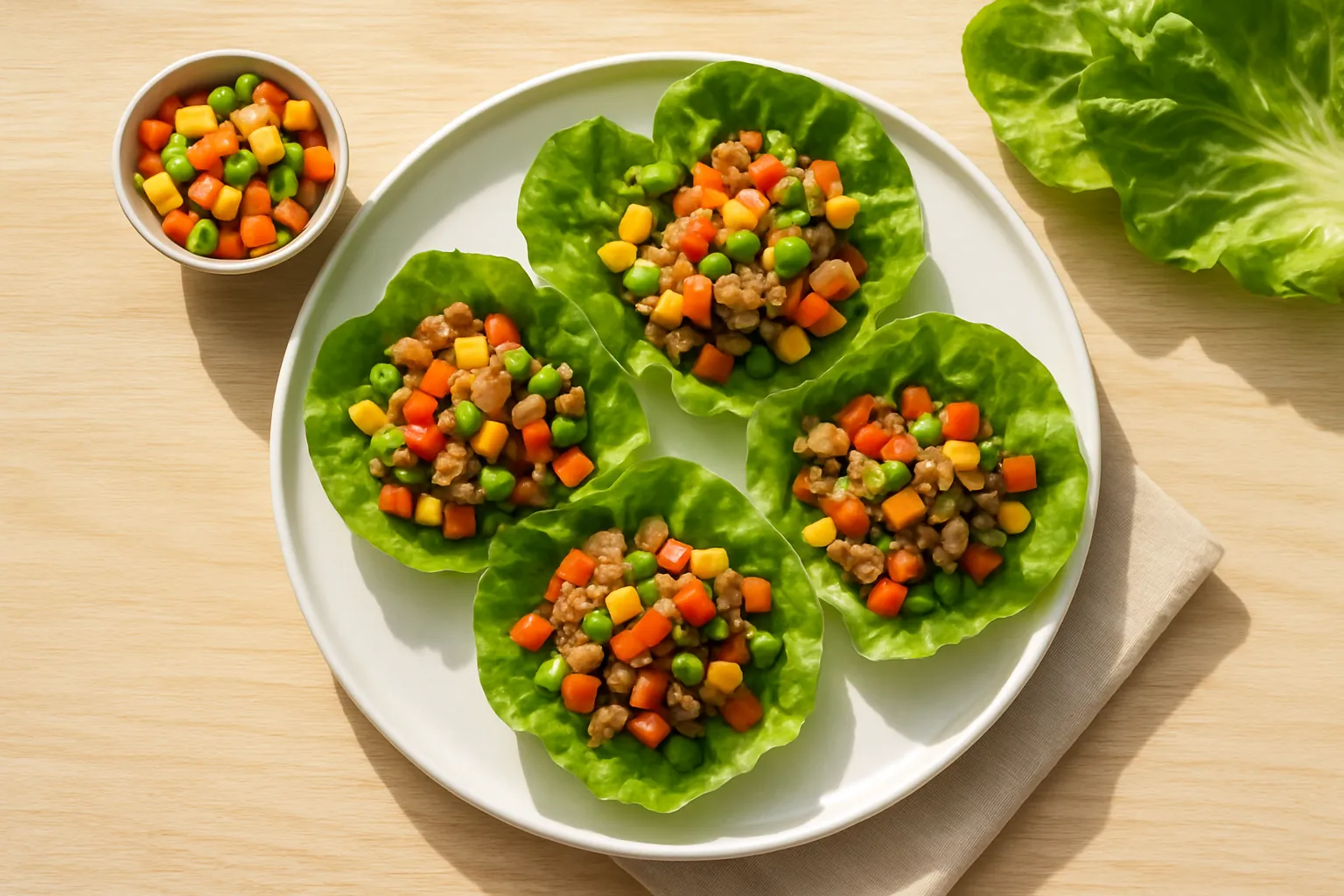
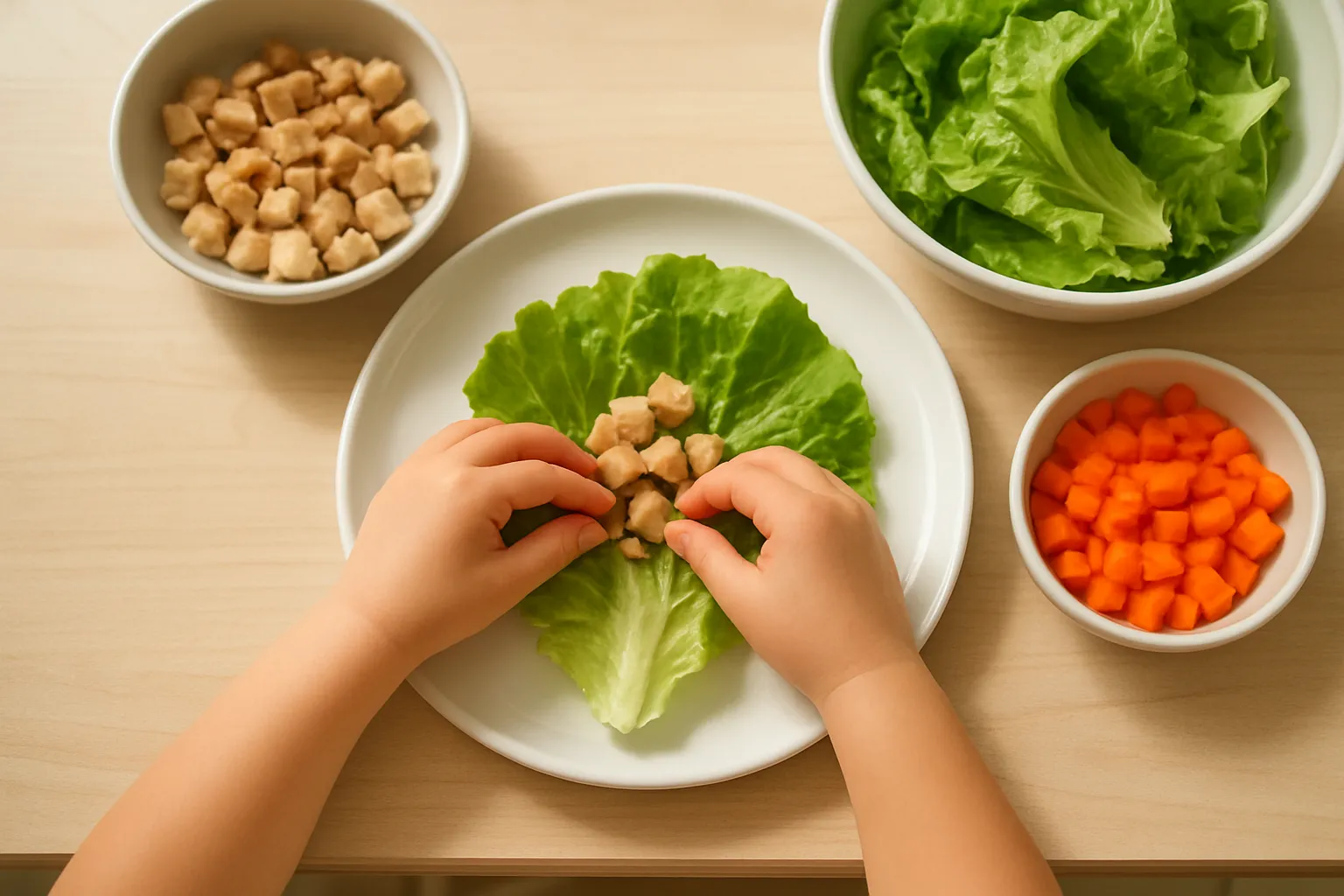
Little tricks make a big difference when you want meals to stay playful and safe. Here are practical tips you can use straight away.
Choose the right leaves and prep them well
- Pick soft, flexible leaves like butter lettuce, baby cos or spinach. They wrap easier and are gentler on little mouths.
- Rinse leaves thoroughly and pat dry. Trim out any tough ribs so the wrap sits flat and folds without splitting.
- If leaves are still a bit stiff, stack them and lightly steam or warm for 10-15 seconds to make them more pliable.
Reduce choking risks
- Cut finger foods small or shred them. Hard bits like raw carrot, whole grapes, cherry tomatoes and whole nuts should be sliced lengthways or finely chopped.
- Mash or spread sticky binders such as avocado, hummus or ricotta into the filling. They help pieces stick together and slow bites down.
- Avoid whole nuts and big seeds for under-fives. Use finely ground seeds, seed butters, or smooth tahini instead.
- Shred meat finely, check for bones, and remove chewy skins.
Keep allergens and food safety in check
- Introduce new foods one at a time and watch for reactions over 48 hours before offering them again in a mixed dish.
- If someone in the family has allergies, prevent cross-contamination by keeping allergen-free fillings in separate bowls and using separate utensils.
- Don’t give honey to babies under 12 months. Be cautious with raw egg and unpasteurised dairy for little ones.
- Store leftovers promptly. Keep cold foods below recommended fridge temperatures and reheat hot items until steaming, then cool briefly before serving.
Serve safely and supervise
- Always have toddlers seated and buckled when eating. No moving around with food in their mouths.
- Offer one small wrap or a few small pieces at a time to avoid overstuffed bites.
- Use toddler-friendly cutlery and blunt spreaders for them to help with. Keep sharp knives and hot plates well out of reach.
- Stay with them while they eat, especially when trying new textures.
Make it fun without extra risk
- Bright colours and different textures go a long way. Use grated carrot, mashed sweet potato, soft fruit, and thin strips of cheese.
- Cookie cutters are brilliant for sandwiches or flattened veggies. Face pieces using cucumber slices and small tomato halves make wraps more inviting.
- Avoid toothpicks and sharp skewers. If you need to keep a wrap together, use a short, blunt bamboo pick and remove it before handing it to your child.
Get them involved safely
- Let kids tear soft leaves, spread fillings with a safe, blunt spatula, or drop pre-cut pieces into their wrap. It builds skills and confidence.
- Supervise all kitchen tasks and show them safe ways to help. Keep active participation to non-sharp, low-heat jobs until they are older.
Know how to respond
- Learn child and infant choking first aid and basic CPR. A short course at a local health service or community centre is worth the time.
- Keep emergency numbers handy and stay calm if a choking event happens.
Quick safety checklist
- Soft leaves, trimmed ribs
- Small or shredded pieces, no whole nuts for under-fives
- Separate allergen bowls and utensils
- Seat and supervise every meal
- Store and reheat safely
- Teach safe helping and learn first aid
A few small habits make wraps a safe, happy part of mealtimes. The kids get to enjoy the colours and hands-on fun, and you get peace of mind knowing you’ve reduced the risks.
Browse Cuisines
From the Blog
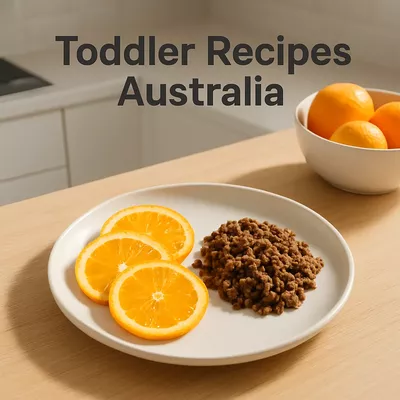
First up, a few no-fuss spring winners that keep sticky fingers and big clean-ups to a minimum. Quick to prep and easy for little hands to manage, these are the sorts of things I reach for when we want something...
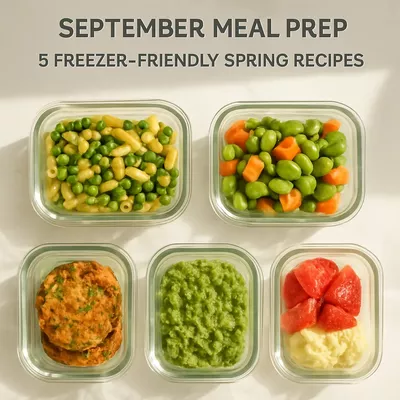
Nice - here’s how Steve keeps dinner simple without sacrificing flavour or sanity. A few good habits and the right packing tricks mean you can pull a proper family meal out of the freezer in minutes.
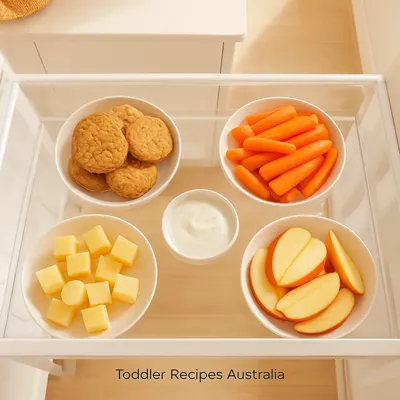
Righto, a couple of quick fridge fixes will make everything a whole lot easier. These are the simple, practical habits and setups that keep snacks safe, obvious and actually reachable for little hands.

 Never miss a recipe from us, subscribe to our newsletter