
June batch-cooking for chilly days: cosy, freezer-friendly meals toddlers will actually eat
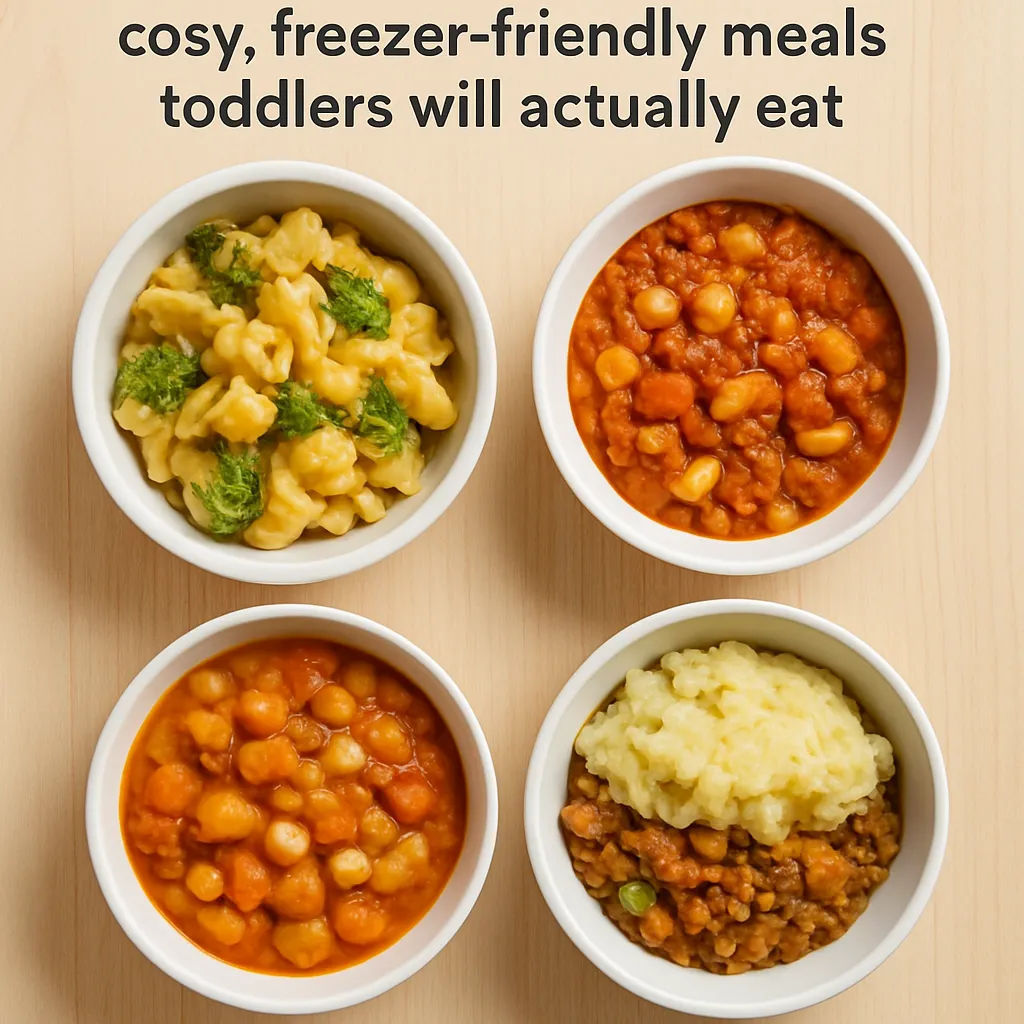
June has that proper cold snap energy, so a little forward planning makes evenings so much calmer. Here’s why this month is gold for batch-cooking and the practical ways to make it work without losing your mind.
Why June works
- Cooler nights mean kids want warm, comforting meals. Little tummies are more likely to eat a hot bowl of something than a salad, so batch-cooked soups, ragu and stews get finished.
- Seasonal produce is cheap and sturdy. Think pumpkin, sweet potato, carrots, onions, brassicas and citrus. They hold up to roasting and freezing and stretch a batch a long way.
- Markets and supermarket specials tend to favour root veg and slow-cook cuts, which are perfect for big pots. Buying bulk can knock the cost right down.
- Shorter days make evening routines tighter. Having a stash of ready meals saves time and stress when afternoon activities or early bedtimes are on the cards.
- Cold and flu season ramps up. Having nutritionally decent freezer meals on hand means less last-minute takeout when someone’s under the weather.
Practical batch-cooking rules for June
- Pick three go-to bases: a bolognese or lentil ragu, a veggie-packed soup, and a tray-roasted mix you can pair with rice or pasta. Make enough to freeze at least a week’s worth of toddler-sized portions.
- Double-batch strategically. If a recipe freezes well, double it. If it separates or gets grainy when frozen, cook that fresh. Aim for 2 large pots or trays rather than five tiny jobs.
- Use toddler-sized portioning. Silicone muffin pans, small containers or reusable zip bags work great. Aim for portions that can be reheated quickly; about a half-cup to three-quarters cup of a main meal is usually a good starting point for toddlers.
- Freeze flat and stack. Spoon sauces or mashed veg into zip bags, press flat and freeze on a tray. Flat packs thaw faster and save freezer space. Label with contents, date and a one-line reheating note.
- Make the oven earn its keep. Roast two trays at once, then use the oven’s residual heat for slow-baked veg or a frittata. One oven session can yield dinner plus snacks and sides.
- Batch extras that segue into other meals. Make a bolognese that also becomes sloppy-joe filling, or roast pumpkin that turns into both soup and pumpkin fritters. That keeps lunches interesting and reduces waste.
- Timing hack: cook while kids nap or play indoors. Put a slow cooker on low and get other bits done. Two hours of focused cooking can save several evenings.
Storage and reheating basics
- Most stews, soups and cooked sauces are best used within three months for quality. Label dates.
- Thaw in the fridge overnight where possible. If short on time, defrost in the microwave or pop the sealed bag in warm water, then reheat until piping hot and let cool to toddler-safe temperature.
- Only reheat once. Freeze in single-use serving sizes so you don’t need to reheat a whole batch multiple times.
A little prep in June buys cosy, no-drama dinners all winter. The next section has the freezer recipes that always disappear fastest at our place.
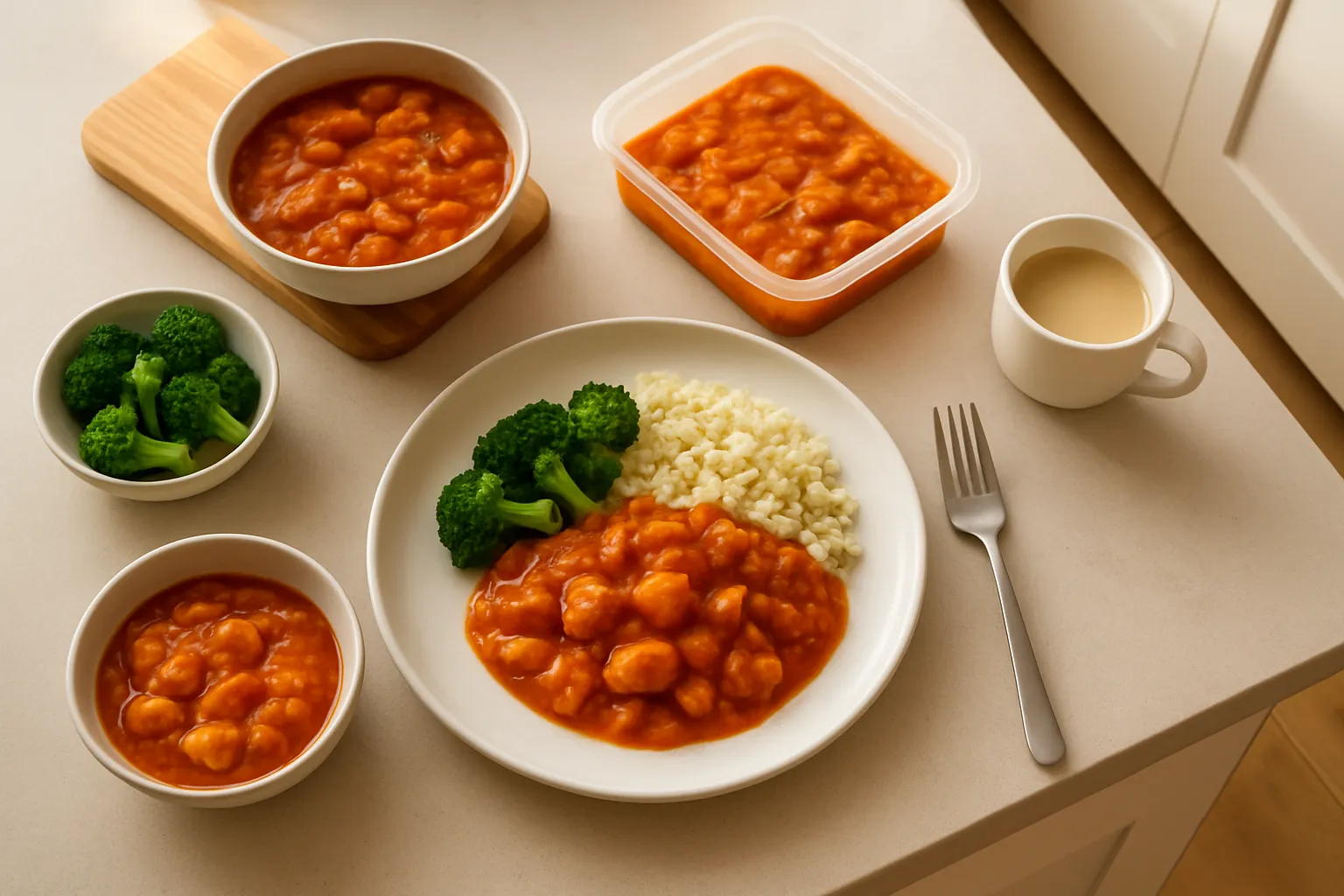
These are the meals that actually make it from freezer to highchair without a fuss.
- Mini meatballs (beef, chicken or lamb)
-
Make regular meatballs but keep them small so toddlers can pick them up. Freeze on a tray first, then bag them in portions of 6-8. Reheat in a shallow saucepan with a splash of tomato sauce or broth, or microwave for 1-2 minutes from frozen. Great with soft pasta spirals or veg sticks.
- Veg-packed bolognese
-
Bulk up mince with finely grated carrot, zucchini and a little lentil puree. Cool completely, portion into flat ziplock bags so you can thaw quickly in the fridge, then reheat on the stove until piping hot. Spoon over mashed potato, baked sweet potato or toddler pasta.
- Mini quiches or egg muffins
-
Whisk eggs with finely chopped veg and grated cheese, pour into muffin tins and bake. Freeze in stacks separated by baking paper. Microwave one for 45-60 seconds or thaw in the fridge overnight and warm in the oven. Handy for breakfast, snack or dinner.
- Creamy pumpkin and lentil soup
-
Make extra, cool, then freeze flat in freezer bags. To reheat, thaw overnight and warm gently on the stove, adding a splash of milk or butter to bring back creaminess. Serve with soft toast soldiers.
- Fish cakes
-
Flake cooked fish into mashed potato, add a little parsley and mild seasoning, form patties and coat lightly in breadcrumbs. Freeze individually on a tray then bag. Shallow-fry or bake from frozen for 15-20 minutes until heated through. Perfect with steamed peas.
- Mini sausage rolls or puff pastry pizzas
-
Make small sizes that are easy for little hands. Freeze raw or cooked, then bake straight from frozen with a couple of extra minutes. These are toddler crowd pleasers for dinner or lunchboxes.
- Shepherd’s pie in individual ramekins
-
Assemble in single-serve tins or silicone moulds so you only reheat what’s needed. Wrap well and freeze. Thaw in the fridge overnight and bake until hot in the centre. Keeps leftovers tidy and portions sensible.
- Pancake pouches
-
Make a big batch of small pancakes, cool, and freeze separated with baking paper. Toast or microwave a couple for a quick breakfast or dessert with yoghurt and fruit.
- Mild chickpea curry
- Cook gently with coconut milk and soft veg, cool and freeze in portions. Reheat and serve with soft rice or naan pieces for tearing. Coconut smooths the spice for little tummies.
Practical tips that save time and sanity
- Portion first, freeze later. Single-serve portions save reheating the whole batch and stop soggy leftovers.
- Freeze flat. Lay soups, sauces or bolognese in flat bags so they stack neatly and thaw quickly.
- Use silicone muffin trays or mini loaf pans. Perfect for single serves and easy pops straight into the oven.
- Label clearly. Meal, date and a tiny reheating note make decisions at dinner time so much faster.
- Texture tweaks. Add a splash of milk, cream or stock when reheating to restore creaminess, and stir well to stop hot spots.
- Safety: thaw in the fridge overnight where possible, reheat to steaming hot and never re-freeze once heated.
- Make sides at the same time. While casseroles cool, steam a big tray of veg and freeze in toddler portions so dinners come together in minutes.
Pairing ideas for fussy eaters
- If they refuse new flavours, present familiar faces: bolognese over mashed potato, meatballs with tomato dip, soup with toast soldiers.
- Add a favourite sprinkle. A little grated cheese, a smear of plain yoghurt or a squeeze of lemon can turn “no thanks” into “yum”.
Keep a small stash of single-serve winners so busy nights and early bedtimes don’t have to mean boring or stressful dinners.
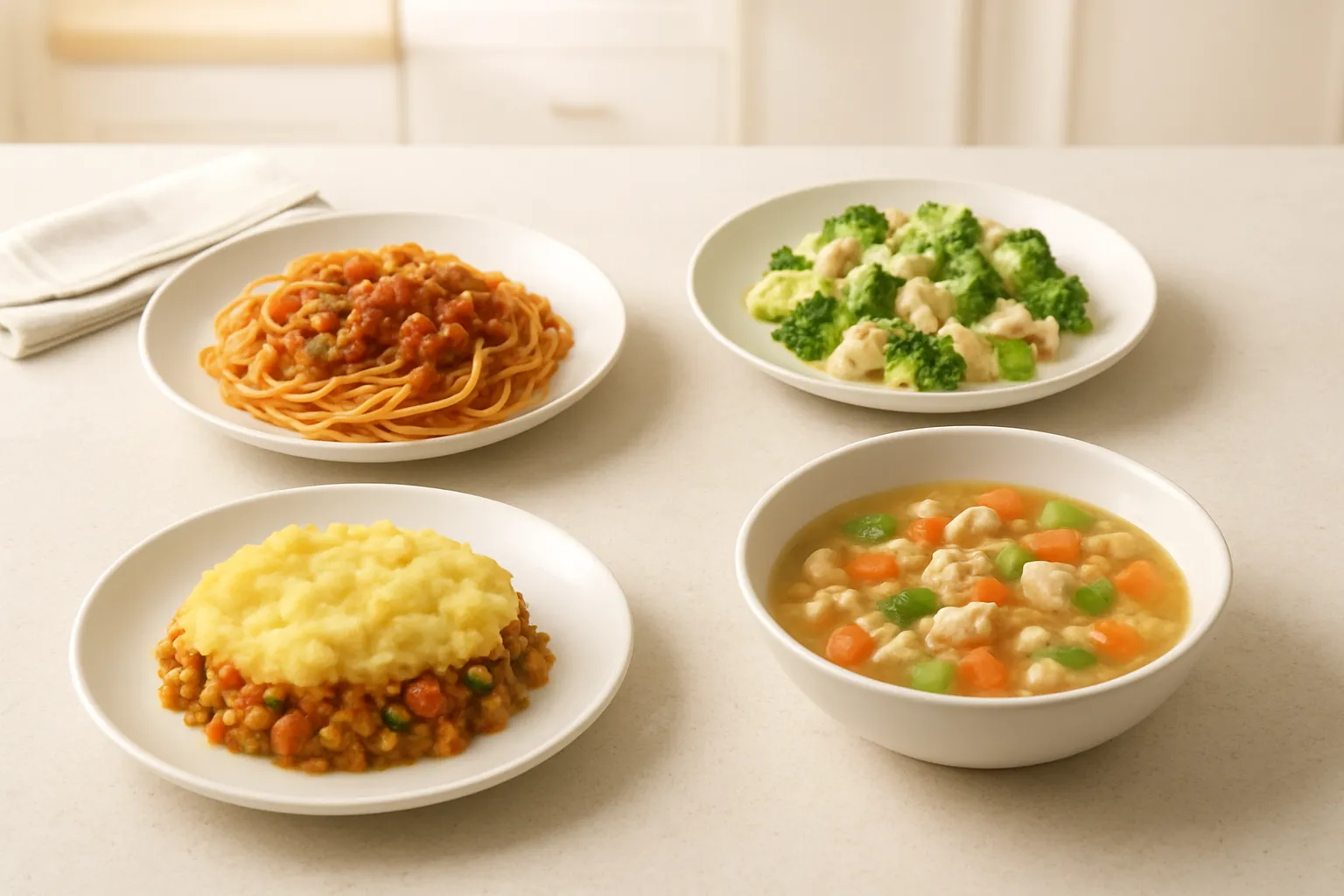
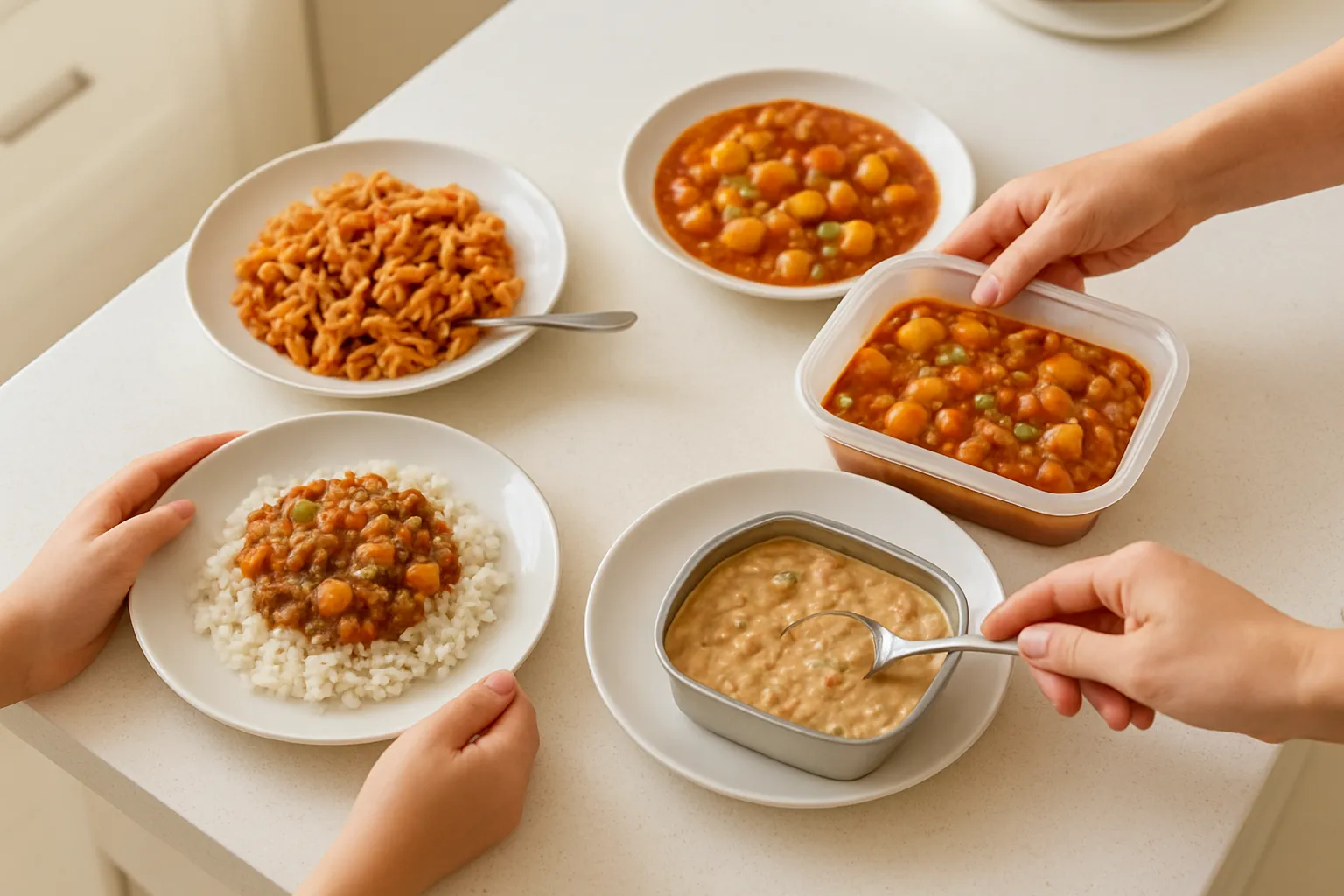
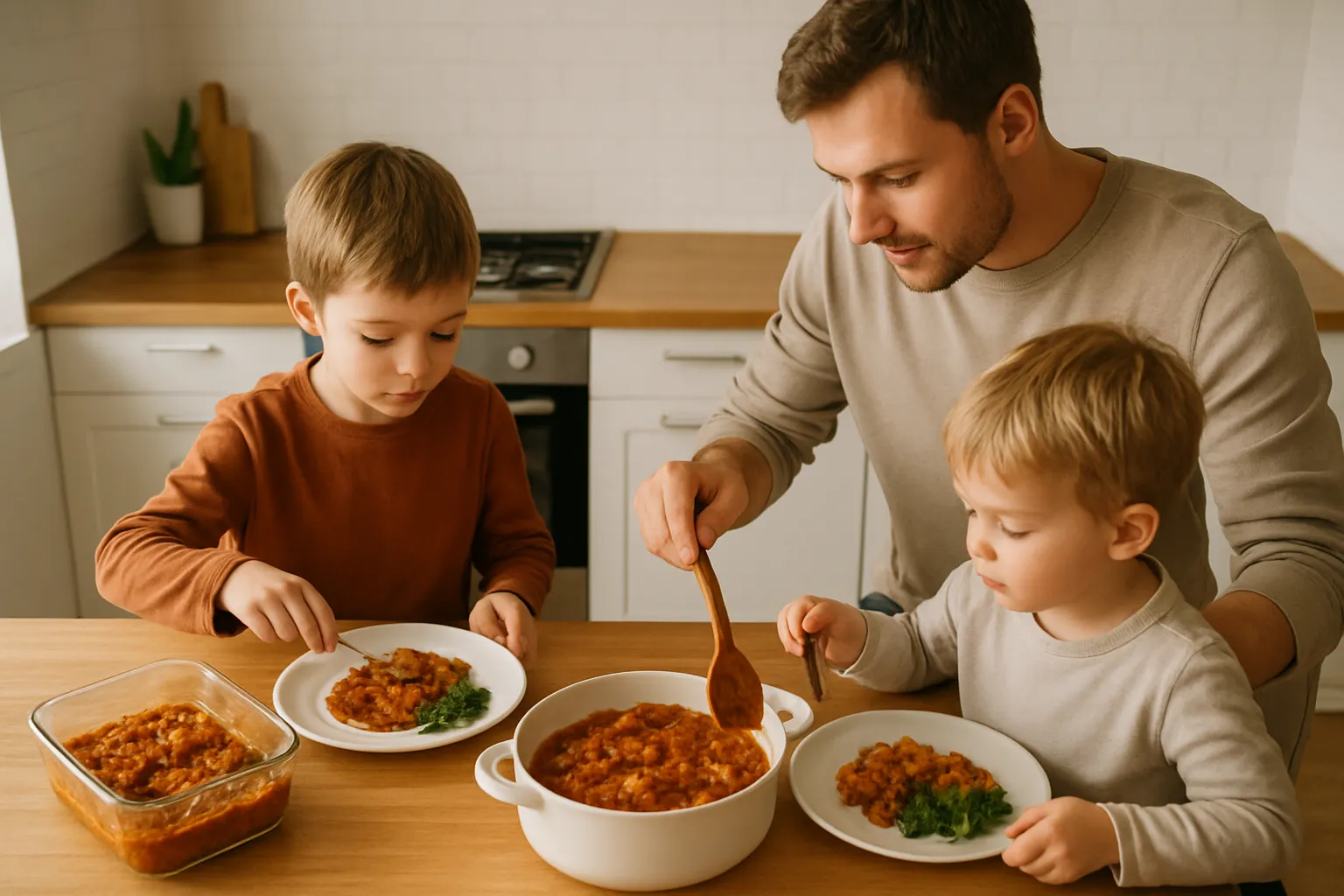
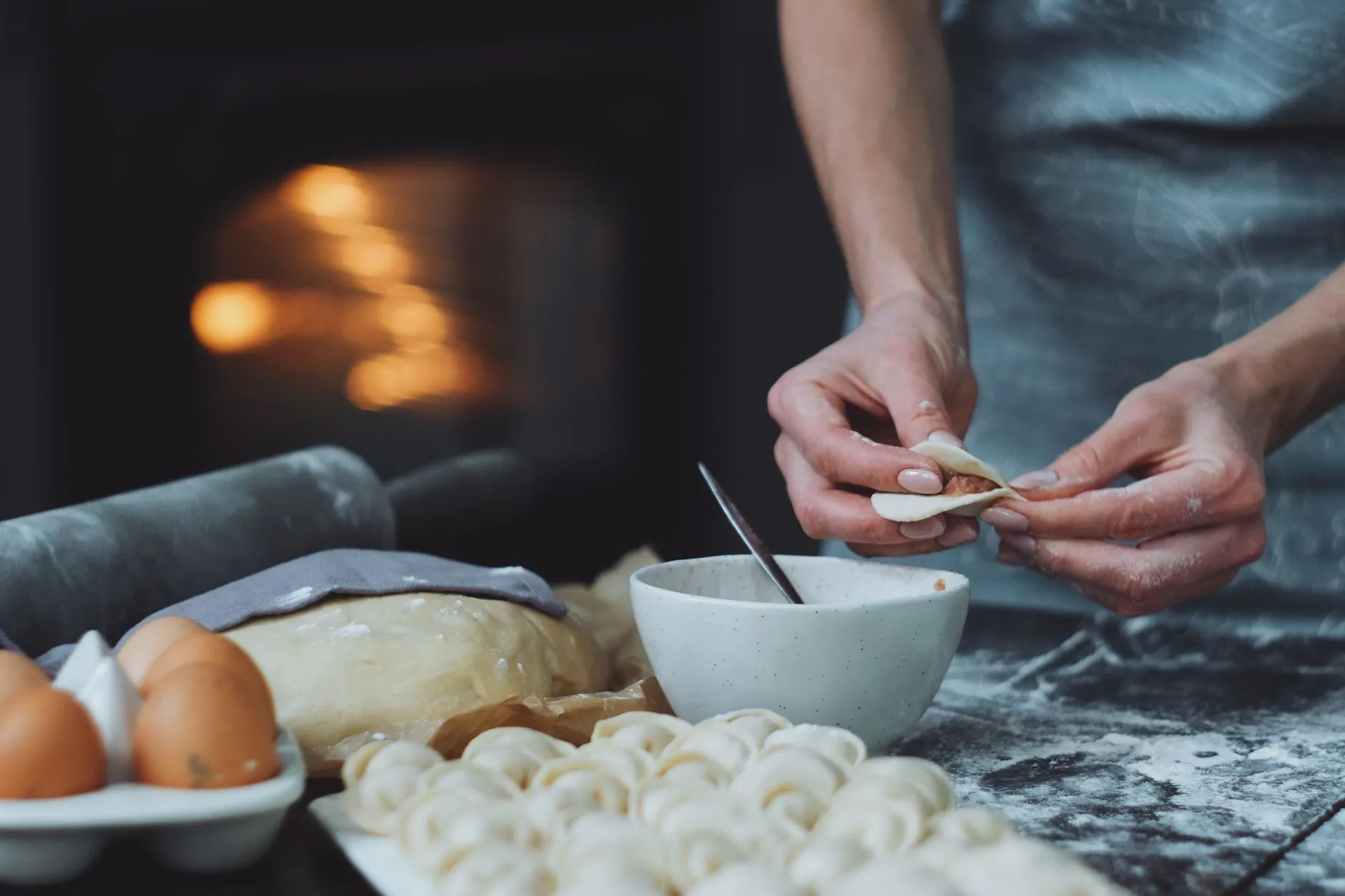
Start small and noisy. Little hands love repetitive tasks, so give them one easy job each and stick to it. Set up a low table or a kitchen stool, lay down a washable mat, and have everything pre-measured in little bowls. That single change transforms chaos into a proper team job.
Age-friendly jobs
- 1-2 years: stir batter, shake a jar of oats, press a cookie cutter into soft dough, tear basil leaves or spinach, sprinkle cheese. Use a big plastic spoon and a stable bowl.
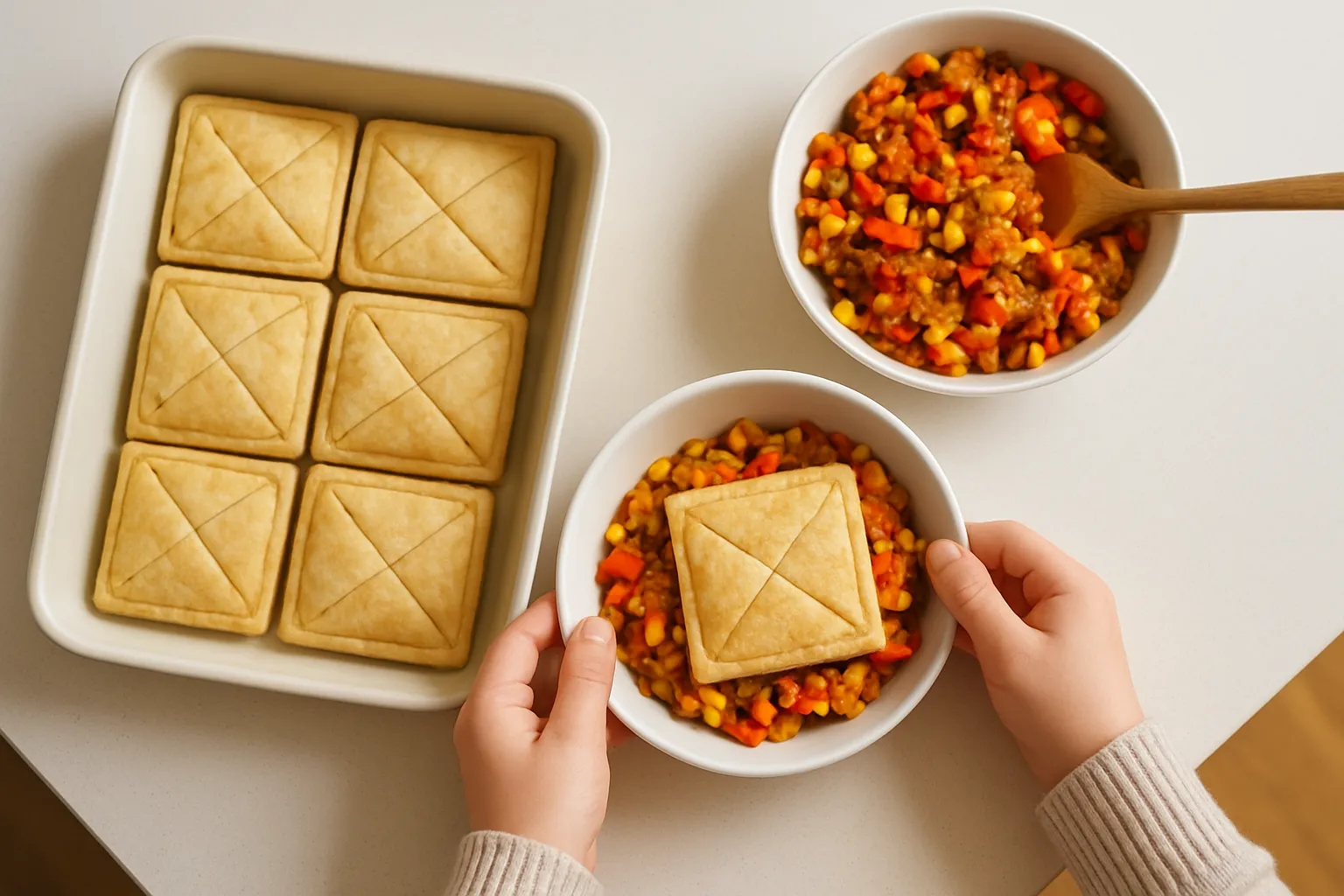
- 2-3 years: scoop batter into muffin tins, roll meatballs between palms, push filling into pastry, arrange veg on a tray. Hand them a small plastic knife or a kid-safe rocker for soft fruit and cooked veg.
- 3+ years: measure simple ingredients with spoons, crack an egg with help, read a short step from a recipe, label freezer bags.
Three toddler-friendly batch projects 1) Freezer meatballs
- Adult mixes mince, grated carrot, breadcrumbs, egg and seasoning in one bowl.
- Kids roll into walnut-size balls and line them on a tray.
- Freeze flat, then bag and label. They can help stick the date sticker on the bag.
2) Savoury muffin pouches (veg plus cheese)
- Kids stir grated veg, cheese and beaten egg into a batter.
- Let them scoop into paper muffin liners with a child-sized ice-cream scoop.
- Bake, cool, and freeze. Reheat from frozen for quick dinners.
3) Pizza scroll assembly
- Roll out pre-made dough, let kids spoon on sauce, sprinkle cheese and arrange ham or veg.
- Adult rolls, slices and bakes. Freeze cooked scrolls in stacks separated by baking paper.
Simple rules that save your sanity
- One job each. Two kids, two jobs. It keeps focus and stops arguments.
- No raw-handling privileges. Mixing is fine, but someone grown should handle raw chicken or meat.
- Hot things stay with adults. Let kids put on oven gloves only for transfer to a cool tray, or not at all until older.
- Short windows. Toddlers lose interest fast. Break tasks into 5-10 minute bursts and rotate.
Make cleaning into the endgame
- Give them a small spray bottle of warm soapy water and a tea towel to wipe up crumbs while you rinse. Turn tidy-up into a race or sing a clean-up song. Fast tidy means you’ll actually do it again tomorrow.
Teaching moments that stick
- Counting meatballs or muffin cups teaches numbers.
- Talking about colours and textures - “squishy carrot” or “crunchy capsicum” - builds vocabulary.
- Let them taste and name ingredients. If they’ve helped, they’ll try food they might otherwise refuse.
Labeling the freezer with kids
- Give them sticker labels and a marker. Let them draw a simple picture of what’s inside, then write the date for you. It’s useful and they love the responsibility.
Keep it fun, not perfect If they spill flour, laugh it off and keep going. The more relaxed you are, the more they’ll enjoy cooking and the more likely you are to come away with extra freezer meals and less burnout.
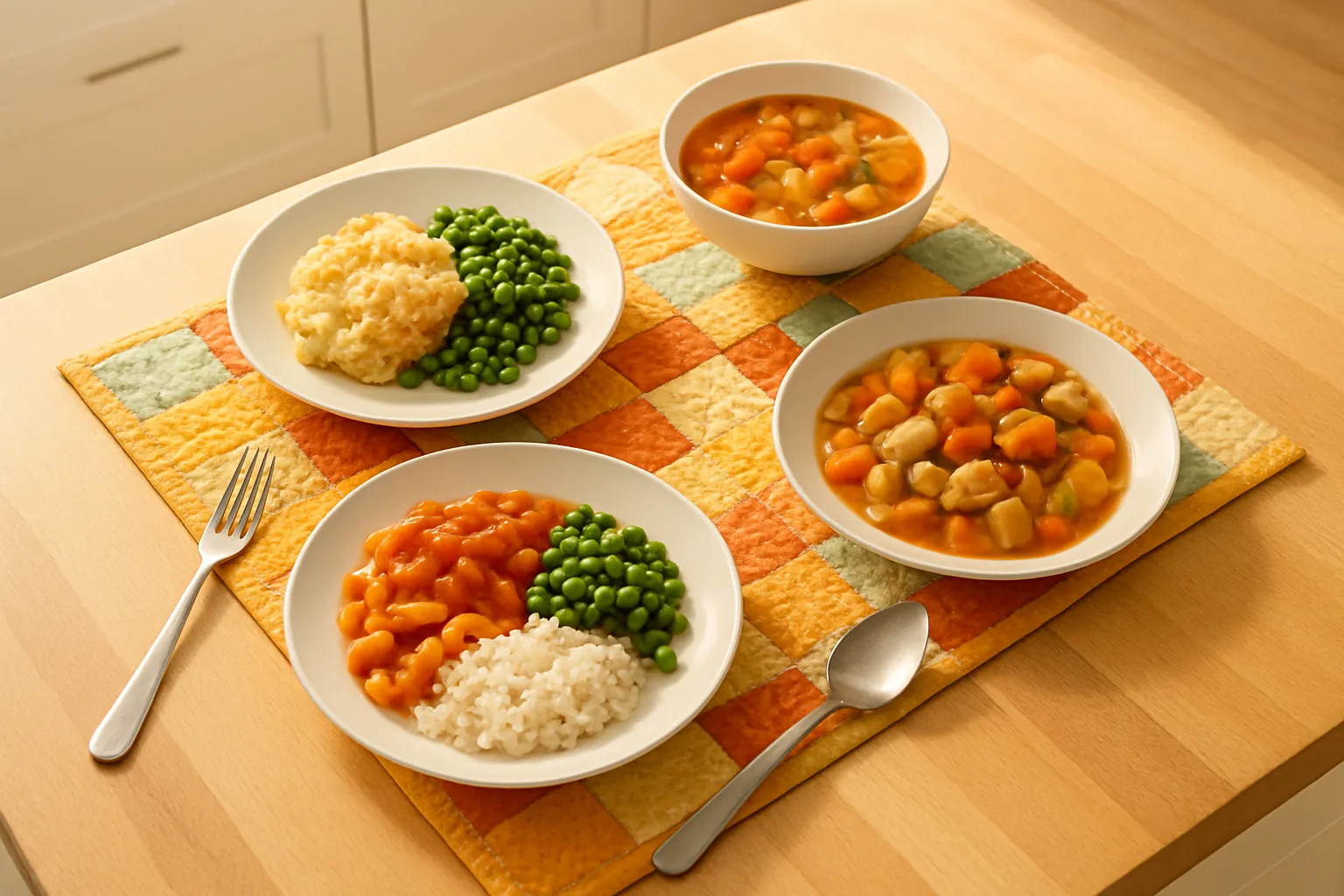
Quilt thinking is brilliant for dinner planning because it makes dinners feel stitched together from small, familiar pieces. Start by cooking a few small batches of different things, then mix and match through the week so every meal feels new without extra fuss.
What to cook and freeze as your “patches”
- Proteins: tiny meatballs, shredded roast chicken, soft lentil rissoles. Freeze flat in single-layer bags so you can grab the exact portion you need.
- Grains and bases: cooked rice, quinoa, tiny pasta shapes, mashed potato. Cool completely, portion into silicone muffin trays for quick single serves, then pop them in bags.
- Veg bits: roasted pumpkin, peas, grated carrot, spinach mixed into ricotta. Freeze in ice-cube trays or small tubs.
- Sauces: mild tomato sauce, creamy cheese sauce, a gentle vegetable curry. Freeze in saucier-sized portions to moisten reheated patches.
- Extras: grated cheese, chopped herbs, crispy breadcrumbs. Keep a small stash in the freezer to top dishes before baking.
Three easy “quilted” dinners to try 1) Patchwork Tray Bake
- Lay down a base of cooked pasta or rice in an oven tray. Scatter frozen meatballs or shredded chicken, roasted veg cubes, a handful of frozen peas and spoon over some mild tomato sauce. Top with grated cheddar and bake until bubbling. Cool, cut into toddler-sized squares and freeze individually. Reheat covered with foil to stop it drying out.
2) Mini Quiche Muffins
- Whisk eggs with a splash of milk, add grated carrot, spinach, tiny ham cubes or cooked pumpkin, and a little cheddar. Pour into a greased muffin tray and bake. These freeze brilliantly. Pop one or two in the lunchbox or reheat in the oven or microwave. They thaw quick and are great for breakfast or dinner.
3) Layered Lentil Shepherd’s Pie (mild)
- Spread cooked brown lentils mixed with finely chopped veg and a spoon of tomato sauce in a dish. Top with mashed potato or sweet potato, sprinkle with cheese and bake. Portion into freezer-safe containers. To reheat, add a splash of milk or stock, cover and warm through.
Serving and plating ideas that work for toddlers
- Make a “quilt plate”: arrange small portions of three or four different items in neat squares or rows. The variety keeps interest high and kids often like picking at each patch.
- Keep textures predictable. If a child prefers softer food, stick to mashed and small pieces rather than crunchy. If they like to chew, include tiny roast veg or soft rissoles.
- Use silicone moulds or cookie cutters to make shapes from mash or sliceable bakes. Little surprises go a long way.
Practical freezing and reheating tips
- Cool completely before freezing to avoid icy patches. Lay flat to freeze and then stack for space-saving.
- Label with contents and date. Aim to use within 3 months for best flavour.
- Reheat gently. Add a splash of milk, stock or extra sauce if the dish looks dry. Check temperature throughout for even heating, especially for denser items.
- Defrost overnight in the fridge for quickest oven results. For busy nights, reheat from frozen in a covered dish at a lower temperature for longer so the middle warms through.
Keeping it simple and flexible is the point. A few small, well-chosen frozen patches in your freezer means cosy dinners with minimal evening drama, and kids get the comfort of familiar flavours every night.
FIFO rosters change the kitchen rhythm, so I’ve learned a few no-fuss systems that keep dinners reliable, warm and low-stress when someone is in and out.
Planning and shopping
- Block one shopping trip for the week and buy for both “solo” nights and “home” nights. Frozen veg, pre-cut pumpkin and tinned beans are lifesavers.
- Keep a shared shopping list on WhatsApp or Google Keep so whoever’s home can add items and the rostered worker can throw in extras before they fly out.
- Plan at least two easy-go meals per week that the kids will happily eat without heavy prep. Think pasta, fried rice or toasted sandwiches.
Batch-cooking routines that actually stick
- Two-hour Sunday session: make one big soup, one pasta sauce and a tray bake. Freeze half of each in toddler-sized portions and pop the rest in the fridge for the first few nights.
- Use silicone muffin trays for small portions. Mini pancakes, mashed potato, or pureed veggies freeze into perfect toddler serves.
- Double recipes you already cook. If the weekly lasagne fits the bill, make two and freeze one labelled for “solo nights” or “welcome home”.
A simple freeze-and-find system
- Label everything with date, contents and reheating method. A strip of masking tape and a Sharpie does the job.
- Keep a FIFO box in the freezer. Everything that’s intended for quick solo dinners goes in there so you don’t have to rummage.
- On the freezer door put a whiteboard or sticky note inventory. Erase as you defrost so you always know what’s left.
Speedy defrost and reheat tips
- Thaw in the fridge overnight where possible. For last-minute needs, sealed bags in a bowl of warm water speed things up safely.
- Reheat batch meals in the oven for a better texture if you have the time. Otherwise the microwave is fine for toddler portions. Heat until steaming hot and stir to remove cold spots.
- Keep a kettle handy for quick hot-cup soups, instant pasta or to speed up bain-marie reheating.
First-night-home rituals
- Keep one “welcome home” meal ready in the fridge to heat and serve as soon as the FIFO person arrives. It can be as simple as a fresh tray of roast veg and meatballs or a frozen shepherd’s pie warmed slowly.
- Add a small treat or fresh loaf so the first meal feels a bit special without extra effort.
Toddlers and routines
- Freeze portioned snacks for the kids so you can hand a bag while you reheat adults’ meals. Little pre-made fruit and cheese packs save sanity.
- Give kids simple choices for nights the roster changes. Two dinner cards they can pick from reduces meltdowns and keeps them part of the routine.
- Teach quick independent tasks they can help with, like pouring plate of steamed veg or setting cutlery.
Tools that make FIFO life easier
- Silicone moulds, freezer-safe containers and labelled zip-lock bags are the unsung heroes.
- A slow cooker or multi-cooker set on a timer means you can walk out for the school run and come back to a casserole ready to portion and freeze.
- A cheap kitchen timer or phone alarm reminding you to move a batch from oven to freezer keeps things on track when the day gets busy.
Little things that save big stress
- Keep one shelf of the pantry for “emergency dinners” only. When it’s in use, top it up straight away.
- Make a small note on the calendar for when the roster changes are coming so you can plan an extra batch-cook day if needed.
- When the FIFO person is home, get them to warm a freezer meal they love. It’s a tiny ritual that helps them feel settled and gives you a night off.
These practical habits mean cold, wet June nights are mostly predictable. The kitchen stays warm, dinners stay simple and everyone gets a meal they actually want to eat.
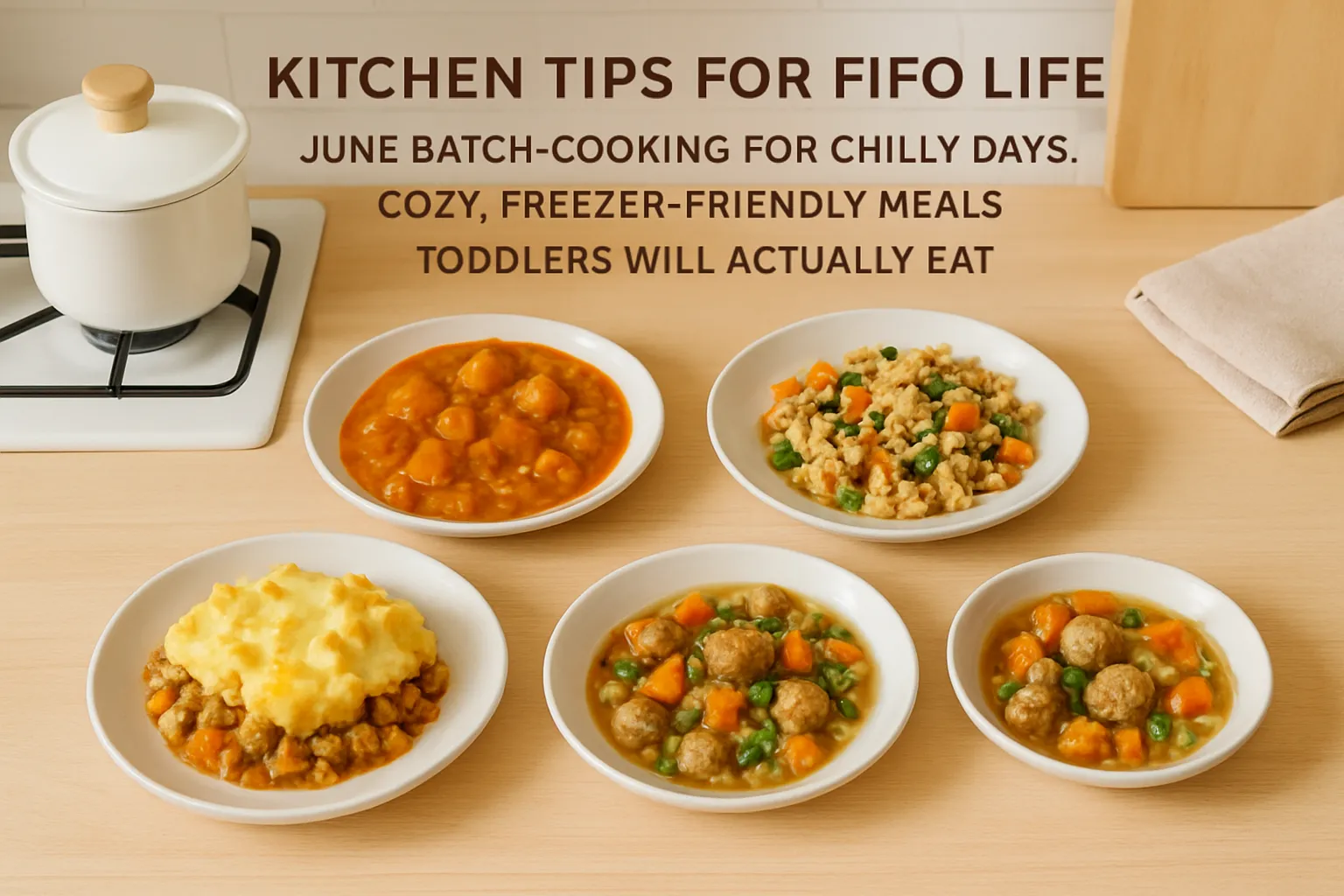
Photo credit: Pexels
Browse Cuisines
From the Blog
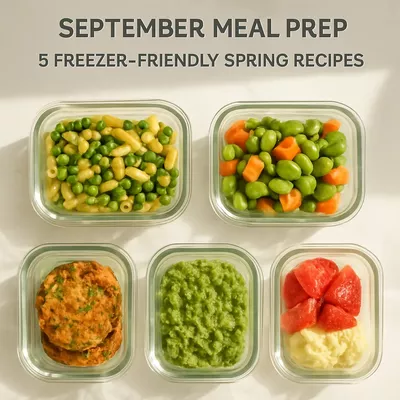
First up, a few no-fuss spring winners that keep sticky fingers and big clean-ups to a minimum. Quick to prep and easy for little hands to manage, these are the sorts of things I reach for when we want something...
Nice - here’s how Steve keeps dinner simple without sacrificing flavour or sanity. A few good habits and the right packing tricks mean you can pull a proper family meal out of the freezer in minutes.
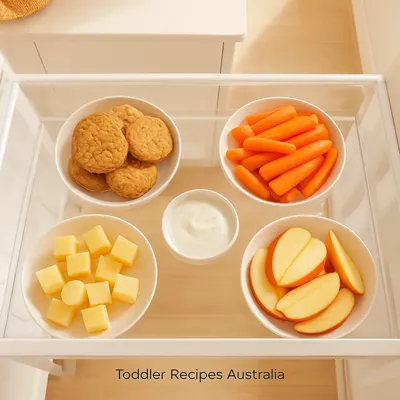
Righto, a couple of quick fridge fixes will make everything a whole lot easier. These are the simple, practical habits and setups that keep snacks safe, obvious and actually reachable for little hands.

 Never miss a recipe from us, subscribe to our newsletter