
Ideas for helping toddlers try new foods
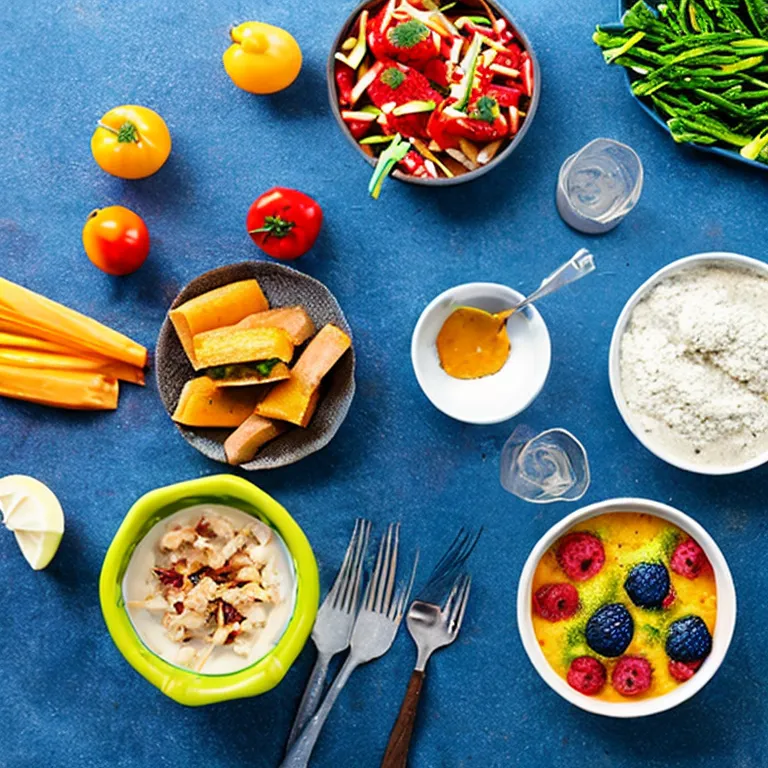
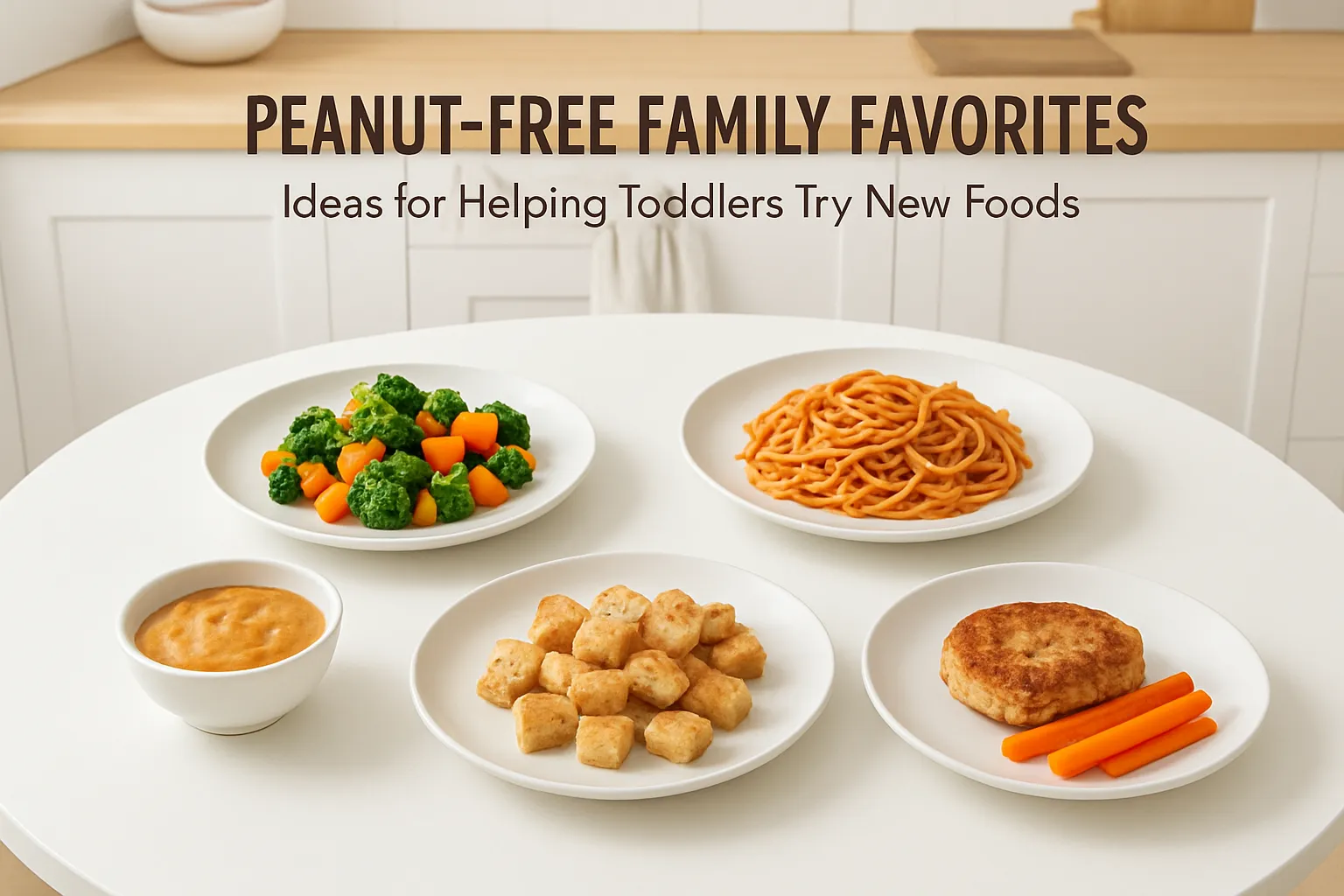
Keeping the whole household peanut-free makes playgroup and school pickups less stressful. Here are easy, toddler-friendly family favourites that are full of flavour and simple to prep.
Quick peanut-free spreads and swaps
- Sunflower seed butter: a great sandwich option if your child’s centre allows seeds. Try it with banana slices or a thin smear with apple jam. Tip: swirl a little through porridge or yoghurt for a calorie boost.
- Avocado smash: mash with a squeeze of lemon and a pinch of salt. Serve on toast strips or as a dip for veg sticks.
- Cream cheese or ricotta: mix with mashed fruit or grated cucumber for quick sandwich fillings and dips.
- Hummus: mild, smooth hummus is a top dip for carrots, cucumber and pita fingers.
- Tahini warning: sesame is an allergen for some, so only use if you know it’s safe for your child’s setting.
Five go-to recipes (fast, toddler-sized, and freezer-friendly) 1) Banana pancakes (2-ingredient)
- Ingredients: 1 ripe banana, 2 eggs.
- Method: Mash banana, whisk in eggs, fry small spoonfuls in a non-stick pan until set. Cool and store in the fridge or freeze in batches.
- Great for breakfast or lunchbox sarnies.
2) Pumpkin and carrot fritters
- Ingredients: 1 cup grated pumpkin, 1/2 cup grated carrot, 1 egg, 1/3 cup plain flour, pinch of salt.
- Method: Mix, shallow-fry until golden, drain on paper towel. Reheat in the oven to keep them crisp.
- Sneaky veg and easy to dip.
3) Mini chicken meatballs
- Ingredients: 400 g minced chicken, 1 grated carrot, 1 small grated onion, 1/2 cup breadcrumbs, 1 egg.
- Method: Mix, roll small balls, bake at 180°C for 12-15 minutes. Cool and freeze on a tray, then bag.
- Serve with tomato sauce or yoghurt dip.
4) Baked fish fingers
- Ingredients: White fish fillets chopped, beaten egg, breadcrumbs.
- Method: Coat fish in egg then crumbs, bake at 200°C for 12-15 minutes. Flaky and finger-sized.
- Handy for nights when you need something quick and mild.
5) Oat and seed muesli bars (nut-free)
- Ingredients: 3 cups oats, 1 cup mixed seeds (pumpkin, sunflower), 1/2 cup dried fruit, 1/3 cup golden syrup or honey (for over 1 year), 1/4 cup coconut oil.
- Method: Melt syrup and oil, mix with dry ingredients, press into a tin, bake 15-20 minutes. Slice once cooled.
- Cut into small squares for lunchboxes.
Lunchbox and snack tips that work
- Make foods hand-sized: small strips, mini balls, fingers. Toddlers are more likely to try food they can hold.
- Keep wet and dry separate: use small containers for dips so crackers stay crunchy.
- Label everything and check school or centre policies about seeds and new products.
- Read labels: avoid items listing peanuts, and be cautious with “may contain traces of nuts” if the setting is strict.
- Batch cook and freeze: pancakes, meatballs and fritters thaw quickly in the microwave or oven for arvo snacks.
- For under-1s: avoid honey and whole nuts. For under-2s, avoid whole nuts and large firm pieces that could be a choking risk.
Little flavour tricks to win them over
- Add a familiar favourite: a tiny smear of jam on a cheese sarnie or a dab of tomato sauce on meatballs helps new textures feel friendly.
- Mild seasoning: a little grated cheese in fritters or meatballs makes them more appealing.
- Let them dip: toddlers often eat more when they get to dip into something on their own.
These ideas keep things safe for peanut-free settings but still tasty and interesting for the whole family.
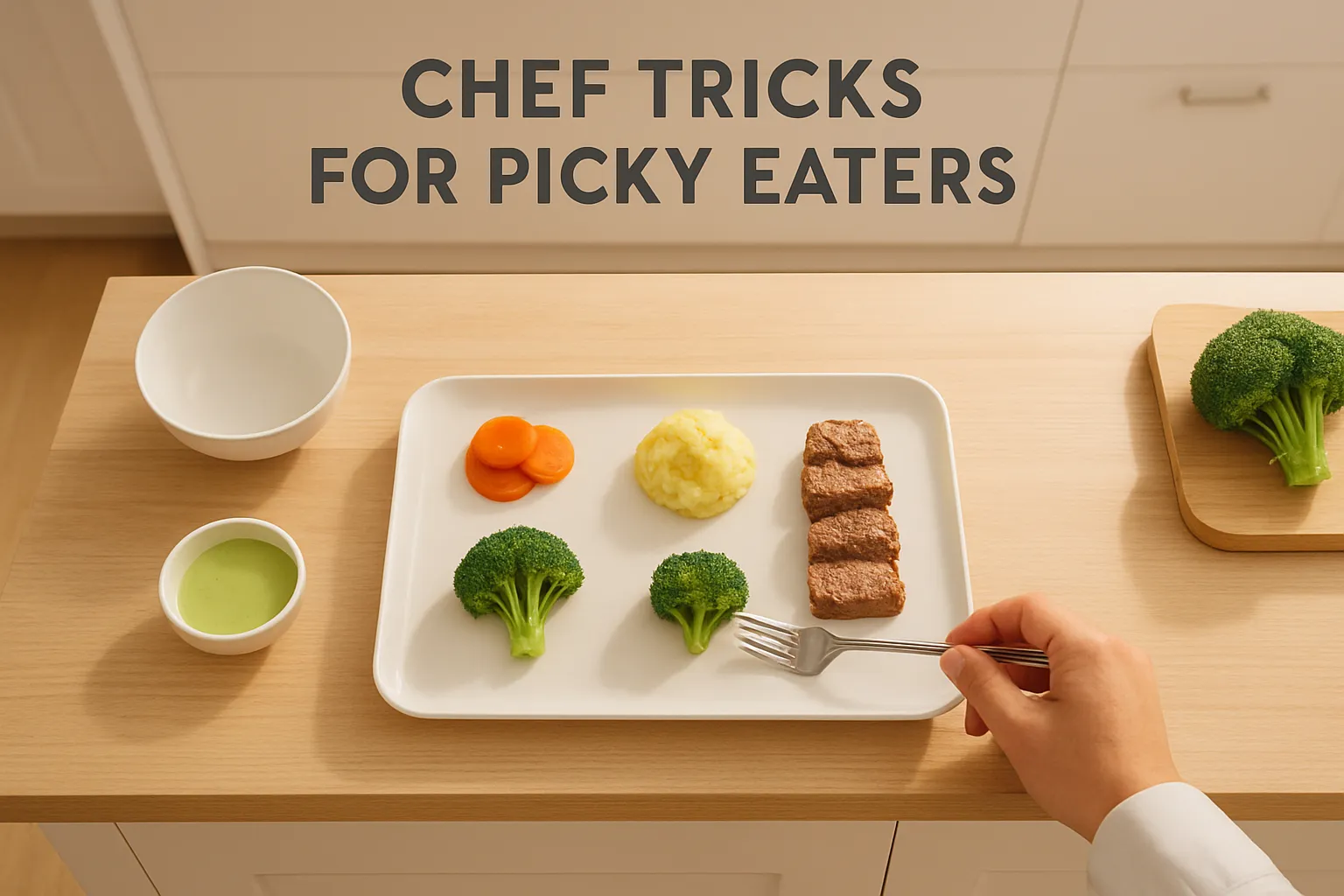
Chef Tricks for Picky Eaters
Here are practical, kitchen-tested tricks that make new foods less scary and more tempting for little ones.
-
Roast and caramelise. Roasting veggies brings out a sweeter flavour most toddlers prefer. Try carrots, sweet potato or pumpkin tossed in a little olive oil and roasted until golden. Cut into small, soft pieces so they can pick them up.
-
Grate and hide in plain sight. Finely grate zucchini, carrot or beet into sauces, meatballs, fritters and pancakes. It keeps texture pleasant but sneaks extra veg into familiar favourites.
-
Sauce is your friend. Most kids will try something dipped. Offer small ramekins of hummus, yoghurt, mild tomato sauce or mashed avocado alongside new things. A tiny dip can totally change the appeal.
-
Make it crunchy. A crisp topping or a quick pan-fry adds texture that distracts from flavours they might reject. Try oven-baked crumbed fish fingers made with wholemeal breadcrumbs or a light panko on veggies.
-
Two-bite rule, gently. Encourage a couple of small tastes without pressure. Keep portions tiny so each bite feels safe and doable. No bribing, no scolding, just a simple “just two tiny bites” approach.
-
Pair with comfort foods. Serve a new item next to something they already like. The familiar helps them relax and sometimes curiosity takes over once they’re nibbling.
-
Build-your-own plates. Toddlers love control. Offer a deconstructed plate of small portions they can assemble: grated cheese, tiny veg pieces, seeds, soft bread strips. Let them choose combinations.
-
Play with shape and colour. Use cookie cutters on sandwiches, cut fruit into coins, make veggie spirals or little skewers with safe, soft bits. Bright, colourful plates are more inviting.
-
Slow reintroduction. If a new food was refused, try it again in a different form or mixed with something they do eat. Keep offering without drama; taste acceptance often needs multiple exposures.
-
Warm it up. Often flavour and smell matter. Slightly warming foods can make them more comforting and aromatic, which helps toddlers sample.
-
Natural sweetness and mild spices. A pinch of cinnamon on roasted apple or a little oregano on tomato dishes can make flavours more interesting without overwhelming. Avoid heavy spice until you know what they tolerate.
-
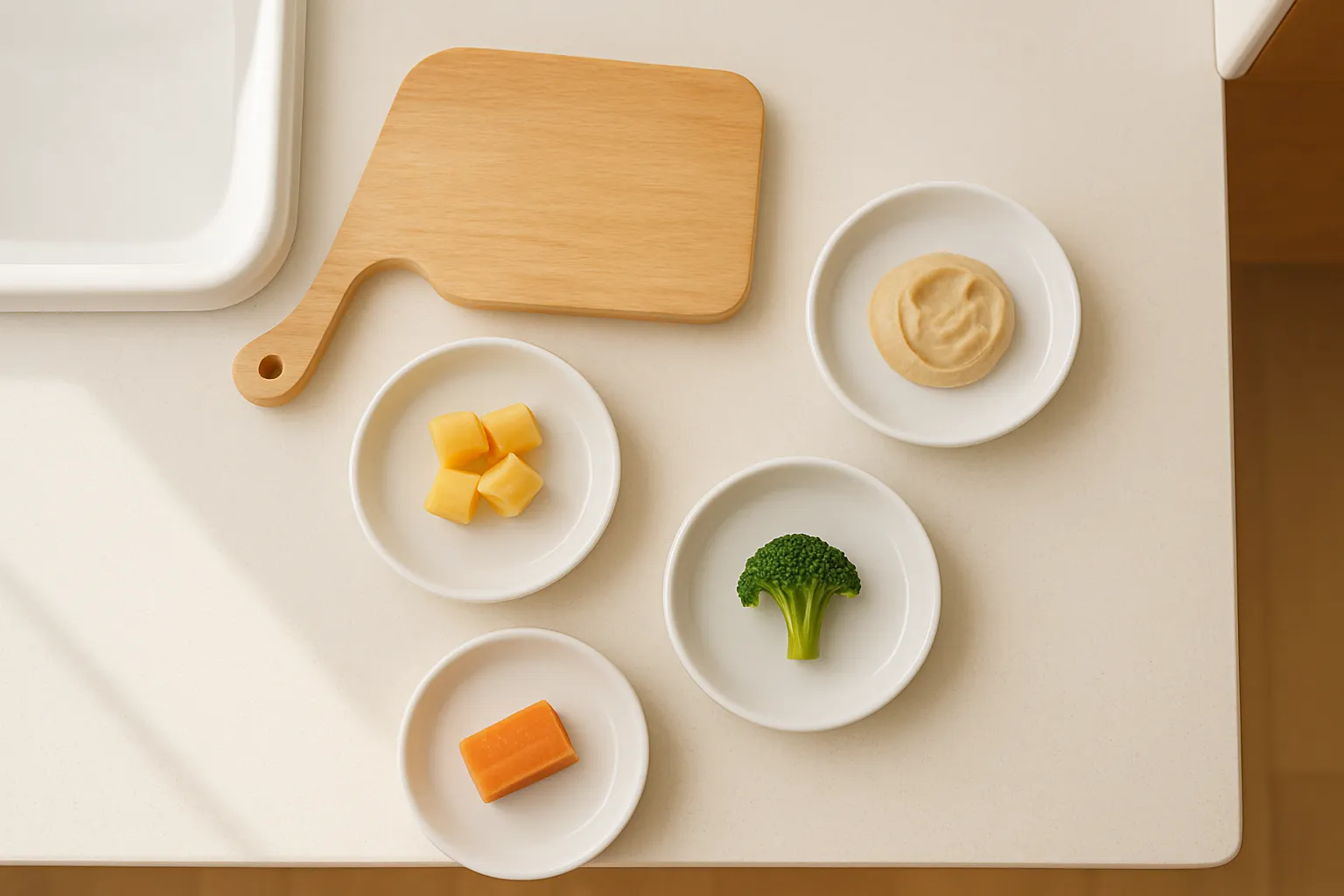
Make mini samplers. Small tasting spoons with different textures let them compare and decide. Use tiny portions so there is no waste and no pressure.
-
Safe prep and presentation. Cut food into age-appropriate sizes to prevent choking. Soft-cook fruit if needed and avoid whole nuts or grapes unless halved and supervised.
-
Let them help. Even tiny tasks like sprinkling cheese, stirring batter or placing peas on a plate increase ownership and interest in eating.
A final tip: keep calm and curious. Praise trying rather than finishing. Celebrate tiny wins and remember that most children broaden their palates gradually. If you keep offering variations without stress, many “no thanks” moments turn into “can I have more?” over time.
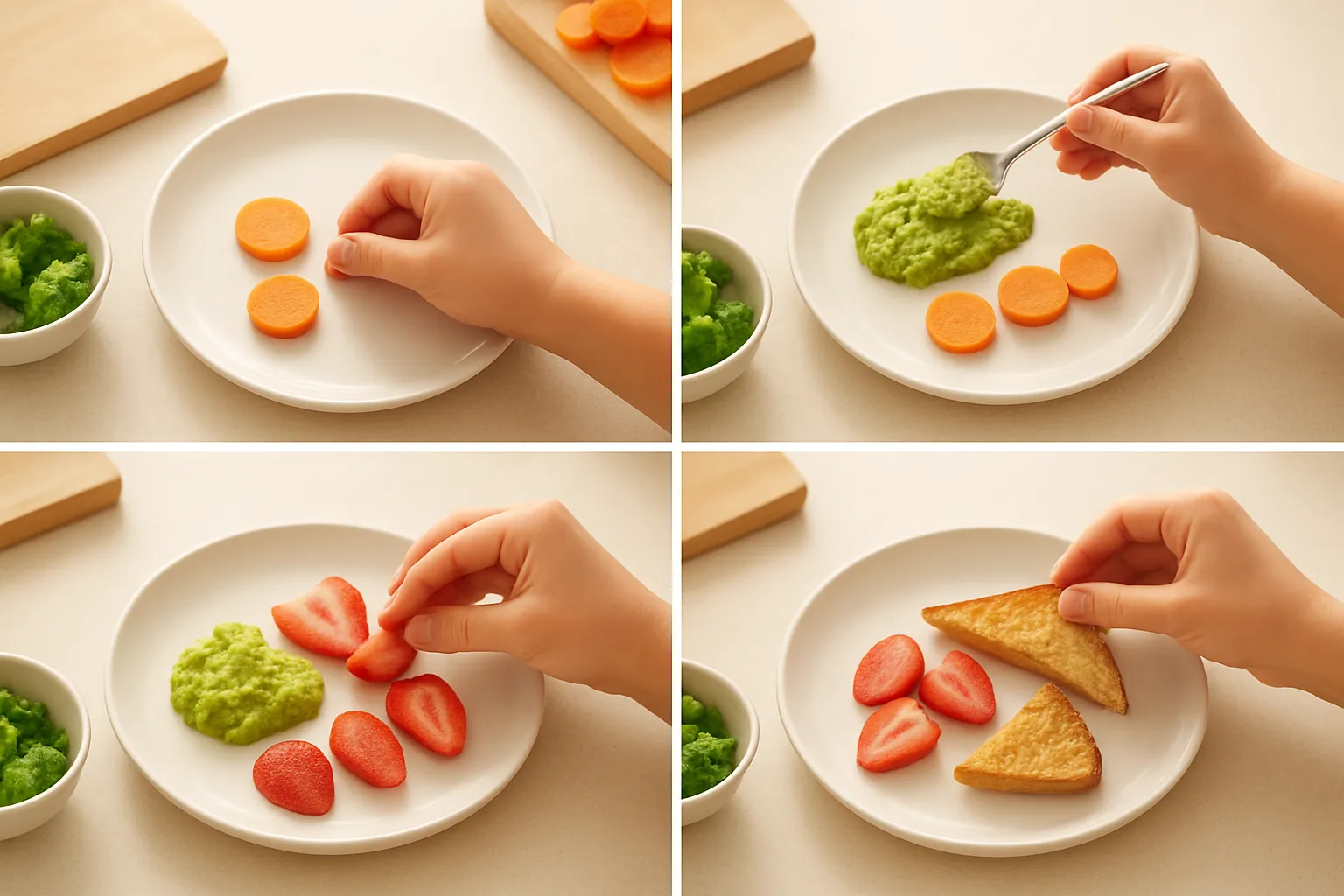
Start tiny and keep it chill. A quick, one-bite approach takes the pressure off and makes trying new things fun instead of a showdown.
-
The one-bite rule: Offer a teaspoon or a single cube the size of their fingertip. Call it a “tiny bite” and stay calm. If they refuse, try again another day.
-
Tiny tasting tray: Use a muffin tin or ice cube tray to present 4 small samples at once. Mix textures and colours but keep portions tiny. Toddlers love choosing which pocket to try first.
-
Make it a sniff first: Let them smell the food, touch it, lick it. Smelling and touching are big steps toward tasting for little ones who are wary.
-
Pair with a favourite: Serve the new item alongside something already loved, not hidden in a mash. For example, a single roasted carrot stick beside mashed potato gives familiarity and choice.
-
Try different textures: If they reject steamed broccoli, try finely chopped raw florets, a slaw, or a cheesy sauce dip. Texture often matters more than flavour.
-
Keep it playful: Give foods silly names like “moon peas” or “princess carrots”, or turn it into a mini challenge with a sticker reward for trying. No bribing with dessert, just a cheer and a sticker keeps it positive.
-
Taste passport: Use a little card or sticker chart. Each time they try a new food, stamp the card. It tracks progress and gives toddlers a sense of achievement.
-
Repeat the gentle exposure: Most toddlers need 8 to 12 tries before accepting something. Offer the tiny taste regularly without fuss. Same food, different day.
-
Involve tiny hands: Let them help rinse berries, sprinkle seeds, or press a cookie cutter into soft fruit. Even minimal involvement builds curiosity and ownership.
-
Safe slicing and serving: Cut grapes and cherry tomatoes lengthwise, shred meat finely, avoid whole nuts and honey for under 1 year. Always supervise tasting time.
-
Flavour swaps: If plain veg doesn’t appeal, try a mild dressing, a dash of cinnamon on apple, or bake veggies with a light crumble of parmesan. Small flavour nudges can make a big difference.
-
Quick sample schedule: Monday - crunchy fruit; Tuesday - soft veg; Wednesday - tiny cheese pieces; Thursday - new dip with crackers; Friday - one new cooked grain. Rotate familiar favourites between tastes to keep mealtimes calm.
Keep the mood relaxed, celebrate tiny wins, and remember small, consistent taste tests will slowly increase their comfort with new foods.
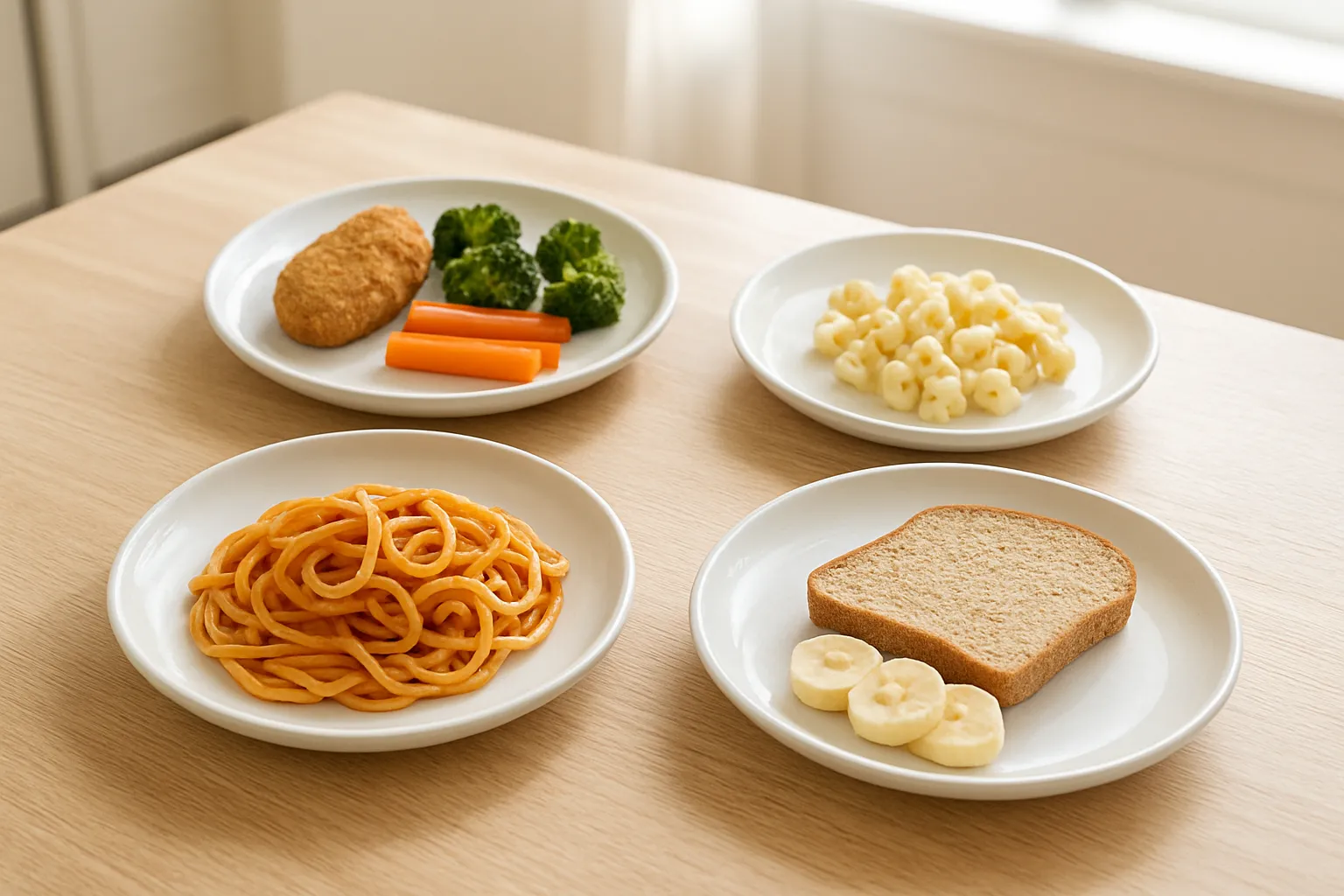
Now that tiny taste tests are underway, here are simple Western dinners that are easy to adapt for little mouths and often a hit at the table.
Cheesy pasta with hidden veg
- Cook fun-shaped pasta until soft. Stir through a smooth sauce made from blended roasted pumpkin or cauliflower mixed with a splash of milk and grated cheddar. Cool to a lukewarm temperature and serve in small scoops. Add peas or finely chopped spinach for extra colour.
Mild bolognese
- Brown lean beef or turkey, then add grated carrot, zucchini and a jar of passata. Simmer until everything is soft and saucy. Serve over pasta, rice or mashed potato. Freeze in toddler portions for quick dinners.
Mini meatballs
- Mix mince with grated veg (carrot, zucchini), a beaten egg and a little breadcrumbs. Roll into small balls, bake until cooked through. Perfect for little fingers or cut into halves for younger toddlers. These freeze and reheat brilliantly.
Fish cakes
- Mash potato and mix with flaked white fish, a bit of grated onion and parsley. Shape into palm-sized cakes and pan-fry until golden. Serve with soft steamed veg and a dollop of natural yoghurt or mild mayo for dipping.
Mini pizzas
- Use English muffins, pita or toasted ciabatta halves. Let kids spread passata, sprinkle cheese and add finely chopped toppings. Bake until the cheese melts and cool slightly. Great for getting toddlers involved without pressure to eat.
Sausage and mash, made gentle
- Choose low-salt, good-quality sausages, slice them small and serve with smooth mashed sweet potato. A mild onion gravy on the side can be offered for dipping rather than poured over everything.
Shepherd’s pie
- Cook minced lamb or beef with soft veg, top with mashed potato and bake until golden. Spoon into toddler bowls and mash a little for easier eating. It’s comforting, filling and hides extra veg.
Sheet-pan roast dinners
- Toss chicken thighs and chunky veg in a little olive oil and roast until everything is soft. Pull the meat into small pieces for your toddler and mash or chop the veg as needed. Minimal washing up and the oven does the hard work.
Baked potato bar
- Small jacket potatoes topped with options like mashed avocado, tuna mixed with a little yoghurt, baked beans (low salt), or grated cheese. Let toddlers pick one or two toppings to keep them interested.
Practical serving tips
- Offer a tiny tasting spoon before the family sits down so the toddler can try while they’re not overwhelmed.
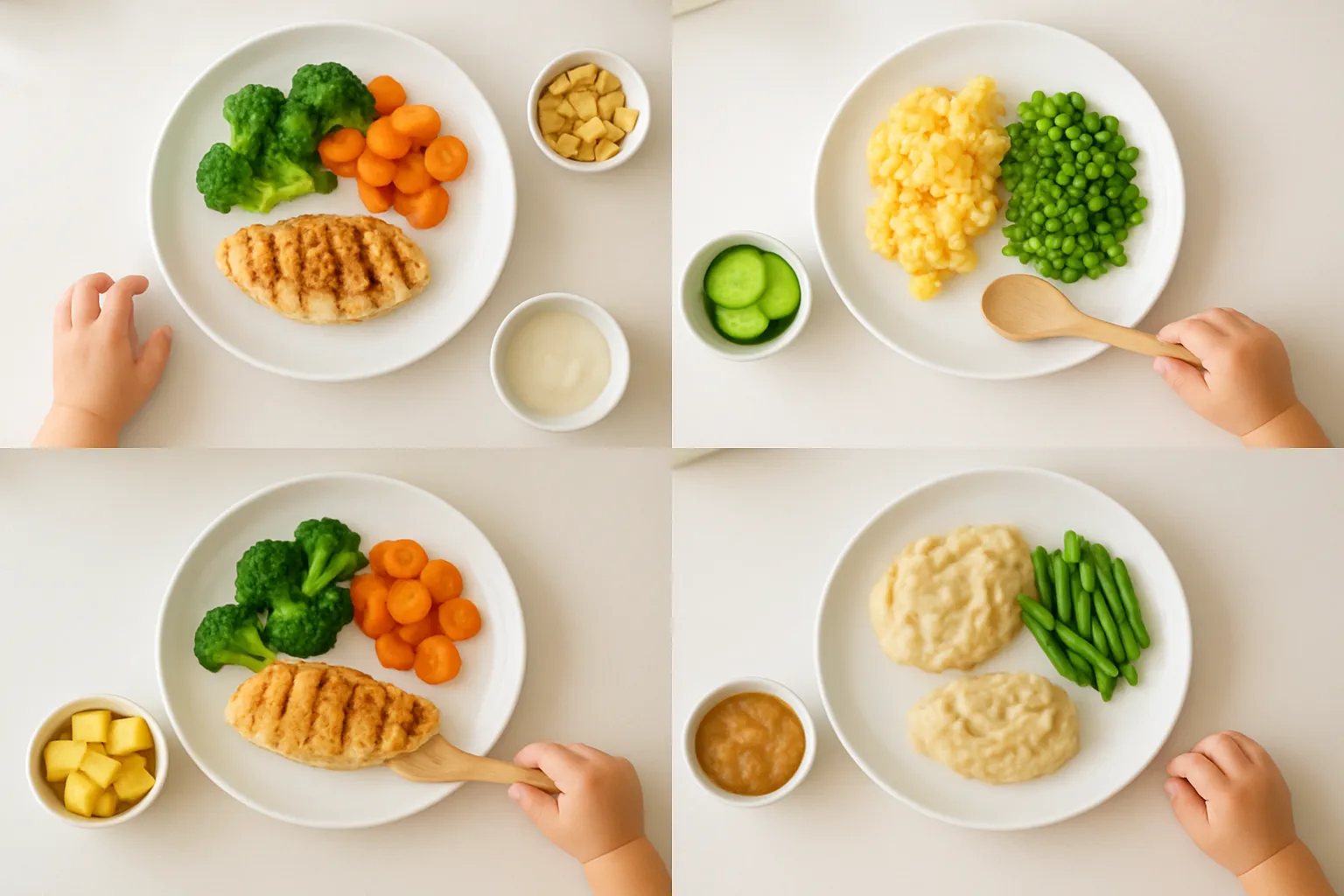
- Serve food slightly separated rather than mixed if your child prefers deconstructed meals.
- Keep textures soft and cut into small, bite-sized pieces for safety. Avoid whole grapes, large cherry tomatoes and hard nuts.
- Use dips like yoghurt, mashed avocado or mild hummus to encourage nibbling.
- Don’t change too much at once. Swap one familiar element for a new one so it feels less scary.
Batch-cook and freeze
- Double up on bolognese, meatballs, shepherd’s pie or casseroles and freeze individual portions in ice-cube trays or muffin tins. Thaw overnight for fast, toddler-sized dinners.
Try introducing one of these staples a week and offer it a few times. Often it takes several low-pressure tries for a new flavour to stick, but these easy dinners make that repeat serving less of a chore.
When you get a few minutes to yourself and want something a bit more punchy, these one-person ideas let you play with flavour without wasting food or turning dinner into a negotiation.
Quick single-serve recipes (easy to adapt for kids)
- 10-minute chilli-lime avocado on toast
-
Smash half an avocado with a squeeze of lime, pinch of salt and a drizzle of olive oil. For your plate, stir in a few chopped chillies or chilli flakes. For the kiddo, scoop a plain, mashed bit on their toast or mix into a small bowl of yoghurt as a dip. Avoid whole chilli pieces for little ones.
- Miso-sesame salmon tray bake (single fillet)
-
Whisk 1 tbsp white miso, 1 tsp sesame oil, 1 tsp honey, grated ginger. Spread over a salmon fillet and roast at 200°C for 10-12 minutes. Serve with steamed veg. Keep a small plain piece for the toddler before glazing the rest, or serve the glaze on the side and offer a milder smear to the child.
- Quick shakshuka for one
-
Sauté half an onion and a garlic clove, add canned tomatoes and a pinch of cumin, simmer, crack in an egg and cover for 6-8 minutes. For the toddler, scoop out some plain cooked tomato and a soft bit of egg without spices, mash if needed.
- Spiced chickpea salad jar
- Toss canned chickpeas with olive oil, smoked paprika, lemon, chopped herbs and a handful of salad leaves. Pack the adult portion with extra paprika and feta; set aside a small plain portion of chickpeas or mashed beans for the child, mix with a little avocado for creaminess.
Little tricks so you can be adventurous without the drama
- Keep a “spice drawer” handy: small jars of smoked paprika, za’atar, cumin and quick-pickle jars let you add big flavour to your own plate in seconds.
- Cook a neutral base everyone will eat: roast potatoes, rice or plain pasta. Add bold dressings or sauces to just your portion.
- Use condiments as flavour boosters: chopped fresh herbs, preserved lemons, chilli oil or crunchy seeds transform leftovers. Keep toddler portions plain and top your plate afterwards.
- Make small-batch pickles and fermented veg. A spoonful of kimchi or quick-pickled cucumber wakes up a meal and lasts the week.
- Swap single-serving appliances: a small frying pan or toaster oven means one-person meals don’t become a production.
- Taste-bud training in plain sight: eat your adventurous bites where your child can see you, but don’t offer pressure. Sometimes curiosity starts by watching rather than tasting.
Safety and sanity checks
- Avoid honey for under 12 months and whole nuts for young children. When adapting an adult plate, remove strong spices, nuts or seeds from the toddler’s portion first.
- If something’s new to your plate, give the child a tiny, plain sample only after you’re sure it’s safe and age-appropriate.
- Keep it low-effort: half the fun is getting to eat something you actually want. If it’s quick and tasty, you’re more likely to do it again.
These tiny solo adventures keep your palate interested and still make it easy to pull back a child-friendly spoonful when they want to try. No fuss, more flavour, and less food waste.

Browse Cuisines
From the Blog
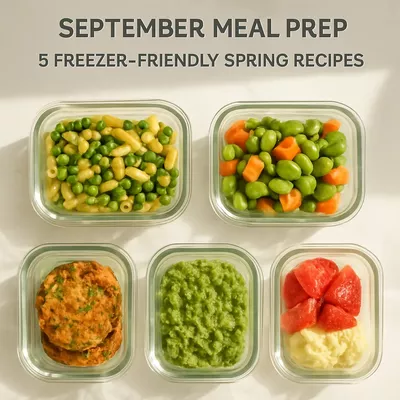
First up, a few no-fuss spring winners that keep sticky fingers and big clean-ups to a minimum. Quick to prep and easy for little hands to manage, these are the sorts of things I reach for when we want something...
Nice - here’s how Steve keeps dinner simple without sacrificing flavour or sanity. A few good habits and the right packing tricks mean you can pull a proper family meal out of the freezer in minutes.
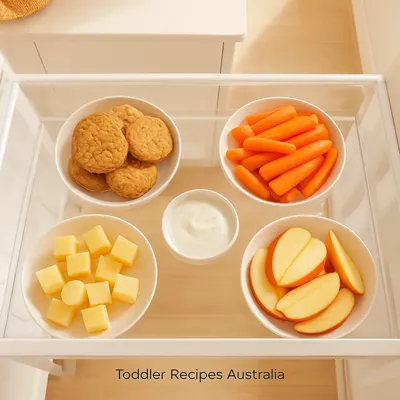
Righto, a couple of quick fridge fixes will make everything a whole lot easier. These are the simple, practical habits and setups that keep snacks safe, obvious and actually reachable for little hands.
 Never miss a recipe from us, subscribe to our newsletter