
How to encourage toddlers to try new foods
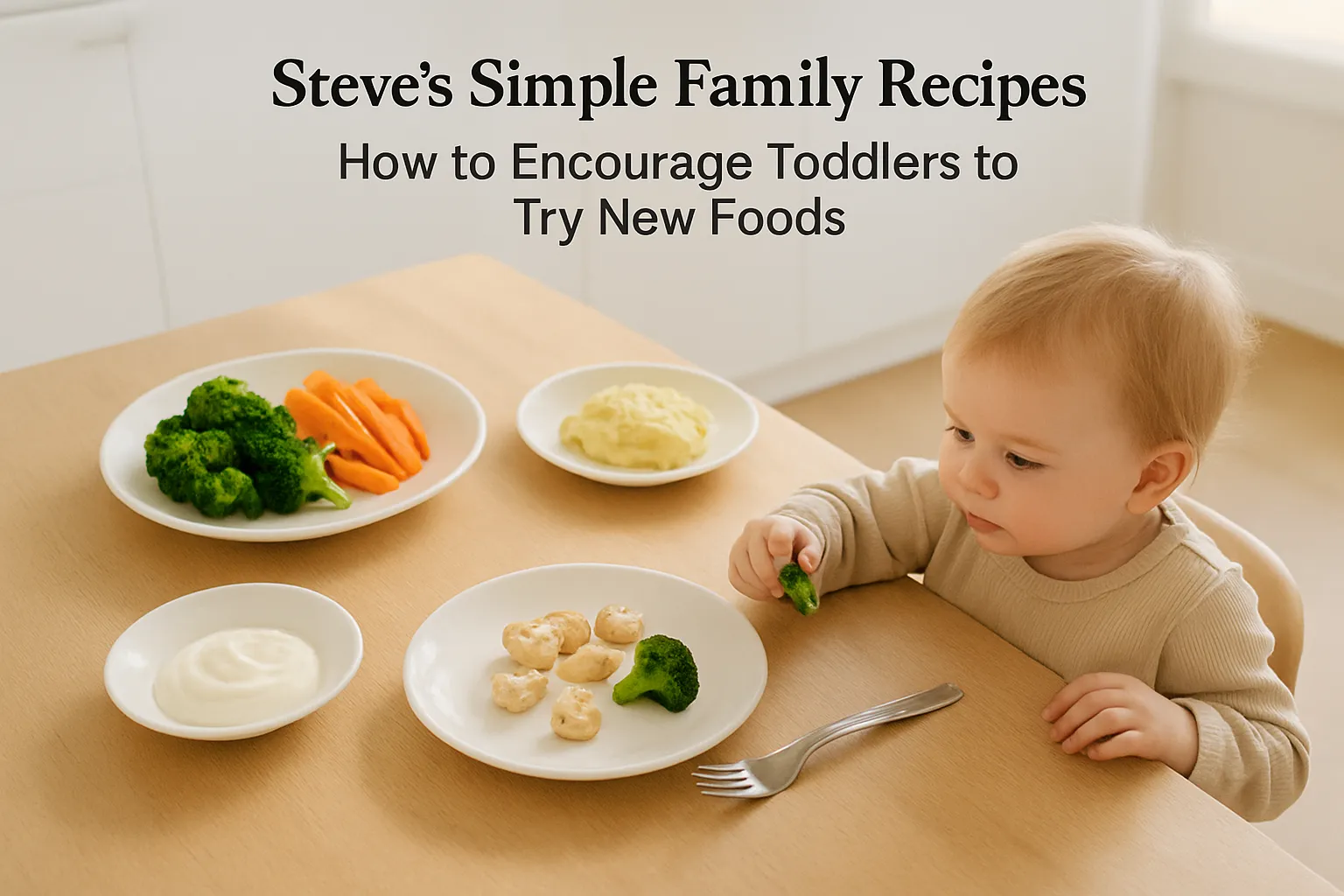
Steve’s Simple Family Recipes
Quick intro: These are the dead simple, kid-friendly meals Steve always comes back to when everyone’s tired and dinner needs to happen fast. They’re flexible, forgiving, and easy to tweak so the little ones can pick at what they like.
One-pot chicken and veg pasta Ingredients
- 300 g short pasta (mini shells, fusilli)
- 2 chicken breasts, diced
- 1 carrot, grated
- 1 zucchini, grated
- 1 small onion, finely chopped
- 1 can chopped tomatoes
- 500 ml chicken stock
- 1 tsp dried oregano
- 50 g grated cheese
Method
- Fry onion and chicken in a drizzle of oil until just coloured.
- Add carrot, zucchini and oregano, stir 1 minute.
- Pour in tomatoes, stock and pasta. Bring to a simmer, cover and cook 12 to 15 minutes until pasta is tender.
- Stir through cheese and a splash of milk if you want it creamier. Toddler tips: Serve a small pile separate from the sauce if your child prefers dry pasta. Let them sprinkle the cheese themselves.
Mini omelette muffins Ingredients
- 6 eggs
- 1/2 cup milk
- Handful of finely chopped spinach or grated carrot
- 50 g grated cheddar
- Salt and pepper to taste
Method
- Whisk eggs and milk, fold in veg and cheese.
- Pour into a greased muffin tin and bake 15 to 18 minutes at 180 C until set. Toddler tips: These are perfect for little hands and lunchboxes. Offer ketchup or avocado for dipping. Freeze extras and reheat quickly.
Banana oat pancakes (no sugar) Ingredients
- 2 ripe bananas
- 1 cup rolled oats
- 2 eggs
- 1/4 tsp cinnamon
Method
- Blitz everything in a food processor until smooth.
- Spoon small pancakes into a hot, lightly oiled pan. Cook 1 to 2 minutes each side. Toddler tips: Make mini pancakes so they can pick them up. Top with yoghurt and mashed berries so they can add their own.
Mild lentil and sweet potato mash Ingredients
- 1 cup red lentils, rinsed
- 1 medium sweet potato, peeled and diced
- 1 small onion, finely chopped
- 1 tsp mild curry powder
- 500 ml vegetable stock
Method
- Sauté onion briefly, add sweet potato, lentils, curry powder and stock.
- Simmer 15 to 20 minutes until soft, then mash slightly for a chunky texture. Toddler tips: Serve with a dollop of yoghurt and soft naan pieces for dipping. This freezes well in portions.
Quick swaps and tricks
- Swap proteins: shredded rotisserie chicken, canned tuna or beans work in all these recipes.
- Texture options: keep things chunky for finger food or puree a portion for choosy eaters.
- Let them help: stirring batter, sprinkling cheese or pressing muffin mix builds ownership and curiosity.
- Plate play: a little separation on the plate often helps. Offer a small ramekin with sauce or dip.
Make-ahead and batch tips
- Double the pasta or lentil recipe and freeze in toddler portions.
- Pancakes and omelette muffins reheat in a minute or two in a hot pan so they never feel mushy.
- Label and date everything. Pull from freezer the night before into the fridge for easy reheating.
No fuss, no drama meals that can be adjusted in seconds are the ones that survive family life. Give these a go and tweak them to what your crew likes.
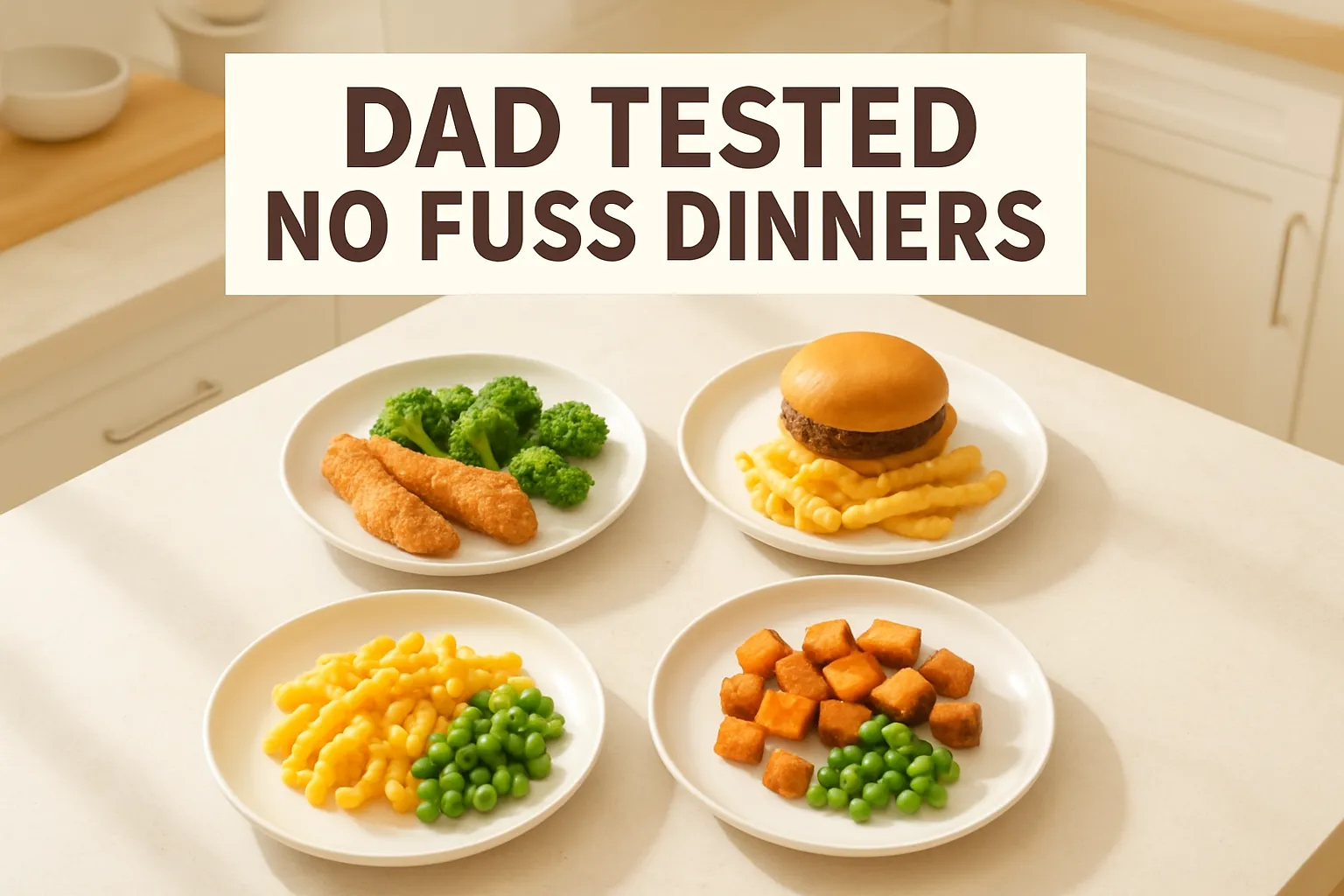
Need dinners that actually get eaten and clean up quickly? Here are tried-and-true, no-fuss dinners that roll out fast on busy nights and please little palates.
- Lazy Bolognese
-
Brown lean beef or turkey with a grated carrot and a small chopped onion, add a tin of crushed tomatoes and simmer 20 minutes. Serve with fun-shaped pasta and a sprinkle of parmesan. Freeze leftovers in meal-sized portions.
- One-pan roast: chicken thighs, potato and carrot
-
Toss thighs and chopped veg with a little olive oil and mild paprika, roast 35 to 40 minutes. Chop into toddler-sized pieces before serving and leave a small bowl of plain yoghurt or grated cheese for dipping.
- Cheesy egg muffins
-
Whisk eggs with a splash of milk, stir in grated cheese, diced ham or cooked veg, spoon into a muffin tin and bake 20 minutes. Great for tiny hands and lunchbox fillers. Make a batch on the weekend and freeze.
- Salmon or tuna fish cakes
-
Mix canned salmon or tuna with mashed potato, a couple of peas and a beaten egg, form patties and bake or shallow fry. Serve with a lemony yoghurt dip and steamed peas.
- Mini meatballs and pasta
-
Mix beef or chicken mince with breadcrumbs and a little grated veg, roll into small balls, bake and toss through simple tomato sauce. Serve with small pasta shapes and let kids fish the meatballs out themselves.
- Cheesy quesadillas
-
Wholemeal tortillas with shredded chicken or black beans and lots of cheese. Cook in a pan until melty, cut into wedges. Add some avocado or mild salsa for older toddlers who like a bit more.
- Quick honey-soy stir-fry
-
Slice chicken thin, stir-fry with carrot ribbons and broccoli florets, splash of low-salt soy and a tiny drizzle of honey. Serve over soft rice. Cook fast so veg stay bright and slightly crunchy.
- Slow-cooker shredded chicken
- Toss chicken breasts with a jar of mild salsa and a sprinkle of cumin, cook on low for 4 hours then shred. Serve with soft tortillas, grated carrot and mashed avocado for building plates.
Handy tips dads swear by
- Double up: cook once, eat twice. Extra portions freeze or become lunches.
- Small plates, small portions. Toddlers like choices and less overwhelm.
- Let them help assemble. Sprinkling cheese or filling a taco boosts interest.
- Keep flavours simple and predictable the first few tries. Add new things alongside favourites.
- One-pan, one-tray or the slow-cooker equals less mess and more time with the kids.
These dinners are about quick wins that keep everyone fed and sane. If one goes cold or untouched tonight, try it again another way tomorrow. Consistency wins.
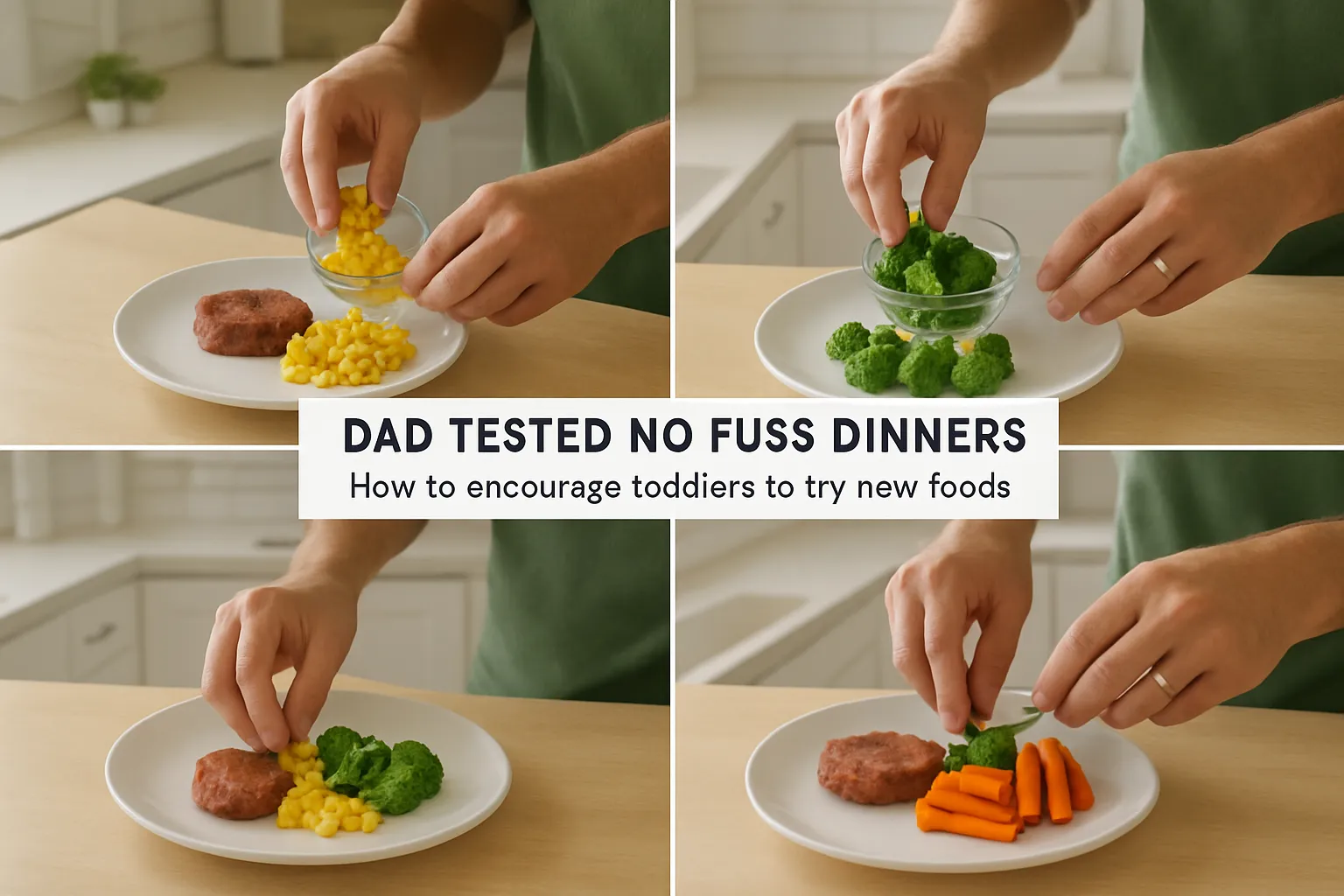
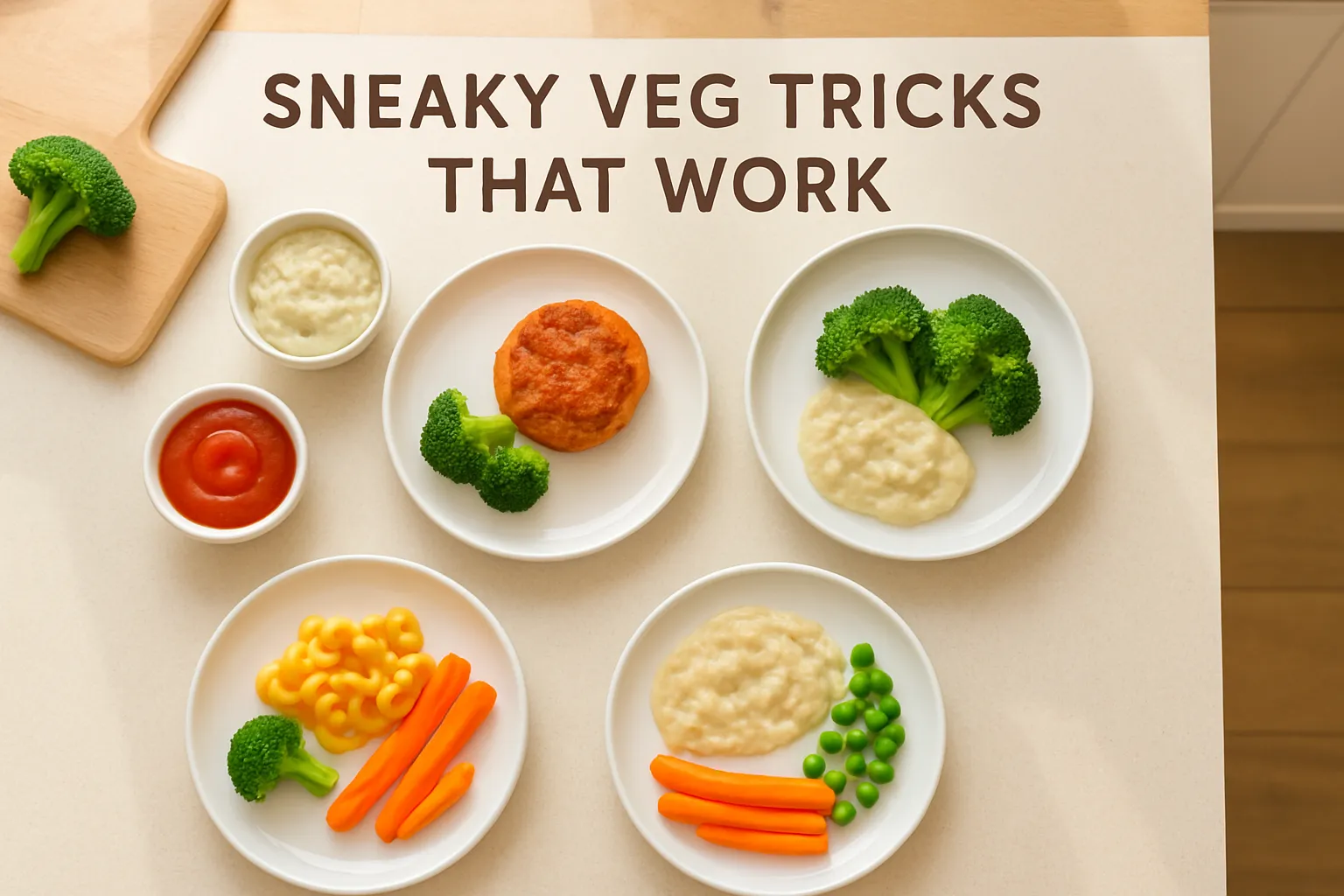
If dinner is already a hit but the veg keeps being left on the plate, these tricks actually work without a fuss.
Practical tricks that hide veg without turning meals into science experiments
- Grate and fold. Finely grate carrot, zucchini or beetroot and fold into mince, meatballs or patties. A handful per 500 g mince disappears and keeps texture familiar.
- Blitz into sauces. Cook onion and garlic, then add chopped veg like carrot, capsicum, mushrooms or sweet potato and simmer until soft. Blitz with a stick blender and stir into bolognese, curry or spaghetti sauce. Flavour stays but the veg doesn’t stick out.
- Make fritters and pancakes. Grate veg, squeeze out excess moisture, mix with an egg, a small handful of flour and some grated cheese. Fry small spoonfuls until golden. Great with yoghurt or tomato sauce for dipping.
- Sneak into baked goods. Add pureed pumpkin, carrot or zucchini to muffins, banana bread or pancake batter. Start with about 1/2 cup purée per recipe and the sweetness bleeds through.
- Swap, don’t force. Mash cauliflower with a bit of potato and butter for a creamy mash that’s lighter but familiar. Roast sweet potato as fries for dipping. Little changes, big wins.
- Use cheese, sauce and texture. Kids are comforted by cheesy, saucy or crunchy. Top veg-hidden dishes with a cheesy crumble, or serve with a favourite dip so the veg feels optional.
- Change the shape. Spiralised zucchini as “zoodles”, finely chopped veg in fried rice, or small diced veg in tacos blends in visually and texturally.
- Add to breakfasts. Stir baby spinach into scrambled egg, fold grated veg into pancakes, or mix pureed pumpkin into porridge with cinnamon.
Quick go-to mini recipes
- Veg-loaded bolognese: Sauté 1 onion and 2 garlic cloves, add 2 carrots, 1 zucchini and 1 capsicum, all roughly chopped. Cook until soft, add 500 g beef mince, brown, pour in a 400 g can of tomatoes, simmer 20 minutes, blitz if needed. Serve with pasta.
- Zucchini fritters: Grate 2 small zucchinis, squeeze out moisture, mix with 1 egg, 1/3 cup flour, 1/3 cup grated cheese and a pinch of salt. Fry tablespoons in a little oil 2 minutes each side.
- Cauliflower mash: Steam 1 small cauliflower until very soft, mash with 1 medium potato, 1 tbsp butter and a splash of milk. Season lightly.
- Hidden carrot muffins: Mix 1 cup mashed banana, 1 cup grated carrot, 1 egg, 1/4 cup oil, 1 cup flour, 1/2 cup sugar, 1 tsp baking powder. Spoon into muffin tins and bake 18-20 minutes at 180 C.
Small habits that help
- Start with one trick at a time. If something works, use it again so kids get used to the flavour.
- Keep portions small and familiar. Too many changes at once makes them suspicious.
- Offer the same food on repeat without pressure. Exposure over time wins more than a single taste test.
- Let them help with simple tasks like stirring or sprinkling cheese. Even tiny jobs increase willingness to try.
These are the little wins you can fold into weeknight cooking with minimal extra effort. Try one per meal and watch the veg habit build.
Plain rice, steamed veg and boring pasta can be rescued with tiny flavour and texture upgrades that make dinner fun again. Try these easy ideas you can do in minutes.
Small flavour swaps
- Swap water for low-salt chicken or veg stock when cooking grains or pasta. It gives gentle flavour without extra fuss.
- Add a teaspoon of butter or olive oil to warm plain foods. Fat carries flavour and makes food feel more comforting.
- Stir through a teaspoon of mild pesto, a dollop of hummus or a spoonful of natural yoghurt at the table so your child can watch and choose.
Play with texture
- Toasted breadcrumbs: fry a handful of breadcrumbs in a little olive oil until golden, then toss over pasta, veg or mashed potato for crunch.
- Crunchy cheese chips: grate cheddar, spoon little rounds on a baking sheet and bake at 180 C for 6 to 8 minutes until lacy and crisp. Cool, then offer as a dipper.
- Roasted veg instead of steamed veg gives sweet caramelised edges kids often prefer. Cut into small, bite-sized pieces.
Gentle herbs and spices
- Fresh basil, parsley or chives are great chopped very fine and sprinkled right before serving.
- Try cinnamon on sweet things like porridge or baked apple, or a pinch of smoked paprika on mash or sweet potato for a mild smoky note.
- A little lemon zest brings brightness without being sharp.
Three 5-minute tweaks you can do tonight 1) Cheesy veg mash: mash cooked potato or cauliflower with a knob of butter, 2 tablespoons milk, a tablespoon grated Parmesan and a handful of finely chopped steamed broccoli or peas. Serve warm. 2) Quick tomato dip: mix 3 tablespoons plain passata with 1 tablespoon natural yoghurt and a tiny squeeze of honey. Perfect for dipping cooked carrot sticks, pita or rice cakes. 3) Avocado yoghurt: mash half an avocado with 2 tablespoons natural yoghurt and a squeeze of lemon. Great as a spread, dip or stirred into porridge for creaminess.
Make it an activity
- Let them sprinkle toppings: seeds, cheese, or crispy breadcrumbs. Kids are more likely to try something they helped finish.
- Offer one new twist at a time on a familiar base. If they love plain pasta, put the new sauce on the side so they can choose.
Safety and flavour balance
- Keep salt very low, avoid honey for under-1s and don’t give whole nuts to kids under 3. Start with tiny amounts of new flavours and gradually increase as they accept them.
Little changes add up. By tweaking textures, adding small amounts of flavour, and letting kids be involved, bland becomes brilliant without turning mealtimes into a battle.
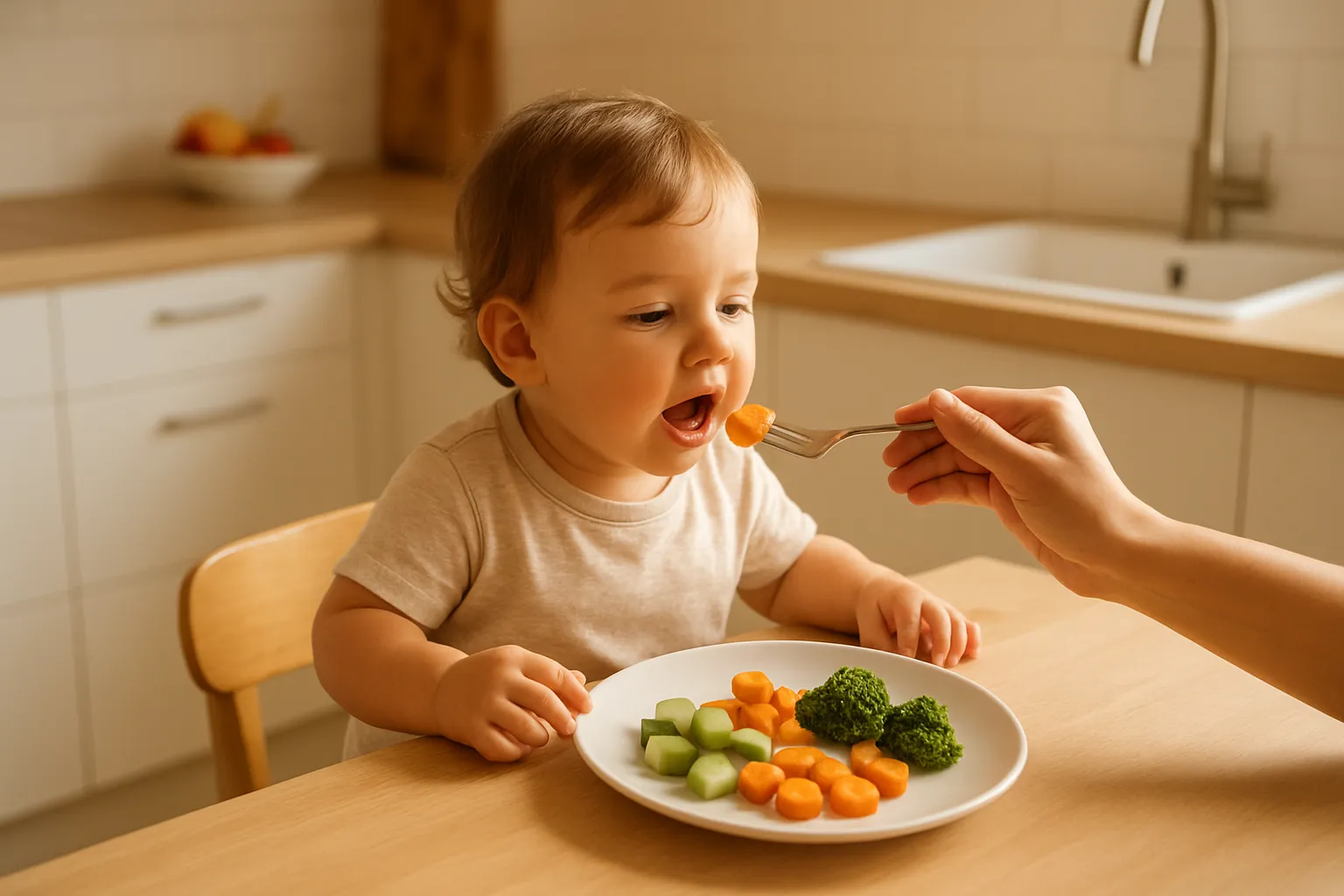
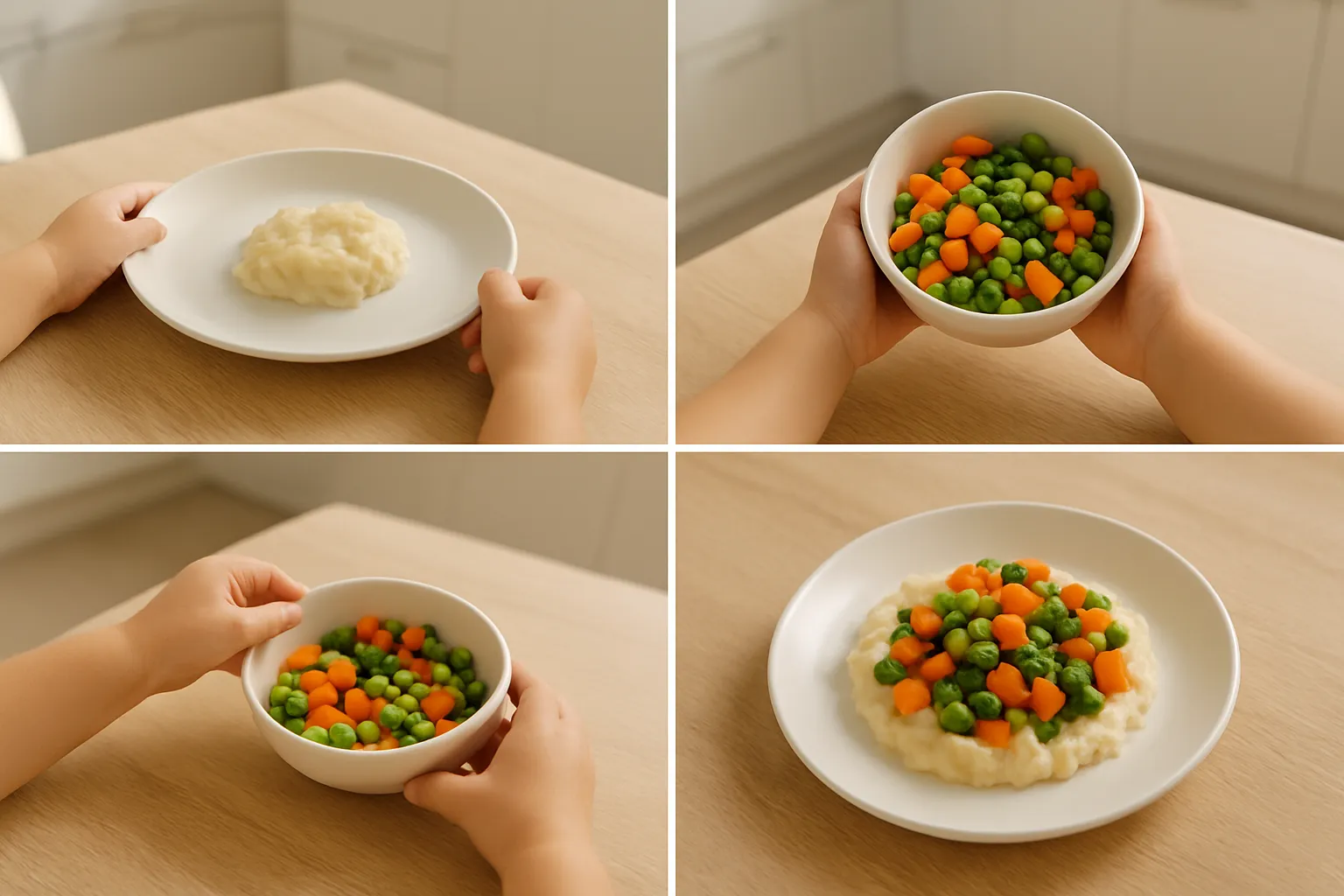
Plan short, playful tasting sessions that feel like a game, not a test. Keep them light and you’ll be surprised how often curiosity wins.
Practical ways to run a calm taste test
- Keep it tiny and quick. Offer one or two pea-sized tastes on a small spoon or a fun mini-skewer. Short sessions reduce overwhelm.
- Limit choices to three or fewer. Pair a new item with a known favourite and a neutral option so the new taste doesn’t feel lonely.
- Let them be in charge of order. Give two bowls and let them choose which to try first. Control makes kids less defensive.
- Use dips or sauces. A tiny bit of hummus, yogurt or tomato salsa can make a new veggie less scary without smothering it.
- Smell first, taste later. Get them to sniff with curiosity: “What does it smell like?” That often lowers resistance.
- Make it sensory, not just flavour. Offer hot vs cool, crunchy vs soft versions so they can name what they like instead of judging taste alone.
- No pressure, one small bite is fine. Say something like “Want a tiny try?” rather than “You must try this.” If they refuse, simply try again another time.
- Model without drama. Eat it yourself with interest, then shrug naturally if you don’t love it. Kids copy that calm curiosity.
- Use neutral language. Avoid “Yum!” or “Gross!” as judgement. Instead ask “What do you think?” or “How does it feel in your mouth?”
- Reward tries with non-food praise. Stickers, a thumbs up, or a quick cuddle for trying something new beats offering dessert as a bribe.
- Make it a tiny experiment. Try blindfold taste tests with a couple of safe options or have a 5-second “count in” before they taste - it turns it into a quick game.
- Time it right. Do tests when they’re rested and a little hungry, not straight after a nap or when cranky.
- Keep safety front and centre. Cut things up for little mouths, avoid choking hazards, and check for allergens before presenting anything new.
- Repeat exposures. It often takes multiple calm tries for a kid to accept something. Log it if it helps: label attempts and come back in a few days.
Suggested lines to try
- “Want a tiny try? I’ll put it on this spoon.”
- “Have a sniff first - what does it remind you of?”
- “Only a little taste. If you don’t like it, that’s okay.”
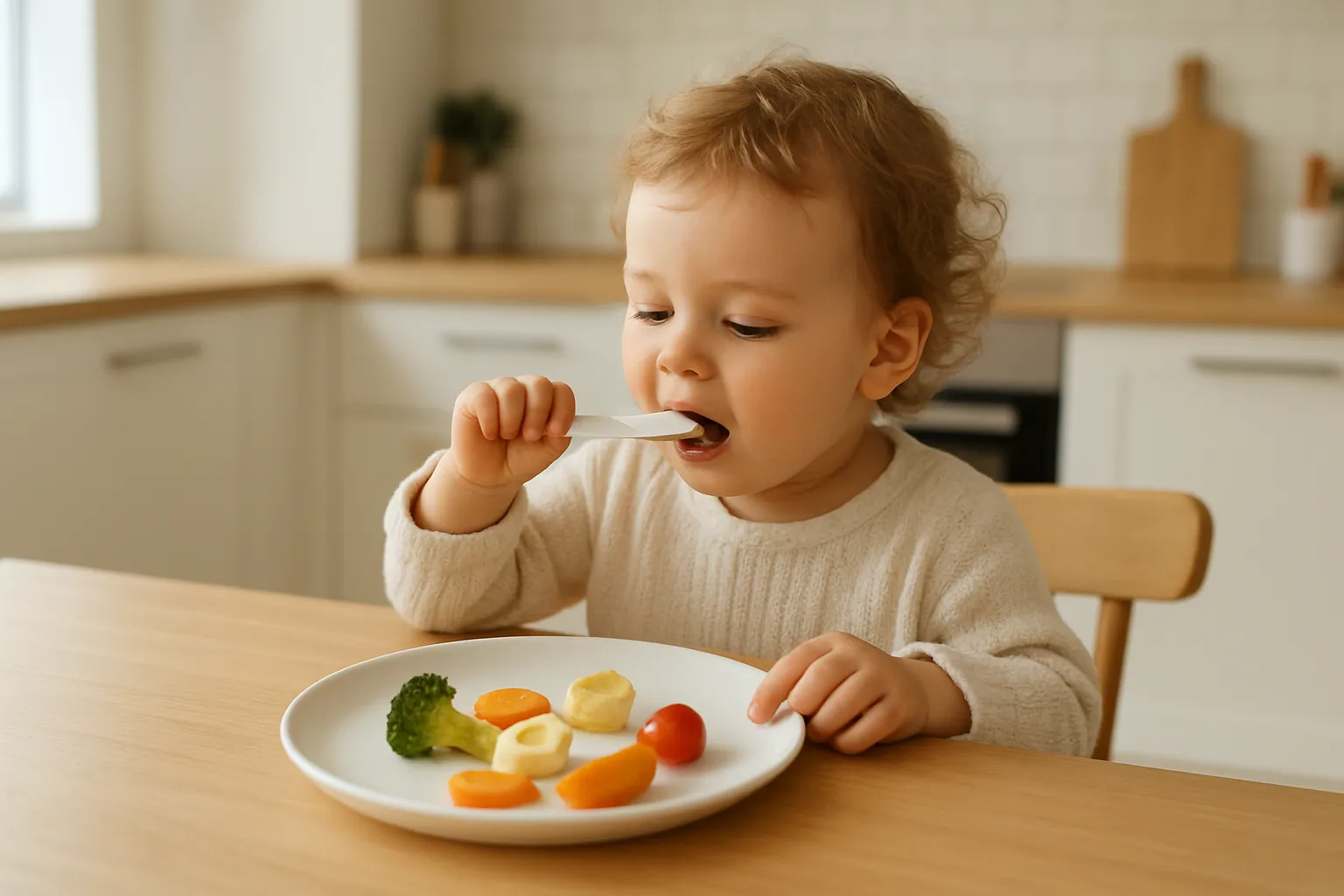
Make taste tests regular and tiny, not grand events. A bit of play, choice and patience turns trying new food from a drama into a little adventure.
Browse Cuisines
From the Blog
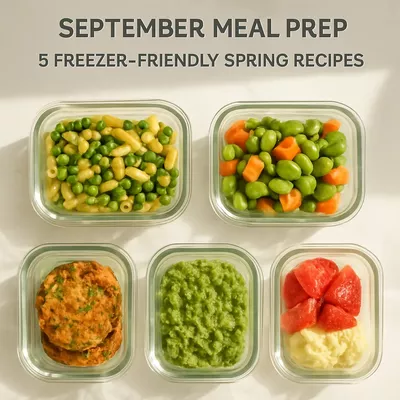
First up, a few no-fuss spring winners that keep sticky fingers and big clean-ups to a minimum. Quick to prep and easy for little hands to manage, these are the sorts of things I reach for when we want something...
Nice - here’s how Steve keeps dinner simple without sacrificing flavour or sanity. A few good habits and the right packing tricks mean you can pull a proper family meal out of the freezer in minutes.
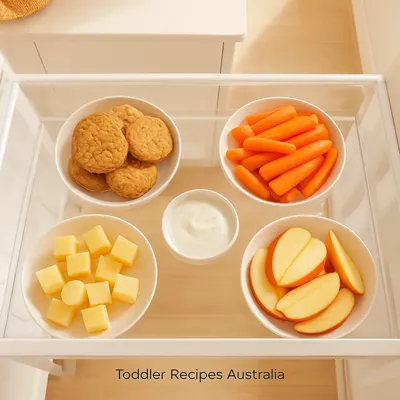
Righto, a couple of quick fridge fixes will make everything a whole lot easier. These are the simple, practical habits and setups that keep snacks safe, obvious and actually reachable for little hands.


 Never miss a recipe from us, subscribe to our newsletter