
Helpful portion sizes for toddlers
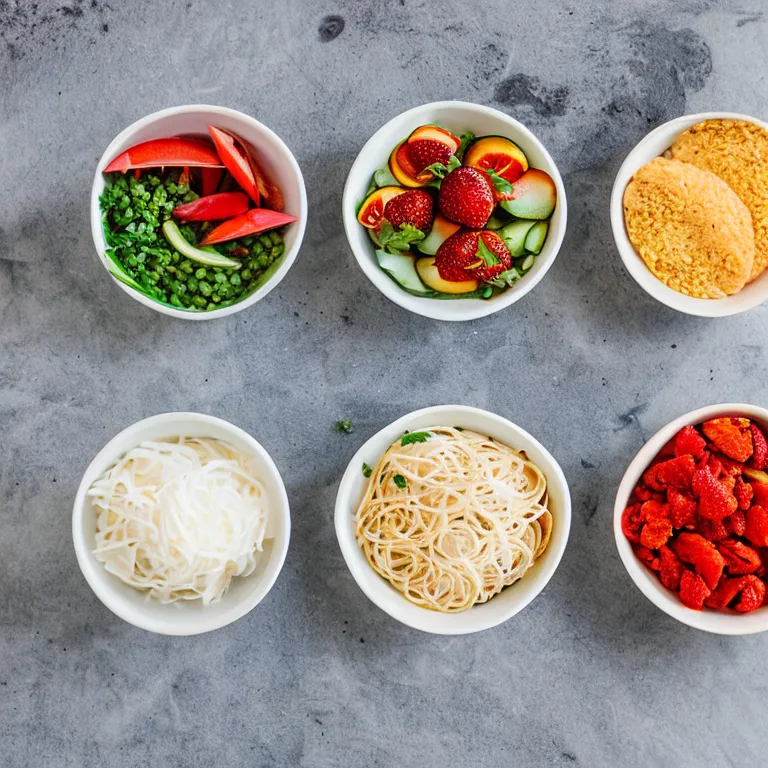
Quick intro: Let’s keep portions simple so mealtimes feel doable, not like a maths test. A few handy rules and examples will get you through breakfast, lunch and snacks without overthinking.
Quick rules to remember
- Think small and offer seconds. Start with modest portions - toddlers usually eat a little, often. If they’re still hungry they’ll ask for more.
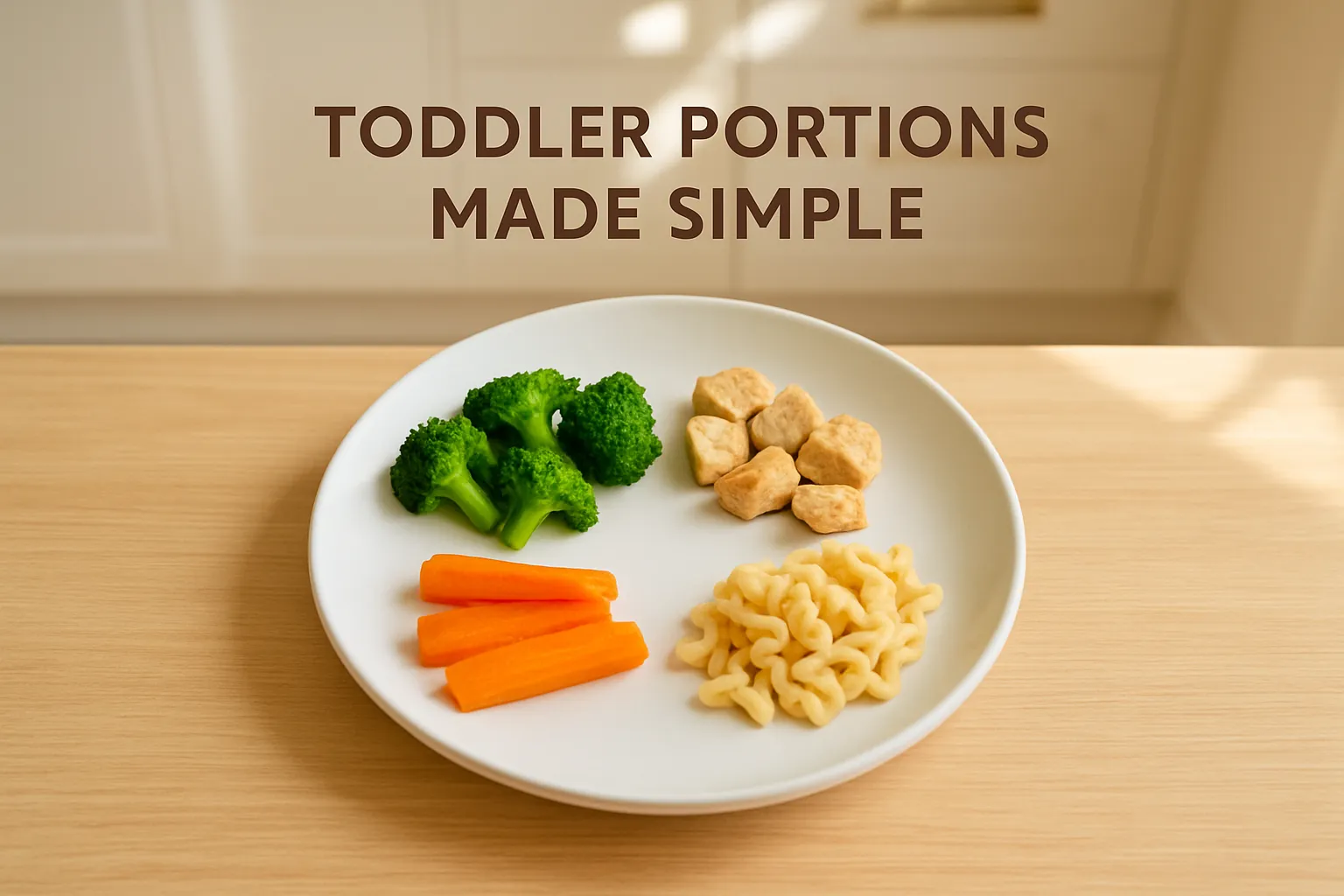
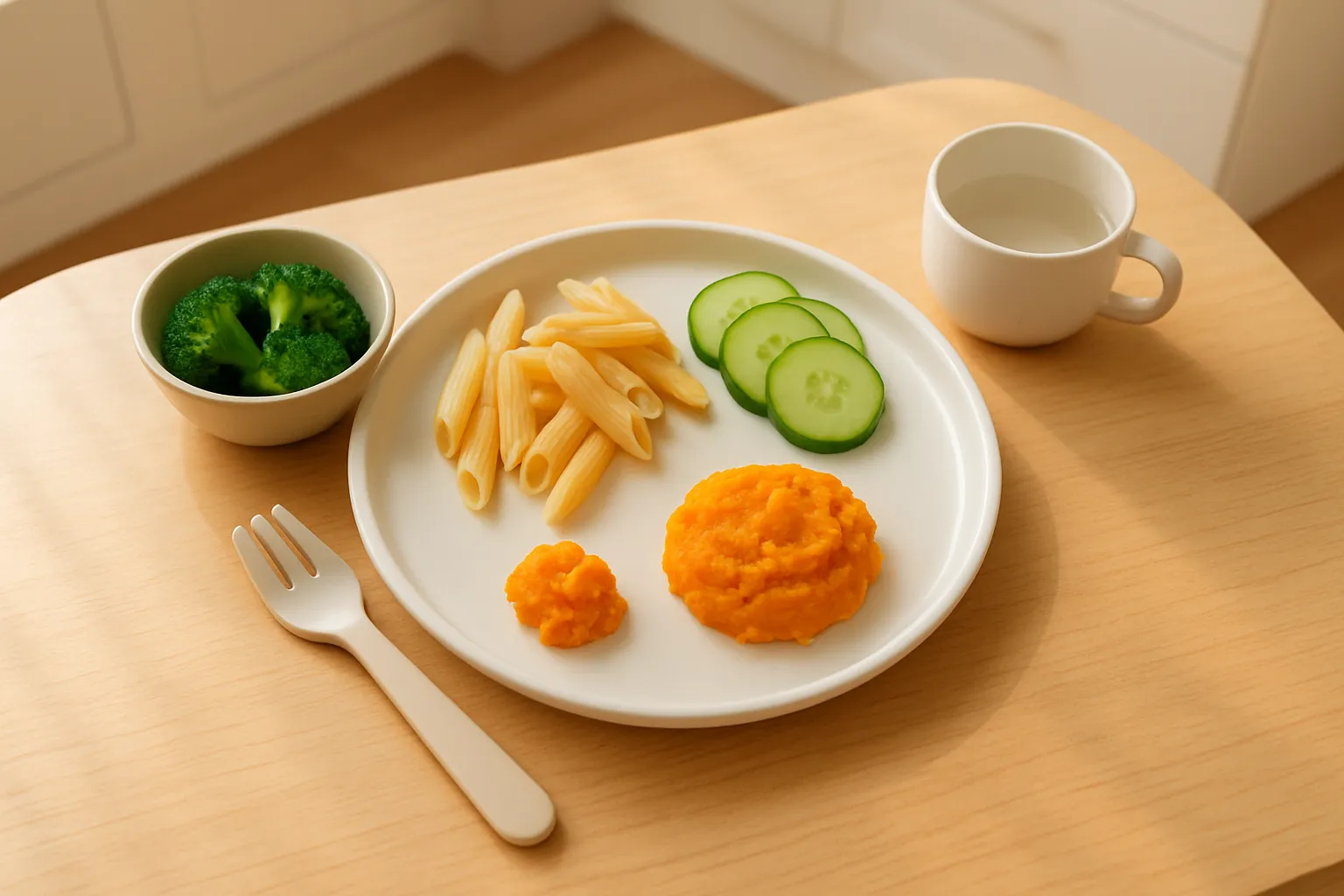
- Plate guide: half the plate fruit and veg, one quarter protein, one quarter grain or starchy veg. Easy to eyeball and keeps meals balanced.
- Use the one-tablespoon-per-year trick for veggies and proteins. It’s an easy rule to remember: 1 tbsp at 1 year, 2 tbsp at 2 years, 3 tbsp at 3 years.
- Visual measures: their fist = a serving of fruit or veg, a cupped hand = grains, thumb = a smear of spread, matchbox-sized = cheese.
Practical portion examples (for roughly 1-3 year olds)
- Veggies: 1 tbsp per year of age, or a small handful of cooked pieces. Soft cooked carrot coins, peas, or steamed broccoli florets cut small.
- Fruit: 1/4 to 1/2 cup diced, or a small banana, or a few berries. Cut grapes and cherries into quarters.
- Protein: 1 tbsp per year for minced/cooked meat, fish flakes or cooked beans; 1 whole egg is fine; 2-3 tbsp of mashed legumes.
- Grains and starchy veg: 1/4 to 1/3 cup cooked rice or pasta, one small slice of toast (cut into fingers), or 1/4 cup mashed potato.
- Dairy: about 100-150 g of yoghurt (a little pot is handy), or a small matchbox-sized piece of cheese. A small cup of milk with a meal or snack works well.
- Healthy fats: a small smear of avocado or nut butter (thinly spread), or a teaspoon of olive oil mixed through veg.
Snack-sized ideas for little hands
- Toast soldiers or pita triangles with avocado or hummus, cut into small fingers.
- A few rice crackers or oat biscuits with cheese.
- Small tub of yoghurt with a sprinkle of milled seeds.
- Mini fruit salad in a small bowl; easy to nibble and colourful.
Safety and texture tips
- Cut round fruits and veggies small and lengthwise to reduce choking risk. Quarter grapes, slice cherry tomatoes, grate raw carrot or steam until soft.
- Avoid whole nuts and big chunks for young toddlers. Supervise all eating.
- Offer soft, mashable options for younger toddlers and introduce lumpier textures as they get used to chewing.
Practical meal setup
- Serve smaller amounts on the plate and keep extras handy for seconds. It’s less waste and less pressure.
- Use a divided plate to help you stick to the half-veggie rule without measuring.
- Rotate one new thing with two familiar items so tasting feels low-stress.
Simple, repeatable rules like plate halves, the tablespoon rule and using little hands as a measuring tool make portions much less fiddly. Start small, offer choice, and remember that little appetites change day to day.
Let the fridge and freezer do the thinking for you. FIFO nights are all about using up what’s already there, stretching a meal across a couple of nights and keeping portions toddler-sized so nothing gets wasted.
Quick FIFO rules that actually work
- Move older items to the front as soon as you unpack groceries. Make a habit of checking the front shelf before you shop.
- Label with date and a simple portion note, e.g., “2 toddler serves” or “1 serve”. A permanent marker on freezer bags does the trick.
- Freeze in toddler portions straight away. Silicone muffin trays, ice cube trays and small snap-lock containers are perfect for single meals or snacks.
- Keep a running list on the fridge of what’s in the freezer. Cross it off as you pull things out. It sounds extra but it saves evening panics.
Easy portion ideas from leftovers
- Spaghetti bolognese: spoon into small freezer tubs in single portions. Defrost overnight and reheat gently, then add a sprinkle of grated cheese and a few steamed peas.
- Roast veg and chicken: chop, portion and freeze together in muffin tins. Reheat, mash a little for younger toddlers, or serve as finger food for older ones.
- Pancakes or pikelets: stack with baking paper, freeze in a bag. Toast or microwave one or two for a quick plate with fruit.
- Rice and beans or fried rice: cool quickly, portion into bags, freeze flat. Reheat and mix through a little butter or olive oil to restore texture.
- Mini frittatas and meatballs: cook in batches and freeze. They reheat well and are an easy size for small hands.
Practical reheating and safety tips
- Thaw in the fridge overnight where possible, or use a quick microwave defrost and then reheat until steaming. Always stir and test temperature before handing to a toddler.
- Never refreeze food that’s been fully defrosted.
- If something looks dry after freezing, add a splash of stock, milk or tomato sauce when reheating to keep it moist and palatable.
Portioning tricks so you don’t over-serve
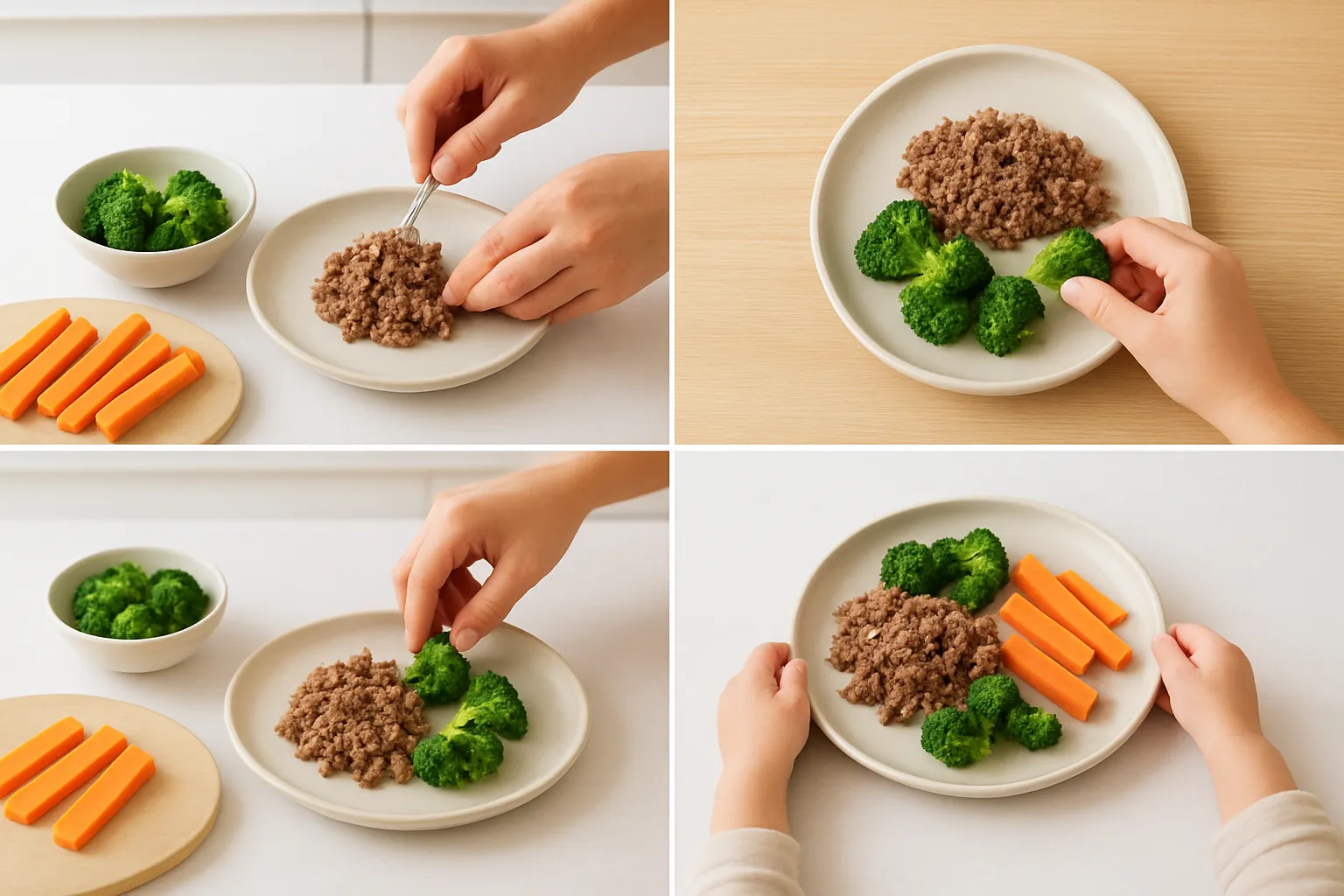
- Aim to fill a toddler’s plate with mostly veg or veg-heavy combos, then add a small palm-sized portion of protein and a couple of spoonfuls of carbs.
- Use smaller plates or bowls so portions look satisfying. Little silicone muffin trays double as perfect portion plates.
- If you’re unsure, start with less. You can always offer more without the pressure of a big portion staring them down.
Make FIFO night feel routine, not rescue mission. A little planning at the unpacking or batch-cooking stage turns leftovers into quick, toddler-sized wins on nights when time and patience are low.
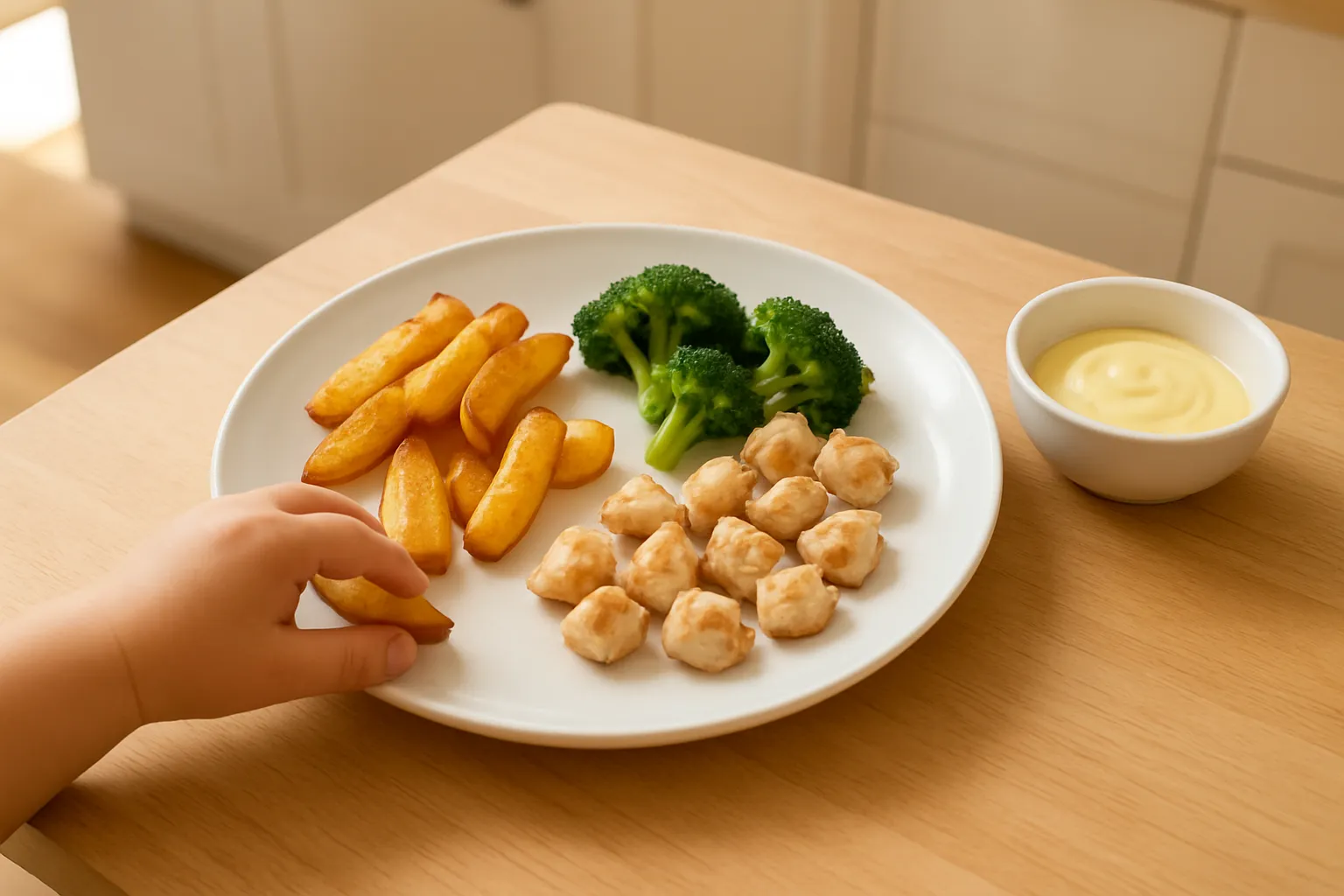
Aim for two small snacks between meals, about two to three hours after eating. Keep each snack to a mix of carbohydrate and protein or fat so it actually fills them up instead of ruining the next meal.
Quick portion guides (easy to eyeball)
- Fruit: 1/4 to 1/2 a medium banana, 3 to 6 berry-sized pieces, or 3 to 4 grape halves. Slice grapes and cherry tomatoes lengthwise.
- Veg: 1/4 cup steamed veg pieces or 2 to 3 soft-cooked carrot sticks cut into matchsticks.
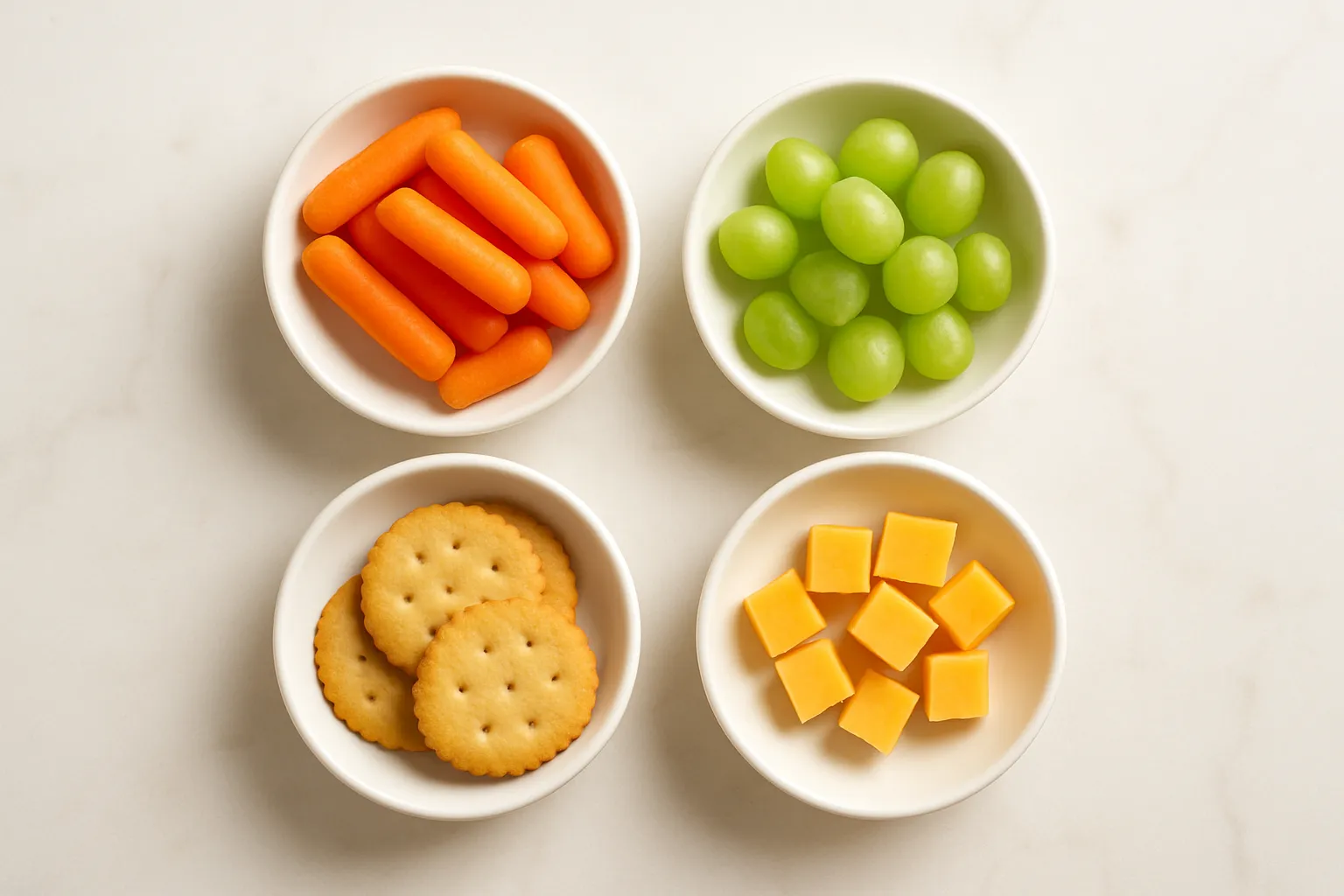
- Dairy: 2 tablespoons natural yoghurt or cottage cheese, or 1 to 2 small cheese cubes about thumb-nail sized.
- Wholegrains: 2 to 3 small wholegrain crackers, half a rice cake broken up, or one small toast triangle.
- Protein: 1 boiled egg half, 1 to 2 small pieces of shredded chicken, 1 to 2 meatball halves, or 1 to 2 tablespoons hummus.
- Treats: half a mini muffin or one small pancake piece as an occasional snack.
Simple snack combos that work
- Yoghurt (2 Tbsp) with a few mashed berries.
- Hummus (1-2 Tbsp) and soft steamed carrot sticks or cucumber ribbons.
- Cheese cubes (2 little ones) with wholegrain crackers.
- Banana slices and a smear of peanut butter on toast triangles. Use thin spread and watch for allergies.
- Cottage cheese (2 Tbsp) with soft peach or pear pieces.
- Mini chicken pieces with steamed sweet potato chunks.
Little-hands tips
- Use a muffin tin, bento box, or small silicone cups to separate items. Tiny compartments make variety feel exciting and keep portions in check.
- Cut foods into consistent, easy-to-grasp shapes: thin sticks, small cubes or flat slices. Soft foods are easier to hold.
- Keep colours and textures varied but only two or three items per snack. Too many choices can overwhelm.
- Small kid-sized spoons and forks boost independence. A lightweight plate or tray with a suction base helps reduce spills.
Safety and prep notes
- Cut round foods like grapes and cherry tomatoes lengthwise to reduce choking risk. Avoid whole nuts and popcorn for under-fives.
- Cook hard veggies until soft or grate them raw. Hot dogs should be cut lengthwise then chopped into small pieces.
- Always sit down together for snacks and supervise eating. If you’re unsure about choking first aid, a short refresher course at the local community centre is worth it.
Keep a few pre-portioned snack packs in the fridge or freezer for busy days: yoghurt frozen in silicone moulds, mini muffins wrapped individually, or small tubs of hummus with sliced veg. Small, predictable snacks make mornings and outings a lot easier and keep those little tummies happy until the next meal.
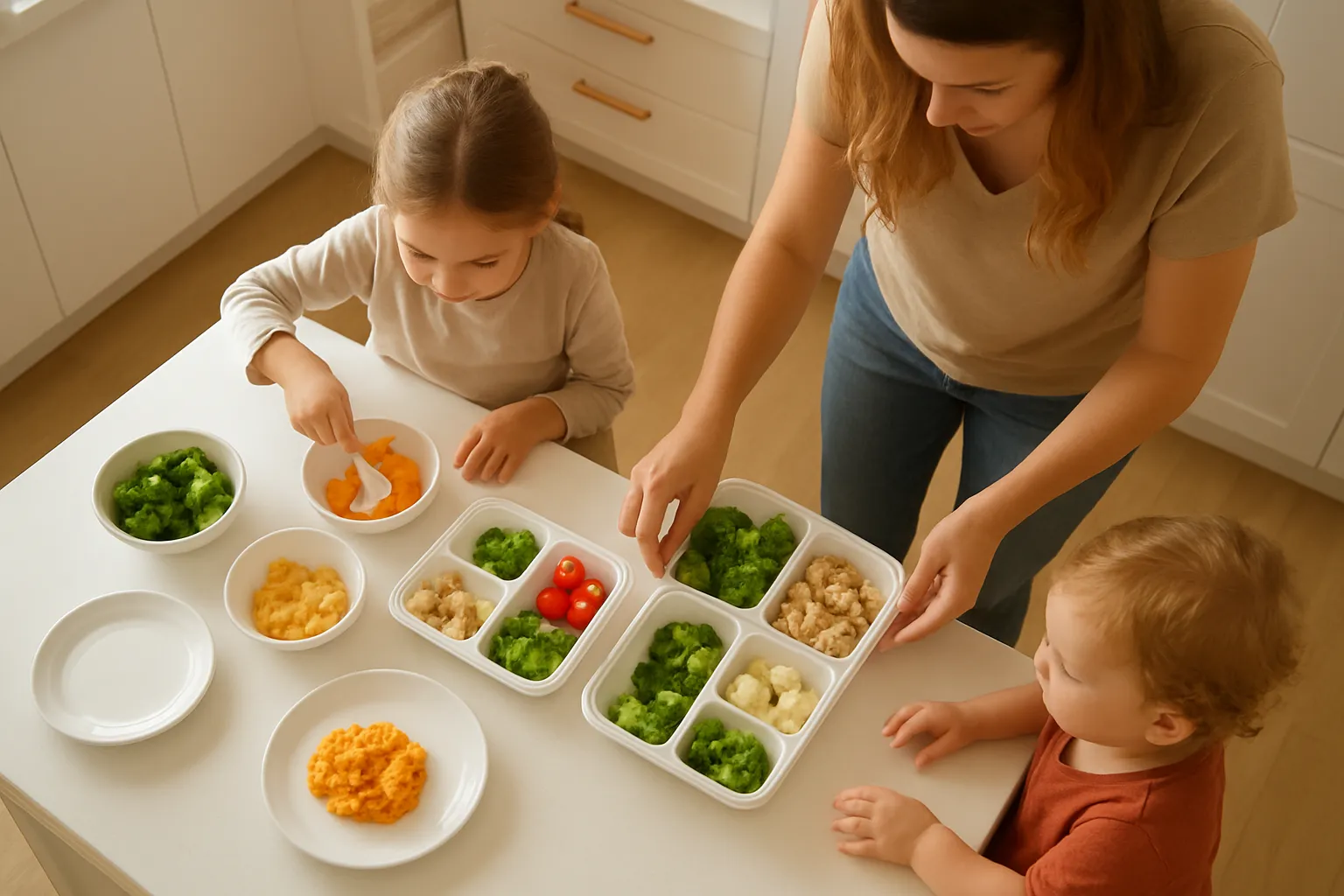
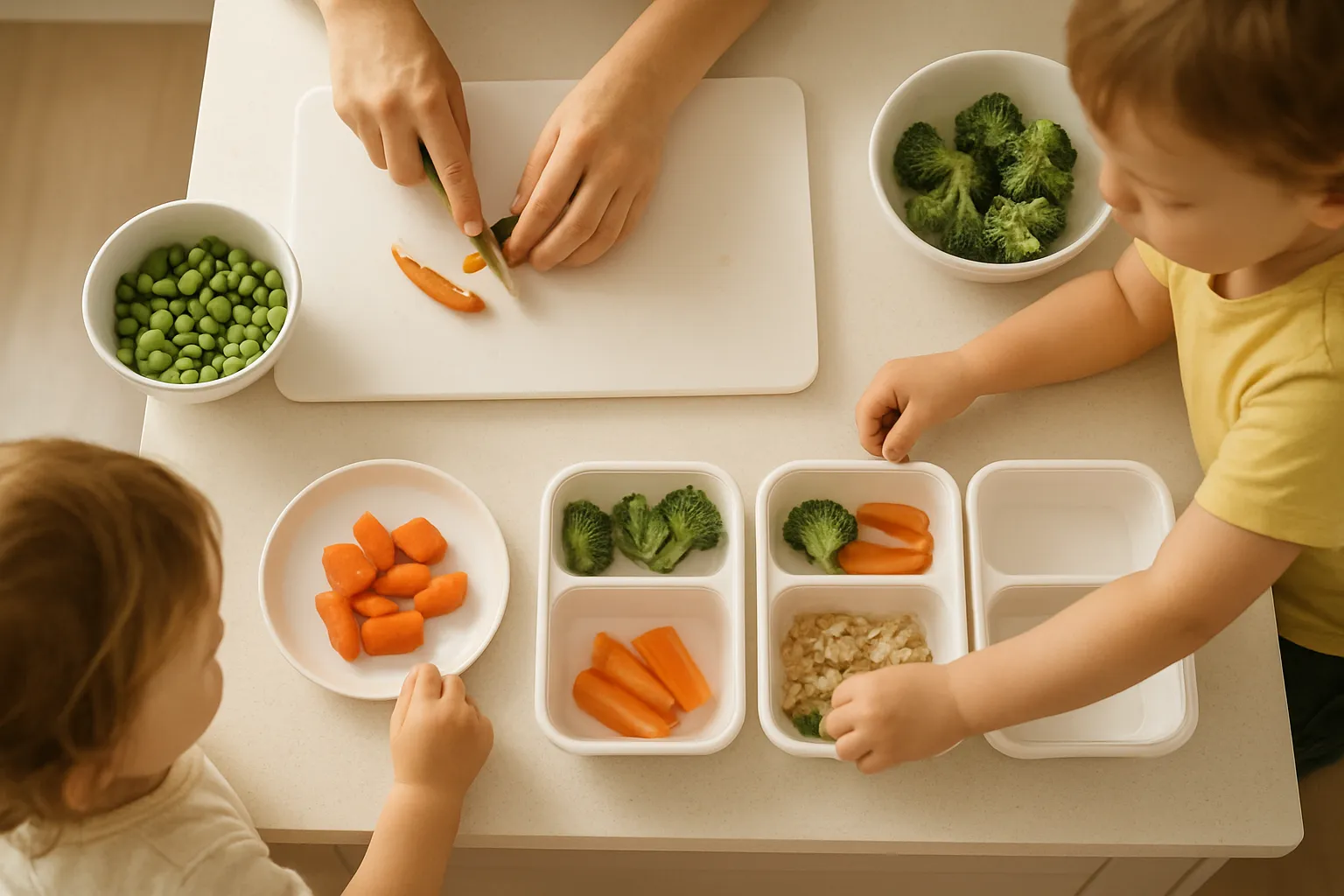
Turn meal prep into a team job and it stops feeling like a chore. Quick ways to get kids involved, safely and happily:
-
Set up stations. One area for washing, one for stirring and one for packing. Everything within reach makes little helpers feel capable and keeps things tidy.
- Age-friendly tasks
- 1-2 years: wash berries, tear lettuce, sprinkle cheese, push buttons on the food processor while you supervise. Seat them on a stool so they can join.
- 3-5 years: mash bananas, peel soft fruit, use a child-safe knife for slicing banana or cooked veg, stir batter, place pre-measured scoops into muffin tins.
-
6+ years: measure ingredients, crack eggs, use a veg peeler, portion into containers and label. They can help plan meals and choose which portions to freeze.
- Tools that make life easier
- Silicone muffin tins and ice cube trays are brilliant for single-serve freezing. Think mini frittatas, meatballs, purees, broths or mashed veggies.
- A cookie scoop gives perfectly even meatball or pancake portions every time. No squinting at teaspoons.
- Small airtight containers (125-250 mL) and bento boxes are your friends for lunches and snacks.
-
Sharp, age-appropriate knives and stable, non-slip chopping boards for older kids.
- Simple batch-cook ideas to do together
- Mini frittatas in muffin tins, baked and frozen, then warmed for breakfast or lunch.
- One-tray roasted veg and a big pan of pasta, portioned into small containers for easy reheats.
- Oaty bliss balls rolled by little hands, boxed in snack-sized portions.
-
Tomato sauce or ragu frozen in ice cube trays, then popped into simmering pasta for a quick dinner.
- Portion and store like a pro
- Fill small containers so each is a child-sized serve. Label with date and name of meal. Let kids stick the sticker on the lid, they love that bit.
- Cool cooked food before freezing, then use within 2-3 months for best flavour. Defrost overnight in the fridge or warm gently.
-
Pre-pack snack boxes the night before for grab-and-go mornings.
- Make it fun and keep the peace
- Turn it into a mini-lesson: count scoops, name colours of veggies, or time a stirring song for two minutes.
- Offer choices. “Do you want carrot sticks or cucumber today?” gives a bit of control and reduces fussing at mealtime.
-
Praise effort, not perfection. A lopsided muffin still becomes a lunch a child helped make.
- Safety rules to run through each time
- Wash hands before handling food.
- Hot oven and stove are adult-only zones.
- Knives are for practising with supervision and the right tools only.
A short, regular routine makes meal prep easier and gives kids confidence around food. Keep tasks small, choices simple, and celebrate the tiny wins.
Try these simple crafty tricks that turn portioning into playtime and take the guessing out of mealtimes.
Portion placemats
- Draw or print a plate divided into sections: half for veg, one quarter for carbs, one quarter for protein. Laminate or slip into a clear page protector so you can wipe it and reuse.
- Let little hands stick pictures or stickers of the food that will go in each zone. It helps them see what a serving looks like without numbers.
- Quick guide: aim for roughly half the plate veg, a small fist-sized carb portion, and a thumb-sized protein portion for most toddlers.
Mini muffin tin meals
- Pop different foods into the cups: small cheese cubes, peas, roasted sweet potato, diced chicken, fruit pieces.
- Use one or two cups per food type. A muffin tin naturally gives you toddler-sized portions and keeps flavours separate.
- Tip: try one cup of protein, two cups veg, one cup fruit - you can scale up or down depending on appetite.
Cookie cutters and bite-sized fun
- Use cookie cutters on sandwiches, pancakes and melons to make single-bite shapes. Toddlers love picking up shapes and you get portion control without counting.
- Serve 2 to 4 little shapes of something (like cheese or cooked veg) alongside a small carb and some fruit.
Skewer and straw kebabs
- For older toddlers, thread soft fruit and cooked veg onto blunt-ended skewers or reusable straws. Alternate colours for visual appeal.
- Make each kebab small: 3 to 4 pieces of fruit or veg plus one cheese cube is a nice toddler portion. Always supervise.
DIY portion plates and stickers
- Give your child a divided plate and a sheet of stickers. They can add a sticker when they try something new or when their plate has the right mix of foods.
- Use this to teach balance without turning meals into a test.
Muffin liner “paint palette”
- Use paper muffin liners as little portion pots for dips, sauces, yoghurt or small bits. Kids enjoy dipping and you control portions easily.
- Great for tasting sessions: put one spoonful of each new food in separate liners.
Edible play for learning
- Make a quick edible playdough from mashed banana plus oat flour and a splash of yoghurt. Let kids roll little balls and count them into bowls to practise portioning.
- Keep these sessions short and supervised, and save them for after messy play not right before a meal.
Tools that teach
- Use child-sized measuring spoons or small cups as serving tools. Ask them to scoop “one spoon of peas” and “two spoons of rice.” It gives a consistent visual cue for portions.
- A tiny tongs set can be great for transferring items from a big bowl into their own plate.
Safety and common-sense rules
- Cut food into safe sizes, avoid whole grapes, nuts, hard raw carrots and any choking hazards. Supervise crafts that involve food and small parts.
- Keep salt and sugar minimal when making things look tempting.
Make it part of the routine
- Let them help prep simple bits: pressing cookie cutters, dropping things into muffin tins, or sticking stickers on the placemat. Kids eat more when they feel involved.
- Don’t worry about perfect portions every meal. These crafty tricks give the visual cues kids need while keeping mealtimes playful. Give a couple of ideas a try and see which ones stick.
Browse Cuisines
From the Blog
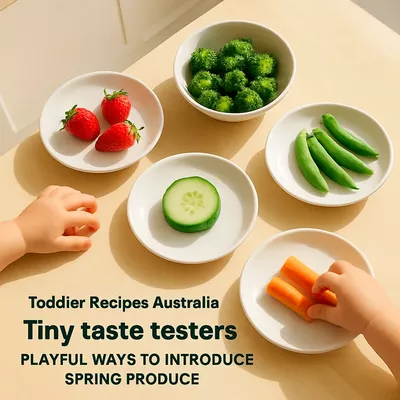
First up, a few no-fuss spring winners that keep sticky fingers and big clean-ups to a minimum. Quick to prep and easy for little hands to manage, these are the sorts of things I reach for when we want something...
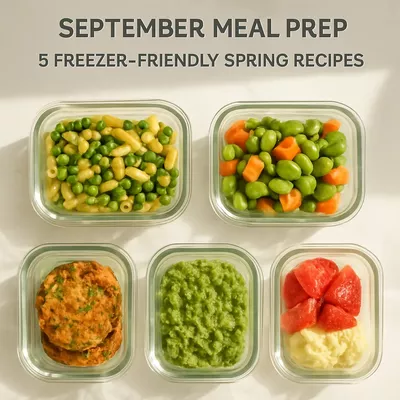
Nice - here’s how Steve keeps dinner simple without sacrificing flavour or sanity. A few good habits and the right packing tricks mean you can pull a proper family meal out of the freezer in minutes.
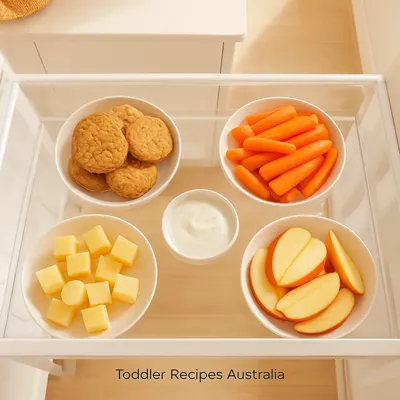
Righto, a couple of quick fridge fixes will make everything a whole lot easier. These are the simple, practical habits and setups that keep snacks safe, obvious and actually reachable for little hands.
 Never miss a recipe from us, subscribe to our newsletter