
Healthy vegan alternatives for toddler meals
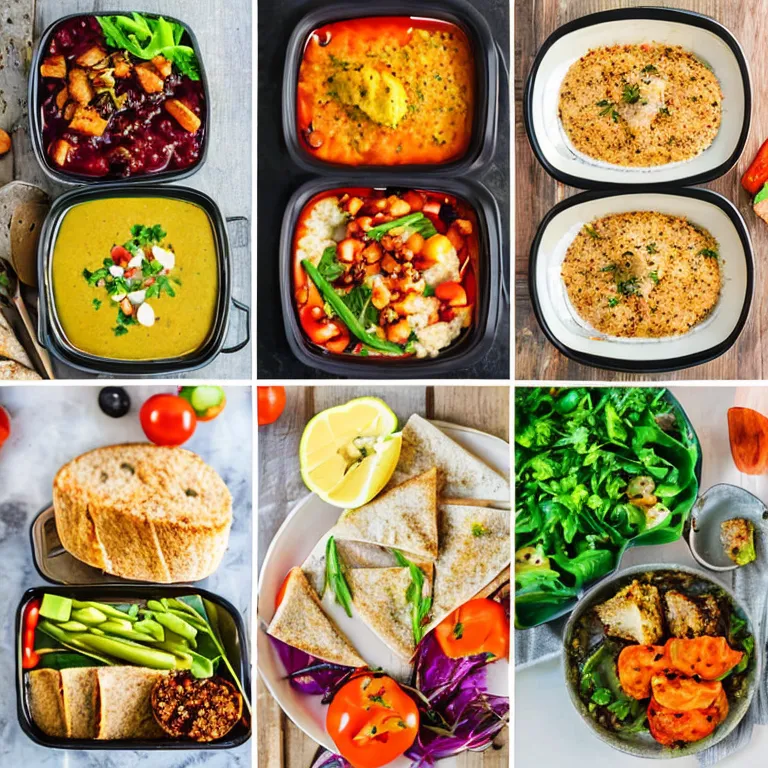
A little plating and a bit of colour go a long way with tiny eaters. Below are easy, practical ideas to turn everyday pantry staples into playful, nutritious plates that actually get eaten.
Quick design tricks
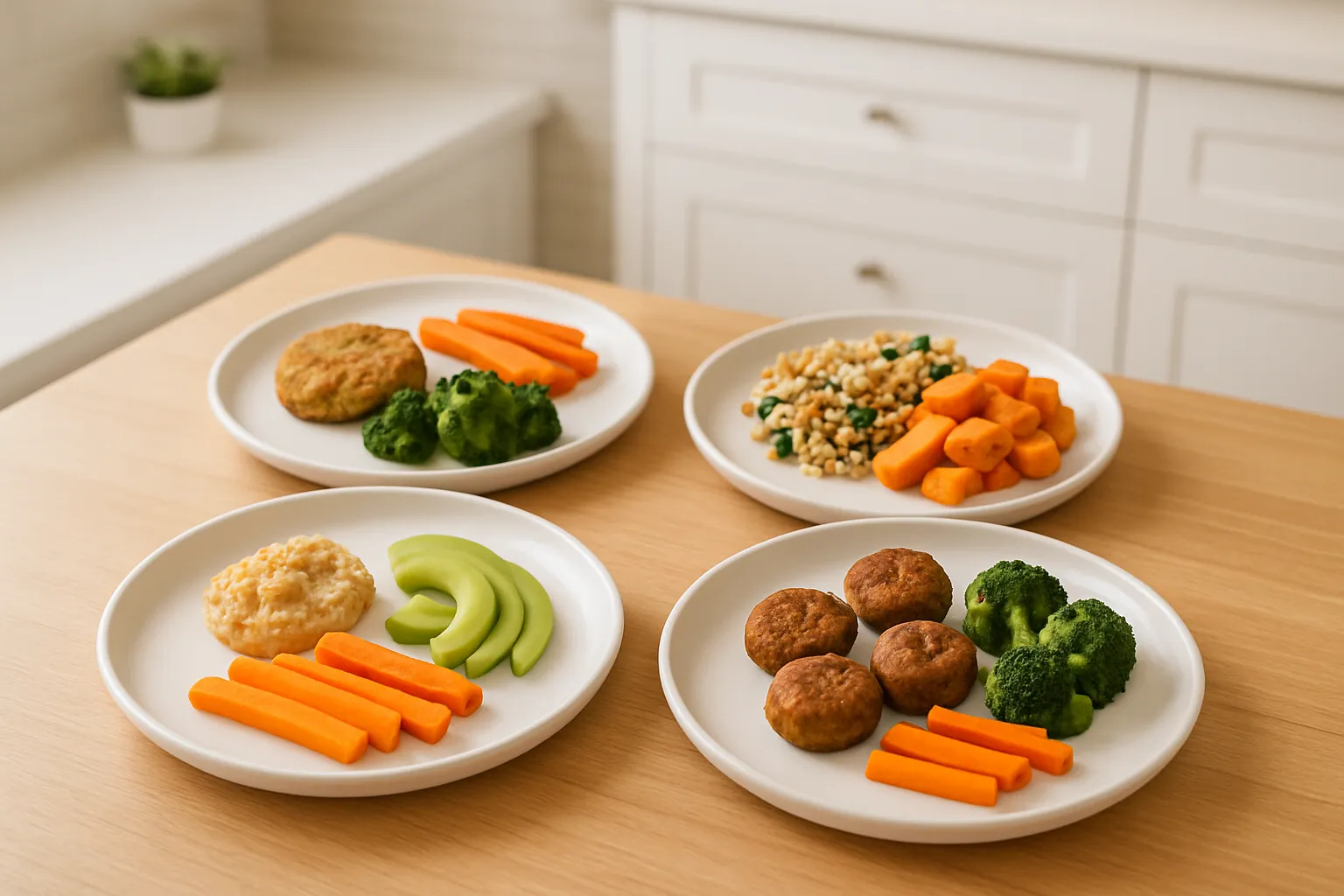
- Keep it simple: one bright veg, one soft carb and one protein on the plate. Toddlers cope better with small, separate bits than a big mush.
- Shape tools are your friend: cookie cutters for toast, pancakes or soft tofu; a melon baller for soft fruits and cooked veg; muffin tins to portion dips and mini bakes.
- Small portions, repeated offers: offer a few teaspoons of a new thing alongside familiar favourites. Presentation can make the new thing less scary.
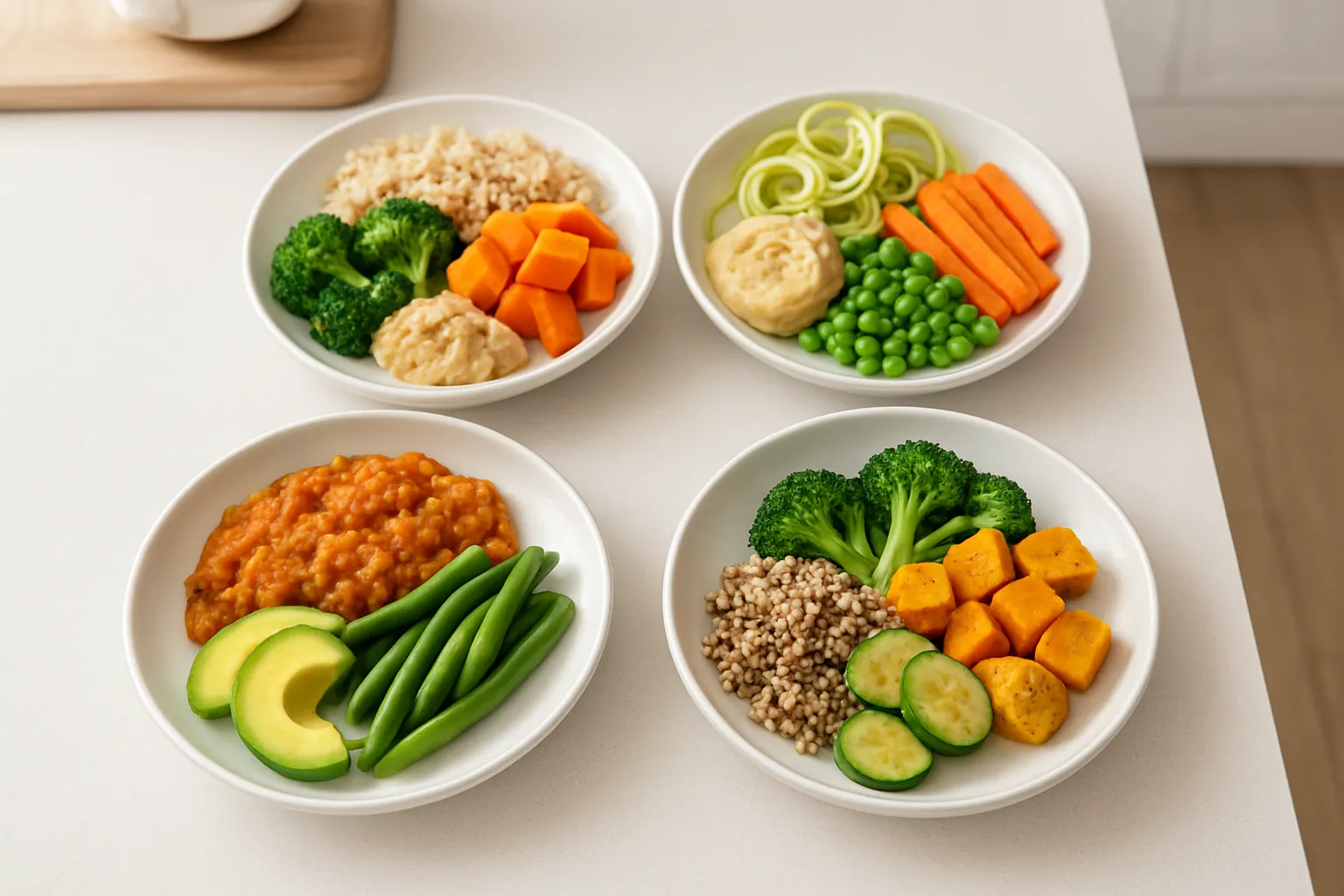
- Use colours and textures: orange roasted pumpkin, green pea mash, purple beet hummus. Contrast helps kids explore.
- Dips for the win: hummus, mashed avocado, tahini yoghurt or smashed chickpeas encourage picking and dipping.
Easy plate ideas
- Sunny-face toast: spread mashed avocado or bean spread on wholegrain toast, add thinly sliced steamed carrot rounds for hair, cucumber for eyes and a cherry tomato half for a nose (cut small to avoid choking).
- Mini pita pizzas: spread tomato paste, sprinkle grated vegan cheese or nutritional yeast, top with finely chopped steamed broccoli and bake until melty. Cut into strips for little hands.
- Bento scoop plate: a spoon of smoky lentil ragu, a scoop of quinoa or mashed potato, a few steamed peas and a wedge of orange. Each item stays separate and looks tidy.
- Veggie sushi rolls: soft sushi rice with mashed avocado and cooked carrot strips rolled in nori, sliced into toddler-friendly rounds.
- Rainbow snack jar: small jars layered with hummus, grated beetroot, mashed pumpkin and quinoa. Spoonable and pretty.
Three quick recipes 1) Mini chickpea fritters (oven-baked)
- Ingredients: 1 can chickpeas drained and roughly mashed, 1 grated carrot, 2 tbsp oat flour, 1 tsp cumin, pinch of salt, 1 tbsp olive oil.
- Method: Mix everything, form small patties, brush with oil and bake at 200C for 12-15 minutes, flip once. Serve with tahini yoghurt.
2) Savoury oat pancakes
- Ingredients: 1 cup rolled oats blitzed to flour, 1 ripe banana, 1 cup plant milk, handful spinach, 1 tsp baking powder.
- Method: Blend until smooth, cook small pancakes in a non-stick pan. Cool slightly and stack with a smear of mashed chickpeas between layers.
3) Silken tofu dip
- Ingredients: 200 g silken tofu, 1 tbsp lemon juice, 1 tbsp tahini, 1 small garlic clove (optional), pinch salt.
- Method: Blend until silky. Serve as a dip with steamed veggie sticks or wholegrain crackers.
Safety and fuss-free tips
- Cut grapes and cherry tomatoes in quarters for safety. Avoid whole nuts; use seed butters or thinned tahini for protein.
- Muffin tins and silicone moulds make portioning and freezing a breeze. Pop mini fritters or pancakes in the freezer and reheat in a hot oven.
- Let them help: even stirring batter or pressing cookie cutters makes them more likely to try the finished plate.
Small touches like tiny forks, a colourful cup or a themed napkin can lift a plain meal into something your little one will actually notice. Keep experimenting, but stick with easy-to-clean plates and small servings.
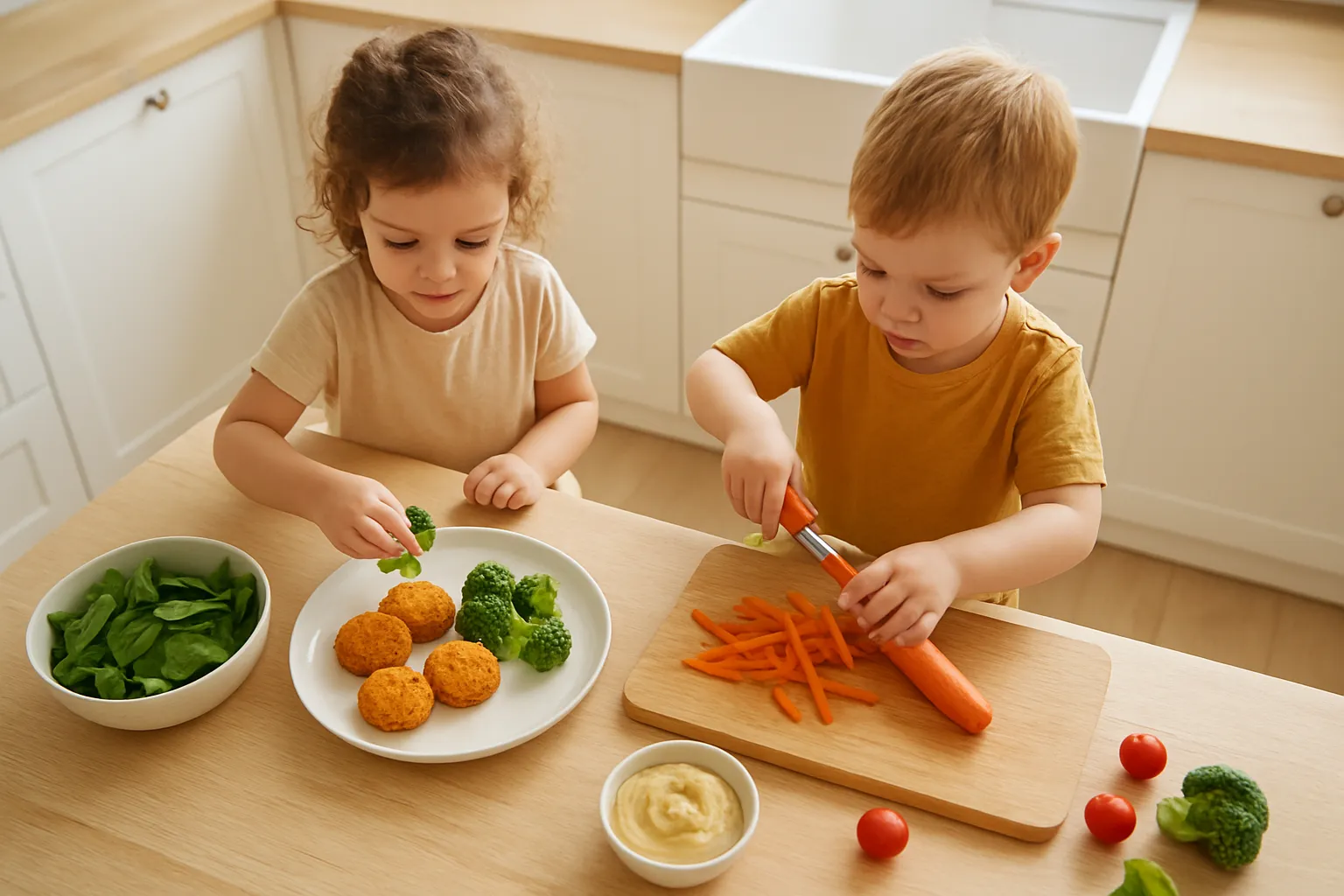
Get them involved early. Even tiny hands can do proper jobs, and the whole process makes them more likely to try new foods.
Quick safety and sanity basics
- Always supervise. Keep kids away from hot pans and the oven. Do the slicing of hard veggies and hot cooking yourself, or use a child-safe knife on soft things.
- Handwashing before and after. Turn it into a game: two songs or a sand-timer.
- Have a sturdy step stool so they can see and reach. Set up a low surface with a silicone mat for messy jobs.
- One job at a time. Toddlers lose focus fast, so give short, simple tasks.
Age-friendly jobs to give the little ones
- 1-2 years: Washing berries, tearing lettuce, dropping pre-cut soft fruit into a bowl, squishing mashed banana for pancakes, stirring oats with your help.
- 2-3 years: Spreading hummus or mashed avocado on toast, sprinkling seeds, adding pre-measured ingredients into a bowl, pressing chickpeas for a simple smash.
- 3-4 years: Measuring dry ingredients with big spoons, cracking soft-boiled eggs for older toddlers with help, stirring batter, assembling mini wraps, placing toppings on a mini pizza.
Simple kid-friendly jobs to try today
- Smoothie station: Put washed fruit, spinach, and pre-measured milk alternative into small bowls. Let them drop items into the blender or press the button with you standing close.
- Mini pita faces: Lay out halves of pita, hummus in a bowl, grated carrot, cucumber slices and olives. Let them “paint” faces with the toppings.
- Chickpea smash: Give them a bowl with canned chickpeas, a fork and a splash of olive oil. They can mash while you add lemon and herbs.
- Oat ball rolling: Portion the oat mixture into small scoops and let the kids roll them into balls. Roll in coconut or seeds for extra fun.
- Build-your-own snack box: Put small amounts of things like carrot sticks, edamame, apple slices, and tofu cubes in little bowls and let them pick what goes into their box.
Make it educational
- Count scoops, name colours and textures, talk about where foods come from. It all builds language and number skills without it feeling like lesson time.
- Give choices: “Do you want grated carrot or grated beet?” Decision-making helps them feel in control and less fussy at mealtimes.
Keep mess and stress down
- Do a quick set-up: pre-measure ingredients, pre-cut anything that needs adult hands, and lay down a mat or newspaper.
- Use easy-clean tools: silicone bowls, wooden spoons, biscuit trays and muffin tins for assembly.
- Turn cleanup into part of the activity: hand them a small bowl for scraps, sing a tidy-up song, and give a simple reward like a sticker or a high five.
Praise and patience
- Celebrate effort more than the finished dish. Toddlers thrive on encouragement.
- Don’t expect perfect. Some days they’ll be all in, other days they will just want to press the button on the blender. Both are wins.
Getting kids cooking is messy and slow at first, but the extra five minutes it adds to dinner prep usually pays off in curiosity and much better mealtime cooperation.
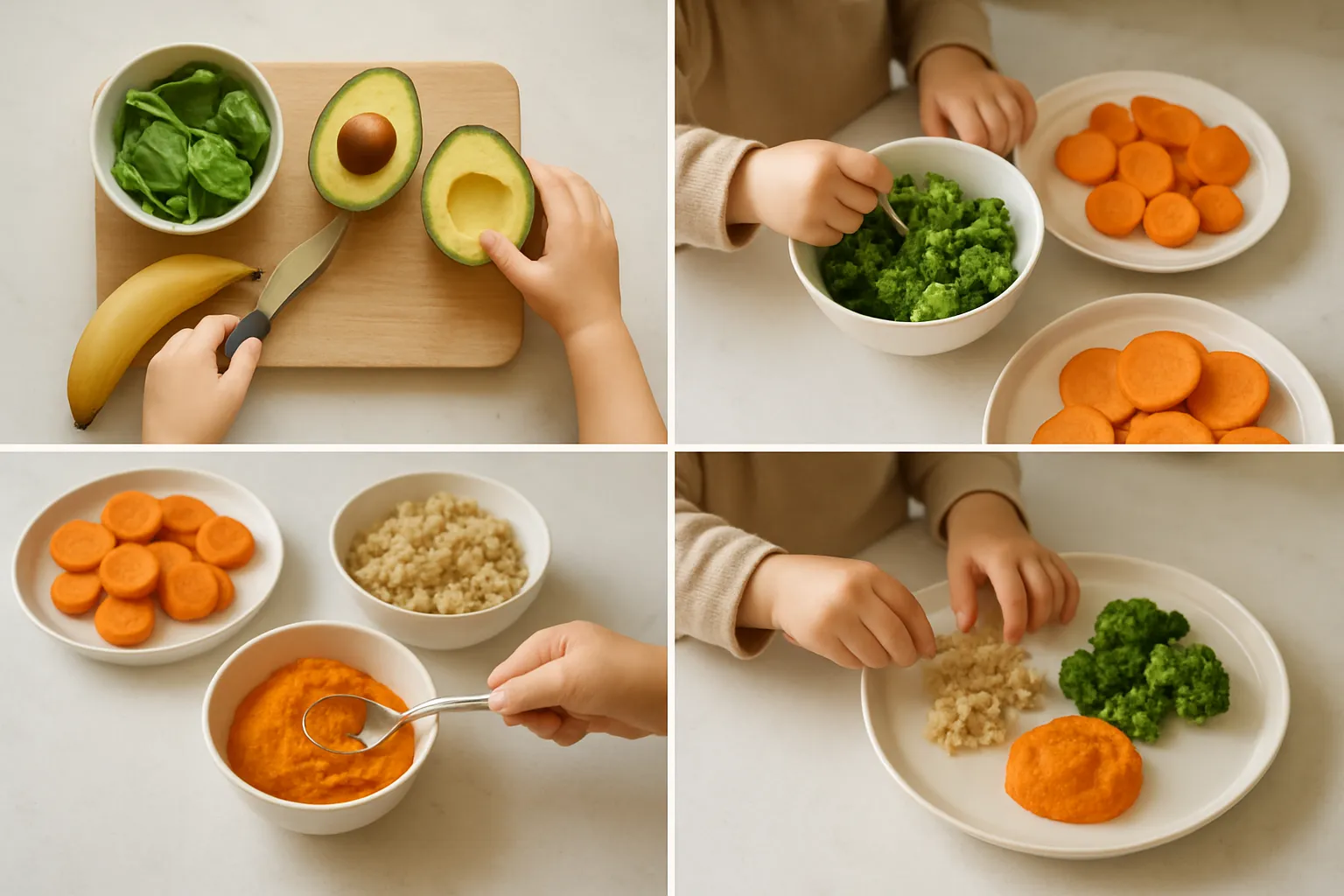
Now that little hands have been helping out, try these quick, high-protein nibblies that are easy to make, toddler-proof and great for lunches, snack boxes or after-park pick-me-ups.
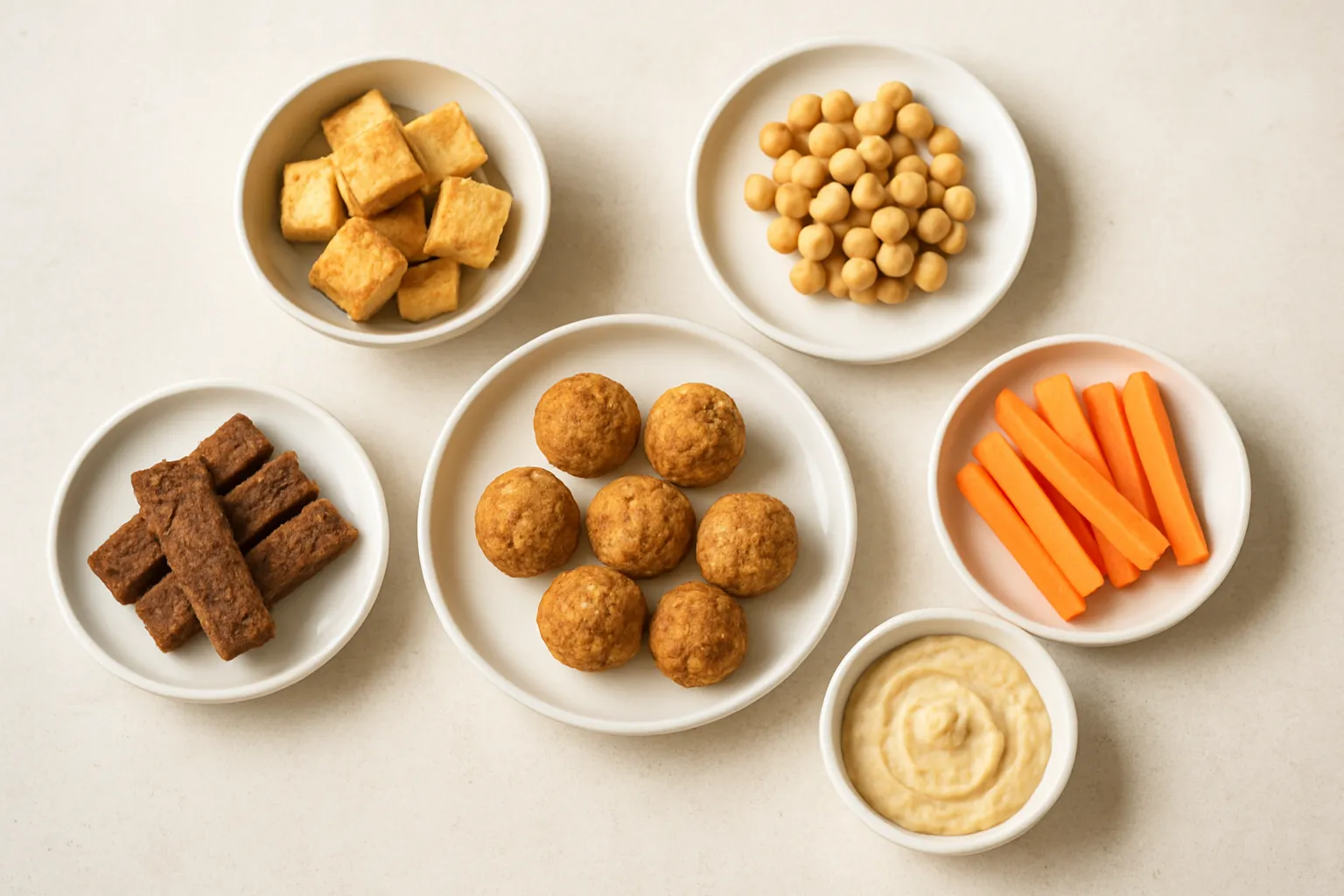
- Chickpea smash on soft toast
- What to do: Mash canned chickpeas with a little tahini or smooth sunflower seed butter, a squeeze of lemon and a splash of olive oil until mostly smooth. Spread thinly on soft toast or rice cakes.
- Why it works: Smooth texture, mild taste and plenty of protein. Add mashed avocado for extra healthy fat.
-
Make-ahead: Keeps 3-4 days in the fridge.
- Mini red lentil fritters
- Ingredients: Cooked red lentils, 1 egg replacer or ground flax + water, a handful of oats, grated carrot and a pinch of cumin.
- Method: Mix, spoon tiny rounds into a pan and cook gently until set. Serve warm or cold.
-
Tip: Red lentils mash easily so the texture is soft for little mouths. Freeze in portions and reheat.
- Silken tofu smoothie pouch
- Blend silken tofu with banana, a handful of frozen berries and a spoonful of tahini or peanut butter. Pour into small reusable pouches or cups.
-
Swap to soy yogurt if preferred. Great for car trips or quick breakfasts.
- Soft baked tofu cubes
- Press extra-firm tofu, cube small, toss in a little soy sauce, maple and nutritional yeast, then bake until golden but still tender.
-
Cut small and serve with steamed veg or on toothpick-free skewers.
- Shelled edamame
- Steam and shell the beans so there’s no choking risk. Serve a small handful as finger food.
-
Super simple, fun for toddlers and a brilliant plant protein boost.
- Smooth hummus and steamed veg sticks
- Make hummus extra smooth by adding a splash more olive oil and blitzing longer. Serve with steamed carrot coins, soft cucumber rounds or warm pita strips.
-
Dip-and-eat is great for practising feeding skills.
- Oat and nut-seed butter bliss balls
- Mix oats, mashed banana, sunflower seed butter (or peanut if no allergy) and a little chia or ground flax. Roll into small balls and chill.
-
These freeze well and thaw quickly for lunchboxes.
- Chickpea flour “pancakes”
- Whisk chickpea flour with water to make a batter, stir in grated zucchini or carrot, cook small pancakes in a non-stick pan.
-
They’re soft, savoury and high in protein. Cut into strips for little fingers.
- Lentil-quinoa mini muffins
- Bake mini savoury muffins with cooked red lentils, quinoa, grated veg and a spoonful of nutritional yeast.
-
Perfect for bulk cooking and freeze beautifully.
- Chia and soy yoghurt pot
- Mix chia seeds with soy milk overnight, stir through a dollop of soy yoghurt and mashed fruit in the morning.
- Thick texture and spoon-friendly for small kids.
Practical tips for success
- Texture matters: Smooth, mashed or very soft bites are safest for toddlers. Avoid whole nuts and large hard pieces for under fours.
- Size and shape: Cut into small, manageable pieces and keep an eye on choking hazards. Thin spreads and soft dips are safer than whole nuts.
- Allergies and introduction: If you’re introducing peanuts or tree nuts, follow your pediatrician’s guidance on timing and form. Smooth nut butters or powdered nut butters mixed into foods are usually safer than whole nuts.
- Protein pairing: Combine a protein source with a little fat and a carb to keep tummies satisfied longer. For example, hummus on toast or tofu in a smoothie with banana.
- Batch cooking: Make a double batch of fritters, muffins or bliss balls and freeze in individual portions. Defrost overnight in the fridge or warm gently.
- Portion guide: Toddlers often need small amounts - think 1-3 tablespoons of dips, 1-2 mini muffins, 2-4 mini fritters or a small pouch of smoothie depending on age and appetite.
Keep a few of these staples in rotation and snack time becomes both nourishing and low stress. Give the kids a job to do with simple tasks like stirring or rolling bliss balls and they’ll be more likely to try what they helped make.
If you want less panic at 5 pm, FIFO will save you time, money and sanity. The idea is simple: use the oldest stuff first, and organise so nothing gets buried and forgotten. Here are practical ways to make that work for toddler meals.
Fridge and pantry setup
- Move new shopping to the back. Sounds obvious, but it only takes a minute and cuts down waste.
- Give perishable toddler foods a front-row spot. Put a labelled tray or basket on a low shelf for meals and snacks that must be eaten this week.
- Keep a visible inventory list on the fridge. A quick whiteboard or a printed note with dates helps you plan meals around what needs to be used first.
- Group like with like. Little tubs of purees, snack pouches and muffin packs together so the oldest ones are easy to spot.
Label smartly
- Write content and date on everything. Use masking tape and a Sharpie or stick-on freezer labels.
- Add a short note if needed, for example “2 toddler portions” or “thaw overnight”. Tiny details stop guesswork at dinner time.
Freezer organisation
- Create zones: front shelf or top drawer for things you want to eat in the next 1 to 4 weeks, deeper shelves for long-term storage.
- Freeze in toddler-sized portions. Use silicone muffin tins, ice cube trays for purees and sauces, or small freezer bags flattened for quick thawing.
- Stack flat bags upright like books so you can see dates and contents at a glance.
- Keep a “use this week” tub in the freezer for last-minute back-up meals.
Portioning and container tips
- Portion 1/4 to 1/2 cup servings for toddlers, or pack small muffins and mini pancakes in sets of two or three. Saves reheating and reduces waste.
- Use clear containers where you can, so you can see contents without opening everything.
- For soups and stews, cool quickly, pour into portion containers and label before freezing.
Thawing and reheating
- Thaw overnight in the fridge where possible. For busy mornings, pop a flat bag in a bowl of cold water for a quick thaw.
- Reheat thoroughly and stir well to avoid hot spots, then let cool to a safe lukewarm for little mouths. Test a spoonful before serving.
- Do not refreeze food that has been fully thawed. Use within 24 to 48 hours once defrosted in the fridge.
How long in the freezer (rough guide)
- Soups, stews, casseroles: up to 3 months
- Cooked grains, pasta, legumes: 2 to 3 months
- Muffins, pancakes, fritters: 2 to 3 months
- Purees and sauces: 1 to 2 months Store at -18 degrees Celsius for best quality. If in doubt, smell and check texture when thawed, and when in doubt, bin it.
Meal-planning habits that make FIFO easy
- Build the week around perishables: plan leafy greens and fresh dairy earlier in the week, freezer meals for later.
- Pick 2 to 3 things to batch-cook on the weekend and freeze in toddler portions.
- Designate one night as Leftover Night to clear older items.
- Keep a running shopping list that cross-checks what’s already in the freezer so you avoid buying duplicates.
Batch-cook ideas that freeze well
- Veg and cheese muffins, mini savoury slices
- Lentil bolognese or chickpea ragu in portion packs
- Mini pancakes or pikelets ready to toast
- Veg purees or blended soups in ice cube portions for quick sauces or lunch add-ons
- Bean patties or fritters that microwave quickly for lunchboxes
Little rituals that save big headaches
- A five-minute Sunday check: move new items back, label anything unmarked and make a quick dinner plan for anything nearing its use-by date.
- Teach older kids to help with the FIFO tray: they can pop older snack pouches into the lunchbox box for school lunches.
Give it a whirl for a few weeks and you’ll notice less waste, quicker dinners and fewer frantic trips to the shops when the toddler decides they will only eat mashed peas.
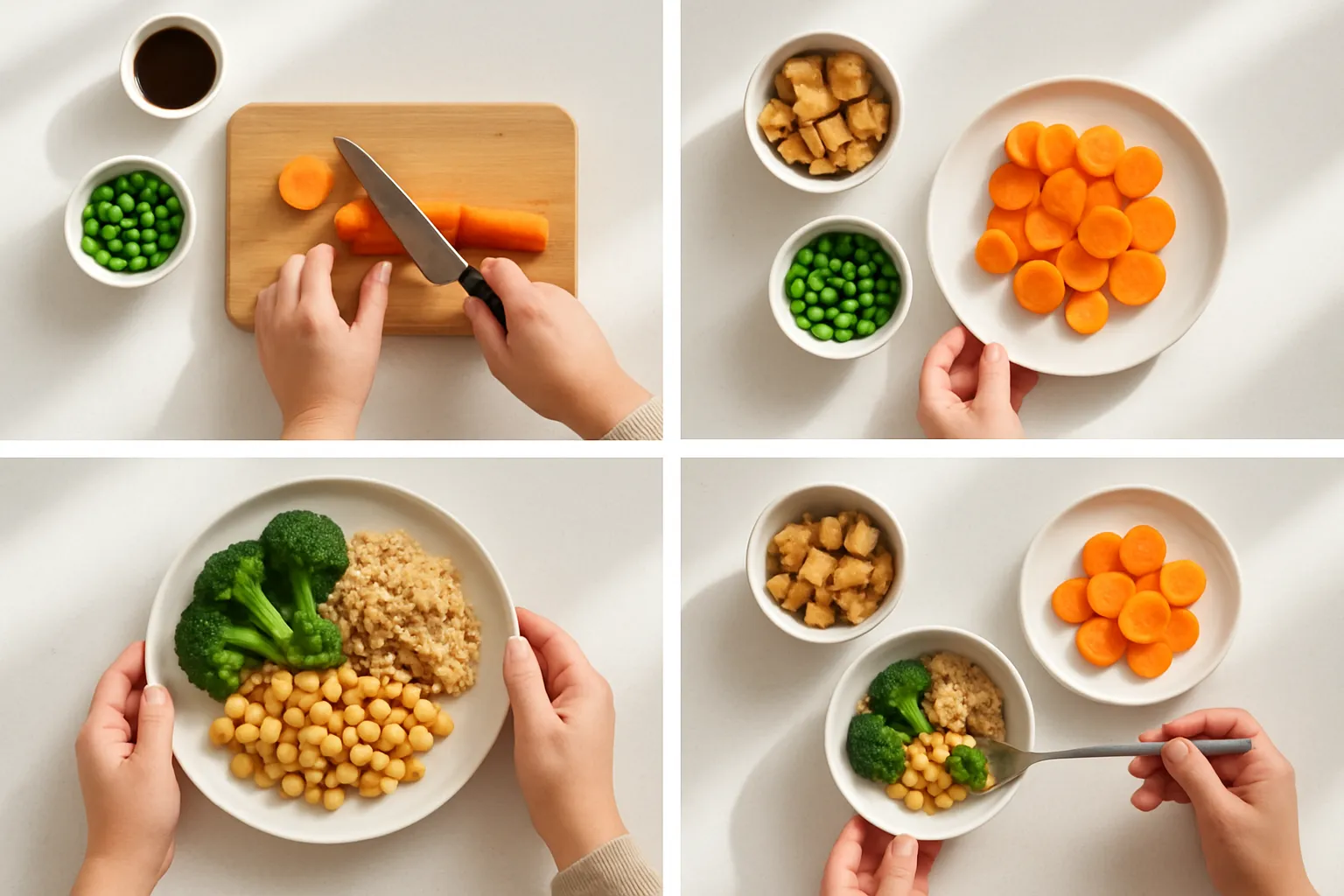
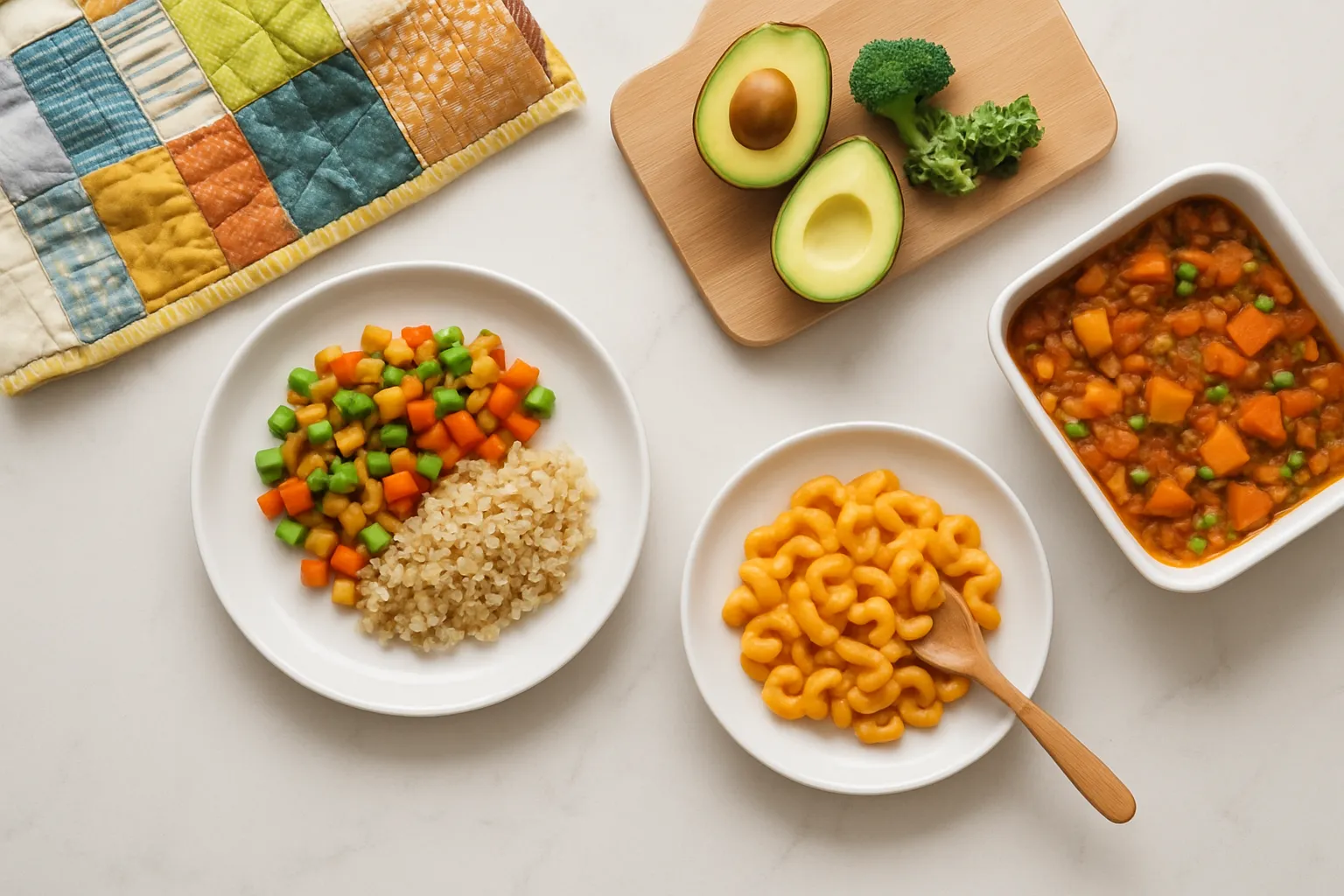
Quilt breaks are the tiny, lifesaving pauses where kids get snuggled under a rug with a bowl while you sip something warm. Make the most of them by having a freezer and fridge full of ready-to-go, toddler-sized portions.
Batch cooking basics
- Pick two or three bases to rotate each week. Think: a veg-lentil ragu, a simple bean mash, and a big tray of roasted veg and tofu. These mix and match with grains, pasta or toast.
- Cook in bulk but portion down to toddler sizes straight away. Use small containers, silicon muffin tins or zip bags flattened for easy thawing and long life in the freezer.
- Cool food properly before freezing. Spread on a tray to cool quickly, then bag or container it. Label with contents and date.
Portioning tricks that actually work
- Ice-cube trays are brilliant for purees, nut-free dips and sauces. One cube is an easy bite size for little ones or a seasoning for a bowl of pasta.
- Muffin tins are perfect for mini frittatas, savoury muffins and mini pancakes. Bake, cool, pop out and freeze in bags.
- Freeze flat in zip bags for soups, dal and ragu. Lay flat to freeze and store upright to save space. Thaws quickly in the fridge.
Quick freezer-friendly ideas
- Red lentil dahl: purees nicely and freezes in single-meal portions.
- Mixed veg and chickpea bake: roast, mash a little for toddler textures and freeze.
- Sweet potato mash: freezes well and reheats quickly.
- Mini lentil patties or bean nuggets: bake, cool and freeze on a tray before bagging.
- Oaty banana bars: slice and freeze for a grab-and-go snack.
Reheating and food safety
- Thaw overnight in the fridge for best texture. For same-day needs, sealed bags in a bowl of warm water works fast.
- Reheat until steaming hot and give it a good stir to avoid cool spots. Test the temperature before serving.
- Once defrosted, treat like fresh cooked food. Use within 24 to 48 hours and do not refreeze.
- Refrigerator rule of thumb: cooked foods last about 2 days. Freezer: best quality for 2 to 3 months.
Make snack time simple
- Portion hummus, mashed avocado or bean dips into little containers for toast or veg sticks.
- Roast chickpeas or small cubes of pumpkin and freeze. Pull a handful out for lunchboxes or afternoon nibblies.
- Bake a batch of oat cookies or banana bites, freeze flat, then pull a couple out at a time.
Time-saving rhythms
- Block out 60 to 90 minutes on a quiet afternoon and batch one or two components. Cook a big pot of lentils while the oven roasts veggies, then finish with quick assembly.
- Keep a list on the freezer door: what’s in there and where. Saves the “what did I put in that mystery bag?” panic.
- Stash a couple of emergency “one pot” meals in the freezer for sick days, tired nights or when plans fall apart.
Small rituals, big payoff
- Make quilt breaks cosy and predictable. A couple of prepped options within arm’s reach means you can actually sit down, breathe and enjoy the break with the little one rather than faffing in the kitchen.
- Over time you’ll find a few go-to meals that freeze and reheat perfectly. Those become your secret weapons for calm afternoons and busy mornings.
Browse Cuisines
From the Blog
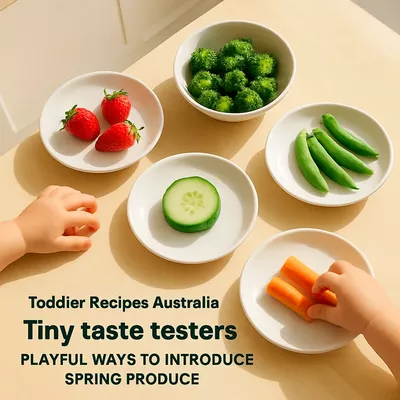
First up, a few no-fuss spring winners that keep sticky fingers and big clean-ups to a minimum. Quick to prep and easy for little hands to manage, these are the sorts of things I reach for when we want something...
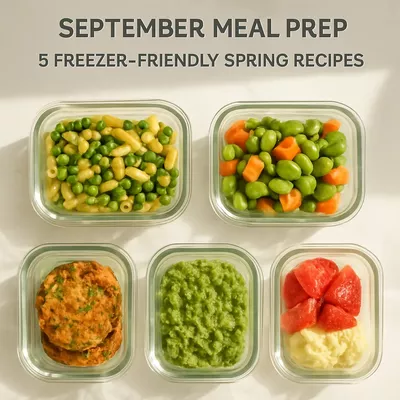
Nice - here’s how Steve keeps dinner simple without sacrificing flavour or sanity. A few good habits and the right packing tricks mean you can pull a proper family meal out of the freezer in minutes.
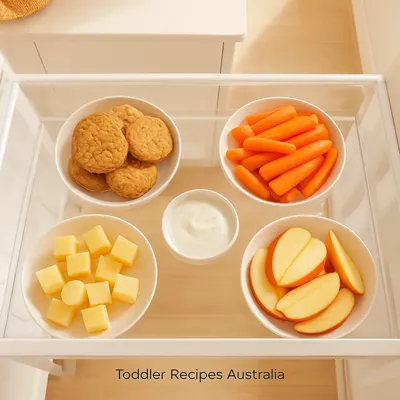
Righto, a couple of quick fridge fixes will make everything a whole lot easier. These are the simple, practical habits and setups that keep snacks safe, obvious and actually reachable for little hands.
 Never miss a recipe from us, subscribe to our newsletter