
Health boosters to add to toddler meals
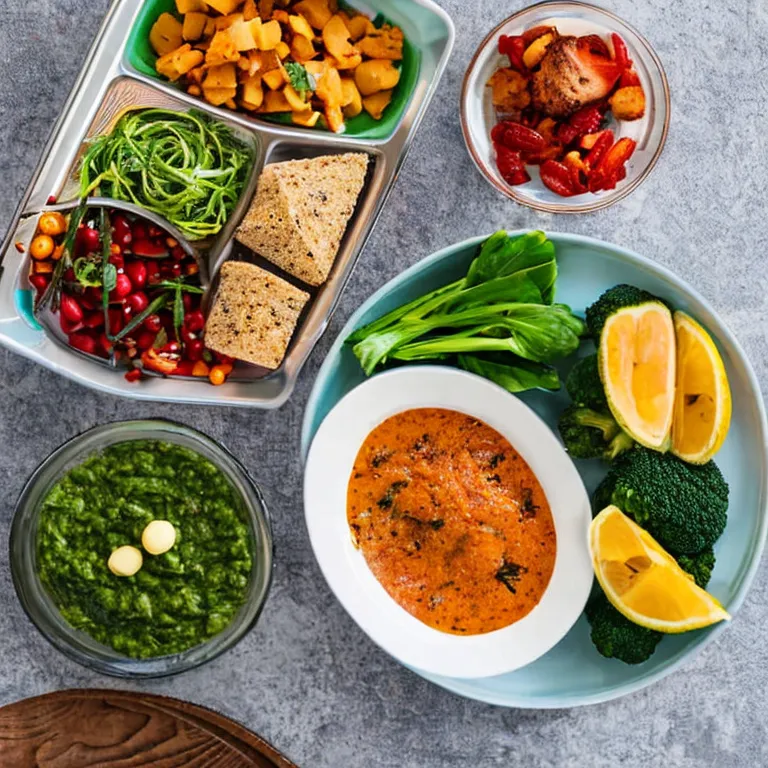
A couple of super-simple tricks that really work when you want extra veg in meals without a battle. These are easy to drop into favourite recipes and to freeze so busy nights don’t derail you.
Practical tips that actually get eaten
- Blend into pasta sauces. Add grated carrot, zucchini and a spoonful of pumpkin or sweet potato purée to bolognese. Cook down with onion and garlic, then blitz for a smooth sauce. Freeze in ice cube trays for single toddler serves.
- Hide veg in muffins, pancakes and loaves. Grated zucchini, carrot or beetroot slips into muffin and pancake batters with no fuss. Try 1 cup grated veg for a batch of 12 muffins, squeeze excess moisture from zucchini so batter isn’t soggy.
- Bulk up meatballs and patties. Finely grate carrot or zucchini and mix through mince with a beaten egg and breadcrumbs. Spinach also folds in well when chopped small. Fry gently so the veg softens right through.
- Swap mash for cauliflower mash. Steam cauliflower until very soft, then mash with a little butter and milk or cream cheese. Mix half potato, half cauliflower to make a familiar texture while cutting down on starchy carbs.
- Sneak veg into cheesy dishes. Pureed cauliflower or pumpkin stirred into cheese sauce for mac and cheese or lasagne is nearly invisible and adds creaminess.
- Smoothies and yoghurt bowls. A handful of baby spinach or a couple of frozen peas blended with banana and yoghurt makes for a creamy, slightly sweet drink that hides the green. Start with a small amount and increase as they get used to the taste.
- Make veg fun to eat. Roast sweet potato, beetroot or carrot into sticks for dipping, or steam whole carrot coins and use cookie cutters to make shapes. Offer a small pot of hummus, tzatziki or a yoghurt dip alongside.
- Breakfast swaps. Mix grated apple and carrot into porridge, add pumpkin purée to pancake batter, or fold finely chopped spinach through scrambled eggs or omelettes.
- Fritters and pikelets. Combine grated veg with egg and a little flour for quick fritters. Serve with yoghurt or tomato sauce and a side of fruit to balance the meal.
- Freeze for quick meals. Cooked veg sauces, muf fins and mini meatballs freeze brilliantly. Portion into toddler-sized servings so a healthy option is always on hand.
Texture and patience Start with hidden and smooth textures, then gradually move to grated and soft chunks as they get comfortable. Keep portions small and familiar, offer dips, and don’t stress if they push it around the plate. Repeated exposure without pressure is the secret here. Give these tricks a go and rotate them so meals stay interesting.
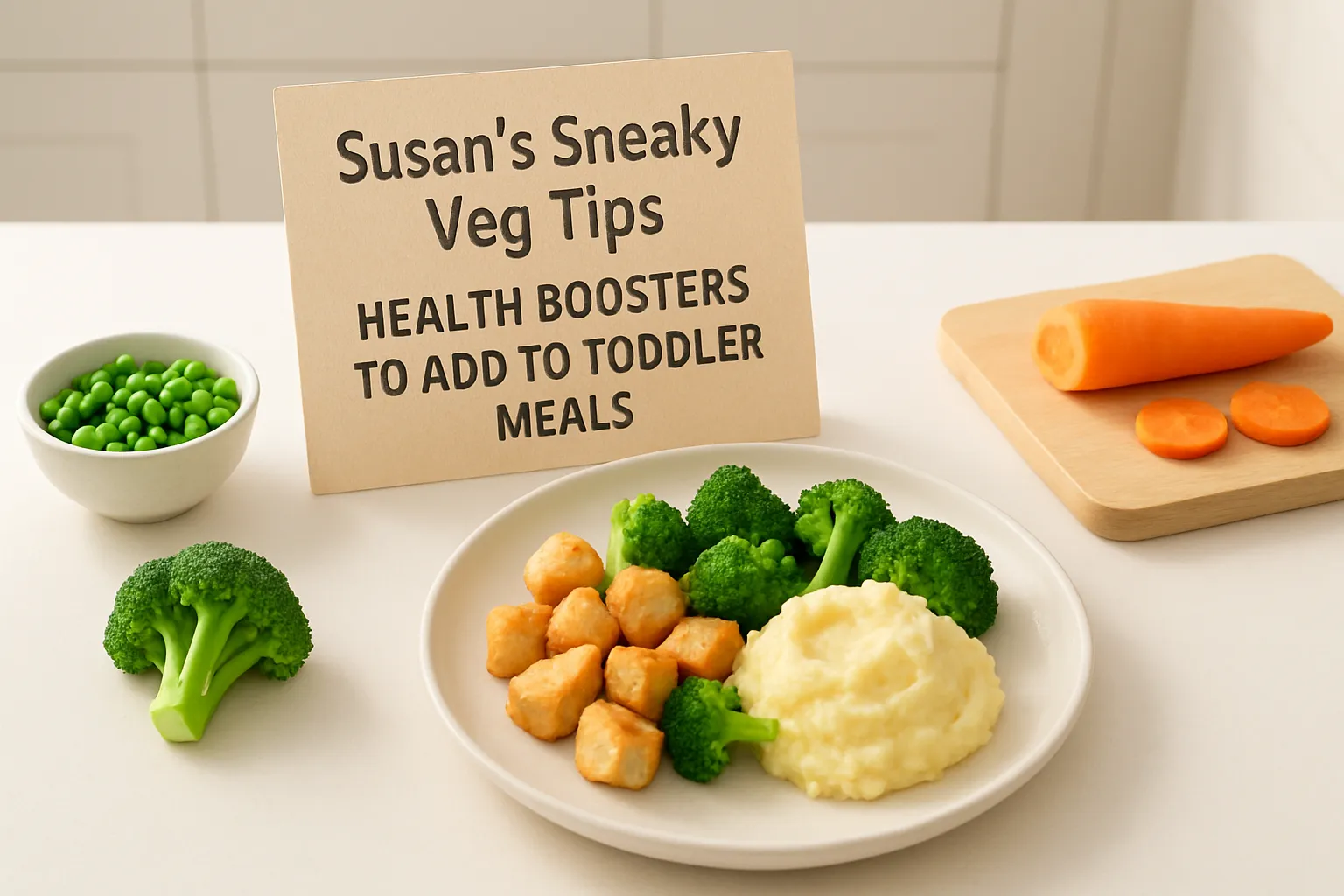
Peanut Free Protein Swaps
Quick swaps for peanut butter
- Sunflower seed butter. Creamy and familiar on toast or in sandwiches. Thin with a little yoghurt or mashed banana for dipping or spreading so it goes down easier. Check kinder and school rules though, and introduce it slowly in case of seed allergies.
- Tahini. Great mixed with a little honey or mashed banana for a different flavour profile, or stirred into porridge.
- Hummus. Chickpeas are a lovely protein hit; hummus is perfect for dips, wraps or dolloped onto toast.
- Greek yoghurt or thick natural yoghurt. Use as a dip, smoothie base or mixed with fruit for a high-protein snack.
- Cottage cheese. Spoon onto toast, mix with fruit, or add to savoury dishes for extra creaminess.
- Canned fish like tuna or salmon. Flake well, mash with avocado or a little mayo and lemon for sandwiches or patties.
- Eggs. Boiled, scrambled, or baked into mini frittatas for easy grab-and-go portions.
- Tofu and tempeh. Pan-fry small cubes or crumble into sauces and bakes.
- Lentils and beans. Red lentil dahl, lentil bolognese or mashed baked beans make filling meals.
- Quinoa. A great grain substitute that adds a protein boost to salads, bowls and patties.
- Edamame. Shelled and lightly mashed, they’re a fun, protein-packed snack.
Tiny recipes and ideas that actually work
- Sunflower butter and banana roll-ups: thinly spread sunflower butter on a soft wrap, slice banana down the middle, roll and cut into small rounds for lunchbox-friendly bites.
- Chickpea smash on toast: mash canned chickpeas with a drizzle of olive oil, a squeeze of lemon and a pinch of cumin. Spread thinly on soft toast.
- Mini tuna and sweetcorn patties: mix flaked tuna, a beaten egg, some breadcrumbs or oats and sweetcorn. Shape small patties and pan-fry until golden. Cool and pack for snacks.
- Egg muffin tins: whisk eggs with grated carrot, peas and a little cheese. Pour into a lined muffin tray and bake. Freeze extras for quick breakfasts.
- Lentil sloppy joes: cook red lentils until soft, stir through a mild tomato sauce and serve on soft rolls.
- Silken tofu smoothie: blend silken tofu with banana, berries and milk for a creamy, protein-rich drink.
Swap ideas for recipes that usually call for peanuts
- Peanut satay sauce: swap peanut butter for sunflower butter or tahini, then mix with coconut milk, a squeeze of lime and a splash of soy or tamari. Warm gently and toss through noodles or use as a dip.
- Peanut cookies: replace peanut butter with tahini or sunflower butter, or try a mashed banana and oat base with added cinnamon and a handful of seeds.
- Stir-fries: instead of crushed peanuts as a topping, sprinkle toasted sesame seeds or crushed roasted chickpeas for crunch.
Safety and practical tips
- Never give whole nuts or large whole seeds to toddlers. They are a choking hazard. Smooth butters are fine when spread thinly or mixed into other foods.
- Introduce new protein sources one at a time and watch for any allergic reactions, especially if there is a family history of allergies.
- Check your child’s kinder and school policies on tree nuts and seed products before packing lunchboxes.
- Balance protein with a bit of carb and healthy fat to keep little tummies satisfied. For example, pair hummus with soft pita, or tuna mash with avocado on toast.
- Keep portions toddler-sized: small spoonfuls, mini patties or bite-sized strips make food manageable and less messy.
Try swapping one favourite peanut recipe this week and see which alternatives your little one likes best. Small changes here and there make lunchboxes safer and meals more interesting.
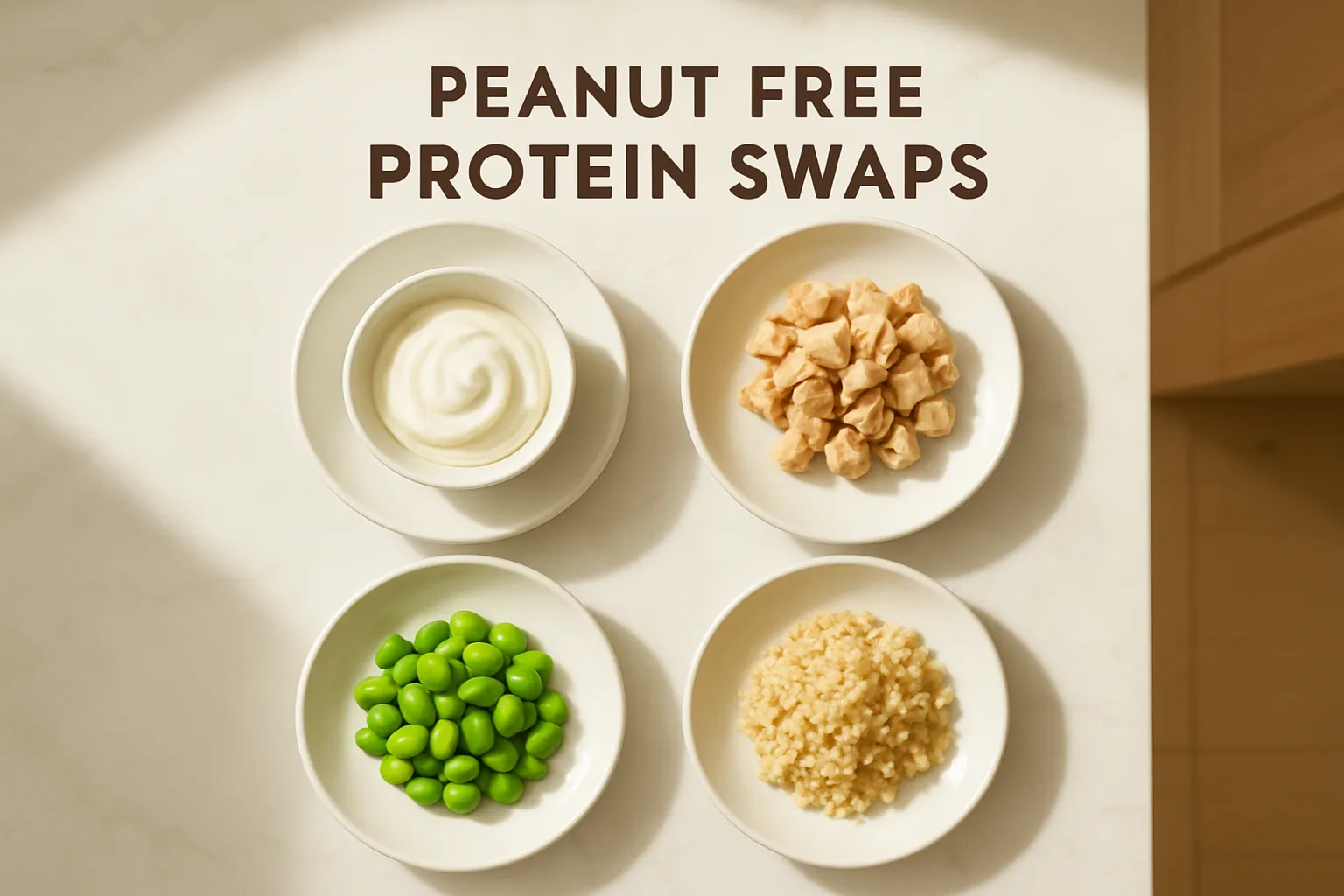
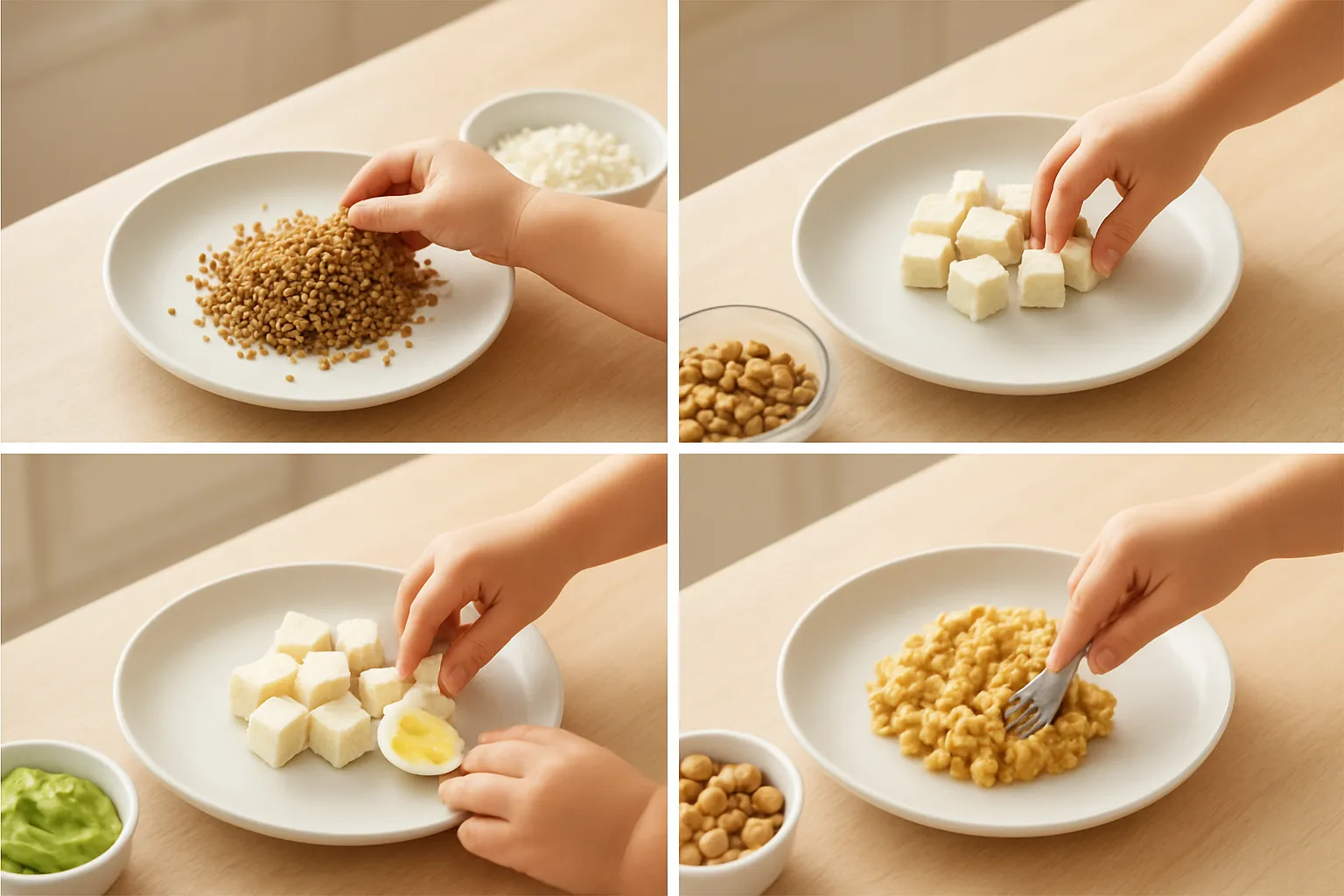
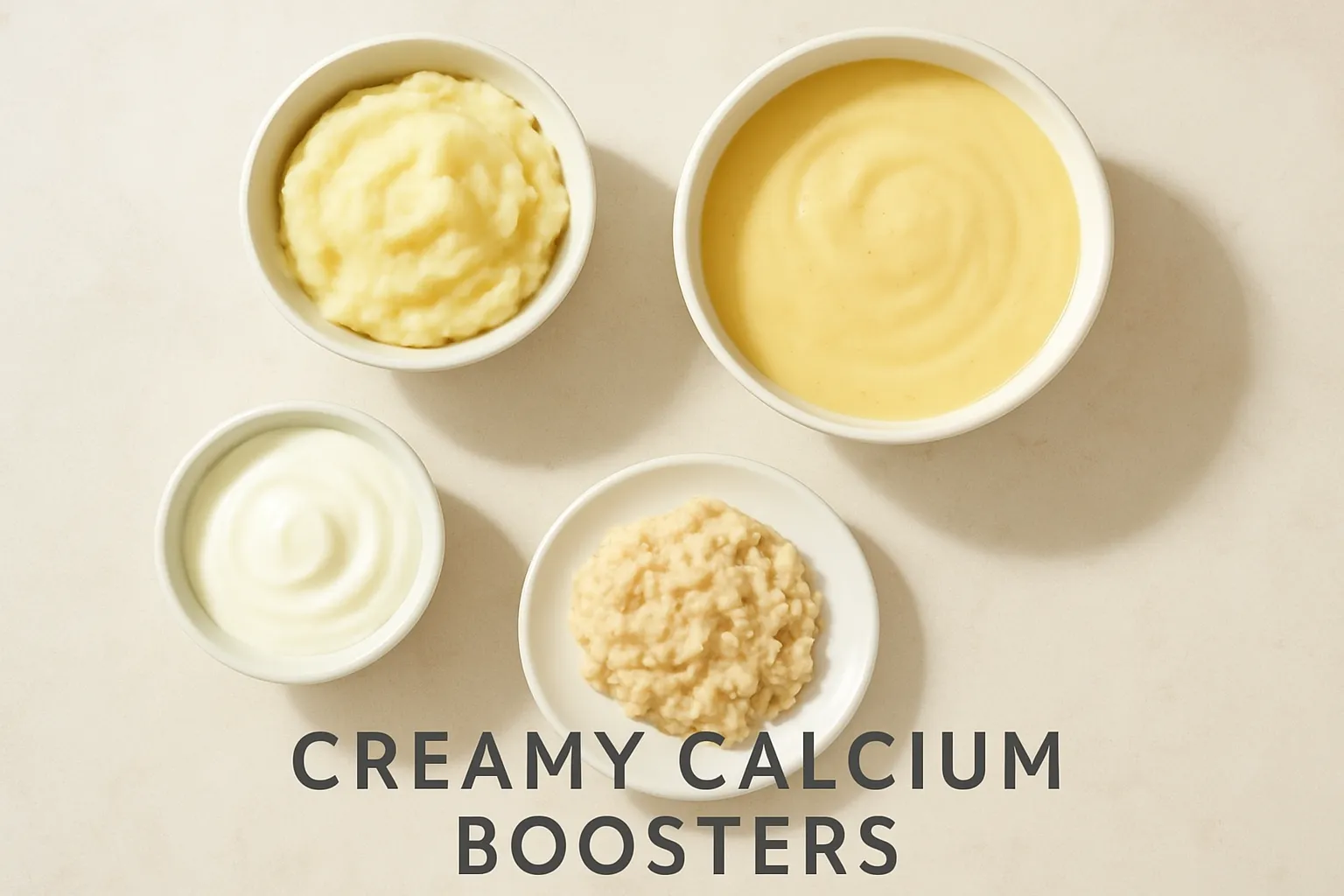
Thick yoghurt, soft cheeses and silky purées are the easiest way to slip extra calcium into tiny meals without a fight. Here are quick ideas you can use straight away, plus a few 5-minute recipes that actually get eaten.
Quick creamy boosters
- Full-fat natural yoghurt, Greek yoghurt or fromage frais: spoon onto porridge, swirl through fruit purées, or serve as a dip for soft steamed veg.
- Cottage cheese and ricotta: stir into mashed potatoes, dollop on toast fingers, or mix into pancake batter.
- Melted cheese: grate into pasta, mash through veg or make a light cheese sauce for veggies.
- Silken tofu: blends smooth into smoothies, puddings or savoury dips and is a great plant-based calcium option.
- Fortified milk or powdered milk: add a scoop to cereals, soups, or homemade custard for an easy boost.
- Tahini and sesame seeds (ground): add a teaspoon to yoghurt or porridge; smooth tahini is less of a choking risk than whole seeds.
Tiny, no-fuss recipes
- Banana yoghurt porridge (1 toddler serve): cook 2 tablespoons oats in 1/2 cup milk, mash half a banana, stir through 3 tablespoons natural yoghurt. Cool slightly and serve.
- Ricotta pancakes (makes 6 small pancakes): mix 1/2 cup ricotta, 1 egg, 1/4 mashed banana, 3 tablespoons plain flour. Fry small dollops in a little butter and cut into strips.
- White bean cheesy sauce for pasta (2 toddler serves): blitz 1/2 cup cannellini beans, 1/4 cup grated cheddar, 1/4 cup milk until silky. Warm gently and toss with cooked small pasta shapes.
- Silken tofu smoothie (1 serve): blitz 100 g silken tofu, 1/2 banana, 1/4 cup fortified milk and a handful of berries. Pour into a cup with a lid for on-the-go.
Serving tips and safety
- For under-twos, stick with full-fat dairy unless your GP advises otherwise. Fat helps keep little ones satisfied.
- Avoid whole nuts for under fours, but smooth nut butters and tahini are fine in small amounts.
- Keep textures age-appropriate, mash or blend if in doubt, and watch for allergic reactions when introducing new foods.
- If your child is on a plant-based milk, check the label and choose one that is fortified to be close to dairy for calcium.
- Vitamin D helps calcium do its job, so include sun time and foods like egg yolk or oily fish where possible, or follow your health professional’s advice on supplements.
Little swaps, big gains
- Swap a sweet snack for a yoghurt pot with fruit.
- Stir ricotta into lasagne or bolognaise for creaminess and calcium without extra fuss.
- Make dips the hero: yoghurt and tahini, or blended tofu with mild herbs, paired with soft veg for dipping.
These creamy ideas are easy to press into breakfasts, snacks and mains. Small, regular servings across the day add up to a solid calcium intake without battles at the table.
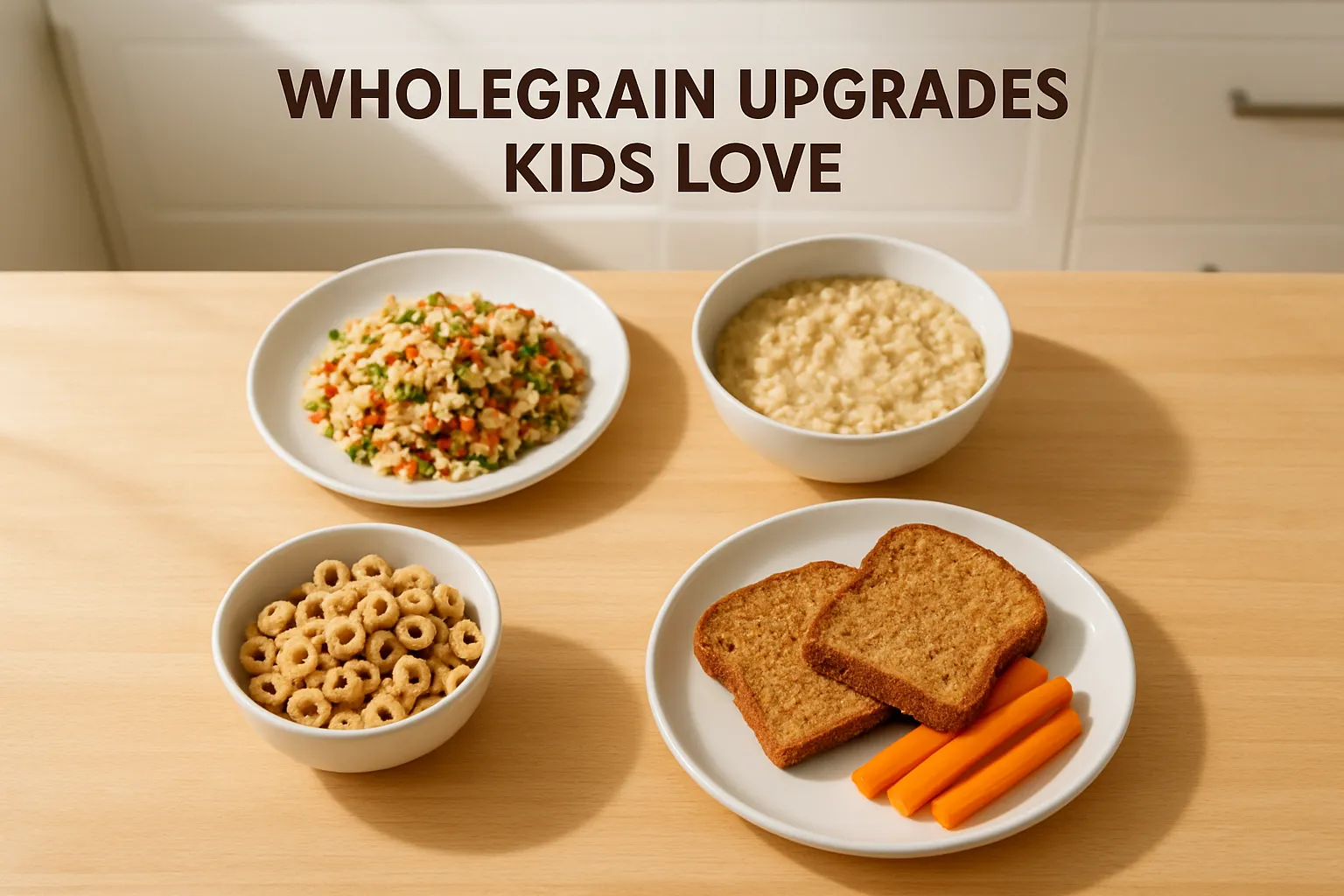
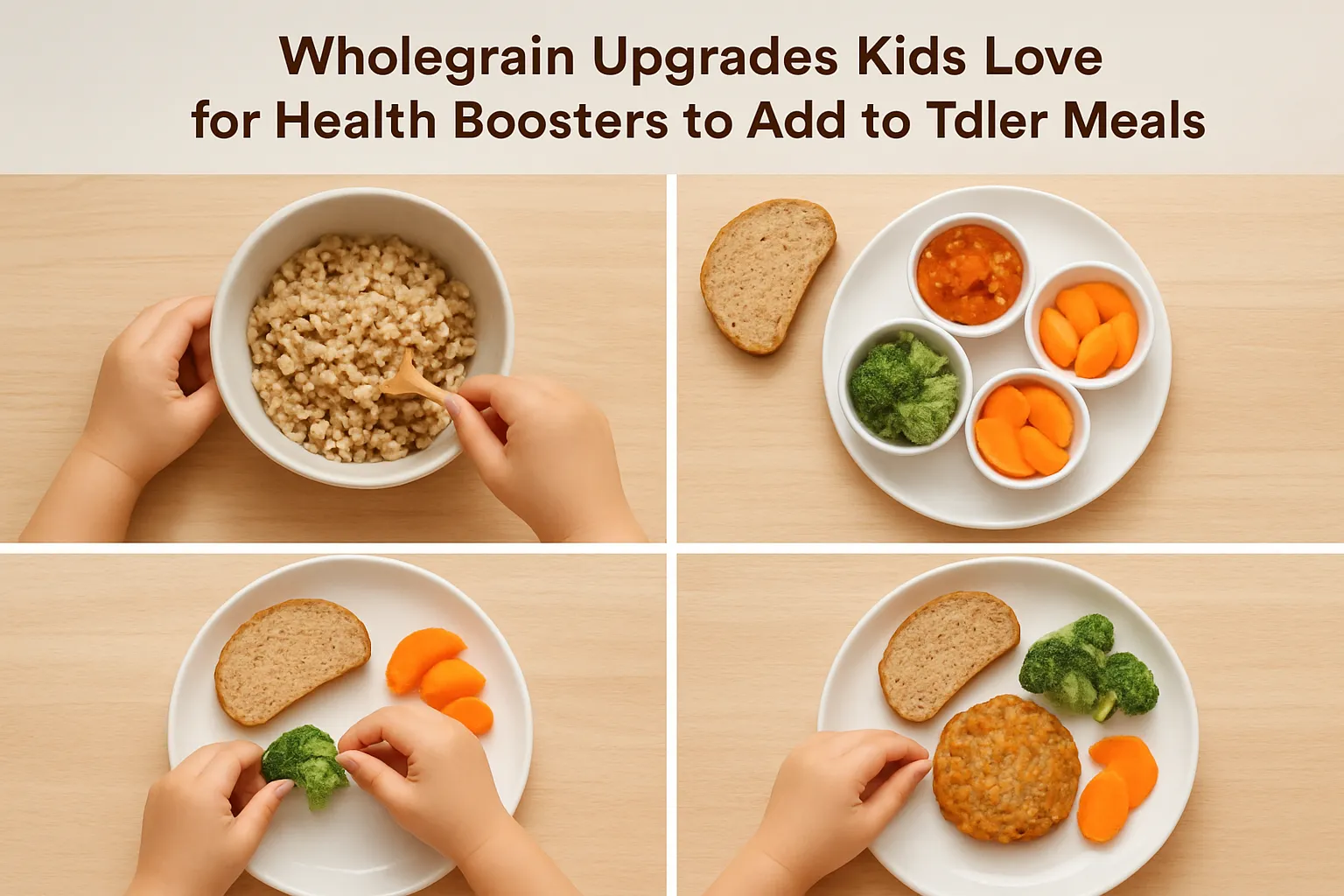
Start by swapping grains slowly so little tastebuds don’t put up a fight. Mix half wholemeal flour or pasta with white for a week or two, then nudge the ratio toward full wholegrain. Toasting wholemeal bread or pasta brings out a sweeter, nuttier flavour that kids usually like.
Quick swaps and how to serve them
- Bread: choose soft wholemeal or wholegrain sandwich loaves, not dense artisan styles. Make fun shapes with cutters, or make mini toasties with cheese and vegemite or mashed banana and sunflower spread.
- Pasta: pick small shapes like shells or mini spirals in wholemeal or spelt. Cook until very soft, toss through a creamy sauce or mashed pumpkin so the grain taste is hidden.
- Rice: use brown or mixed grain rice, but cook it a little longer with extra liquid so it’s softer for toddlers. Try brown rice fried with scrambled egg and peas for a one-bowl meal.
- Oats: quick oats make excellent porridge or baking base. Cook with milk and mashed fruit for sweetness, or stir through yoghurt for overnight oats.
- Cereals and crackers: aim for 100 percent wholegrain, low sugar options. Crush wholegrain crackers and use as a crumb for baked fish or to top yoghurt and fruit.
- Alternative grains: quinoa and couscous cook quickly and have tiny textures toddlers can pick up. Mix with grated carrot, a little feta and mild herbs.
Easy toddler-friendly recipes
- Banana wholemeal pancakes: 1 mashed banana, 1 egg, 1/2 cup wholemeal flour, splash of milk. Fry small dollops on a non-stick pan until golden. Serve with fruit compote.
- Hidden veg mac: cook wholemeal pasta, blend cooked pumpkin with a little milk and grated cheese, mix through pasta. Add peas for colour.
- Mini wholemeal muffins: use wholemeal flour, grated carrot or zucchini, mashed apple for sweetness, an egg and a little oil. Bake in mini tins for perfect toddler portions.
- Brown rice sushi rolls: spread mashed avocado on nori or soft wholemeal lavash, press over cooled brown rice, add thin strips of cooked carrot or cucumber, roll and slice into finger pieces.
Texture and acceptance tips
- Keep things soft and slightly moist. Wholegrains can be drier, so add a splash of milk, olive oil, yoghurt or grated cheese.
- Mix familiar flavours in first. Cheese, tomato, fruit and mild spreads make wholegrains more acceptable.
- Offer new grains alongside favourites rather than alone. Half-and-half mixes, dips and sauces help.
- Cut or shape foods into small, manageable pieces and vary the forms: porridge, patties, fingers, muffins.
Batch-cooking and shopping hacks
- Cook a big pot of wholegrain rice, quinoa or pasta and freeze in toddler portions. Defrost in the fridge overnight or warm gently.
- Keep quick-cook rolled oats and wholemeal self-raising flour on hand for fast pancakes and muffins.
- Read labels: choose products with wholegrain listed first and low added sugar. You don’t need fancy brands for good results.
Next up: Iron boosting tiny meals, with simple swaps that pack in more iron without fighting mealtimes.
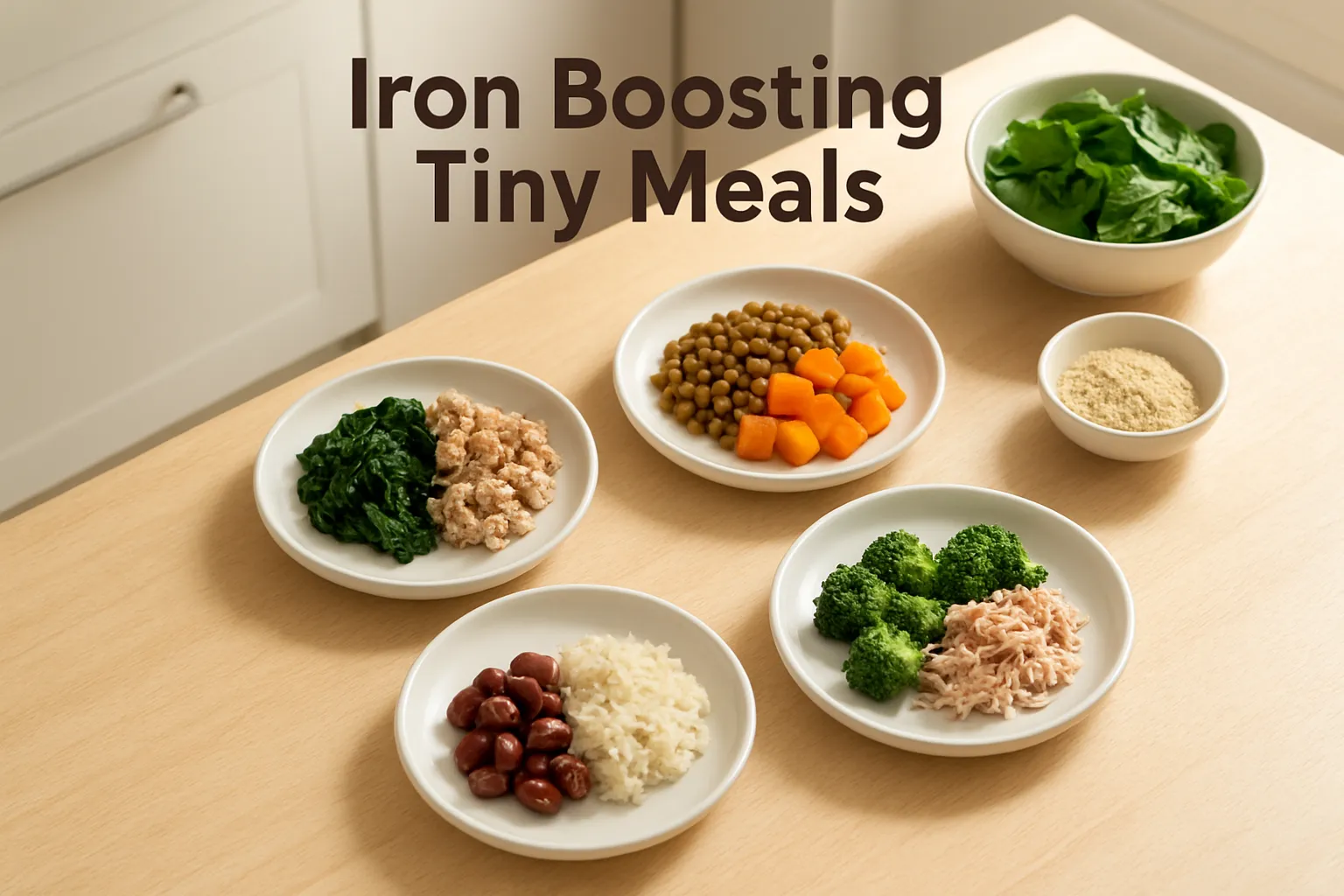
Iron Boosting Tiny Meals
Little tweaks make a big difference. Aim for iron-rich foods spread through the day, and always pair plant-based iron with something high in vitamin C to help absorption.
Quick swaps and building blocks
- Swap in lean red meat a couple of times a week: minced beef or lamb makes great meatballs, ragu or sliders cut tiny for little mouths.
- Use cooked lentils and mashed beans as a base for patties or sloppy joes. They freeze well in kid-sized portions.
- Tofu and tempeh can be cubed and pan-fried or crumbled into stir-fries and scrambles.
- Fortified toddler cereals and oat porridge are an easy way to top up iron. Make porridge with mashed banana and sprinkle with ground seeds for extra nutrients.
- Add a small amount of cooked liver to a bolognese once every few weeks if you’re comfortable with it; just a tablespoon blended in boosts iron without changing the flavour much.
Meal ideas that actually get eaten
- Mini beef and veg meatballs with a squeeze of lemon or a side of mashed roasted capsicum for vitamin C.
- Lentil and carrot patties served with smashed avocado and cherry tomato halves.
- Scrambled egg mixed with finely chopped spinach and roasted tomato on wholegrain toast fingers.
- Mild chickpea curry with steamed broccoli and a squeeze of lime, served over brown rice.
- Tofu and veg fried rice with asparagus tips and orange segments on the side.
Snacks and toppings
- Hummus with veg sticks or soft pita triangles.
- Sunflower seed butter on toast or rice crackers for a nut-free boost.
- Roasted pumpkin seeds (ground or chopped fine for toddlers) sprinkled over porridge or yoghurt.
- Iron-fortified cereal as a dry snack or lightly toasted and mixed with dried fruit.
Cooking tips that help iron absorption
- Always pair plant-based iron foods with vitamin C sources: strawberries, kiwi, oranges, capsicum, tomatoes and broccoli are great choices.
- Serve cow’s milk a little while after iron-rich meals rather than with them, since calcium can interfere with iron uptake.
- Soak and cook beans and lentils well, or use canned versions rinsed and warmed, to reduce cooking time and improve digestibility.
- Try cooking in a cast-iron pan for extra iron in the food.
Portions and practical notes
- Keep portions small and frequent for toddlers. A few tablespoons of an iron-rich dish per meal is fine to start.
- If your child is a picky eater or you have concerns about anaemia, chat with your GP or a paediatric dietitian. They can advise on testing or supplements if needed.
Little changes, repeated often, pay off. Mix and match these ideas across the week so iron shows up in ways kids will actually eat.
Browse Cuisines
From the Blog
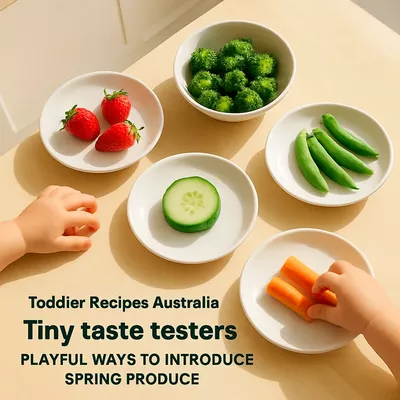
First up, a few no-fuss spring winners that keep sticky fingers and big clean-ups to a minimum. Quick to prep and easy for little hands to manage, these are the sorts of things I reach for when we want something...
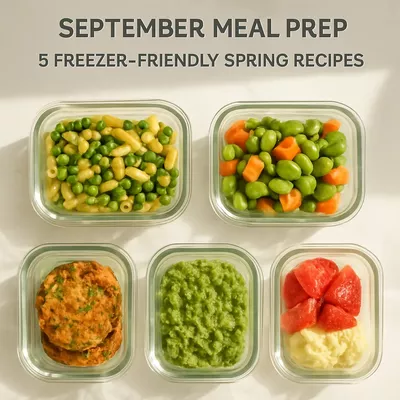
Nice - here’s how Steve keeps dinner simple without sacrificing flavour or sanity. A few good habits and the right packing tricks mean you can pull a proper family meal out of the freezer in minutes.
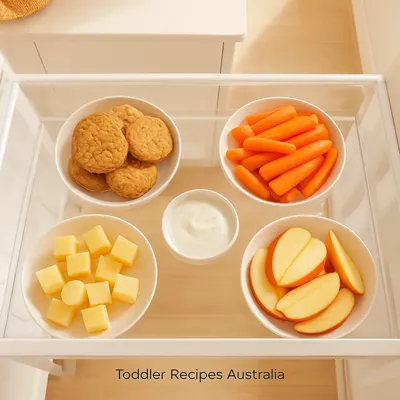
Righto, a couple of quick fridge fixes will make everything a whole lot easier. These are the simple, practical habits and setups that keep snacks safe, obvious and actually reachable for little hands.
 Never miss a recipe from us, subscribe to our newsletter