
Easing toddlers back into routine in March: gentle feeding tips and lunchbox wins
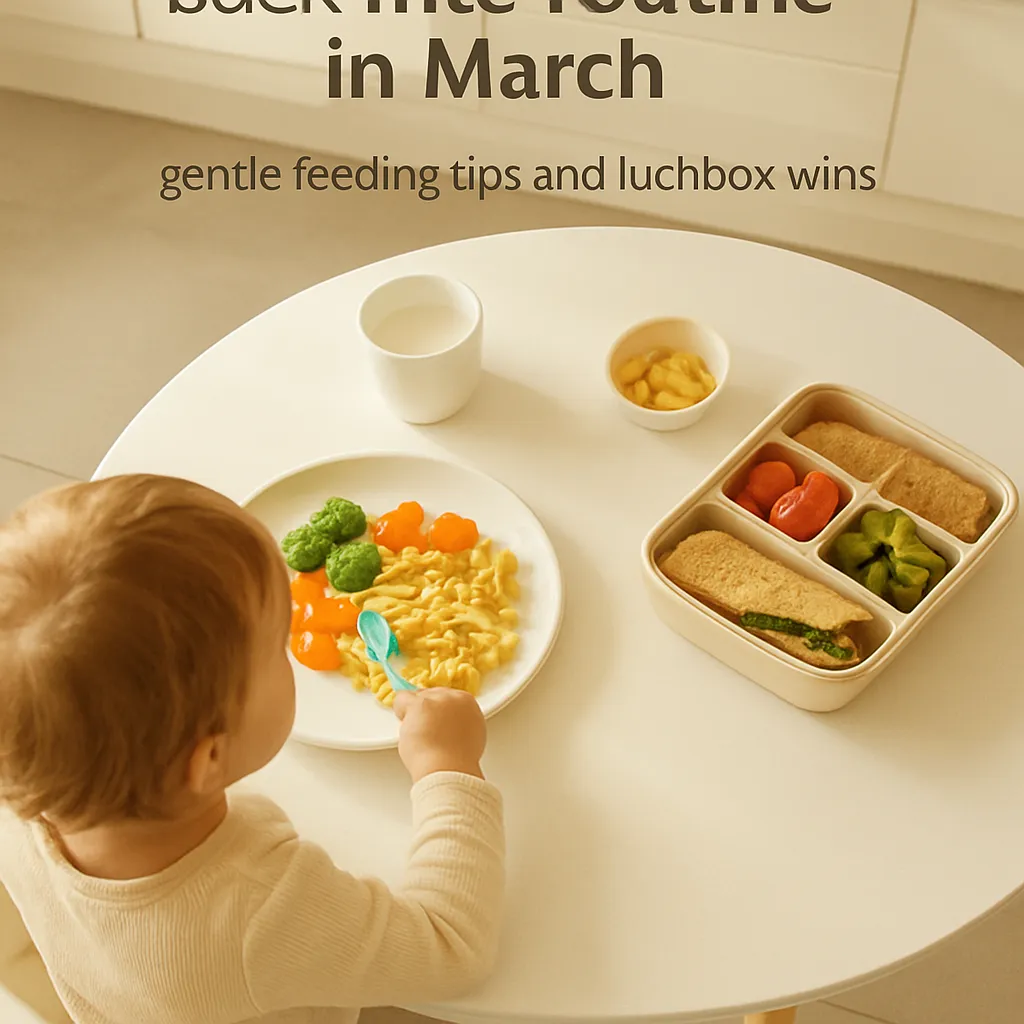
March can feel like a gentle reset after the holiday looseness. Try a few small, calm changes and you’ll often see big improvements without a fight.
First up, set a simple rhythm
- Aim for roughly 2.5 to 3 hours between eats. A loose day might look like: breakfast around 7.30-8.30, a morning snack at 10, lunch at 12-12.30, an afternoon snack at 3, and dinner 5.30-6. This gives predictable hunger cues and cuts down on grazing.
- Keep mealtimes consistent. Same place, same little ritual. A short song, a special cup for breakfast, or always starting with a sip of water tells your toddler mealtime is happening.
Small portions, safe choices
- Offer tiny serves at first. If they want more, great. If not, no stress. Toddlers regulator their own intake much better when you keep portions modest.
- Give two simple choices rather than open-ended questions. “Do you want cucumber or carrot sticks?” is easier than “What do you want?”
Bring back familiar favourites
- Put a well-loved food on the plate alongside anything new. A bit of comfort food helps settle fussiness and makes trying new things feel less scary.
- Rotate treats so sweet snacks become a predictable, small part of the day rather than the default.
Make snacks count
- Think of snacks as mini meals: protein plus carb plus fruit or veg. Examples: plain yoghurt with mashed banana, a small egg muffin with grated veg, or wholegrain toast with ricotta and berries.
- Keep snacks in the same spot and hand them out at set times so they stop filling up constantly.
Drop the pressure, keep offering
- If they refuse, move on calmly. Offer the same food again another day. Repeated low-pressure exposure is the secret sauce for picky eaters.
- Try the one-bite rule if you like structure: one bite is all that’s asked, but there is never force or bribe attached.
Make food prep tiny and fun
- Let them peel a banana, stir yoghurt, or choose between two sandwich fillings. Even brief involvement helps appetite and interest.
- Use small pans or muffin tins to make batch mini bakes (egg and veg muffins, savoury pikelets). They store well and are easy to pop into lunchboxes.
Mind the day-night and sleep stuff
- Big changes to naps or sleep will knock appetite. If naps shorten or disappear, shift meal and snack times forward by 20-30 minutes as needed.
- Avoid big meals immediately before bed. A light, protein-rich snack an hour before sleeping can help if the toddler wakes hungry at night.
Quick wins for calm mealtimes
- Turn off screens, lower noise, and sit at the table for the full meal. Little people follow cues. If you eat together, even better.
- Have a short clean-up routine after meals. Predictability helps everyone.
Practical packing tips for early March
- Pack one familiar item, one new or less-loved item, and one fun item. For example: cheese cubes, steamed carrot sticks, and a small oat cookie.
- Use a small thermos for warm favourites if they’re more likely to eat something warm than cold.
Celebrate tiny wins and keep expectations gentle
- Praise effort not finishing plates. A quick “You tried the broccoli” goes a lot further than pressure to eat.
- If a day goes pear-shaped, reset tomorrow. Small, steady nudges win out over big overhauls.
These small, repeatable moves get mealtimes back into a rhythm without turning dinner into battle. Try one change a week and you’ll likely notice calmer plates and fewer meltdowns by the end of the month.
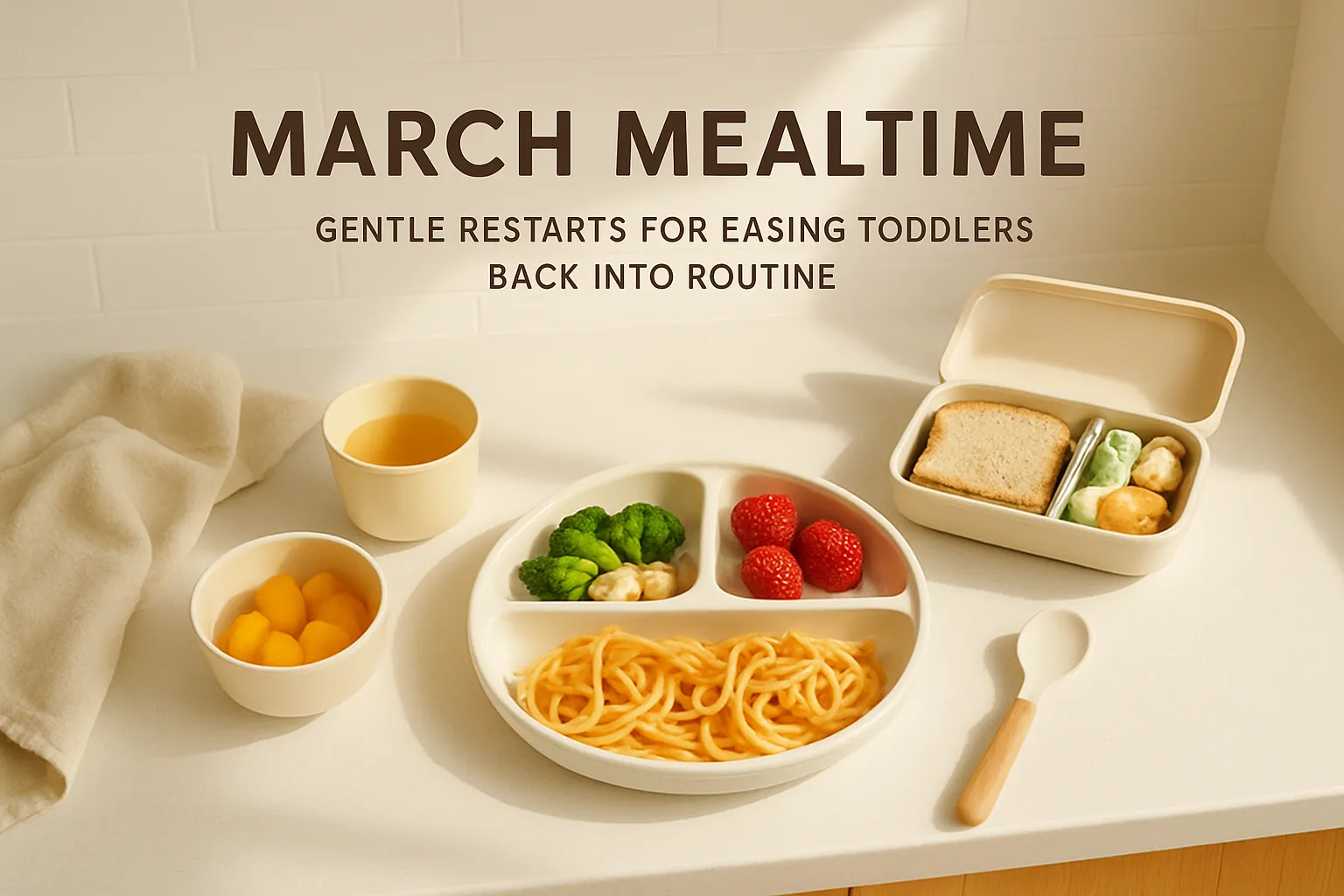
Lunchboxes that are totally peanut-free don’t have to be boring. Small swaps and a few go-to recipes make packing a tasty, safe lunch easy.
Quick peanut-free spread swaps
- Sunflower seed butter: closest in texture to peanut butter. Great with banana or jam.
- Calm-yet-creamy chickpea smash: a hummus-style spread without tahini (use if sesame is allowed).
- Cream cheese or ricotta: mild and creamy, pairs well with sweet or savoury fillings.
- Mashed avocado with a squeeze of lemon: simple, packed with healthy fats.
Easy sandwich and roll-up ideas
- Sunflower butter and banana roll-ups: spread sunflower butter on a tortilla, top with thin banana slices, roll and slice into toddler-friendly pieces.
- Apple and ricotta sandwich: thinly sliced apple, a smear of ricotta, drizzle of honey (if school allows).
- Egg mayo sliders: chopped hard-boiled egg mixed with a little mayo and chives, on soft wholemeal bread.
- Chicken and avocado wrap: shredded roast chicken, mashed avo, tiny bit of lemon juice, soft tortilla.
Protein-packed bento combos
- Mini frittatas: beat 4 eggs, stir through grated carrot, peas and a handful of cheese, pour into a mini muffin tin, bake 15-20 minutes. Freeze extras and pop into the lunchbox thawed.
- Tuna and corn patties: mix drained tuna, sweetcorn, 1 egg and a few spoonfuls of breadcrumbs, form small patties and pan-fry or bake. Chill before packing.
- Lentil balls: mash cooked lentils with grated veg, an egg and a little flour, roll and bake - great cold or at room temp.
Sneaky sweet treats (peanut-free)
- Oaty bliss balls: 1 cup rolled oats, 1/2 cup sunflower seed butter, 1/3 cup honey, 2 tbsp cocoa or cinnamon, mix and roll. Refrigerate.
- Banana muffins: mash 2 ripe bananas, 1 egg, 1 cup oats, 1/2 cup milk, 1 tsp baking powder, bake 12-15 mins in mini tins. Easy to freeze.
Veg-friendly dips that are toddler-friendly
- Quick chickpea mash: 1 can chickpeas drained, 1 tbsp olive oil, squeeze lemon, pinch salt and cumin; blitz slightly so it’s chunky. Serve with soft carrot sticks, cucumber rounds or pita.
- Yoghurt-herb dip: Greek yoghurt, grated cucumber, dill or parsley and a little lemon - perfect with steamed carrot batons.
Snack and packing tips
- Read labels: look for “may contain peanuts” warnings and avoid them. Some schools also ban sesame so check before sending tahini or sesame-containing products.
- Keep it cold: use an insulated lunchbox and an ice pack for yoghurt, egg, cheese and meat-based items.
- Portion for toddlers: think small bites and variety - three or four little items beat one big thing for palatable variety.
- Make it fun: cut sandwiches into shapes, use colourful silicone cups, or include a small dip - that often gets shy eaters nibbling.
- Batch and freeze: muffins, frittatas and patties freeze well. Pull a few out each week for low-stress mornings.
Rotate a handful of these ideas through the week and you’ll have peanut-free lunchboxes that are safe, interesting and actually eaten.
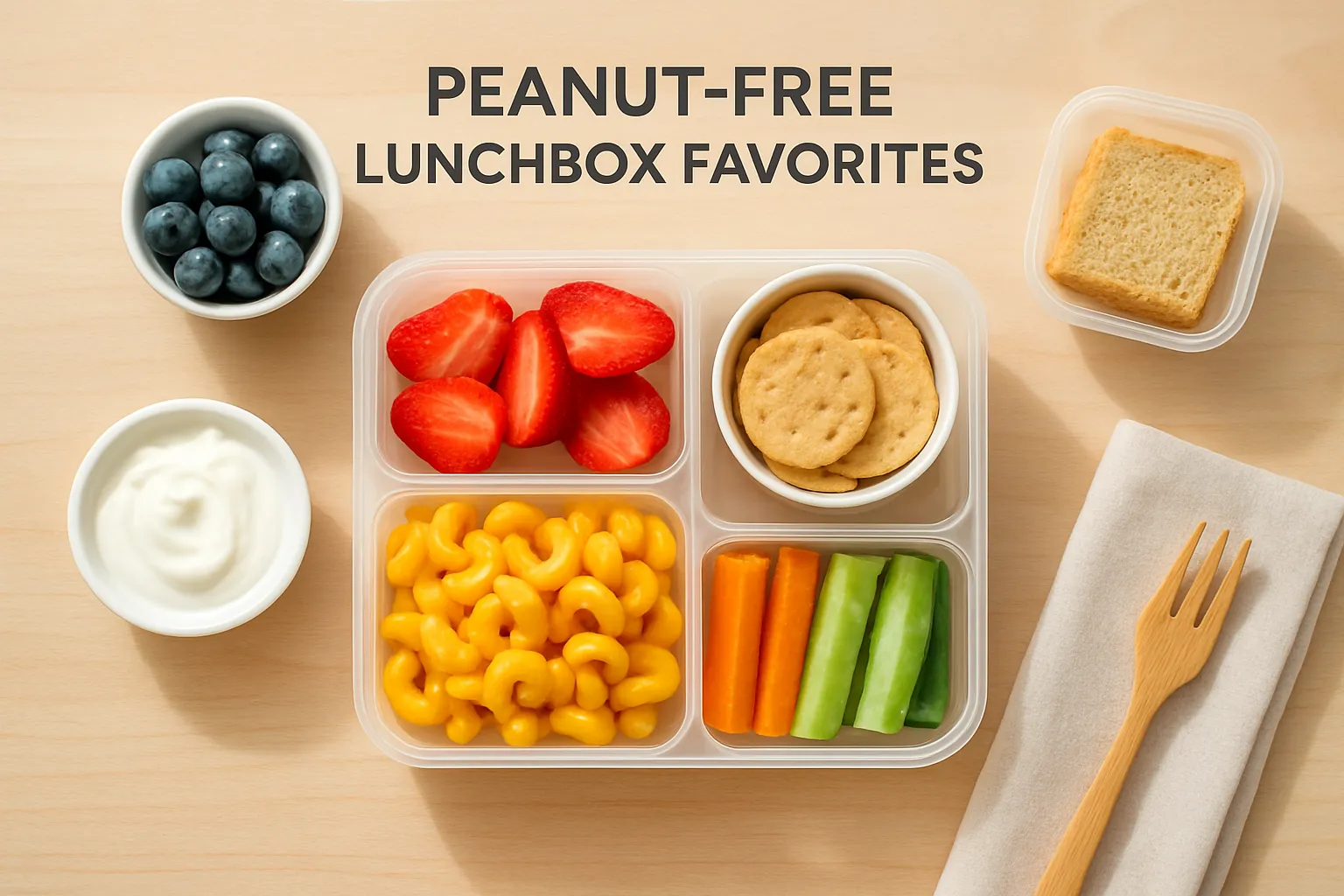
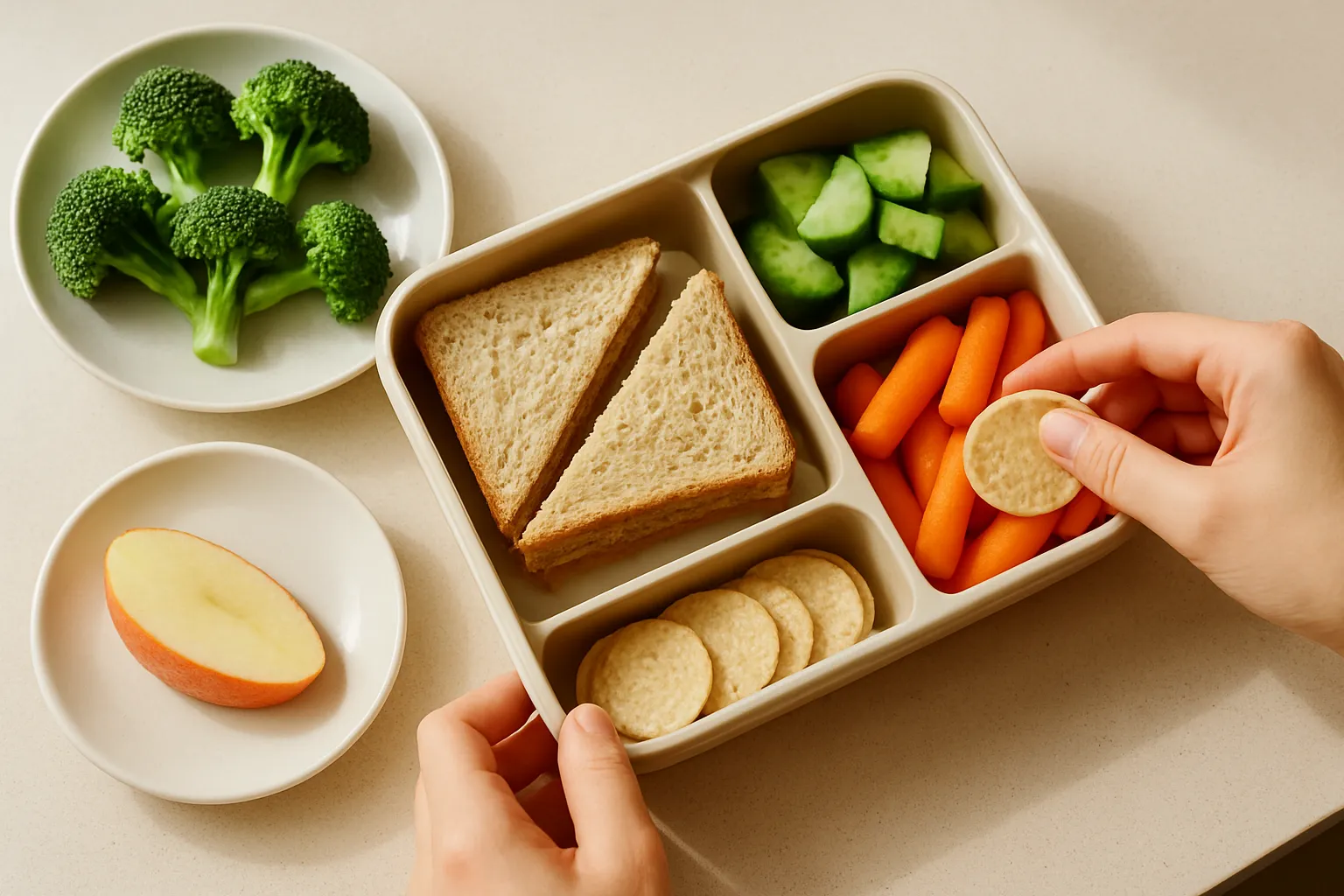
With lunchboxes sorted, here are clever, low-fuss ways to fold veg into meals so you barely hear a peep of protest.
Quick tricks that actually work
- Roast for sweetness. Roast pumpkin, carrot, beetroot or sweet potato until caramelised, then blend into sauces, mash or pancake batter. The natural sweetness hides the veg flavour.
- Grate or blitz so texture disappears. Zucchini, carrot and cauliflower can be grated or pulsed in a food processor and slip straight into meatballs, bolognese and fritters.
- Pair with favourites. Cheese, tomato, pasta, yoghurt and toast are your best friends. Mix vegives into those loved textures and flavours.
- Freeze in serve-size portions. Puree a batch of pumpkin, sweet potato or spinach, freeze in ice cube trays and pop into sauces, smoothies or porridge as needed.
- Keep it small and steady. Start small and increase the veg ratio slowly so taste and texture become familiar.
Easy do-ahead ideas
- Hidden pumpkin mac and cheese: melt butter, stir in a little flour and milk to make a sauce, add grated cheese and a few spoonfuls of pumpkin puree. Stir through pasta. No one notices the pumpkin and it makes the sauce silky.
- Carrot and zucchini meatballs: grate carrot and zucchini, squeeze out excess liquid with a tea towel, mix into mince with an egg, breadcrumbs and a little parmesan. Shape small balls and bake. Serve with tomato sauce or yoghurt dip.
- Sneaky bolognese: sweat onion and garlic, add finely grated carrot, zucchini and a handful of finely chopped mushrooms. Cook until soft, add mince and tinned tomatoes, simmer and blend a touch if needed. Freezes beautifully.
- Pancakes with hidden veg: mix pancake batter and stir through some pumpkin or sweet potato puree. Serve with fruit or yoghurt for a breakfast or lunchbox win.
- Zucchini fritters: grate zucchini, mix with a beaten egg, a spoon of flour and a handful of grated cheese. Fry small rounds until golden. Great hot or cold.
Breakfast and lunch additions
- Smoothie boost: baby spinach, banana, yoghurt and a splash of milk. Spinach flavour vanishes and you get a green cup without complaints.
- Toast toppers: mash avocado with a little lemon and finely grated beetroot, or spread a thin layer of roasted pumpkin mash under cheese.
- Muffins that hide veg: carrot and apple or zucchini and cinnamon muffins are sweet, portable and freezer-friendly. Great for lunchboxes and arvo snacks.
- Cauli mash swap: mash steamed cauliflower into mashed potato. Add butter and a little milk. It lightens the texture and sneaks in extra veg.
Dips and spreads kids actually eat
- Beet hummus: blend roasted beetroot with tinned chickpeas, tahini, olive oil and lemon. Bright colour makes it fun.
- Pumpkin or sweet potato hummus: swap roast pumpkin for chickpeas in a hummus-style spread. Serve with crackers or cut veg.
- Hidden yoghurt dips: mix finely grated carrot or cucumber into plain yoghurt with a squeeze of lemon and a pinch of dried herbs. Great for dipping chips or veg sticks.
Presentation and habit tips
- Rename it: call a carrot-boosted bolognaise “Super Spaghetti” or pumpkin pasta “Sunshine Pasta” and kids are more curious.
- Serve with a dip. Even a tiny serve of veg with a favourite dip lifts acceptance.
- Keep portions small and familiar. A little extra veg on the plate is less scary than a full salad.
- Let them help. Tearing spinach leaves, stirring batter or pressing meatballs builds curiosity and ownership.
- Texture matters. If your child hates lumps, purees and finely grated veg work best. If they like crunch, try roasted carrot batons or sugar snap peas.
Tools and shortcuts
- Food processor for blitzing veg into mince, sauces and batters.
- Box grater for quick carrot and zucchini shredding straight into bowls.
- Ice cube trays to freeze 1 or 2 tablespoon portions of puree.
- Muffin tins for batch baking muffins, savoury cups and mini frittatas with veg folded in.
Small wins add up The goal is more veg in the long run, not perfection overnight. A grated zucchini in meatballs one week and pumpkin in pancakes the next week becomes normal before you know it. Keep offering, keep it fun, and celebrate the tiny victories.
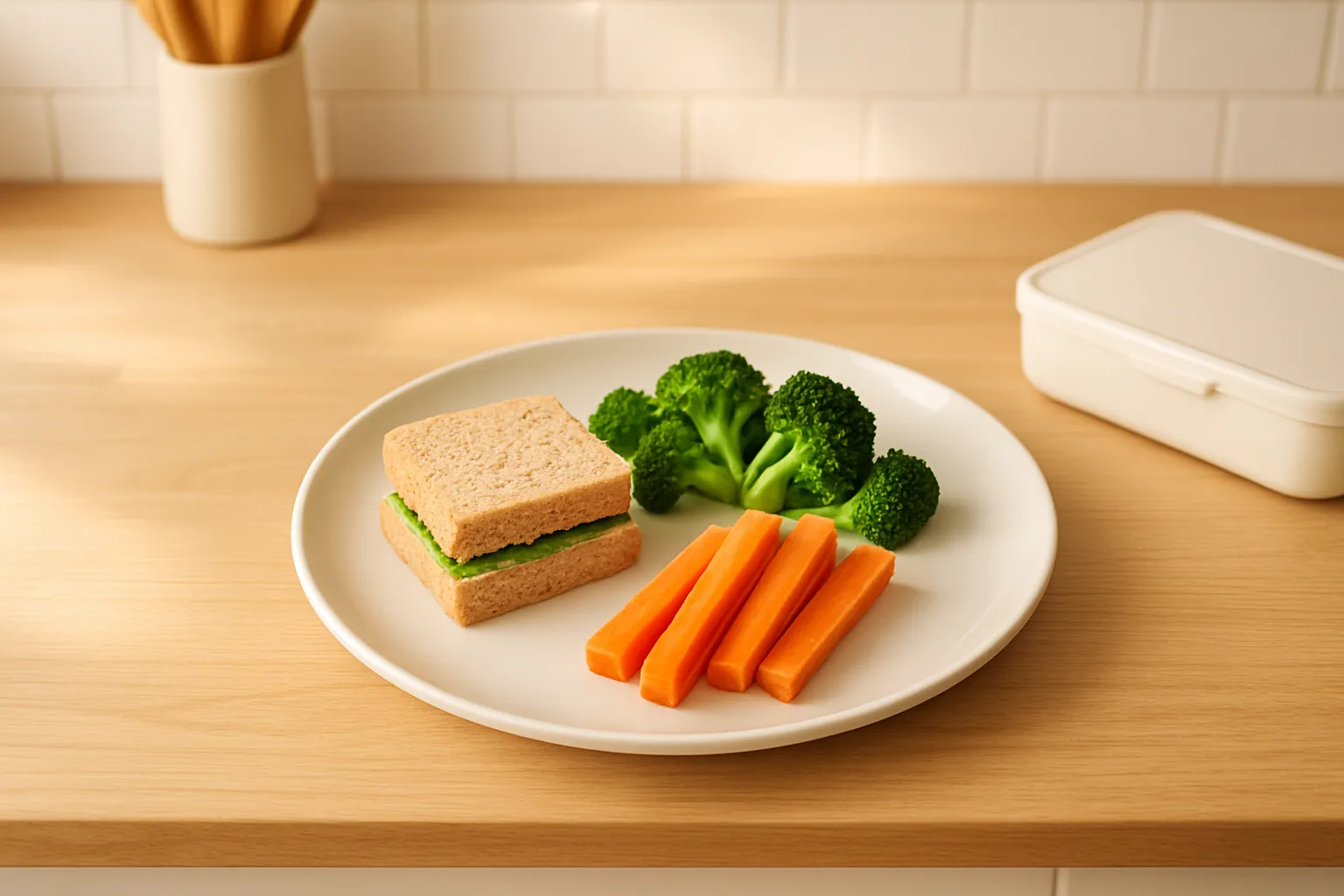
If you’ve been sneaking veg into meals, these quick weeknight winners keep that going while getting dinner on the table fast.
1) 10-minute tomato pasta with hidden veg
- Ingredients: small pasta shapes, jarred tomato sauce, grated carrot and zucchini, a handful of frozen peas, a spoonful of cream cheese or cottage cheese to mellow the sauce.
- Method: Cook pasta. While it boils, warm sauce in a pan and stir in the grated veg and peas until just soft. Mix through pasta and a dollop of cream cheese.
- Toddler tip: Serve slightly saucier so little ones can scoop. Cool to lukewarm and cut long pasta into shorter lengths for toddlers.
2) Mini frittatas (egg muffins)
- Ingredients: 6 eggs, splash of milk, grated cheese, chopped spinach or peas, grated sweet potato or carrot.
- Method: Whisk eggs and milk, stir in veg and cheese, pour into a greased muffin tin and bake 18-20 minutes at 180°C (fan). Cool a little before serving.
- Make-ahead: Freeze extras and zap in the microwave for a quick dinner or lunchbox addition. These are great finger-food sized.
3) One-pan chicken and veg sheet tray
- Ingredients: diced chicken thigh or plant-based alternative, chopped sweet potato, broccoli florets, olive oil, mild seasoning.
- Method: Toss everything in oil and a pinch of mild seasoning, spread on a tray and roast 25-30 minutes at 200°C until golden. Chop into toddler-friendly pieces.
- Timesaver: Use pre-cut veg and boneless chicken to shave prep time. Double the batch for leftovers.
4) Quick veg fried rice
- Ingredients: day-old rice or microwave rice, chopped mixed veg (carrot, corn, peas), a beaten egg, splash of low-salt soy or tamari.
- Method: Heat oil in a pan, fry veg until soft, push aside, scramble egg, add rice and soy, stir until heated through.
- Toddler tip: Keep soy light and season with a touch of sesame oil or a squeeze of orange juice for sweetness. Offer soft pieces for tiny mouths.
5) Lentil or beef bolognese with hidden veg
- Ingredients: mince or red lentils, canned tomatoes, finely grated carrot and zucchini, onion, garlic.
- Method: Fry onion and garlic, add mince or lentils, stir in grated veg and tomatoes, simmer 15-20 minutes. Serve over pasta, mash or polenta.
- Batch idea: This freezes brilliantly in portions for quick dinners or lunchbox pasta.
6) Speedy pita pizzas
- Ingredients: pita pockets or flatbreads, tomato puree or sauce, grated zucchini, diced capsicum, cheese.
- Method: Smear base with sauce, scatter veg and cheese, bake 8-10 minutes at 200°C. Cut into strips for little hands.
- Swap idea: Use sliced apple and a smear of sunflower seed butter for a nut-free sweet twist.
7) Canned salmon or tuna fishcakes
- Ingredients: canned salmon or tuna, mashed potato or sweet potato, finely chopped steamed peas or corn, 1 egg to bind.
- Method: Mix ingredients, form small patties, pan-fry lightly until golden. Cool a touch and serve with cucumber sticks.
- Quick trick: Use leftover mash to speed things up and make smaller patties for toddlers.
Quick tips to keep evenings sane
- Do a little prep while the kettle’s boiling: chop veg, grate cheese, or whisk eggs. It cuts minutes off later.
- Double up and freeze. Many of these dishes reheat well and save on next-week stress.
- Keep seasonings mild and add extras at the table for adults. Let toddlers explore new textures with dips like yoghurt or hummus.
- Cut and cool food correctly so it’s safe for little mouths. Tiny pieces and lukewarm temperature make all the difference.
These recipes are meant to be forgiving, swap in whatever veg you have, and move at kid-speed.
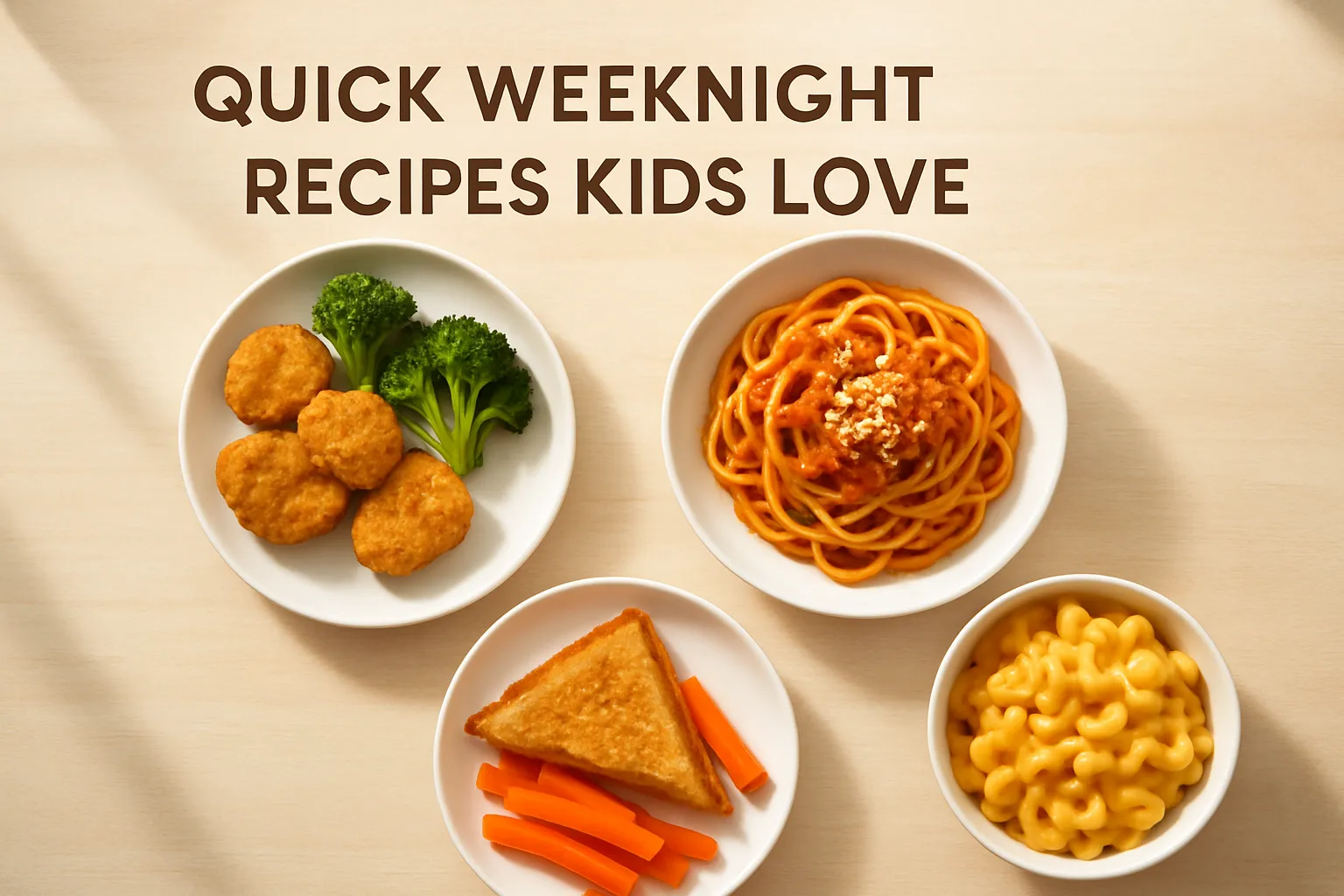
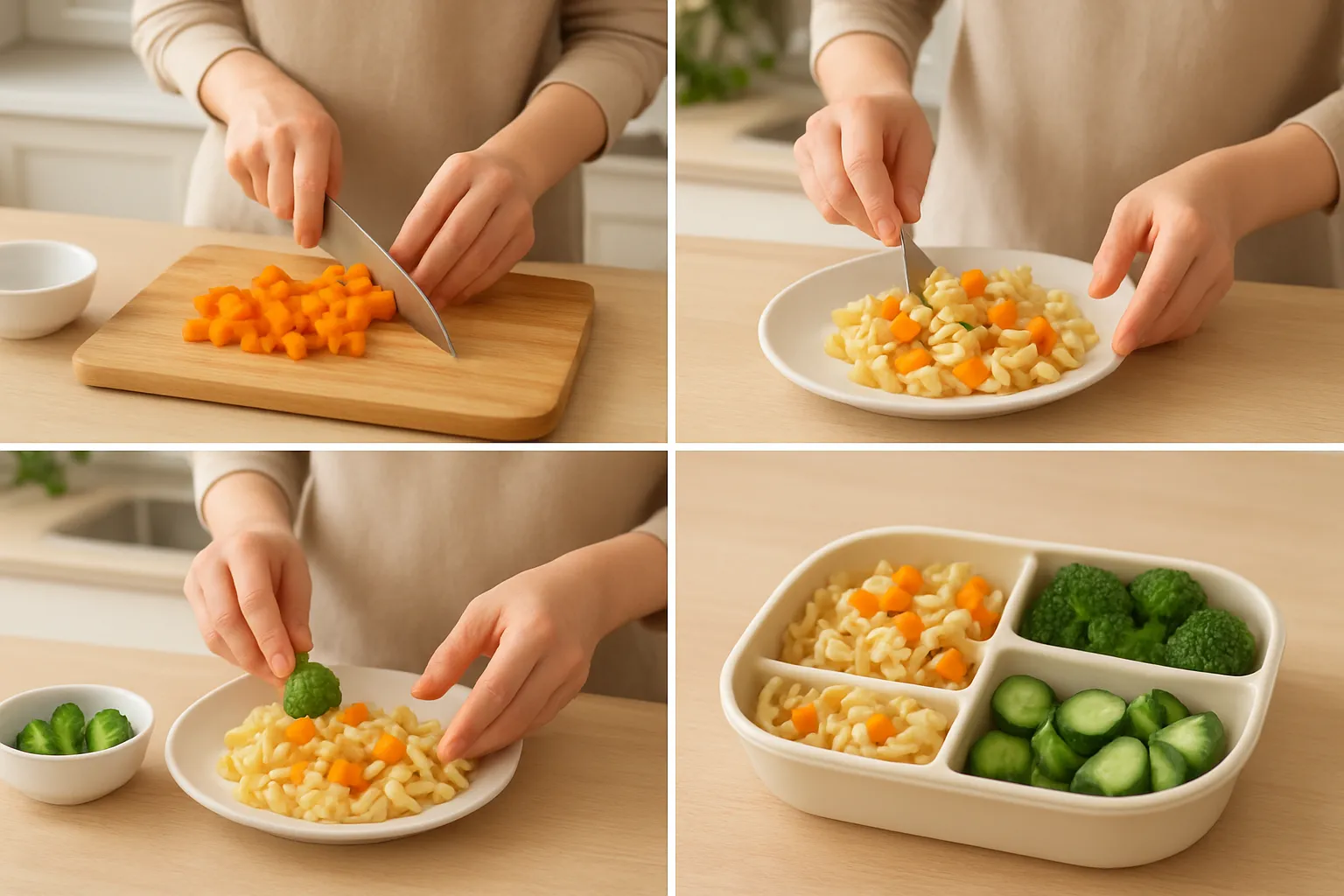
Here are a few proper little treats you can whip up for yourself when you want something a bit more grown-up than toast but still fuss-free.
Harissa prawns with coconut rice
- Time: 15 minutes
- What you need: quick-cook jasmine rice, a splash of coconut milk, frozen prawns, jarred harissa, lime, coriander, cucumber.
- How: cook the rice with a bit of coconut milk instead of all water. Quickly pan-fry prawns with a spoonful of harissa until pink. Serve prawns over rice with cucumber ribbons, a squeeze of lime and chopped coriander.
- Tip: keep frozen peeled prawns and a jar of harissa. Instant flavour, minimal washing up.
Spiced chickpea and roast pumpkin bowl with labneh and dukkah
- Time: 25-30 minutes (or shorter if pumpkin is already roasted)
- What you need: canned chickpeas, pumpkin cubes, smoked paprika, cumin, baby spinach, labneh or thick Greek yogurt, store-bought dukkah, lemon.
- How: roast pumpkin tossed in a little oil and paprika. Fry drained chickpeas with cumin and a pinch of salt until a little crunchy. Serve over spinach, dollop labneh, sprinkle dukkah and squeeze of lemon.
- Tip: roast a tray of pumpkin on the weekend to grab for salads and bowls midweek.
Miso butter salmon tray bake
- Time: 25-30 minutes
- What you need: salmon fillet, miso paste, butter, baby potatoes, broccolini or green beans, lemon.
- How: par-boil halved baby potatoes briefly, toss on a tray with olive oil and roast 10 minutes. Mix softened butter with a teaspoon of miso and smear over salmon. Add salmon and broccolini to the tray and roast until salmon is cooked. Finish with lemon.
- Tip: one tray, almost no dishes. Swap salmon for tofu if you prefer.
10-minute chilli, lemon and caper pasta
- Time: 10-12 minutes
- What you need: dried spaghetti, garlic, chilli flakes, capers or anchovies, cherry tomatoes, lemon zest, parmesan or pecorino.
- How: cook pasta. Meanwhile sauté garlic, chilli and capers or anchovy in olive oil, add halved cherry tomatoes for a minute. Toss together with pasta, lemon zest and cheese, loosening with a spoonful of pasta water.
- Tip: pantry staples here are your friend. This feels decadent but is ridiculously quick.
Honey-burnt figs or peaches with ricotta and thyme
- Time: 5-8 minutes
- What you need: soft figs or halved stone fruit, ricotta, honey, fresh thyme, toasted pistachios or almonds.
- How: heat a frypan, add fruit cut-side down with a drizzle of honey until caramelised. Serve on a bed of ricotta, sprinkle thyme and nuts.
- Tip: perfect with a glass of something chilled and zero guilt.
Quick style and storage tips for solo meals
- Keep a small “mum pantry”: jarred harissa, miso paste, good olive oil, anchovies, capers, dukkah and jarred pesto will turn simple ingredients into something exciting.
- Batch-roast veg at the weekend for instant bowls and salads during the week.
- Use frozen prawns, pre-cooked grains and canned pulses to cut meal time down to minutes.
- Plate up attractively even if it is just for you. A little lemon, fresh herbs or a sprinkle of nuts makes food feel like an occasion.
- Save one night a week for a proper solo feed. Sit down, put your phone away and actually taste it. You’ll enjoy the food twice as much.
Photo credit: Pexels

Browse Cuisines
From the Blog
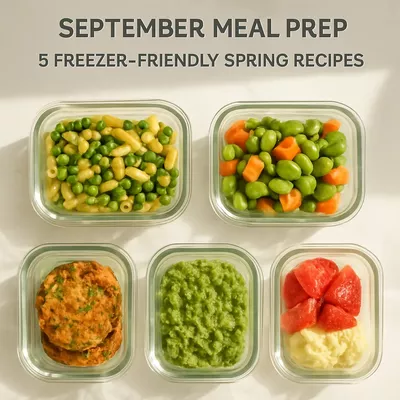
First up, a few no-fuss spring winners that keep sticky fingers and big clean-ups to a minimum. Quick to prep and easy for little hands to manage, these are the sorts of things I reach for when we want something...
Nice - here’s how Steve keeps dinner simple without sacrificing flavour or sanity. A few good habits and the right packing tricks mean you can pull a proper family meal out of the freezer in minutes.
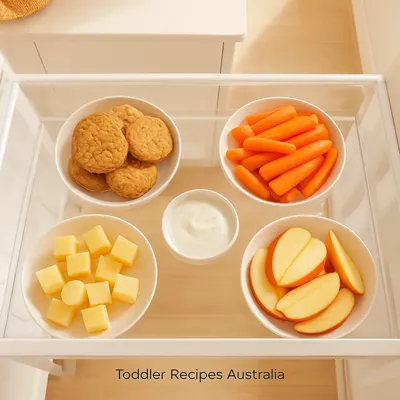
Righto, a couple of quick fridge fixes will make everything a whole lot easier. These are the simple, practical habits and setups that keep snacks safe, obvious and actually reachable for little hands.


 Never miss a recipe from us, subscribe to our newsletter