
Crowd-pleasing ideas for toddler mealtime
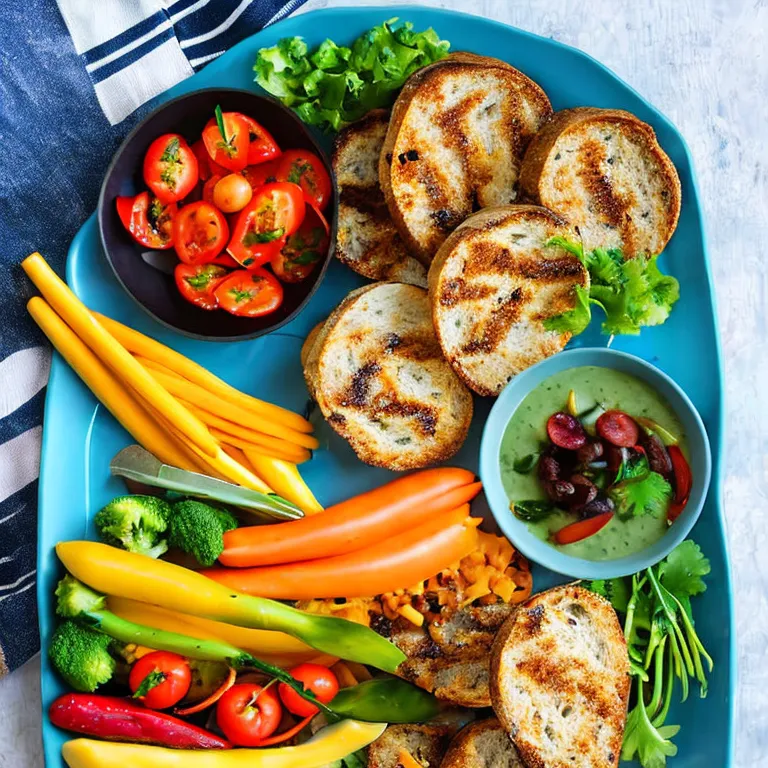
Dinner can kick off wonderfully and then, suddenly, everything goes sideways. A few simple, practiced responses will save your nerves and get everyone back to eating faster.
Immediate safety first
- If a child is coughing and talking, let them keep coughing. That usually clears things.
- If they cannot cough, cry or breathe, call emergency services straight away and follow first aid instructions. If you haven’t done a first aid course, book one; hands-on training makes all the difference.
- Spot signs of an allergic reaction early: hives, swelling, wheezy breathing or severe vomiting. If you have an action plan or an EpiPen, follow it and call emergency services.
Quick fixes for spills, burns and minor cuts
- Spills: keep a stack of towels or washable wipes near the table and a spare shirt for the toddler. Tackle liquid on the floor fast so nobody slips.
- Burns: cool the area under running lukewarm water for 20 minutes and seek medical advice for anything more than a tiny scald.
- Cuts: press with a clean cloth to stop bleeding, then clean and cover. If the cut is deep or won’t stop bleeding, get professional help.
When food is thrown or plates become weapons
- Stay calm and collect the food without big reactions. A short, firm removal of the plate usually ends the game. Say, “No throwing. We put plates on the table,” and move on.
- Give a quick consequence that’s immediate and relevant, like taking the plate away for two minutes, then offer the same food again calmly. Often the drama was the point, not the food.
Handling meltdowns and flat refusals
- Keep portions tiny and offer one thing you know they like alongside new stuff. Small wins build confidence.
- Offer two acceptable choices only, for example, “Would you like carrot sticks or apple slices?” Choices give control without derailing the meal.
- If they refuse completely, don’t turn dinner into a battle. Calmly clear the table after a set time and offer food at the next scheduled snack or meal.
Rescue meals and quick swaps
- Keep a few go-to backups in the kitchen: scrambled egg, cheese and crackers, frozen peas warmed, toast fingers, plain yoghurt or mashed banana. They fill the gap without starting a night-long negotiation.
- If something cools down and gets rejected, reheat small portions or offer it as a side instead of insisting on the original meal.
Prep and mindset that prevent incidents
- Have a basic first aid kit and emergency numbers by the phone. Know where any prescribed allergy meds live.
- Keep mealtimes predictable, with a short routine that signals dinner is starting. Tired or overexcited kids protest more.
- Model calm. If you stay low-key about a dropped plate or a refused bite, the fuss usually dies quicker.
A short phrase to use when you need to reset the room
- “We’re done playing. Dinner time is calm.” Say it once, act on it calmly, then follow through.
A few small systems and a calm approach will turn most dinnertime incidents into short blips rather than full-blown disasters.
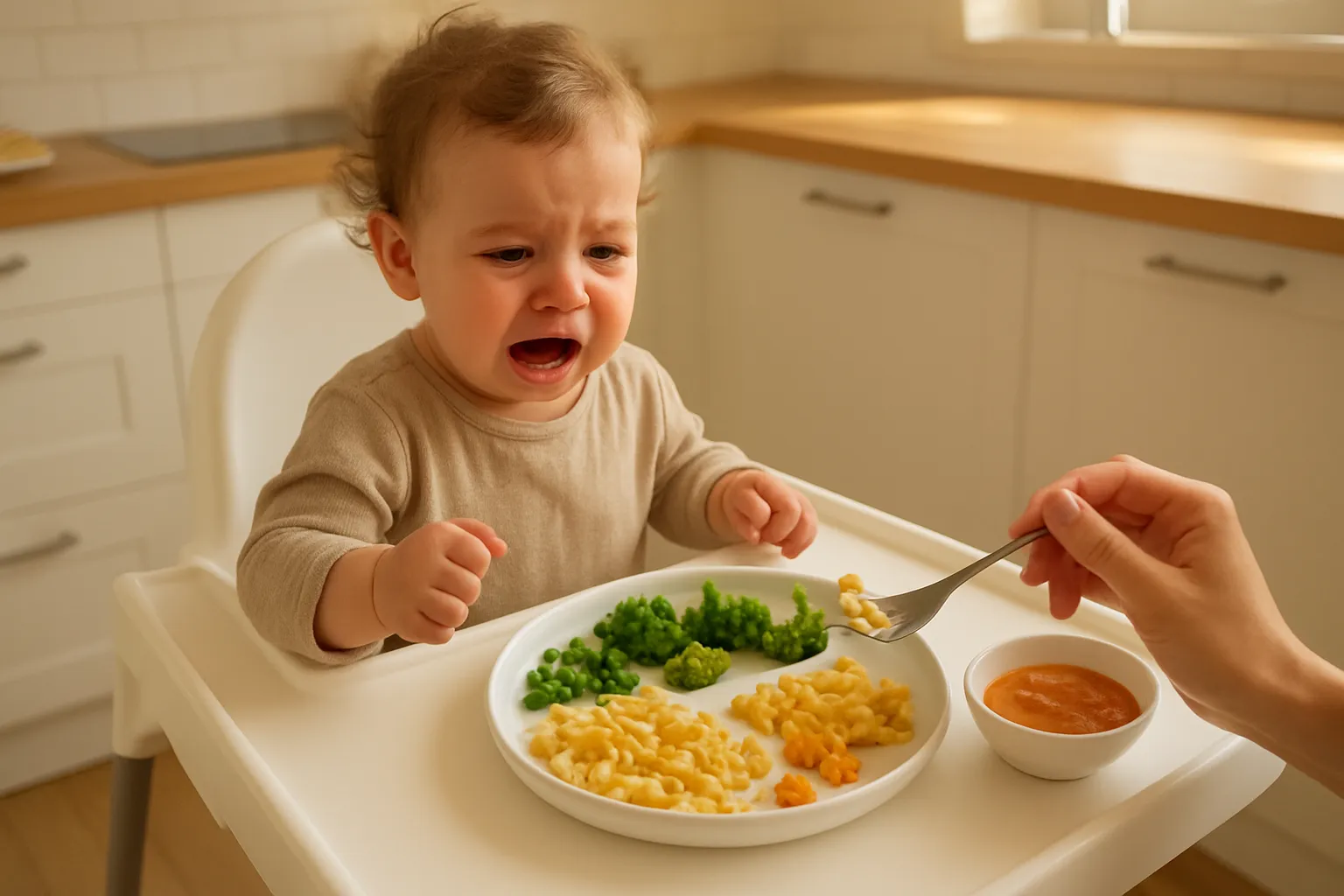
Right after sorting dinner dramas, the easiest way to keep snack time calm is to turn it into a tidy, safe little routine. A few habits set up now save time, spills and worry.
Quick, safe prep habits
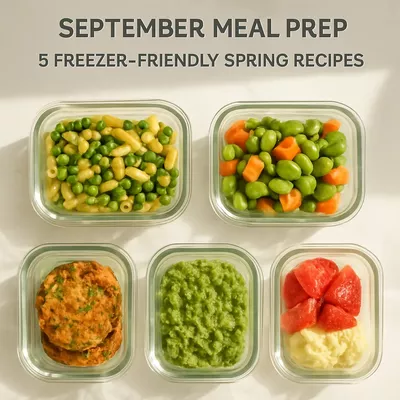
- Batch-prep and portion. Make a big batch of banana muffins or mini pancakes on the weekend, cool and freeze in single portions. Pop one in the fridge the night before, or into an insulated bag with an ice pack for outings.
- Use small containers. Silicone muffin liners, small tubs or ice cube trays are brilliant for portion control and less mess. Label with content and date so nothing lingers in the back of the fridge.
- Keep perishable items cold. Yogurt, cheese, dips and cut fruit should travel with ice packs and not be left out for hours. Aim to get them back into the fridge within a couple of hours of serving.
- Pre-cut fruit and veg the safe way. Grapes, cherry tomatoes and hot-dog style sausages are common choking risks. Halve grapes lengthwise, slice cherry tomatoes, and offer thin sticks of carrot or cucumber rather than big chunks.
Everyday safety checks
- Wash hands and surfaces before prepping and after handling raw meat or eggs. A clean bench is a quick win for keeping bugs away.
- Use separate boards or wash thoroughly between raw and ready-to-eat foods.
- Read labels for hidden allergens and expiry dates, especially for snacks that come from other carers or daycare.
Snack station setup
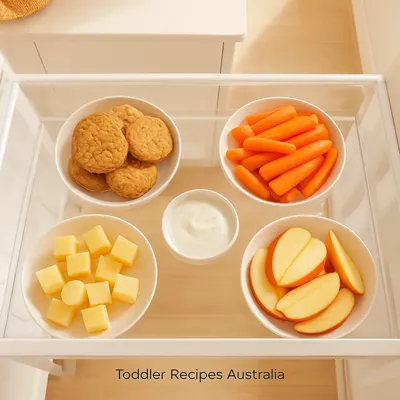
- Make a low cupboard or drawer your snack station. Offer two choices at a time, pre-portioned, so little hands can help themselves without grabbing the whole packet.
- Keep the messy stuff in washable trays or a silicone mat. It makes snacks portable and much quicker to tidy.
- Rotate snacks weekly so favourites don’t get boring, and older batches get used first.
Pack-and-go tips
- For the bag: airtight container for dry items, insulated section with an ice pack for anything chilled, and a thermos for small hot snacks if needed.
- Test thermos temps before packing hot food. Nobody wants a scalded mouth.
- Avoid pointed skewers or toothpicks for under-fives. Use fruit on silicone picks made for little ones instead.
Simple portion plan for a snack
- 1 protein or dairy small serve (cheese cube, yoghurt pouch)
- 1 fruit or veg serve, pre-cut safely
- 1 small carb or treat (wholemeal cracker, mini muffin) This keeps snacks satisfying without overdoing it and helps picky eaters accept variety.
A little label checklist to try tonight
- What’s prepped and where it’s stored
- What’s been frozen and the thaw plan
- Any allergy notes for carers/outings
- Ice packs ready in the freezer
Stick to these routines for a few weeks and snack time becomes predictable and far less frantic. Small prep, safe cutting and smart storage will take a lot of the stress out of those mid-morning or 3 pm hunger moments.
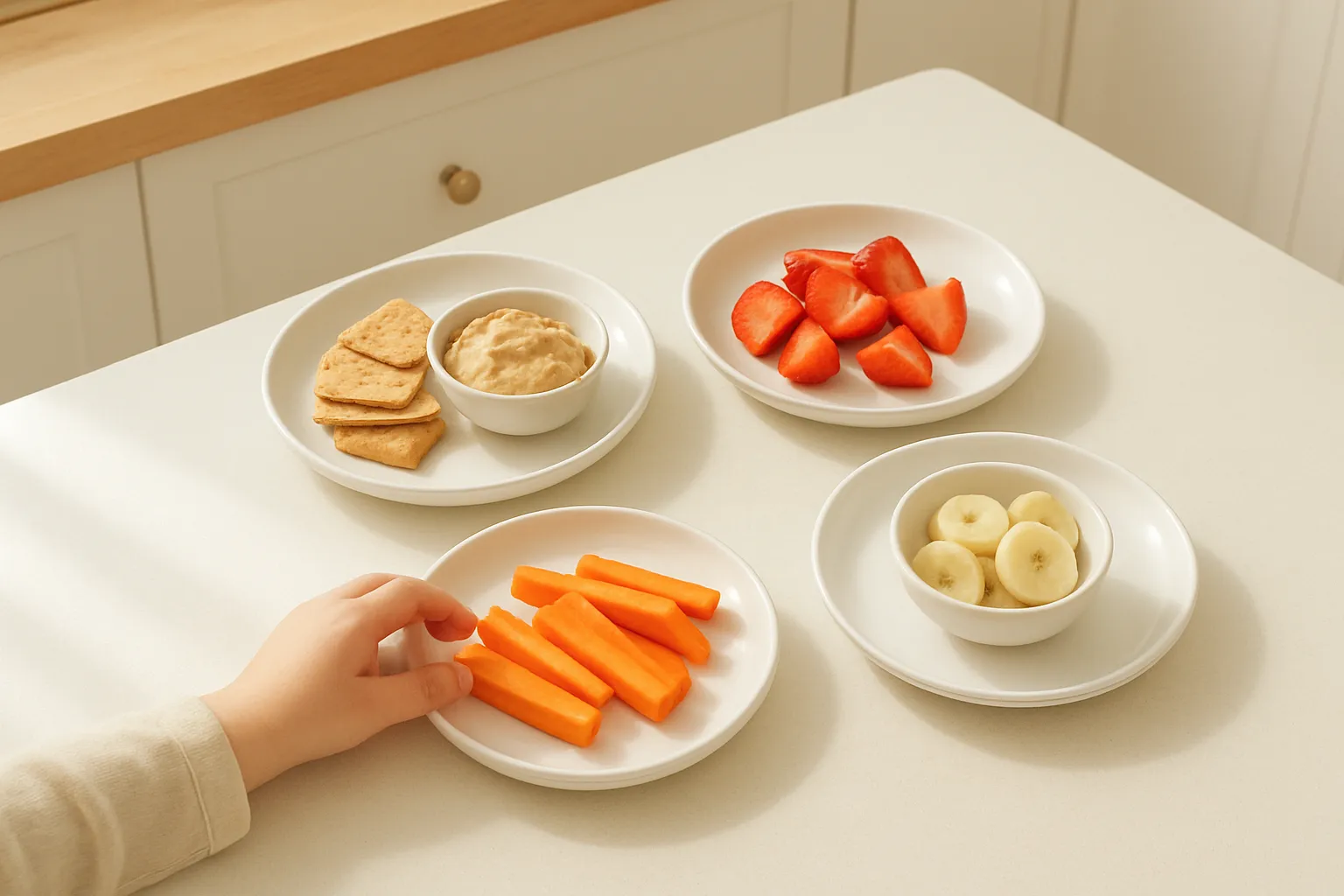
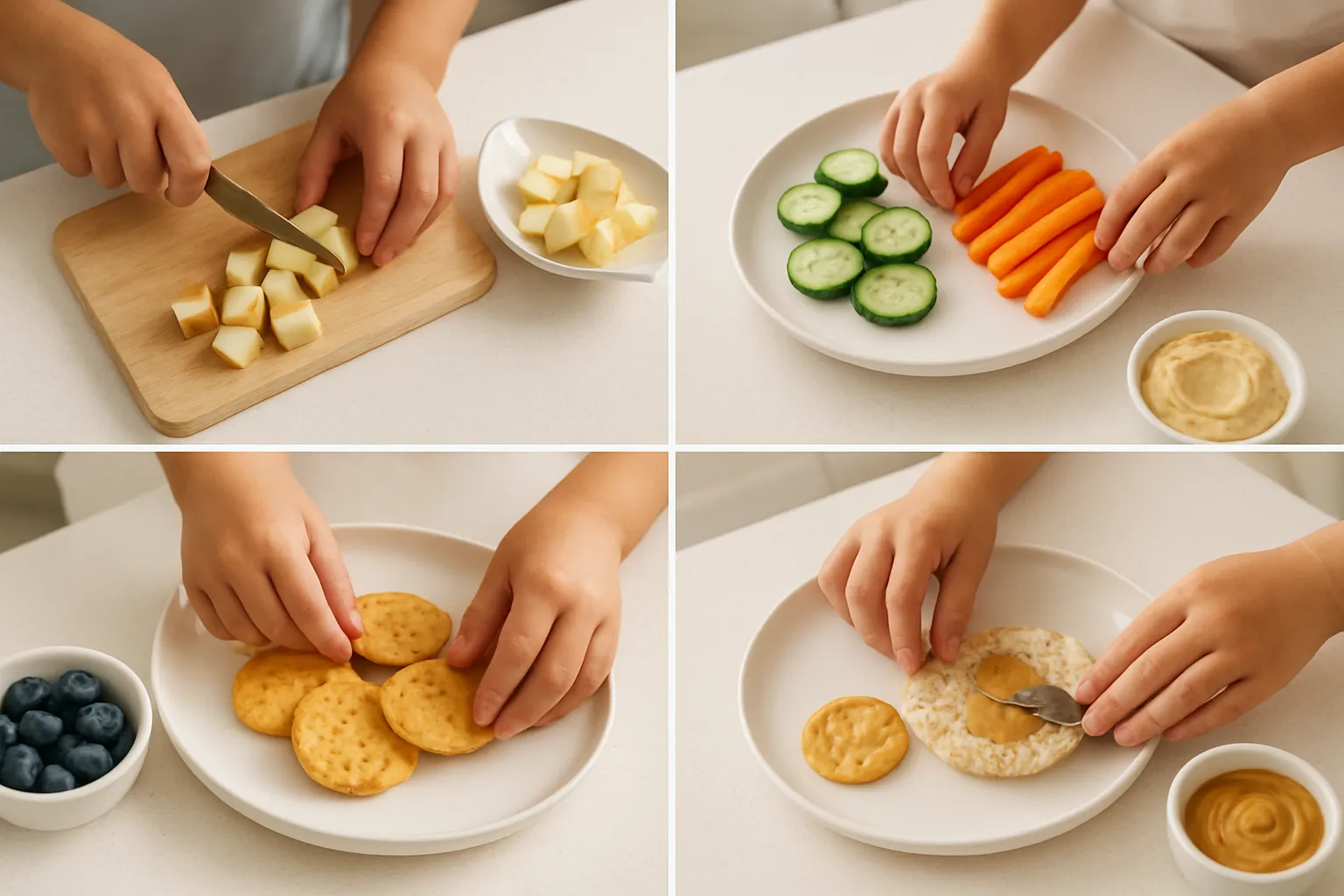
James has a handful of fail-safes that get eaten with minimal fuss. Keep a freezer stash of a couple of these and you’ll always have something quick, nutritious and toddler-friendly on hand.
Mini meatballs
- Ingredients: 500 g mince (beef, chicken or turkey), 1 small grated carrot, 1 small grated zucchini, 1 egg, 1/2 cup breadcrumbs or rolled oats, pinch of salt.
- Method: Mix everything, roll into walnut-sized balls, place on a baking tray lined with baking paper and bake at 200°C for 12-15 minutes until cooked through. Cool before serving.
- Tips: Freeze on a tray first, then transfer to bags. Reheat from frozen in the oven or microwave. Great with mild tomato sauce or yoghurt dip.
Cheesy veg muffins
- Ingredients: 4 eggs, 1 cup grated mild cheese, 1 cup mixed grated veg (carrot, zucchini, sweet potato), 1/2 cup self-raising flour or oats, pinch of pepper.
- Method: Mix, spoon into a greased muffin tin and bake at 180°C for 15-18 minutes until set. Cool and store.
- Variations: Add tiny pieces of ham, or swap cheese for dairy-free if needed. These are brilliant for lunchboxes or snacks.
Banana pancakes
- Ingredients: 1 ripe banana, 1 egg, 2 tablespoons oat flour or rolled oats, pinch cinnamon.
- Method: Mash banana, stir in egg and oats, drop tablespoons of batter into a non-stick pan and cook small pancakes 1-2 minutes each side.
- Serving: Top with Greek yoghurt or a smear of peanut butter if allergy-safe. Freeze cooked pancakes with baking paper between layers.
Hidden-veg bolognese
- Ingredients: 500 g mince, 1 jar passata, 1 grated carrot, 1 grated zucchini, 1/2 cup red lentils (optional), onion and garlic sweated in a little oil.
- Method: Fry onion and garlic, add mince and brown, stir in veg, lentils and passata, simmer until thick and flavours have married, about 20-30 minutes.
- Tips: Blend slightly for younger toddlers who prefer smoother textures. Serve with small pasta shapes or mashed potato.
Quesadilla wedges
- Ingredients: Wholemeal tortilla, grated cheese, cooked shredded chicken or mashed beans, finely chopped spinach.
- Method: Layer filling on half the tortilla, fold and toast in a pan until cheese melts. Cut into small wedges.
- Tip: Cool slightly before cutting. Great for introducing mild flavours and handling.
Mini frittatas
- Ingredients: 6 eggs, 1/2 cup milk, leftover veg and cooked meat, grated cheese.
- Method: Whisk eggs and milk, stir in fillings, pour into a lined muffin tin and bake at 180°C for 12-15 minutes.
- Use: Serve warm or cold. Handy for breakfast, lunch or sneaky dinner sides.
Quick presentation tricks that work every time
- Cut the food into toddler-sized pieces and offer a small dip cup, even plain yoghurt makes dipping more fun.
- Serve on brightly coloured plates or in muffin tins to break foods into neat sections.
- Offer two things they recognise and one new thing. Often the familiar helps them try the new.
Allergy and swap ideas
- Egg-free: use mashed banana and a tablespoon of ground flax seeded mixed with water for binding in muffins and pancakes.
- Dairy-free: use grated dairy-free cheese or omit cheese entirely and add extra herbs and veg.
- Gluten-free: swap flour for ground oats or a gluten-free flour mix.
Make-ahead plan
- Pick two recipes to double batch on a weekend, freeze portions and label dates. On busy nights reheat in the oven for best texture rather than the microwave when possible.
These are the dishes that get the least fuss and the most empty plates. Tweak spices and textures to suit your little one and you’ll have dinner wins that feel almost effortless.
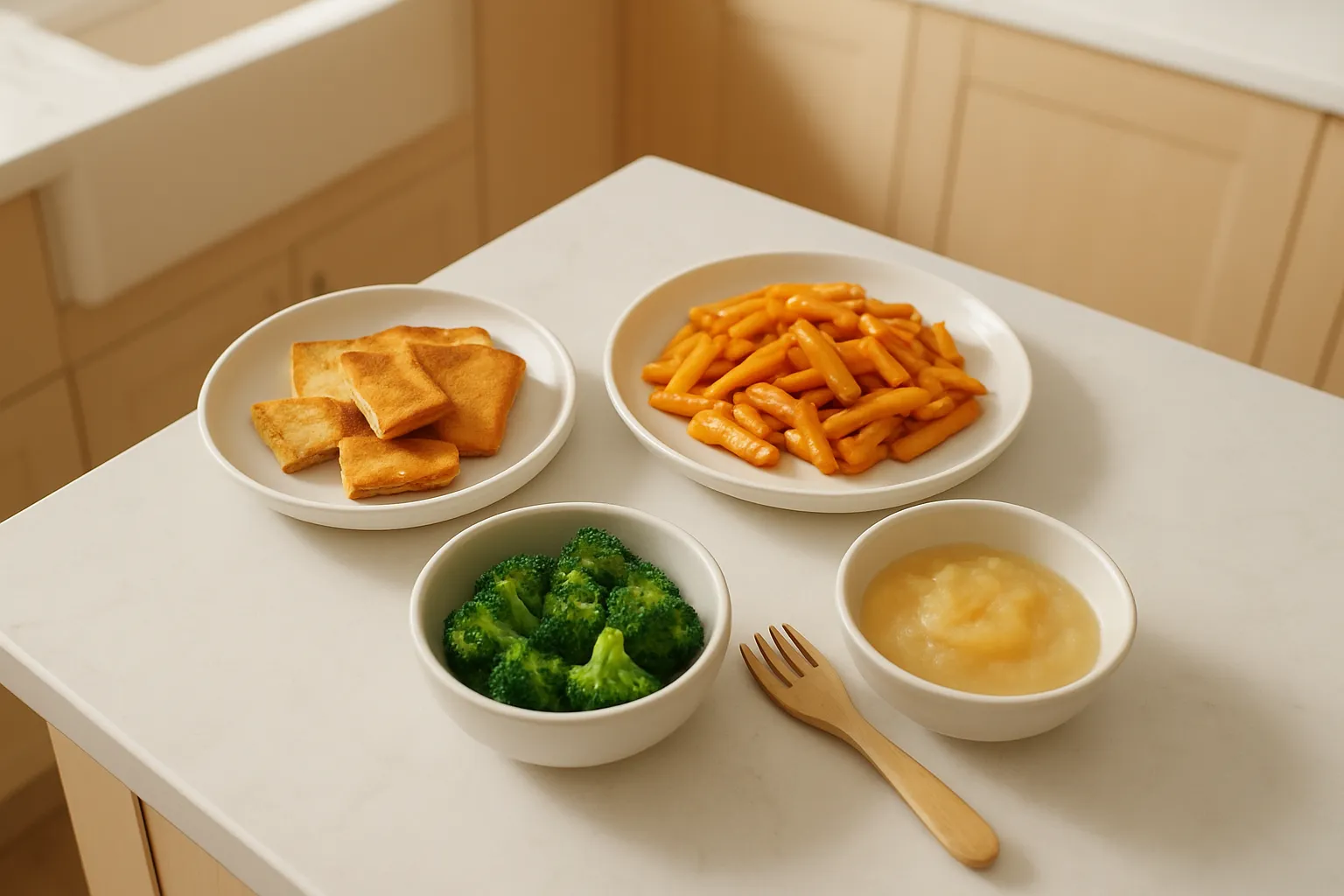
Start small and familiar. Pick one new flavour each week and fold it into something your toddler already eats so the change isn’t scary.
Quick spice and herb tips
- Keep it mild. Use tiny amounts at first: cumin, coriander, cinnamon, mild smoked paprika, turmeric, a pinch of ginger or garlic. No chilli.
- Use herbs for freshness: basil, parsley, mint, oregano. Add them at the end so the flavour stays bright.
- Swap creamy bases for coconut milk or yoghurt to soften spices and add sweetness toddlers love.
- Cut salt and sugar way back. Use natural sweetness from veg like sweet potato, carrot or pumpkin.
Easy toddler-friendly dishes from around the world
- Indian-style korma meatballs: mix mince with grated carrot, a touch of turmeric and cumin, bind with coconut milk, bake. Serve with soft rice or mashed potato. Freezes brilliantly.
- Mild butter chicken-ish bake: shredded cooked chicken folded into a tomato-coconut sauce, spooned over rice or toast fingers. Use yoghurt instead of cream if preferred.
- Japanese-style rice balls: mix flaked cooked fish or chicken with a little low-salt soy, shape into small balls. Serve with avocado and steamed edamame (mash for little mouths).
- Veg fried rice: leftover rice stir-fried with finely diced veg and a scrambled egg, tiny splash of tamari. Sneaks in veg and protein.
- Mexican quesadilla wedges: mashed black beans, sweetcorn and cheese in a tortilla; pan-grill and cut into wedges. Serve with diced avocado or plain yoghurt dip.
- Mediterranean hummus plate: soft pita, hummus, roasted carrot sticks and cucumber. Make tahini-free hummus or use sunflower seed butter if sesame is an issue.
- Simple shakshuka-lite: gently simmered tomato with herbs, crack in eggs to poach. Keep sauce mild and serve with toast pieces for dipping.
- Sweet treat: coconut-mango rice or mango yoghurt smoothing - familiar, fruity and a good way to introduce tropical flavours.
Presentation and texture tricks
- Keep pieces bite-sized and easy to pick up. Toddlers will try new flavours if the texture is comfortable.
- Dips are magic. New sauces beside familiar dippers increase acceptance dramatically.
- Use muffin tins to serve small portions of several little tastes. It feels fun and lowers pressure.
- Gradually increase spice intensity over multiple exposures rather than all at once.
Safety and allergy swaps
- No whole nuts for under-threes. Grind or swap for seed butters (or omit).
- Check for fish bones, remove skins, shred meat finely for easy chewing.
- Use low-sodium stocks and tamari. For dairy-free swaps use coconut yoghurt or oat yoghurt.
- No honey for under-one-year-olds.
Batch cooking and freezer ideas
- Make big batches of meatballs, mini patties or sauces and freeze in muffin trays or zip-lock bags in meal-sized portions.
- Label and rotate through the freezer so new flavours get repeated exposure without extra work.
- Reheat gently and freshen with chopped herbs or a squeeze of lemon to revive flavours.
A little variety, presented on familiar terms, goes a long way. Keep offering those tiny tastes and you’ll be surprised which global flavours your toddler starts asking for.
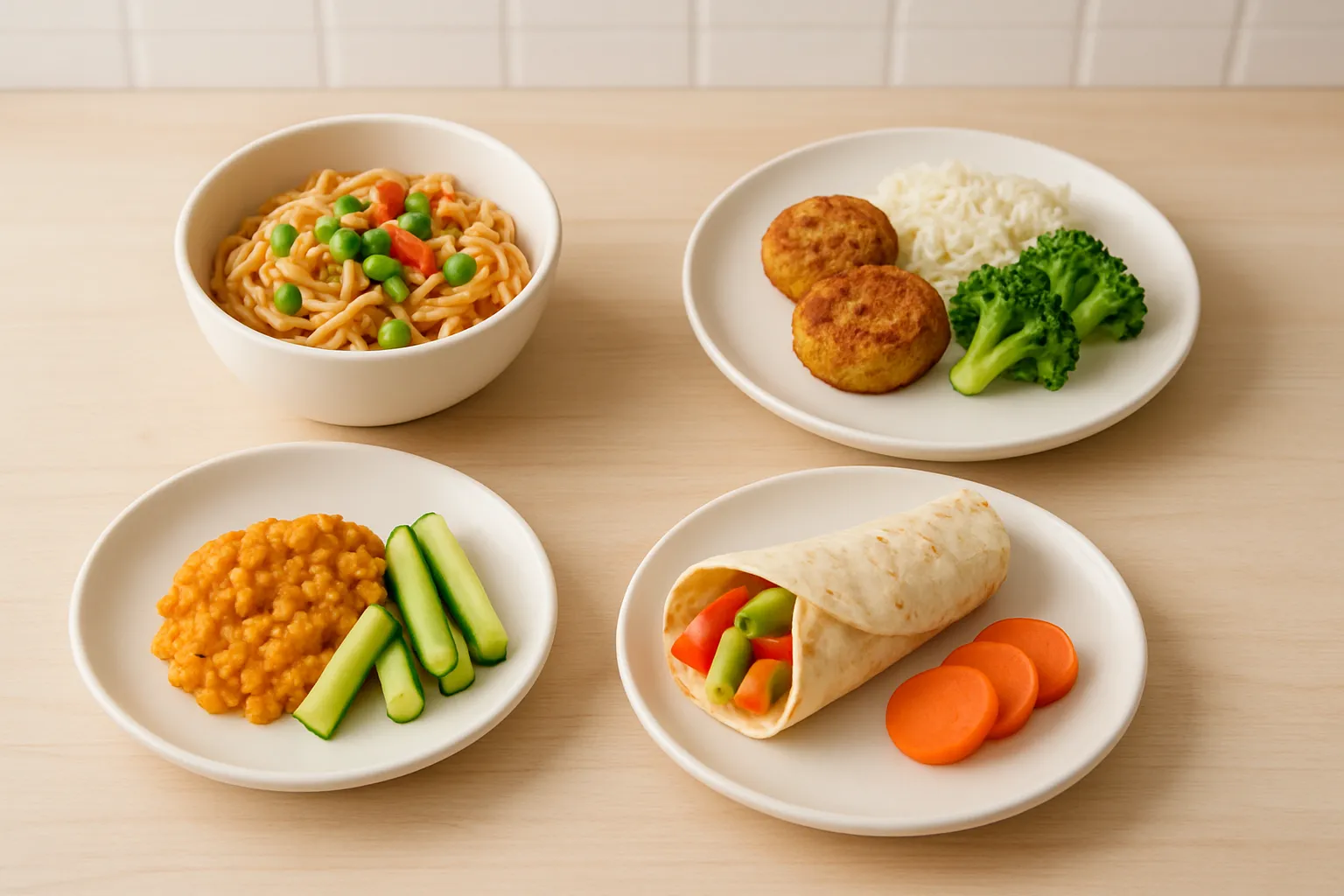
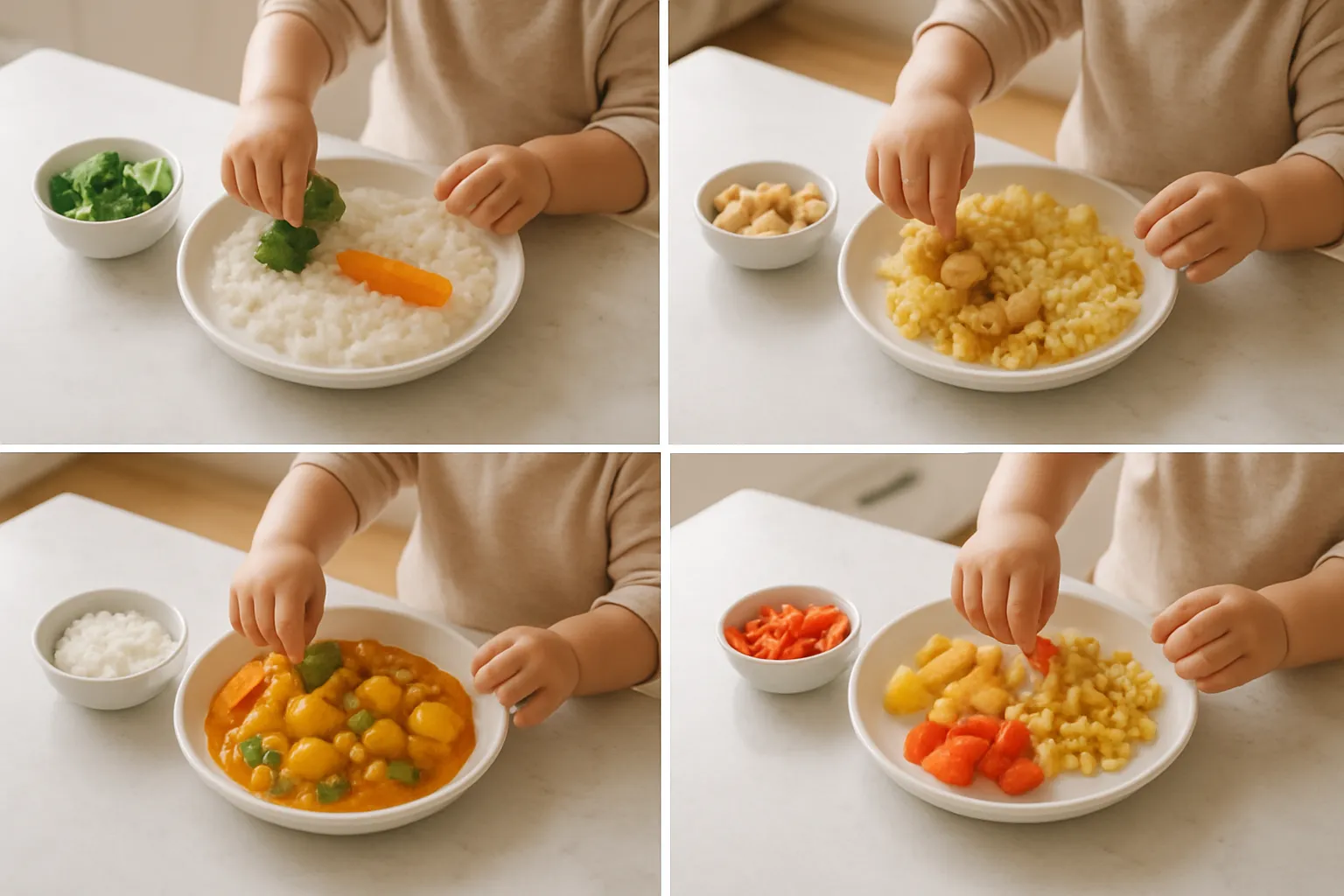
If you liked the easy flavours above, these one-pan dinners are lifesavers for busy nights and minimal washing up. Here are easy, toddler-friendly options and how to make them work for little ones.
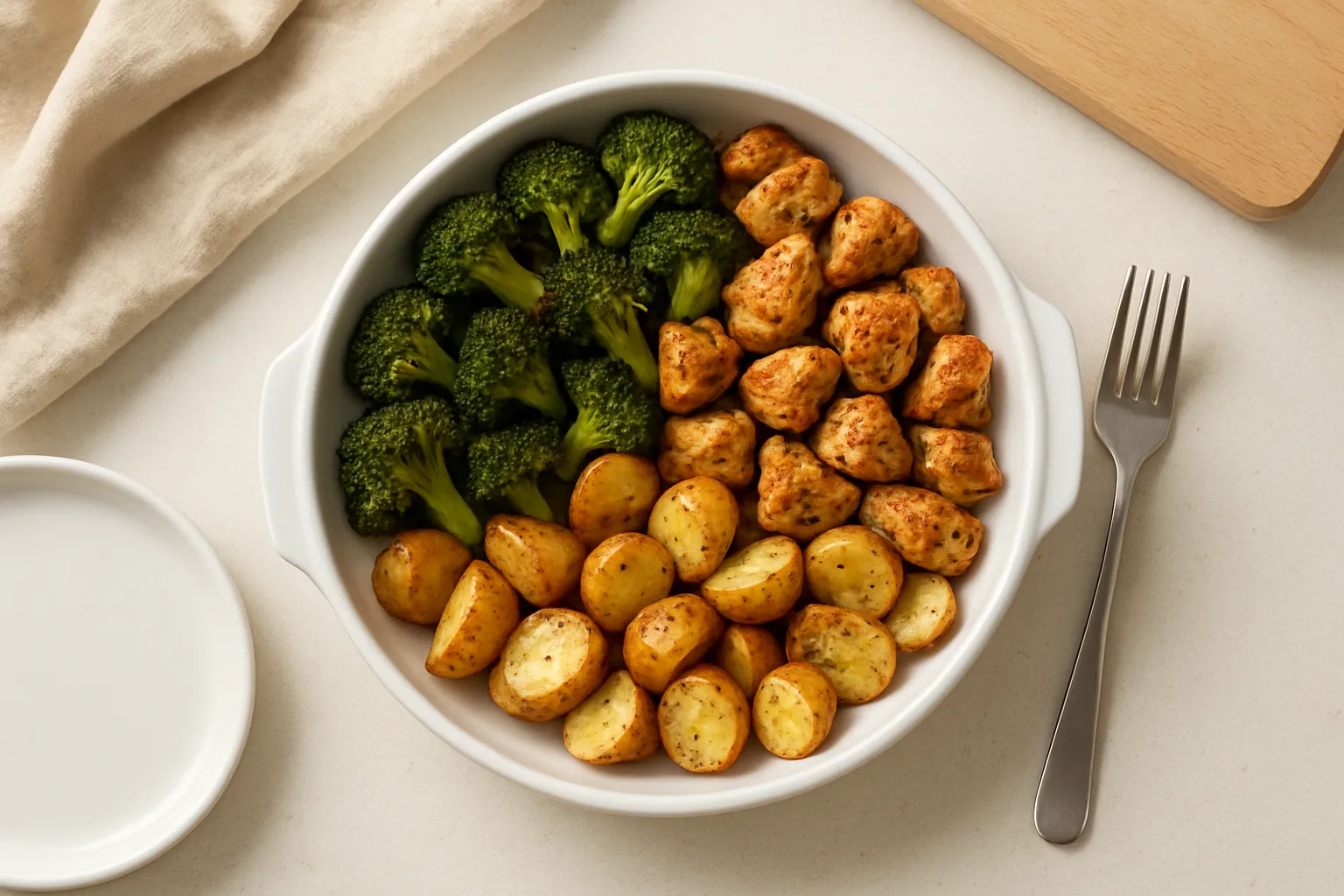
Sheet-pan chicken and veg
- Ingredients: chicken thigh pieces or drumsticks, baby potatoes halved, carrot chunks, broccoli florets, olive oil, mild paprika, garlic powder, salt and pepper.
- Method: Toss everything in oil and spices, spread on a baking tray and roast at 200°C for 30 to 40 minutes until chicken is cooked and veg are tender.
- Toddler tweaks: Cut chicken into small, bite-sized pieces before serving. Reserve some plain potato or carrot pieces before seasoning heavily if your toddler prefers blander food.
- Tip: Use parchment or a silicone mat for easy cleanup.
Sausage and apple traybake
- Ingredients: good-quality pork or chicken sausages, apple wedges, sweet potato cubes, red onion, a drizzle of maple syrup or honey (for 1 year plus), thyme.
- Method: Roast at 200°C for 25 to 30 minutes, turning halfway, until sausages are browned.
- Toddler tweaks: Slice sausages thinly for small hands, and mash a spoonful of sweet potato for younger toddlers. Avoid honey under 12 months.
One-pot pasta with hidden veg
- Ingredients: short pasta (macaroni or mini shells), passata or crushed tomatoes, grated carrot and zucchini, a handful of spinach, a little stock or water, grated cheese.
- Method: Put everything in a large frying pan or shallow pot, bring to a simmer and cook until pasta is tender and liquid is mostly absorbed, about 12 to 15 minutes.
- Toddler tweaks: Blend a portion with extra veg for sneaky nutrition, and keep some plain pasta aside if needed.
Fried rice or quinoa skillet
- Ingredients: cooked rice or quinoa, scrambled egg, peas, corn, small diced carrot, cooked chicken or ham pieces, light soy or tamari.
- Method: Sauté veg, add rice, then protein and eggs, season lightly and heat through, about 8 minutes total.
- Toddler tweaks: Chop ingredients finely and use low-salt soy or just a squeeze of lemon. Serve in small portions to avoid overwhelming flavours.
Salmon and veg foil parcels
- Ingredients: salmon fillets, sugar snap peas, thin carrot ribbons, lemon slices, olive oil.
- Method: Place a fillet and veg on a sheet of foil, drizzle oil, fold into a parcel and bake at 180°C for 15 to 20 minutes.
- Toddler tweaks: Flake salmon into small pieces and check for bones. Lemon can be left out for very young tastes.
Shakshuka-style eggs with mild tomato
- Ingredients: canned tomatoes, mild paprika, gentle chilli or omit, soft-cooked onions, eggs.
- Method: Simmer tomatoes and onion in a shallow pan, create little wells and crack eggs in, cover and cook until eggs are set to your liking, about 8 to 10 minutes.
- Toddler tweaks: Scoop out a small portion and mash the yolk with soft bread or toast fingers.
General one-pan tips for toddlers
- Keep seasonings gentle. Add herbs at the end for grown-ups if you want stronger flavours.
- Cut to toddler-size: Serve proteins and veggies in small, soft pieces to reduce choking risk.
- Batch and freeze: Many traybake proteins freeze well. Portion out, cool fully, then freeze flat in zip-lock bags. Reheat from frozen in the oven or microwave until piping hot.
- Speed up prep: Use pre-chopped veg, frozen peas and corn, or pre-cooked grains to shave time.
- Safety: Always check for bones, whole cherry tomatoes or grapes that can be choking hazards, and cool food to a safe temperature before serving.
- Make it fun: Serve components separately on a divided plate so toddlers can pick and choose. Little containers for dips like plain yoghurt can encourage trying new things.
These one-pan dinners are great for making a variety of tastes and textures without standing over the stove. A bit of prep in the morning can mean dinner on the table with hardly any fuss.
Browse Cuisines
From the Blog
First up, a few no-fuss spring winners that keep sticky fingers and big clean-ups to a minimum. Quick to prep and easy for little hands to manage, these are the sorts of things I reach for when we want something...
Nice - here’s how Steve keeps dinner simple without sacrificing flavour or sanity. A few good habits and the right packing tricks mean you can pull a proper family meal out of the freezer in minutes.
Righto, a couple of quick fridge fixes will make everything a whole lot easier. These are the simple, practical habits and setups that keep snacks safe, obvious and actually reachable for little hands.


 Never miss a recipe from us, subscribe to our newsletter