
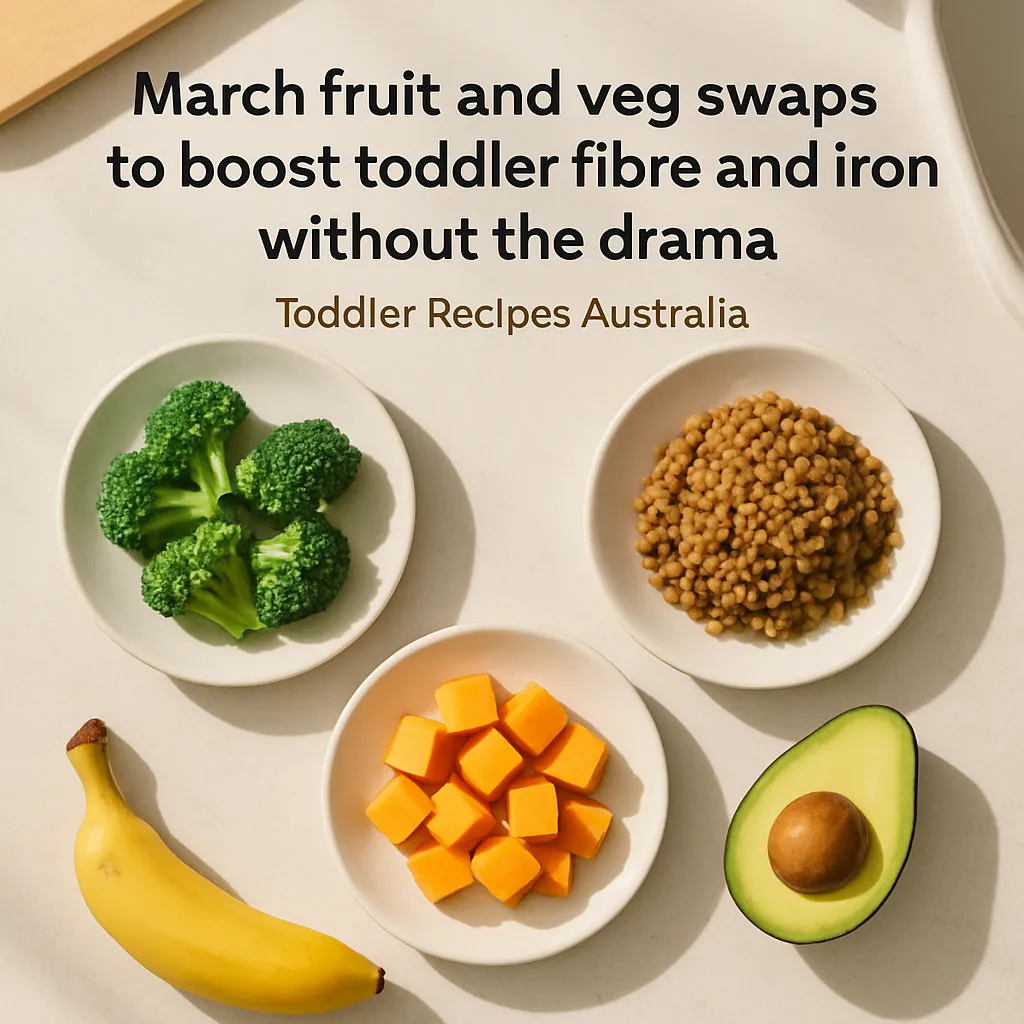
March fruit and veg swaps to boost toddler fibre and iron without the drama
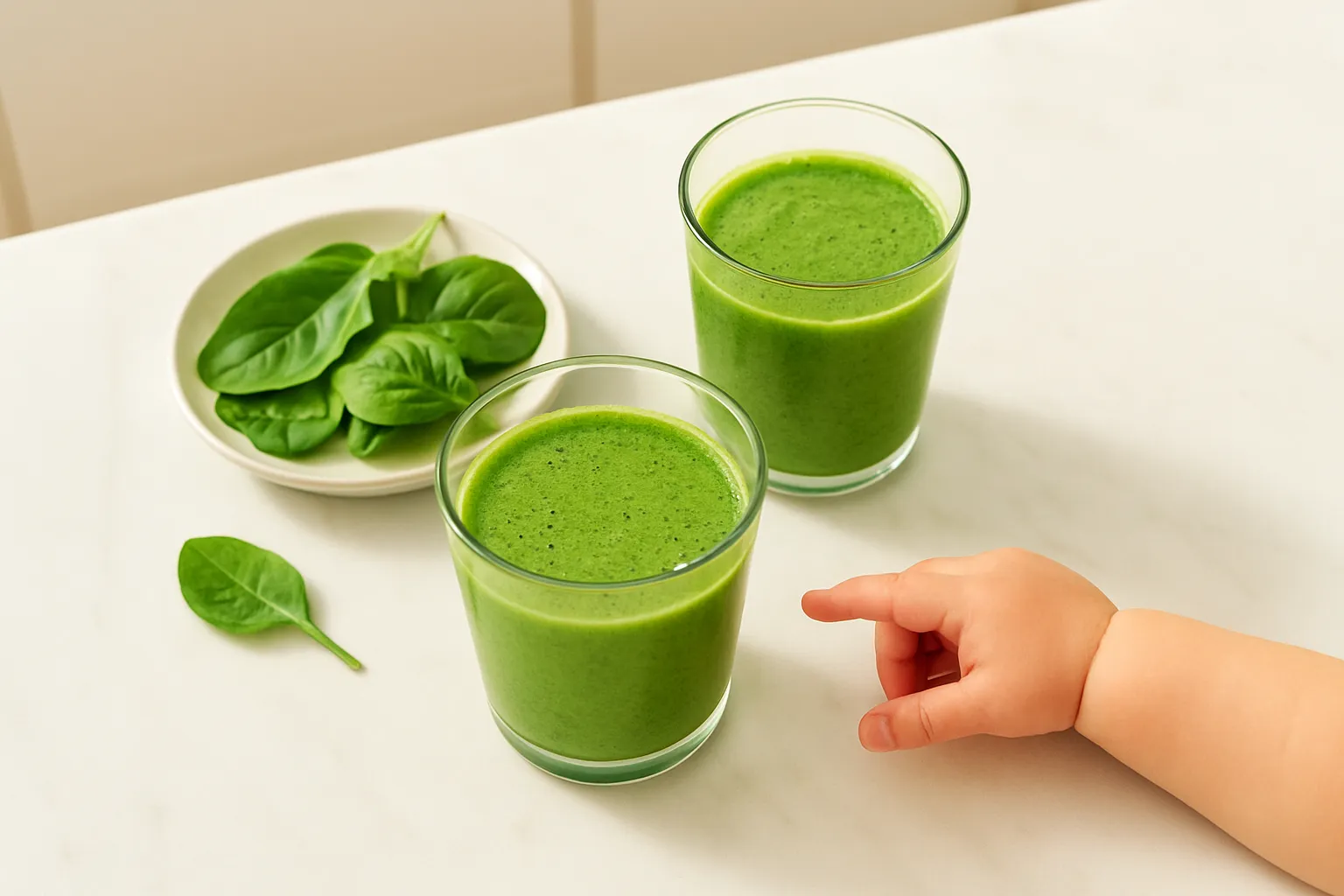
Spinach smoothies are a brilliant way to sneak in iron and fibre without a fight. They’re quick, forgiving and perfect for freezing into handy toddler-sized portions.
Quick tips before you blend
- For toddlers 12 months and older. Spinach can be high in nitrates so keep it occasional and rotate greens.
- Use frozen spinach for convenience and a milder flavour, or fresh washed leaves if you prefer. About half a cup of spinach per smoothie is a good place to start.
- Add a vitamin C source like orange, kiwi or berries to help the iron in spinach be better absorbed.
- Boost fibre and creaminess with oats, mashed banana, avocado or ground flaxseed. If you use chia, soak it first to avoid choking.
- Skip added sugars and honey for children under 1 year; for toddlers, rely on fruit to sweeten.
- Blend really well so there are no leafy bits to put off fussy eaters. Start with small serves, around 100-150 mL.
Three easy toddler-sized recipes 1) Green Morning Cup
- 1/2 cup frozen spinach
- 1/2 banana
- 1/4 cup orange segments or 2 tbsp 100% orange juice
- 1/2 cup full-fat plain yoghurt or milk (cow’s milk after 12 months, or a fortified plant milk if you use one)
- 1 tbsp quick oats, soaked briefly Blend until smooth. Serve about 120 mL.
2) Berry Spinach Sipper
- 1/2 cup frozen spinach
- 1/3 cup mixed berries (fresh or frozen)
- 1/4 avocado for creaminess
- 1/2 cup water or milk
- 1 tsp ground flaxseed Blend until silky. Great for a morning snack.
3) Mango Boost Pops
- 1/2 cup spinach
- 1/3 cup mango cubes (frozen is fine)
- 1/2 banana or 2 tbsp cooked and cooled plain chickpeas for extra iron and fibre if you’re happy adding legumes
- 1/2 cup yoghurt or milk Blend, pour into small popsicle molds or ice cube trays for frozen treats.
Serving and storage hacks
- Freeze leftovers in ice cube trays or silicone moulds, then pop cubes into a labelled bag. Thaw overnight in the fridge or blitz a cube with a little milk for a quick single serve.
- Use a small straw cup, sippy cup or a story-telling routine to sell the green look. Toddlers are into novelty.
- Offer a spoonful alongside a familiar food first, then a small smoothie serve. Repeated gentle exposure wins over force.
Keep it low-drama Start with tiny amounts of spinach and ramp up if they take to it. If a smoothie is rejected, try different fruit combos, a milder green, or turn it into a frozen lolly. Rotate greens through the week rather than every day to keep things varied and safe.
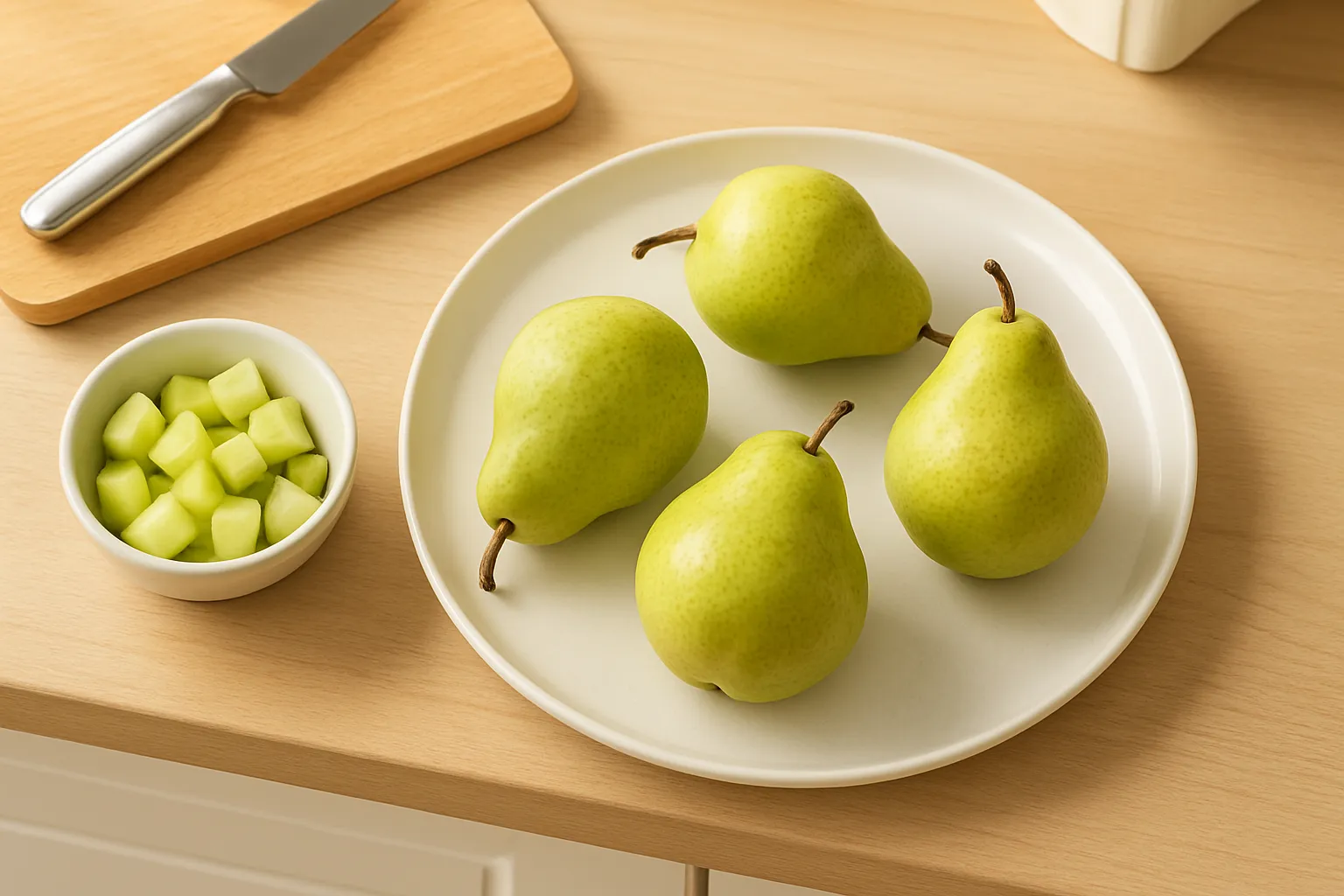
Pears are a cracking swap for apples when you want a bit more fibre and a softer texture that toddlers usually cope with better.
How to pick and prep
- Choose pears that give slightly when you press near the stem. Too hard and they can be a choking hazard and taste sour. Bartlett/Williams ripen fastest; Packham keeps longer.
- Leave the skin on for extra fibre if your little one can handle it. Wash well. If they’re still developing chewing skills, peel or cook until soft.
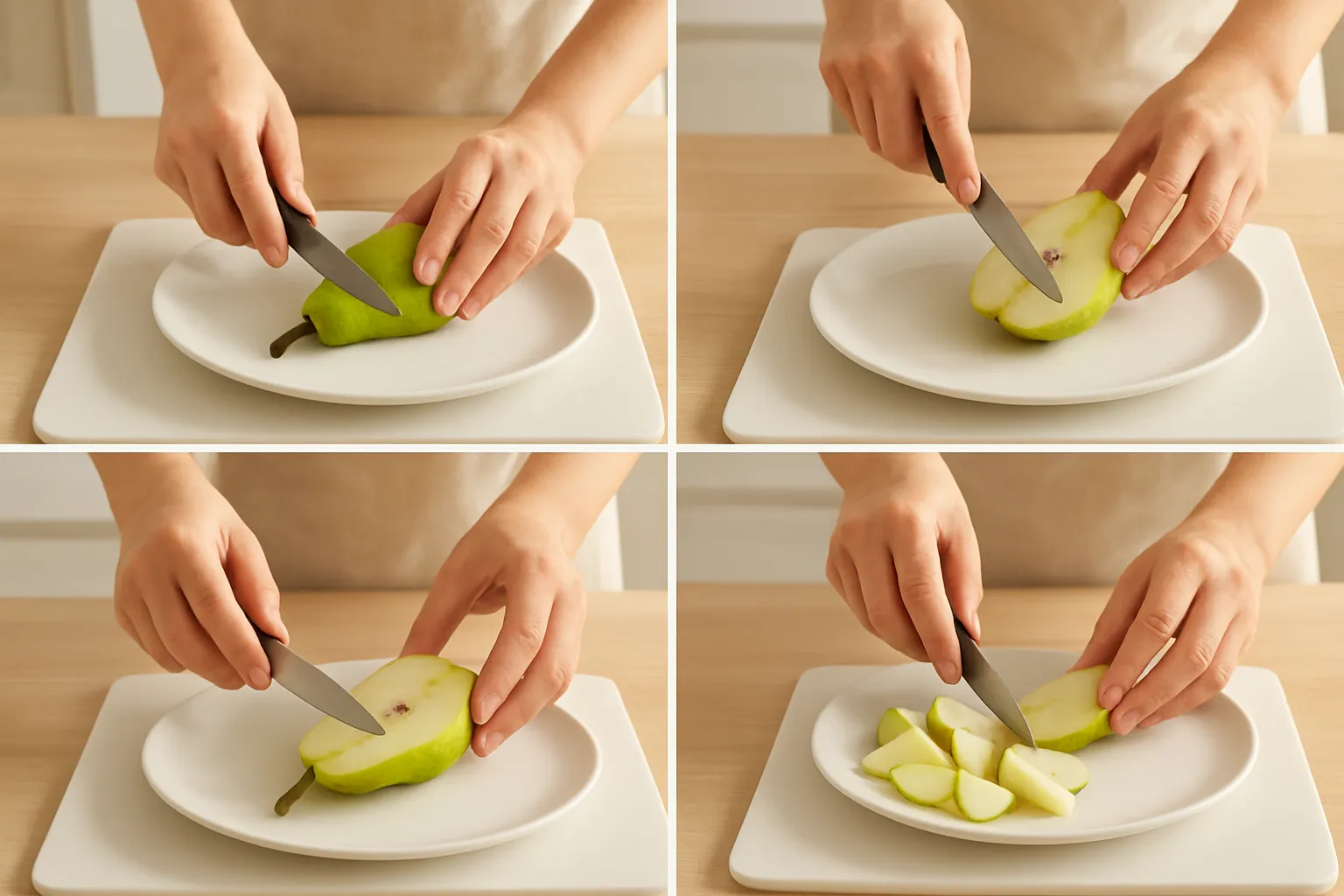
- Cut into thin wedges, mash, or steam slices until tender. Remove the core and seeds every time.
Quick, toddler-friendly serving ideas
- Pear fingers: oven-roast thin slices with a sprinkle of cinnamon until soft but not floppy. Great for little hands.
- Steamed pear mash: steam a pear and mash with a fork. Stir through a spoonful of iron-fortified baby cereal or mashed lentils for a fibre and iron combo.
- Pear and hummus plate: thin pear slices with a smear of hummus or sunflower seed butter for dipping.
- Pear porridge: grate or chop pear into warm porridge so you get sweetness without added sugar.
- Frozen pear cubes: chop ripe pear, freeze on a tray and use straight into smoothies for texture and chill.
Boosting iron without the drama
- Pears add fibre but only a little vitamin C, so pair them with vitamin C boosters to help your toddler absorb plant-based iron. A squeeze of lemon, a few strawberries, or a chunk of kiwi alongside the pear does the trick.
- Combine pears with iron-rich foods: soft shredded chicken, lamb mince, baked beans, lentil dahl or iron-fortified cereals. For example, mix steamed pear mash into a lentil puree or serve pear sticks with a small pot of minced beef ragu.
- Try not to offer large amounts of cow’s milk right before or after iron-rich meals. Milk can compete with iron absorption, so space it out by an hour if you can.
Safety and portion tips
- For toddlers under two or those still learning to chew, cook pears until very soft or mash them well.
- Serve half a small pear or a few thin slices depending on appetite. Always sit with your toddler while they eat.
Storage and ripening tricks
- To ripen pears quickly, pop them in a paper bag with a ripe banana for a day.
- Store ripe pears in the fridge for a few days to keep them from over-ripening.
Swap apples for pears sometimes and you’ll often get better texture, a little more fibre, and an easy way to sneak in iron-friendly combos without a fuss.
Cauliflower chips for crunch
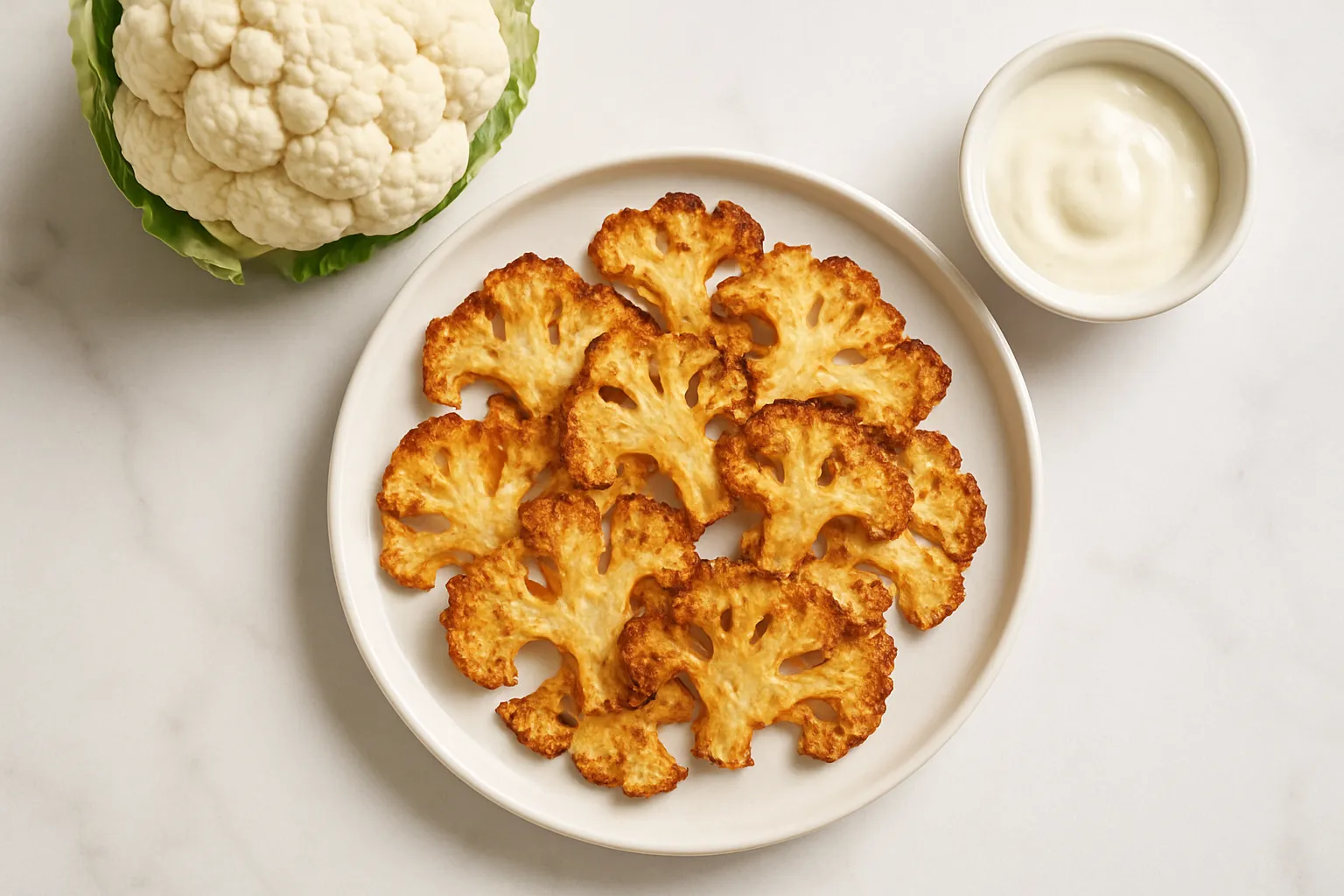
From soft muffins to something with a bit of crunch. These cauliflower chips are great for little hands, easy to batch cook and a sneaky way to add extra veg without a drama.
Quick recipe (oven or air fryer) Ingredients
- 1 small cauliflower, broken into bite-sized florets or thin “steaks”
- 2 tbsp olive oil
- 2 tbsp chickpea flour mixed with 3-4 tbsp water to make a thin batter (adds fibre and iron)
- 1/2 cup panko or crushed cornflakes for crispiness
- 1 tbsp nutritional yeast or a sprinkle of grated cheese for a kid-friendly flavour
- 1/4 tsp mild smoked paprika or garlic powder, pinch of salt
Method
- Preheat oven to 200°C or air fryer to 190°C. Line a tray with baking paper or spray the air fryer basket.
- Toss cauliflower in oil. Dip each piece in the chickpea batter, then coat in the panko or crushed cornflakes mixed with nutritional yeast and seasoning.
- Spread in a single layer with space between pieces so they crisp up.
- Oven: bake 20-25 minutes, flip halfway, until golden and crispy. Air fryer: cook 10-14 minutes, shaking once or twice.
- Let cool slightly before serving. Small toddlers will manage florets better than long shards, so keep pieces bite-sized.
Tips to get them really crunchy
- Dry cauliflower well after washing. Excess moisture = soggy chips.
- Crushing cornflakes gives a great crunch for small mouths. Panko works too.
- Don’t overcrowd the tray. Air needs to circulate.
- If oven-crisping, leave on the tray for a few minutes after turning off the oven so they dry out a touch more.
Make them toddler-friendly
- Use very mild spices. A little smoked paprika gives flavour without heat.
- Swap panko for gluten-free crumbs if needed.
- For extra fibre and iron, toss the cooked chips with a few tablespoons of mashed chickpeas or serve with a lemony bean dip. The vitamin C in a squeeze of lemon or a side of capsicum or tomato helps plant iron absorb better.
- Keep pieces soft enough to squish between fingers for younger toddlers. Older toddlers will love sharper crunch.
Storage and batch-cooking
- Best eaten the day they’re made for max crunch. Reheat in the oven or air fryer for a few minutes to revive crispiness.
- Make a double batch, freeze uncooked on a tray, then bake straight from frozen adding a few extra minutes.
Serving ideas
- With plain yoghurt mixed with lemon and chopped herbs
- With mild hummus or mashed white beans and a squeeze of orange
- As a crunchy side to scrambled egg or a mini veggie wrap
These are a winner for snacktime and lunchboxes when you want a bit of crunch without the crisps.
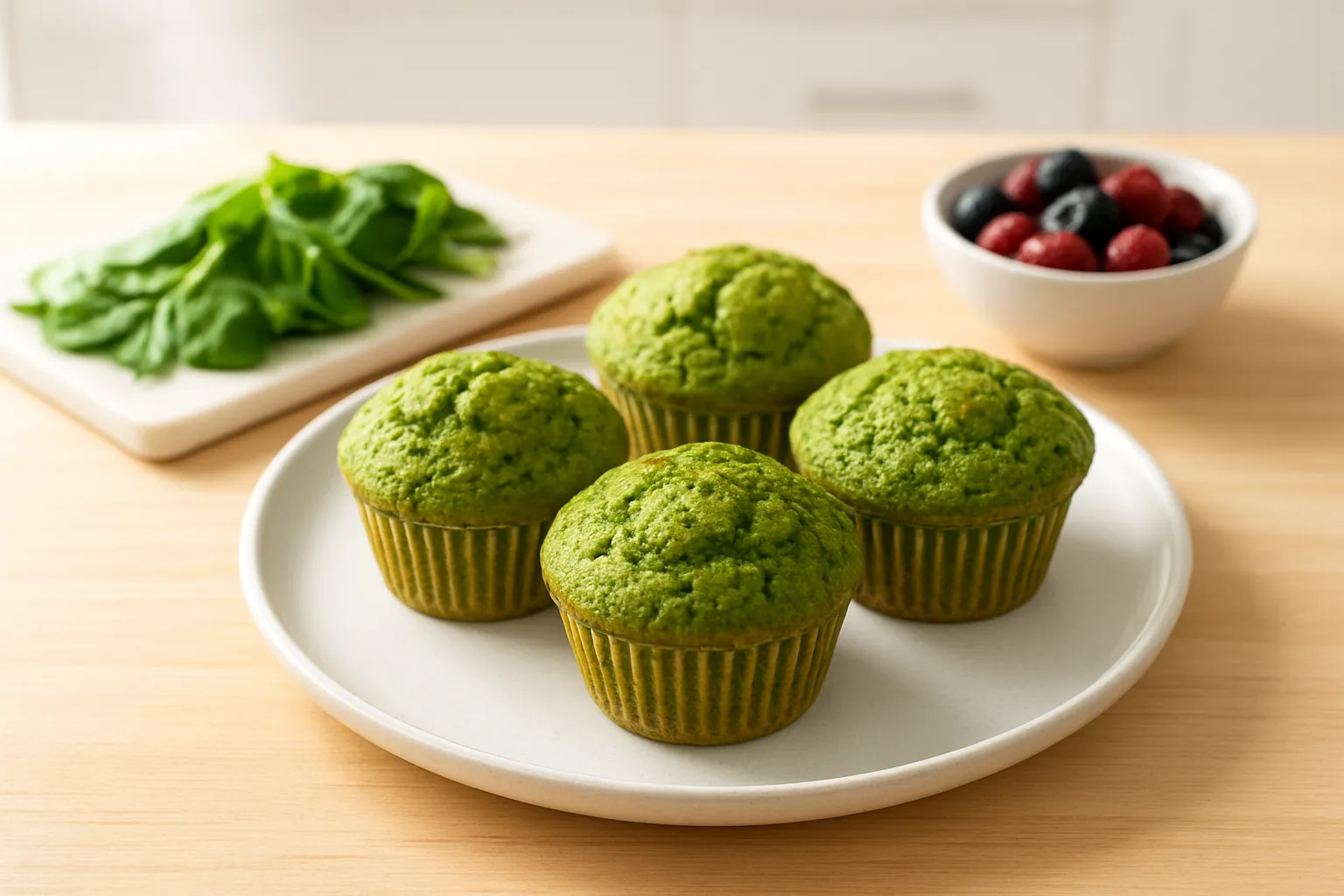
Muffins are your secret weapon for sneaking in greens. They freeze well, pack into lunchboxes, and toddlers love the hand-held feel.
Spinach and banana muffins (makes 12 mini or 8 regular) Ingredients
- 1 cup fresh spinach, packed (or 1 cup frozen, thawed and drained)
- 1 ripe banana, mashed
- 1 egg
- 1/3 cup milk (cow, oat, or soy)
- 1/4 cup melted butter or oil
- 1 tbsp maple syrup (skip for under 12 months)
- 3/4 cup wholemeal flour + 1/4 cup plain flour (or 1 cup self-raising flour)
- 1/4 cup rolled oats
- 1 tsp baking powder
- 1/2 tsp cinnamon (optional)
- pinch of salt
Optional iron boost: stir in 2 tablespoons cooked and drained red lentils or 2 tablespoons unsweetened pureed white beans. For extra fibre, add 1/4 cup grated zucchini or carrot.
Method
- Preheat oven to 180C and line a muffin tin.
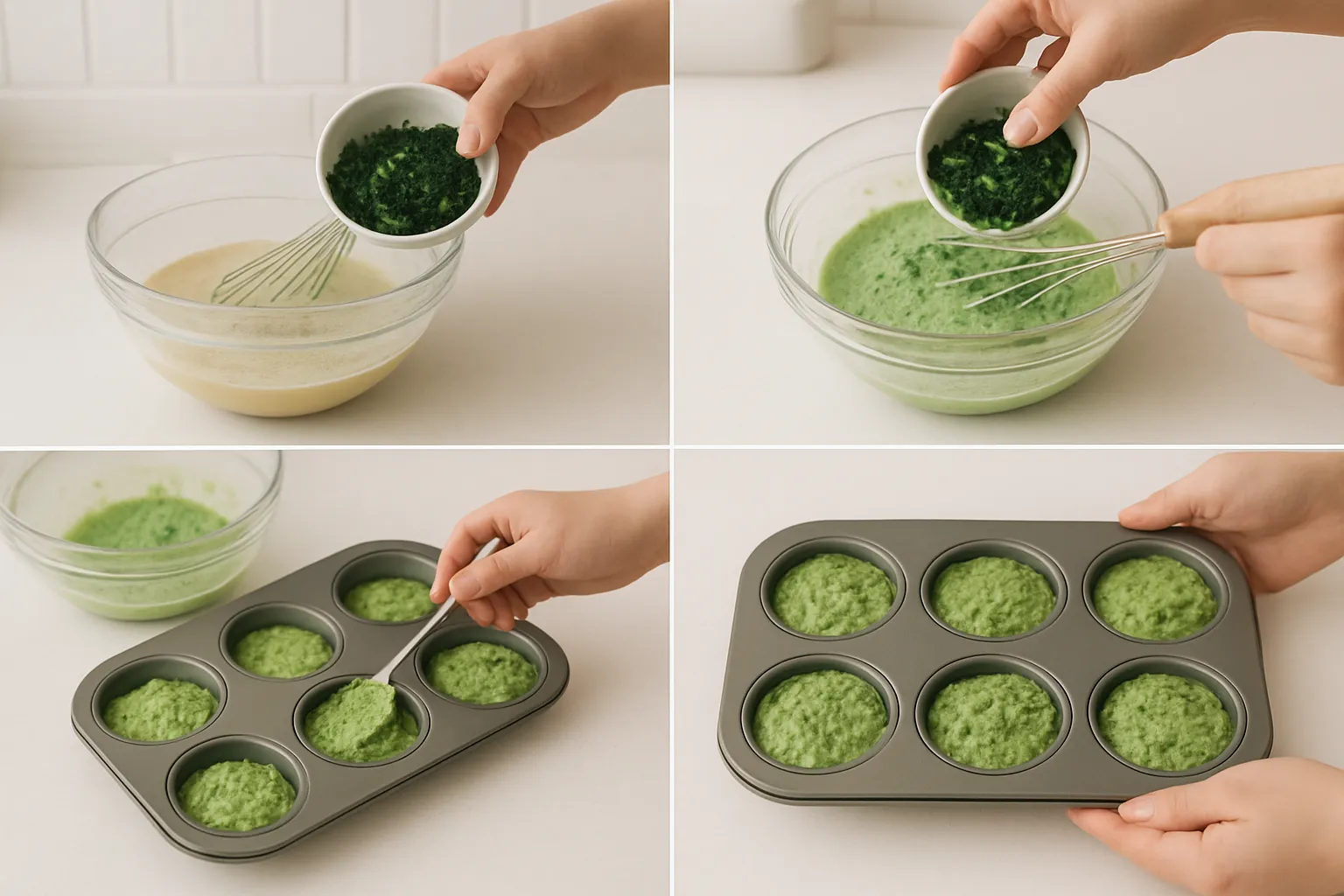
- Blitz spinach, banana, egg, milk, butter and maple until smooth. If you want less green colour, use banana and grated zucchini instead of blitzed spinach.
- Mix dry ingredients in a bowl, then fold in the wet mix until just combined. Stir through oats and any extras.
- Spoon into tins and bake 12 to 15 minutes for minis, 18 to 22 for regular muffins. Cool on a rack.
Tips that actually work
- Start with minis: small portions mean less waste and they look more appealing to littlies.
- Colour camouflage: add grated carrot or brown banana to give a warm colour so the green is less obvious.
- Texture trick: pureeing the greens smooth keeps them imperceptible, but if your kid expects speckles, lightly chop instead.
- Iron pairing: serve with a little orange segment, a few strawberries or some mashed kiwi to help iron absorption.
- No honey for under 12 months. Use mashed banana, apple sauce or a splash of maple for sweetness.
- Savoury option: drop the cinnamon and maple, add grated cheese and corn kernels for cheese and spinach muffins that kids usually love.
Storage and prep
- Keep in the fridge for up to 3 days, or freeze individually in snap-lock bags for up to 3 months.
- Reheat from frozen in the oven at 160C for 8 to 12 minutes or 20 to 30 seconds in the microwave.
Make a batch on a weekend and you’ll have a quick, fibre-and-iron friendly snack ready for the week.
If your kiddo usually gets peanut butter on toast, trying legume-based spreads and mash-ups is an easy, nut-free way to keep the protein, iron and fibre coming without the drama.
Quick swaps and how to serve them
- Chickpea hummus, no tahini: blend drained chickpeas with a splash of olive oil, a squeeze of lemon and a tiny pinch of garlic powder. Smooth for babies, chunkier for older toddlers. Spoon on toast, dollop on veg sticks or smear inside a pita.
- Red lentil spread: cook red lentils with grated carrot and a little tomato, then blitz until smooth. It becomes an almost-sauce texture that toddlers love on pasta, toast or mixed through mashed potato.
- Cannellini and ricotta mash: mash soft butter beans or cannellini with a spoon of ricotta or cream cheese and a squeeze of lemon. Great as a sandwich filler or smeared on crackers.
- Baked chickpea patties: mash chickpeas with cooked sweet potato, a handful of breadcrumbs and an egg, shape small patties and bake until golden. Easy finger food and freezes well.
- Black bean and corn mini fritters: mash half the beans, fold through sweetcorn and a little grated zucchini, shallow fry or bake until set. Serve with a tomato dipping sauce to add vitamin C.
Texture tips by age
- Younger toddlers (just started solids): go smooth. Blends, purees and thin spreads are safest.
- Older toddlers: mash lightly so there are soft lumps to explore.
- Finger-food fans: form patties, fritters or mini meatball-style balls, cooked soft through so they squish easily between fingers.
Boost iron absorption Pair all legume dishes with a vitamin C source to help iron absorption. Try tomato salsa, steamed broccoli florets, mashed strawberries or a squeeze of lemon over the dish.
Convenience and storage
- Canned legumes are fine; rinse to reduce sodium. Pick low-salt varieties when you can.
- Make big batches and freeze in tablespoon or ice cube tray portions for single-meal defrosting.
- Leftover spreads keep 3 to 4 days in the fridge in an airtight container.
Things to watch
- Introduce one legume at a time if allergies are a concern and keep an eye on tummy upsets or extra wind. Start with small serves and build up.
- For safety, ensure whole beans are very soft and appropriately sized for your child to avoid choking.
Little swaps like chickpea hummus on toast, a smear of white bean mash in a sandwich or a handful of lentil pasta sauce can quietly lift fibre and iron without turning dinner into a drama.
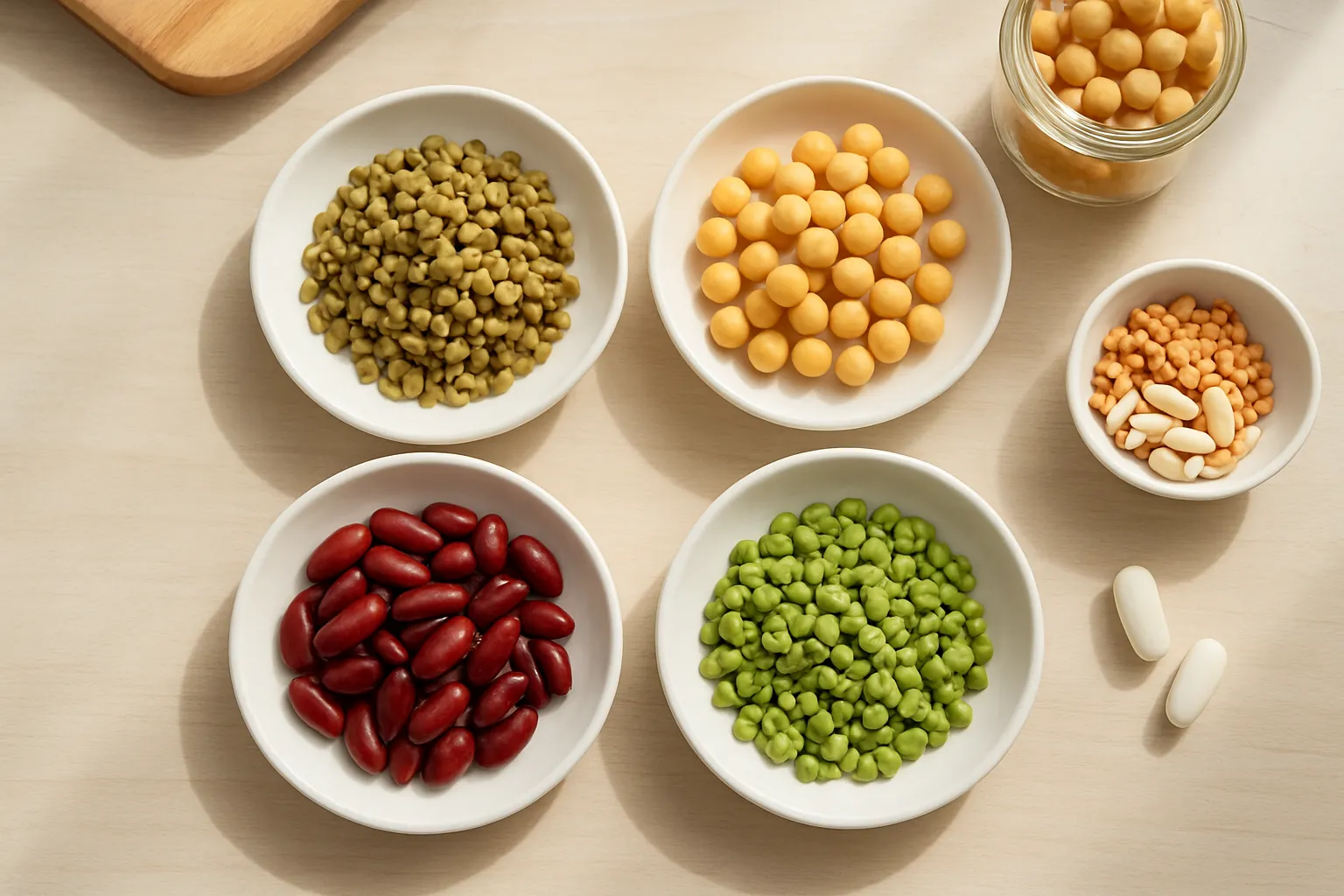
Photo credit: Pexels

Browse Cuisines
From the Blog
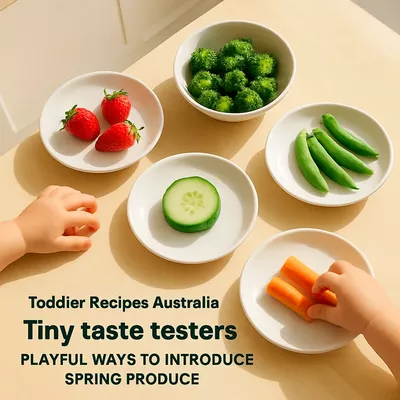
First up, a few no-fuss spring winners that keep sticky fingers and big clean-ups to a minimum. Quick to prep and easy for little hands to manage, these are the sorts of things I reach for when we want something...
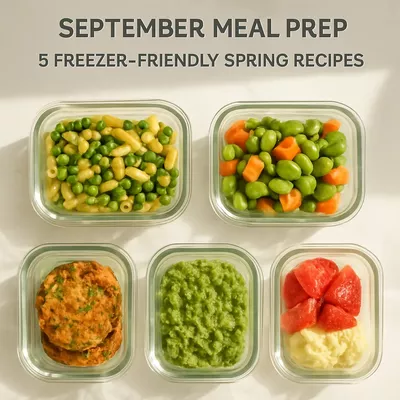
Nice - here’s how Steve keeps dinner simple without sacrificing flavour or sanity. A few good habits and the right packing tricks mean you can pull a proper family meal out of the freezer in minutes.
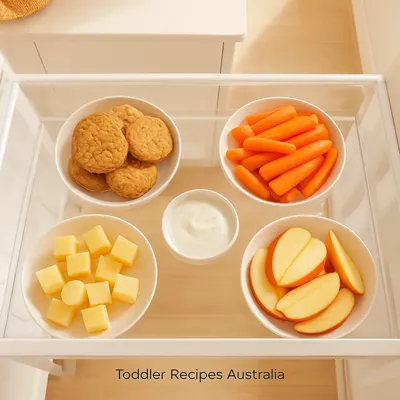
Righto, a couple of quick fridge fixes will make everything a whole lot easier. These are the simple, practical habits and setups that keep snacks safe, obvious and actually reachable for little hands.
 Never miss a recipe from us, subscribe to our newsletter