
Easy hacks to make toddler food stretch
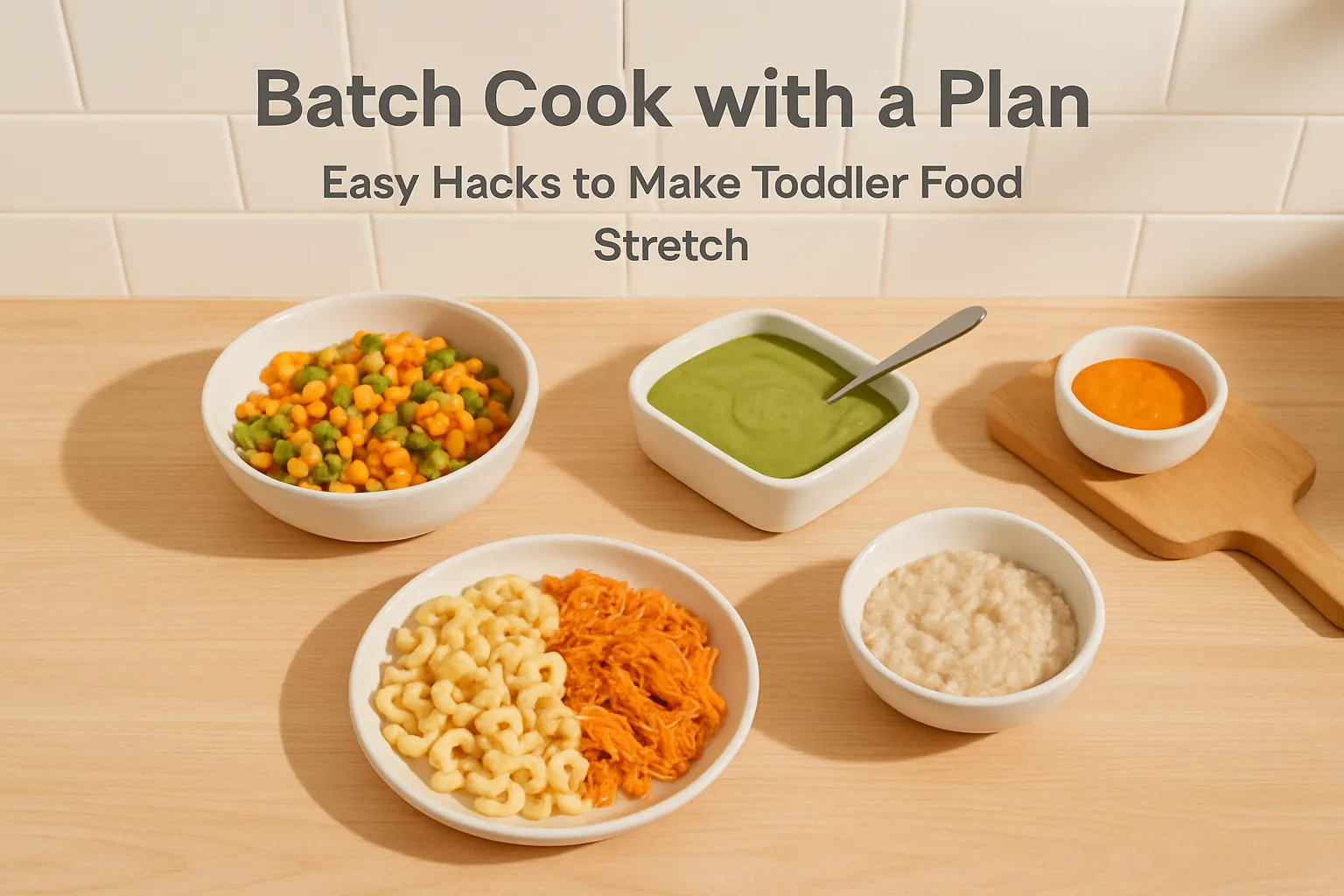
First up, batch cook with a plan. A couple of hours once or twice a week will give you meals for days and seriously cut waste.
How to set it up
- Pick 2 to 3 base recipes you know the kids like and that freeze well: a mince ragu, shredded roast chicken, a simple chickpea curry, and a tray of roasted veg are great. Double or triple them and mix components later.
- Think in components, not whole meals: cook protein, a grain, a couple of veg and one sauce. That way you can mix and match through the week so dinners don’t feel the same.
Time-saving workflow
- Do everything at once where possible. Oven roast veg and bake meatballs on the same tray while rice or pasta cooks. Use a slow cooker or pressure cooker for hands-off bulk protein.
- Use appliances together: bake a sheet-pan dinner, simmer a pot of sauce, and set the slow cooker for overnight shredded chicken. You’ll get three components with little extra effort.
Portioning and freezing
- Portion into toddler-sized servings straight away. Use 100-150 ml containers, silicone muffin trays or ice-cube molds for purees and small bits. This avoids reheating an entire batch just for one meal.
- Lay freezer bags flat to save space and label with name and date. Rotate older ones to the front when you stock the freezer.
- Fridge life: most cooked meals keep 3-4 days. Freezer: best quality for 2-3 months. Thaw in the fridge overnight and reheat until steaming.
Stretching tricks while you cook
- Bulk up sauces with grated veg or lentils. A ragu with extra carrot and lentil feeds more tummies and adds fibre.
- Cook extra plain grains like rice or quinoa. Leftover rice becomes fried rice, rice pudding or a quick porridge base.
- Make a double batch of a versatile sauce (tomato, bechamel or curry paste). Use it on pasta, baked veg, meatballs or stirred through mashed potato.
Easy toddler-friendly ideas
- Mini frittatas in a muffin tin: egg-based, freeze well, great for breakfasts, snacks or lunchboxes.
- Shredded chicken: use for wraps, noodle bowls or mixed into veg purees for toddlers.
- Meatballs or rissoles: freeze individually then reheat in a sauce or as finger food.
Practical tips that save pain later
- Cool food quickly in shallow dishes before freezing. It keeps texture and taste better.
- Label with contents, date and a simple reheating note like “microwave 60 sec” so whoever’s feeding the kid knows what to do.
- Start small. Try batch cooking one favourite meal and freeze half. If it works, add another to the rotation.
A little planning up front makes the rest of the week so much easier. Once you’ve got a handful of go-to batches, cobbling together toddler meals becomes almost automatic.
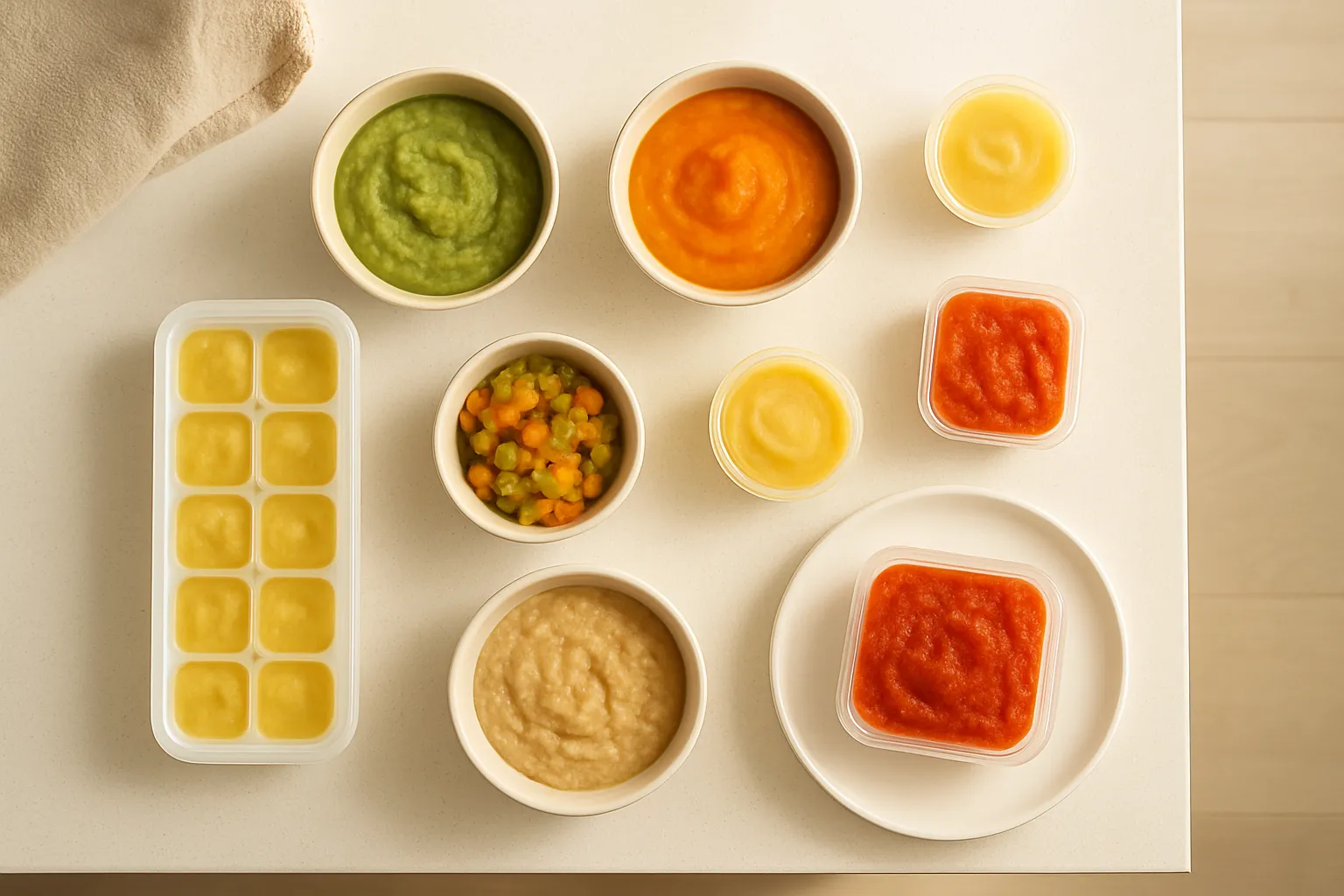
Think small and stackable. Freeze toddler portions so you can grab a ready-made meal in seconds and avoid waste.
Portion sizes
- Aim for roughly 60-120 ml per portion depending on age and appetite. For very little ones, 2-4 tablespoons is a good starting point. For older toddlers, go closer to 1/2 cup.
- Use consistent measures so you don’t end up with a mystery-sized pouch later.
Containers that make life easy
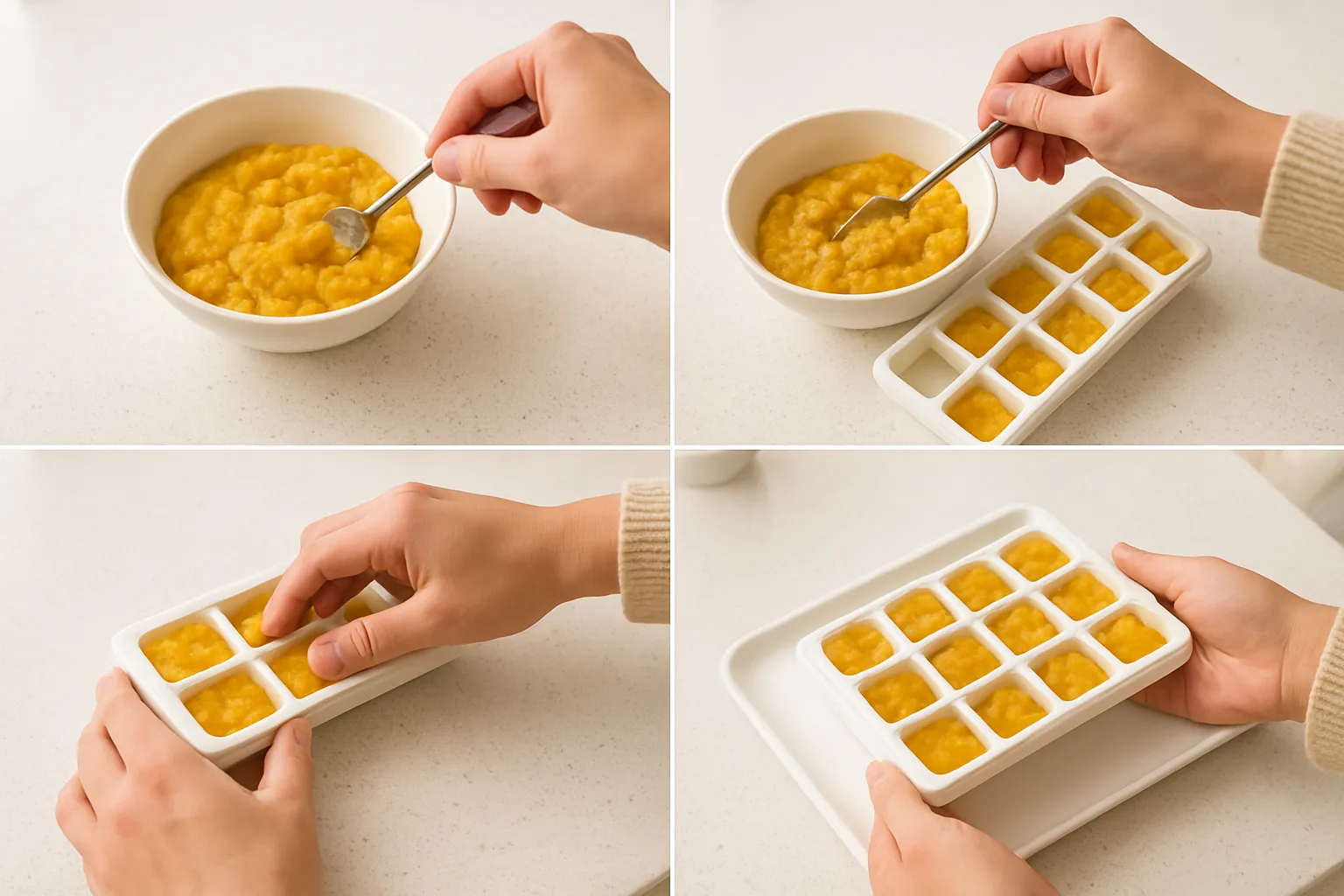
- Ice cube trays or silicone baby cube moulds: perfect for purees, yoghurt, mashed veg and breastmilk. Pop cubes into a labelled bag once frozen.
- Silicone muffin trays: great for soups, bolognese, rice mixes and mini frittatas. Makes even portions and releases easily.
- Freezer-safe portion boxes or small glass jars: good for things you’ll reheat in the oven or microwave.
- Reusable silicone pouches: fill, freeze flat and stack upright in the freezer for quick lunches on the go.
- Freeze-on-a-tray trick: spread items like meatballs, falafel or pancakes on a tray to freeze individually, then bag them up so they don’t clump together.
Pre-freeze steps
- Cool cooked food to near room temperature before freezing. Don’t leave food out for longer than two hours.
- If freezing rice or pasta, add a tiny drizzle of oil and cool quickly to stop it turning gummy.
- Portion while warm but not hot; it saves fiddling later.
Labelling and rotation
- Label every bag/container with contents and date. Use a permanent marker or freezer labels.
- Keep a simple list on the freezer door so you know what’s inside without rummaging. Use oldest-first when you pull items out.
Thawing and reheating
- The fridge overnight is the safest thawing method. For a quick option, pop a sealed pouch in warm water until the contents loosen, then reheat.
- Reheat until steaming hot and then cool a little before serving so it’s not too hot. Stir purees and soups well to avoid hot spots.
- If using the microwave, heat on medium power in short bursts and stir between bursts. Always check the temperature before giving it to your child.
Storage times and safety
- For best quality, use most cooked meals within 2-3 months. Purees and soft muffins are best within 1-2 months.
- Once thawed, keep in the fridge and use within 24-48 hours. Do not refreeze thawed food.
- Use microwave-safe containers or transfer to a plate or glass dish if you’re unsure about reheating plastics.
Quick ideas to freeze
- Mini pancakes or pikelets: cool, freeze flat on a tray, then bag. Toast or warm in pan.
- Meatballs or veggie balls: freeze on a tray first, then store in bags. Add to pasta sauce or a tiny tub of sauce for dipping.
- Bolognese or curry: portion into silicone muffin cups for easy portioning, then defrost and stir through pasta or rice.
- Mashed sweet potato, pumpkin or peas: cube in ice trays and mix into meals for extra veg.
A small stash of pre-portioned meals is a game changer. Keep it simple, keep it labelled and rotate so nothing gets forgotten at the back of the freezer.
Leftovers are gold if you know how to flip them into something new. A few quick swaps and a little imagination turns last night’s dinner into toddler-friendly lunches, snacks or a fresh family meal.
Quick remix ideas
- Roast chicken: shred it and stir through plain rice with a little veg and scrambled egg for a super-fast fried rice. Or mix with a bit of mayo and finely diced apple or cucumber for sandwiches or wraps.
- Mince or bolognese: spoon onto toast and top with cheese for mini pizzas, fold into quesadillas with cheese and beans, or stir into mashed potato and bake as a cottage pie. You can even roll into small meatballs and simmer in a mild tomato sauce for pasta.
- Roast veg: blend with stock for a smooth soup, or mash and mix with egg and a little flour to make fritters you can pan-fry and freeze. Roasted pumpkin or sweet potato also make great bases for savoury muffins.
- Leftover pasta: toss with a little olive oil and grated veg, add cheese and bake into a pasta frittata, or chop small for cold lunchbox salads mixed with tiny cubes of cheese and ham.
- Mashed potato: roll into balls, coat in tiny breadcrumbs and pan-fry for croquettes. Kids love that crunch.
- Fish: flake and mix with mashed potato, bind with egg for mini fish cakes. Serve with a lemony yoghurt dip.
- Casseroles or stews: blitz some for baby-style purees, or stretch by adding extra veg and beans to turn them into a hearty soup.
Tiny tweaks for toddler plates
- Keep flavours simple. Reduce salt and skip strong spices, but use herbs and mild garlic or paprika for interest.
- Cut sizes small and soft. Shred, dice or mash so pieces are easy to chew and swallow.
- Add a smooth element. A spoonful of yoghurt, a splash of milk, or a drizzle of olive oil can make leftovers creamier and more palatable.
- Make it fun. Use cookie cutters on toast, sandwiches or quesadillas to make shapes they’ll love.
Smart batch-stretching moves
- Portion before you store. Divide adult portions into toddler-sized tubs so you’re not reheating a huge serve every time.
- Bulk with cheap fillers. Add beans, lentils, rice, or extra veg to make dishes go further without losing nutrition.
- Freeze in toddler portions. Muffins, mini frittatas, soup cubes and croquettes freeze well and thaw quickly for school lunches or emergency dinners.
Safety and storage basics
- Cool food quickly and into the fridge within two hours. Leftovers generally keep 2 to 3 days in the fridge.
- Reheat until steaming hot and stir to avoid hot spots. Let it sit a minute and test the temperature before serving small kids.
- Remove bones, skins and any stringy bits that could be a choking hazard.
Little extra tricks
- Keep a small jar of grated cheese in the fridge. A sprinkle makes leftovers instantly more exciting.
- Freeze a tray of mixed veg purees to add to sauces or soups when you need to bulk something up fast.
- Use creative names. “Mini meatball muffins” or “cheesy rocket pasta” get more bites than plain leftovers.
A few of these swaps will save you time, reduce waste and keep toddler plates interesting without extra grocery runs.
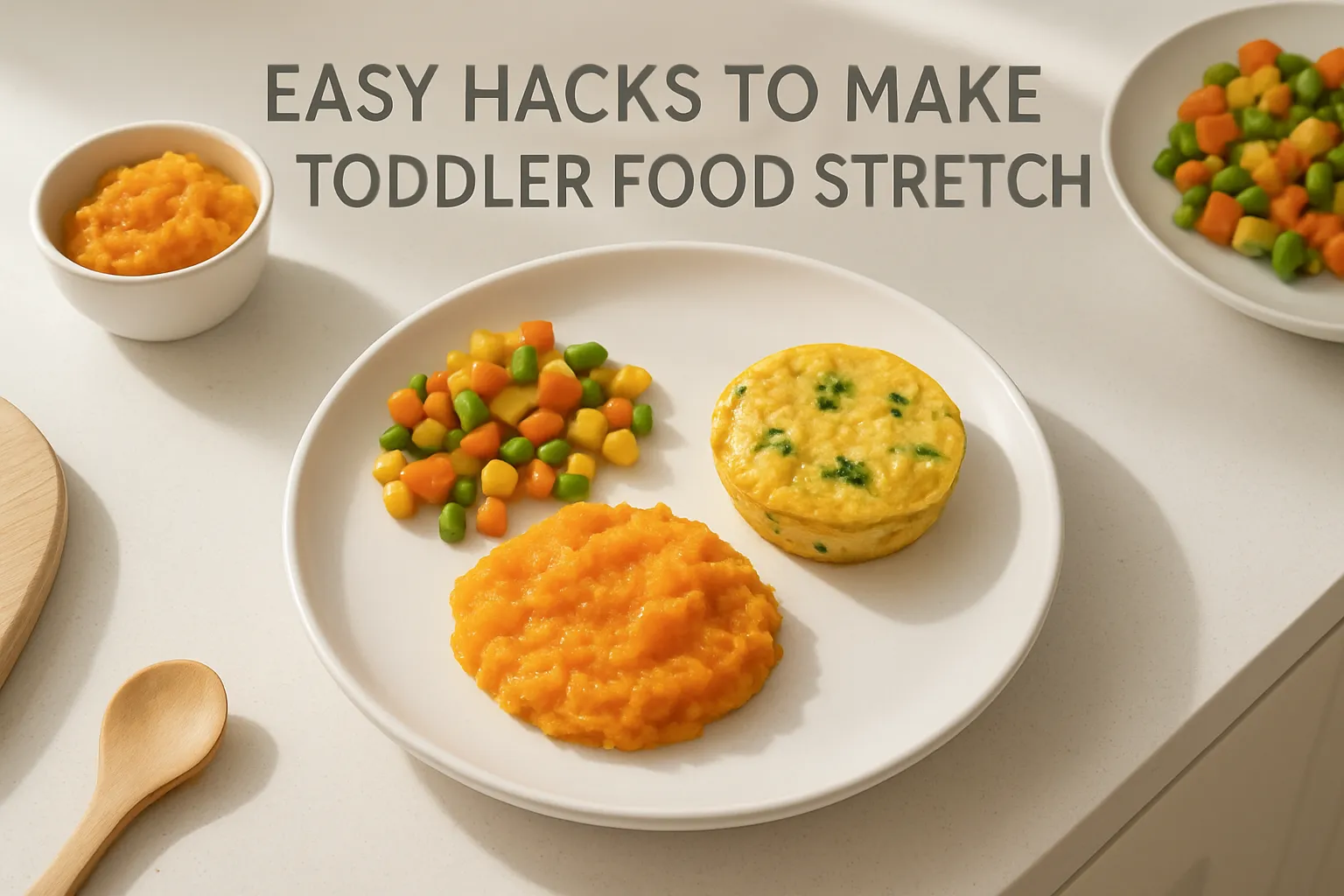
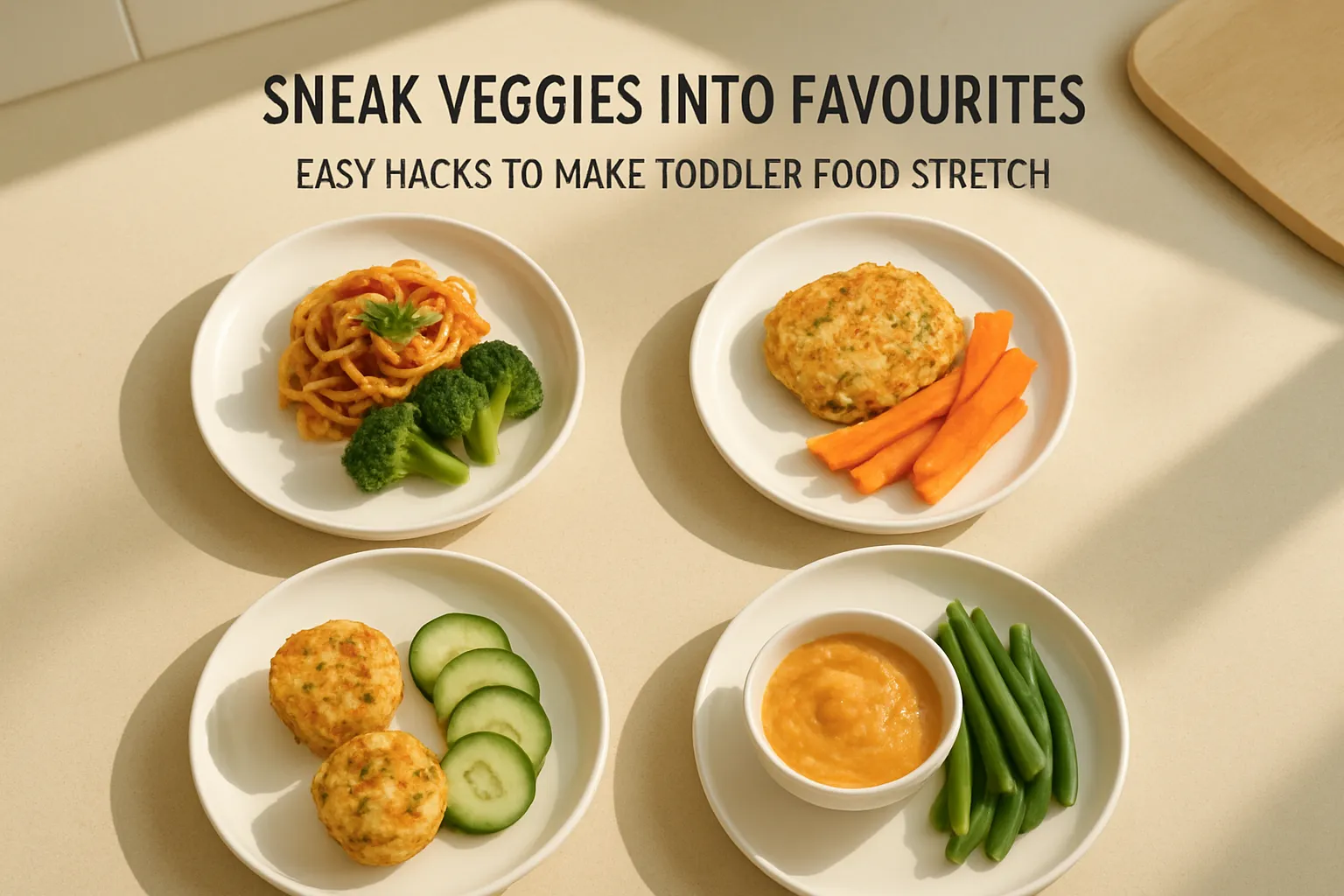
If your little one gives the classic “no veg” eye roll, these sneaky wins slide into meals they already love without a fuss.
Quick hacks
- Pasta sauce: blitz cooked carrot, zucchini and a few mushrooms into the bolognese. The sweetness of the carrot and tomato hides everything and you can freeze in portion-sized tubs.
- Smooth tomato base: simmer onion, carrot and capsicum until soft, then blend into a smooth sauce for pizza or pasta. It tastes exactly like the usual sauce.
- Meatballs and patties: finely grate carrot, zucchini or sweet potato into mince with an egg and breadcrumbs. They stay moist and the veg disappears.
- Pancakes and pikelets: add mashed banana and grated zucchini or sweet potato to your pancake mix. Kids won’t notice and it keeps them fuller.
- Muffins and slices: swap half the butter for pumpkin or sweet potato puree in muffin recipes. Add a handful of grated apple or carrot for extra sweetness and texture.
- Mac and cheese: blend steamed cauliflower into the cheese sauce. Colour might change slightly but the flavour is still irresistible with cheese.
- Smoothies: toss in a handful of baby spinach or a cooked, cooled carrot cube to a berry smoothie. The fruit masks the taste, and you get an easy veg serve.
- Fritters and omelettes: grate zucchini and carrot, mix with egg and a little flour, pan-fry as mini fritters. Or fold finely chopped spinach into scrambled eggs for lunchboxes.
- Rice and pasta swaps: cauliflower rice stirred into fried rice soaks up soy and sesame flavours. Spiralised zucchini mixed with a little real pasta is a great pasta-stretching trick.
Texture and taste tips
- Start small. Add a little veg and slowly increase the amount so taste and texture changes go unnoticed.
- Match flavours. Stronger flavours like tomato, cheese, bacon or curry help hide milder veg.
- Blend for babies and toddlers who reject lumps. Purees are your friend until they accept texture.
- Roast first for sweeter flavour. Roasted pumpkin, carrot or beetroot taste much nicer to many kids than steamed veg.
- Keep safety in mind. Cook everything soft and cut into small pieces for young toddlers.
Freezer saves Make big batches of veg purees and freeze in ice cube trays for quick portions. Pop cubes into sauces, soups, smoothies or batter so you always have a sneaky boost on hand.
These little tricks add up fast. Keep favourites familiar, swap in veg gradually, and before you know it they’re getting a lot more goodness on the plate.
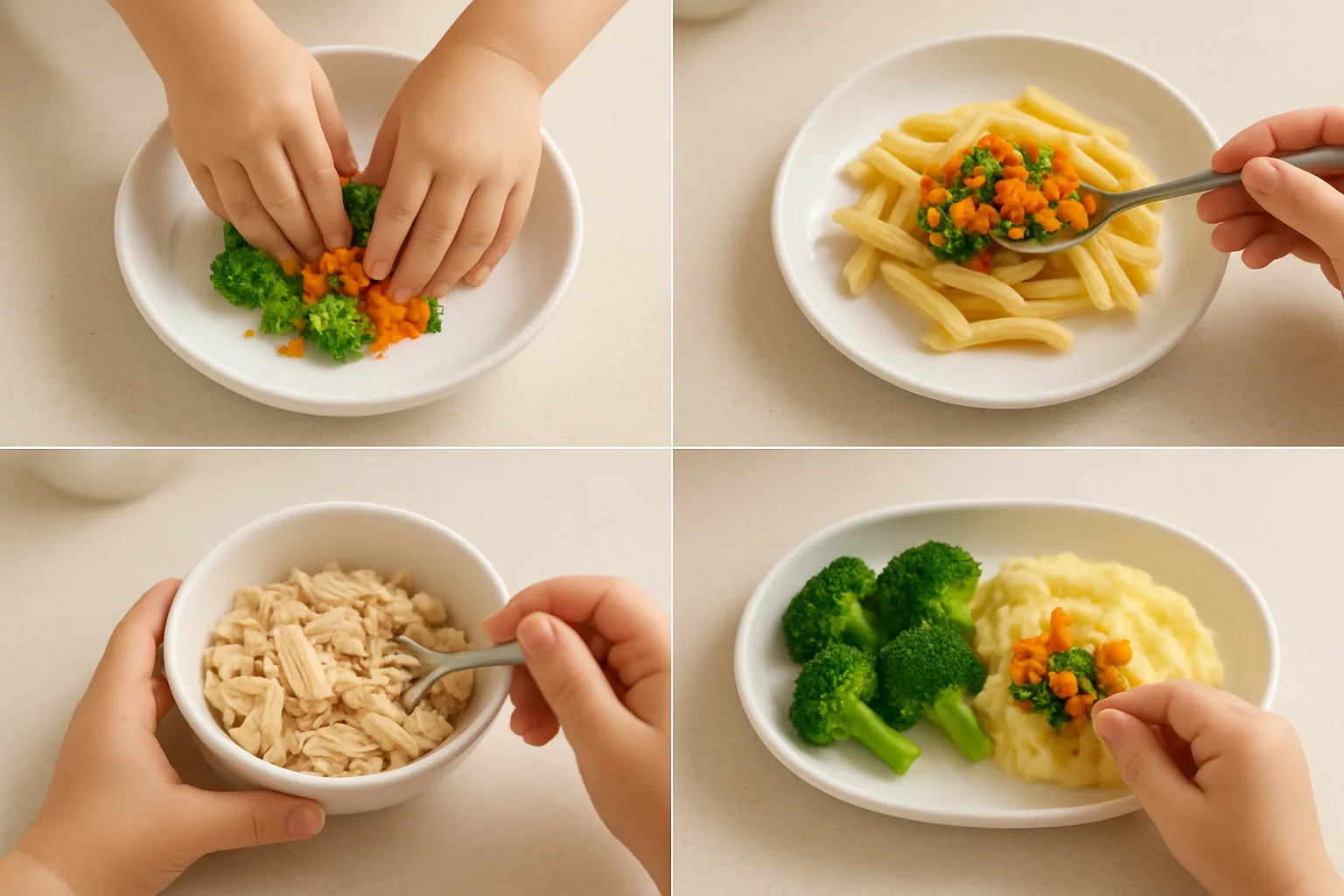
Think like a tiny risk assessor for your kitchen. Spot the things that usually derail dinner, give each one a simple fix, and make those fixes dead easy to grab when you need them.
Quick step-by-step threat model
- List the usual threats. Examples: no time, toddler refusing food, low appetite, one-parent-only evening, forgotten groceries, sitter shows up hungry, nap runs late, illness.
- For each threat, write one or two go-to responses you can actually do in the moment. Keep them realistic and fast.
Common threats and practical fixes
- No time: Frozen veg, quick-cook pasta or rice, canned tuna or beans, and grated cheese become a meal in under 10 minutes. Pre-chopped veg in the fridge saves minutes.
- Toddler refuses dinner: Break it into tiny choices, like three small plates (carb, protein, something sweetish). Or switch format: make it finger food or a toastie. Keep a plain-carbohydrate fallback such as toast or rice.
- Low appetite or sick kid: Offer soft, bland options - porridge, mashed potato, yoghurt, or diluted fruit puree. Little portions, repeated offers.
- Unexpected guests or hangry sitter: Have a “showstopper” storecupboard meal you can bulk up with salad or frozen veg - baked pasta, loaded nachos, or a big tray of roast veg and sausages.
- Empty fridge/forgot groceries: Pasta tossed with olive oil, garlic, frozen peas and any leftover protein is surprisingly good. Canned lentils or chickpeas turn into quick curries or mash-ins.
- Leftovers that don’t tempt: Remix them. Roast veg into fritters, mashed meat into sliders, curry into a soup, or rice into fried rice.
Three-backup-meals rule Choose three ultra-reliable dinners you can make without thinking. Write them on the back of the pantry door or your phone notes. Examples:
- Pasta + grated veg + tuna or white bean mash + cheese.
- Fried rice: day-old rice, egg, frozen peas, soy. Add leftover meat or tofu.
- Pancakes or omelette with grated veg and fruit on the side.
Stock a rescue pantry and freezer Keep these staples on rotation:
- Dry: pasta, rice, oats, plain flour, stock cubes.
- Canned: tomatoes, beans, tuna, corn.
- Fridge: eggs, cheese, yoghurt, milk.
- Freezer: mixed veg, cooked beans, cooked rice, grated veg in portions, pre-cooked shredded chicken. Label simple allergy swaps so any caregiver can follow.
A tiny decision tree to have on your phone Step 1: How much time? <15 min = backup meal A. Step 2: Kid’s mood? If refusing, offer deconstructed or comfort option. Step 3: Protein on hand? Yes = add it; No = open canned beans or egg. Step 4: Need to stretch? Bulk with beans, veg or carbs.
Prep once, save many evenings Spend 20 minutes on a weekend to pre-portion shredded veg, boil eggs, or freeze extra rice. Stick to the three-backup-meals and rotate them through the week so you always have a familiar go-to.
A few final, practical tips
- Teach whoever cares for the child where the backups live and how to pull them together.
- Keep one shelf for toddler-friendly snack options so a caregiver isn’t rummaging through the pantry at 5 pm.
- Review your threats once a month and change the fixes as your toddler grows.
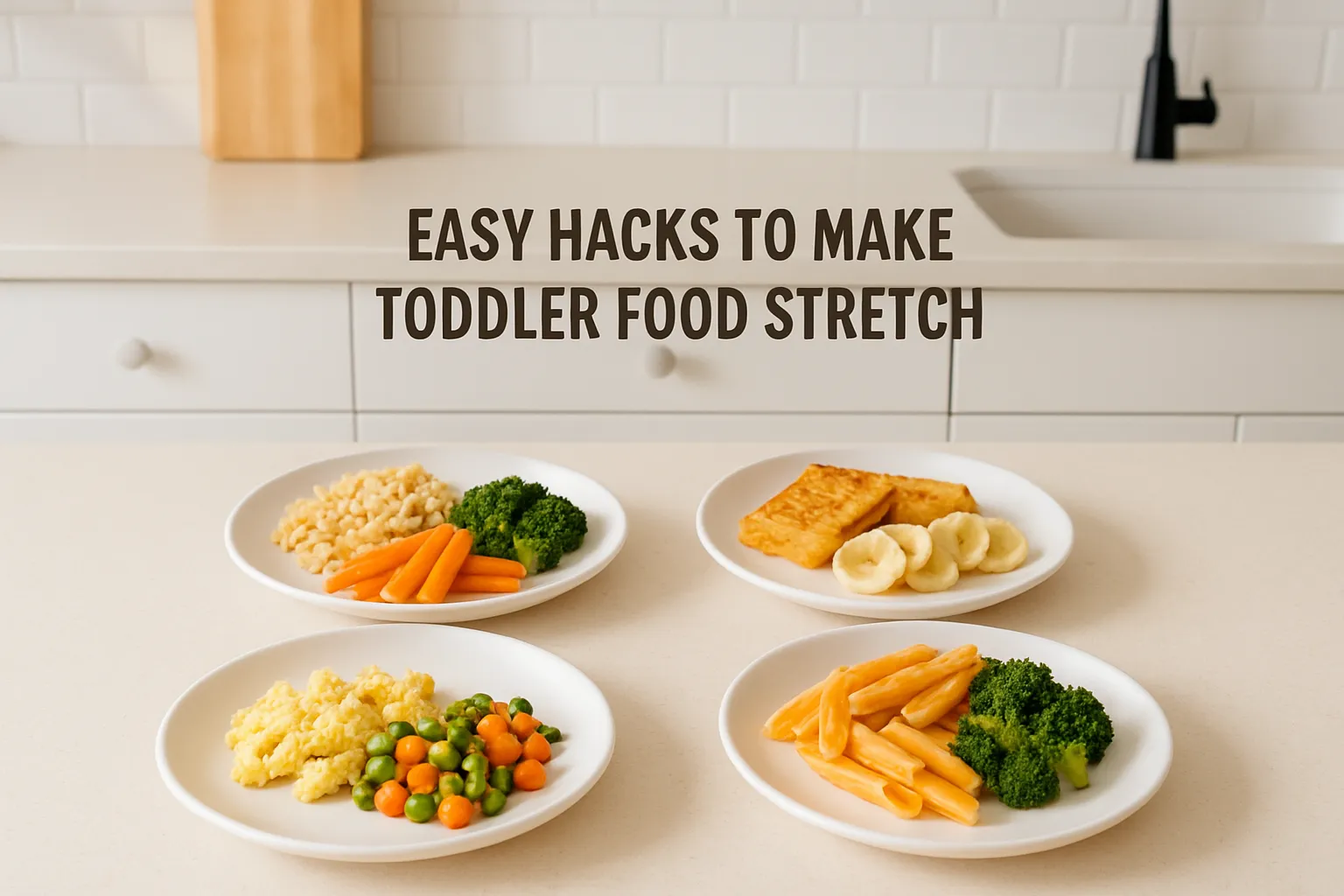
Planning this way takes a little time up front, but it turns frantic evenings into manageable ones and keeps food waste down. Small prep, simple rules, fewer meltdowns.
Browse Cuisines
From the Blog
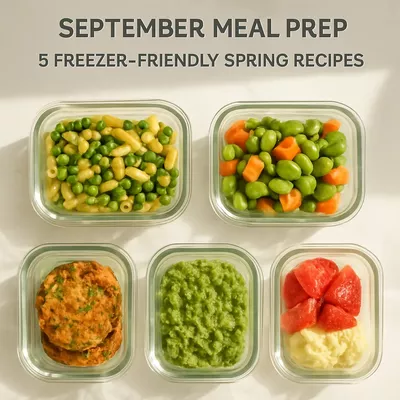
First up, a few no-fuss spring winners that keep sticky fingers and big clean-ups to a minimum. Quick to prep and easy for little hands to manage, these are the sorts of things I reach for when we want something...
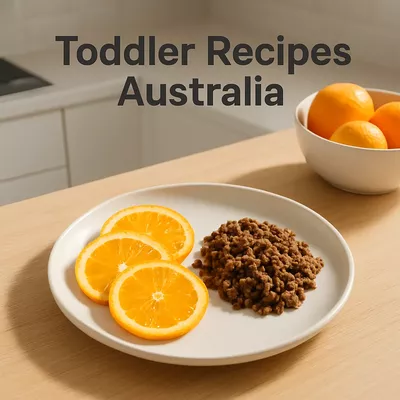
Nice - here’s how Steve keeps dinner simple without sacrificing flavour or sanity. A few good habits and the right packing tricks mean you can pull a proper family meal out of the freezer in minutes.
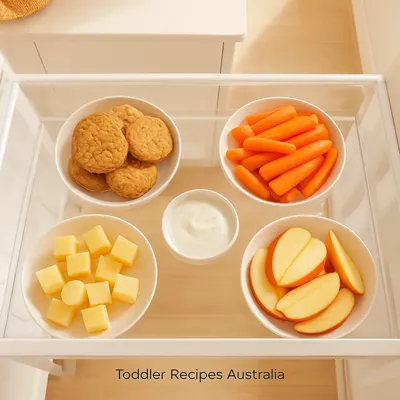
Righto, a couple of quick fridge fixes will make everything a whole lot easier. These are the simple, practical habits and setups that keep snacks safe, obvious and actually reachable for little hands.

 Never miss a recipe from us, subscribe to our newsletter