
Build a winter toddler pantry for July: freezer-jar meals, staple swaps and quick reheat dinners
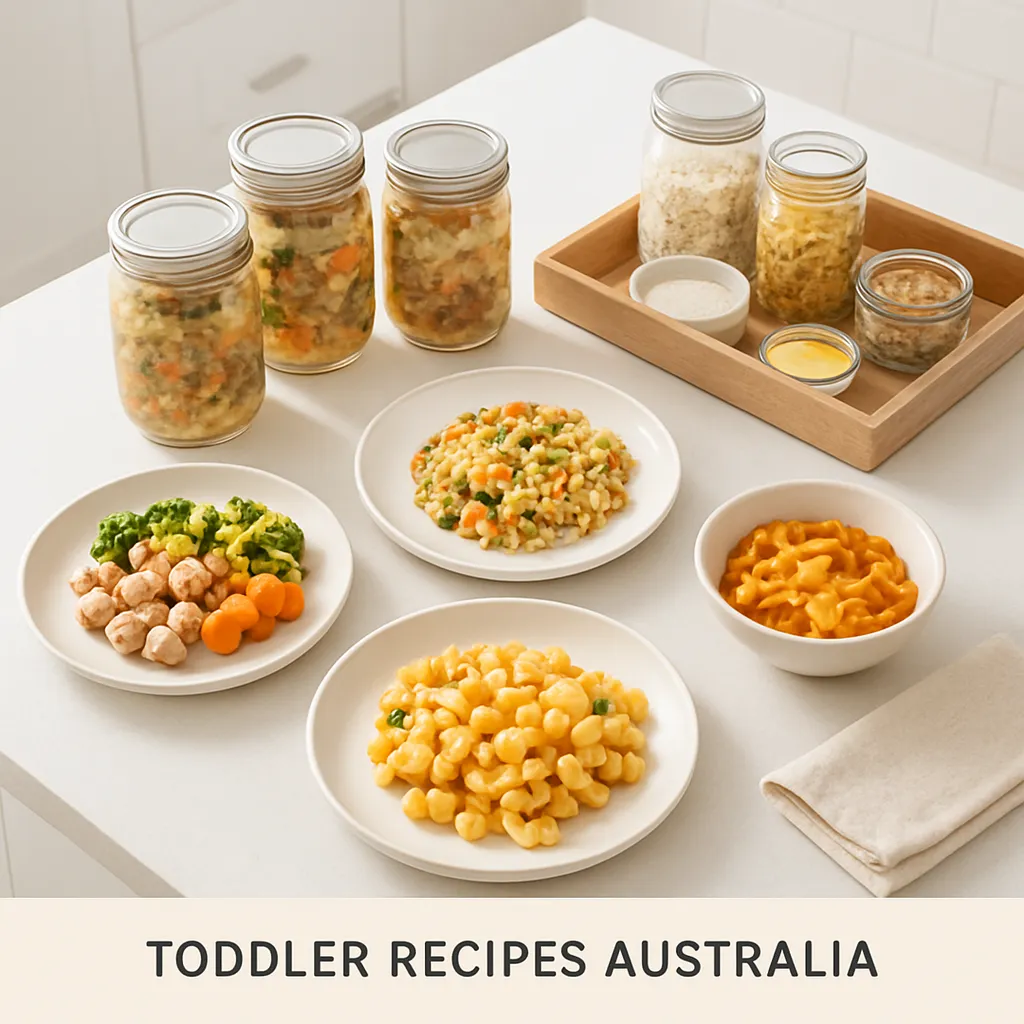
Right, let’s get the pantry sorted so the weeks when one parent is away run a bit more smoothly. A bit of thinking up front saves the last-minute takeaway run and the inevitable “what’s for dinner” meltdown.
Pantry basics to stock for FIFO weeks
- Longlife staples: tins of tomatoes, baked beans, chickpeas, lentils, tuna and salmon. They’re the backbone of quick meals.
- Dry goods: pasta shapes, quick-cook rice, couscous, oats, porridge sachets and small polenta packets for winter porridge variants.
- Sauces and flavour helpers: passata, coconut milk, mild curry paste, low-salt stock cubes, soy sauce and a small jar of tomato paste.
- Baking and breakfasts: self-raising flour, baking powder, sugar, rolled oats and plain flour so you can whip up pancakes, muffins or scones for warming breakfasts.
- Snacks and lunch bits: rice cakes, wholegrain crackers, shelf-stable hummus tubs, natural peanut butter if it’s safe for your child, dried fruit (softened if needed) and small boxes of raisins.
- Fresh-ish winter veg that keep: potatoes, sweet potatoes, carrots, onions, pumpkin and cabbage. They last in a cool spot and bulk out meals.
- Frozen must-haves: mixed veg, peas, corn, spinach, homemade freezer jars or meal pouches, frozen fruit for porridge and smoothies.
A practical FIFO shelf
- Set aside one shelf or a drawer labelled FIFO. Keep ready-to-go things there: tinned proteins, instant oats, pasta, jars of sauce, pre-portioned snack tubs and a couple of frozen ready dinners. When the roster flips it’s one grab-and-go location.
Make-ahead and batch rules that actually work
- Cook double one night and freeze half in toddler-sized portions. Think shepherds pie, bolognaise, soups and stews.
- Freeze meals in small, flat containers or freezer bags so they thaw quickly. Label with contents and reheating instructions and date.
- Keep 4 to 6 quick thaw-and-serve breakfasts in the freezer: porridge jars, banana muffins, mini frittatas.
- Batch-cook a big pot of soup or lentil ragu on your weekend cook day. Portion into lunch and dinner sizes.
A simple FIFO week meal plan (example)
- Monday: freezer jar pasta bolognaise, steamed veg.
- Tuesday: slow-cooked lentil soup with toast soldiers.
- Wednesday: sheet-pan sausages, sweet potato wedges and cabbage slaw.
- Thursday: tossed pasta with tuna, peas and mild curry paste.
- Friday: frozen pizza scrolls or homemade pikelets and fruit.
- Weekend: family meal, plus batch-cook for next week.
Portioning and toddler sizes
- Pre-portion snacks and meals into toddler-appropriate containers so it is easy to grab the right amount. For most toddlers a small tub of 60 to 120 mL for meals works, but trust your child’s appetite. Label containers with the child’s name or age if needed.
Reheating and food safety basics
- Thaw frozen meals overnight in the fridge when possible. For a faster option, run sealed bags under warm water then reheat.
- Reheat until steaming and stir well so there are no cold spots. Test the temperature before serving to little hands and mouths.
- Cool food before freezing, leave a bit of headroom in jars and containers, and use within 3 months for best flavour.
Time-saving tips that actually save time
- Keep a rolling shopping list on the pantry door and add items as they get low.
- Pre-chop veg and keep in clear containers so it is easy to throw into a stir fry or pasta.
- Use a sticker system on fridge and freezer meals showing number of servings and whether it’s toddler-friendly.
- Teach older kids to help themselves from the FIFO shelf. A low basket with labelled snack packs gives them independence and buys you a minute.
Quick shopping list for a week (starter)
- 4 tins tomatoes, 2 tins chickpeas, 2 tins tuna
- 1 kg pasta, 1 kg quick-cook rice, 500 g oats
- 2 kg potatoes, 1 pumpkin, 1 kg carrots, 2 onions
- 1 jar passata, 1 small coconut milk, stock cubes
- 1 bag frozen veg, 1 bag frozen fruit
- Snacks: rice cakes, crackers, peanut butter, dried fruit
Little rituals that help when life is busy
- Stick a cheerful note on the FIFO shelf with simple dinner ideas for the nights you’re wiped.
- Keep a jar of frozen homemade smoothie packs for a fast breakfast or to fortify yoghurt.
- Have a favourite “easy night” meal that everyone loves and can make with eyes half shut.
Pantry planning for FIFO weeks is mostly about being realistic. Stock the things you actually cook and eat, portion for ease, and make sure the person holding the fort can find everything in one place. That simple structure makes the hard weeks feel manageable.
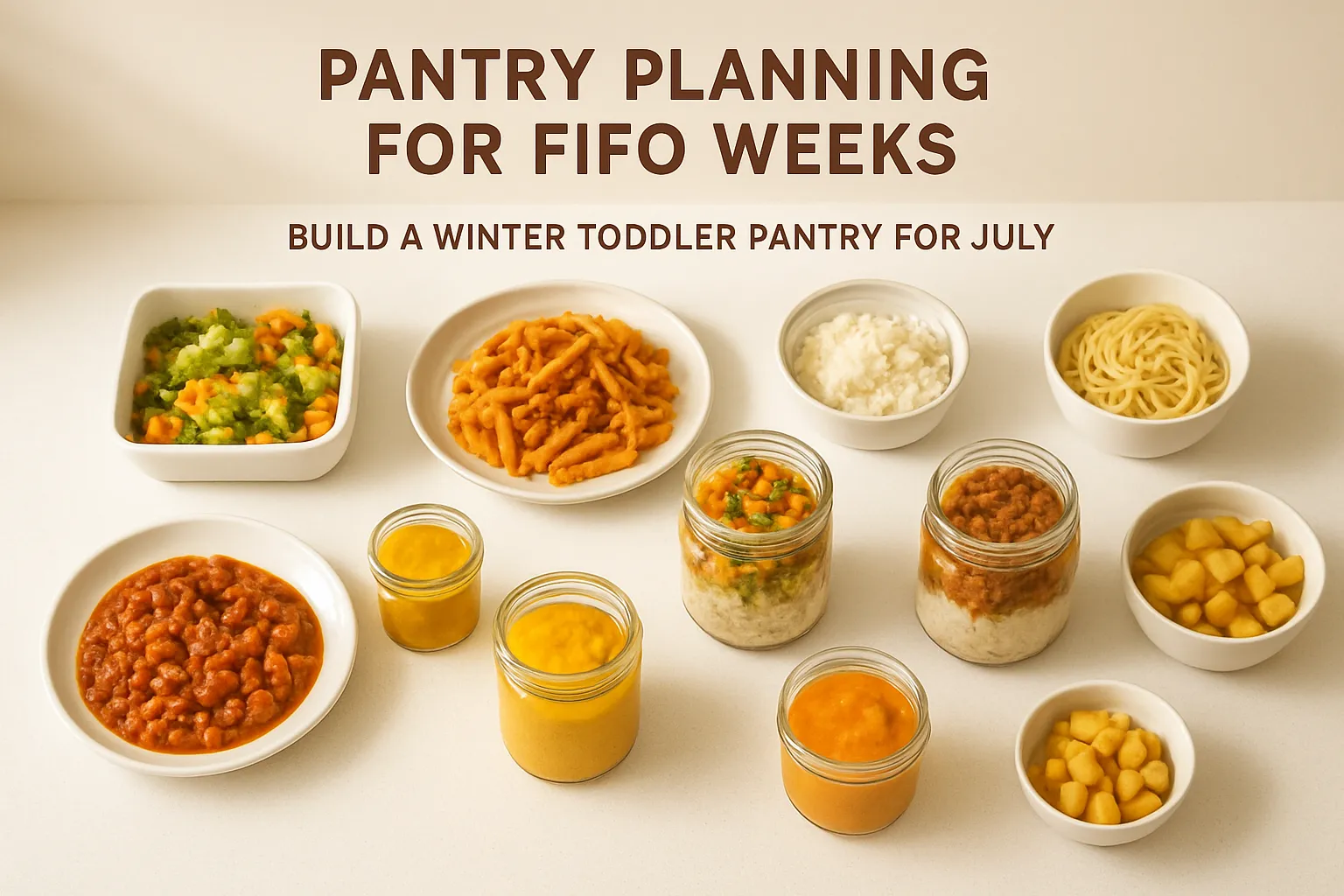
Make freezer-jar night a proper little project with the boys. They love stirring, spooning and sticking on labels, and it actually speeds the whole thing up.
Quick how-to (so it doesn’t turn into chaos)
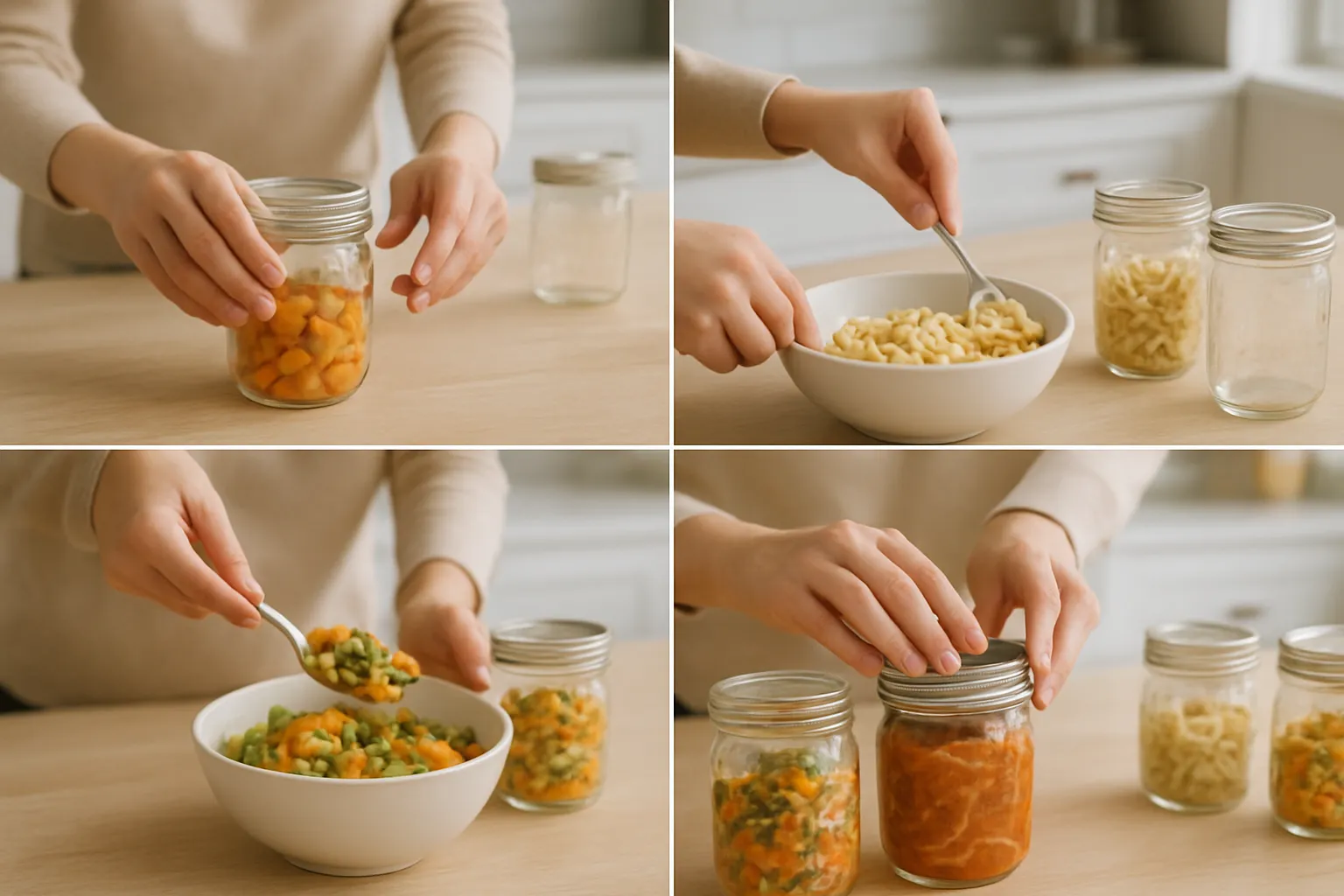
- Pick the right jars. Go for freezer-safe glass like Weck, Kilner or Ball jars, or BPA-free plastic containers. If you are unsure, check the manufacturer.
- Cook, cool, fill. Let food cool to room temperature before filling jars. Fill to about two thirds or leave 2 cm headspace for expansion.
- Don’t screw lids on tight until the jars are cool. Tighten lids once cold.
- Label plainly. Write contents, date and reheating notes. Use waterproof labels or put masking tape on the lid.
- Freeze upright until solid, then stack or line up. Rotate older jars to the front so the boys can help grab the oldest first.
Portioning for toddlers
- Small jars 120-180 mL are perfect for toddler servings. Bigger toddlers might eat 200-250 mL. Make a few different sizes so you can offer more if needed. If you don’t have small jars, divide larger batches into multiple smaller containers.
Kid-friendly tasks by age
- 2-3 years: wash veg, tear lettuce, push peas out of their pods, stick on name labels.
- 3-5 years: mash soft veg, spoon cooked mash into jars with help, drop in frozen peas or corn.
- 5+ years: stir sauces, help spoon into jars using a funnel, write the date on labels. Let the boys pick stickers to mark whose jars they made.
Simple freezer-jar recipes the boys can help with 1) Beef and veg ragu (4 toddler jars)
- Ingredients: 400 g lean mince, 1 small onion finely chopped, 1 carrot grated, 1 small zucchini grated, 400 g tin chopped tomatoes, 1 tbsp tomato paste, 1 tsp dried oregano.
- Method: Brown mince with onion, add carrot and zucchini, stir in tomatoes and paste, simmer 15 minutes until thick. Cool, spoon into jars, label and freeze.
- Reheat: Thaw overnight or warm in a hot water bath, then stir and check temperature. Keeps 2-3 months.
2) Lentil bolognese (veggie option, 4 jars)
- Ingredients: 1 cup red lentils, 1 onion, 1 carrot, 400 g tin tomatoes, 1 tsp mixed herbs, stock to cover.
- Method: Cook onion and carrot, add lentils, tomatoes and stock, simmer 15-20 minutes until lentils tender and sauce thick. Cool and jar.
- Good for: extra fibre and iron. Keeps 2-3 months.
3) Chicken, pumpkin and corn mash (4 jars)
- Ingredients: 300 g cooked chicken shredded, 300 g roasted pumpkin, 1/2 cup sweetcorn, 1 tbsp light cream cheese or yogurt (optional).
- Method: Mash pumpkin, mix in chicken and corn, add a little cream cheese to bind. Cool, jar and freeze.
- Tip: Use pre-cooked roast chicken or leftover roast to cut time.
4) Pea, potato and spinach mash (4 jars)
- Ingredients: 3 medium potatoes, 1 cup frozen peas, a handful spinach, 1 tsp butter.
- Method: Boil potatoes and peas together, mash with spinach and butter. Cool, jar and freeze.
- Great for picky eaters who like bright colours.
Reheating and safety
- Best method: thaw in the fridge overnight, then transfer to a pot and reheat gently, stirring.
- If you must microwave, transfer contents to a microwave-safe bowl, heat in short bursts and stir thoroughly to avoid hot spots. Never microwave a sealed jar.
- Test temperature before serving. Stir well so there are no hot pockets.
- After thawing, keep in the fridge and use within 24-48 hours. Do not refreeze once defrosted.
- Avoid honey for under 12 months and keep added salt very low. Use cooked eggs only if fully set.
Fun ideas to keep the boys engaged
- Make a sticker chart for each jar they help with. After ten jars they get a treat.
- Let them draw the meal on the label. Little pictures make it easier to pick meals quickly on tired nights.
- Play a two-minute tidy-up race between filling stations. It makes cleanup faster.
Final little hacks
- Double the recipe and freeze half for later weeks.
- If running out of jars, freeze portions flat in freezer bags, then stand them in a jar when reheating to hold shape.
- Keep a running list on the freezer door so everyone knows what’s inside. The boys love being the freezer bosses.
Get them involved and it becomes less of a chore and more of a Friday night tradition. The jars last you through busy weeks and the kids get a real buzz pulling their own meals out of the freezer.
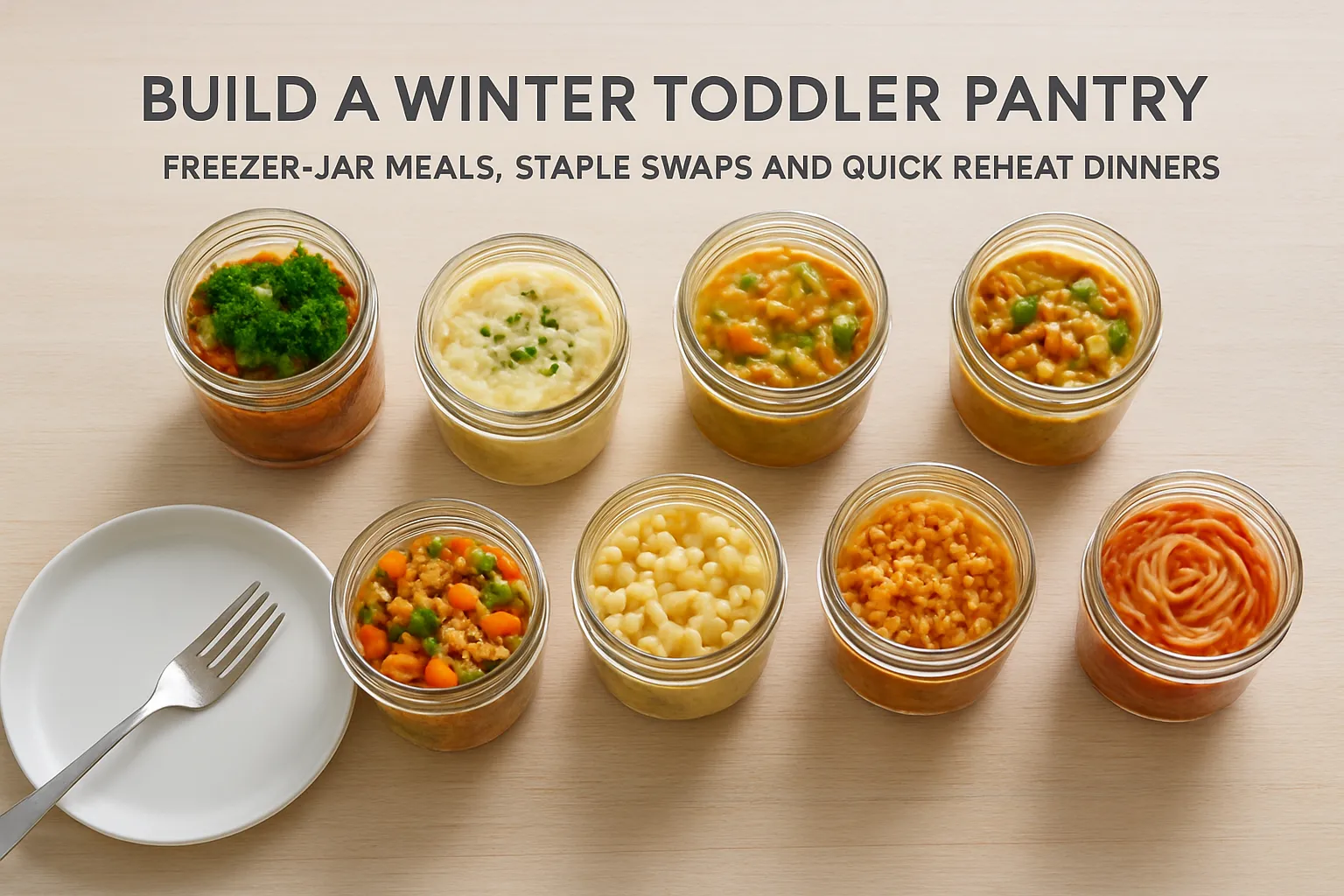
With the freezer jars sorted, a few simple pantry swaps make the week so much cozier and easier to reheat.
Staple swaps to keep on hand
- Fresh salad veg → root veg and hardy greens. Keep pumpkin, sweet potato, carrots, parsnip and beetroot in the pantry or veg drawer. They roast and mash brilliantly and last way longer than tomatoes and cucumbers.
- Soft fruit → stewing fruit and frozen fruit. Swap a punnet of berries for bags of frozen berries, and fresh peaches/nectarines for apples and pears to stew. Stewed apples freeze well and make an easy warm snack or porridge topper.
- Delicate herbs → dried or frozen herbs. A jar of mixed dried herbs and a bag of frozen chopped spinach or parsley will save a million tiny trips to the shops.
- Fresh fish/meat every day → tinned and frozen proteins. Tinned salmon, tuna in springwater, tinned legumes, and a couple of frozen portions of mince or white fish cover all bases.
- Cold cereal/snacks → porridge and warm bakes. Oats, polenta, and semolina are great for winter breakfasts that stick. Swap cold muesli for overnight oats you can warm if needed.
- Light dressings → mild sauces and broths. Keep stock cubes, passata, and mild curry pastes on the shelf to turn simple staples into comforting soups or stews.
Quick combo ideas to keep on rotation
- Roast pumpkin + red lentils + brown rice, a drizzle of yoghurt for creaminess.
- Mashed sweet potato + canned salmon + peas, served warm with toast soldiers.
- Carrot and potato soup, blended smooth or chunky depending on stage, plus a bit of grated cheese.
- Dahl with soft pieces of pumpkin and small pasta shapes or steamed rice.
- Cheesy polenta with steamed broccoli and shredded chicken.
- Stewed apple or pear with cinnamon over warm porridge or in a thermos for outings.
Batch prep and freezer-friendly swaps
- Roast a tray of mixed roots, cool, portion into small tubs and freeze flat. Thaw in the fridge overnight or reheat straight from frozen on the stove.
- Make a big pot of passata-based sauce with hidden veg, cool, jar and freeze in toddler-sized portions for pasta nights.
- Cook a lentil or chickpea dahl and freeze in single serves. Reheat gently with a splash of milk or stock.
- Freeze chopped banana, pear or stewed fruits in small portions for quick snacks or banana “nice cream”.
Seasoning and safety tips
- Keep flavours mild for little palates: cinnamon, mild curry powder, a pinch of smoked paprika, or a squeeze of lemon go a long way.
- Avoid whole nuts and big chunks of raw veg until their chewing skills are solid. Thinly shred or mash instead.
- Low salt. Use herbs, citrus and dairy to add flavour rather than salt.
Portioning and reheating
- Aim for 100 to 150 grams per toddler portion in jars or small tubs so you’re not defrosting too much.
- Reheat on the stove or in the microwave, stirring and checking temperature. A warm bain-marie works great for jars.
- Label batches with contents and date. When in doubt, freeze for up to three months and eat sooner for best texture.
Snack swaps for colder days
- Cold yoghurt pots → warmed yoghurt with stewed fruit or a baked custard.
- Raw veggie sticks → oven-roasted veggie chips, soft roasted carrot batons or steamed cauliflower florets.
- Ice blocks → frozen fruit blobs, or stewed fruit served warm.
These swaps keep the pantry simpler, the meals warmer, and the dinner prep faster on those chilly July nights. Small changes make it easy to pull together something toddler-friendly without a last-minute shop.
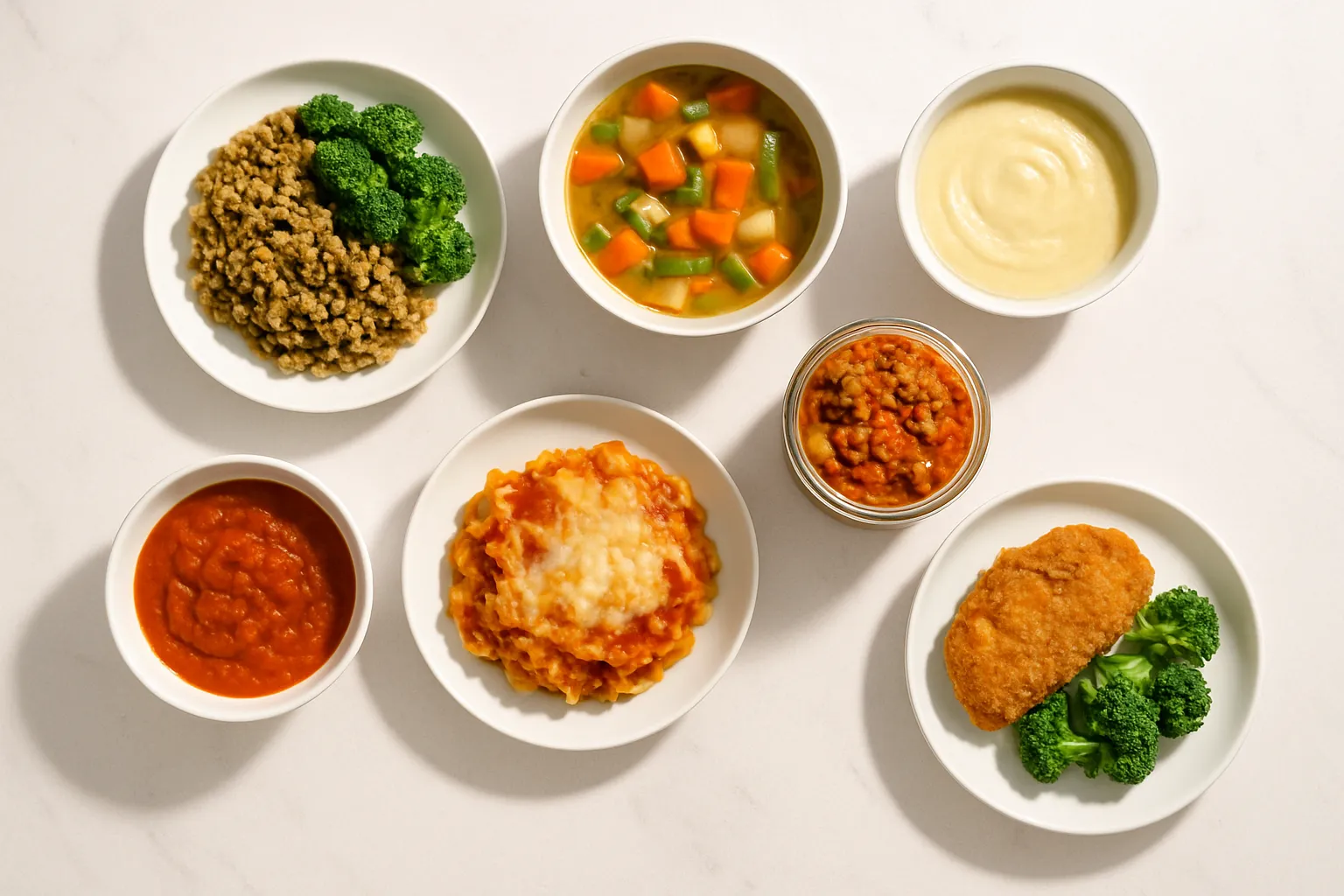
With those staple swaps in the pantry, here are quick dinner winners you can pull out, reheat and serve without drama.
Quick reheat dinners (what to stash, how to warm, toddler tweaks)
- One-pot pasta bake (meat or veg)
- Freeze in single portions. Reheat from frozen in the oven at 180 C for 25 to 35 minutes covered, or thaw overnight and microwave 2 to 3 minutes, stirring halfway.
-
Toddler tweak: shred the pasta small, stir in extra cheese or a spoon of plain yoghurt to soften sauce if needed.
- Mild chilli con carne or lentil chilli
- Fridge 3 days, freezer 2 months. Reheat on the stove over low heat for 8 to 12 minutes or microwave 2 to 3 minutes.
-
Serve with mashed sweet potato, soft rice or into warmed tortillas. Keep chilli mild and have yoghurt or avocado on the side.
- Mini meatballs in tomato sauce
- Great frozen on a tray then bagged. Oven reheat from frozen 20 to 30 minutes covered, or microwave after thawing 1 to 2 minutes.
-
Cut meatballs in half for toddlers and spoon over soft polenta or pasta.
- Vegetable dhal or mild curried lentils
- Reheats beautifully on the stove 5 to 10 minutes or microwave 2 minutes. Add a splash of water or coconut milk if too thick.
-
Serve with soft rice and a dollop of natural yoghurt to cool for little mouths.
- Pumpkin and chickpea soup
- Blend smooth and freeze in portions. Reheat on the stove 5 to 8 minutes, stirring, or microwave 1 to 2 minutes.
-
Cool slightly and serve with toasted bread fingers. Check temperature in the centre and stir to avoid hot spots.
- Tray-baked chicken and veg
- Cook, cool, then freeze in meal packs. Reheat in the oven 180 C for 20 to 25 minutes from thawed, or slice and warm in a pan with a splash of stock.
-
Shred chicken for toddlers and mix with extra veggies or gravy.
- Fried rice or noodle stir-fry
- Make extra and freeze in portions. Reheat quickly in a pan with a splash of oil or in the microwave 1 to 2 minutes.
-
Keep sauces light and vegetables diced small so it cools faster and is easy to eat.
- Fish cakes or salmon patties
- Freeze flat, then reheat in the oven 15 to 20 minutes or in a pan from frozen for a crisp outside.
-
Flake before serving and pair with mashed potato and peas.
- Baked beans with added veg and sausages
- Quick from fridge to microwave 1 to 2 minutes. Add grated carrot or pumpkin to boost veg without fuss.
-
Serve on toast strips so toddlers can feed themselves.
- Slow-cooked beef ragu
- Freeze in jars or tubs. Reheat gently on the stove 10 to 15 minutes or microwave 2 to 3 minutes.
- Keep the ragu saucy so it coats pasta and is easy for little ones to manage.
Fast sides and finishing touches to keep on hand
- Steamed frozen peas, corn or carrot coins: microwave 1 to 2 minutes.
- Quick mash: pre-cooked potato or sweet potato mashed with a knob of butter or milk.
- Grated cheese, plain yoghurt, avocado or chopped soft fruit to cool and bulk meals.
- Toast, wraps or soft rice for scooping.
Labeling, storage and safety tips
- Fridge life: aim for 3 days. Freezer: 2 to 3 months for best quality.
- Defrost overnight in the fridge whenever possible. If you need to reheat from frozen, allow extra time and make sure the centre is hot.
- Always stir food when microwaving to break up hot spots and test the temperature before serving to kids.
Speed hacks for chaotic evenings
- Keep a small stack of ready-to-go toddler bowls in the freezer so you can portion meals straight into them when cooking. Pop lids on, freeze flat and you have single serves ready.
- If the kids are ravenous, serve a warm spoonful of the meal with a chilled fruit pot or yoghurt on the side while you finish reheating the rest.
- Rotate three favourite dinners through the week so there is always something familiar and quick to dish up.
Simple, kid-friendly, and ready when you need it. The trick is small portions, mild flavours, and having quick sides on standby so nothing gets fussy at the dinner table.
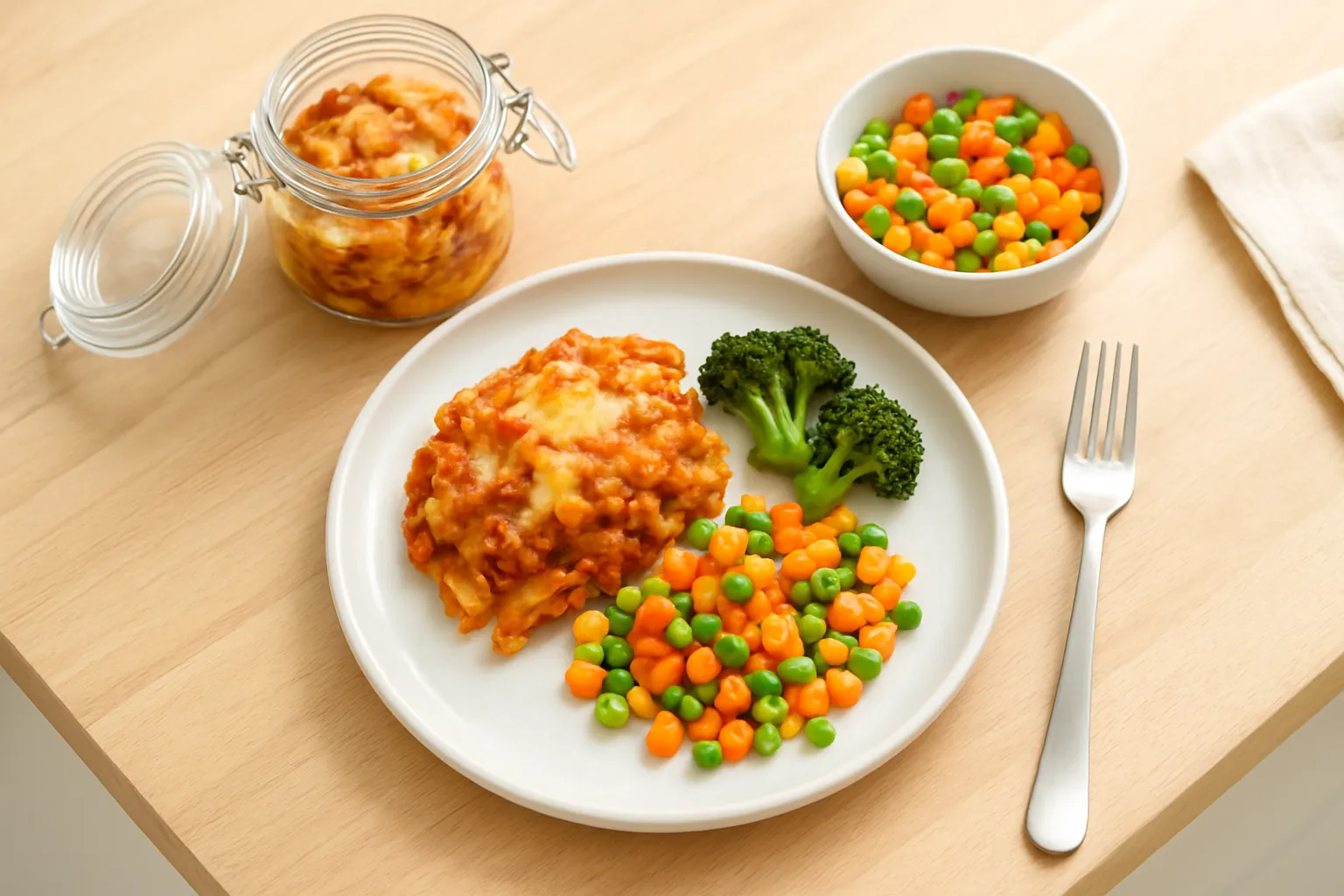
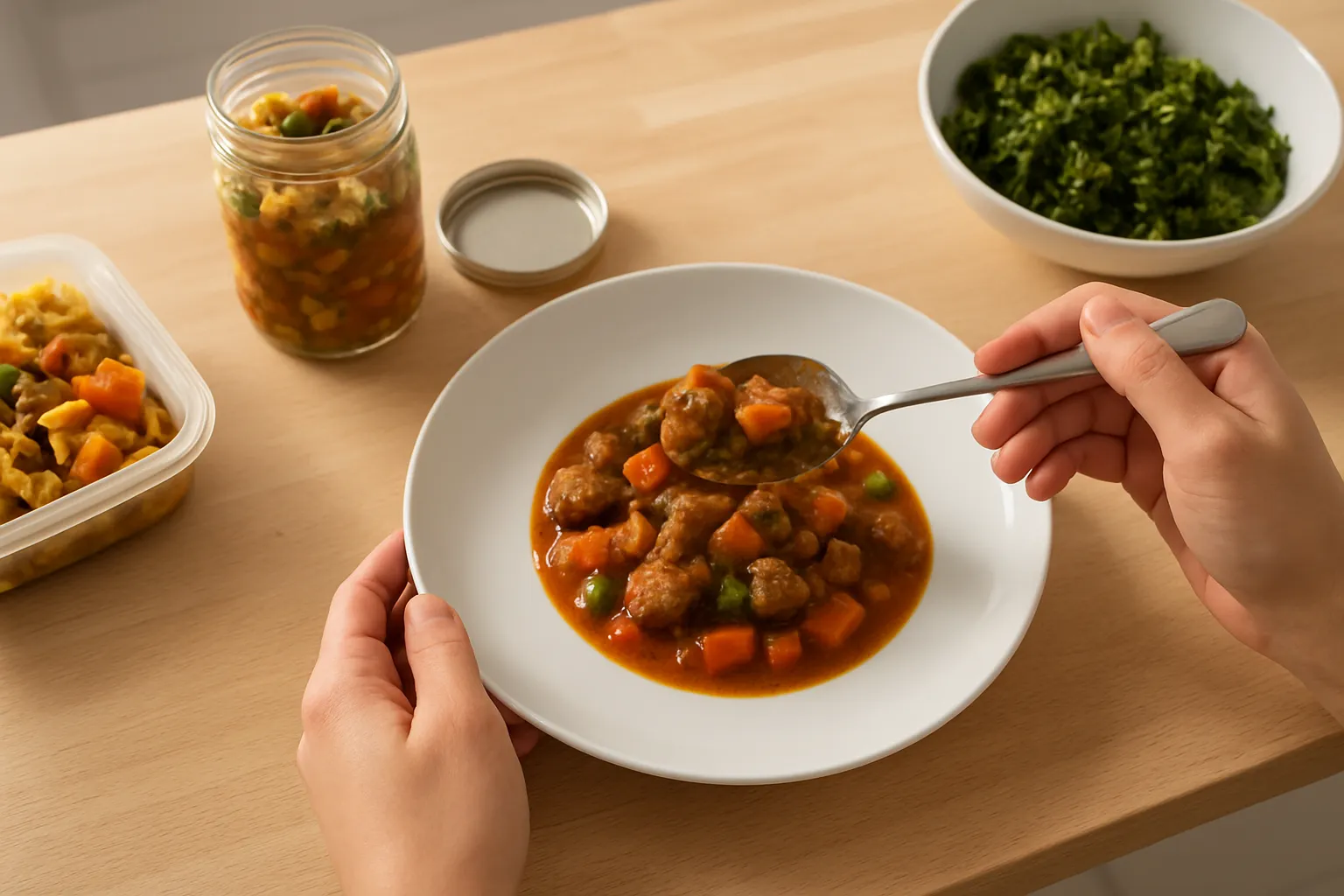
Quilts can be a real game changer when the kitchen turns into a beautiful mess. A couple of easy habits and a spare quilt or two will save your back, your nerves and a whole lot of vacuuming.
Practical quilt hacks for kitchen chaos
- Soft play boundary: Lay a quilt just outside the kitchen work triangle to mark a safe play zone. Put a laundry basket of toys, a sticker book and a sealed snack cup on it. Kids learn the boundary quickly, and crumbs stay contained.
- Pop-up helper station: Fold a small quilt into a booster pad or highchair cover for quick meals. It adds warmth, catches drips and whips off into the wash when needed.
- Indoor picnic for instant calm: When cooking needs focus, spread a quilt on the floor and seat the kids with simple prepped food. They feel included, you get concentrated time to reheat, finish a jar or stir a pot.
- Heat-safe shortcuts: Use a folded quilt to insulate and safely hold a warm jar (like for cooling freezer-jar meals), but never reach over a hot stove with loose fabric. Always use oven mitts for very hot trays.
- Calm-down nook: Keep a quilted rug and a small basket of quiet toys or books ready. If a meltdown starts, lead them to the quilted nook for a minute of cuddles or a quiet snack. It often stops small dramas from escalating.
- Activity box on rotation: Keep a “kitchen-only” box on the quilt with jobs they can actually do - sorting lids, wooden spoons for stirring in a bowl, sticker charts, stacking cups. Bring it out only at mealtimes so it stays novel.
- Quick clean routine: Shake quilts outside, then toss them in the machine. Have two you rotate so one is always ready. Choose machine-washable cotton or flannelette; avoid long tassels or glued-on bits that catch crumbs.
- Visual timers and rituals: Give a 10-minute warning, open the quilt spot and set the activity box out. A short ritual like this helps toddlers know what to expect and reduces interruptions.
- Keep safety front and centre: No quilts near open flames or oven doors. Keep them well away from hot appliances and never use thin quilts as mitts. Teach the “stay on the quilt” rule when something is cooking.
Little routines that actually stick
- Start small: five minutes of helper tasks at first, then build up. Praise effort with a quick hug or sticker.
- One-supply novelty: rotate the toys in the kitchen box so the same quilt time feels fresh each week.
- Two-blanket system: one quilt for play, one for meals or highchair covers. Easier to manage and less laundry stress.
Chaos won’t disappear, but quilting your kitchen life makes it a lot softer. A couple of simple rules, a washable quilt or two and a stash of small jobs will turn kitchen storms into manageable weather.
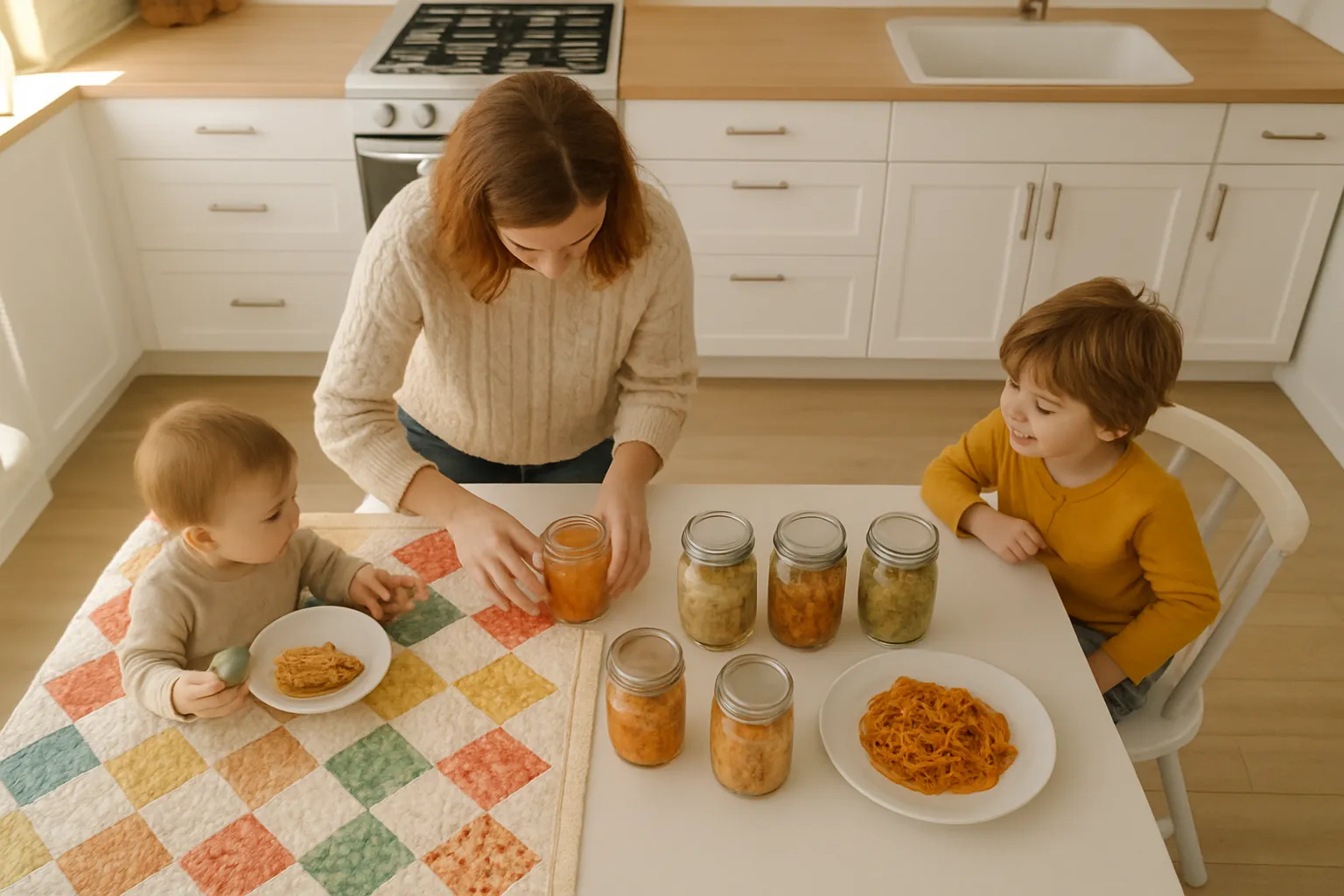
Photo credit: Pexels
Browse Cuisines
From the Blog
First up, a few no-fuss spring winners that keep sticky fingers and big clean-ups to a minimum. Quick to prep and easy for little hands to manage, these are the sorts of things I reach for when we want something...
Nice - here’s how Steve keeps dinner simple without sacrificing flavour or sanity. A few good habits and the right packing tricks mean you can pull a proper family meal out of the freezer in minutes.
Righto, a couple of quick fridge fixes will make everything a whole lot easier. These are the simple, practical habits and setups that keep snacks safe, obvious and actually reachable for little hands.

 Never miss a recipe from us, subscribe to our newsletter